
01 Crafted Futures
01.01 Craftsmanship & Technology
01.02 Technology | AI
01.03 Social Modernity
01.04 Future is NOW!
01.05 Tradition
02 Meaning Making
02.01 Phenomenology of Perception
02.02 Sensorial Design
02.03 Poetic Analogy
02.04 Aniconic Symbolism
02.05 Cultural Narratives
02.06 Rock-cut Architecture
03 Human Condition
03.01 Secular Humanism
03.02 Social Justice
03.03 Racial Justice
03.04 Caste
03.05 Slavery
03.06 Design for Humanity and Sustainable Living
04 Culture of Creation
04.01 Cultural Nomadism
04.02 Cultivation and Practice
04.03 Poetics of Defiance
04.04 Chronology of Works
Acknowledgements
Satyendra Pakhalé Living Archives
Satyendra Pakhalé, with his deep curiosities on a wide range of topics cultivated over the years, sees the world as one place of our common human condition. This intellectual curiosity has shaped the design practice of Pakhalé, leading to various themes and projects (please see ongoing research, design, and development topics below). Together, they form a broader and deeper cultural and contextual landscape for his polymathic work.
At the heart of his practice is what he calls the Culture of Creation: the thinking and research that fuel his daily studio life. It explores why we, as human beings, do what we do and how the things we create nourish both our sensorial and social nature. The Satyendra Pakhalé Archives contextualize his multifaceted, culturally diverse, research-driven, and rigorous studio practice. They shed light on his way of creation, his studio practice, background, critical thinking, worldview, and intellectual position.
The entire living archives are classified into four topics: 1. Crafted Futures, 2. Meaning Making, 3. Human Condition, and 4. Culture of Creation, they serve as a framework for understanding the breadth of Pakhalé’s curiosity. They classify the threads of his thinking and ground them in a worldview that considers perception, ethics, aesthetics and culture as inseparable. Drawing on philosophical, historical, and cultural insights, from age old early Buddhist (Dhamma in Pali) Phenomenology of Perception to contemporary issues of social justice, racial equity, caste, and slavery, Pakhalé’s work bridges individual sensibility with universal human concerns.
Simultaneously, his methodology celebrates adaptability, cultural nomadism, and the poetics of defiance: the ways in which human creativity emerges under constraint, oppression, or limitation, transforming adversity into aesthetic and social possibility. Through careful cultivation of practice, perception, and critical inquiry, Pakhalé creates works that are both sensorially rich and ethically grounded, asserting that design is not merely functional or decorative but a medium for hope, collective identity, and meaningful cultural dialogue.
This archival project is a work in progress, led by Dr. Tiziana Proietti, Architect, Oklahoma University, USA, and Mrs. Wera Selenowa, Managing Director of Satyendra Pakhalé Associates, Amsterdam, NL. The team is working towards creating the ‘Satyendra Pakhalé Catalogue Raisonné’: a comprehensive, annotated record of all known works, such as design, art, and architecture; drawings, aquarelles, lectures, writings, and interviews; including his bespoke objects and settings for his personal use; and the objects and curiosities collected during his travels around the world. The studio library, with its rare books acquired over the years, many filled with Pakhalé’s handwritten annotations and insights, are also part of this effort. The scientific committee for the ‘Living Catalogue Raisonné’ is currently being formed.
Following topics on which ongoing research, design, and development are being carried out at the polymathic practice of Satyendra Pakhalé Associates, Amsterdam, NL.
01 Crafted Futures
Crafted Futures explores Satyendra Pakhalé’s enduring fascination with making things, not merely as a means to an end, but as a reflective, eco-centric process of creation. For Pakhalé, making is an inherently human act: a cultural gesture rooted in tradition, yet continuously transformed through technology. In his philosophy of ‘new craftsmanship’, modernity is not opposed to craft, but allied with it. Tradition and advanced technology, daily folklore and industrial research, material intelligence and human sensibility converge to form a renewed condition of making, one capable of universal communication across cultures and generations.
Rejecting the long-assumed divide between industrialization and manual work, Pakhalé views creation itself as part of tradition. His approach reframes modernity as a project of social cohesion, not merely technological progress. Design, in this sense, becomes an agent of social modernity, a way of cultivating dignity, plurality, and participation in increasingly complex societies. At a time when Europe negotiates migration and identity, and rapidly developing nations such as China, India, and Brazil articulate their own visions of modern life, Pakhalé’s work proposes a design culture that transcends Eurocentric binaries. His practice suggests that true modernity must be lived socially, not simply expressed visually.
Central to this evolving vision is the idea of ‘cultural innovation’. While technological innovation may transform production, Pakhalé emphasizes that design ideas capable of shaping social behaviour can become social innovations and, when embraced collectively, it becomes a ‘cultural innovation’. Design is thus not only a response to society but a force that shapes it. It becomes a way of knowing and rebuilding the world.
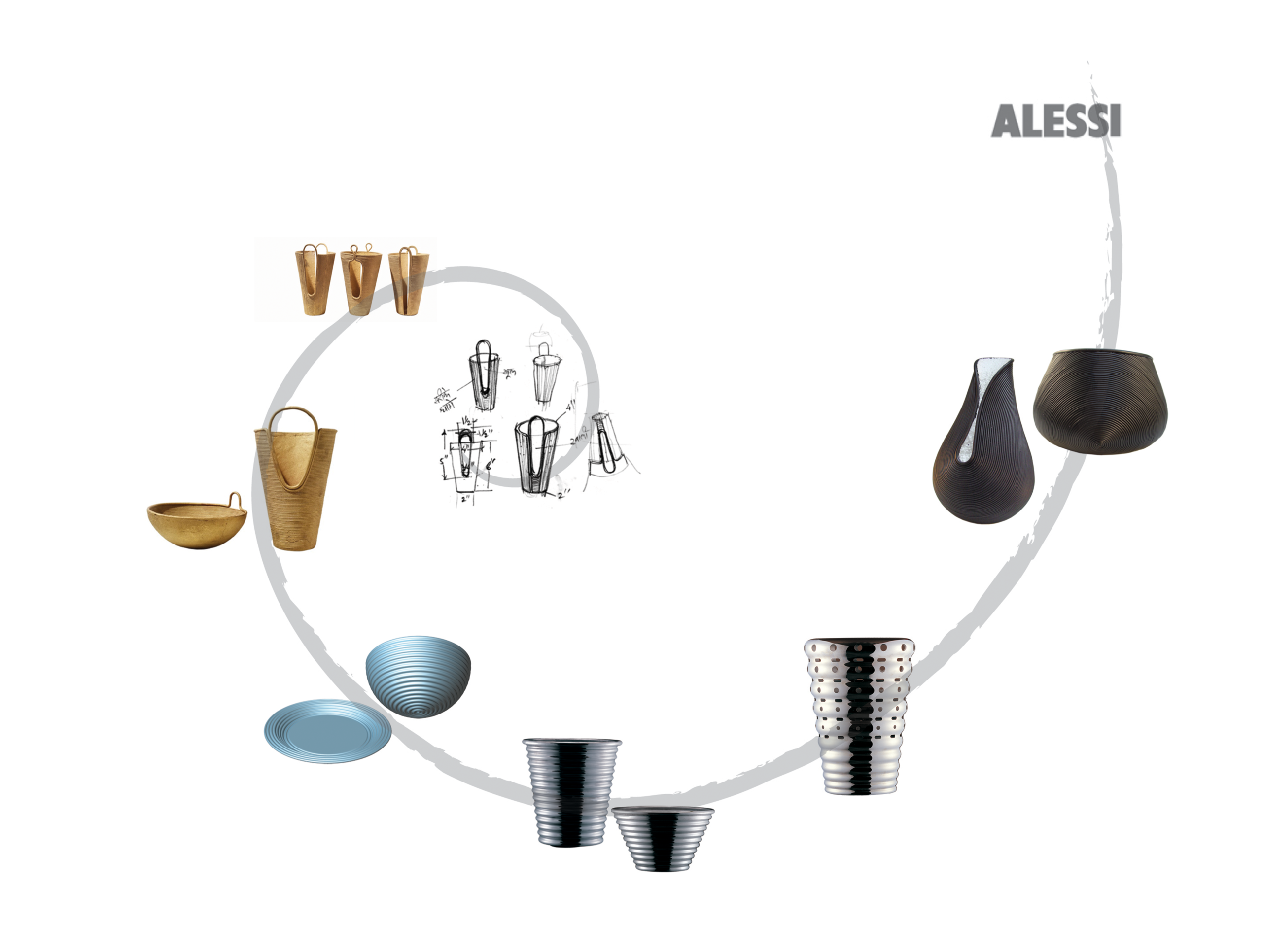
This ethos is evident in the logical unfolding of his projects. After the tactile explorations of Bell Metal Objects, the sensorial qualities of metal led to the development of Steelwave in collaboration with Alberto Alessi at Alessi. What began as an exploration of wave formations in stainless steel evolved through years of prototyping (2000–2005), resulting in vases, bowls, trays, and serving objects that translated the ripple effect of water into industrial precision. The journey from first-generation bell metal works to the refined Steelwave family demonstrates how craft knowledge can migrate across materials and manufacturing systems without losing its sensorial depth.
Similarly, his residency at the European Ceramic Work Centre (EKWC) marked a pivotal exploration of clay as both an ancient and high-tech material. There, Pakhalé immersed himself from age old hand throwing process pottery, ancient glazing such as terra-sigilata to advanced structural ceramics experimentation, and high-temperature kiln processes, working alongside skilled artisans to test scale, symmetry, and special ceramic joints that he created and construction. These ceramic investigations not only generated new object typologies, including early studies for ceramic audio speakers but also informed later architectural scale works such as the Flower Offering Chair and the Add-on Radiator. Each inquiry became the foundation for the next, forming a continuous chain of research rather than isolated experiments.
Pakhalé’s curiosity extends to typological studies such as his long engagement with spouted objects admired for their precise utility and cultural specificity, exemplified by the iconic soy sauce dispenser by Kenji Ekuan for Kikkoman Corporation. Through his several sketches carried out over a period of time and clay models, and metal prototypes, he reinterprets such archetypes, demonstrating how subtle formal shifts can generate entirely new families of objects.
Underlying these explorations is what Pakhalé calls the ‘cultivation of mind.’ Neither nostalgic traditionalist nor technological futurist, he resists binary dualities. Instead, he works in the ‘present’, a temporal condition where past and future coexist. Every decision in the life of an objector a built environment, from inception to realization, reflects the cultivated sensibility of its maker. Design, for Pakhalé, ultimately transcends its creator; it becomes a companion to human life, shaping environments and, by extension, shaping society.
In this light, Crafted Futures is not simply about objects to architectureand built environments. It is about a worldview in which craftsmanship evolves through technology, innovation becomes cultural, and design acts as a catalyst for social modernity. The future, in Pakhalé’s practice, is not distant unknown entity. It is continuously crafted, here and now.
01.01 Craftsmanship & Technology
For Satyendra Pakhalé, making is a fundamentally human act enhanced, not replaced, by technology. Through his concept of “new craftsmanship,” he bridges the perceived divide between industrial production and manual work, aligning modernity with tradition. Projects such as Steelwave, developed with Alberto Alessi for Alessi, and his ceramic research at the European Ceramic Work Centre demonstrate how material intelligence, craft knowledge, and industrial processes can coexist. For Pakhalé, technological advancement becomes meaningful when rooted in sensorial experience and human authorship.
BELL METAL OBJECTS MAKING
In an attempt to find alternatives to this sterility in mass manufactured goods, Satyendra Pakhalé aims to create ‘sensorial qualities in industrial design – such as the texture and warmth we recognize in age-old objects, yet without passively accepting traditions.’
Pakhalé believes that ‘manual work is an integral part of every design process, in industrial design just as much as craft. Working with the hands is a way of thinking and keeping in touch with the kind of making that expresses universal values that are understandable everywhere.’
A
B
C
D
E
F
G
H
I
J
K
L
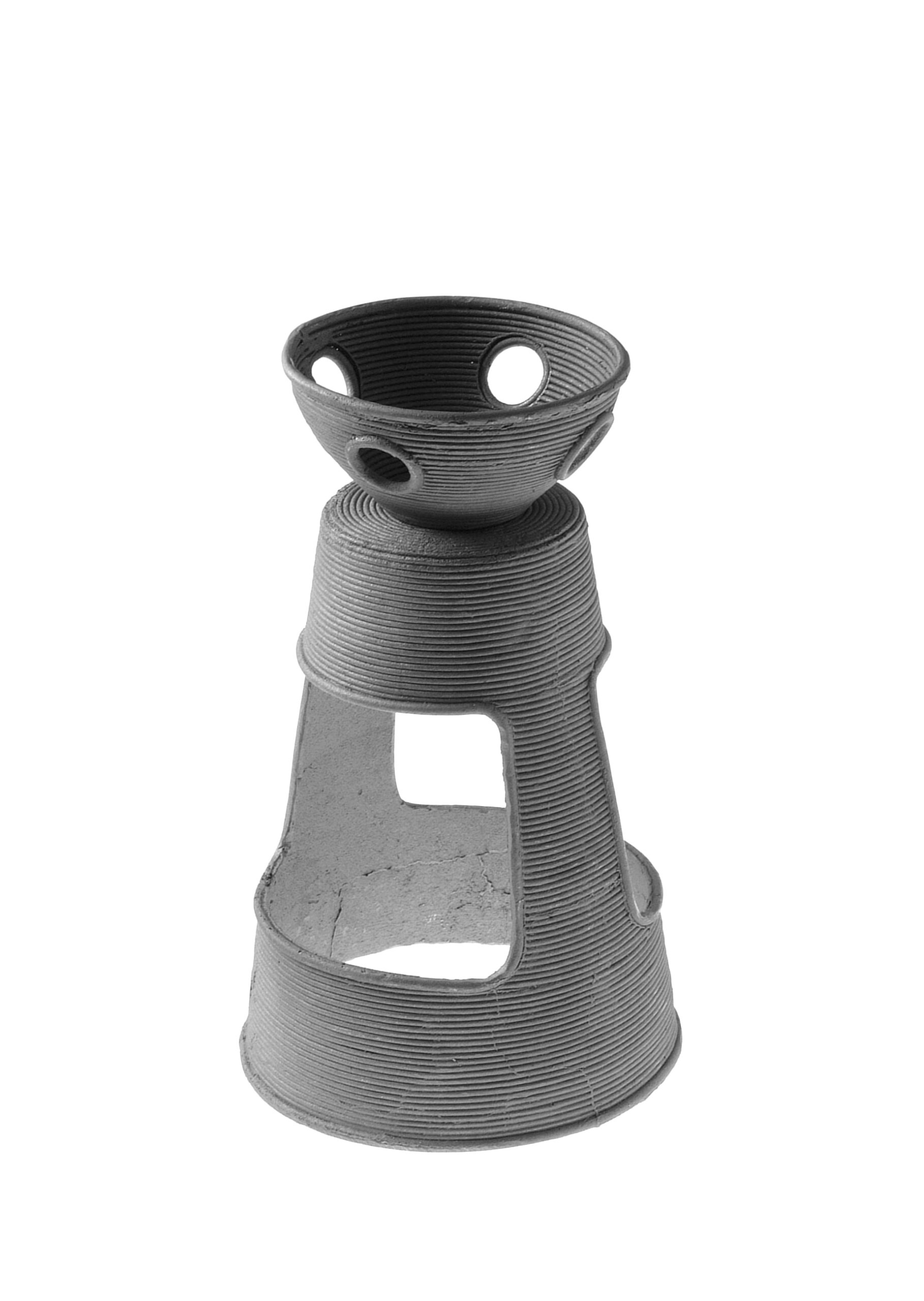
M
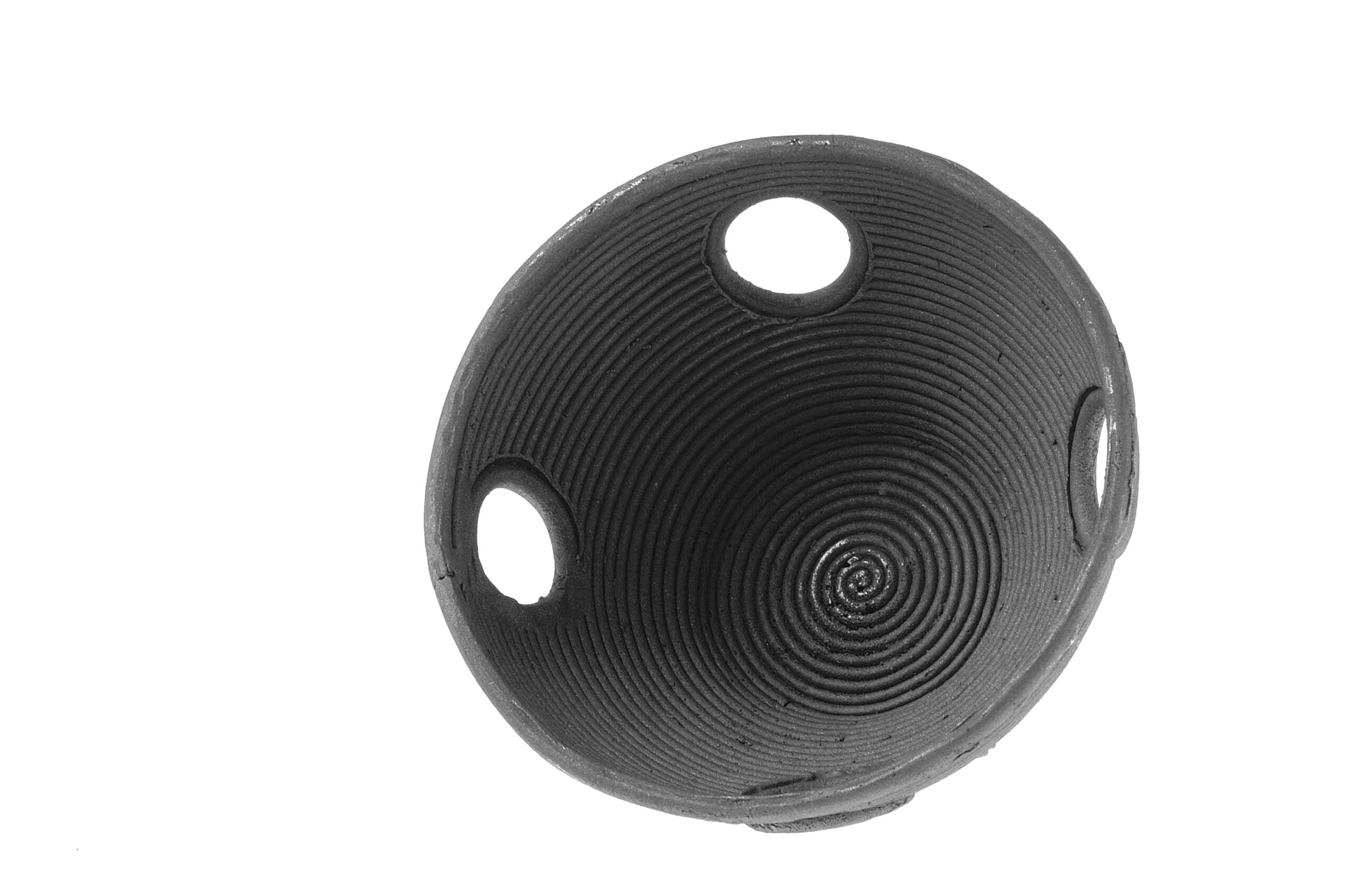
N
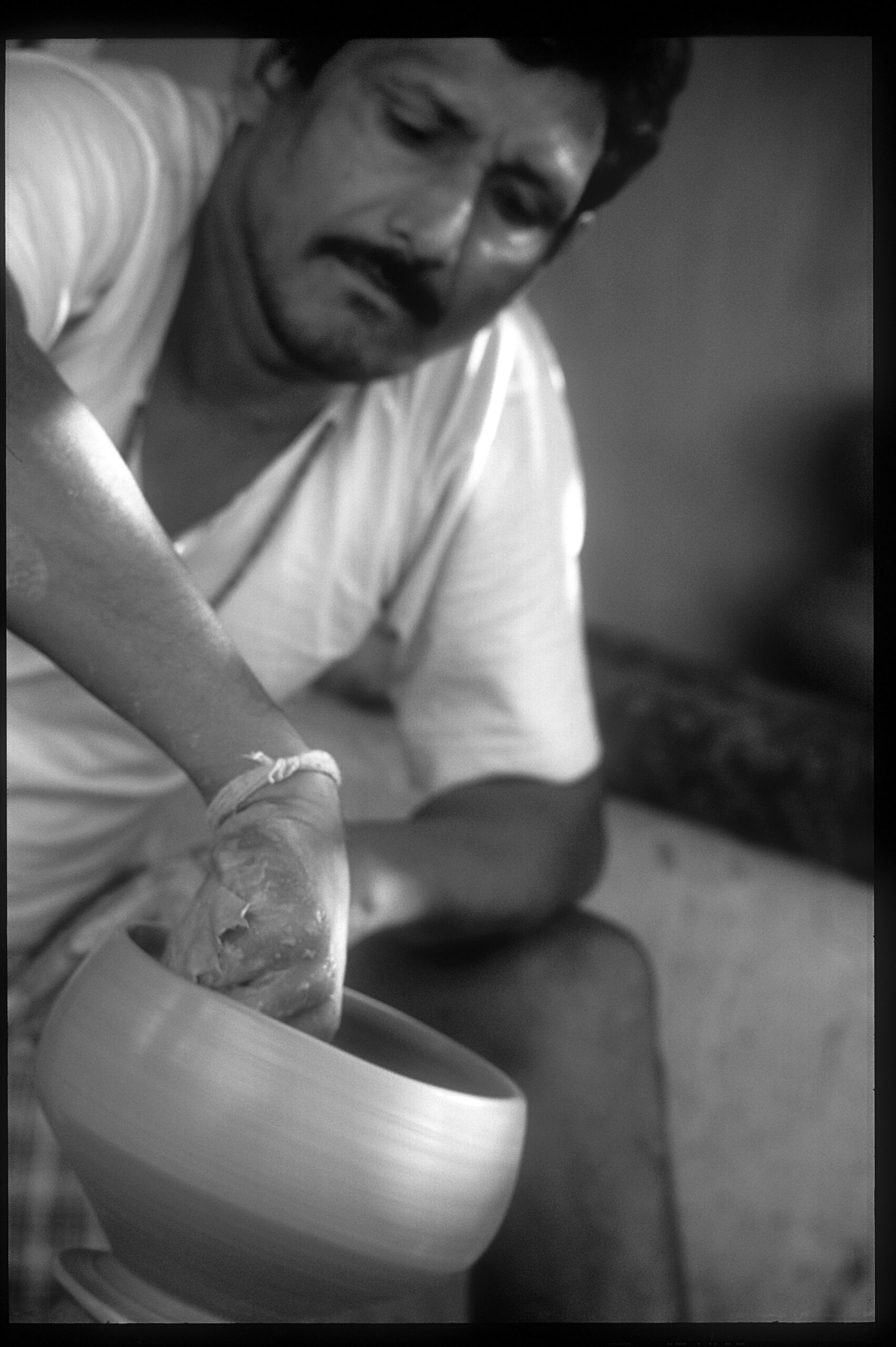
A – Traditionally rough moulds are made. Pakhalé suggested having a potter make them instead, that is not the practice as the two communities usually do not work together, but he convinced them of the benefit of collaboration.
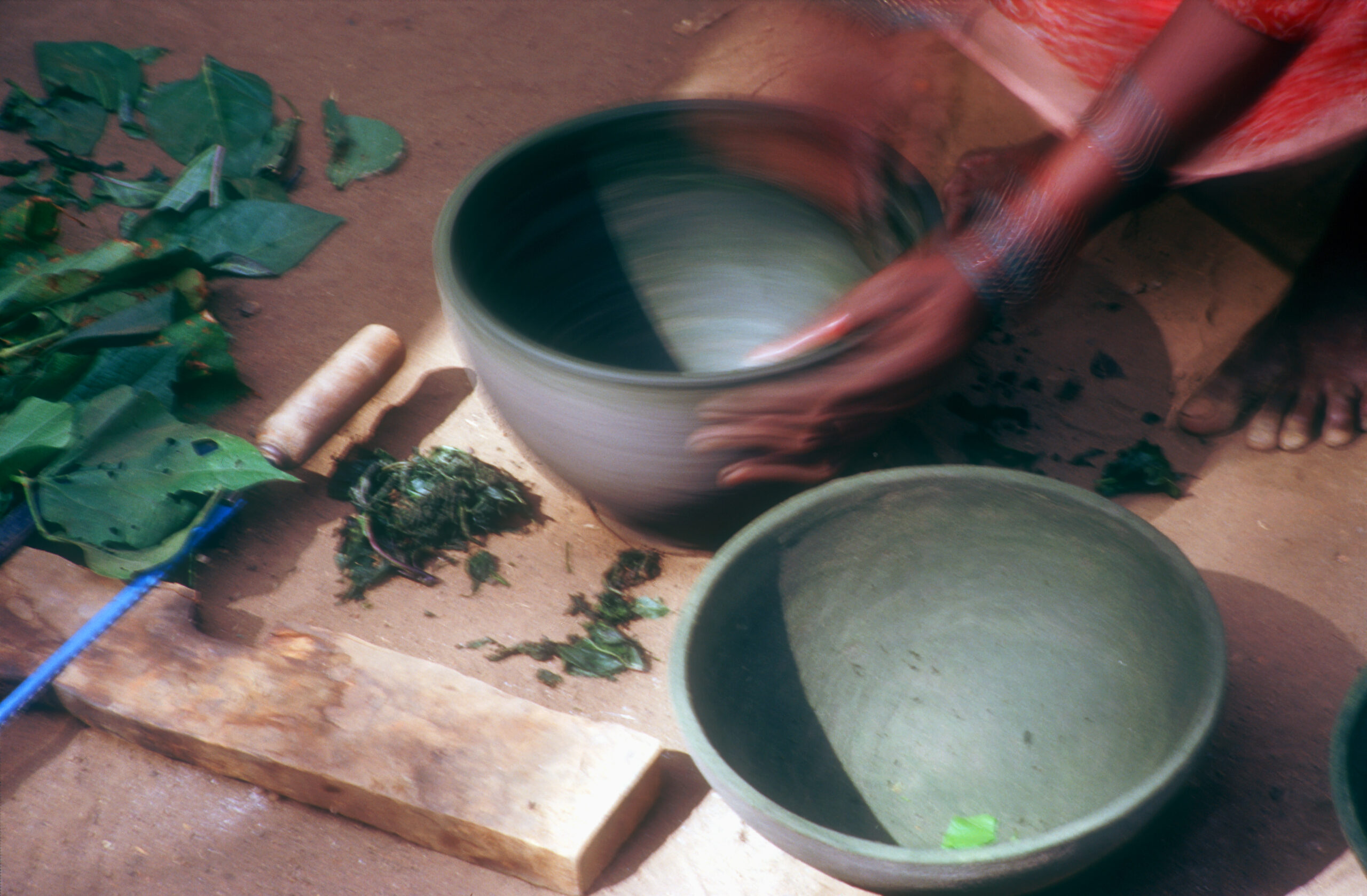
B – The dried clay mould is rubbed with local tree leaves to make the surface smooth and clean. The craftsmen have developed a refined sensitivity to objects created with ecological means.
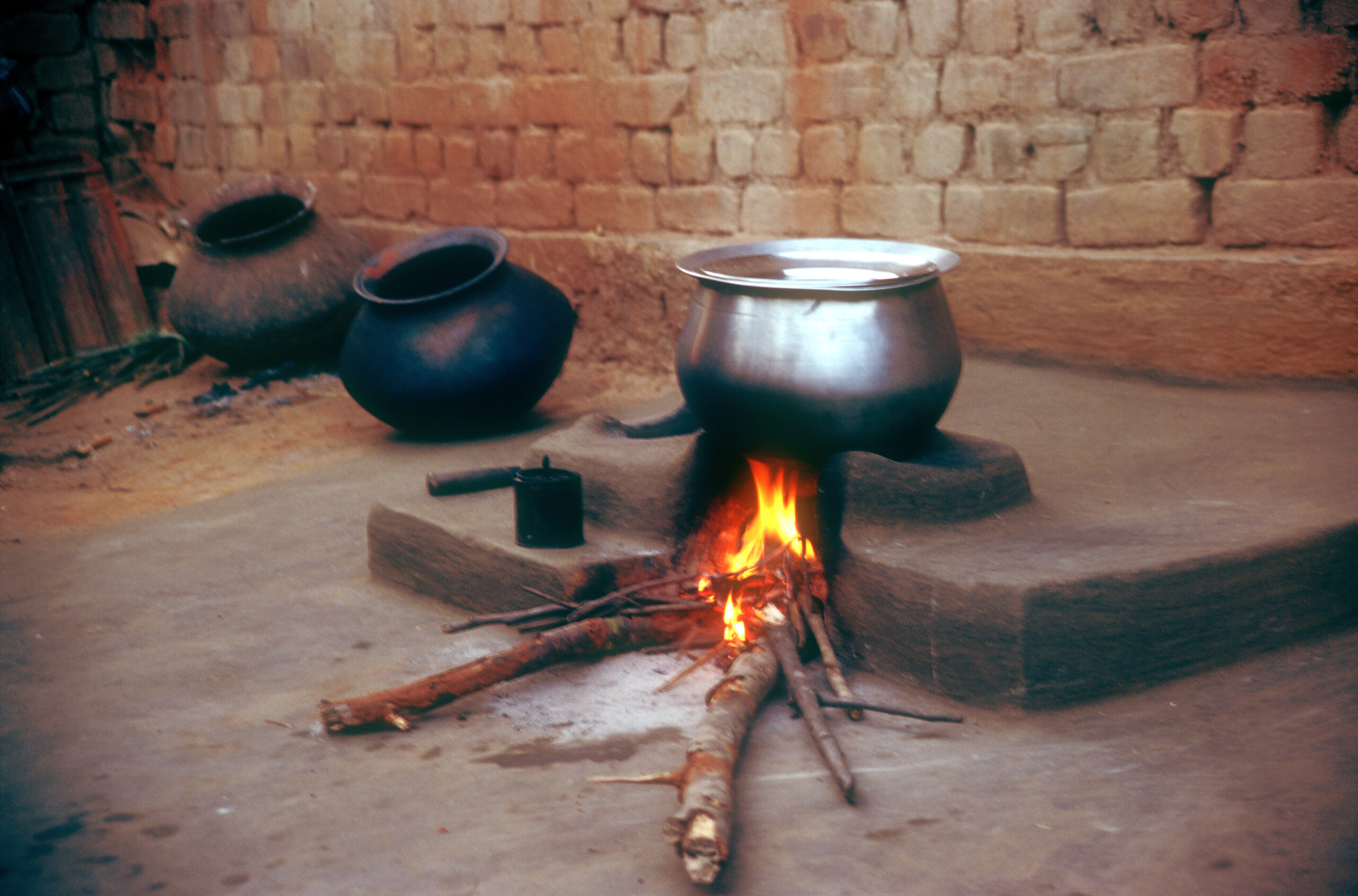
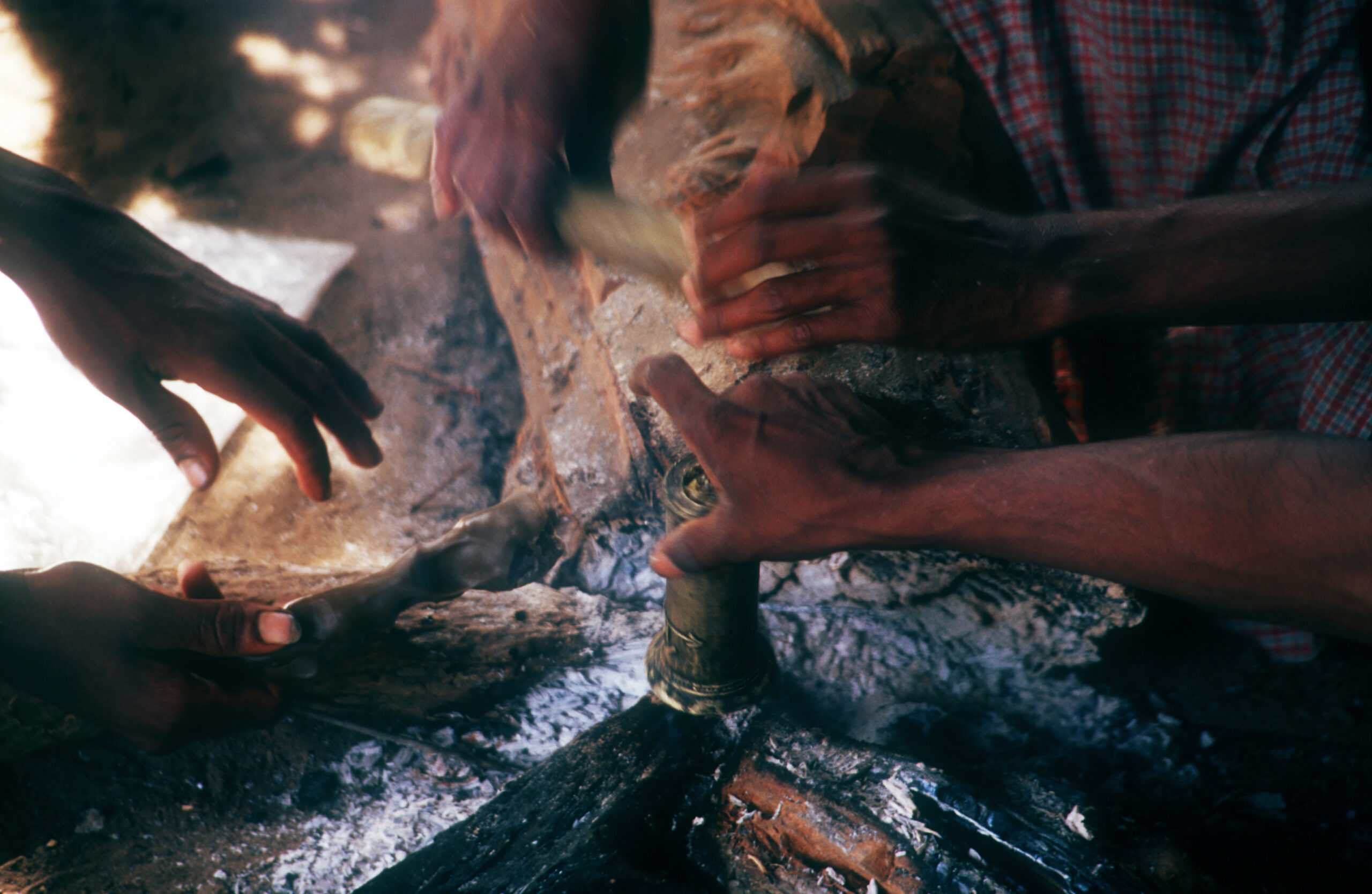
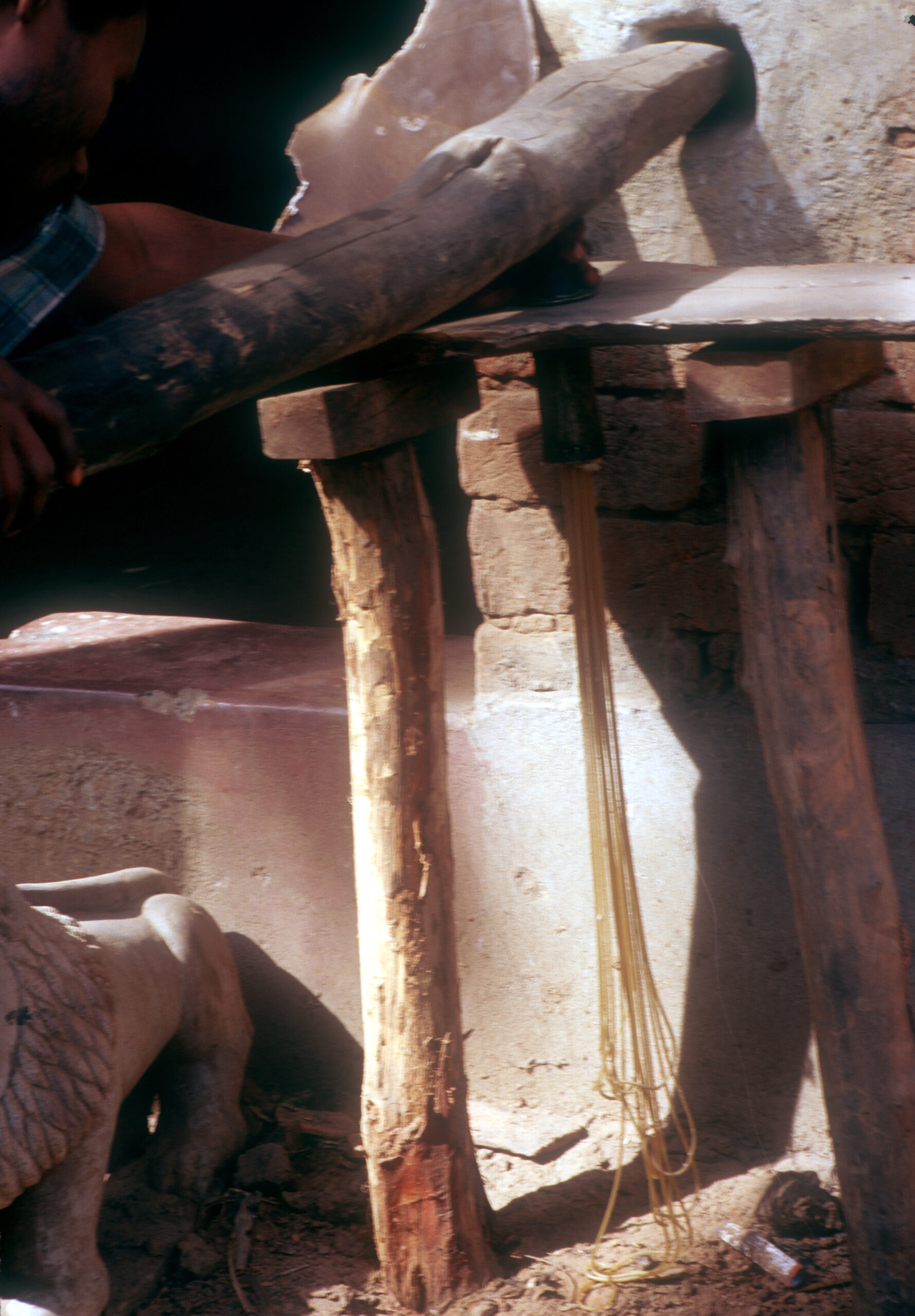
C-F – Natural wax is collected from trees, melted and strained through a fine cloth, keeping it clean and free of impurities. Then it is squeezed through a sieve to create wax wires.
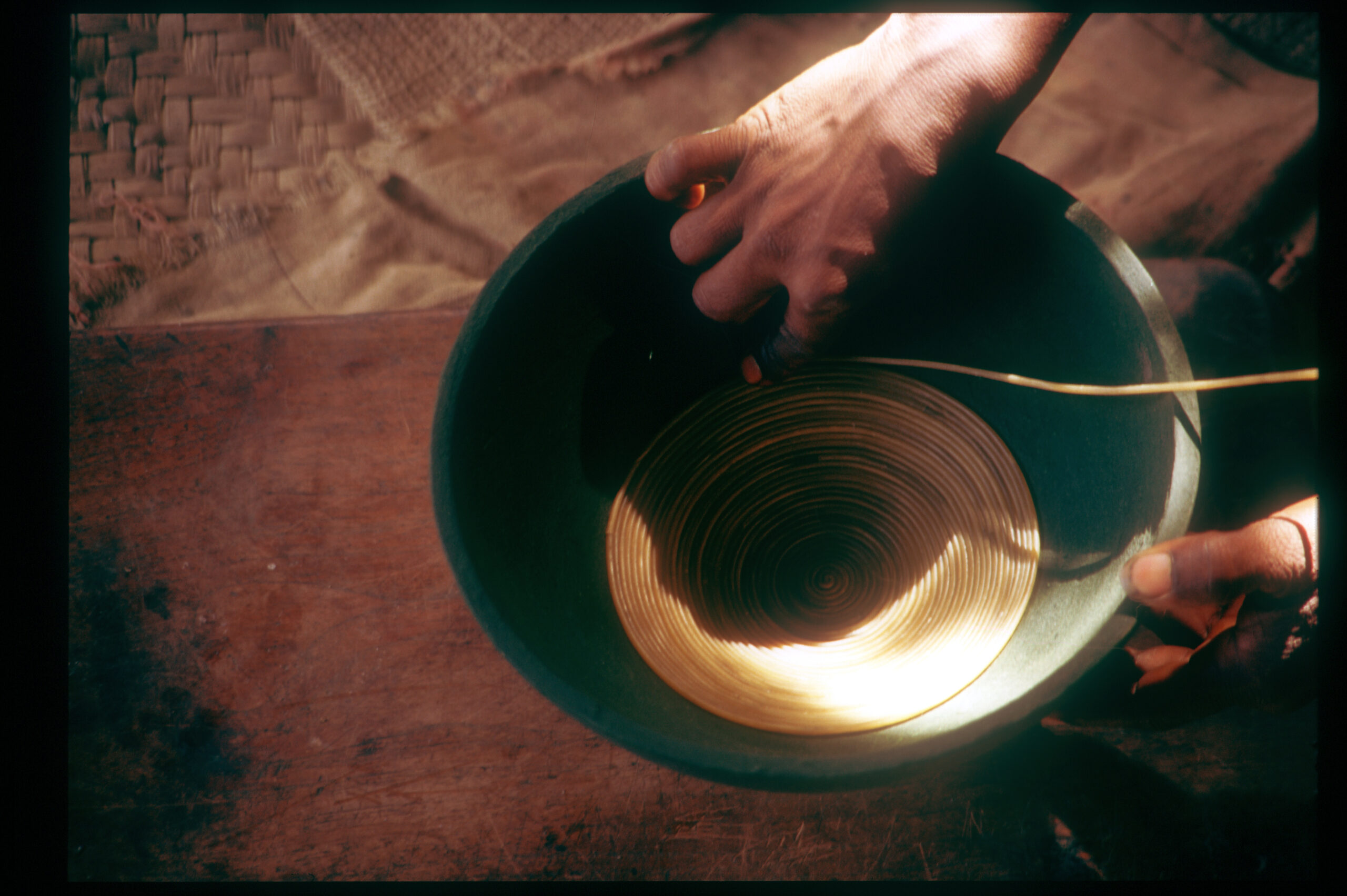
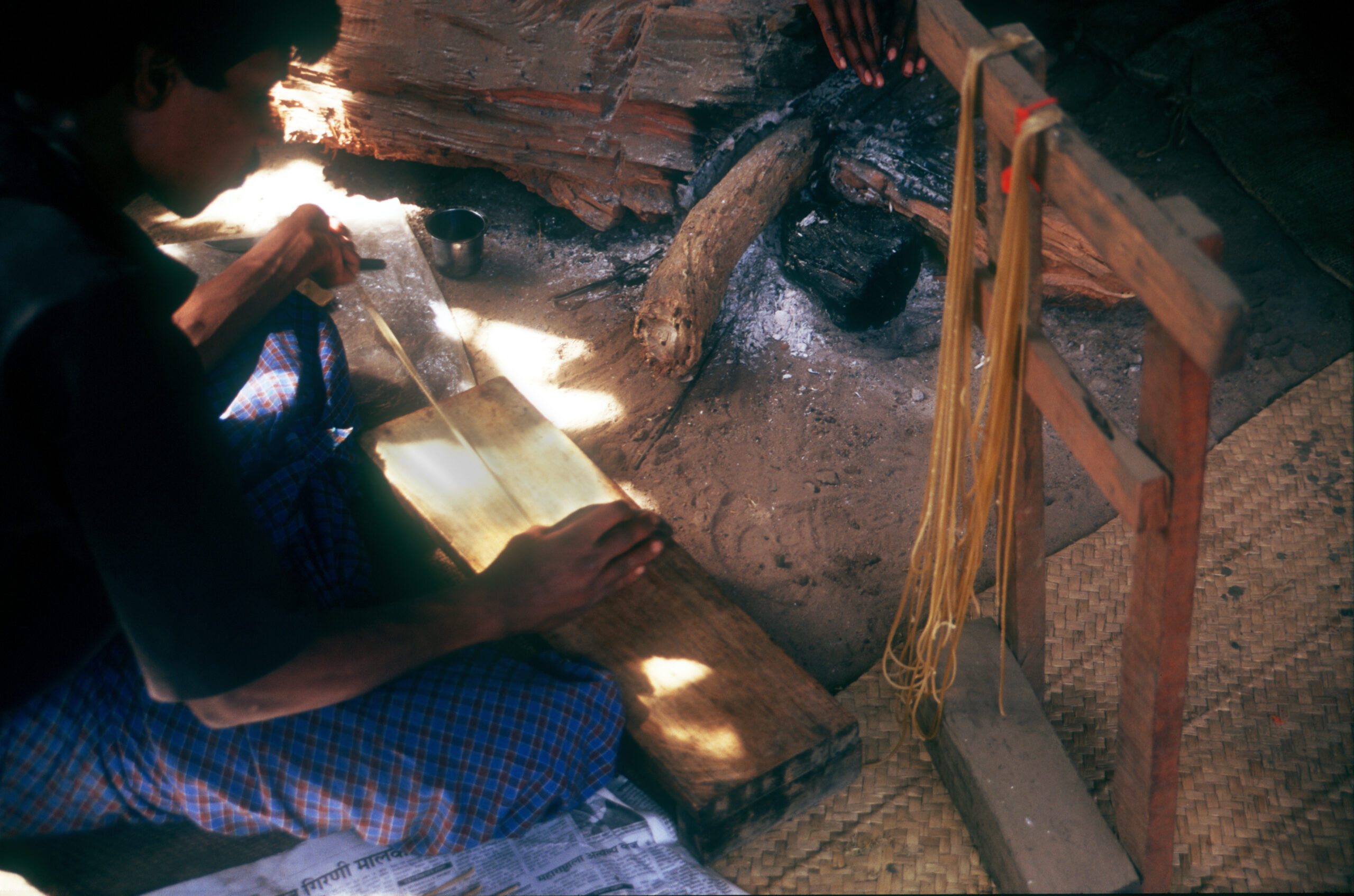
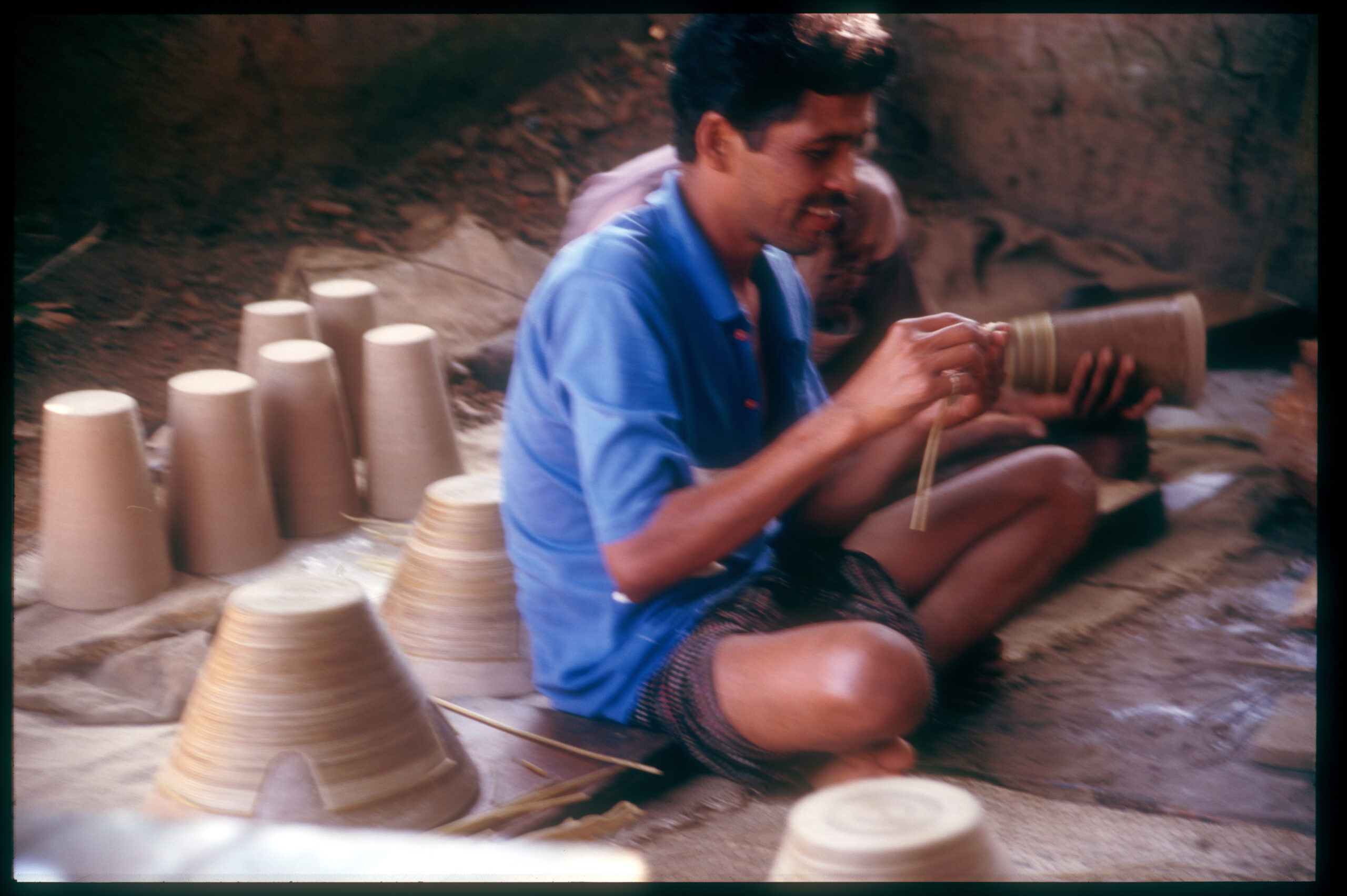
G-H – Each wax thread is wound once around the core, one after another, until the whole surface is covered. The craftsman sits in the sun to let the clay core and wax coating warm up uniformly.
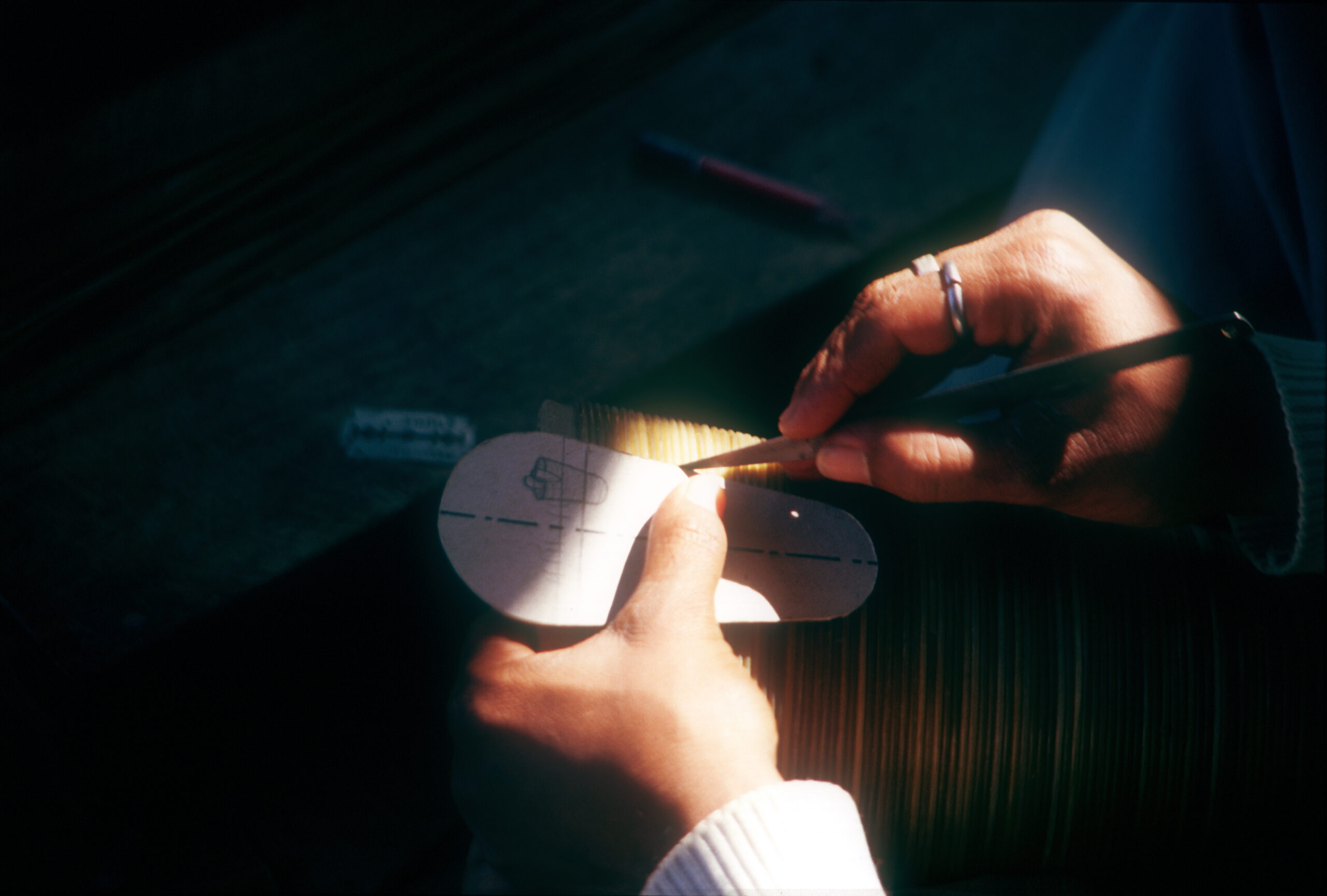
I – After carefully doing the wax thread work, a handle pattern is cut out with the help of a simple template, improving the quality of the final cast object. Such basic techniques are hardly Used due to the limited educational possibilities.
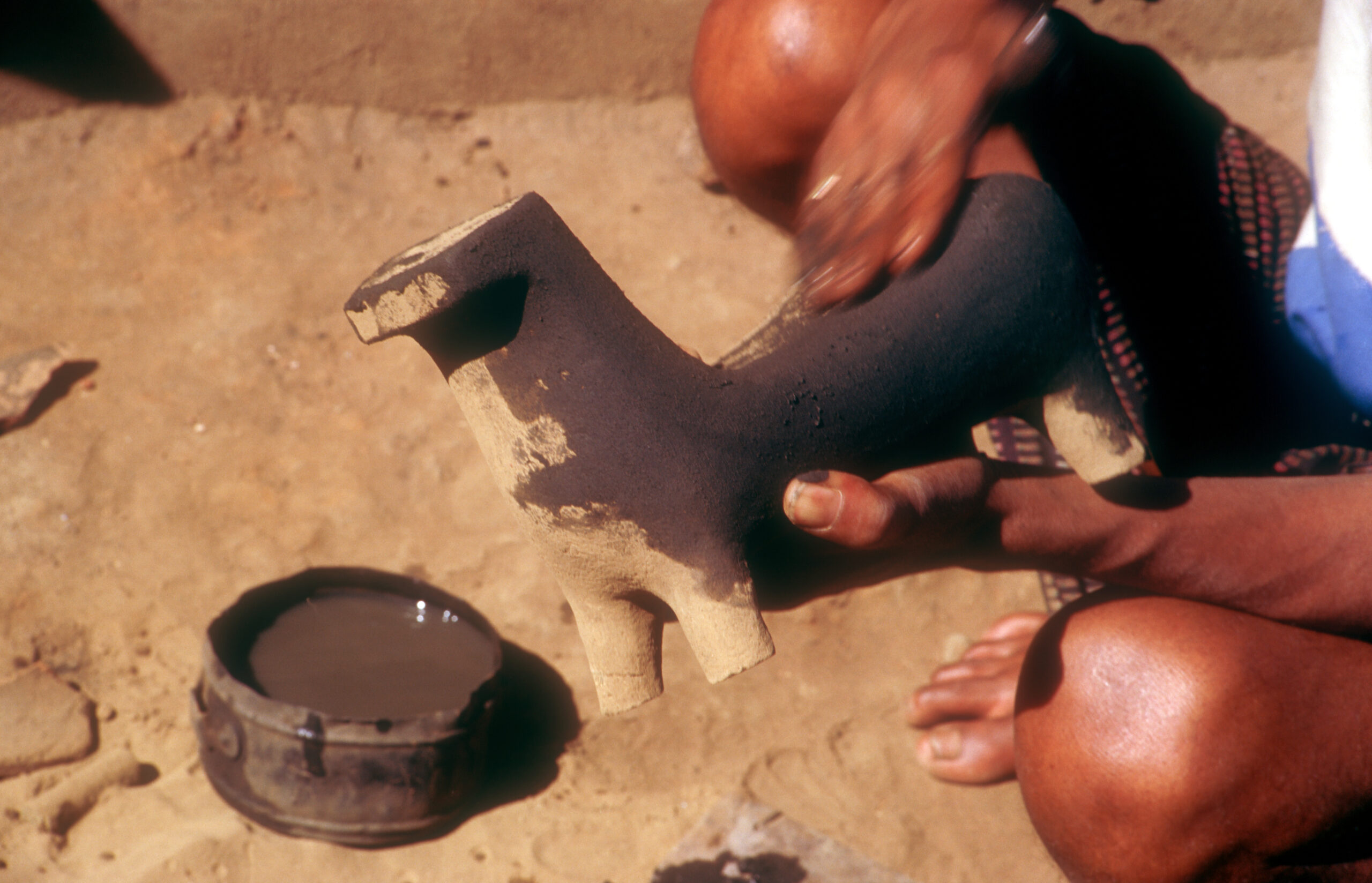
J – A Muria craftsman works on a scale model of the B.M. Horse Chaise.
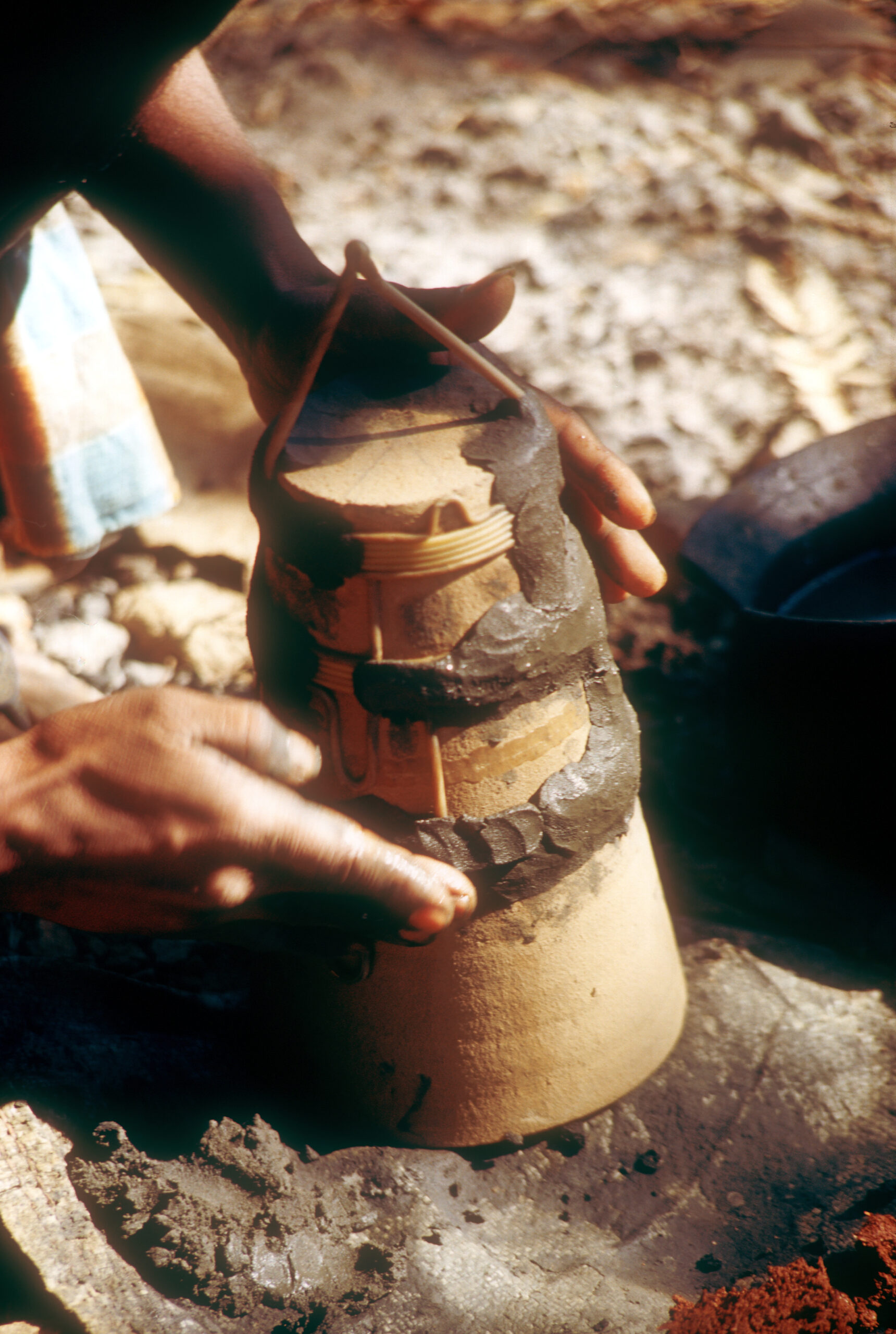
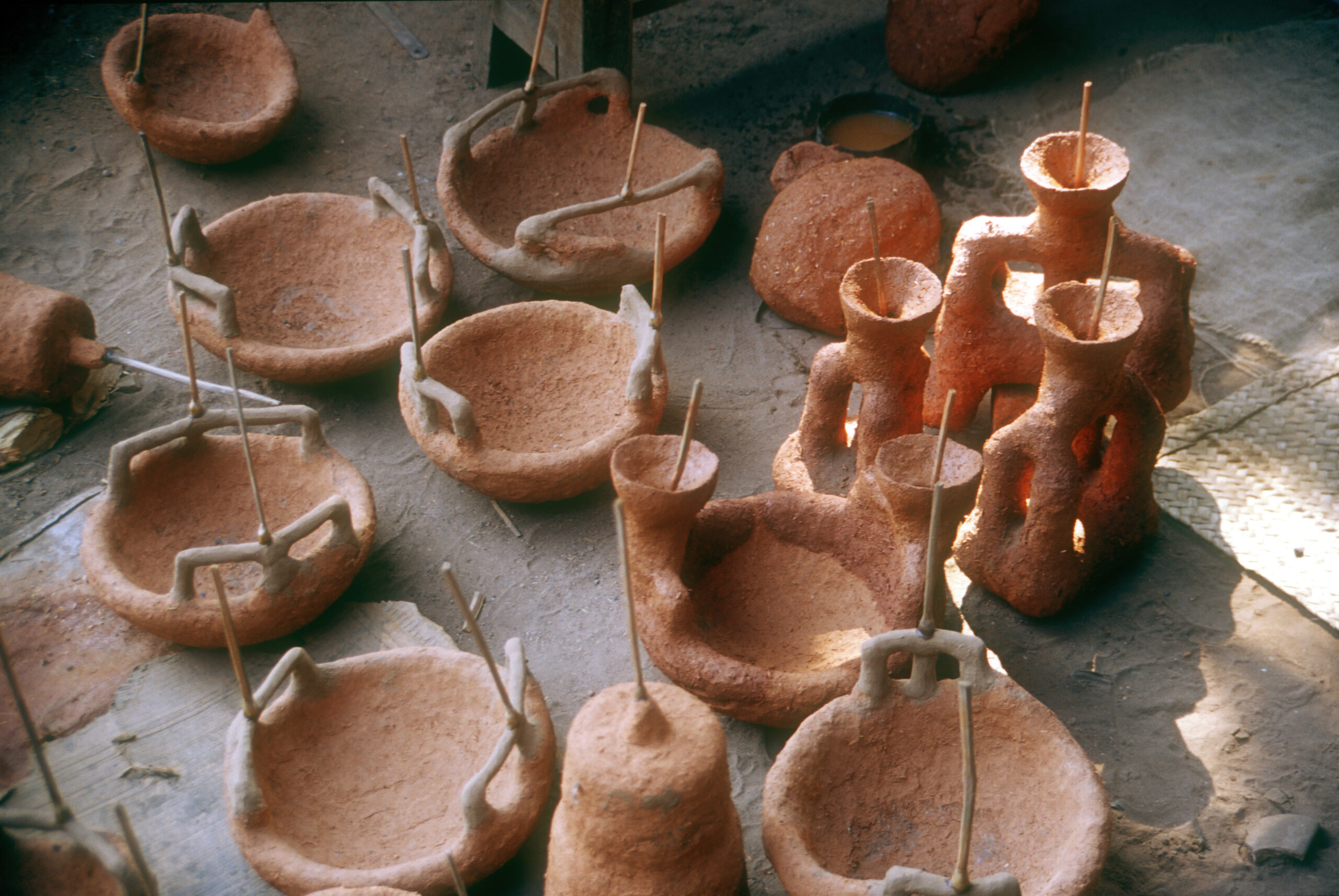
K-L – After being covered with a thick layer of a mixture of clay, sand and cow dung, the model is ready for firing.
M-N – Pieces of scrap brass, bronze and copper are melted together and poured into the fired clay mould to form the first generation One-Off Bell Metal Objects, the result of a sustainable process of making.
STEELWAVE
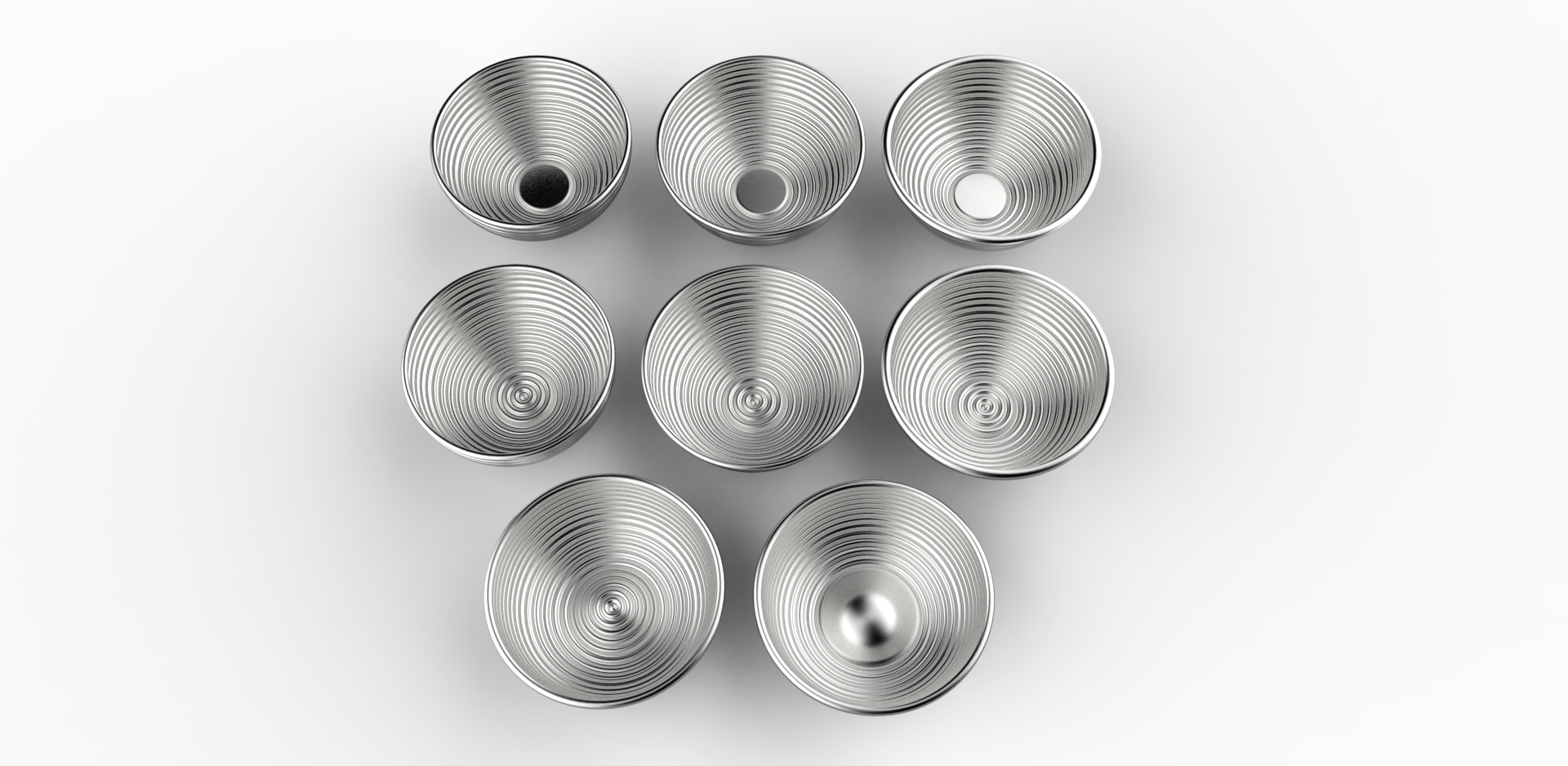
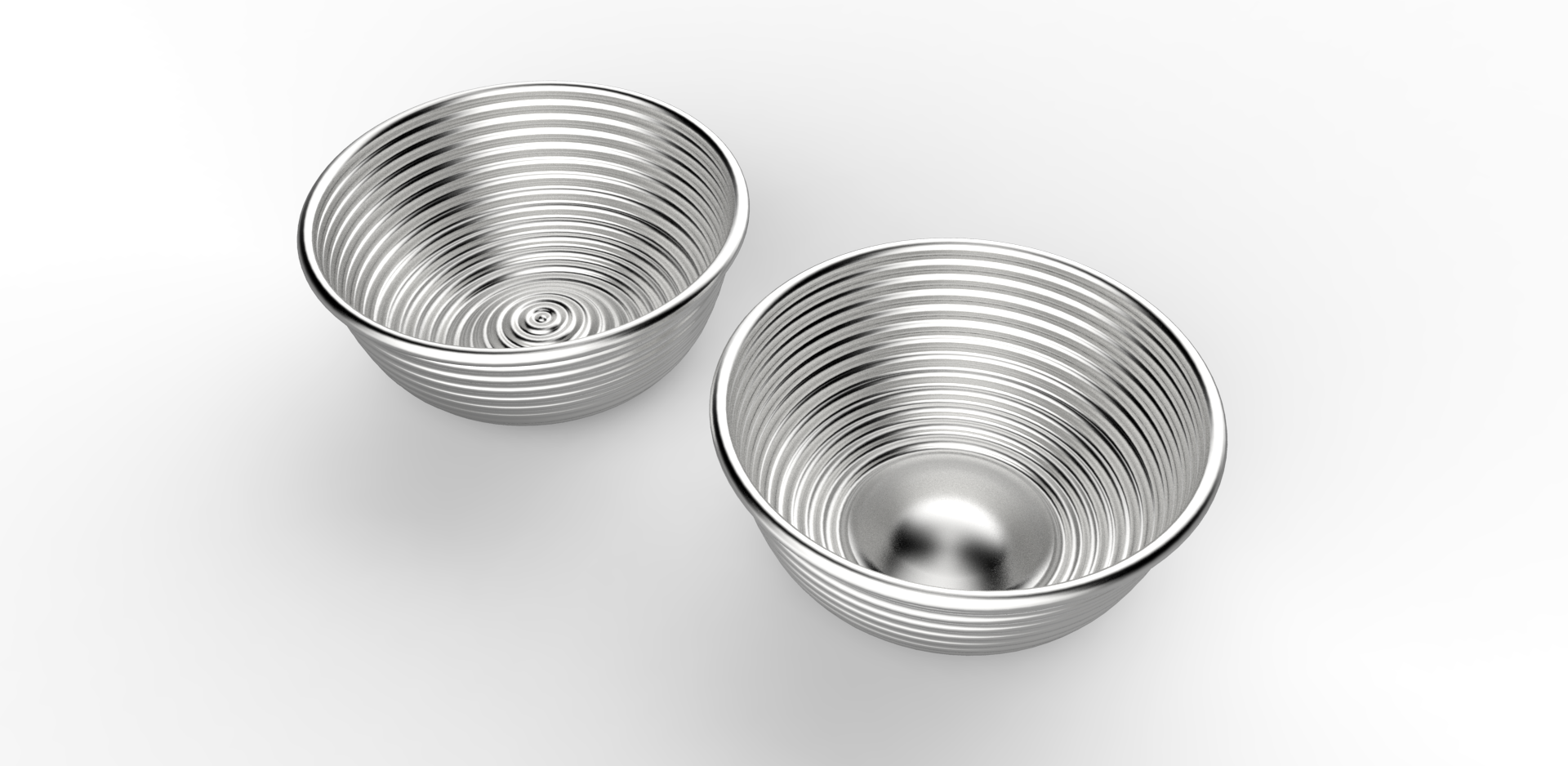
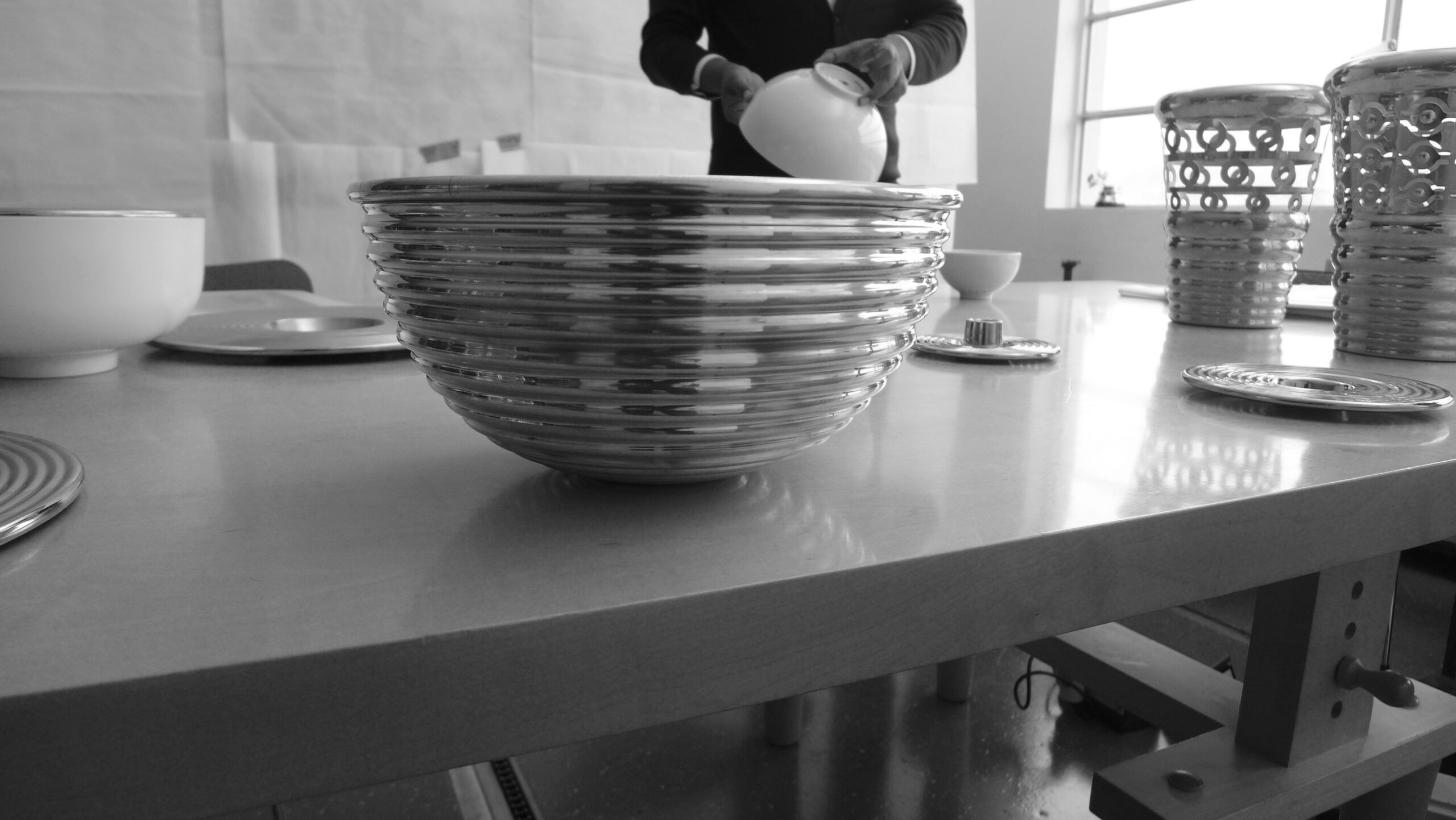
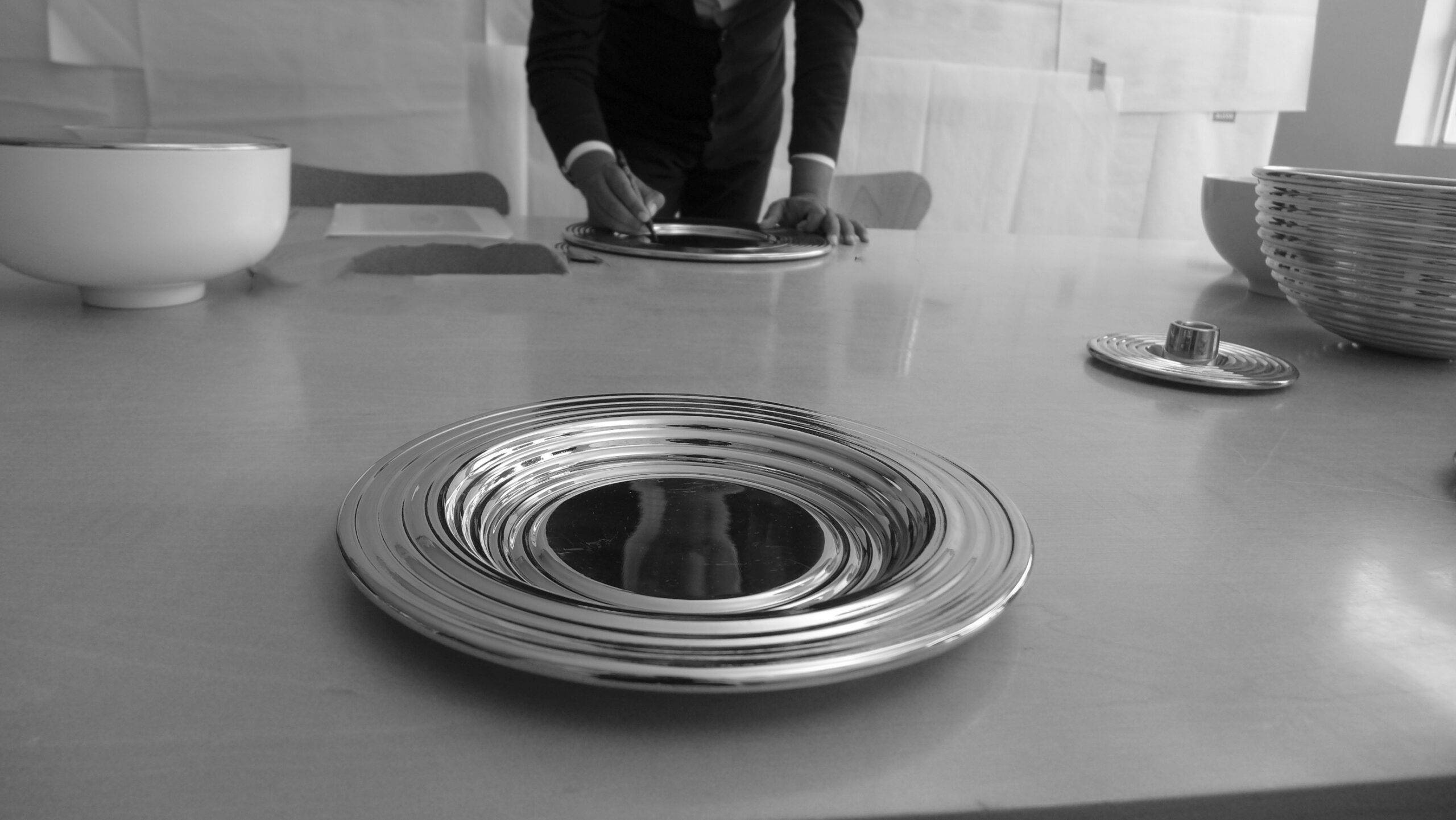
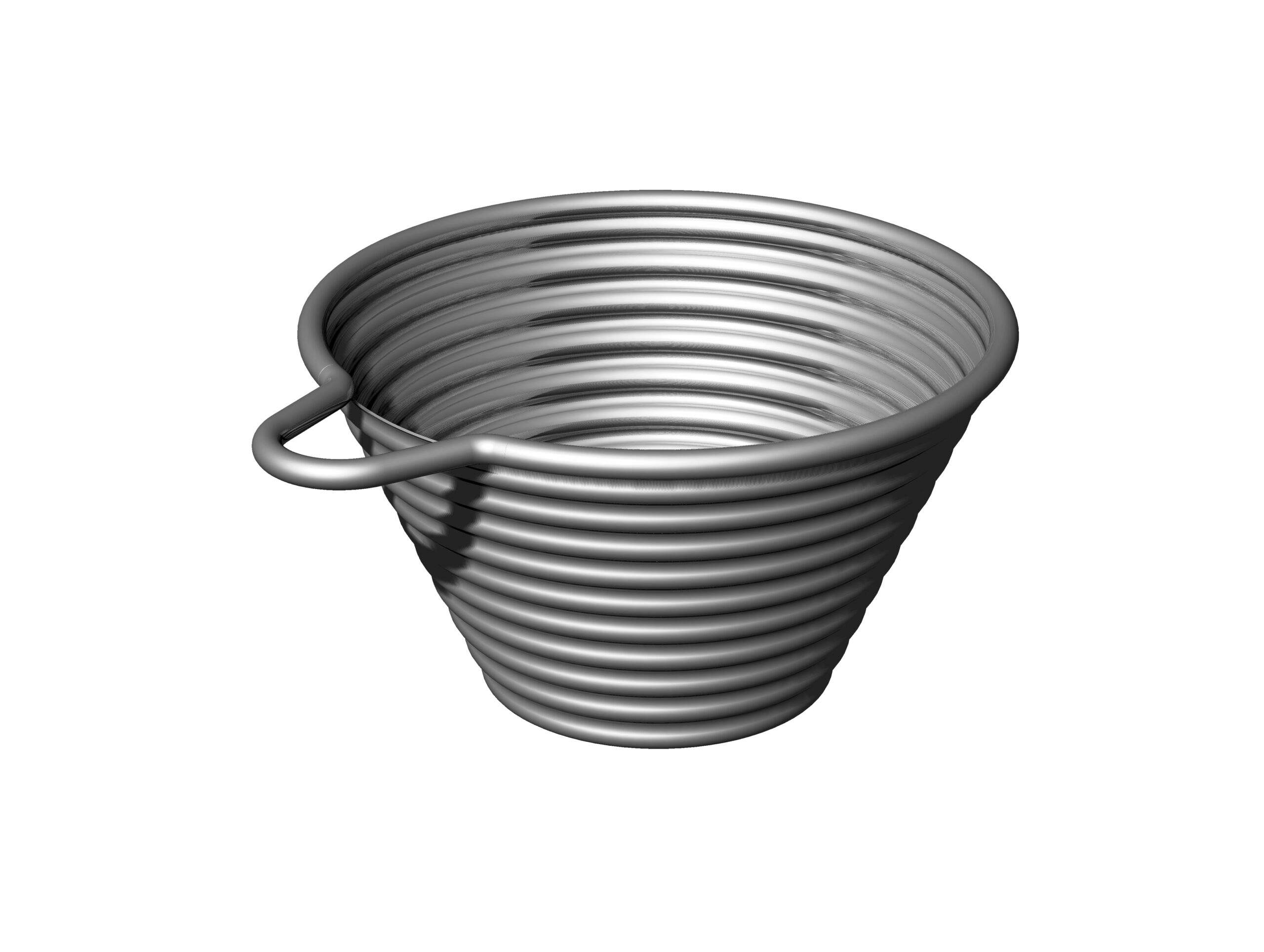
The idea behind the Steel Wave project was to explore in stainless steel the sensorial qualities embodied in the B.M. Objects. After early meetings between Alberto Alessi and Satyendra Pakhalé, the idea was to prototype his designs in stainless steel. The continuous research and development undertaken by Pakhalé in collaboration with Alessi resulted in several prototypes. It turned out to be long process of design and product development, starting with Steel Wave Vase and later moving on to sets of serving bowls, plates, fruit bowls, trays, a candlestick, eggcup, incense stick holder and so on. Numerous prototypes were developed between 2000 and 2005.
A
B

C

D
F
G
H
I
J
K
L

M
N

O
A – Steelwave studies for a set of bowls with variations in wave formation in stainless steel.
B – Two bowl studies with two variations of base details.
C-D – Prototypes of baskets and saucer.
E – Incense stick holder study with integral feet detail.
F-G – Refined study of bowl and tray in stainless steel.
H – Prototype of basket with handle.
I – Illustration showing the journey from the first generation B.M. Objects to the prototype Steelwave objects and from there to the third generation B.M. Objects and further developments of the Steelwave Family.
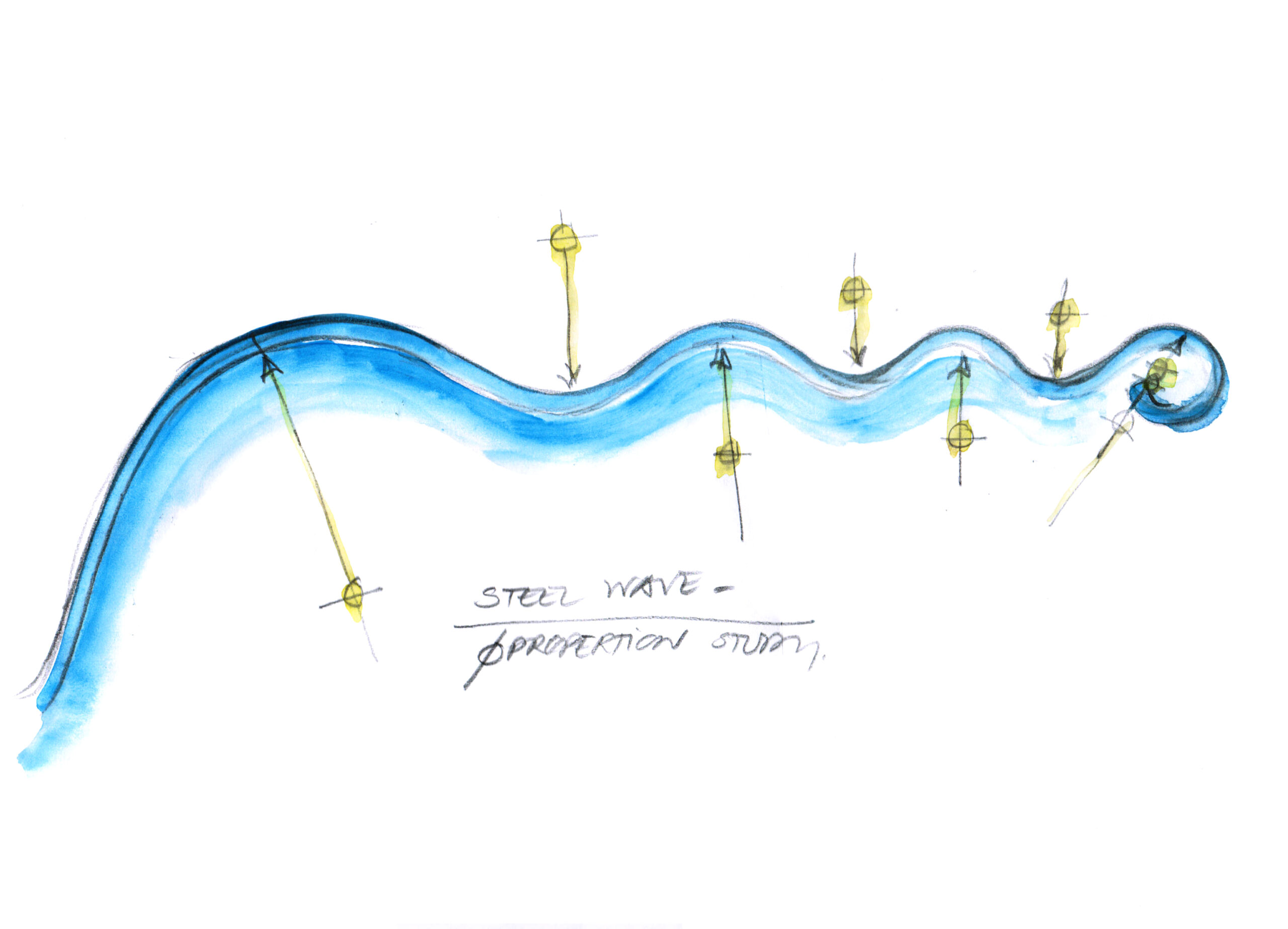
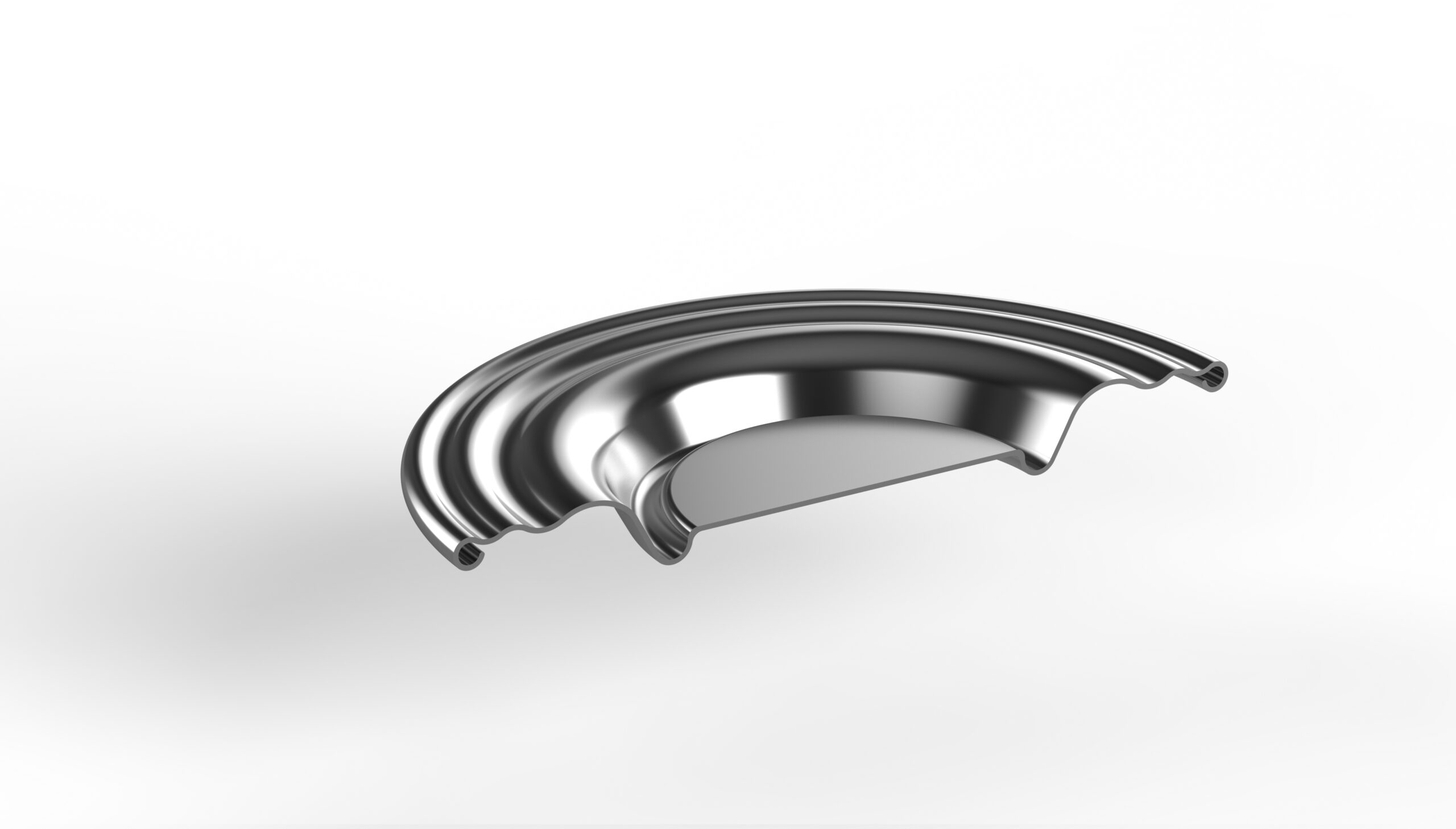
J-K – Evolution of of the steel wave idea, inspired by the ripple effect when a pebble is dropped into water, as shown in the design sketch and model cross-section.
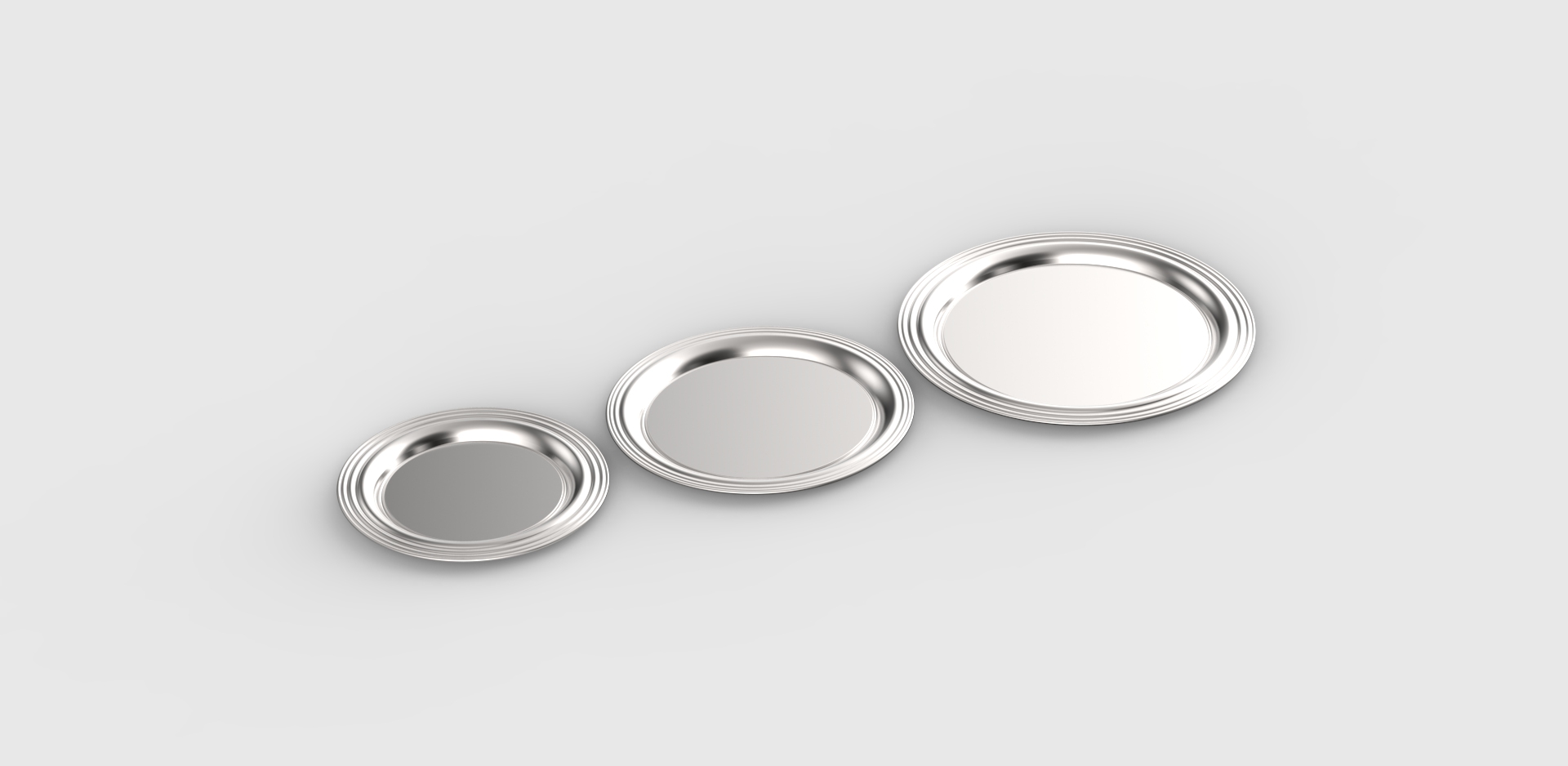
L – Prototype set of three trays.
M – The Steelwave Vase with incremental pattern.
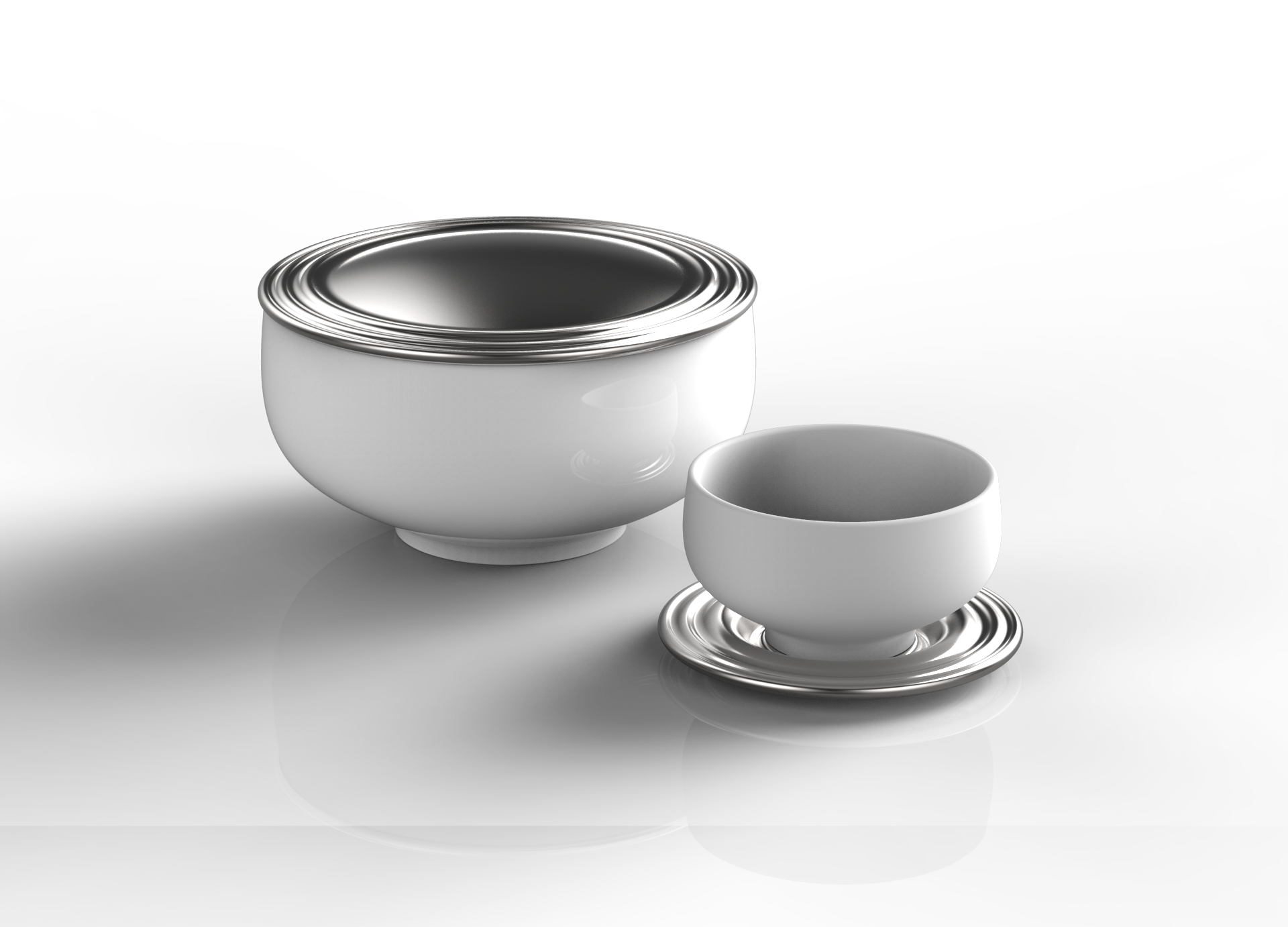
N – A set of two ceramic serving bowls with stainless steel lid and small tray.
O – A set of sugar and creamer prototype ceramic sugar and creamer set with stainless steel base.
PLAYING WITH CLAY
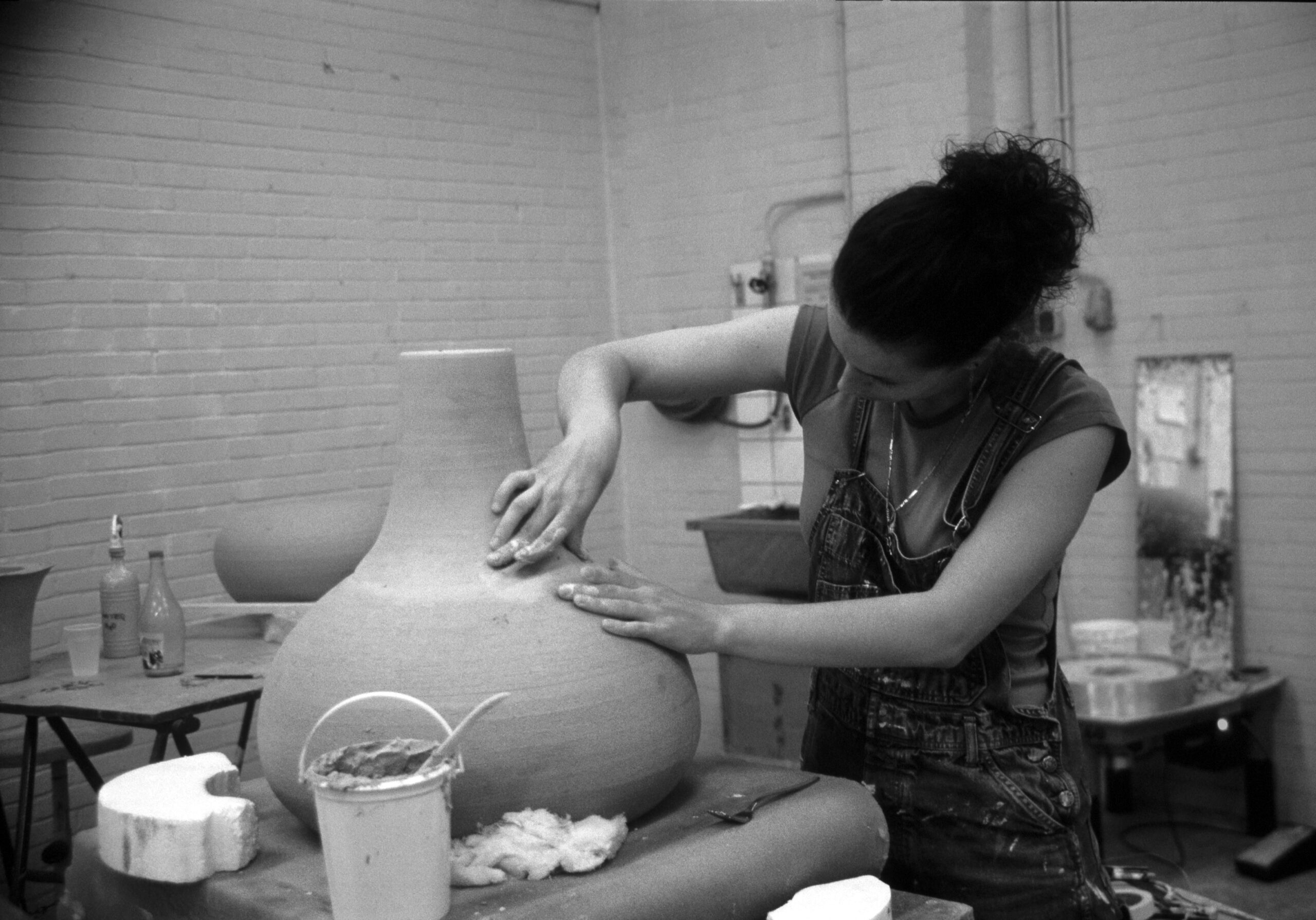
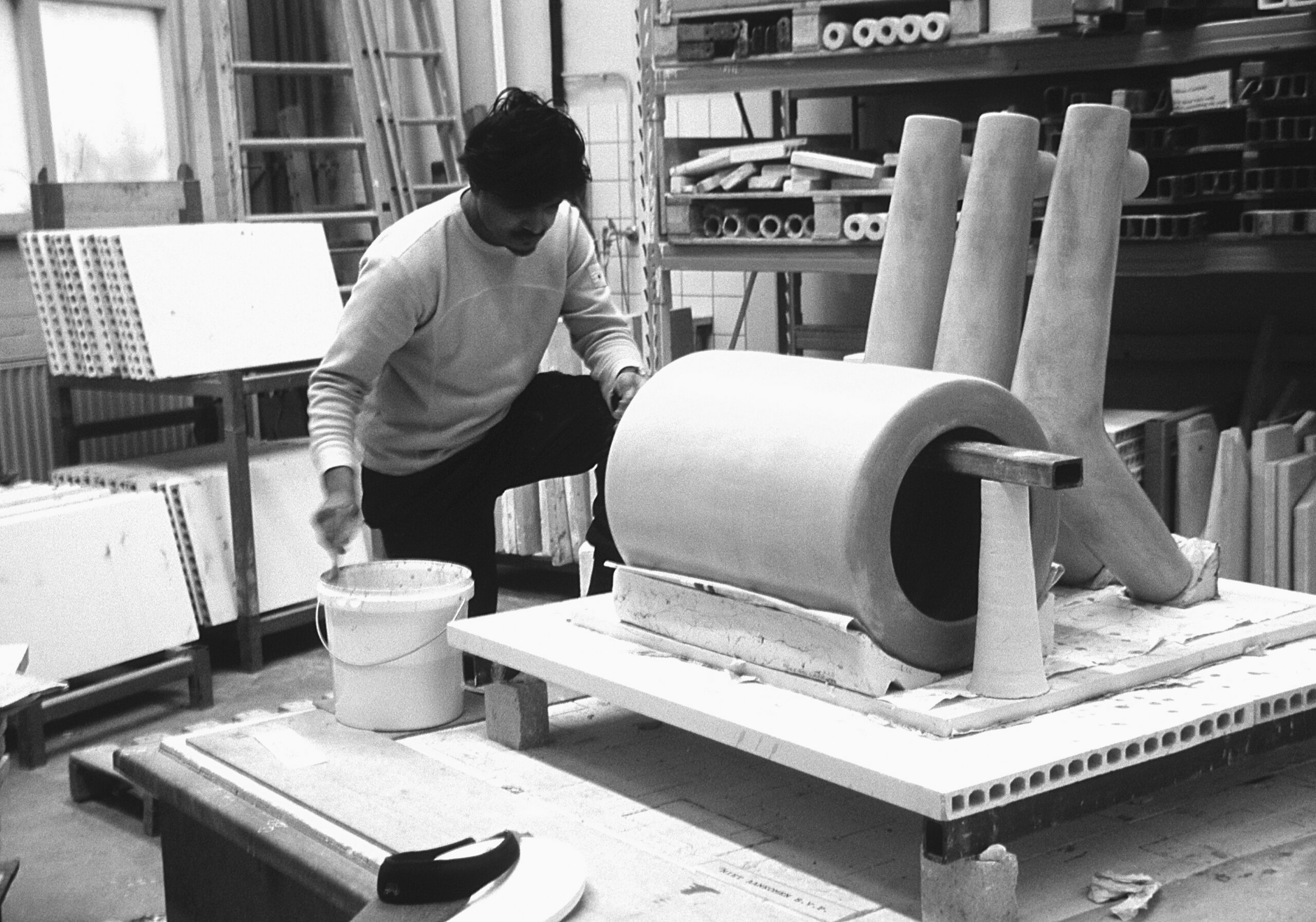
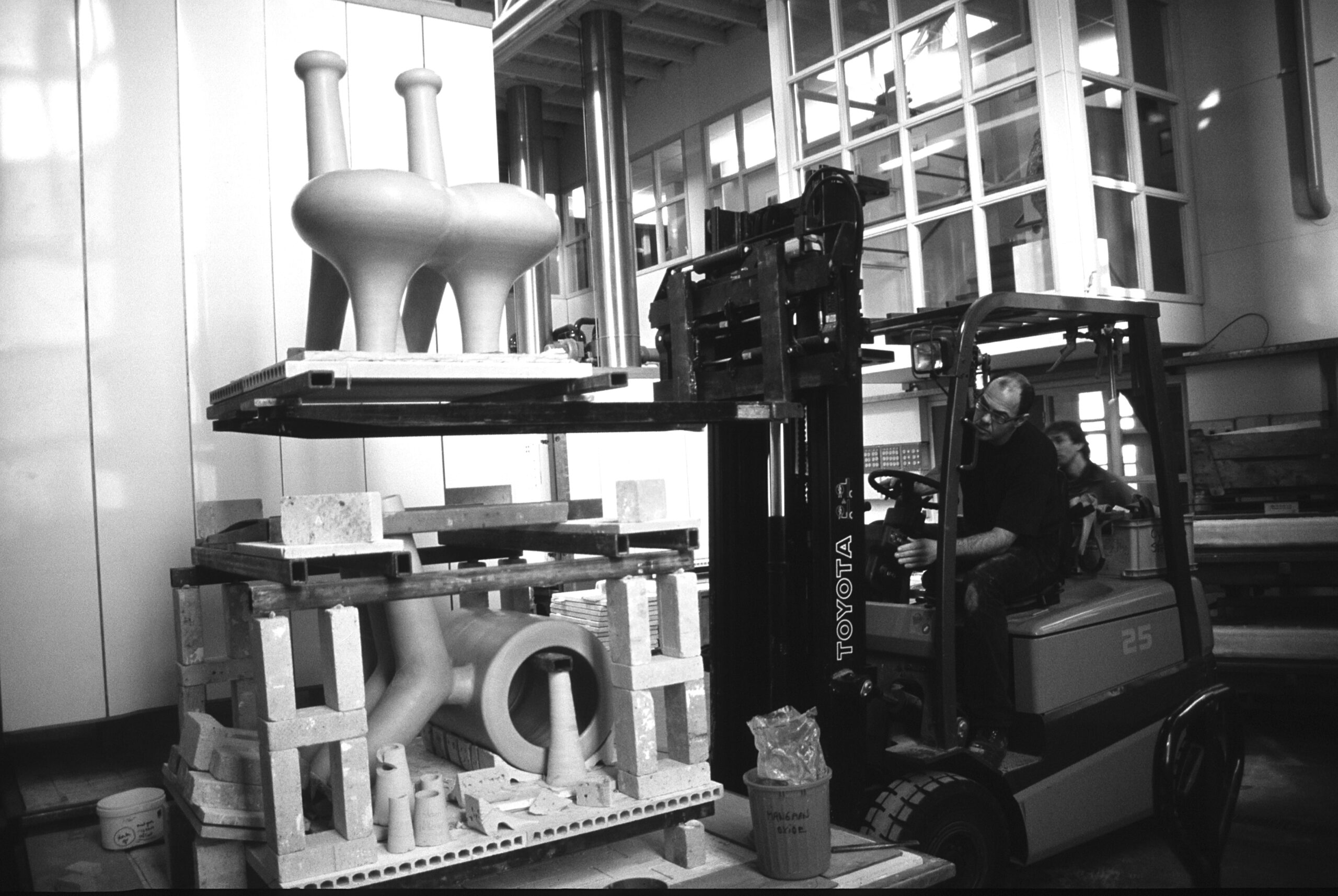
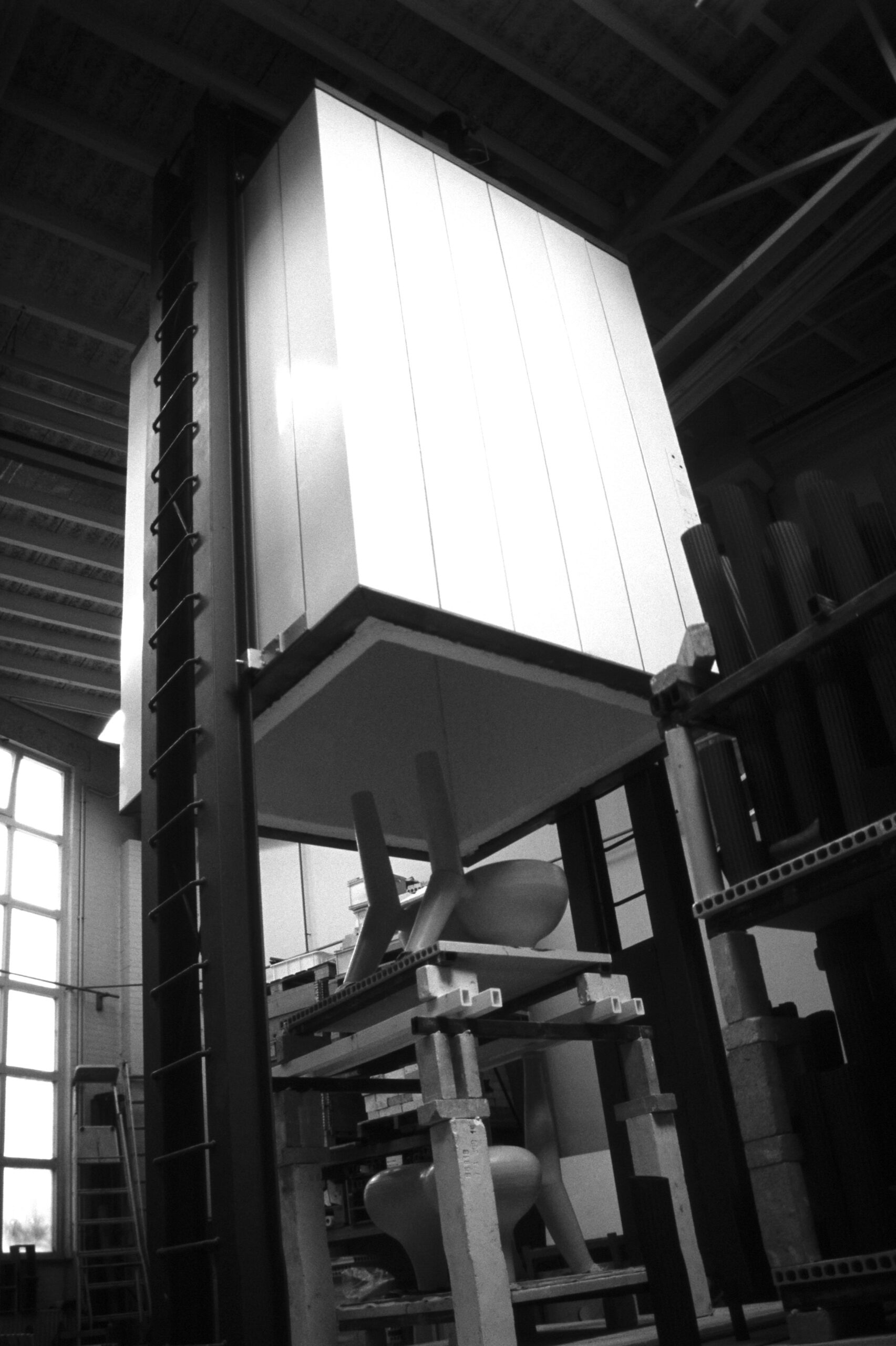
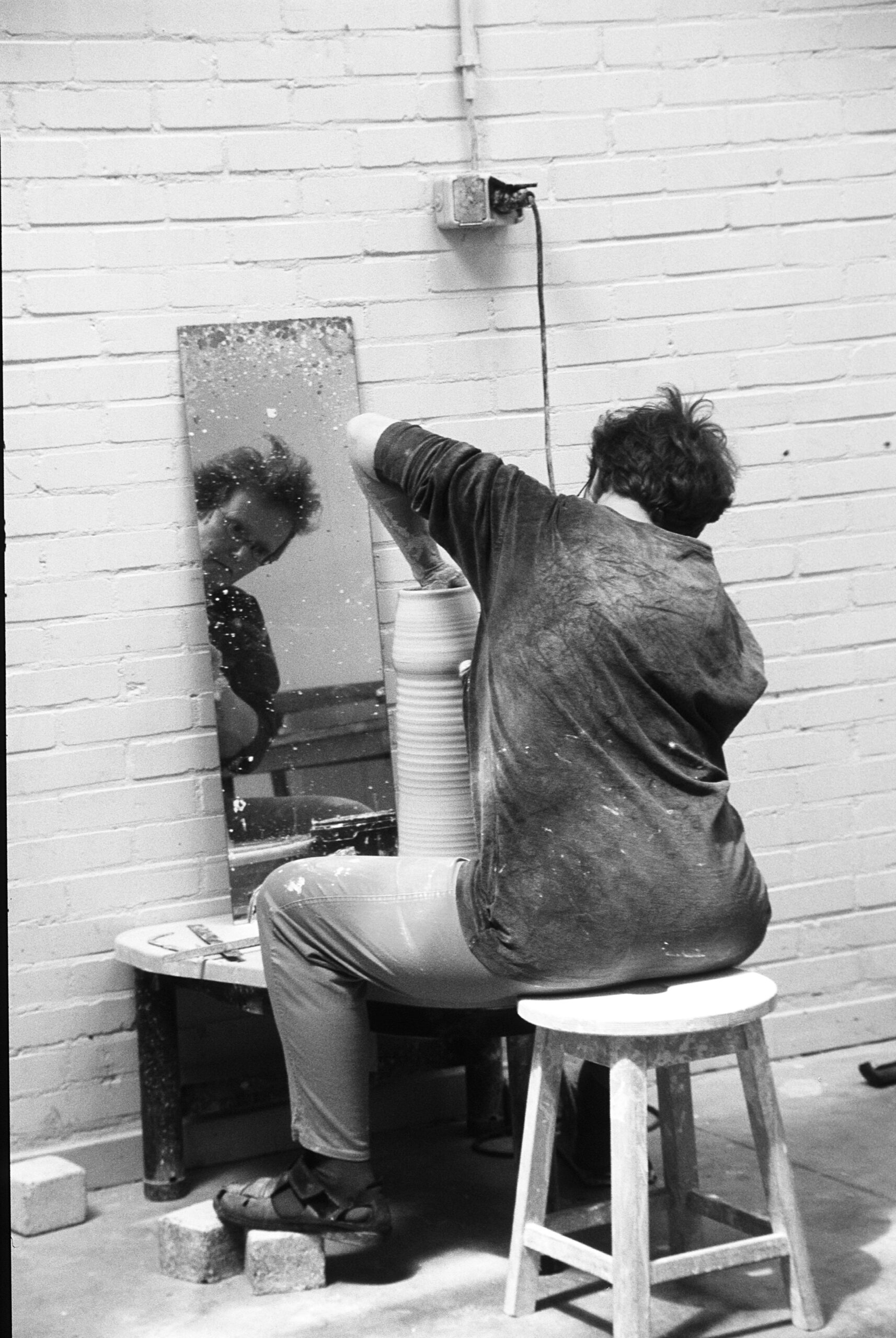
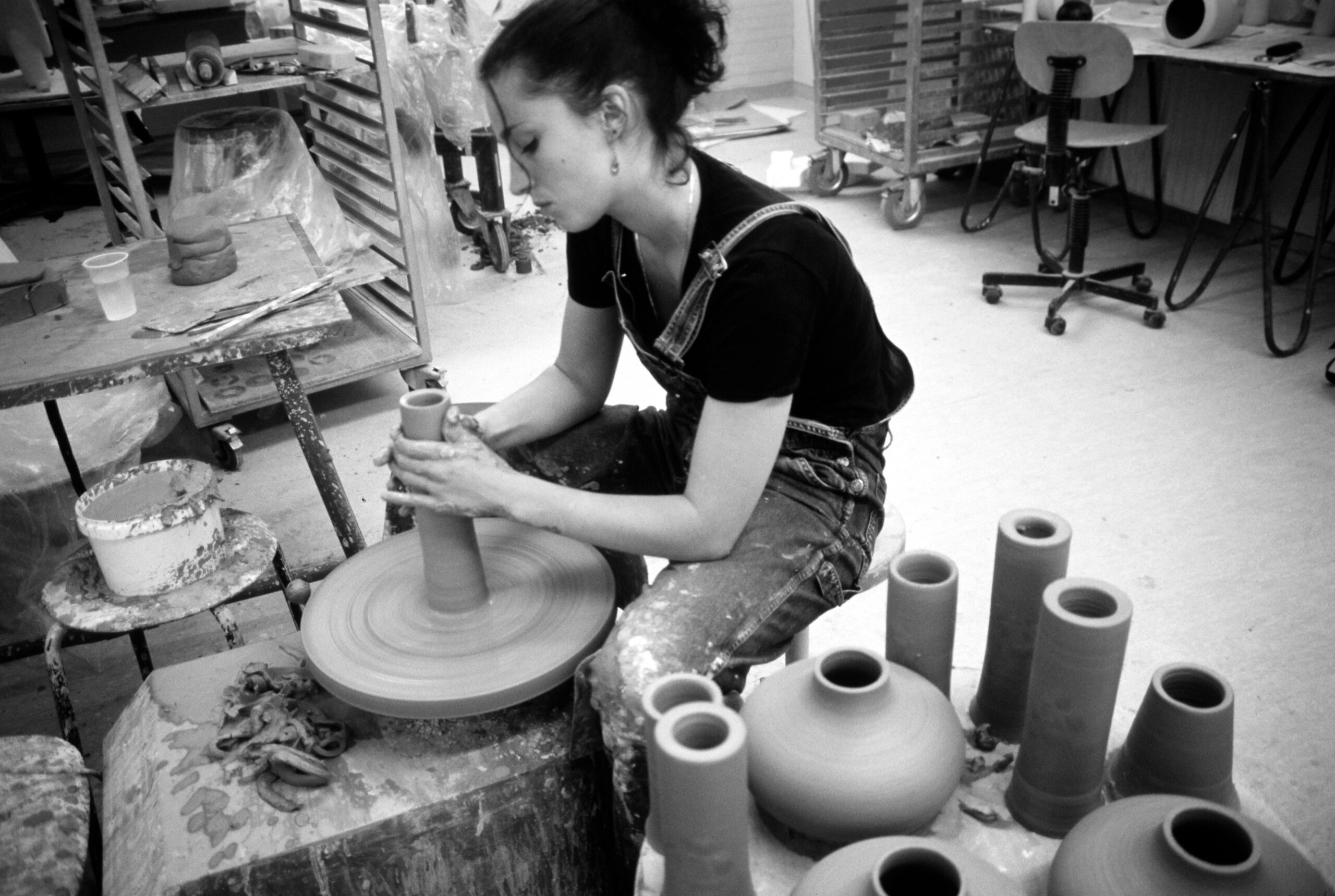
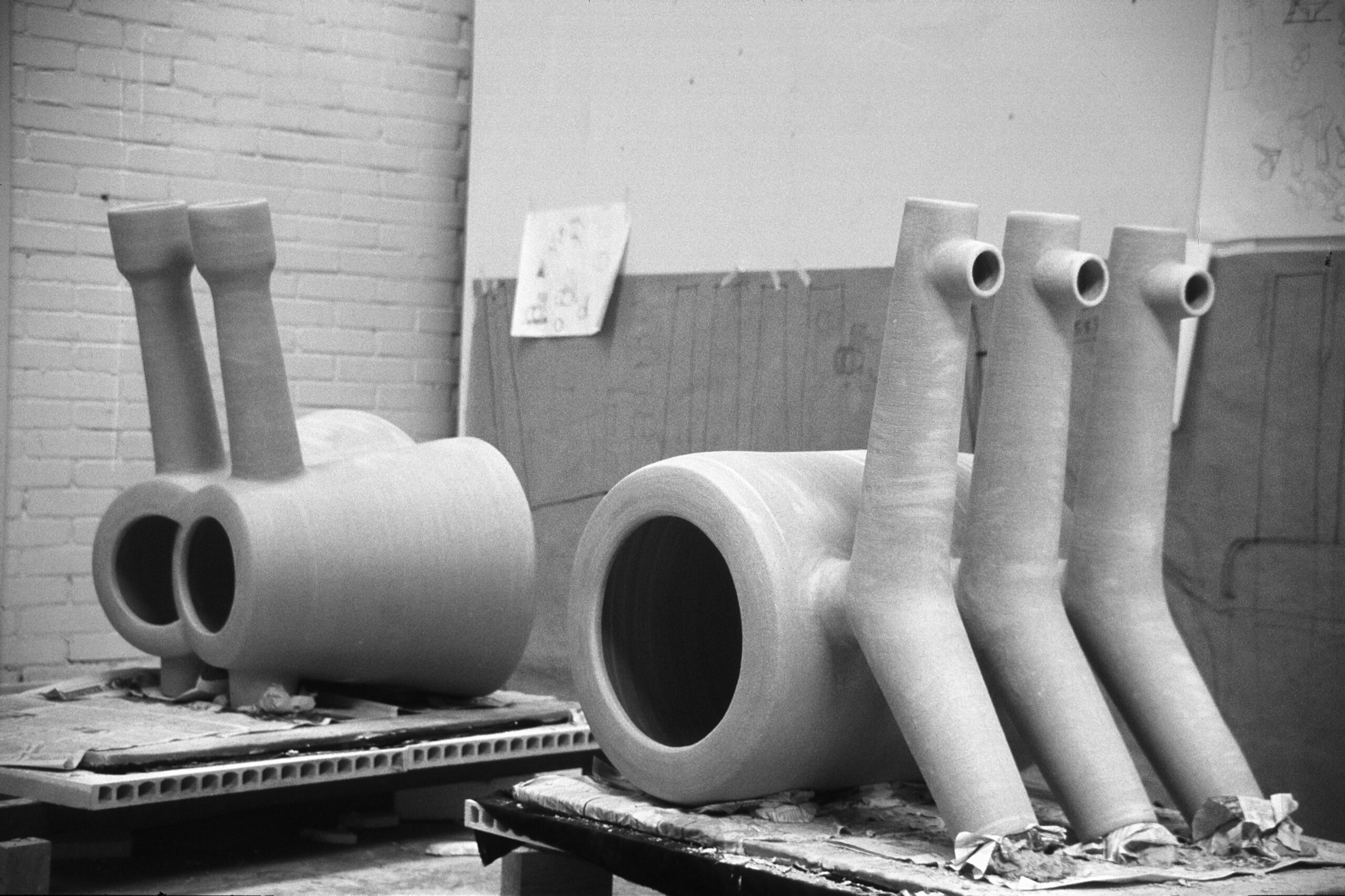
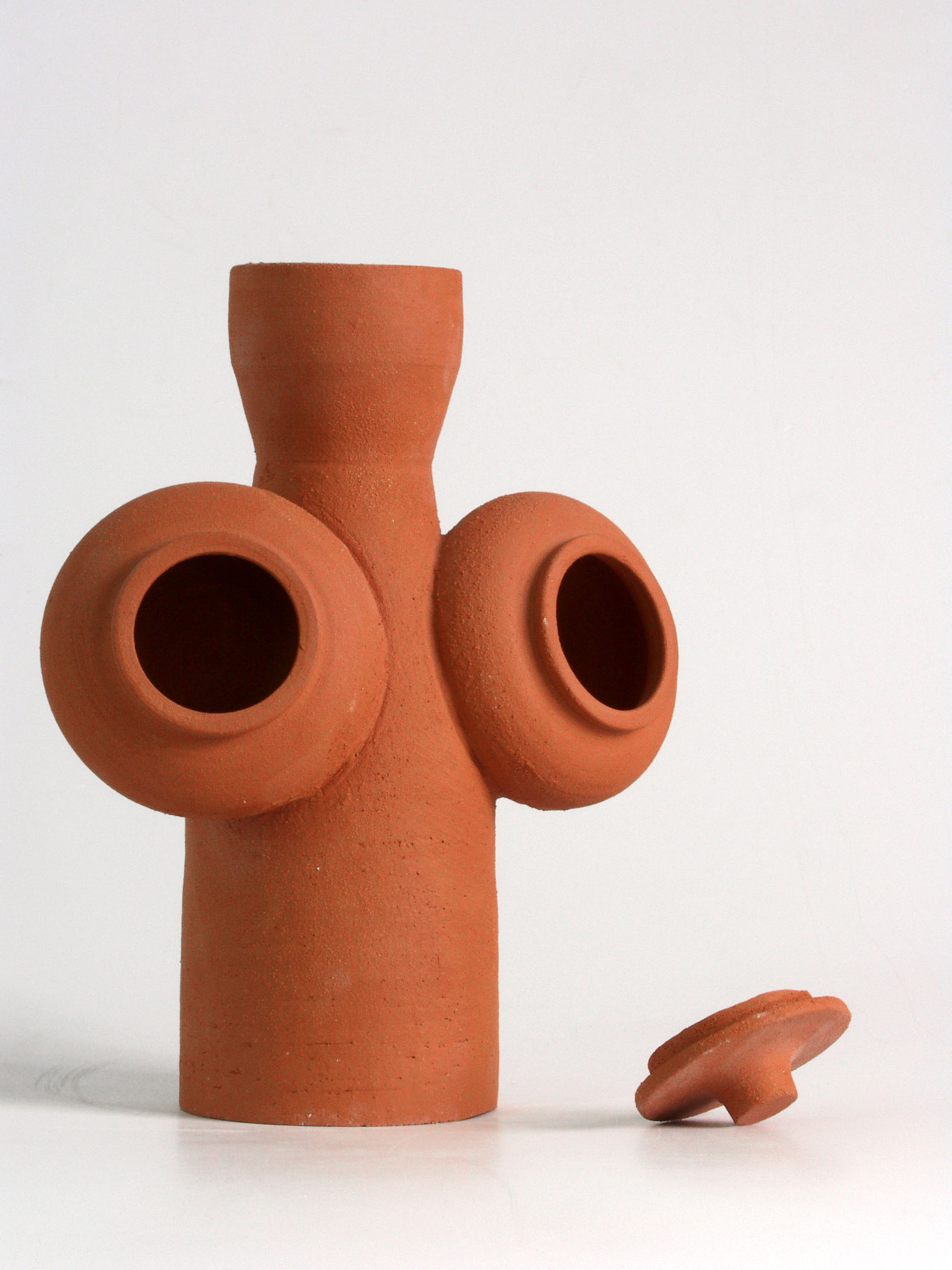
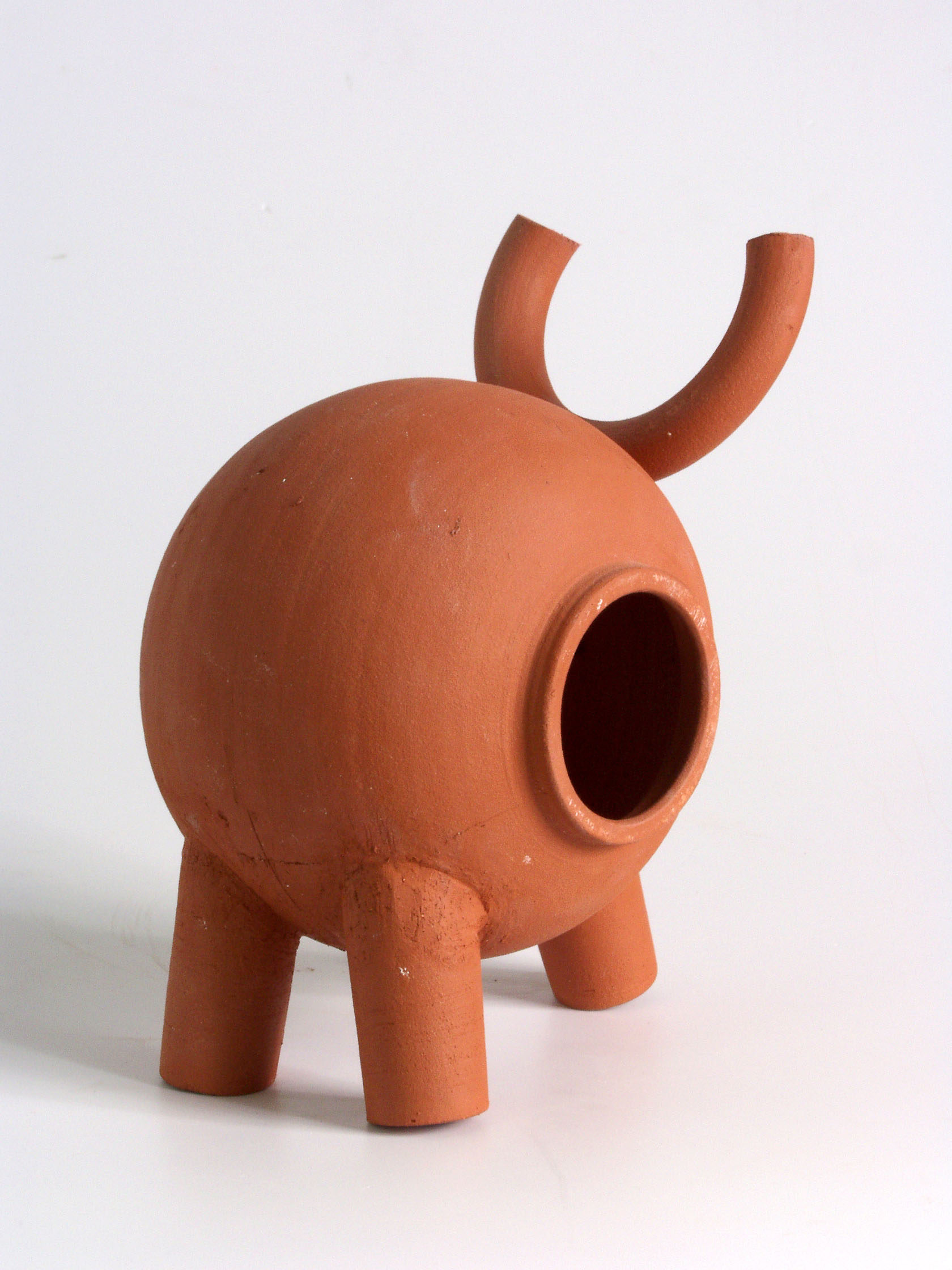
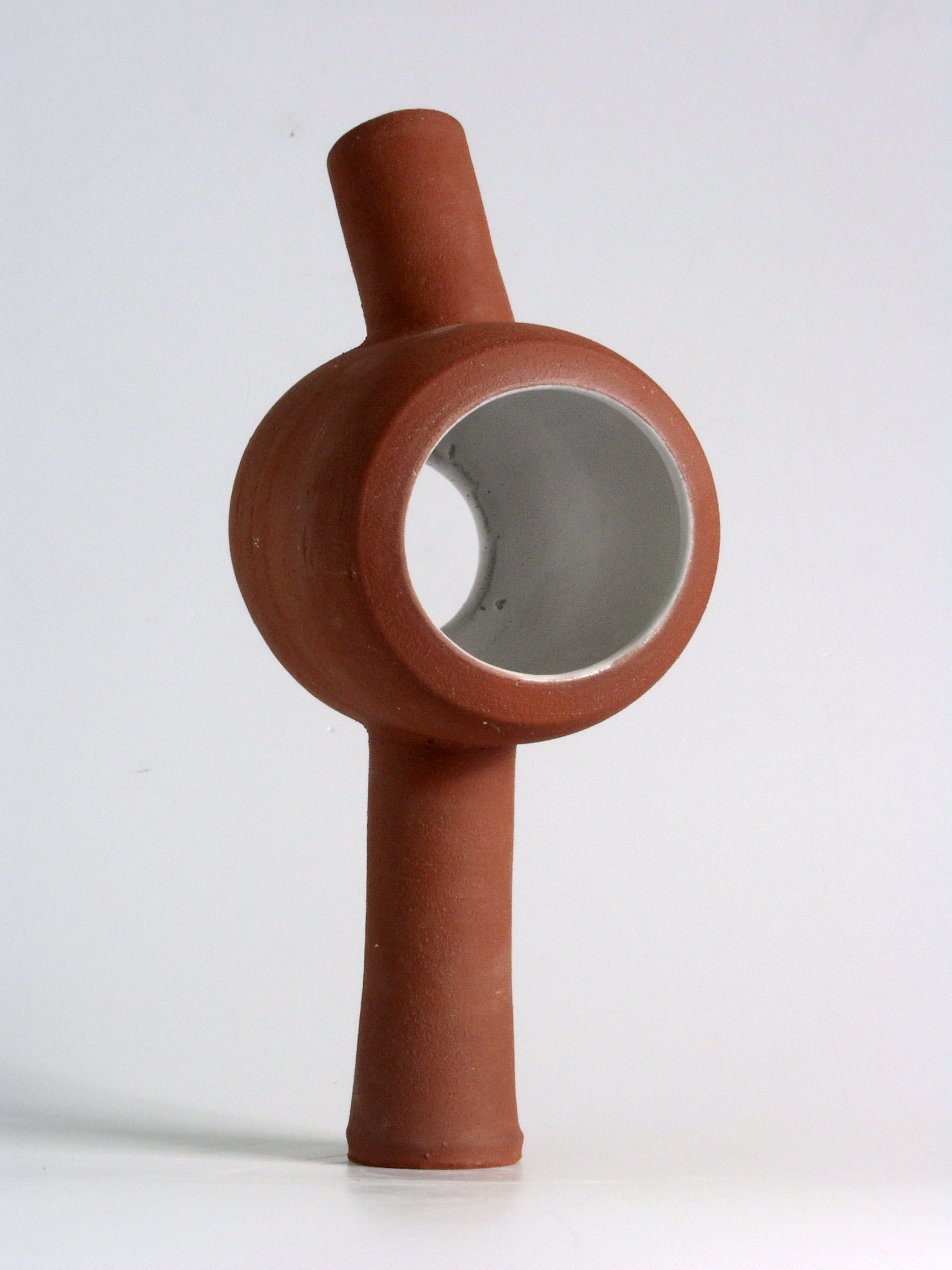
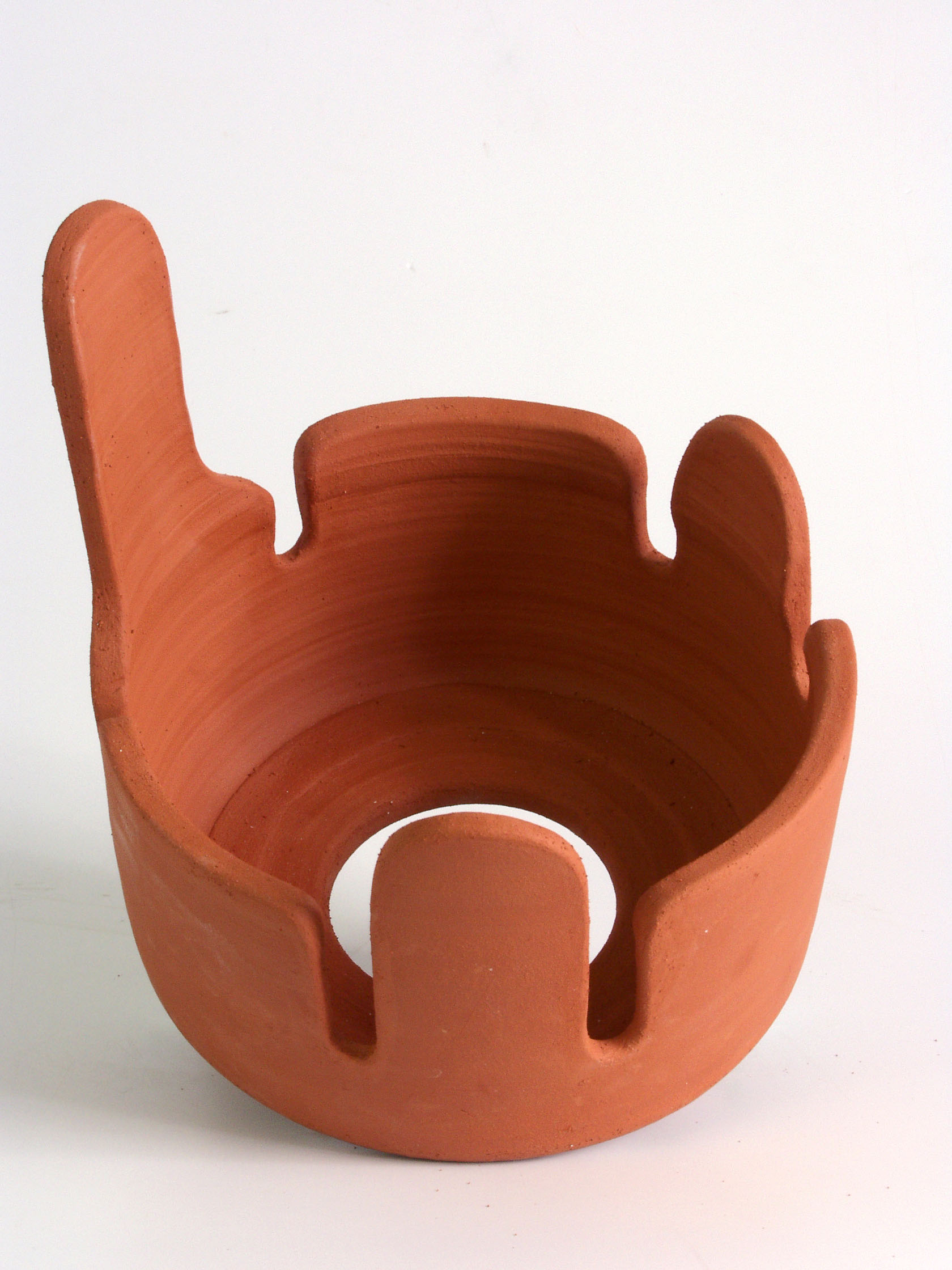
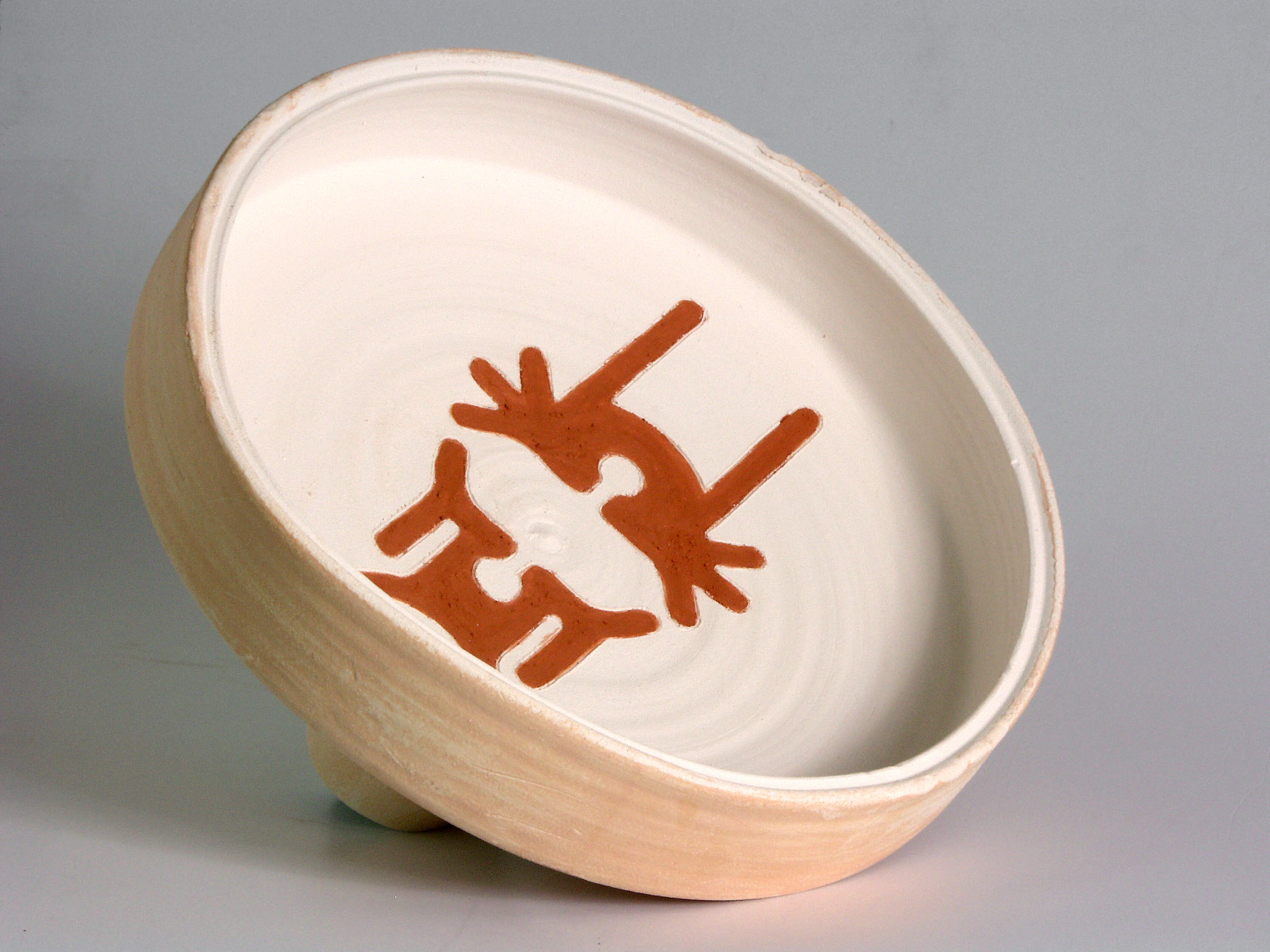
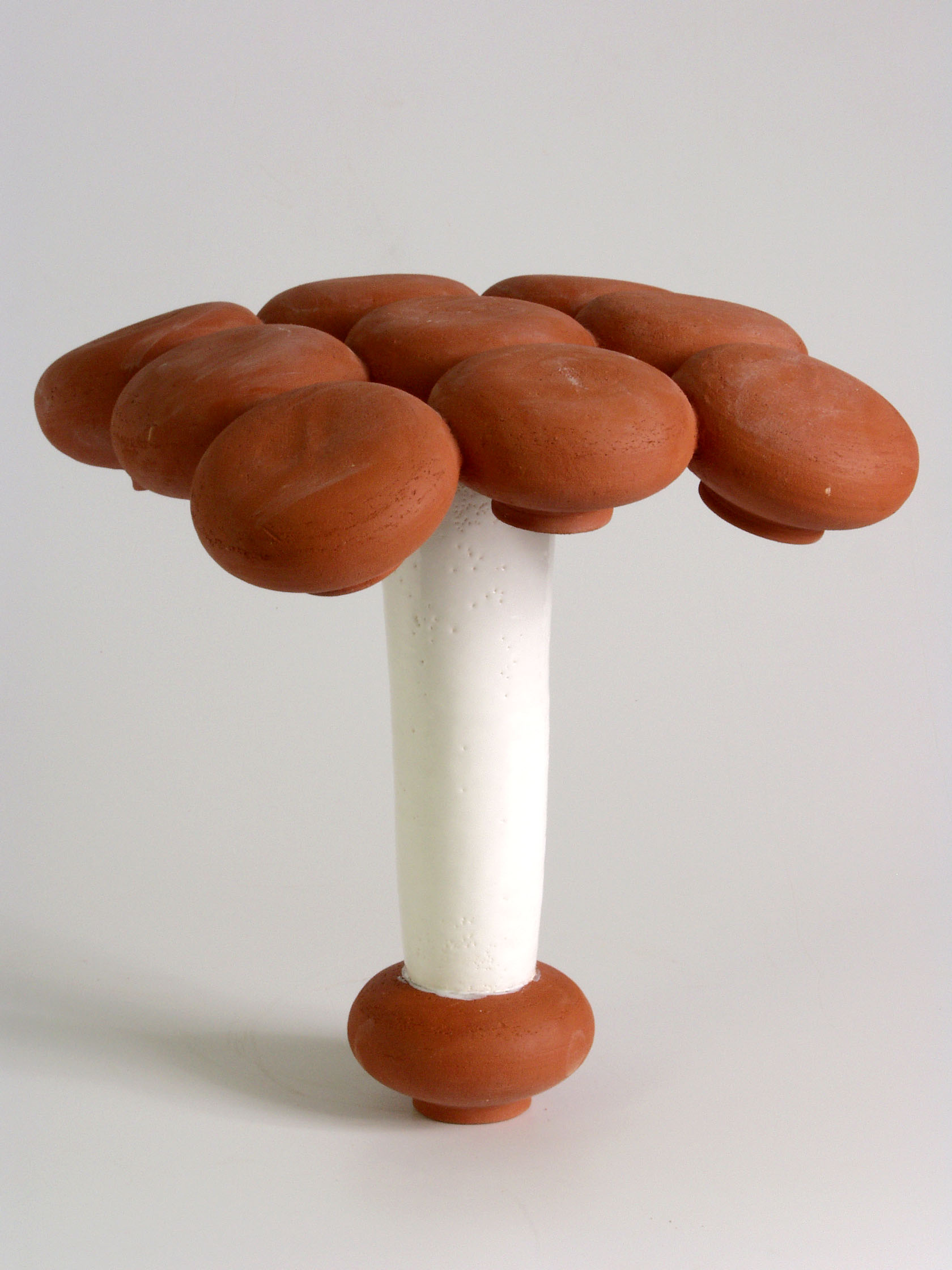
In 2001, Satyendra Pakhalé was invited for a residency at the European Ceramic Work Centre (EKWC) in the Netherlands. During that period, the centre encouraged artists, architects and designers with hardly any prior ceramics experience, including architects and designers to join a residency in order for them to act as a catalyst for innovation. Pakhalé had already worked with ceramics on a smaller scale, experimenting with artisans at the Bhadrawati ceramic centre in India. EKWC was an opportunity for him to further develop his interest. ‘I am fascinated by ceramics, an age-old, yet high-tech material,’ he says.
A
B
C
D
E
F
G
H
I
J
K
L
M
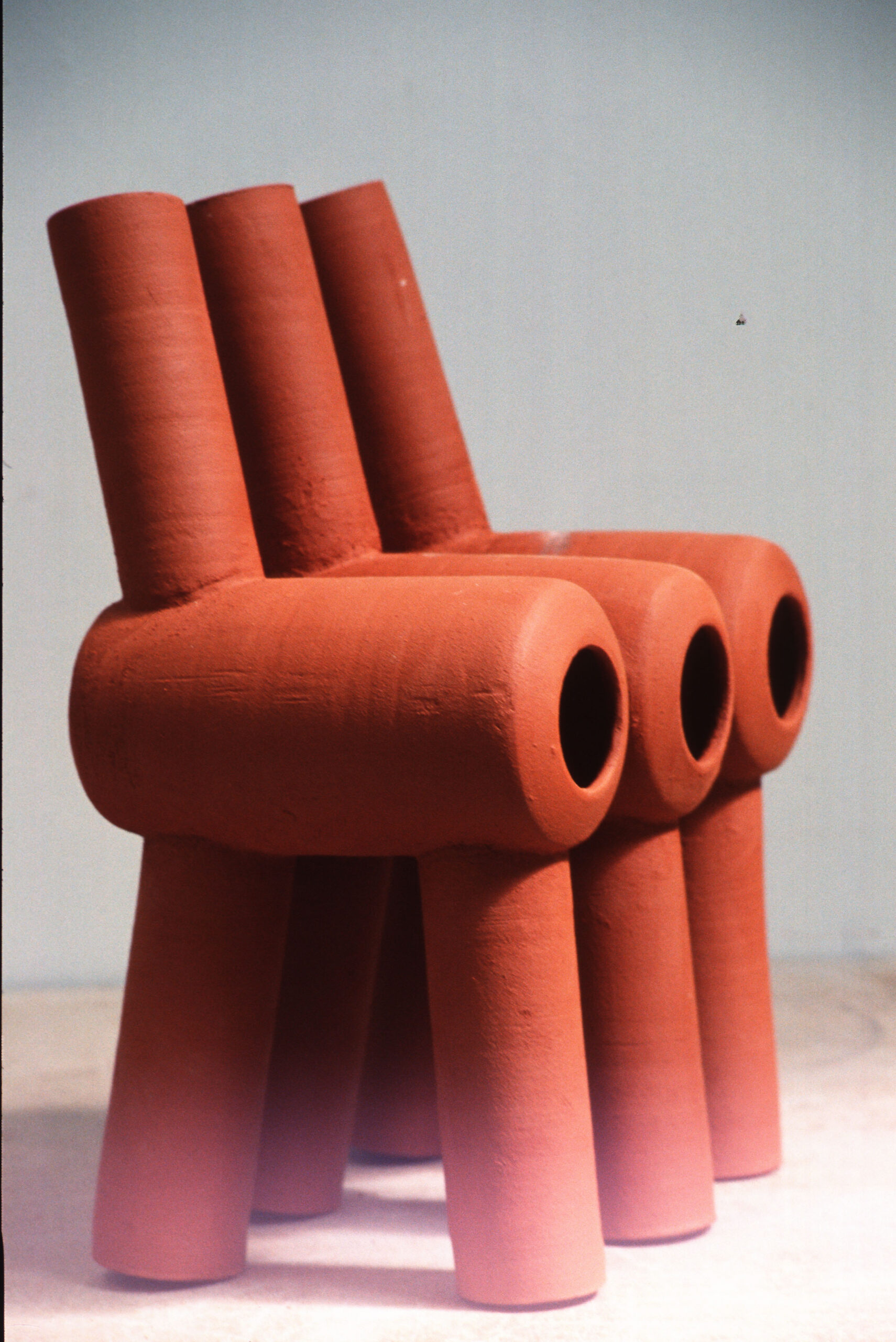
N
A – Full-scale hand-thrown volume being prepared for joining in wet condition
B – The drying process was one of the critical steps to avoid cracks while making these ceramic pieces. Here the drying process being monitored by Pakhalé.
C-D – The dried ceramic pieces were skillfully stacked in the EKWC’s large kilns using a forklift truck..
E – Pakhalé worked with a skilled craftswoman who had developed a method of hand-throwing using mirror reflections to achieve perfectly symmetrical forms.
F – Before finding the skilled artisan, Pakhalé had previously worked with an assistant who could not hand-throw objects taller than 30 cm, despite seven years of throwing practice at the local art school.
G – A joint in wet clay was tried out with mixed results. These trials bore fruit in later projects.
H-J – Scale models of ceramic audio speakers. Pakhalé experimented and played with the idea of developing ceramic speakers in the early phase of his EKWC residency
K – Experimental piece during the first phase of the residency.
L – Fruit bowl with Ananda Totem engraved with glaze
M – A successful wet clay structural study with a joint.
N – A scale model study with a joint in wet clay tried out during the early phase of the residency.
01.02 Technology | AI
Pakhalé’s early fascination with invention and experimentation, shaped by publications such as Ásmitadarsh and Invention Intelligence, nurtured a lifelong engagement with technology as a cultural force. His thinking extends toward Artificial Intelligence as part of a broader “Culture of Creation”, a paradigm in which AI is not merely a tool of efficiency but an extension of human creativity and ethical responsibility. Technology, in this view, must serve human dignity, imagination, and social progress rather than operate as an autonomous system detached from cultural values.
Satyendra Pakhalé recalls, during my childhood there were three magazines, we used to receive at home, as a child I could follow the profound conversations around the ‘Ásmitadarsh’ published by the legendry Prof. Gangadhar pantawane / – social justice and avant grade magazine
Besides that I was almost every month eagerly awaited two other magazines, one was ‘Invention Intelligence’ published by Inventions Promotion Board, National Research Development Corporation of India, New Delhi and ‘Champak’ a magazine for children in hindi – I recally being fascinated by the experiments and inventions published in the ‘Invention Intelligence’ magazine.
Invention intelligence NRDC, New Delhi / Inventions Promotion Board, National Research Development Corporation of India
The main objectives of the magazine are to disseminate information and create awareness about new technologies, inventions, innovations, IPR issues, etc. amongst the masses and foster the spirit of inventiveness, innovativeness and entrepreneurship amongst the students, scientists, technicians, budding entrepreneurs, etc.
Invention Intelligence focuses on topics of current public interest and national importance relating to science, technologies, inventions, innovations and intellectual property rights.
Pakhalé’s early fascination with invention and experimentation, shaped by publications such as Invention Intelligence, nurtured a lifelong engagement with technology as a cultural force.
Appropriate-technology
Satyendra Pakhalé refects, ‘often technology is perceived as a narrow binary system, so called high-tech and so called low-tech. What we really need in almost all walks of lives is ‘appropriate technology’. What I mean with that as much as we need hand-held so-called smart device at the same time we also need hammer.
AI – Artificial Intelligence
Pakhalé thinking extends toward Artificial Intelligence as part of a broader ‘Culture of Creation’, a new paradigm in which AI is not merely a tool of efficiency but an extension of human creativity and ethical responsibility. Technology, in this view, must serve human dignity, imagination, and social progress rather than operate as an autonomous system detached from cultural values.
‘Satyendra Pakhalé and the culture of object making’ interview #20, France
SPOUT OBJECTS
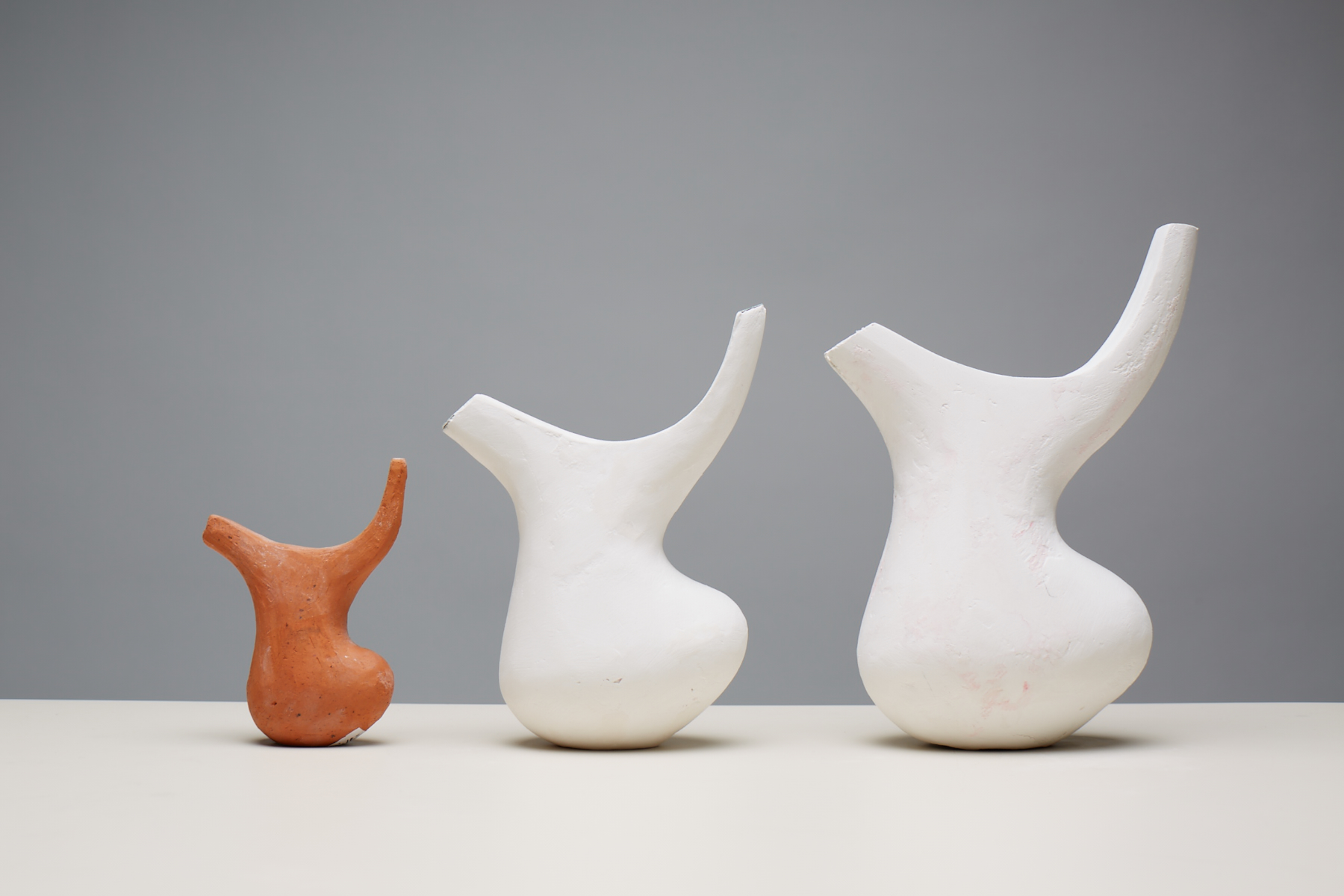
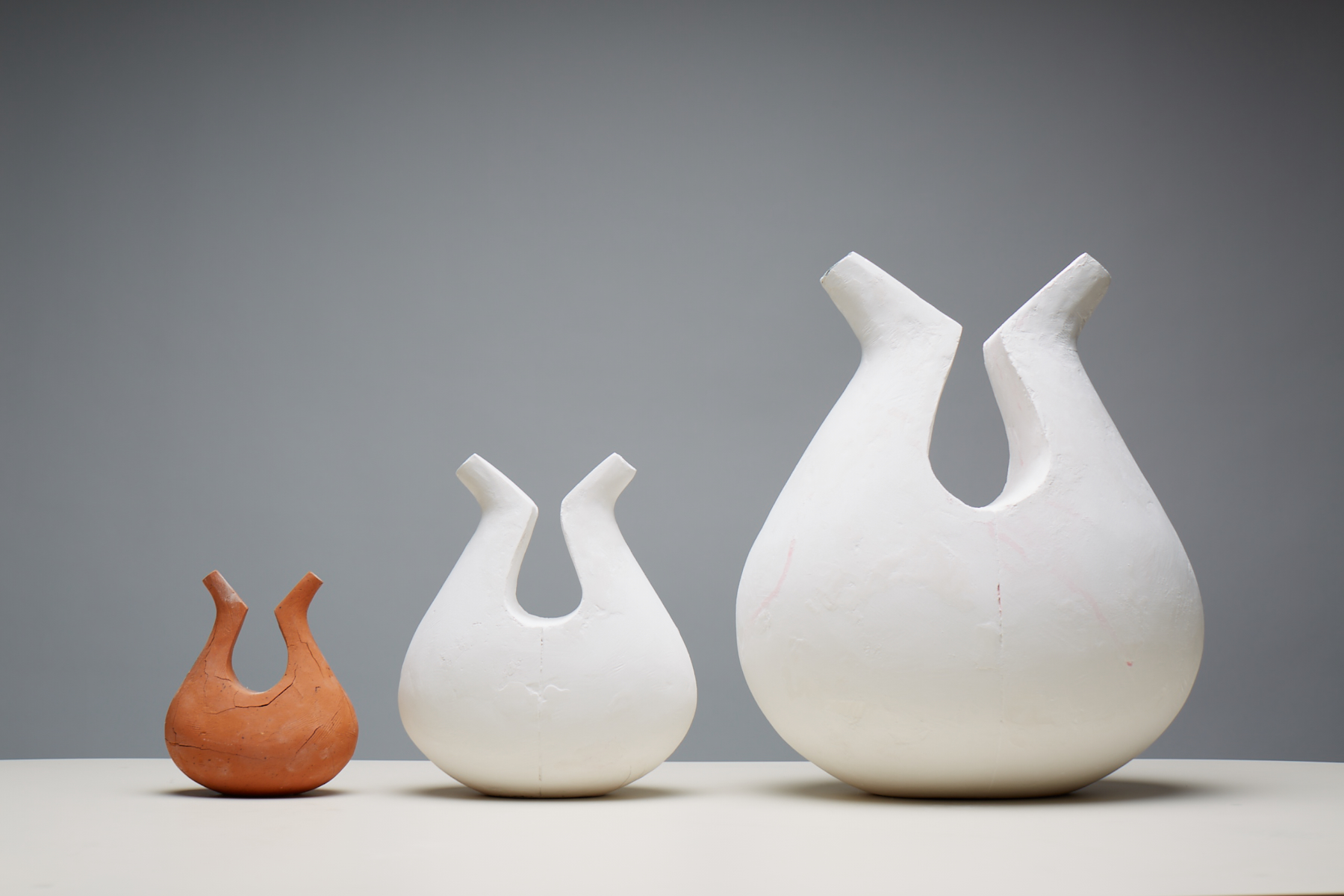
Satyendra Pakhalé has a long-standing fascination with objects with spouts, and he particularly admires the utility of the innovative soy sauce dispenser of Kikkoman Corporation, designed by Kenji Ekuan. ‘I don’t recall when I first used this object, but I am so fascinated by the way it just works,’ he says. It’s a beautiful application of physics in the most culture-specific way, yet it has been produced on an industrial level for more than half a century, and looks likely to be around for far longer still.
A
B
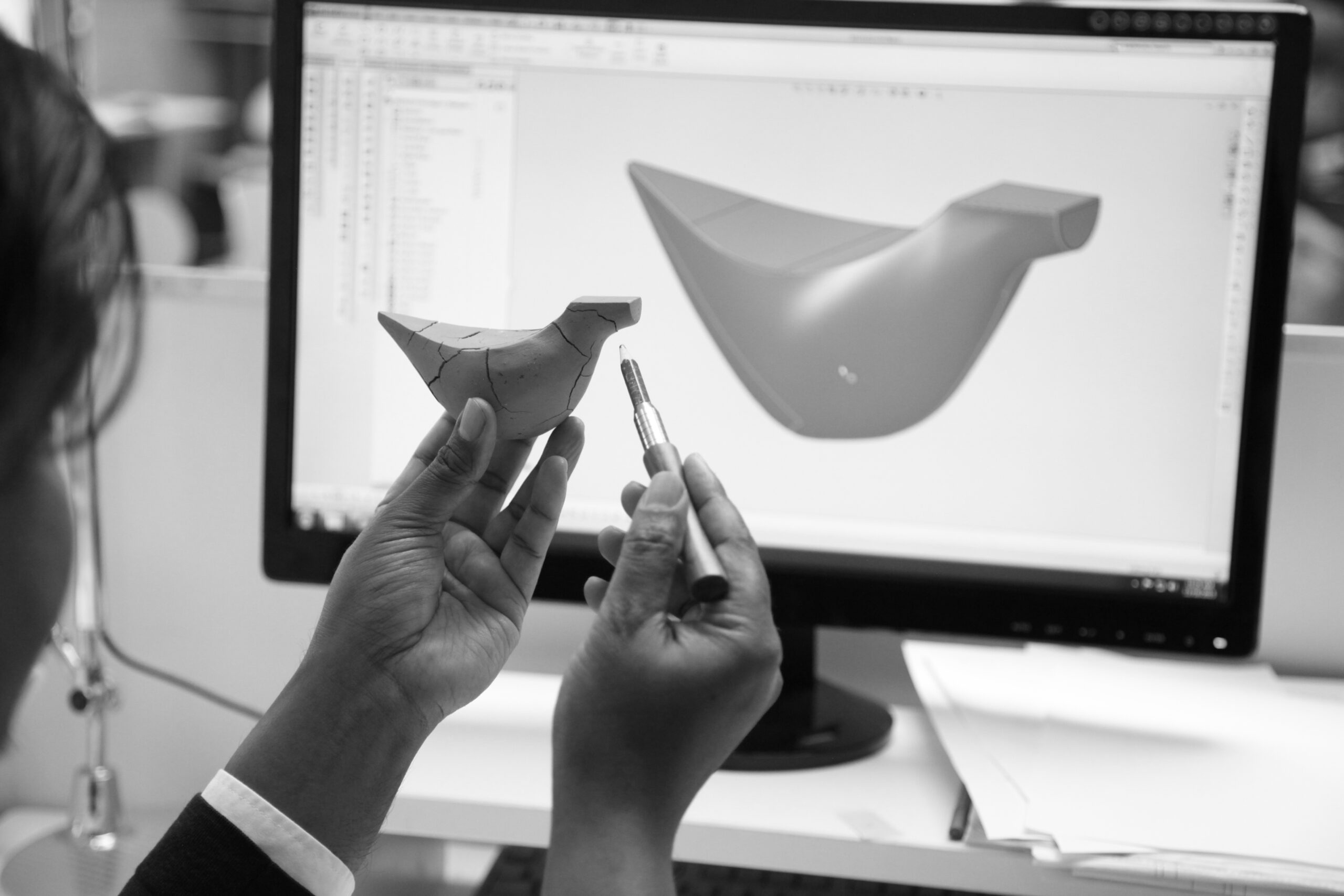
C
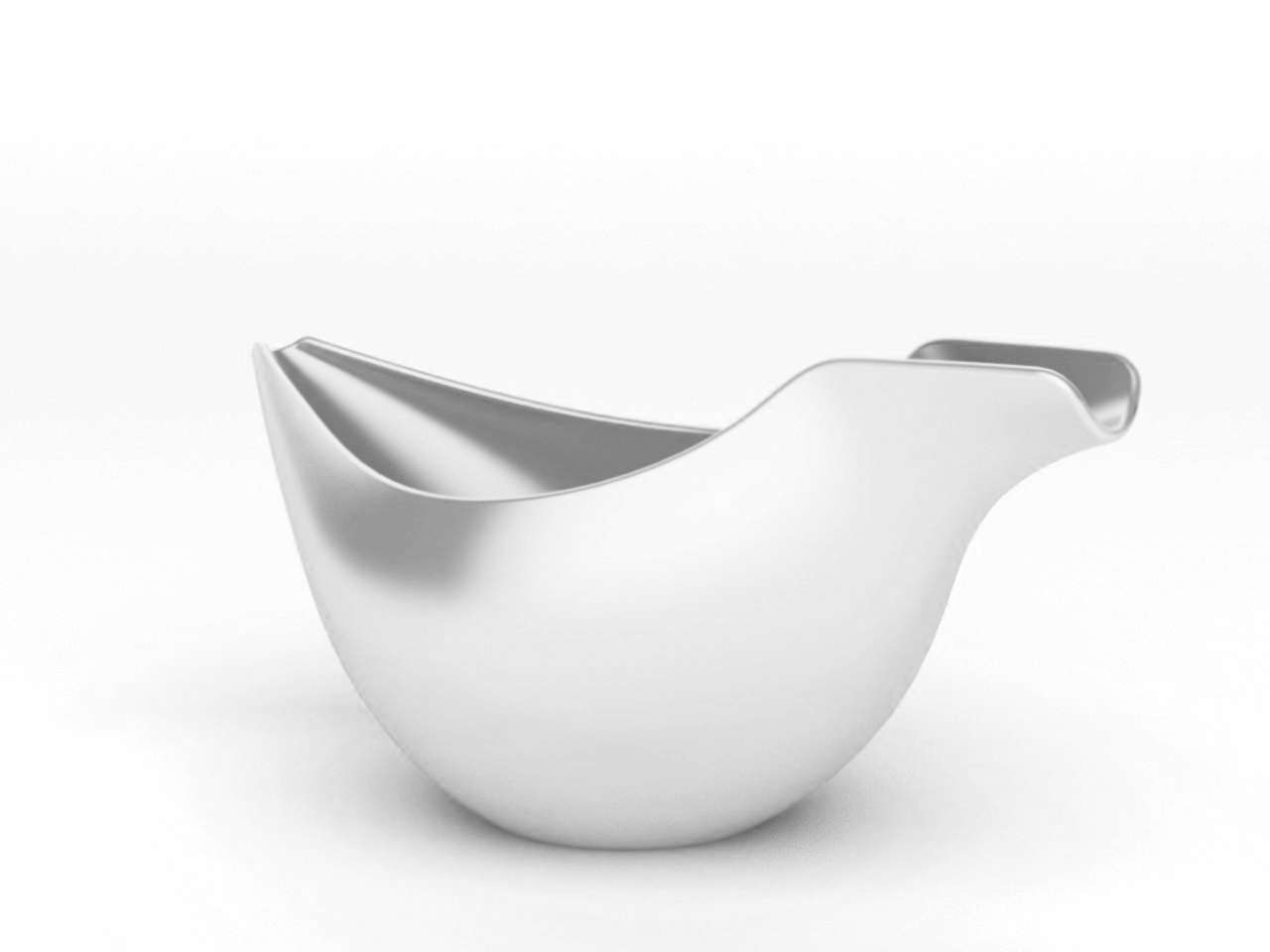
D
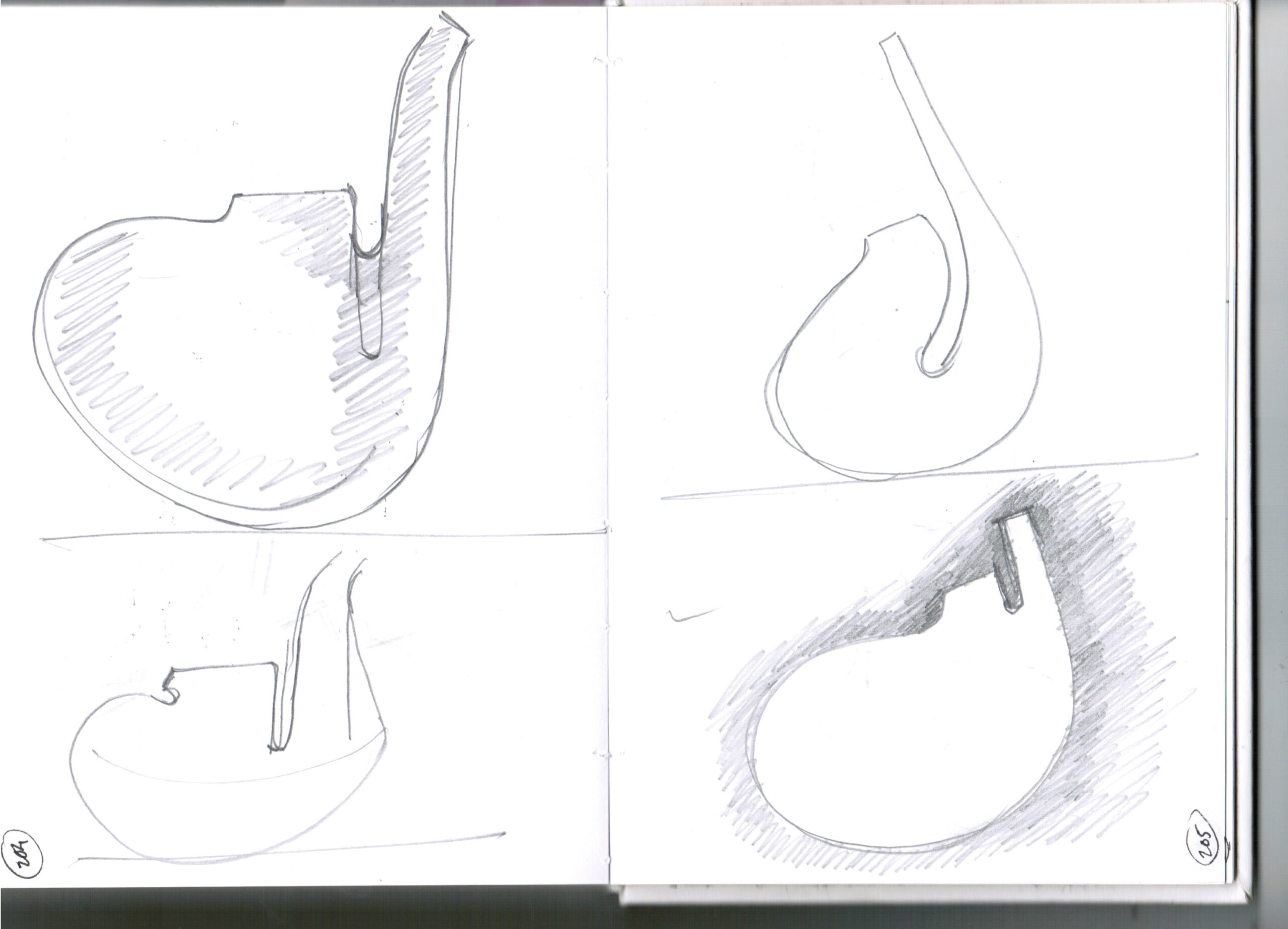
E
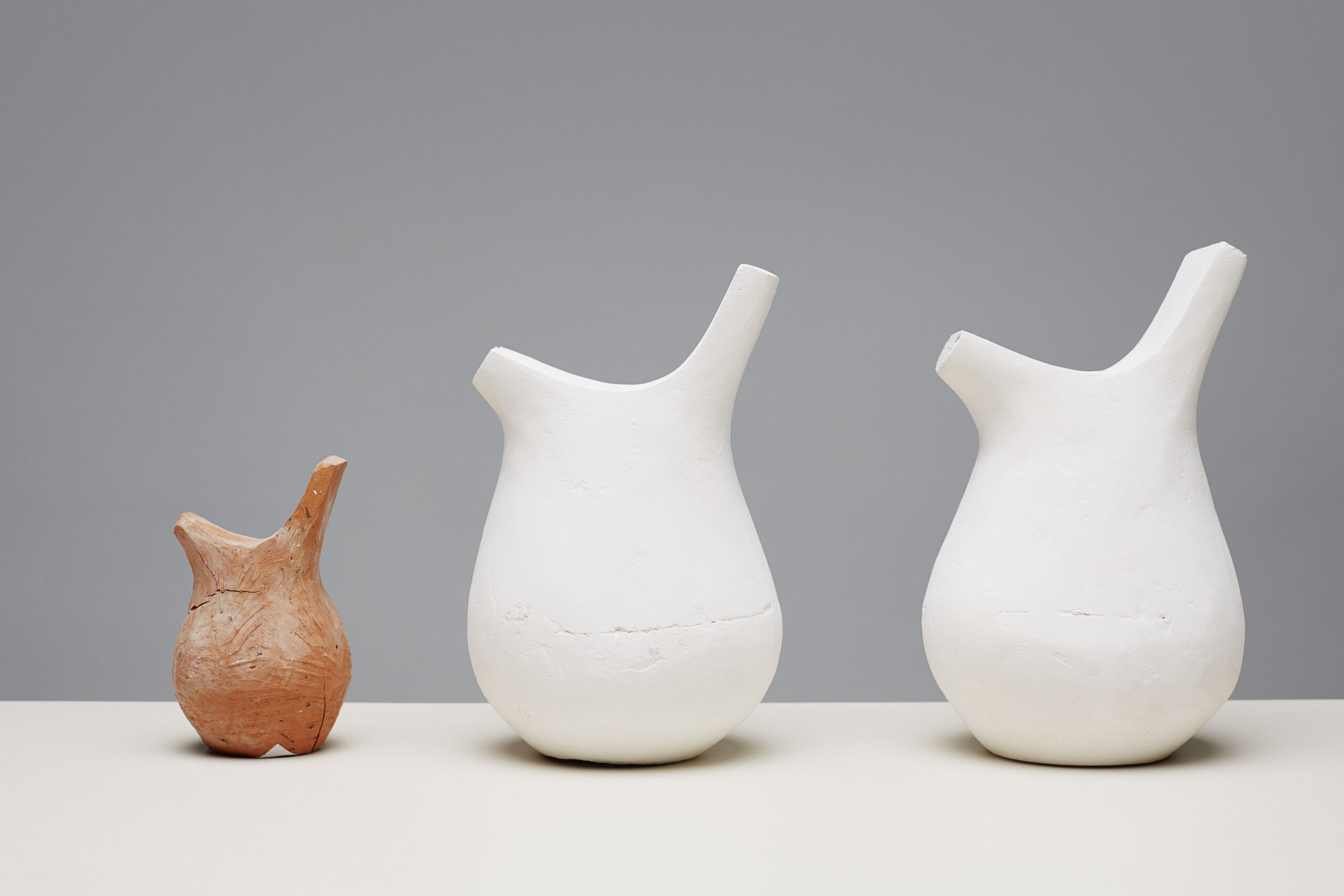
F
G
H
I
J
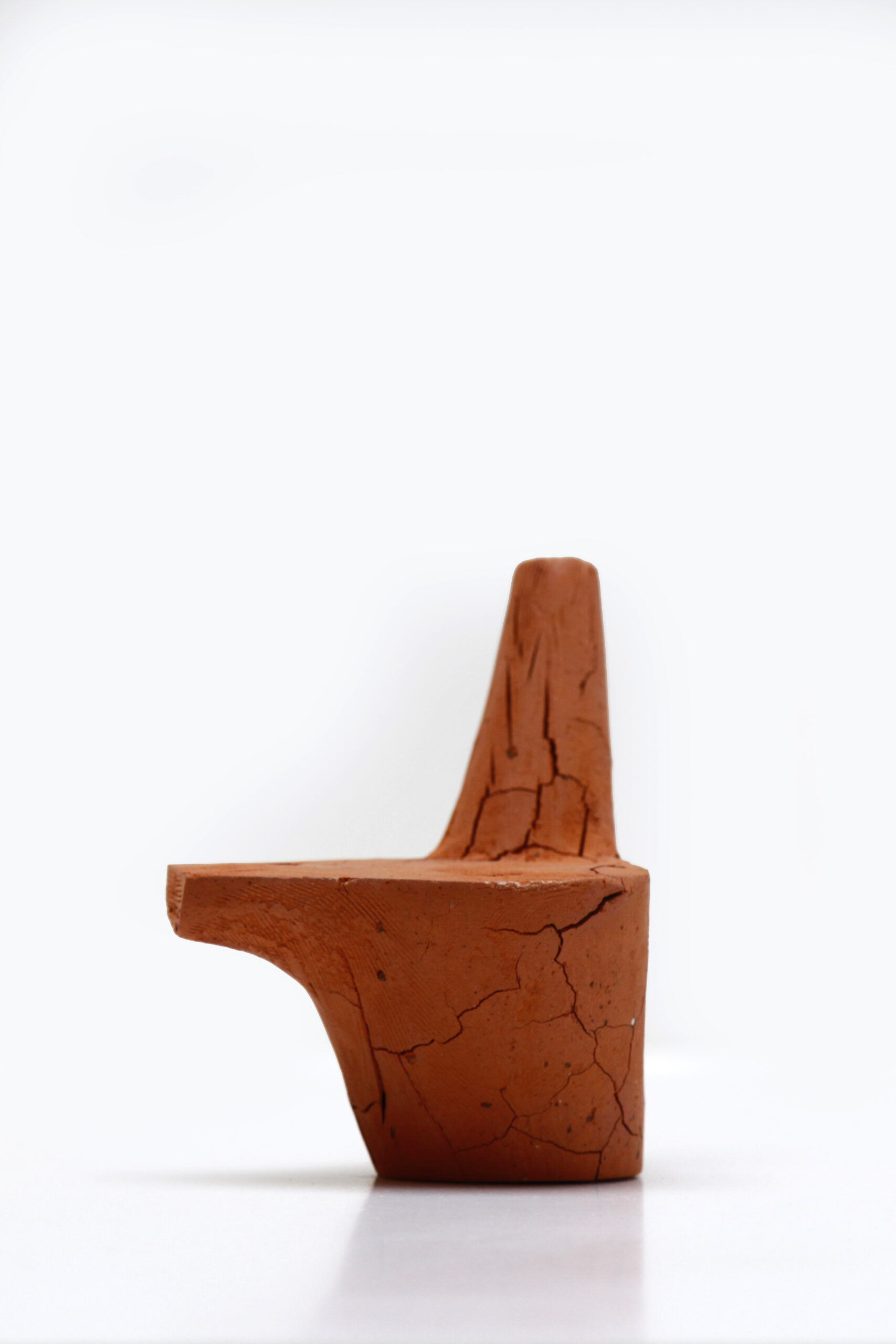
K
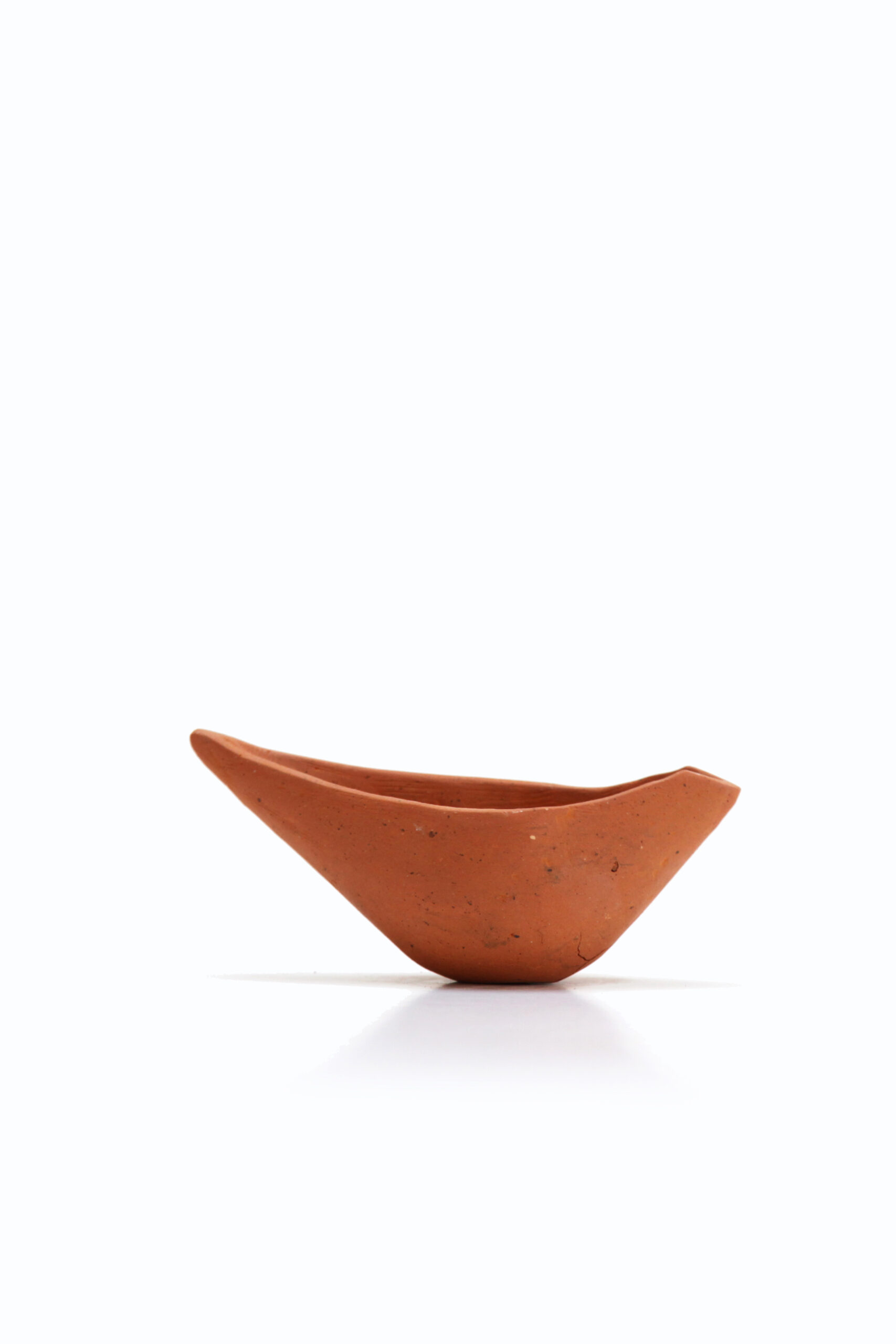
L
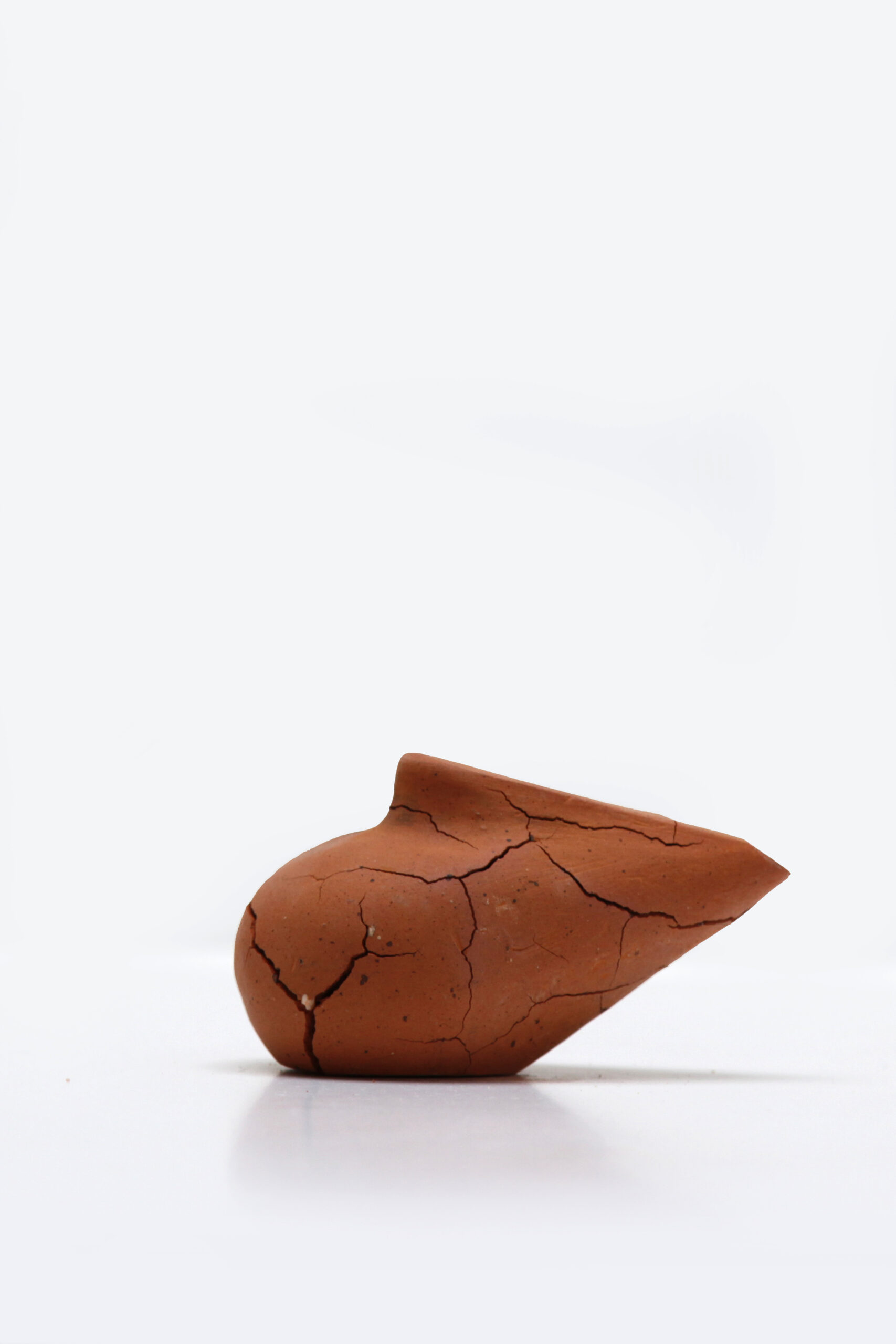
M
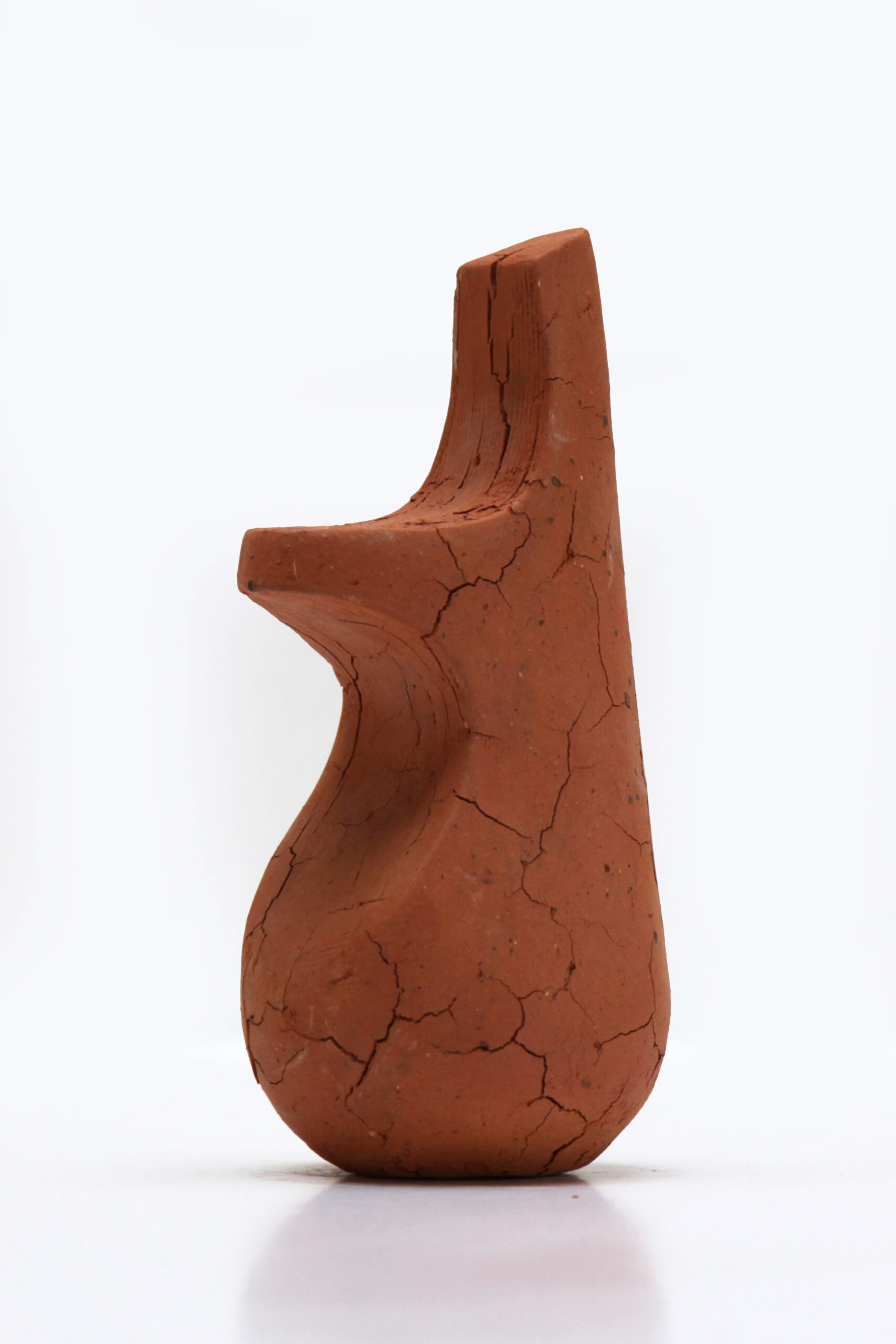
N
A-B – Full-scale hand-thrown volume being prepared for joining in wet condition
C – Full-scale hand-thrown volume being prepared for joining in wet condition
D – Test piece in electro-deposit copper.
E – The travel sketchbooks in the Satyendra Pakhalé Archives are full of sketches carried out seemingly without any specific intention in mind. Such sketches often emerge as part of a continuous process of intuitive exploration.
F – Often two identical models are made to allow subtle refinements of all the features to be studied.
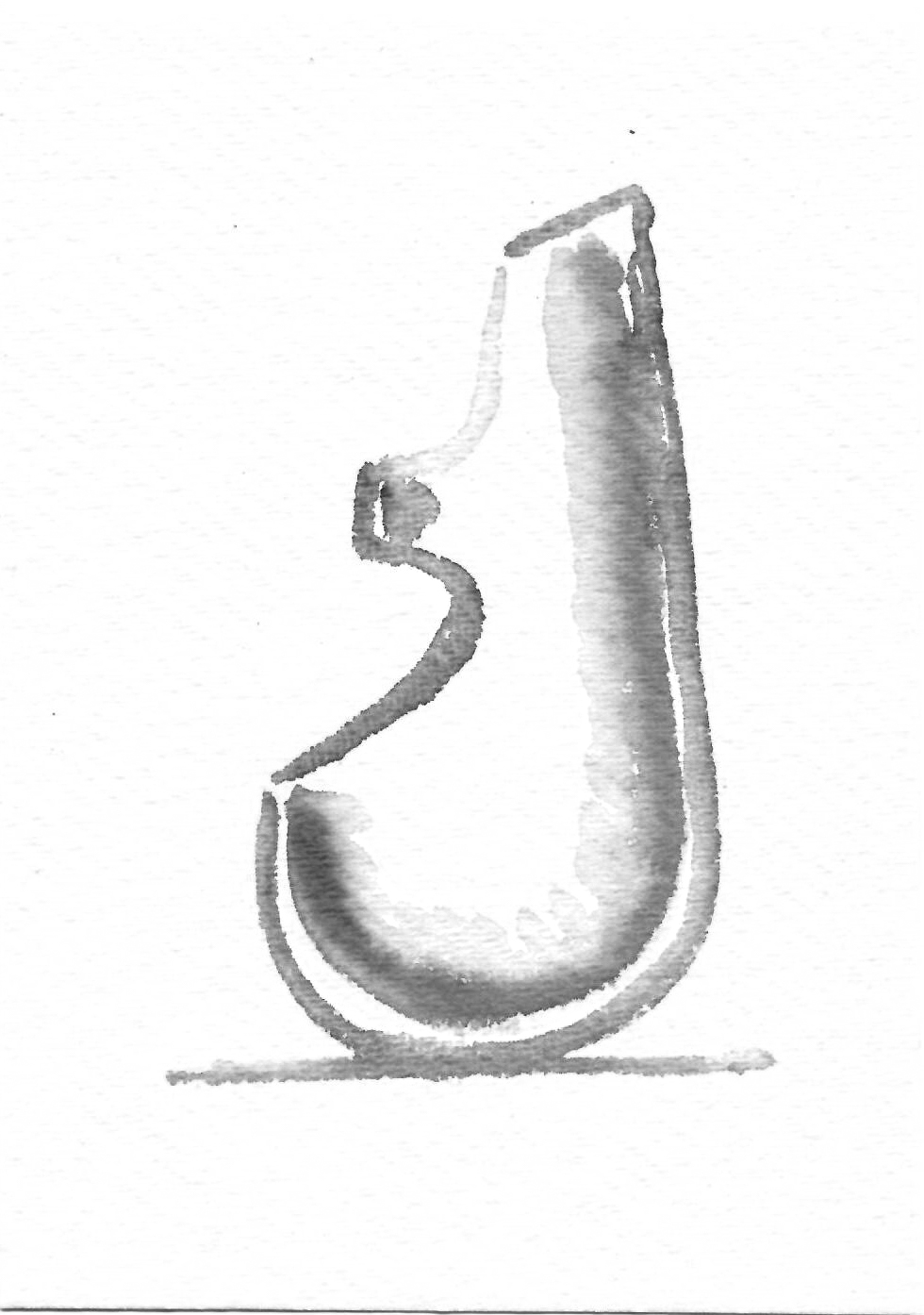
G – Sometimes these themes also appear in the watercolour sketches that Pakhalé produces almost daily.
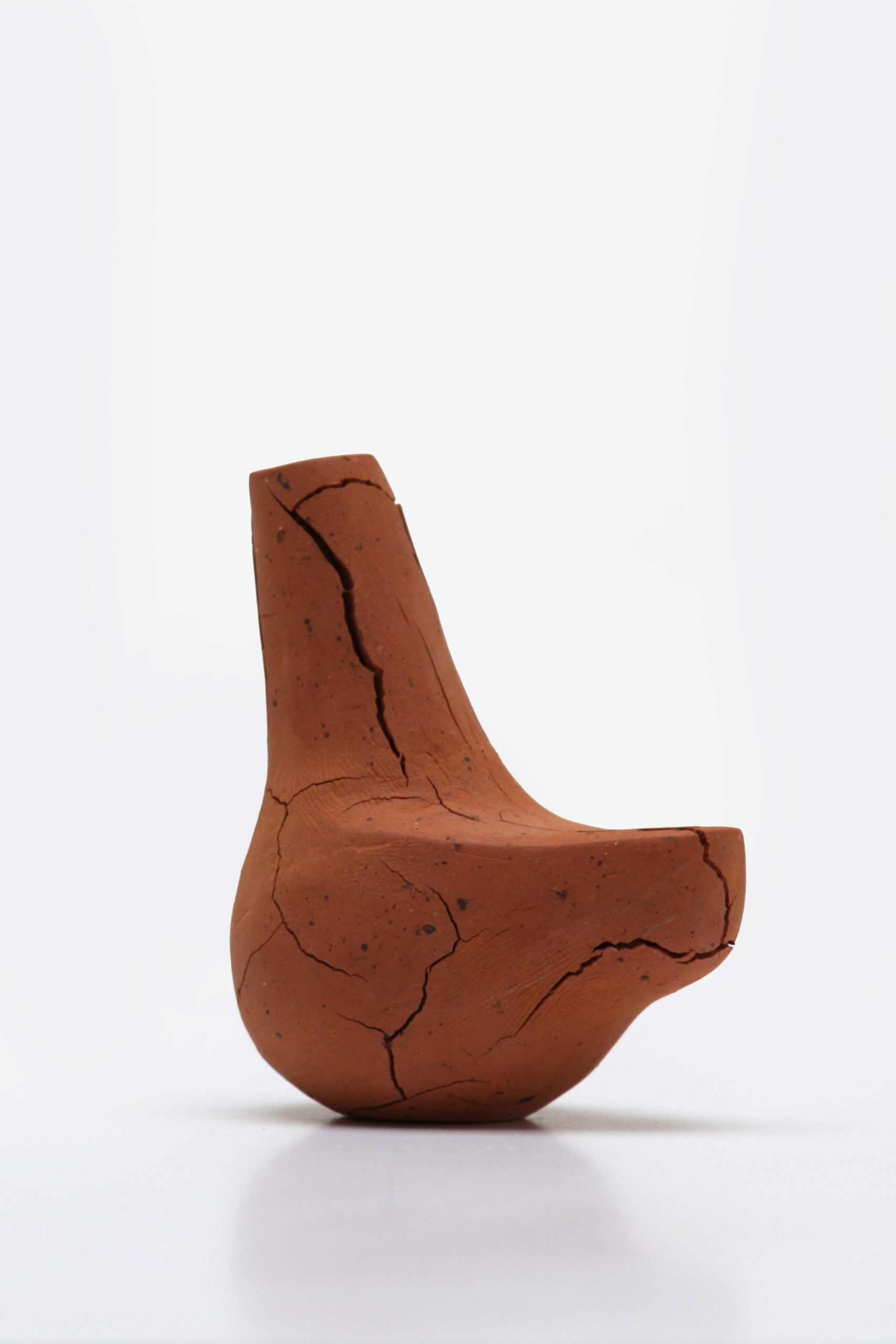
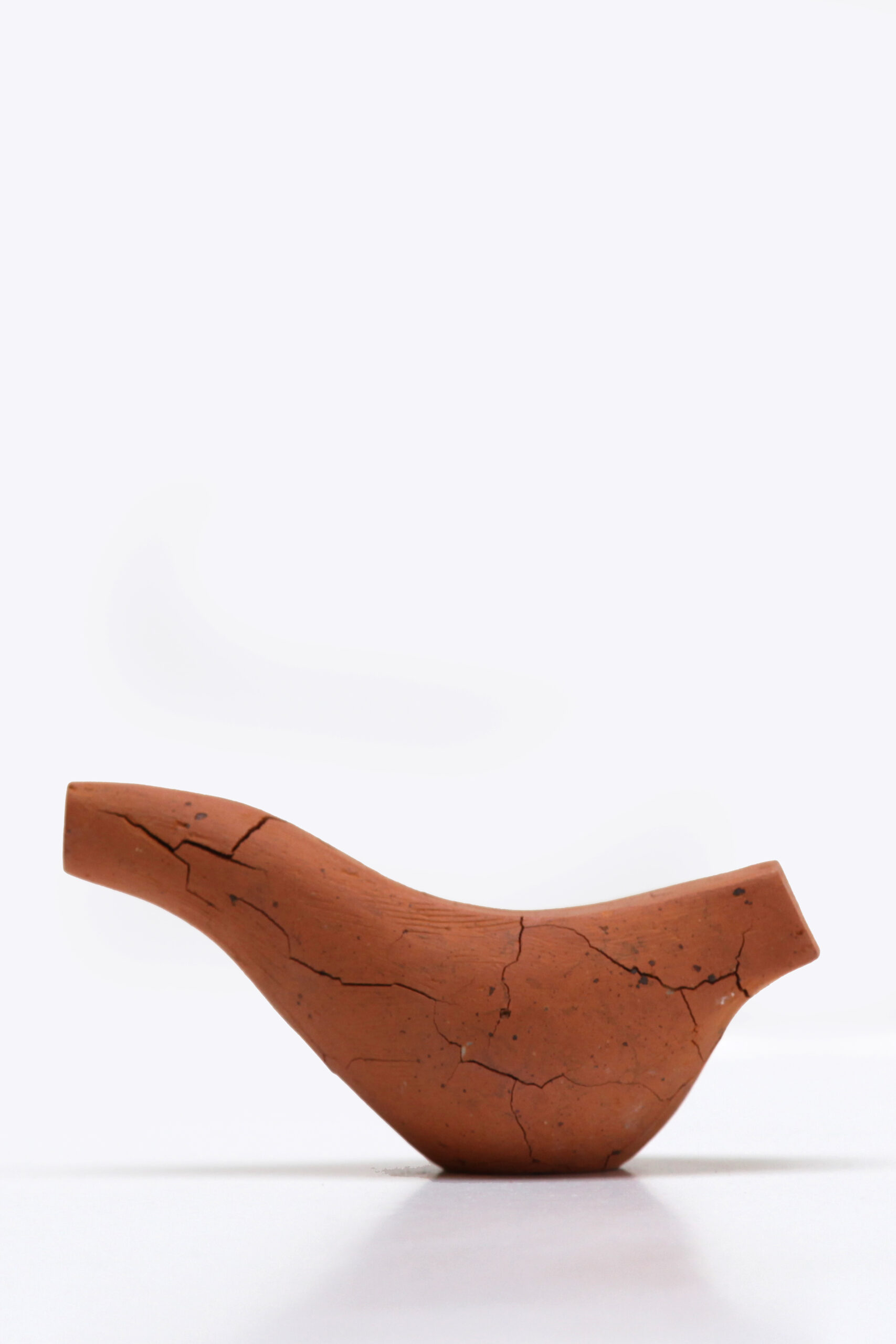
H-I – Based on the chosen sketches, spout object clay models are made and then fired in the ceramic kiln for further development.
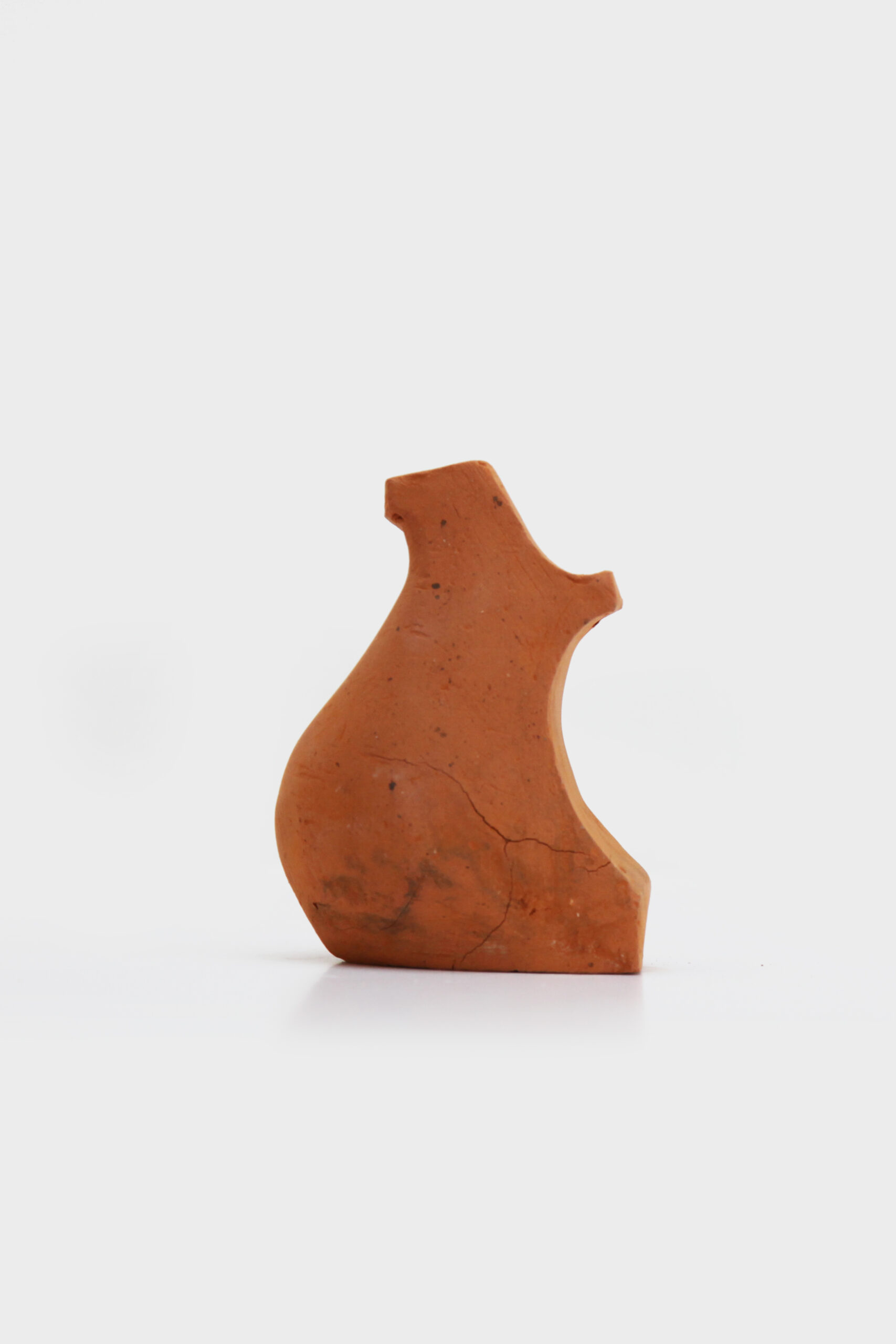
J-K – Pakhalé creates new typologies with distinctive proportions from these sketch models.
L – Sketch model in clay of open dish with spouts on either side.
M – The clay model is further developed into spout object with lid for serving oil.
N – Sketch model – in clay – capturing the essence of Pakhalé’s sketch and ready to be developed.
01.03 Social Modernity
Pakhalé articulates modernity as a social condition grounded in dignity, participation, and cohesion. He challenges the idea of “visual modernity” without structural change, arguing that no society can be called modern without social justice at its core. Design, therefore, is not a by-product of society but a force that shapes it, capable of fostering inclusion in increasingly plural and migrant societies, and of contributing to a more humane and secular modernity.
Visual modernity
“The human being is a social animal and at the root of human life is hope. Designers have a commitment to empower social messages. Social modernity, and with it social justice, is more important in a vertical society than economic or political justice. Almost all societies to a lesser or a greater extent are vertical societies – especially India, even today. As Pakhalé points out, ‘What we see as modernity in India is a visual modernity, there is still no comprehensive modernity in all walks of life. Unless there is social modernity no society or country can be called modern.’
–Jacques Barsac, Satyendra-Pakhalé-Culture-of-Creation, nai010 Publishers, Rotterdam, 2019, NL, page 344
“Design Shapes Society – Design is not the result of society but in fact the very opposite. Design is the shaper of society, the foundation that allows people to know more about how to live in the world. It is a source of knowledge in itself, yet it is hidden. People can discover it by experiencing and allowing the design piece to disclose all the potentialities of the atmosphere it creates, showing the many sensorial, intellectual, social, modernist aptitudes a human being has. Design is a way of knowing more about ourselves as humans and social beings. It is the foundation of a way of life – if created with a deep understanding of its meaning.
With its secular-humanist insight and inquiry into the human condition, design is a primary aspect of cultivating social modernity to rebuild society; and social modernity has to be further cultivated in order to reconstruct society as the basis of secular humanity. With this sensibility, it will be fascinating to see what sort of axiomatic design for social modernity Pakhalé will evolve in the years to come.”
–Jacques Barsac, Satyendra-Pakhalé-Culture-of-Creation, nai010 Publishers, Rotterdam, 2019, NL, page 344
Satyendra Pakhale’s scholarship on Buddhist modernities.
01.04 Future is NOW!
Design is inherently future-oriented, yet for Pakhalé the future is not distant, it is constructed in the present. Each project proposes an alternative reality that is more sensorial, equitable, and culturally connected. Through continuous research and reflection, his work demonstrates that the “project of modernity” remains unfinished, and that design has the responsibility to actively build more meaningful futures… now.
‘Future is now’ project of modernity is still in progress – Essay by Satyendra Pakhalé
‘Future is now’ – Satyendra Pakhale interviewed by Aidan Walker, Design China, Beijing, 2021
01.05 Tradition
Neither nostalgic nor futurist, Pakhalé approaches tradition as a living, dynamic force. Through what he calls the “cultivation of mind,” he seeks the present moment where past and future converge. Every object embodies a timeless encounter between maker and user, transcending style or mannerism. In this synthesis, tradition is not preserved as heritage alone, but transformed into contemporary expressions that speak across generations.
Cultivation of Mind – At the core of his design thinking, or ‘cultivation of mind’ as he calls it, is a dynamic approach to history and to the notion of what is past and what is future. Pakhalé neither approaches tradition with nostalgia nor glorifies contemporary technologies. Neither a traditionalist nor a futurist, he gives no credit to dualities and seeming opposites. In his design, he seeks the ‘present’ by embodying a blended spirit of ‘past’ and ‘future’. He believes that any object is meant to express the encounter between the object and the subject, a timeless encounter beyond any style, mannerism or tradition. The materials and surface structures of Pakhalé’s design objects stand out because of their inherent sensuality and timelessness.
‘Every decision and action taken from the inception of an object to the final form is a result of the ‘cultivated mind’ of the person or team creating it,’ says Pakhalé. ‘Design that comes from a sensitive mind, through the personal experience of the creator as an author – that is what I am after.’ In Pakhalé’s view, the privilege of designing is twofold: it entails both shaping the built environment, which means shaping the way people live in it, as well as the society they will develop in, and revealing a personal way of looking at the world. This is something that must be handled carefully, in order to enable that magical encounter between human sensorial qualities and unlimited nature that transcends time and space and produces authentic totems that can live with us as companions.
As Pakhalé says, ‘Design is a process that transcends itself. In the end the object outlasts the creator. Designing means cultivating one’s own mind and expressiveness to create things that make life easier for people, while nurturing their senses. One has to create a point of view capable of shaping a specific design in that context – that is what I see as authorship. Design is really getting in touch with the broadest necessities and nurturing all of them.’
– Satyendra-Pakhalé-Culture-of-Creation, nai010 Publishers, Rotterdam, 2019, NL, page 276 – 277
‘Remapping the Bauhaus 100 years later’– Design Miami, Design Talks, Switzerland
‘Satyendra Pakhalé: Nomadic design’- Jane Szita, Amsterdam, The Netherlands
New Craftsmanship – “Glancing at history, the gap between industrialization and manual work has never been as unbridgeable at that described by historians who refer to the ideological conception of modernity as the enemy of crafts. From Pakhalé’s perspective, this is a bizarre point of view. He is interested in ‘new craftsmanship’, which allies modernity with tradition and daily folklore with advanced technology in the eclecticism of its methods, by establishing itself as the catalyst of universal communication. Creation is indeed part of tradition. This is the refreshing view that stands out against the conventional notion of modernity, and with this approach he articulates a view of modernity that his ideas, notions about social modernity that at its core is social cohesion rather than social charity for the third millennium.
Looking at European societies with their migrant populations, a new vision of social modernity is very much needed in our times, as Europe learns to put its Eurocentric perspective aside to accommodate the newcomers with a renewed energy. At the same time, fast-developing economies like China, India and Brazil cultivate their own approach to social modernity in their own manner.” – Jacques Barsac, CULTURE OF CREATION Satyendra-Pakhalé-Culture-of-Creation, nai010 Publishers, Rotterdam, 2019, NL page 341
Cultural Innovation – Pakhalé’s keen interest in material and technological innovations is evident in several projects. ‘When we speak about innovation,’ he says, ‘most of the time we just refer to technological innovation which is important and often challenging to achieve. However, the ideas, especially design ideas, that make an impact on social change could be termed ‘social innovation’. Furthermore, if society accepts those innovations and they then become part of the culture, they could eventually be called ‘cultural innovation’. I like the idea that design could lead to cultural innovation.’ – Jacques Barsac, CULTURE OF CREATION Satyendra-Pakhalé-Culture-of-Creation, nai010 Publishers, Rotterdam, 2019, NL page 343
The following bibliography documents the works that have informed, shaped, and supported the ideas developed across this archive. The sources are organized by their principal theme.
02 Meaning Making
This section explores the lived experience, sensory intelligence, and embodied perception that underpin the work of Satyendra Pakhalé, and the ways in which he translates these dimensions into design imbued with meaning. Drawing on phenomenological thought—from Maurice Merleau-Ponty’s understanding of perception as a whole-body experience to Juhani Pallasmaa’s notion of “sensing with the mind”—Pakhalé approaches objects not as visual artefacts alone, but as atmospheres to be inhabited. His sensorial design practice engages the Aristotelian senses and what Pallasmaa calls the “existential sense”: a fusion of body, memory, material, and mind that grants us a foothold in reality. Through tactile surfaces, convex geometries, and carefully cultivated atmospheres, his objects invite intimacy and haptic engagement, fostering what has been described as a “skin-relationship” between user and form.
Extending beyond sensoriality, Pakhalé’s work unfolds through poetic analogy, aniconic symbolism, and layered cultural narratives. As articulated by thinkers such as Tiziana Proietti, his forms resist fixed iconography; instead, they remain open, self-expressive, and plural—capable of evoking multiple associations without being confined to a single code. Inspired in part by the inner logic and sculptural rationality of India’s ancient rock-cut architecture, his designs privilege irreducible, essential volumes that are experienced from within rather than merely observed from without. In doing so, Pakhalé reaffirms his belief that the human condition—sensorial, cultural, and existential—is central to design. It is through this cultivated understanding of perception and meaning that design gains the potential to effect ecological awareness and social change.
02.01 Phenomenology of Perception
In the work of Satyendra Pakhalé, design begins with perception as a lived, embodied act. Influenced by phenomenological thought—particularly Maurice Merleau-Ponty and Juhani Pallasmaa—Pakhalé approaches objects as atmospheres that engage the whole body rather than the eye alone. Perception is understood as multisensory, unstable, and relational: an exchange between subject and world. By investigating how forms are received, sensed, and inhabited, he cultivates designs that resonate with memory, material presence, and existential awareness.
Juhani Pallasmaa
Maurice Merleau-Ponty
“Sensory experience is unstable, and alien to natural perception, which we achieve with our whole body all at once, and which opens on a world of interacting senses.”
– Maurice Merleau-Ponty, Satyendra-Pakhalé-Culture-of-Creation, nai010 Publishers, Rotterdam, 2019, NL, page 180
‘Culture of Creation’, The atmosphere of objects – Alloaesthesia Congress, USA
‘Alloaesthesia’ – 4th International Congress on Ambiances, UCSB, USA
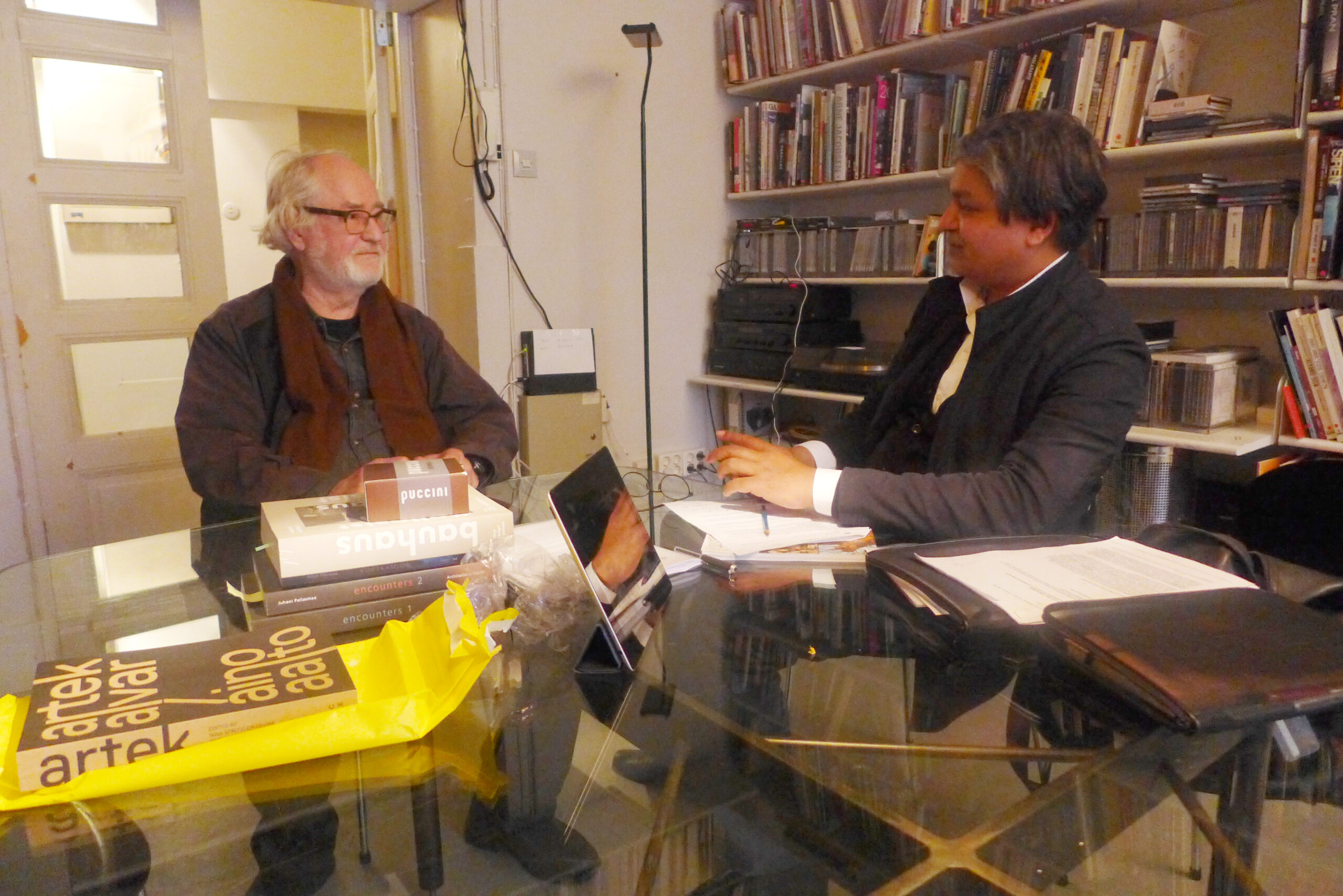
20170302-Satyendra-Pakhale-and-Juhani-Pallasmaa-Helsinki-01
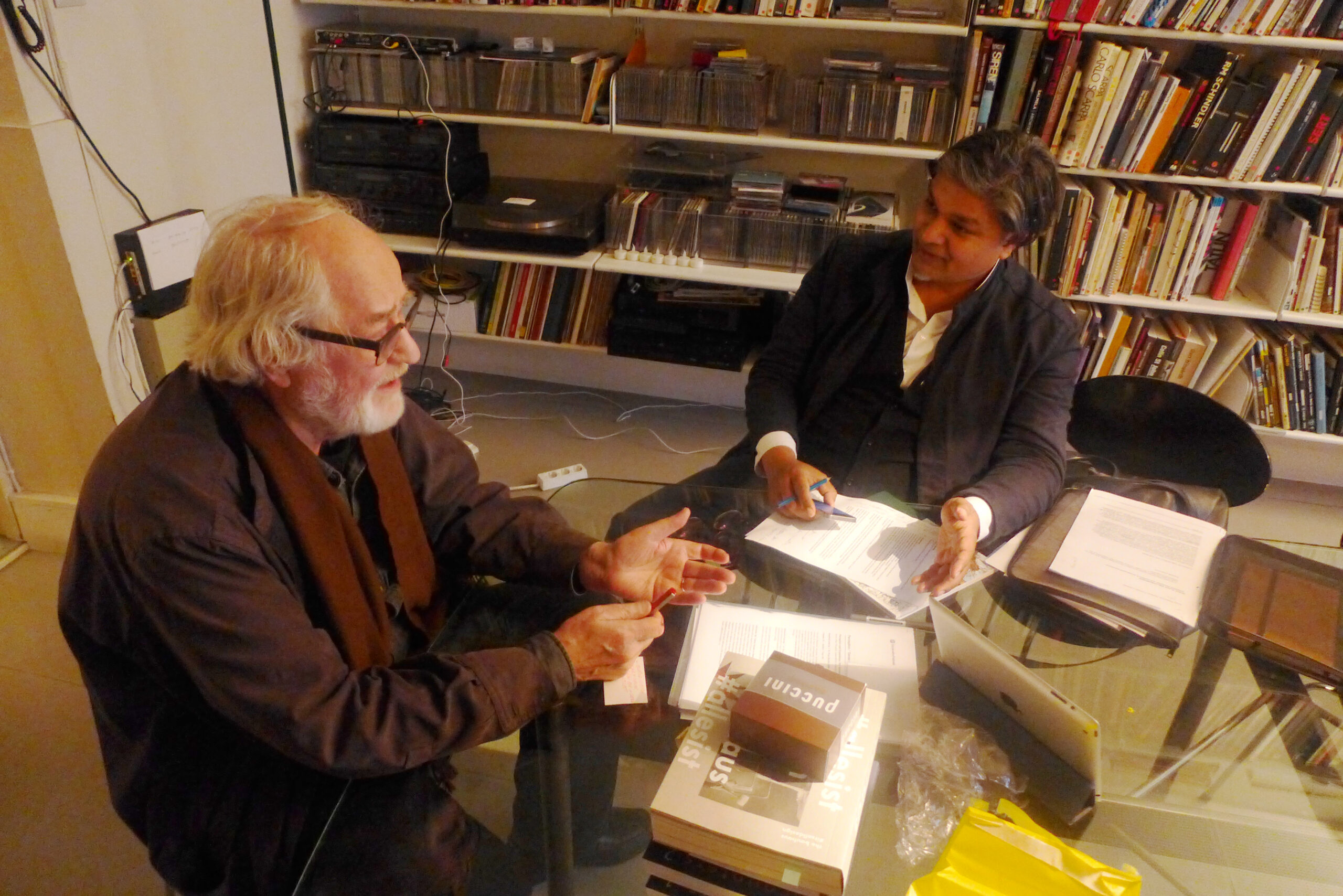
20170302-Satyendra-Pakhale-and-Juhani-Pallasmaa-Helsinki-02
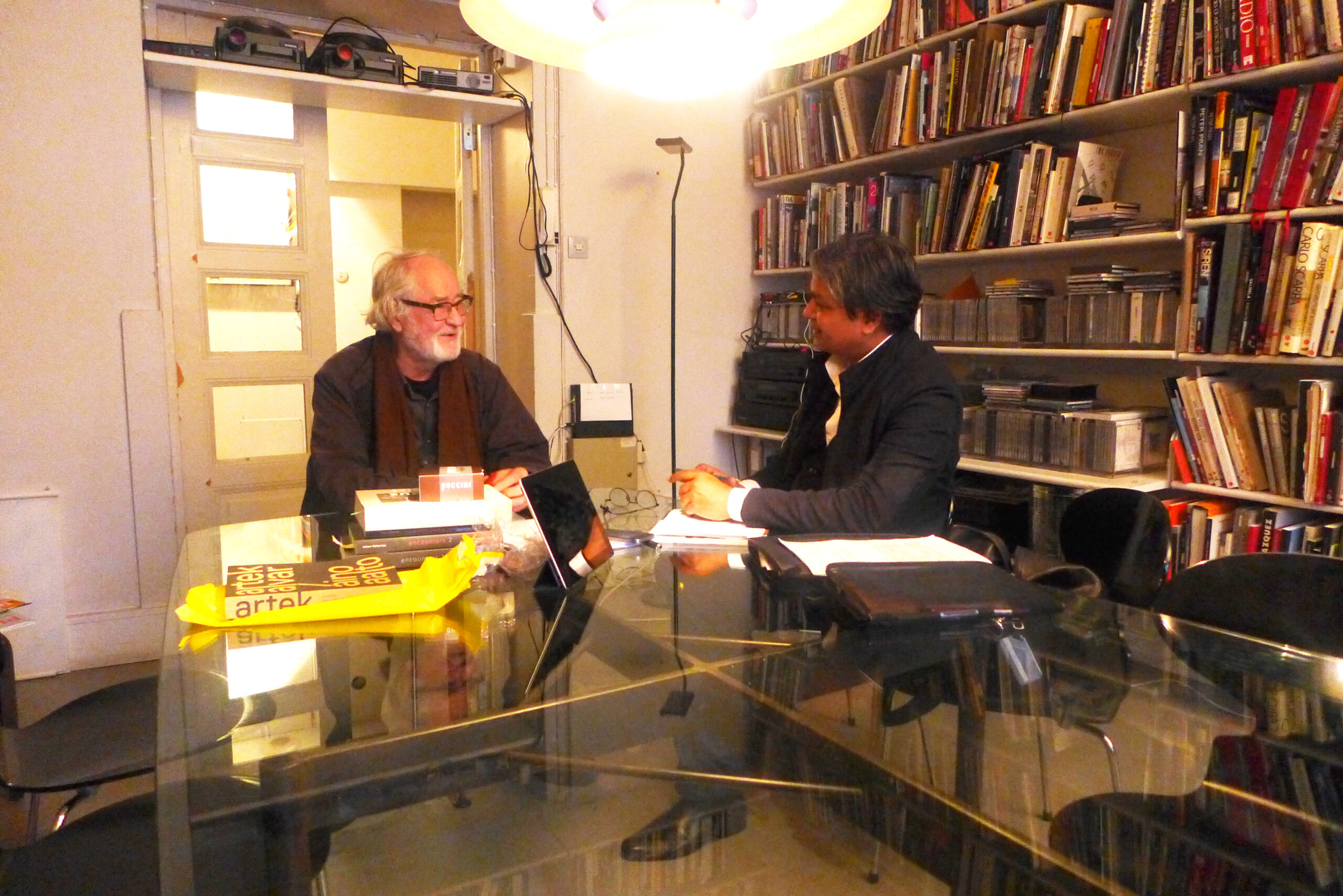
20170302-Satyendra-Pakhale-and-Juhani-Pallasmaa-Helsinki-03
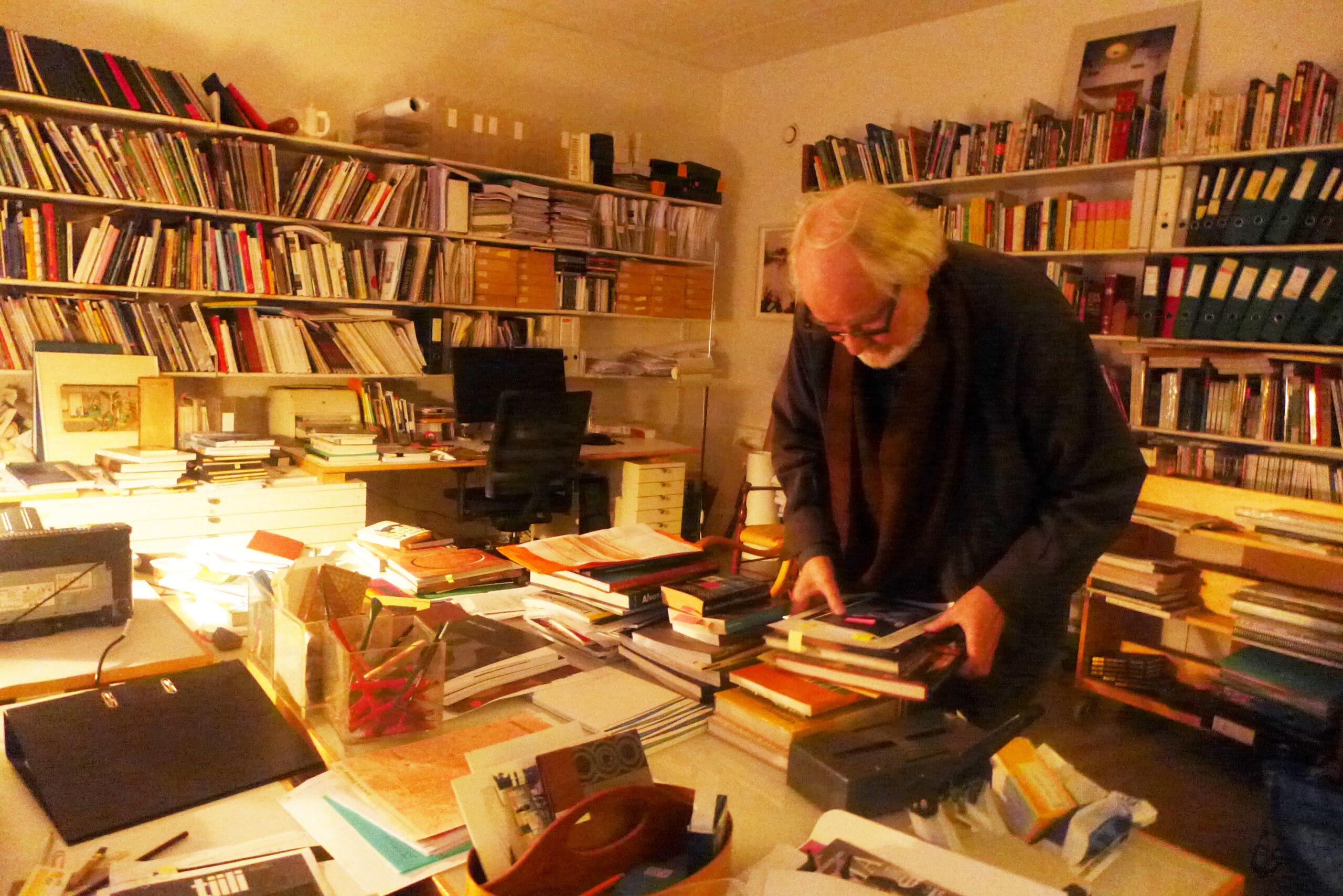
20170302-Satyendra-Pakhale-and-Juhani-Pallasmaa-Helsinki-04
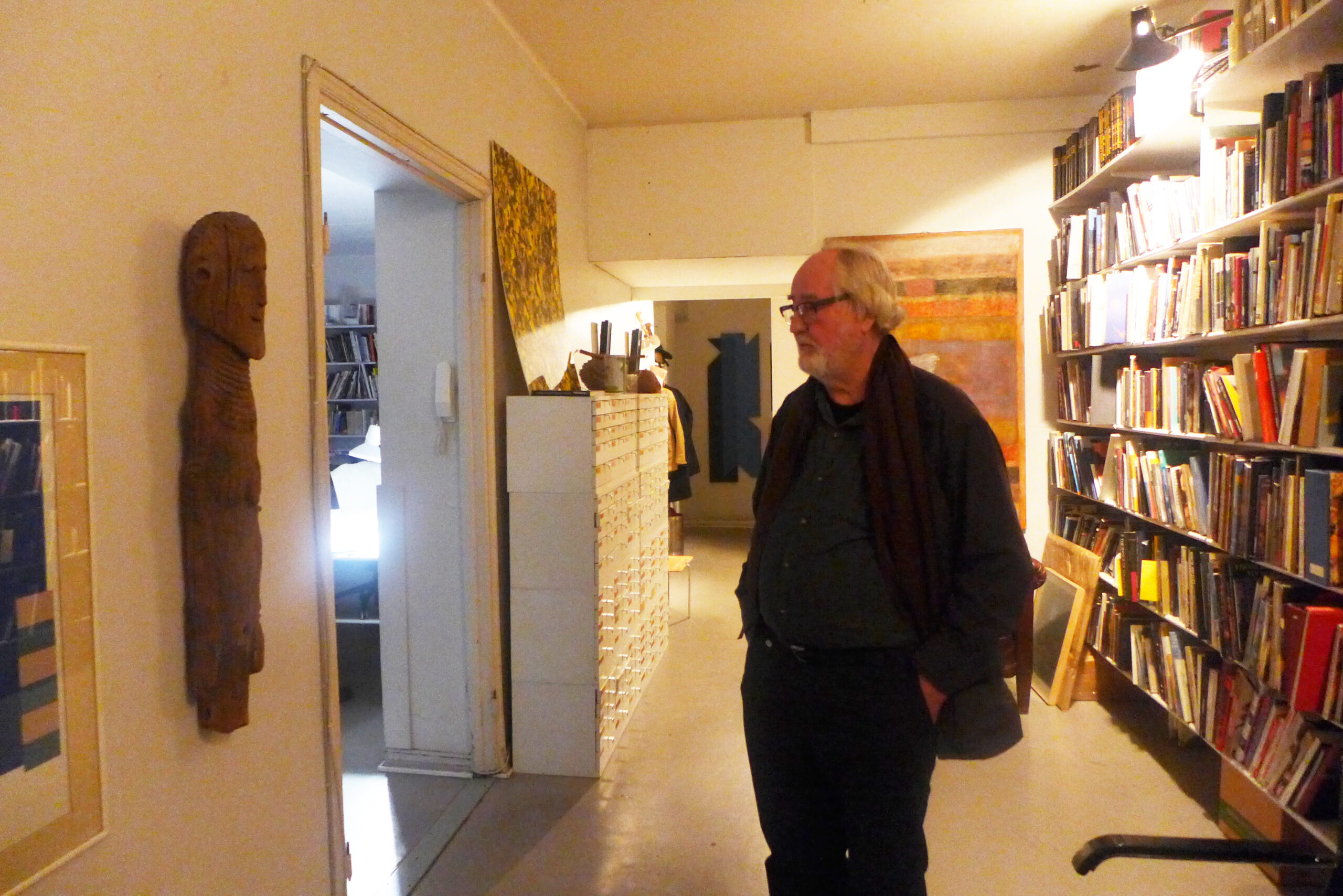
20170302-Satyendra-Pakhale-and-Juhani-Pallasmaa-Helsinki-05
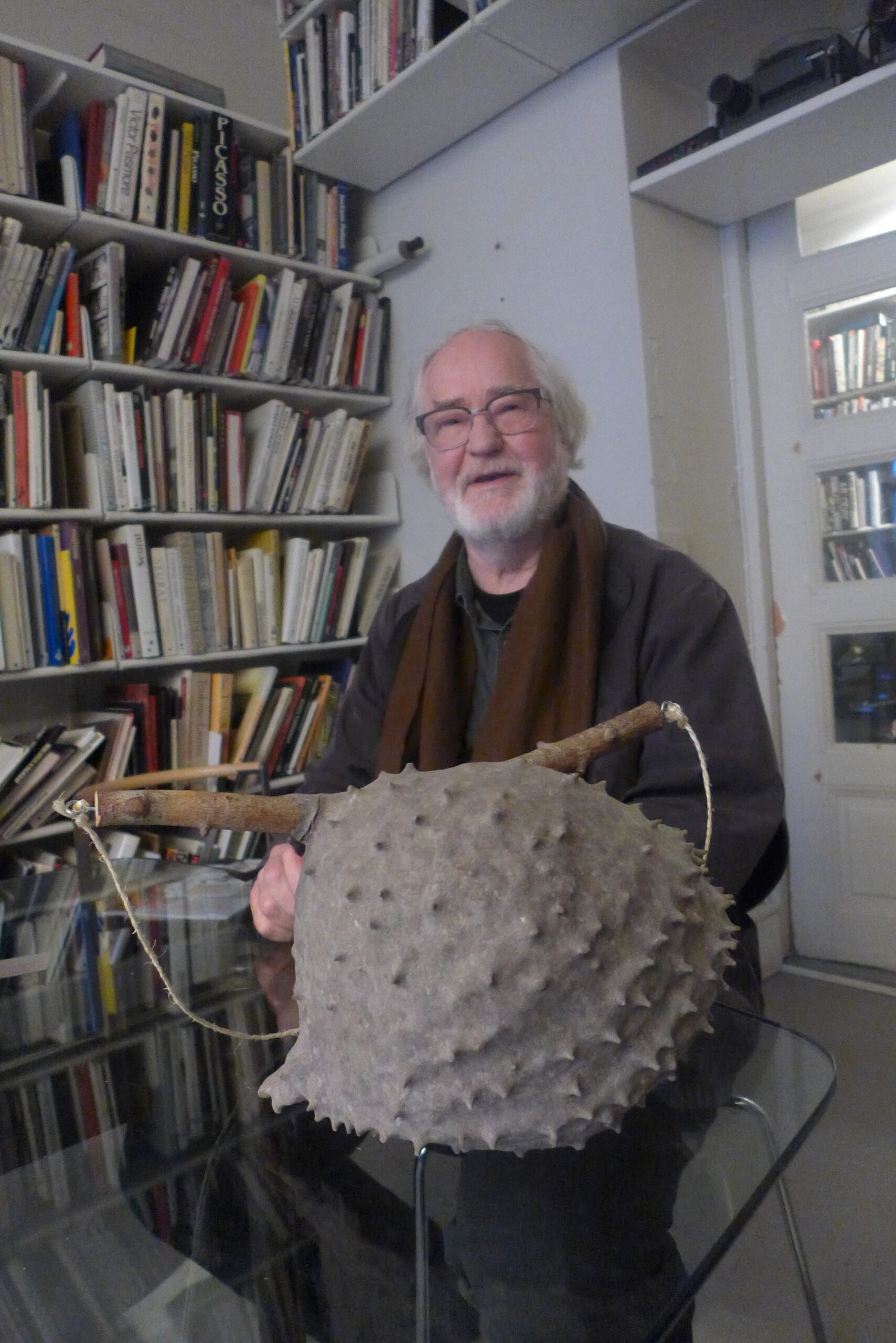
20170302-Satyendra-Pakhale-and-Juhani-Pallasmaa-Helsinki-06
02.02 Sensorial Design
In the work of Satyendra Pakhalé, design begins with perception as a lived, embodied act. Influenced by phenomenological thought—particularly Maurice Merleau-Ponty and Juhani Pallasmaa—Pakhalé approaches objects as atmospheres that engage the whole body rather than the eye alone. Perception is understood as multisensory, unstable, and relational: an exchange between subject and world. By investigating how forms are received, sensed, and inhabited, he cultivates designs that resonate with memory, material presence, and existential awareness.
Sensorial, sensoriality, multi-sensorial, multi-sensory
Senses, sense bases, sense
Aristotelian senses
Sensing with mind – “We cannot mentally survive in a world devoid of historicity, sensuality, and human meaning. Meaningful design places our bodies and minds harmoniously in the flesh of the world.”
– Juhani Pallasmaa, Satyendra-Pakhalé-Culture-of-Creation, nai010 Publishers, Rotterdam, 2019, NL, page 178
Sense of Being – I would like to suggest that, in the field of architecture and design, the most important sense is not vision, as the synthesizing sense seems to be our existential sense, the sense of being. The existential sense fuses all the sensations with the sense of being and gives them coherence, continuity and meaning. In my view, this existential sense is close to the notion of the earliest Buddhist ‘sense of mind’ that Pakhalé refers to. Indeed in all respects, the Eastern traditions of thinking have grasped the complex essence of human experience and consciousness, as well as the interactions of the material and the mental, better than our current scientific view. They avoid the categorical divide between the lived and the scientific worlds.
– Juhani Pallasmaa, Satyendra-Pakhalé-Culture-of-Creation, nai010 Publishers, Rotterdam, 2019, NL, page 181
“The task of architecture and design is not only to create visual order and beauty. Design needs to frame the world, provide it with meaning, and to grant us our existential foothold in reality. This foothold has its practical, material and performative, as well as perceptual, sensory and metaphysical dimensions. A significant aspect of this task is the re-mythicization and re-eroticization of our relationship with the world. We cannot mentally survive in a world devoid of historicity, sensuality, and human meaning. Meaningful design places our bodies and minds harmoniously in the flesh of the world. Satyendra Pakhalé’s designs suggest a haptic skin-relationship through their sensorial forms, poetic associations and tactile surfaces; they invite the user and stimulate sensations of intimacy and nearness. The shapes present invitations to our body sense, rather than merely displaying retinal images.”
– Juhani Pallasmaa, Satyendra-Pakhalé-Culture-of-Creation, nai010 Publishers, Rotterdam, 2019, NL, page 181
From Convexity to Sensoriality
‘Something like human warmth’ – Satyendra Pakhalé, Art Aurea, Germany
‘Aggregates as uncommon senses: back to early discoveries’ – Tiziana Proietti and Satyendra Pakhalé
02.03 Poetic Analogy
Poetic analogy operates in Pakhalé’s work as a bridge between the visible and the invisible. Rather than representing fixed symbols, his objects suggest associations—ripples in water, geological formations, ritual vessels—opening interpretative space for the imagination. As articulated by Tiziana Proietti, these analogies are rooted in human perception and invite reflection beyond literal function. Form becomes a narrative prompt, enabling users to project personal and cultural meanings onto the object.
Philip Rawson
“Analogical thinking is deeply rooted in human perception. Satyendra Pakhalé’s objects open up the realm of poetic analogy by reflecting larger imaginative entities beyond themselves.”
– Tiziana Proietti, The realm of poetics, Satyendra-Pakhalé-Culture-of-Creation, nai010 Publishers, Rotterdam, 2019, NL, page 146
02.04 Aniconic Symbolism
Rejecting explicit iconography, Pakhalé embraces aniconic symbolism—forms that carry symbolic value without depicting specific figures. His objects resist singular interpretation; they are self-expressive and open-ended. By avoiding a predetermined code, he enables plural readings shaped by individual and cultural experience. This openness reflects his commitment to design as a universal yet deeply personal language, where essence precedes representation and meaning emerges through encounter.
Self-Expressiveness of Forms
Pakhalé is constantly pursuing that ‘one more step’ – by pushing the limits of the representative character of symbols and making them capable of opening the broadest field of self-identification in the vast, human, pluralistic ways of being and expression. Indeed, analogical thinking is rooted in the act of associating and bringing into being a scenario that may change according to the lines of association followed. This means that the final form, or units of form, may have a symbolic value without being confined to specific figures. This is the power of representing the essence of forms, as experienced so strongly in Pakhalé’s designs, in their natural state of opennes, captured just before they are confined to a specific symbol that does not need to be associated with any specific meaning.
Any attemp to capture the specific meanings of symbols in Pakhalé’s design objects is useless. Effectively, it is not necessary that symbols symbolize something. No explicit or implicit shared knowledge allows the precise and unique interpretation of symbols. In Pakhalé’s projects, symbols are the objects of special knowledge, sometimes easily accessible, sometimes forgotten today, although it existed in the past. This multiciplity of achievable interpretations results from the absence of a code. These copious symbolic associations converge in multi-sensorial objects that show their own compelling ‘self-expressiveness’.
– Tiziana Proietti, Satyendra-Pakhalé-Culture-of-Creation, nai010 Publishers, Rotterdam, 2019, NL, page 149-151
02.05 Cultural Narratives
Pakhalé’s practice acknowledges that objects exist within complex cultural networks shaped by geography, migration, and time. Cultural narratives are neither static nor singular; they evolve and intersect. His designs draw from diverse traditions—Eastern philosophies, European modernism, and vernacular practices—without privileging one over another. In doing so, he positions design as a medium of pluralism, capable of weaving layered identities into coherent, contemporary expressions.
02.06 Rock-cut Architecture
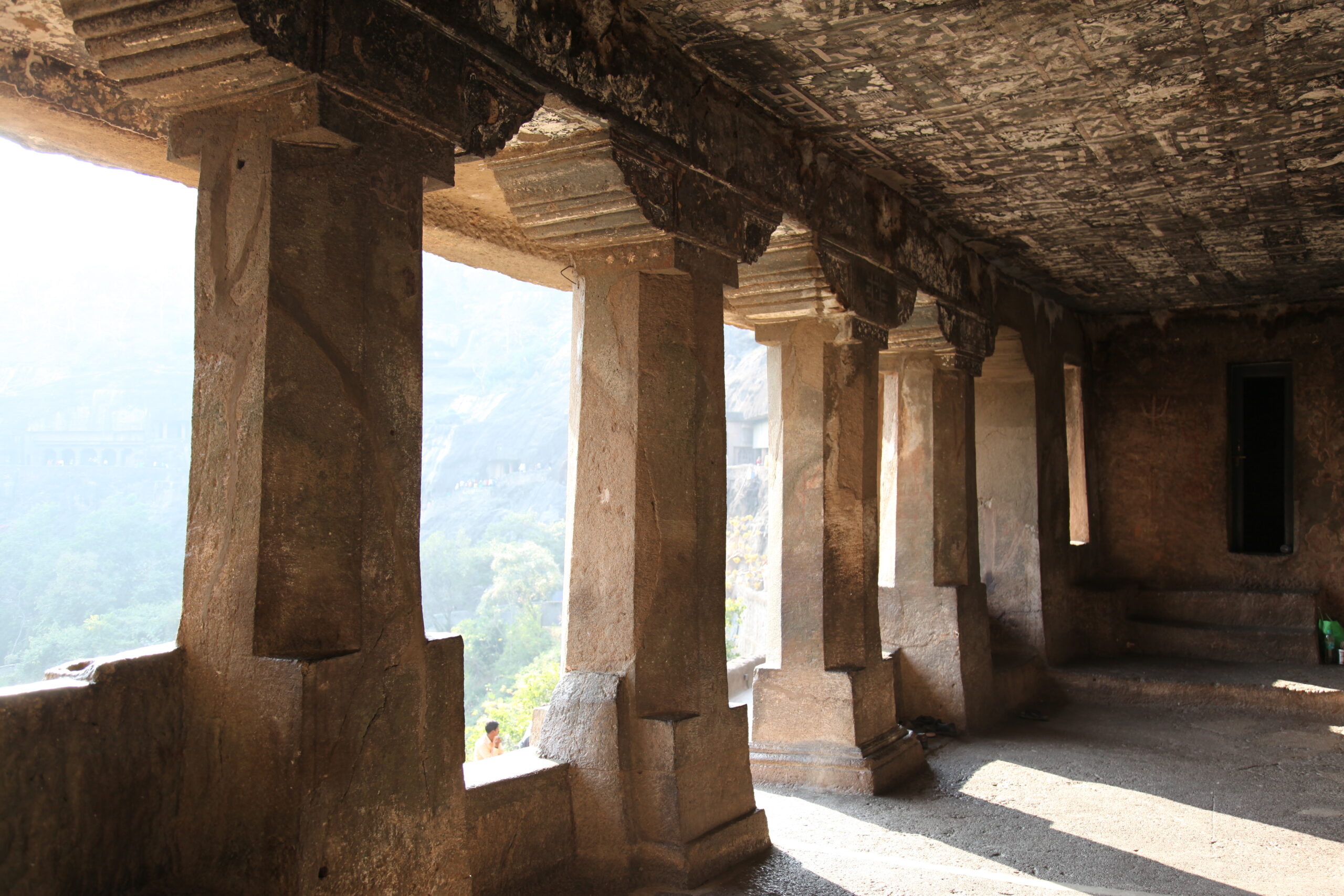
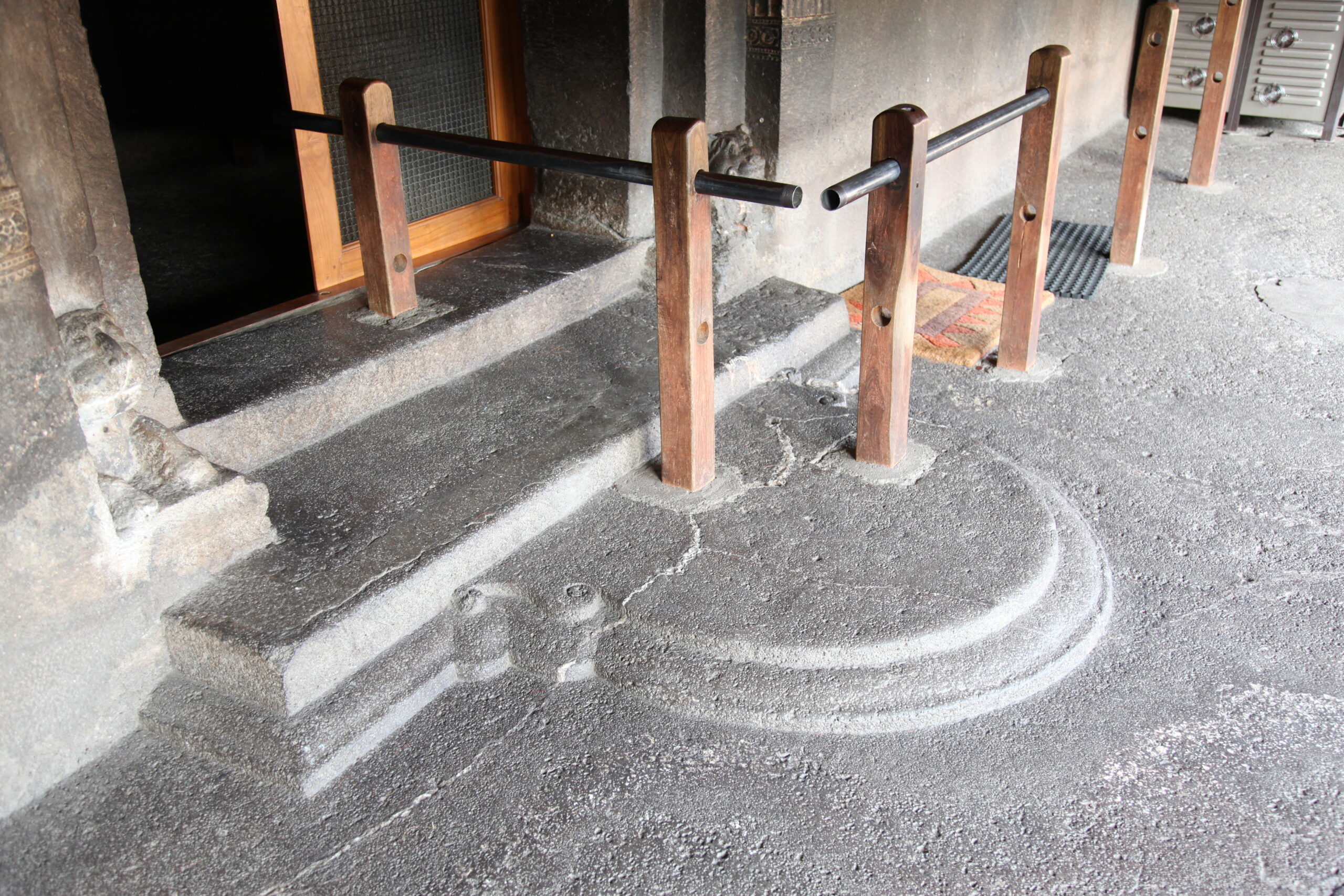
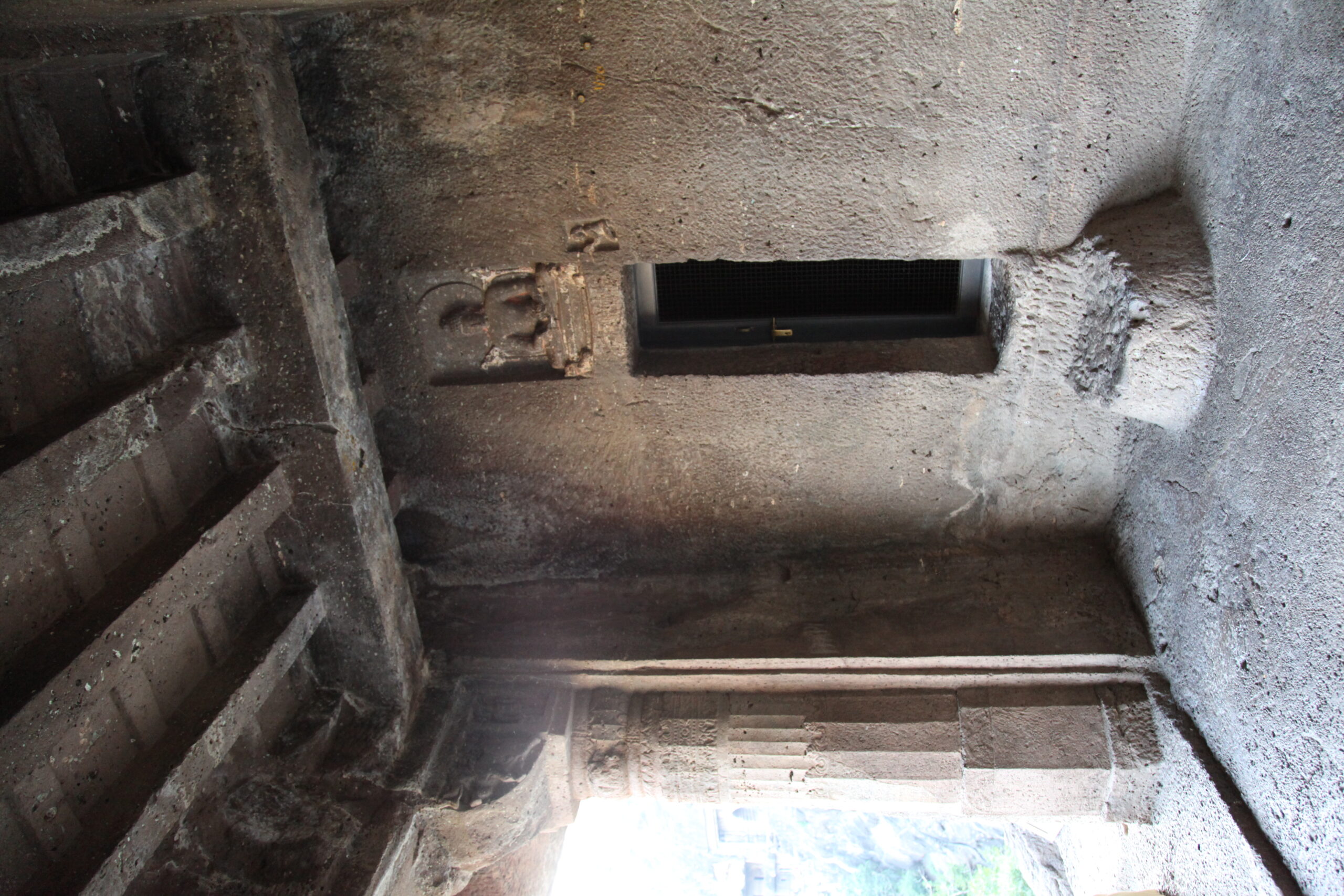
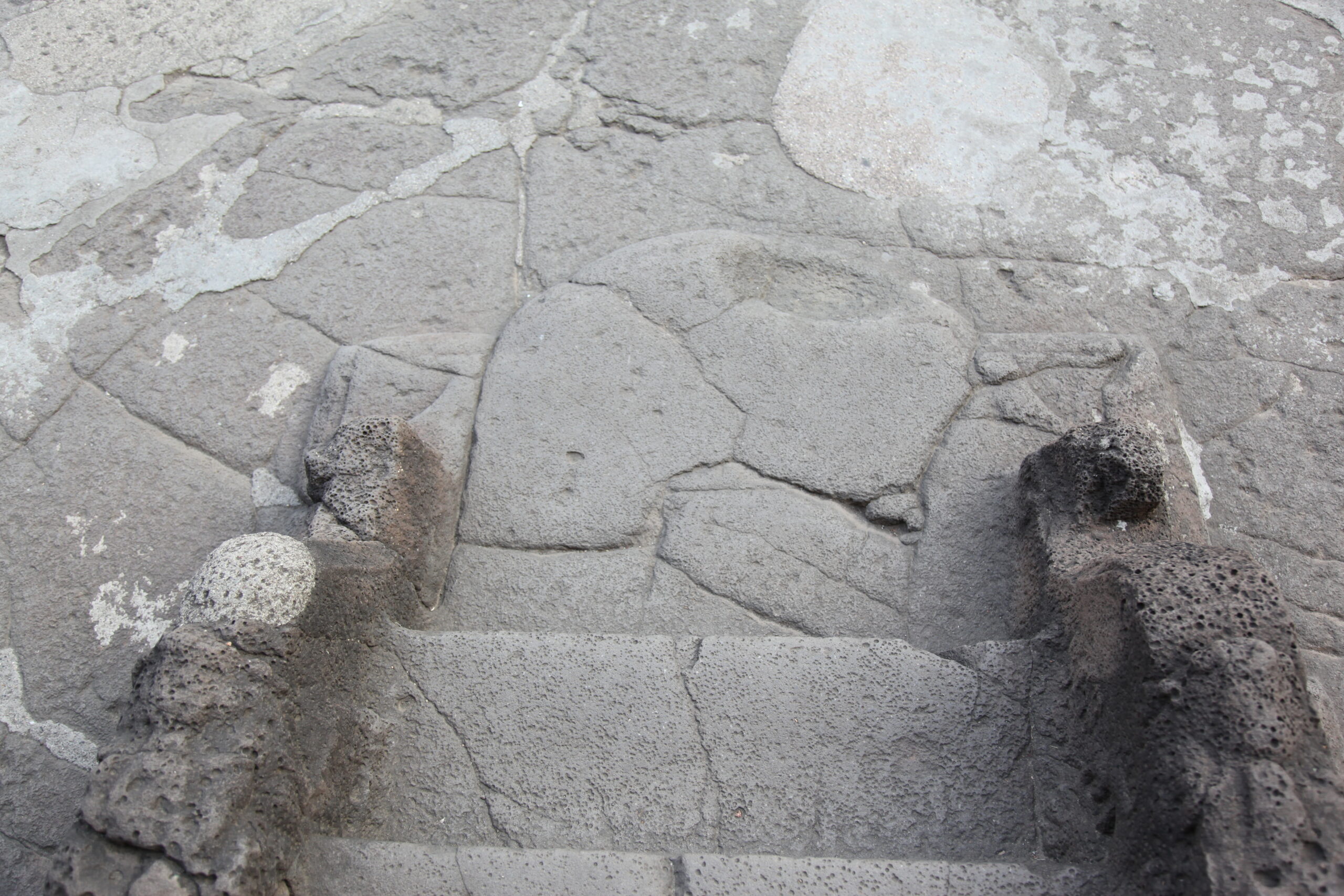
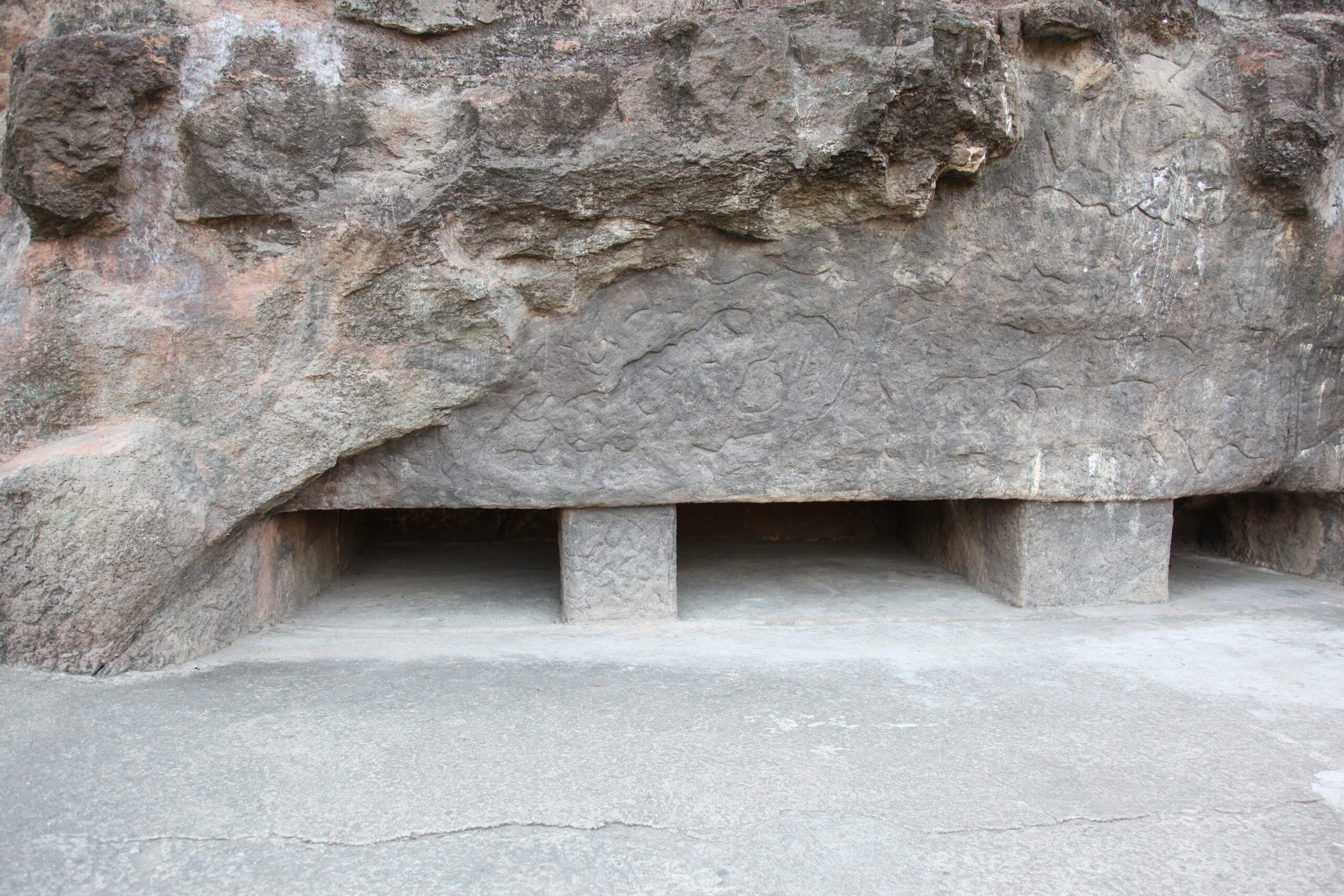
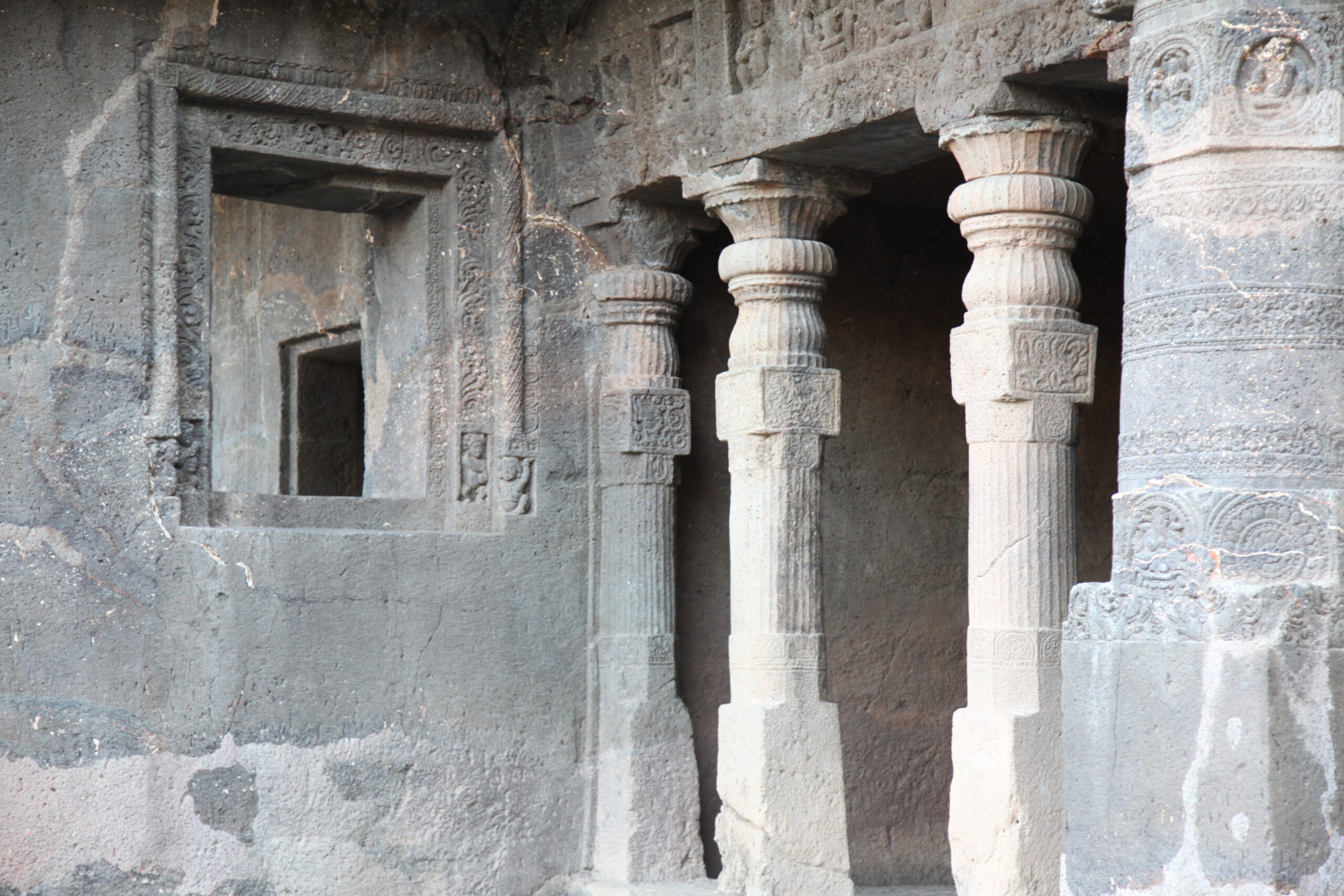
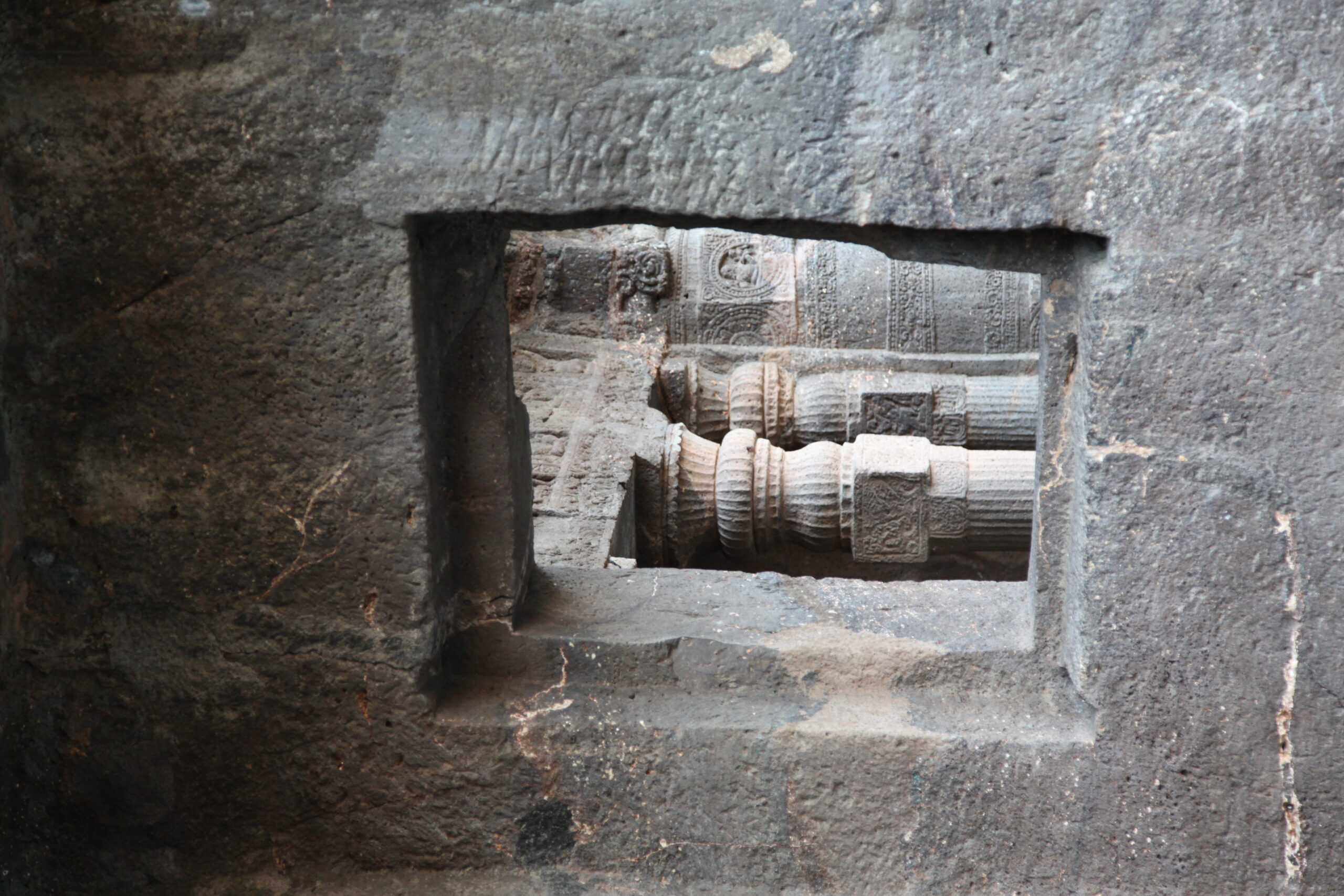
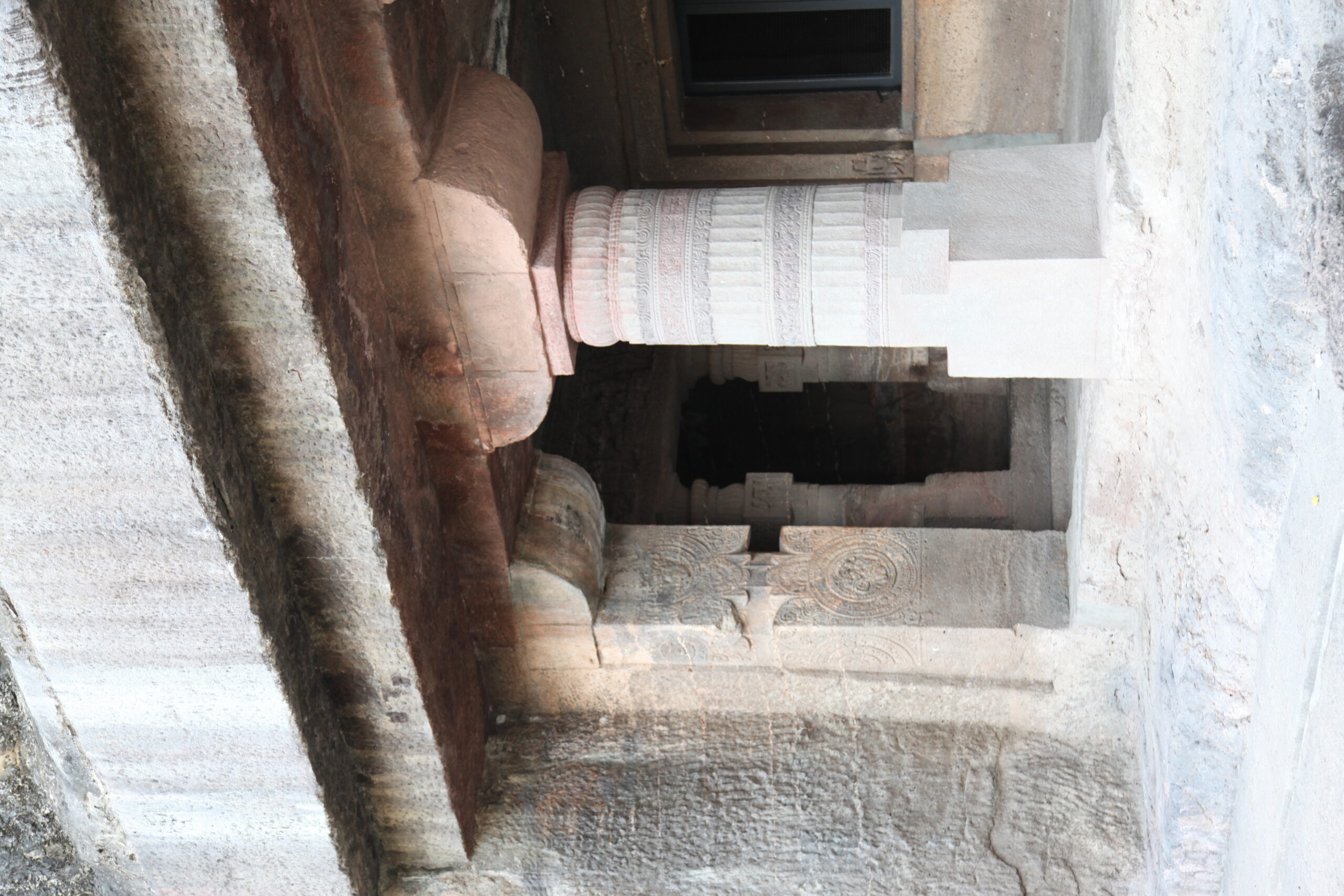
Inspired by the ancient rock-cut architecture of India, Pakhalé engages with sculptural principles rooted in irreducible, essential forms. These structures are experienced from within, emphasizing inner volume, convexity, and the mathematical precision of curved lines. Translating these spatial logics into object design, he creates works that feel carved rather than assembled—imbued with weight, permanence, and sensorial intensity. This reference to rock-cut traditions reinforces his ecological and human-centered ethos, grounding contemporary design in enduring material wisdom.
Satyendra Pakhalé and Prof. Walter Spink at Ajanta
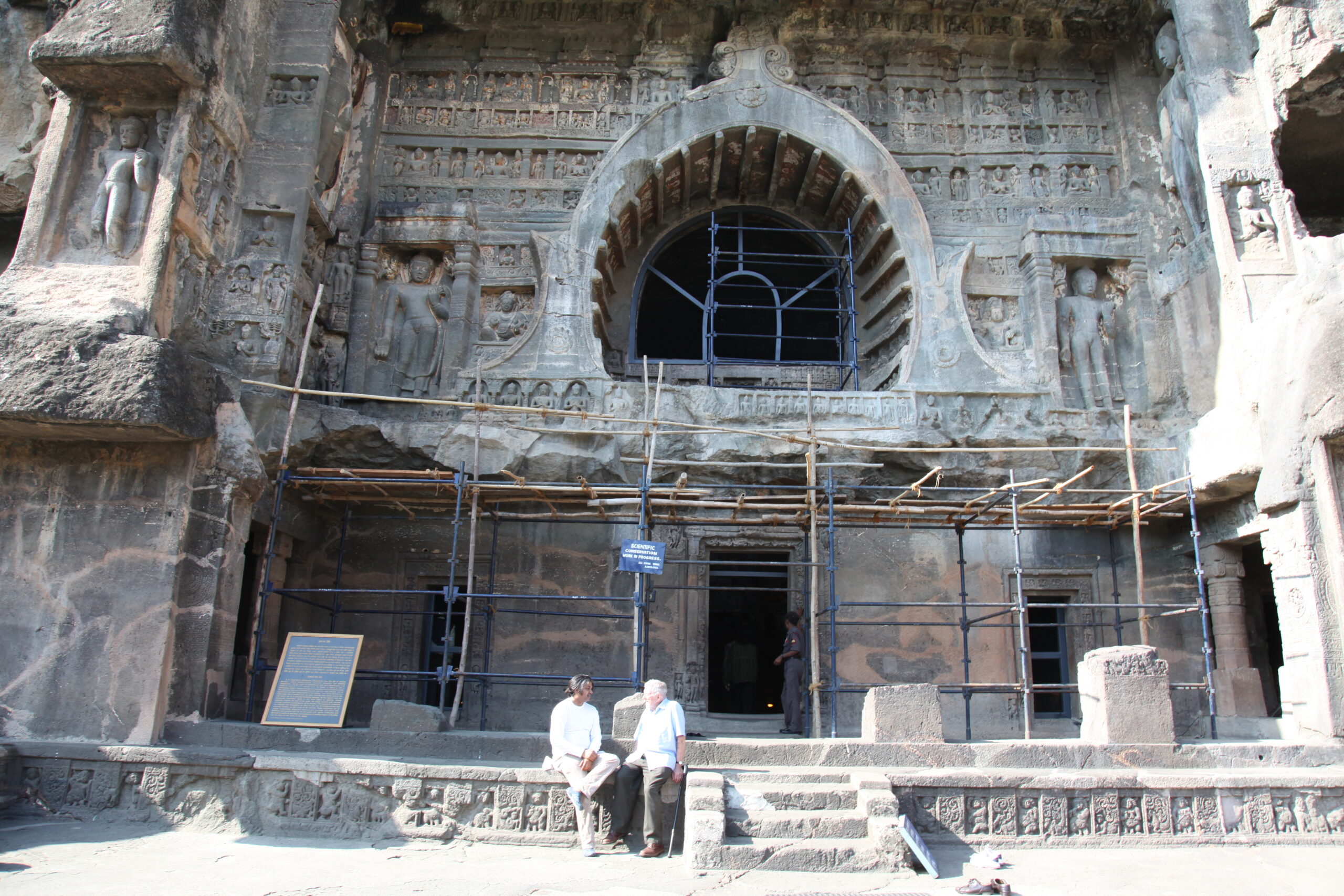
20091231-Satyendra-Pakhale-and-Walter-Spink-at-Ajanta-01
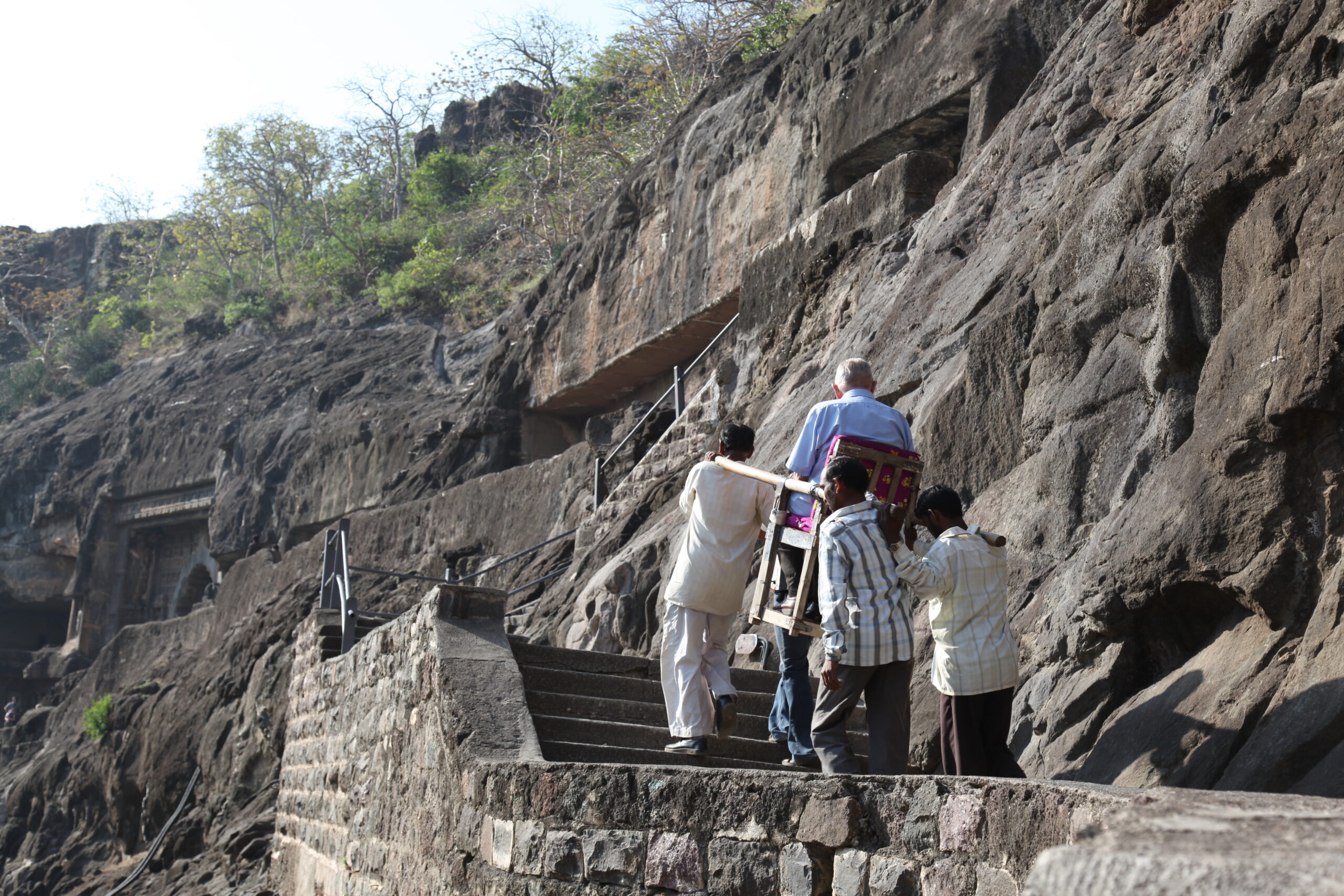
20091231-Satyendra-Pakhale-and-Walter-Spink-at-Ajanta-02
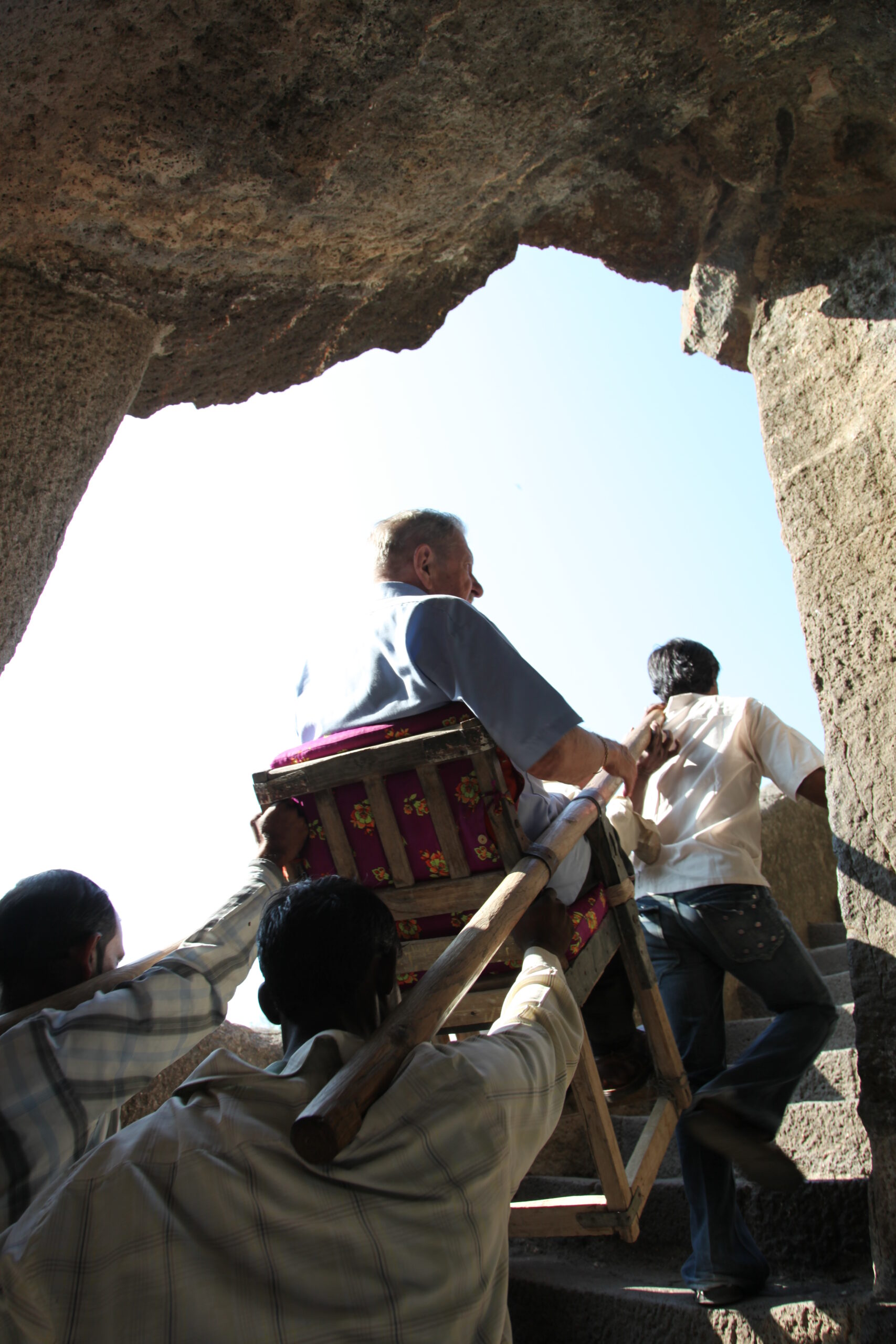
20091231-Satyendra-Pakhale-and-Walter-Spink-at-Ajanta-03
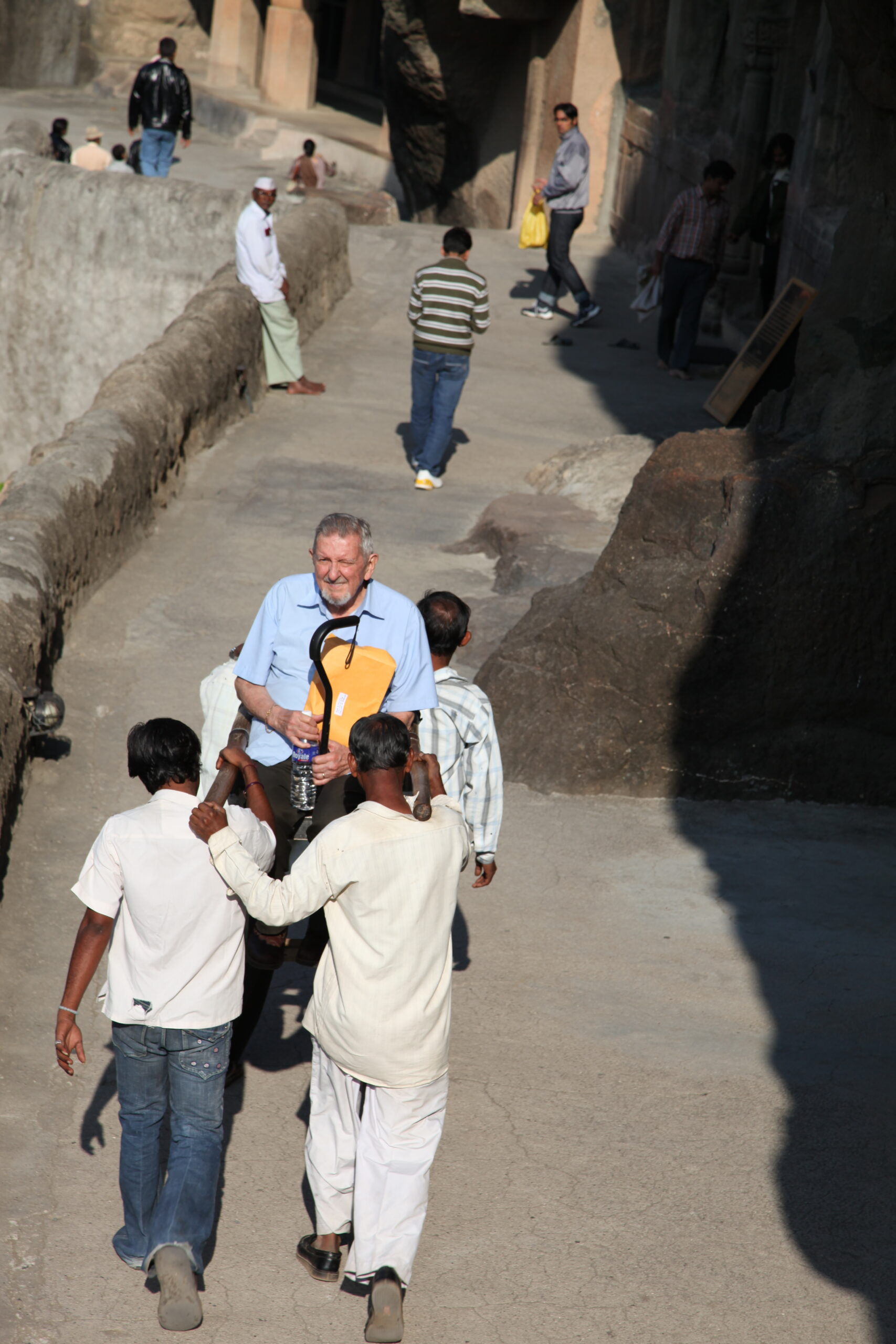
20091231-Satyendra-Pakhale-and-Walter-Spink-at-Ajanta-04
Satyendra Pakhalé visit at Ajanta
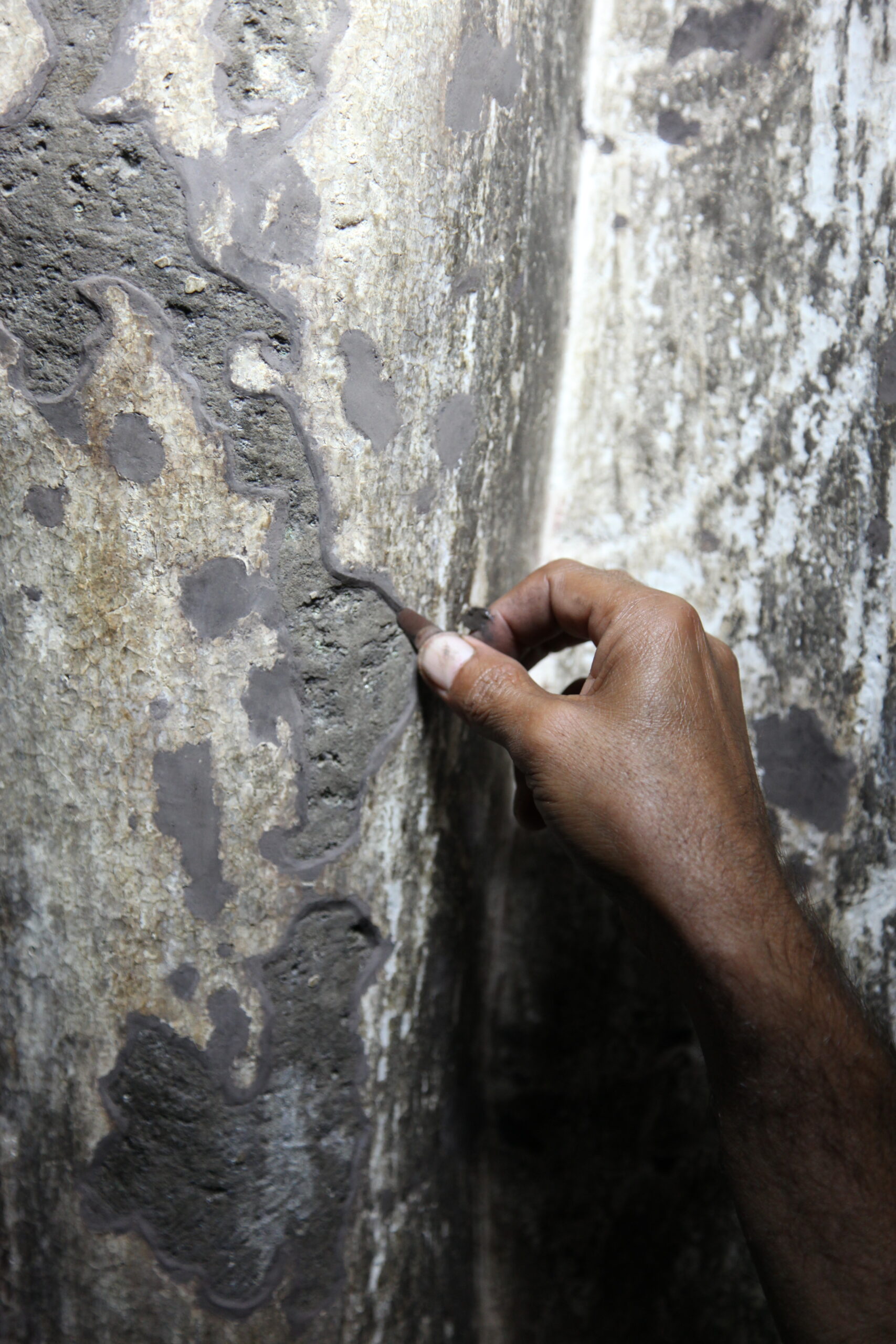
20091231-Satyendra-Pakhale-visit-at-Ajanta-01
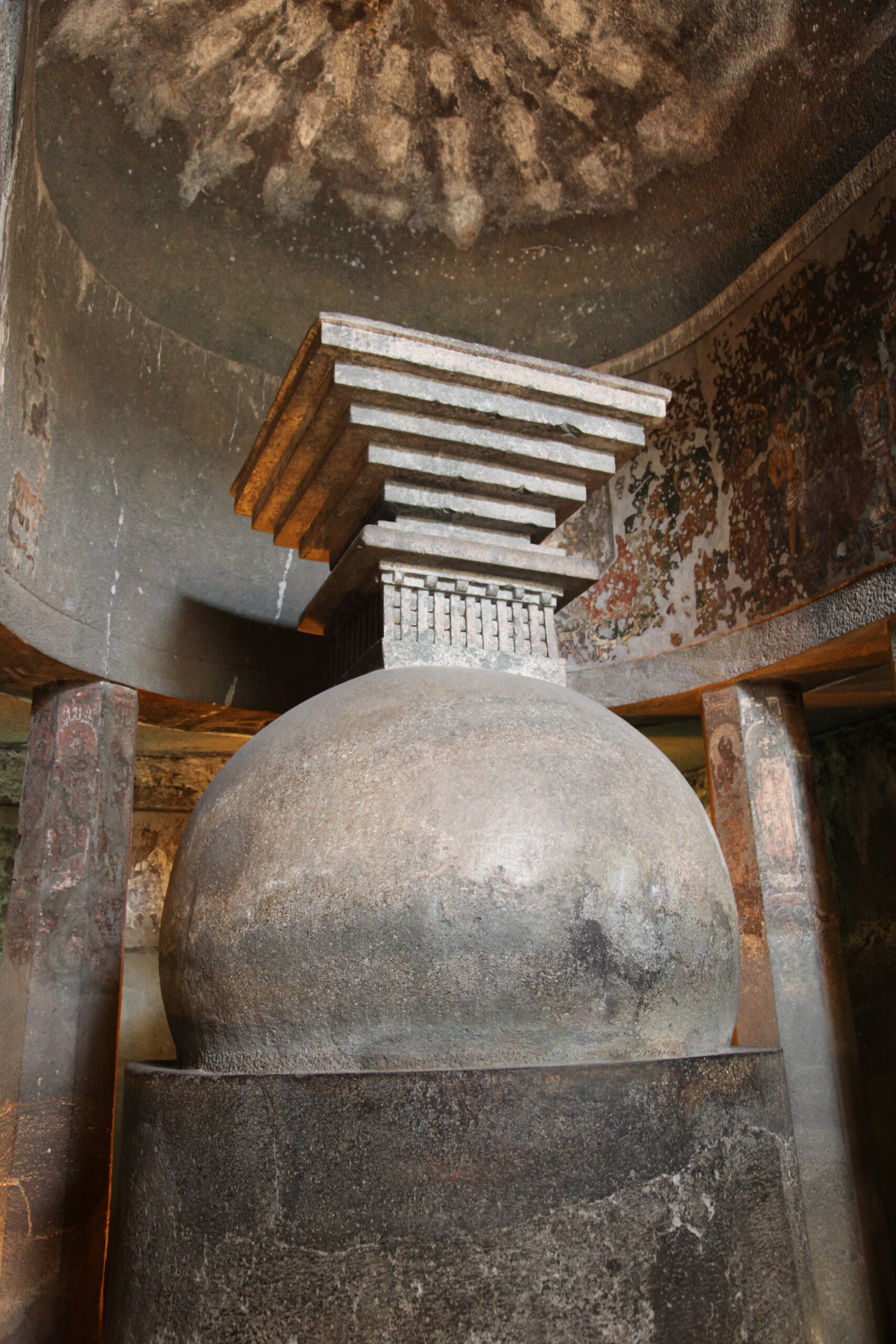
20091231-Satyendra-Pakhale-visit-at-Ajanta-02
20091231-Satyendra-Pakhale-visit-at-Ajanta-03
20091231-Satyendra-Pakhale-visit-at-Ajanta-04
20091231-Satyendra-Pakhale-visit-at-Ajanta-05
20091231-Satyendra-Pakhale-visit-at-Ajanta-06
20091231-Satyendra-Pakhale-visit-at-Ajanta-07
20091231-Satyendra-Pakhale-visit-at-Ajanta-08
20091231-Satyendra-Pakhale-visit-at-Ajanta-09
20091231-Satyendra-Pakhale-visit-at-Ajanta-10
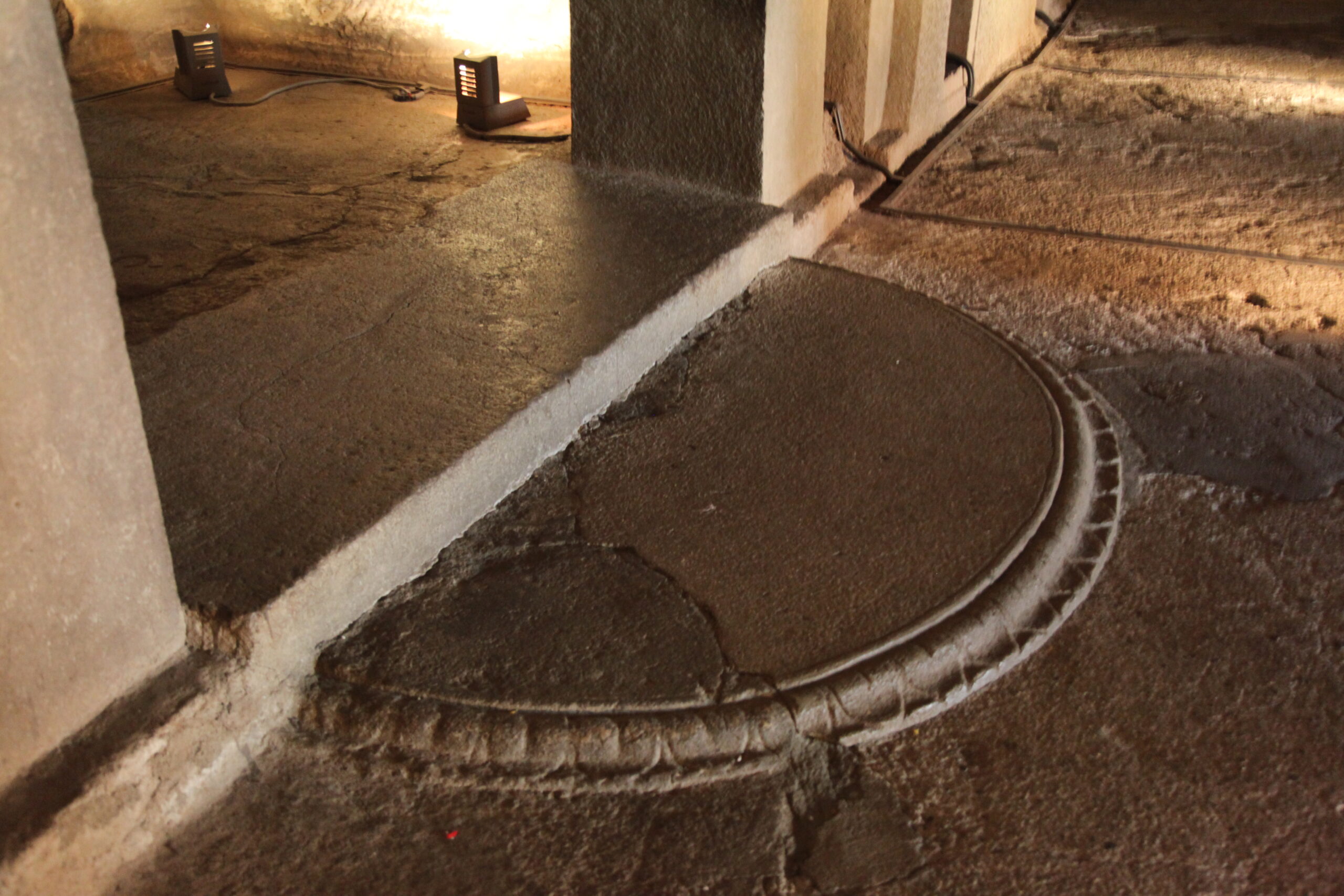
20091231-Satyendra-Pakhale-visit-at-Ajanta-11
Satyendra Pakhalé visit at FatepurSikri, Agra
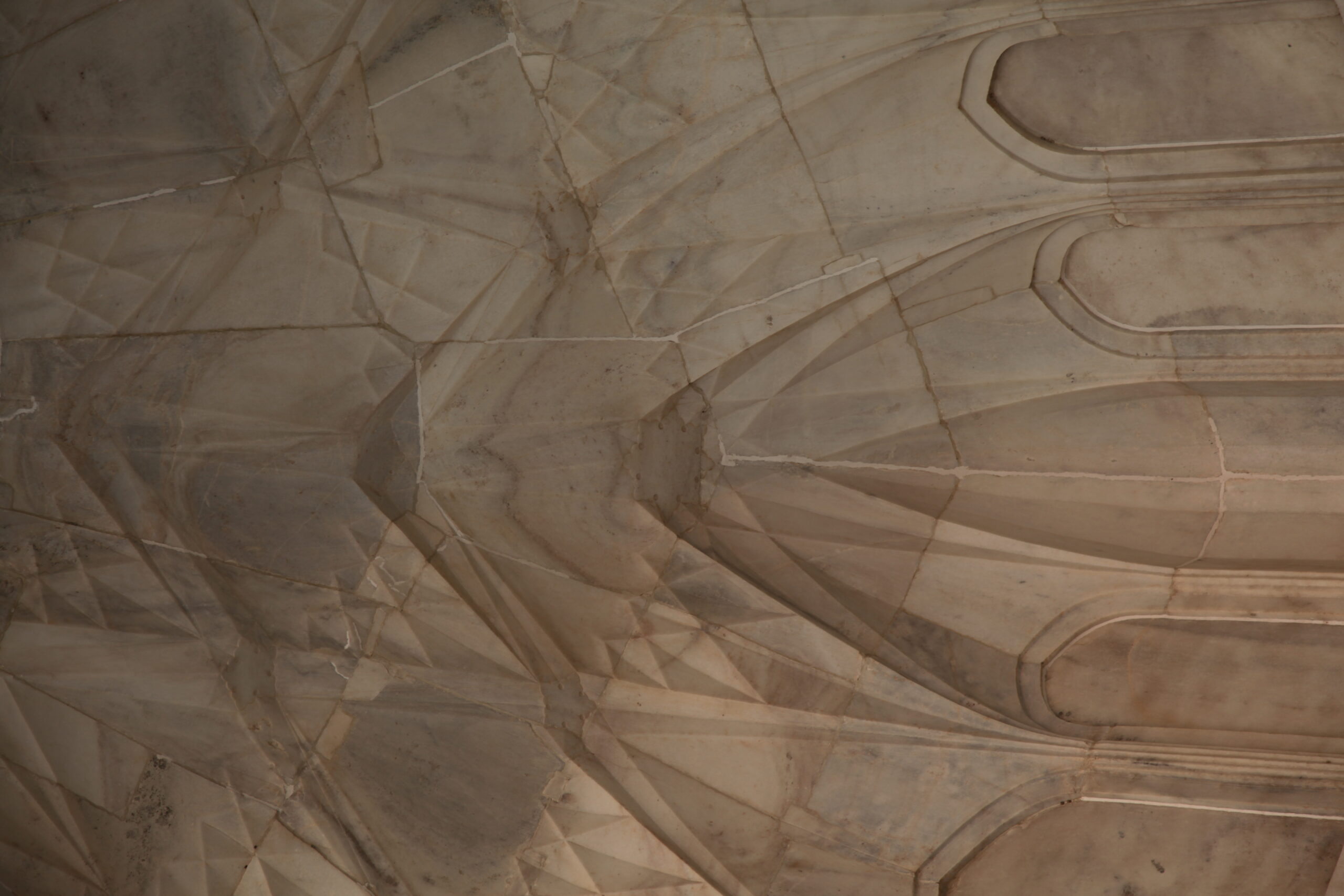
20101128-Satyendra-Pakhale-at-FatepurSikiri-Agra-01
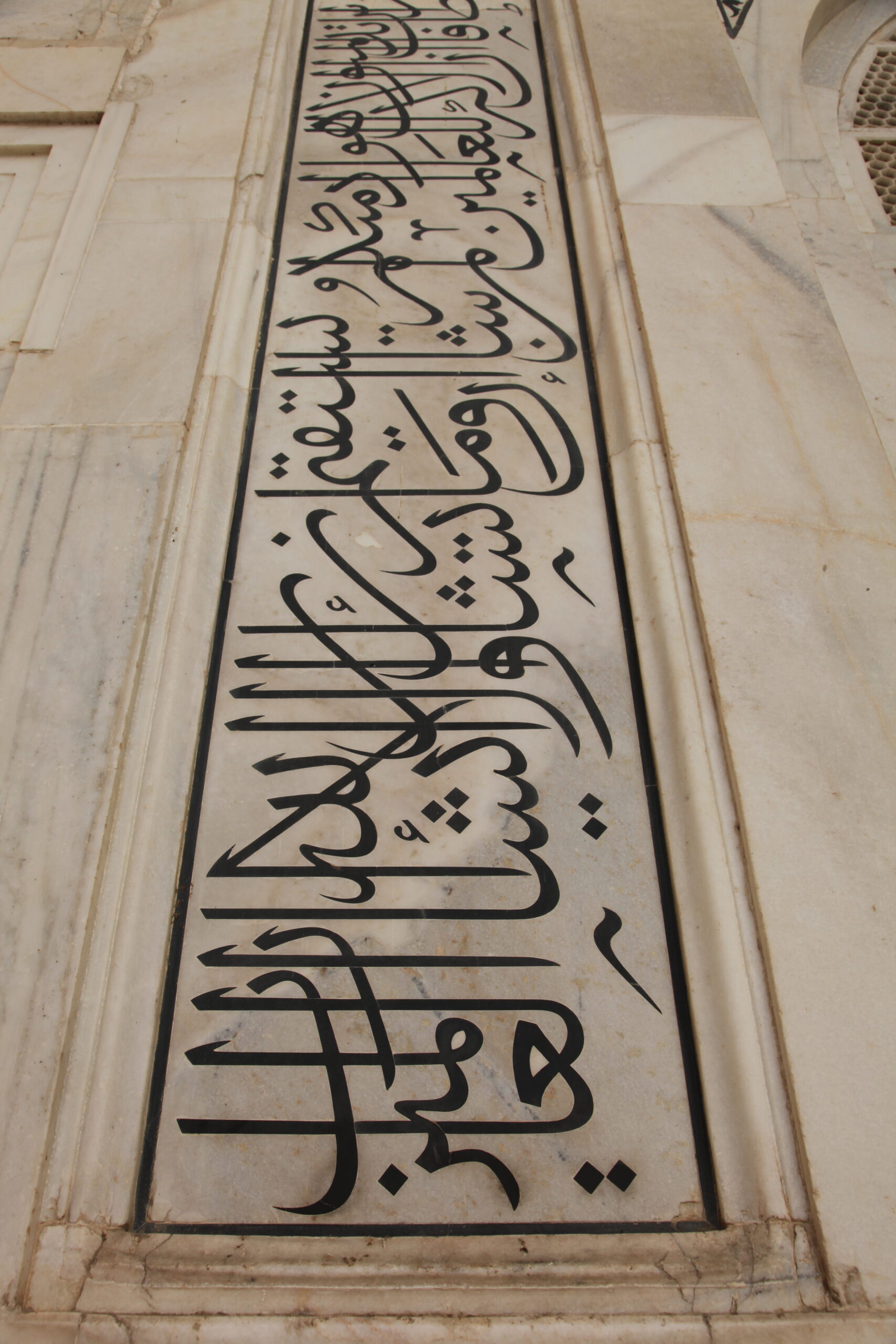
20101128-Satyendra-Pakhale-at-FatepurSikiri-Agra-02
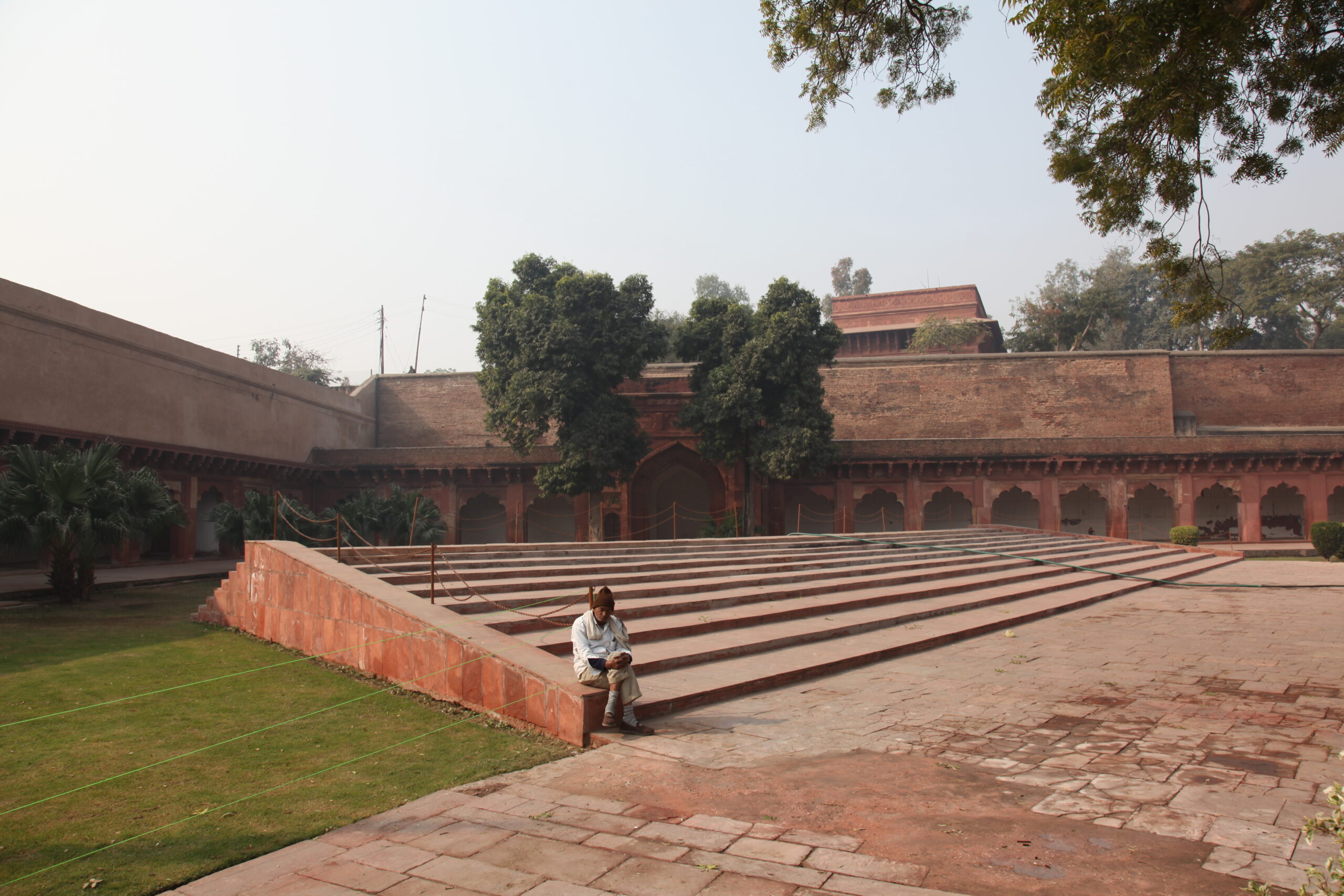
20101128-Satyendra-Pakhale-at-FatepurSikiri-Agra-03
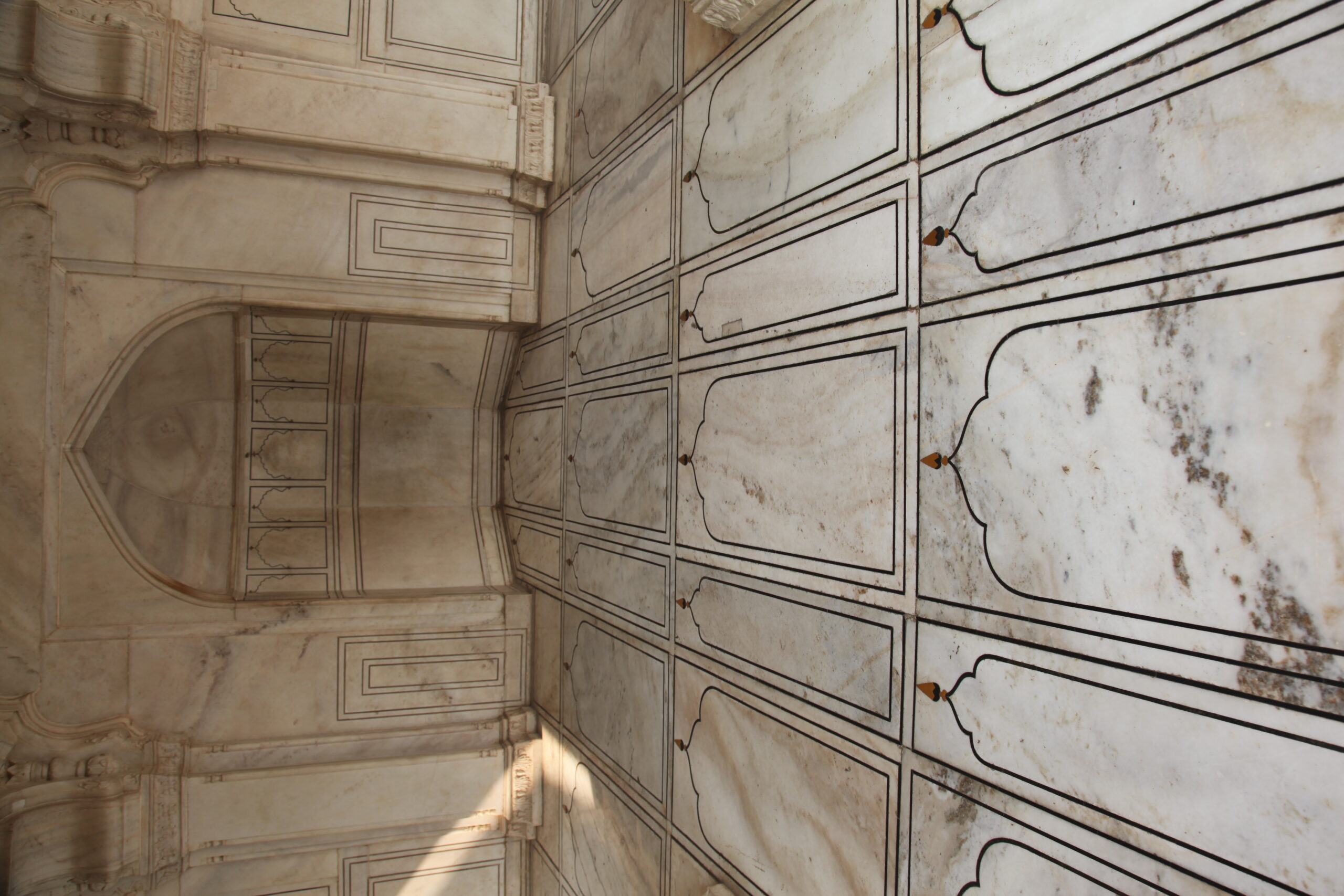
20101128-Satyendra-Pakhale-at-FatepurSikiri-Agra-04
20101128-Satyendra-Pakhale-at-FatepurSikiri-Agra-05
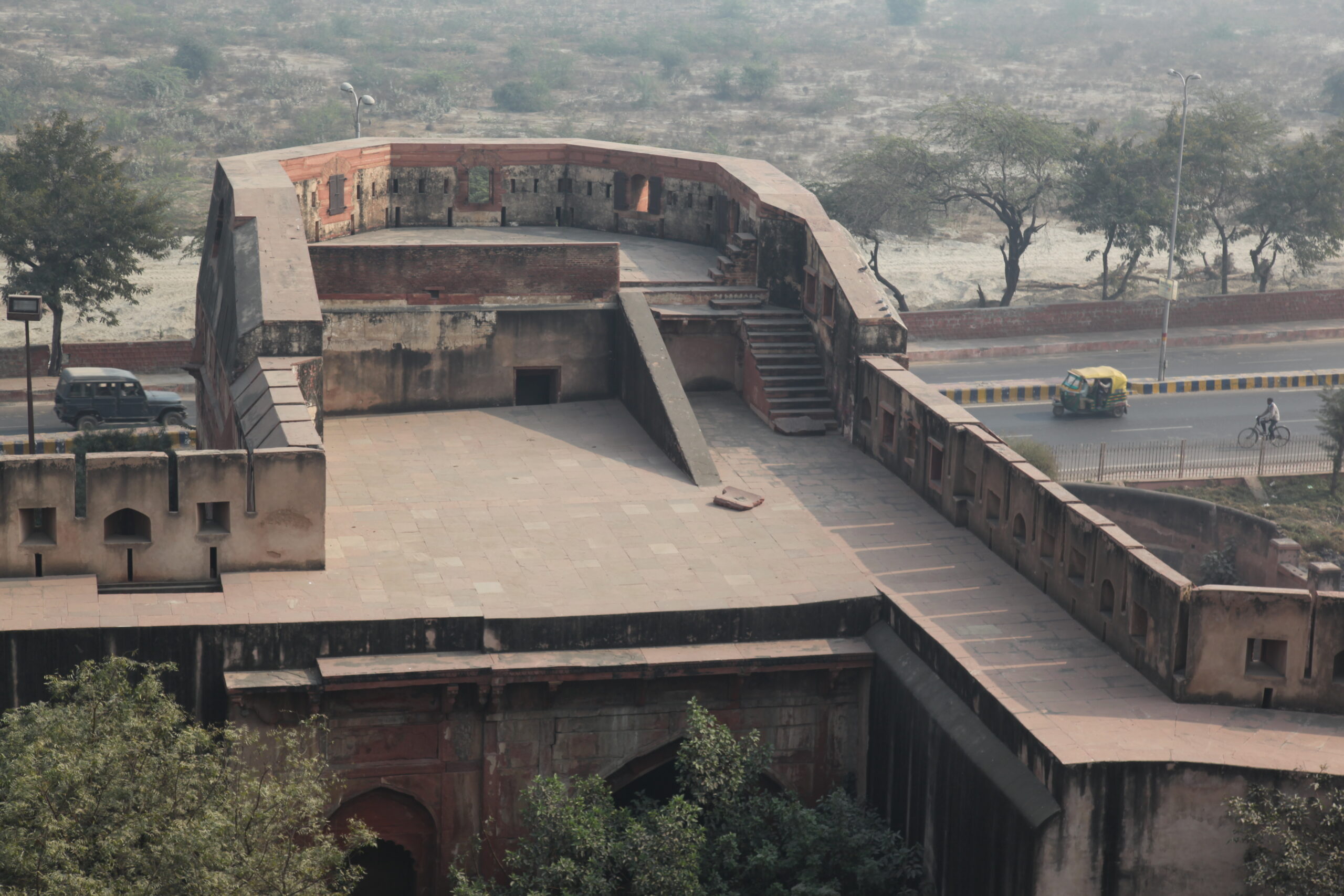
20101128-Satyendra-Pakhale-at-FatepurSikiri-Agra-06
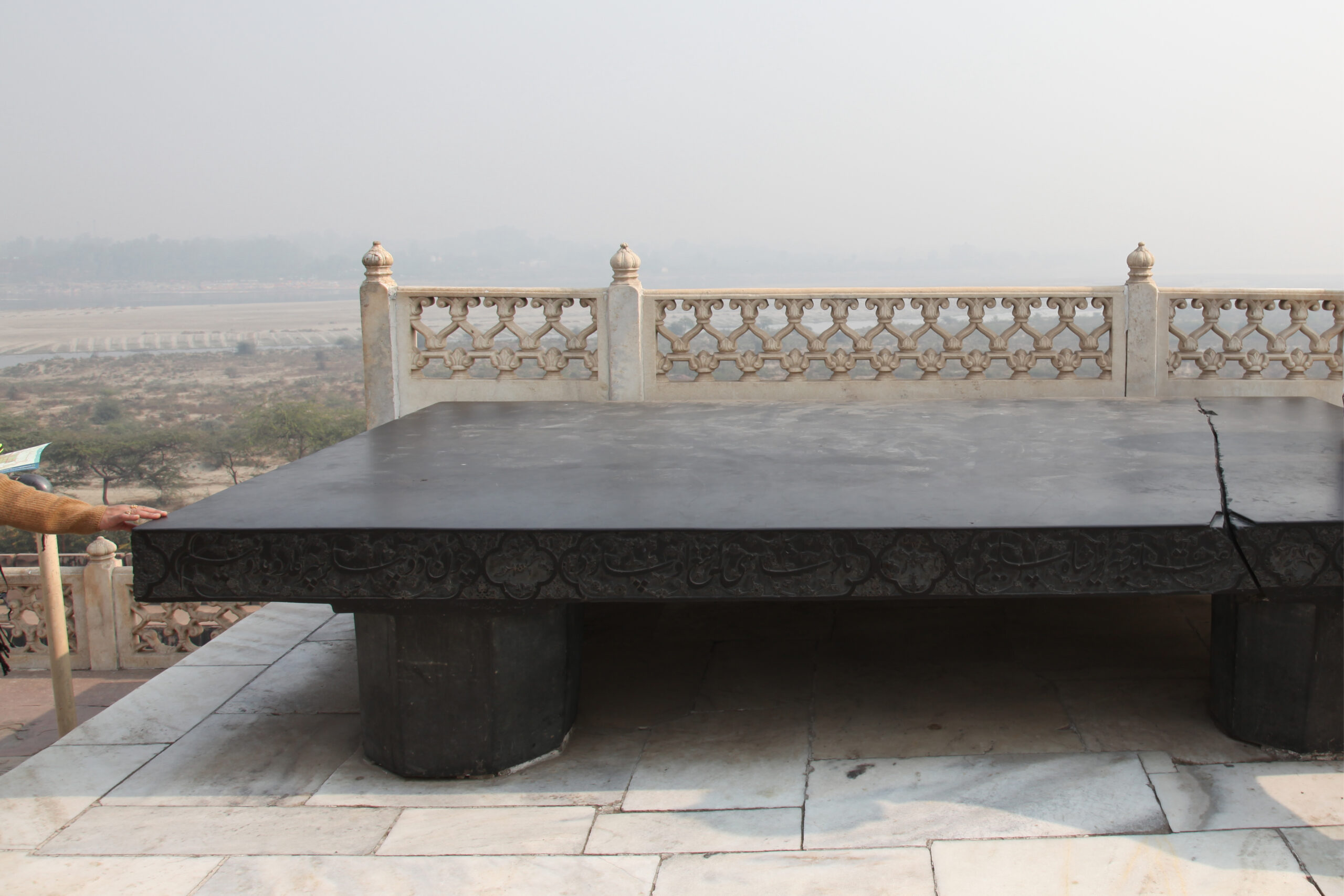
20101128-Satyendra-Pakhale-at-FatepurSikiri-Agra-07
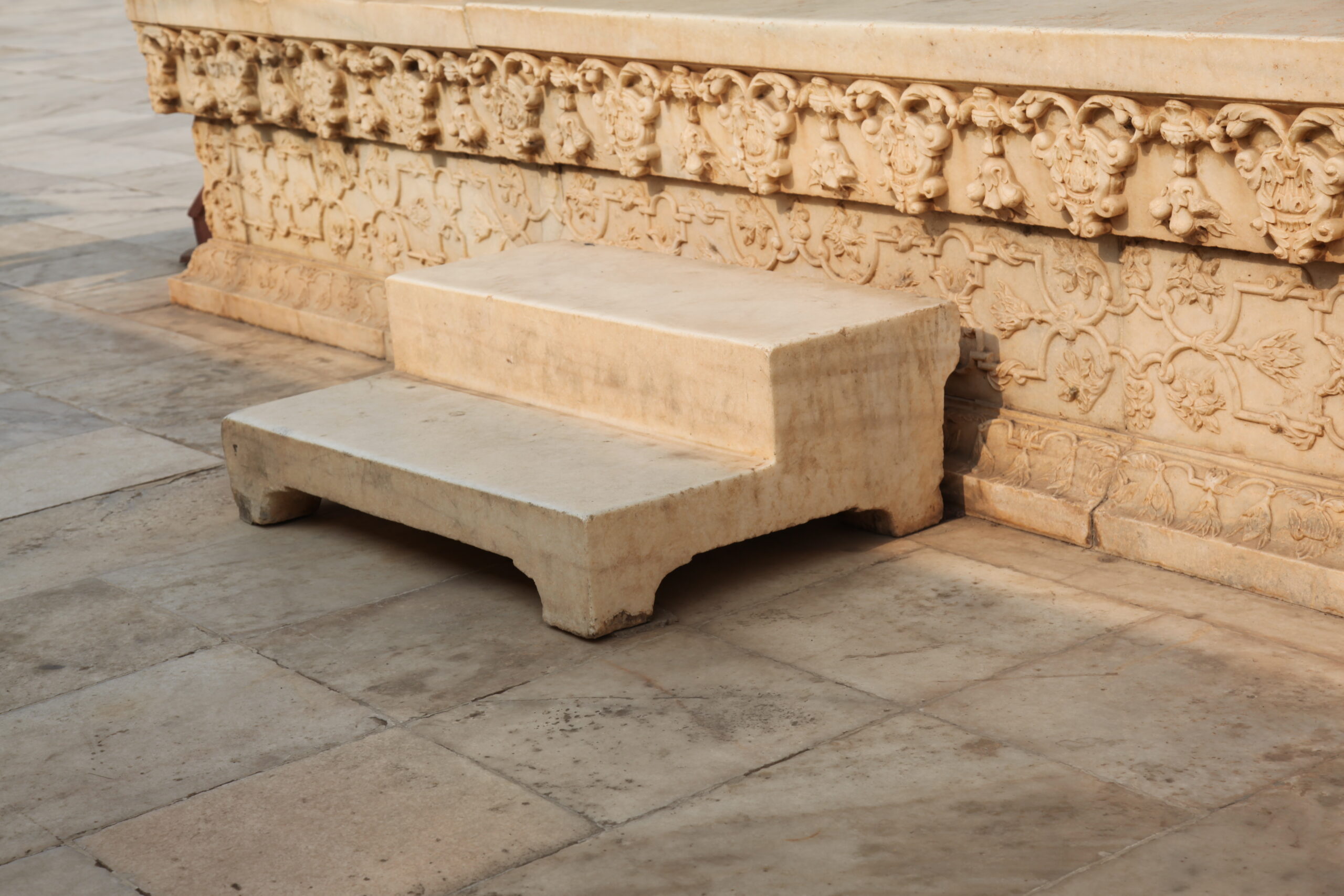
20101128-Satyendra-Pakhale-at-FatepurSikiri-Agra-08
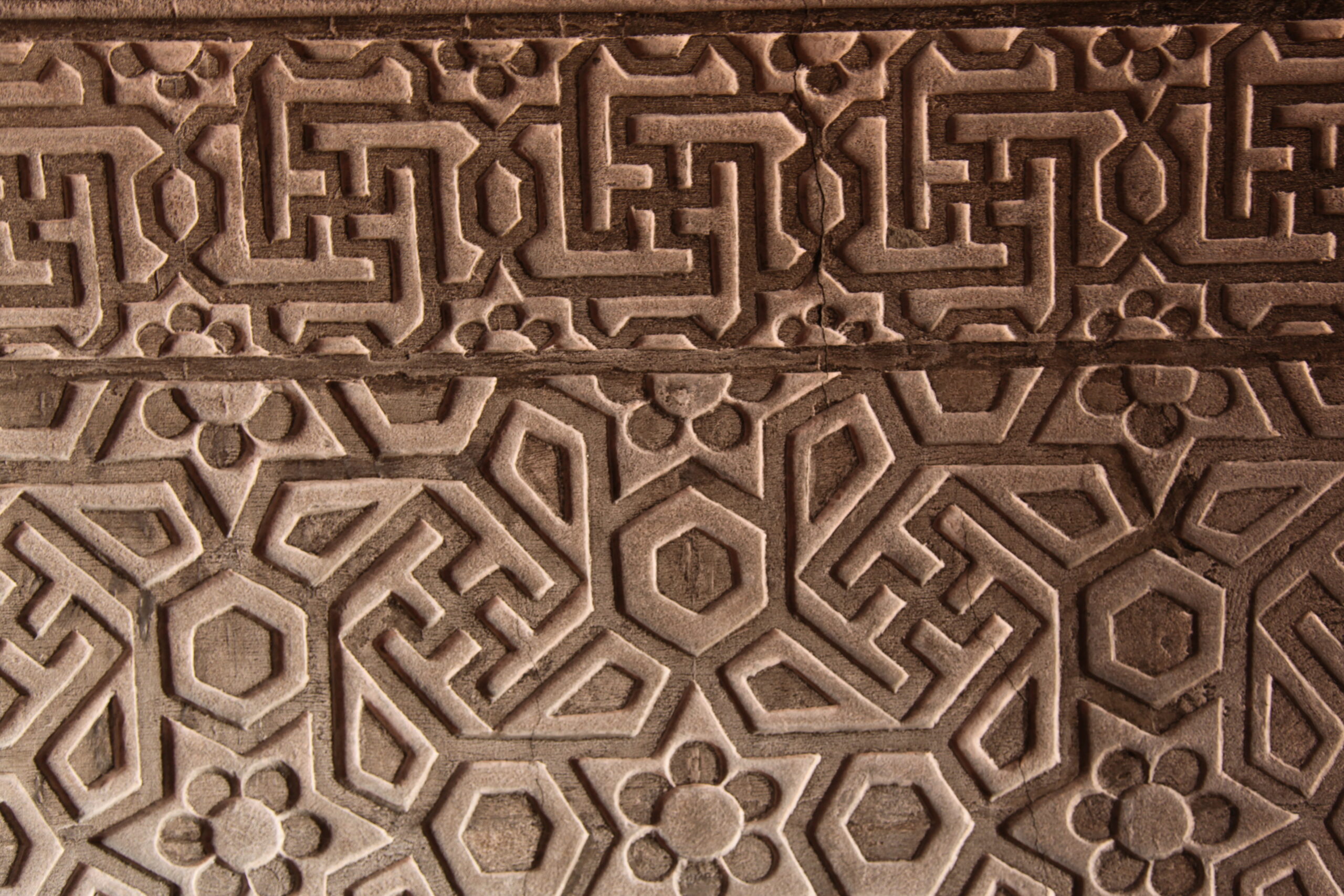
20101128-Satyendra-Pakhale-at-FatepurSikiri-Agra-09
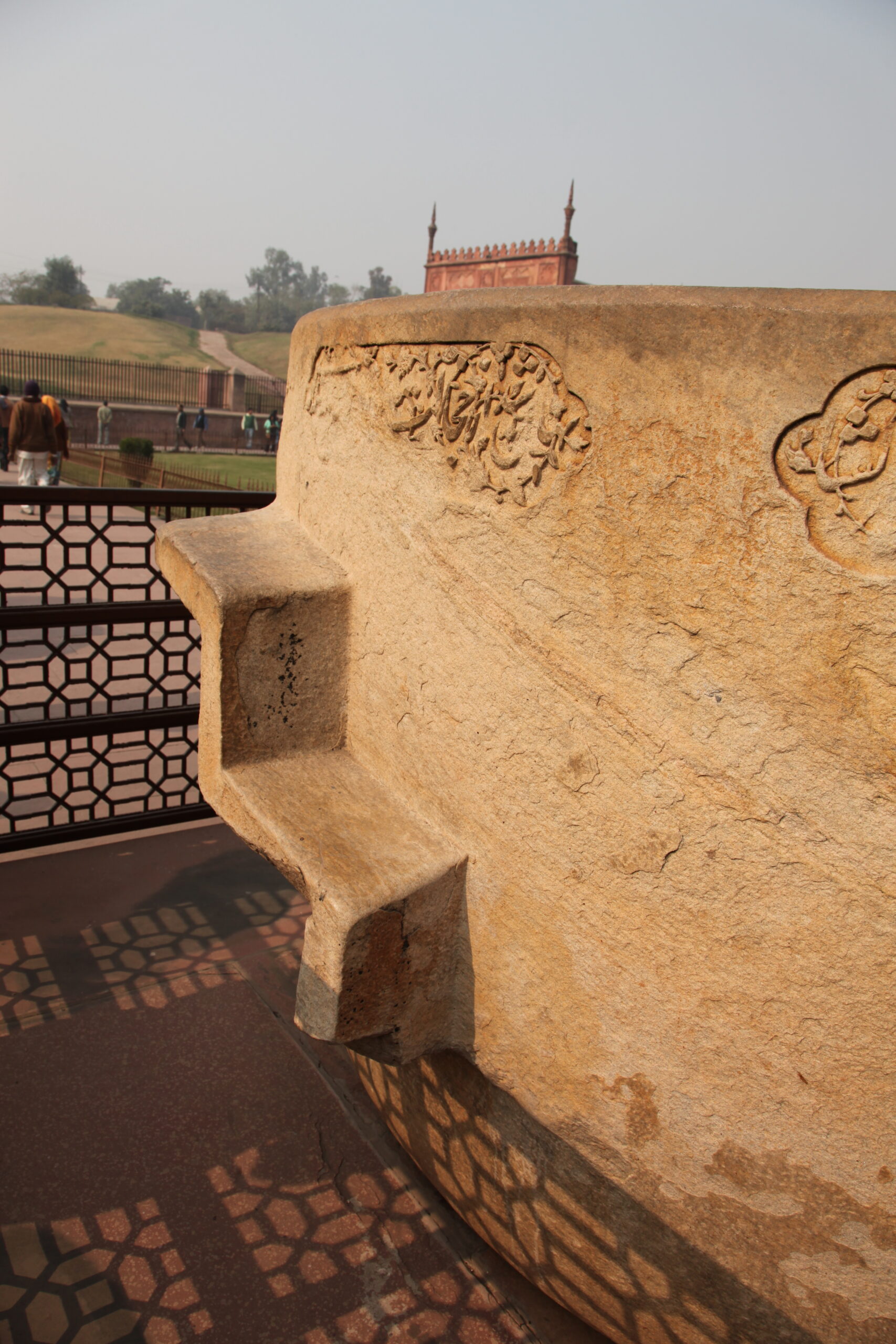
20101128-Satyendra-Pakhale-at-FatepurSikiri-Agra-10
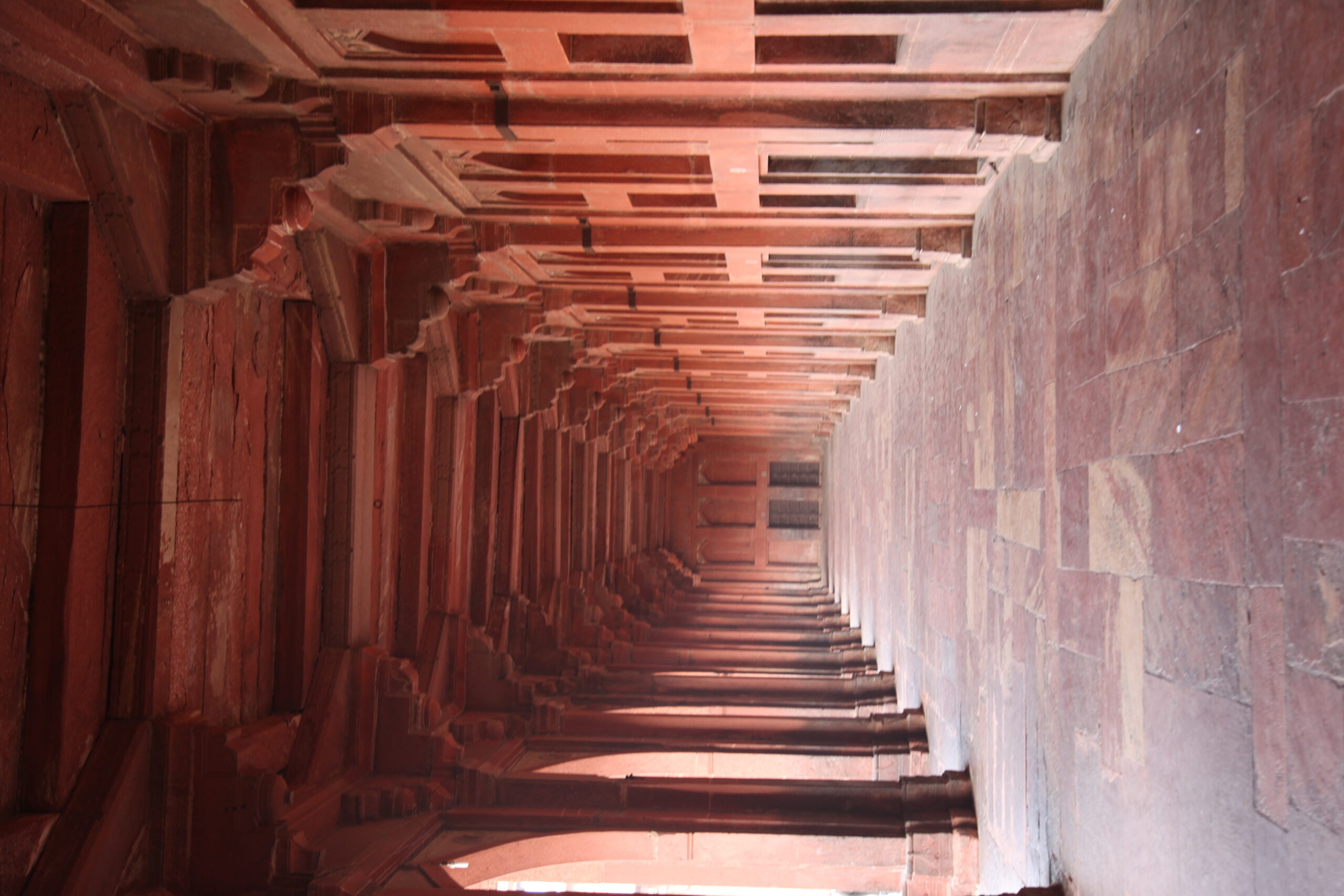
20101128-Satyendra-Pakhale-at-FatepurSikiri-Agra-11
Satyendra Pakhalé visit at Jaipur
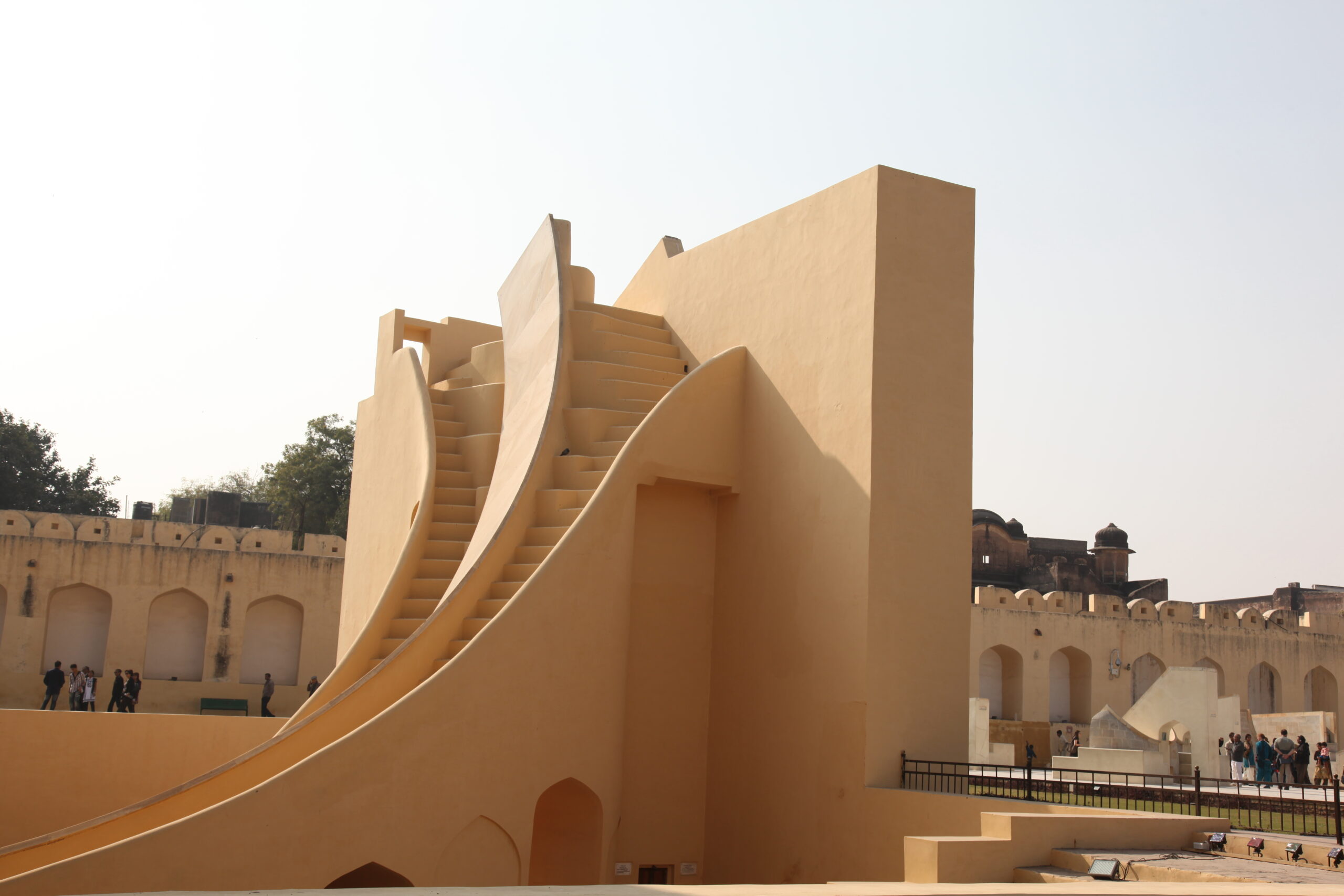
20111227-Satyendra-Pakhale-at-Jaipur-01
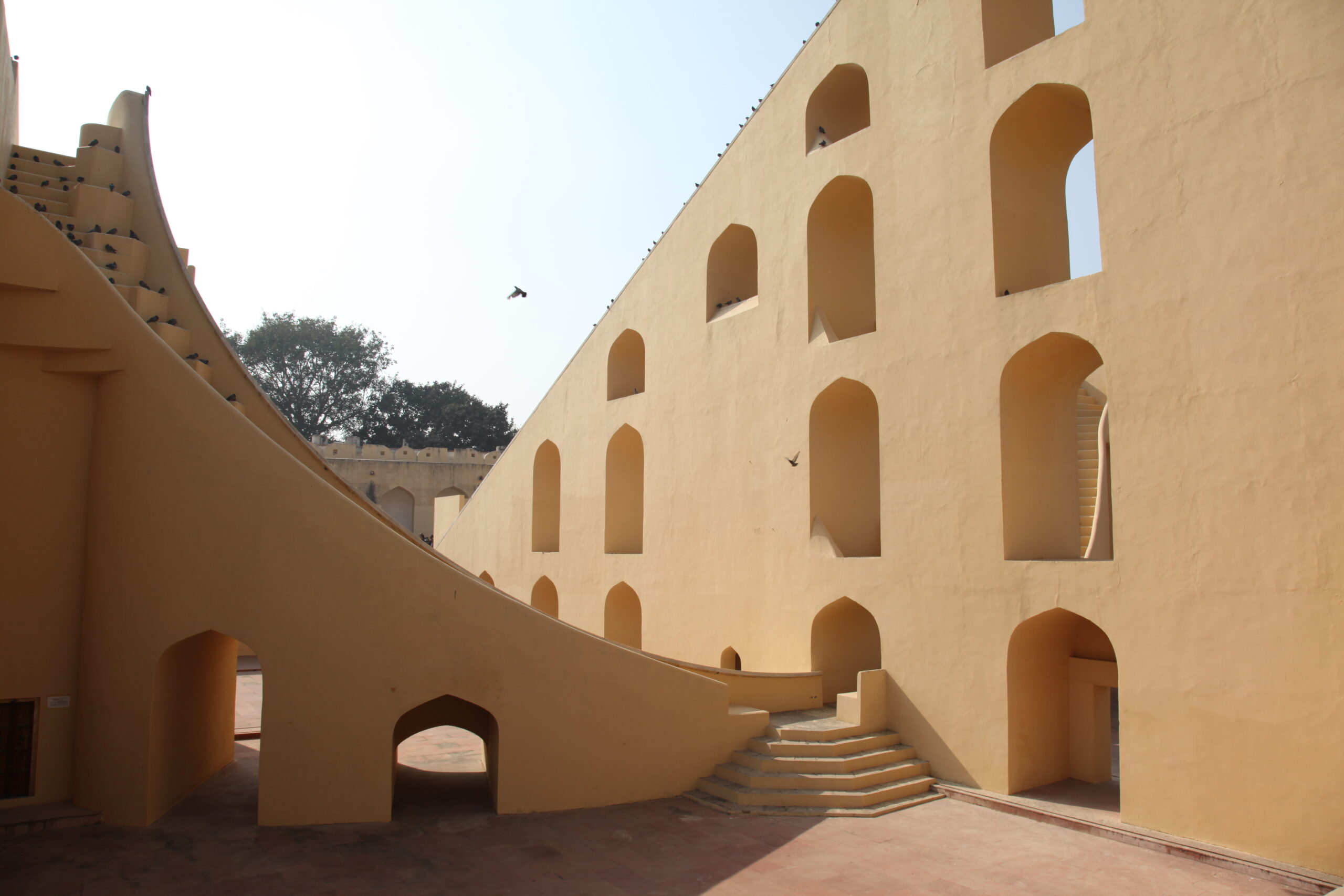
20111227-Satyendra-Pakhale-at-Jaipur-02
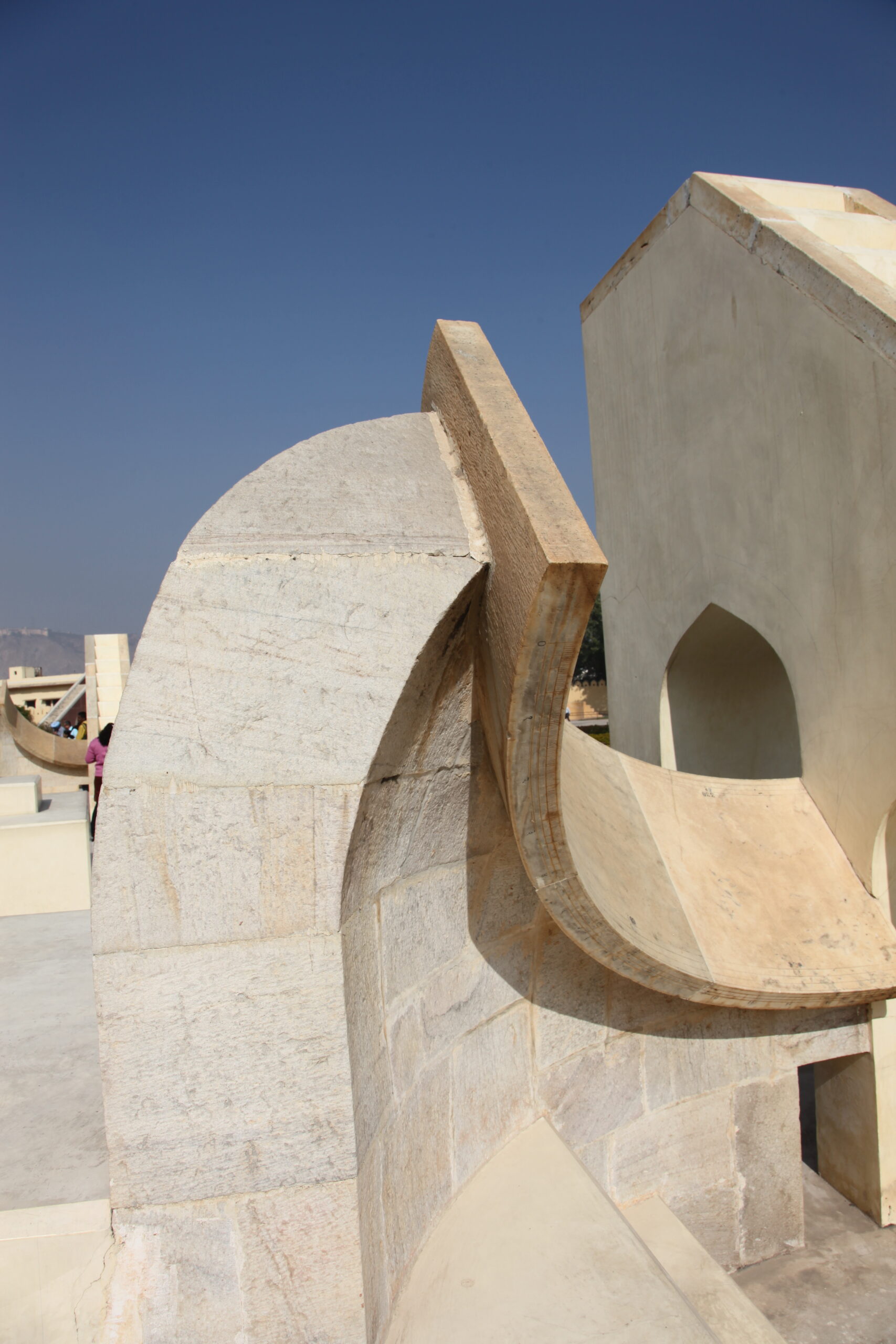
20111227-Satyendra-Pakhale-at-Jaipur-03
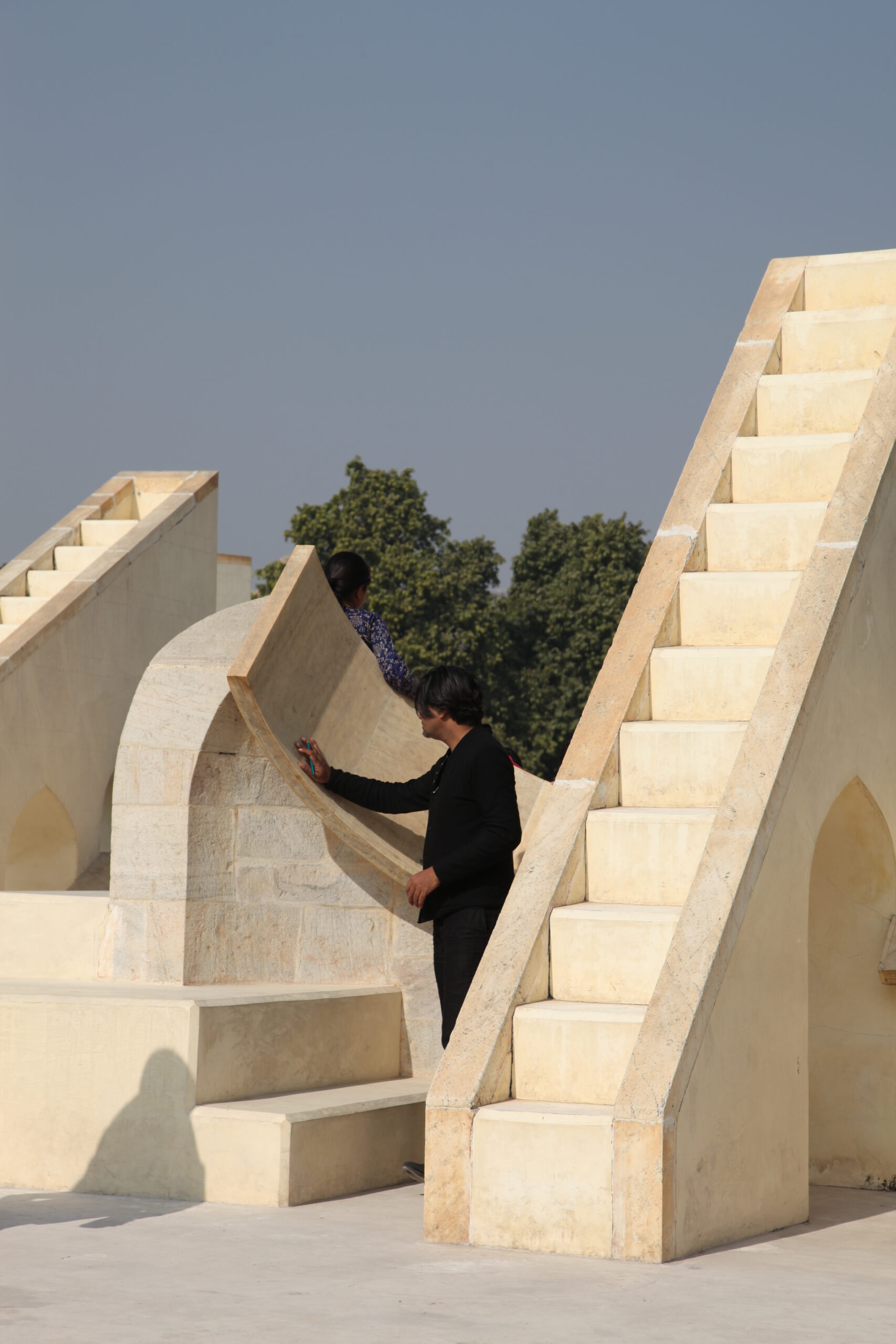
20111227-Satyendra-Pakhale-at-Jaipur-04
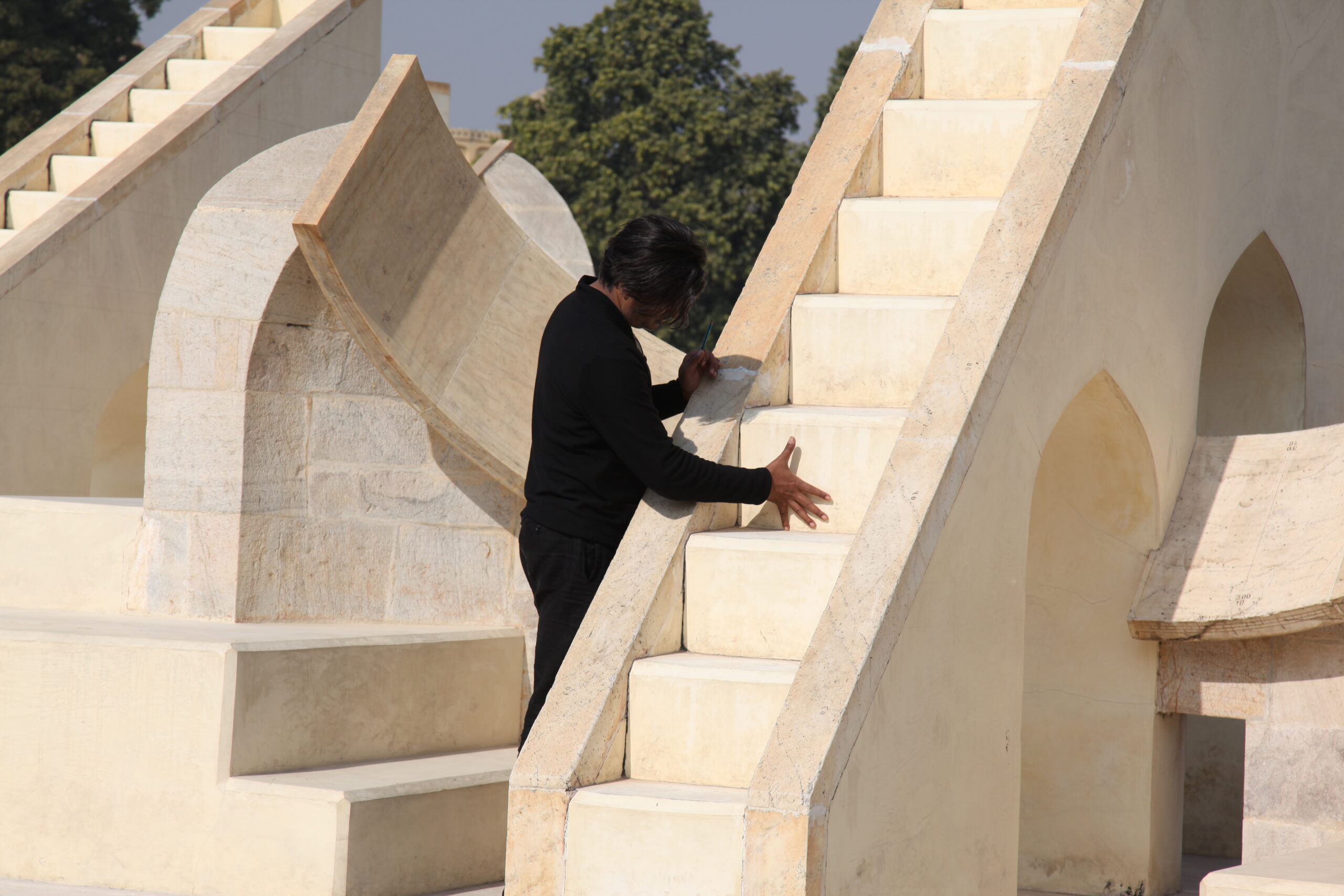
20111227-Satyendra-Pakhale-at-Jaipur-05
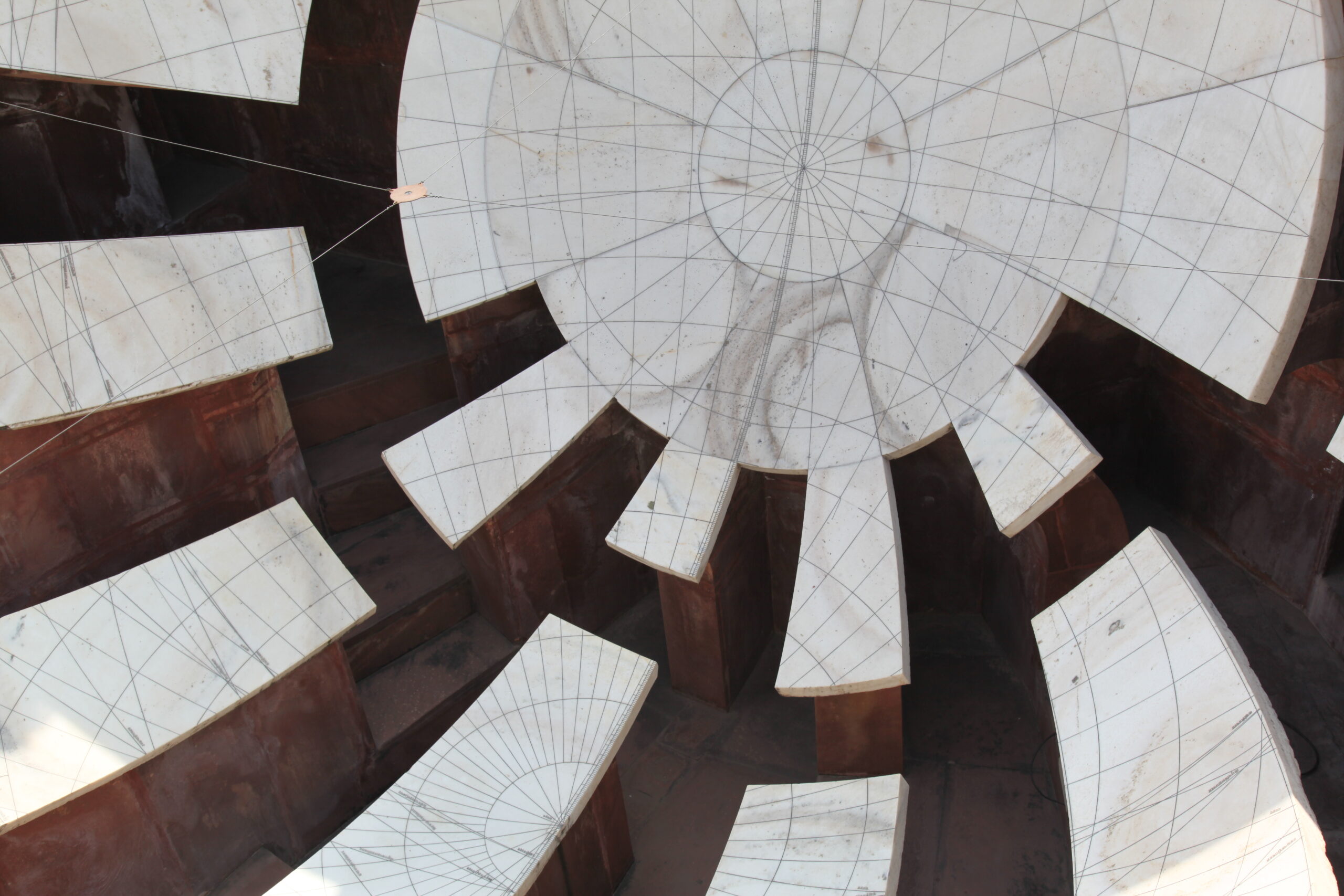
20111227-Satyendra-Pakhale-at-Jaipur-06
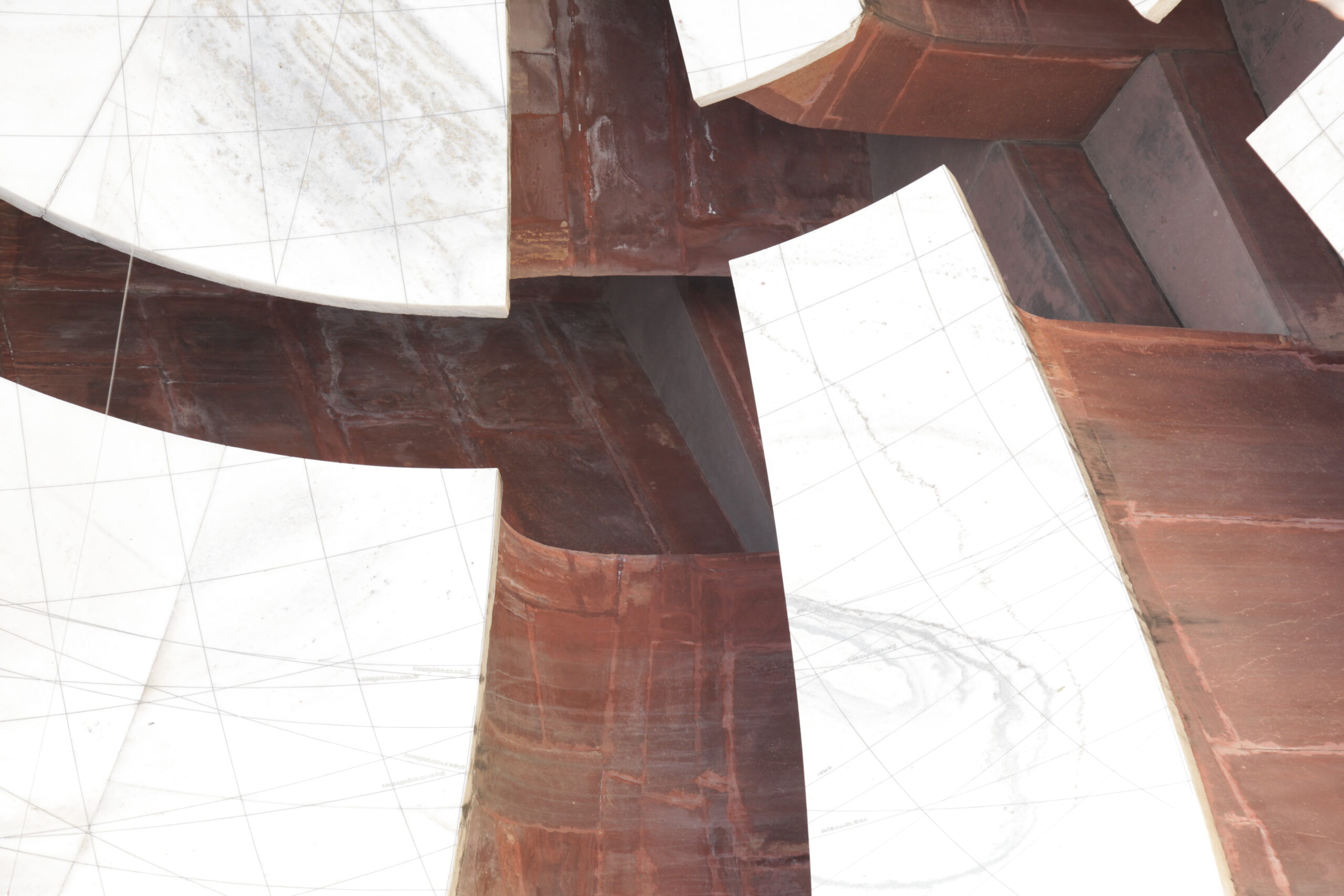
20111227-Satyendra-Pakhale-at-Jaipur-07
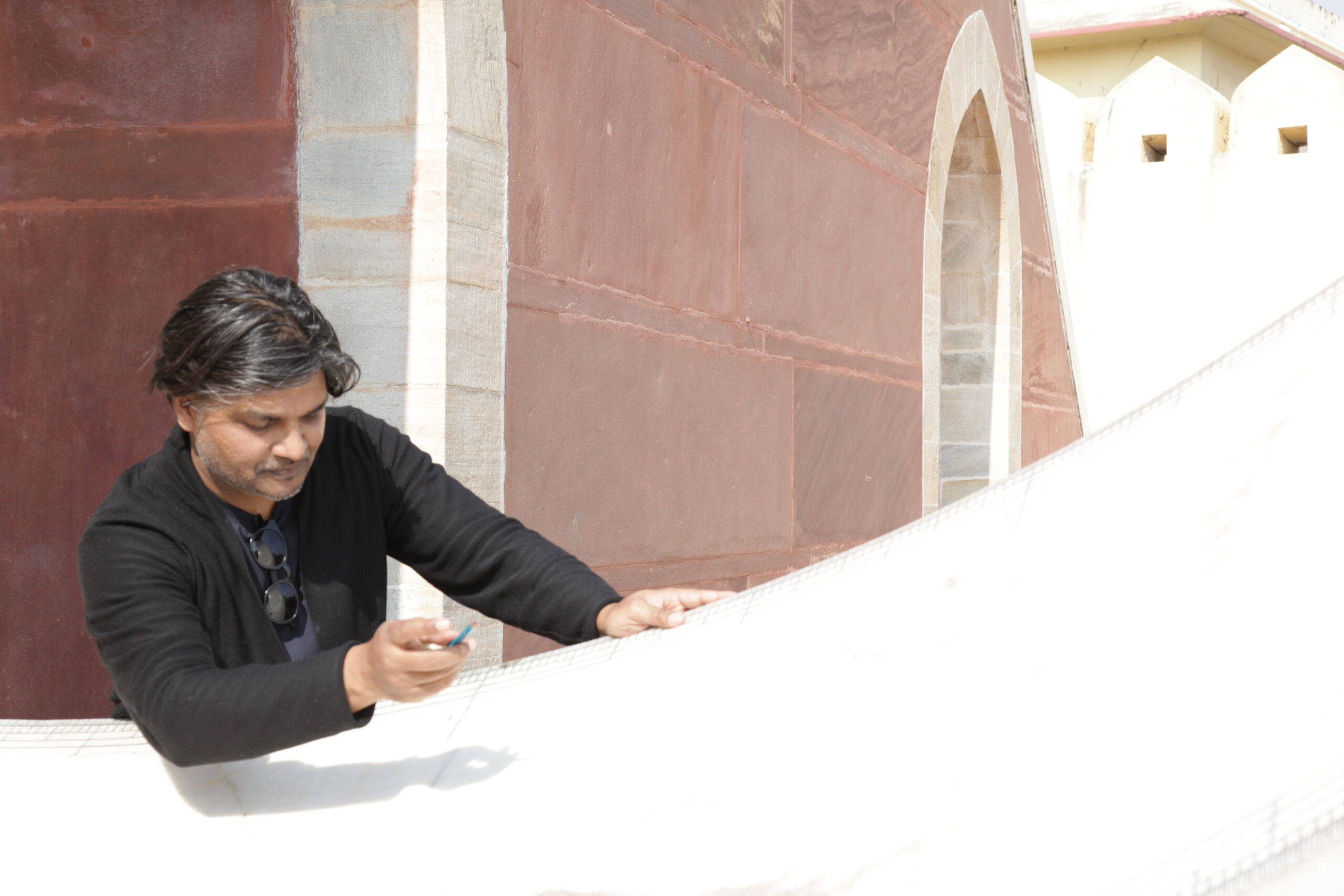
20111227-Satyendra-Pakhale-at-Jaipur-08
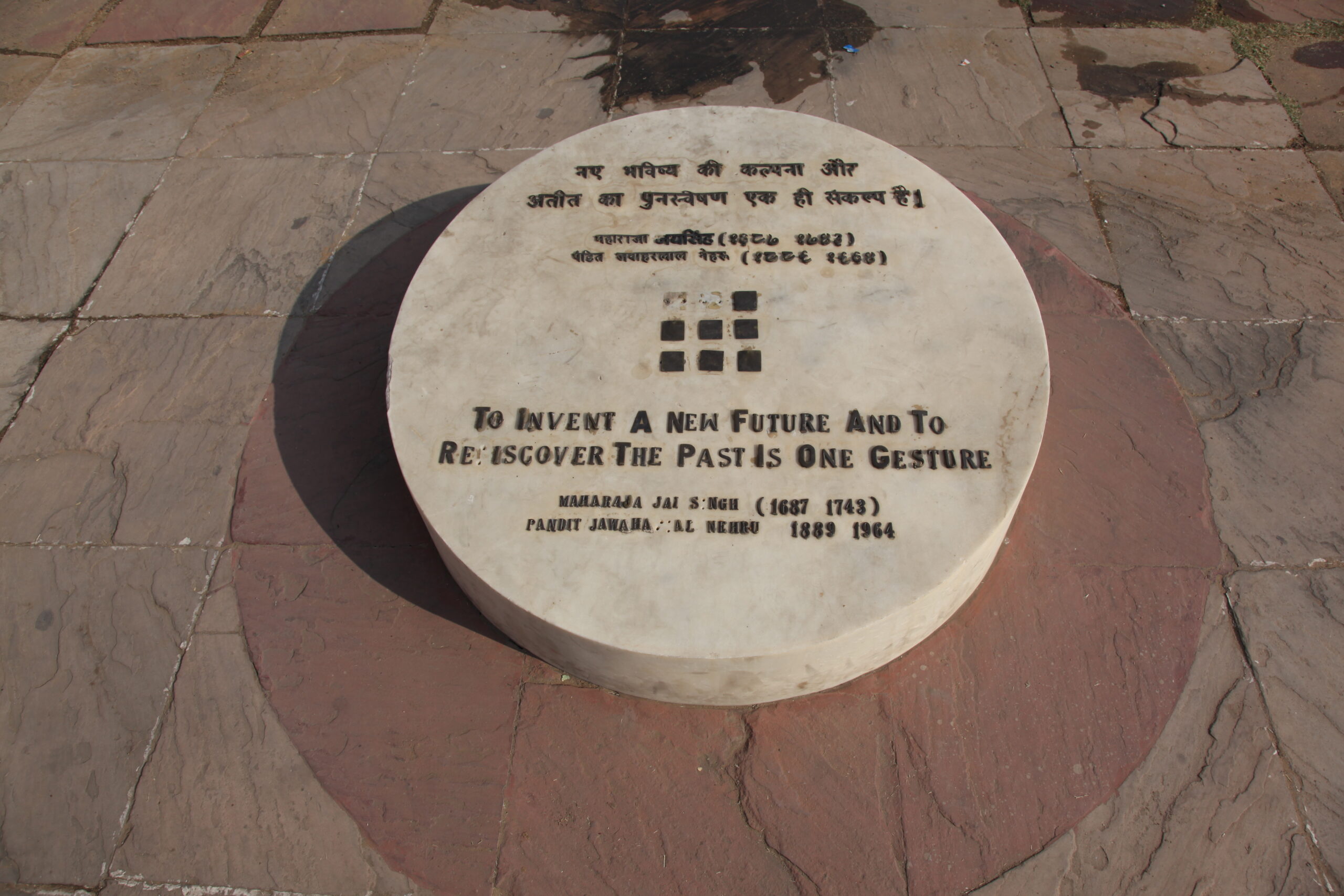
20111227-Satyendra-Pakhale-at-Jaipur-09
Atmosphere in architecture
Rock-cut Architecture Ajanta, Bhaje, Karle
Prof. Walter Spink
Prof. Y. S. Alone
‘Cognitive Unconscious’ – Q&A 1 with Prof. Griffero, Tiziana Proietti
‘Gaze of Things’ – Q&A 2 with Prof. Griffero, Tiziana Proietti
‘Synaesthetic Nature’ – Q&A 3 with Prof. Griffero, Tiziana Proietti
‘Protophatic’ – Q&A 4 with. Prof. Griffero, Tiziana Proietti
03 Human Condition
This section, Human Condition, explores Satyendra Pakhalé’s enduring inquiry into human dignity, emancipation, moral agency, and justice in secular society. His engagement began in his formative years when he was gifted Gulamgiri (Slavery, 1873) by Jyotirao Phule. Phule’s searing critique of caste oppression and his founding of the Satyashodhak Samaj profoundly shaped Pakhalé’s awareness of structural injustice and the necessity of social reform. The intellectual lineage from Phule to B. R. Ambedkar—who translated egalitarian ideals into constitutional law—continues to inform Pakhalé’s conception of social modernity and the ethical responsibility of design.
Throughout his career, Pakhalé has deepened this understanding through the study of Secular Humanism, Early Buddhism and Dhamma, caste, slavery, and racial justice. Drawing on interpretations by T. W. Rhys Davids, he views Dhamma as akin to “good form”—an ethical alignment of mind, action, and creation. Early Buddhist philosophy, with its recognition of the mind as a sixth sense, reinforces his conviction that rationality and emotion are inseparable. Design, therefore, becomes a practice of cultivating consciousness and compassion, aimed at social cohesion rather than charity.
Pakhalé’s engagement extends globally, resonating with analyses of caste and racial hierarchy articulated by Isabel Wilkerson. His research at the Schomburg Center for Research in Black Culture and his architectural work related to Ambedkar’s legacy reflect a sustained commitment to confronting injustice across geographies. For Pakhalé, understanding the human condition is not abstract theory but lived ethical practice—where design serves as a vehicle for dignity, equality, and the reconstruction of society through social modernity.
03.01 Secular Humanism
For Satyendra Pakhalé, secular humanism forms an ethical foundation for both thought and practice. Influenced by reformist traditions in Maharashtra and interpreted through design discourse by thinkers such as René Spitz, he understands modernity as a project grounded in responsibility, rational inquiry, and the common good. Drawing from Early Buddhist reflections on Dhamma, as discussed by T. W. Rhys Davids, Pakhalé aligns ethical conduct with “good form”—suggesting that the cultivation of mind, compassion, and sensibility is inseparable from creation. Design, in this sense, becomes a vehicle for social cohesion and shared human dignity.
Dhamma
“The word Dhamma has given, and will always give, great trouble to the translators. It connotes, or involves, so much. Etymologically it is identical with the Latin word forma; and the way in which it came to be used as it was in India, in Asoka’s time, is well illustrated by the history of our own colloquialism “good form”. Dhamma has been rendered Law. But it never has any one of the various senses attached to the word ‘law’ in English. It means rather, when used in this connection, that which it is ‘good form’ to do in accord with established custom. So it never means exactly religion, but rather, when used in that connection, what it behoves a man of right feeling to do—or, on the other hand, what a man of sense will naturally hold. It lies quite apart from all questions either of ritual or of theology. T. W. Rhys Davids gives real insight into the word Dhamma which is seen from design / creation point of view is close to ‘gut form’ / good design. This is the most fascinating thing to be discovered that the meaning of dhamma is nothing but a ‘good design’ / ‘gut form’ – Dhamma can be applied to life therefore to design”.
– Rhys Davids, T. W. Buddhist India. London: T. Fisher Unwin. (Alternatively: New York: G.P. Putnam’s Sons),1903. P 292
Human being is a sensorial being. It is not possible to deny the senses
Human being is also an intelligent being. Mind and senses are not opposites.
The more one cultivates his sense of thought the more he cultivates his sensibility the more he will be able to understand the sensibility of people and the human existential condition.
Going beyond senses / sense of thought captures in itself all the possibles “going beyond”.
It is very easy to talk about rationality, mathematics, formulas, technique, but it is very hard to talk about emotion, feeling, perceiving. Human making is the language to talk about them.
Cultivation of compassion for all beings, understand the mind itself, understand how things are interconnected.
Besides our five physical senses there is an understanding about a sixth sense – the ‘sense of thought’. That is fascinating, as we know now that we all create our own perception, which leads to our mental formation – leading to our own experience of the world. To evoke through design a positive sense of thought is what I am after.
Buddhist / Dhamma senses and theory of perception
To understand perception it is enriching to go deeper into early Buddhist.
In the early Dhamma understanding of perception – senses are understood as ‘sense-sphere’. Unlike the Euro-American understanding of five senses, in early Buddhist understanding there are ‘six senses’ – the mind being the sixth sense. The mind represents mainly the activity of ideas, concepts, reasoning, memory and reflection, thus all perceptual processes rely on the interpretive processes of the mind.
Sight / Eye and colour/form (visual) / Vision (rapa-ayatana)
Hearing / Ear and sound (auditory) / Hearing (abda-ayatana)
Smell / Nose and odour (olfactory) Olfaction (gandha-ayatana)
Taste / Tongue and flavours (gustatory) Taste (rasa-ayatana)
Touch / Skin and tangible objects / Touch (tactile, haptic) (spara-ayatana)
Mind and ideas (reasoning and cognition) / Thought (mano-ayatana)
Ancient Buddhism spent plenty of time understanding what is consciousness and which are the cognition processes to elaborate the external impulses. Buddhist philosophy explored the issue trough the study of human perception.
The way we see the world starts from the eye, hand, skin, etc. sending an impulse to mind and mind elaborates it. Never denying the external world, what they say is that we can indeed perceive the world but never really seeing it. And what man experiences is the mind consciousness elaborating the external impulses (Lancaster).
Concentration and mindfulness make a big difference in the way we handle life
Meditation can go very deep, exploring the structure of the brain
“True calm and the self-possession of the mind is properly obtained by the constant satisfaction of the body’s wants.”
By perception is meant mental apprehension of a present object.
Inference is threefold: (1) from cause to effect, as from the presence of clouds to rain; (2) from effect to cause, as from the swelling of the streams in the valleys to rain in the hills, and (3) by analogy, as when we infer from the fact that a man alters his place when he moves that the stars must also move, since they appear in different places.
(…) 1.The first distinguishing feature of his teachings (Buddha) lay in the recognition of the mind as the centre of everything. 2. Mind precedes things, dominates them, creates them. If mind is comprehended all things are comprehended. 3. Mind is the leader of all its faculties. Mind is the chief of all its faculties. The very mind is made up of those faculties. 4. The first thing to attend to is the culture of the mind.
(…) Samma Satti calls for mindfulness and thoughtfulness. It means constant wakefulness of the mind. Watch and ward by the mind over the evil passions is another name for Samma Satti.
(…) As soon as he has mastered all that, the Tathagata gives him his second lesson, thus : Come thou brother ! Seeing an object with the eye, be not charmed by its general appearance or its details.’ 21. “‘Persist in the restraint of that dejection that comes from craving, caused by the sense of sight uncontrolled, these ill states, which would overwhelm one like a flood. Guard the sense of sight, win control over the sense of sight.’ 22. ” ‘ And so do with the other organs of sense. When you hear a sound with the ear, or smell a scent with the nose, taste a taste with the tongue, or with body touch things tangible, and when with mind you are conscious of a thing, be not charmed with its general appearance or its details. (Ambedkar)
Rationality + Emotion
Rationality is not opposed to emotions just like industry manufacturing and craftsmanship are not opposed each other. What we need today is blending emotion and rationality (see add-on radiator, etc.).
Duchamp, as many centuries before Da Vinci and other humanistic artists, tried to demonstrate and stress the intelligence of human beings. Every act of creation needs, according to all these kind of artists to take into account and show this rational side of man.
Early Buddhism understood that rationality and emotion are part of the same beings (see Melinda poem)
Secular Humanism – The HfG ethos rested on the belief that since the world can be grasped objectively, it can also be changed for the better, for and by each and every individual in it – a conviction perhaps best described as secular humanism. The role of design, therefore, was to further the development of ‘social modernism’ – ‘social’ not in the sense of ‘charitable’, but rather ‘conducive to social cohesion’. The ideal thus referenced is also expressed in the concept of the ‘common good’, meaning whatever is best for most people and for their harmonious co-existence in the long run.
– René Spitz, Satyendra-Pakhalé-Culture-of-Creation, nai010 Publishers, Rotterdam, 2019, NL, page 84
Design has to help to bring the disintegrating elements together and unite them in a given society. It ought to rebuild society on the foundations of ‘social modernity’.
– Satyendra Pakhalé Satyendra-Pakhalé-Culture-of-Creation, nai010 Publishers, Rotterdam, 2019, NL, page 342
Dr. Ambedkar National Memorial project
‘Having spent many years living and travelling in Maharashtra, I am familiar with the many statues of the great Dr. B. R. Ambedkar in the villages of that region. I am constantly made aware of the people’s reverence for their beloved leader, since in village after village one finds his statue set up in the centre of the town. He is always dressed in his formal blue suit, wearing his scholarly glasses, and holding (what else?) the constitution of India. Fittingly, a statue of the Buddha is often set up beside him, for both the Buddha and Ambedkar, through their insights and their actions, offer the same teaching, recognizing the world’s adversity, but holding out the promise that something can be done about it.
It is wonderful to realize that these many local points of promise, scattered across the Indian land scape in Dr. Ambedkar’s honour, will now – finally and
most appropriately – find their ultimate expression in New Delhi, in the heart of India, the capital of the world in which he was so actively involved. It is heartwarming to realize, too, that the new Ambedkar Memorial will rise on the plot of land – wisely preserved by the Government of India – where the great man lived and worked. What is particularly moving, to those who so greatly respect this saintly and hard-working man, is that the new Ambedkar Memorial planned by Satyendra Pakhalé so sensitively reflects both Ambedkar’s effective involvement with the present, and his reverence for the past. I am glad that this splendid, innovative project, with its compelling references to India’s long heritage which it brings so admirably into the 21st century, has been approved and selected by the committee appointed by the Prime Minster’s office.
The planners, remarkably, have created an architecture that is both public and private, taking account of the needs and the demands of the hundreds of visitors expected every day and guiding them past the visitors’ entrance, cloakroom, cafeteria, restrooms and other areas which realistically have to be planned for such a public monument. The visitor then moves into an increasingly meditative space and experience, sensitively developed in accord with the architect’s enriching knowledge of his own India and Indian roots. The plan developed by Satyendra Pakhalé guides visitors into more and more private spaces, enhanced by a rich variety of trees, bordered by green grasses and peaceful water. Those who travel through the various reaches of the monument must inevitably feel the resonances of India’s deep past, both in the familiar stupa shapes of the areas to which they are drawn, whether for learning or contemplation and relaxation, and in the quiet simplicity of the enclosing dome of the meditation centre.
The memorial is planned as a quiet, simple, and resonant space. In the midst of the turbulence of the surrounding city, such a place of contemplation and
learning will be a most fitting tribute to Dr. B. R. Ambedkar. How wonderful to honour the great Ambedkar with something so appropriately modest and, at the same time, so appropriately impressive!’
– Walter Spink, Satyendra-Pakhalé-Culture-of-Creation, nai010 Publishers, Rotterdam, 2019, NL, page 364
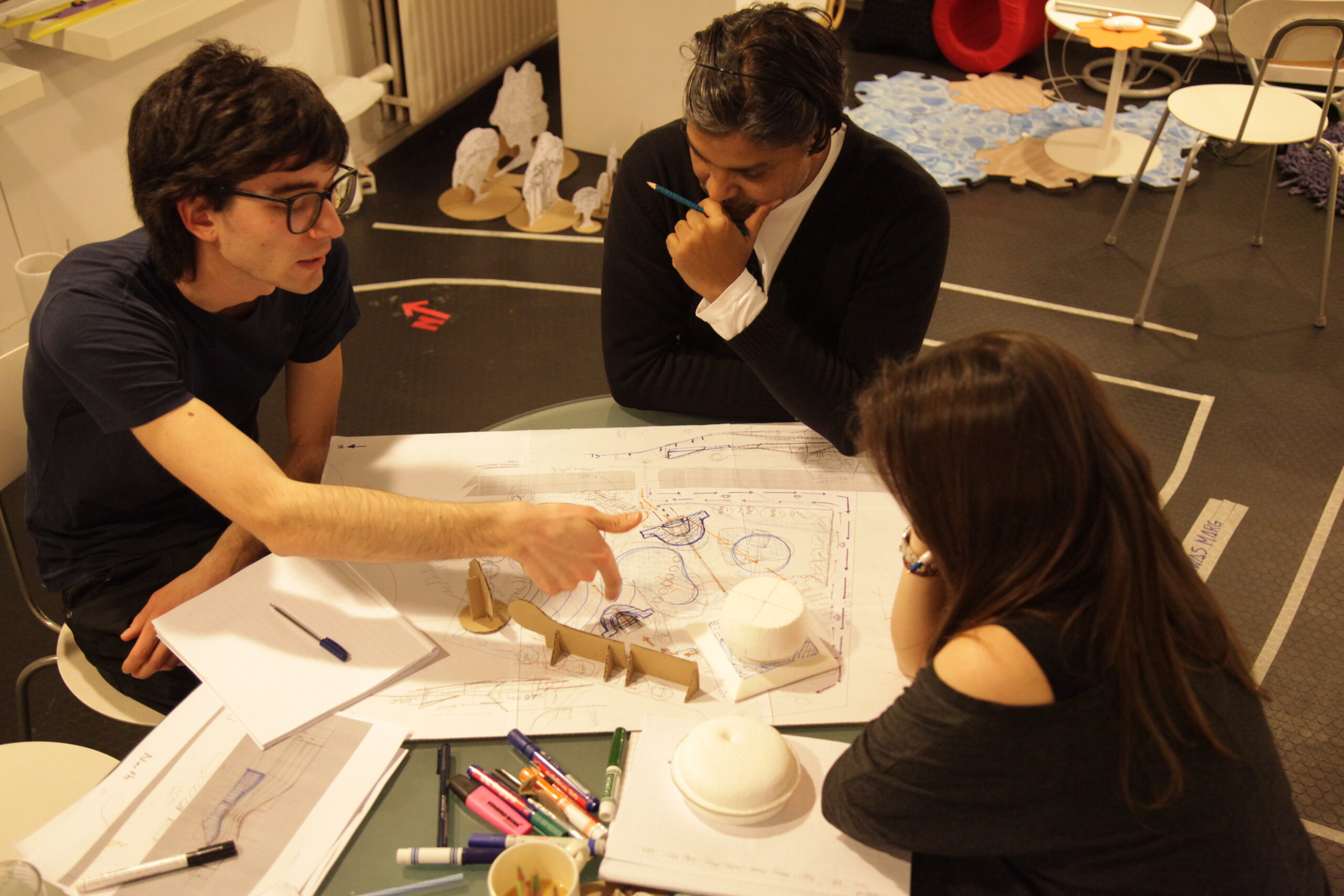
01-Satyendra-Pakhale-working-on-Dr-Ambedkar-National-Memorial-project-model
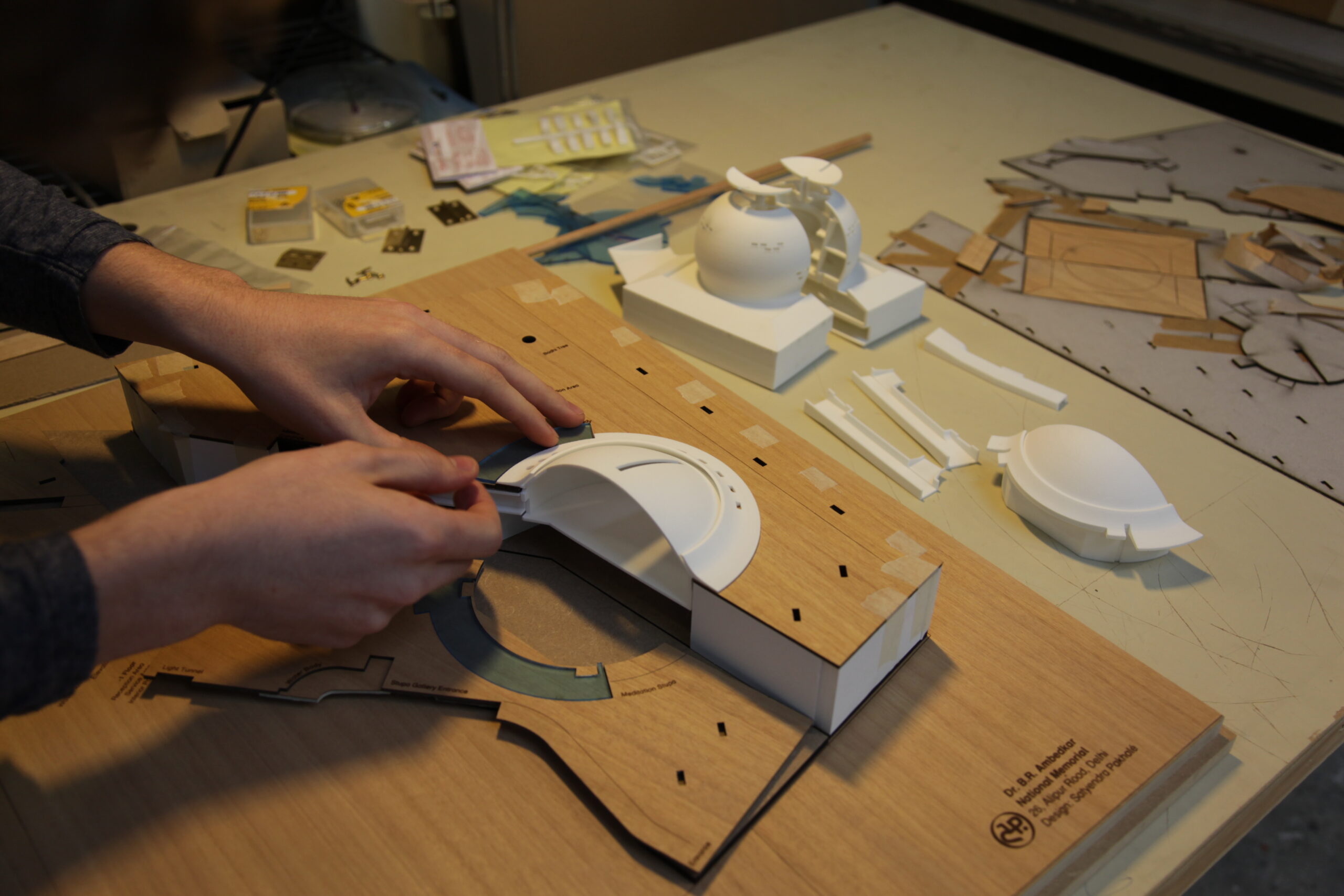
02-Satyendra-Pakhale-working-on-Dr-Ambedkar-National-Memorial-project-model
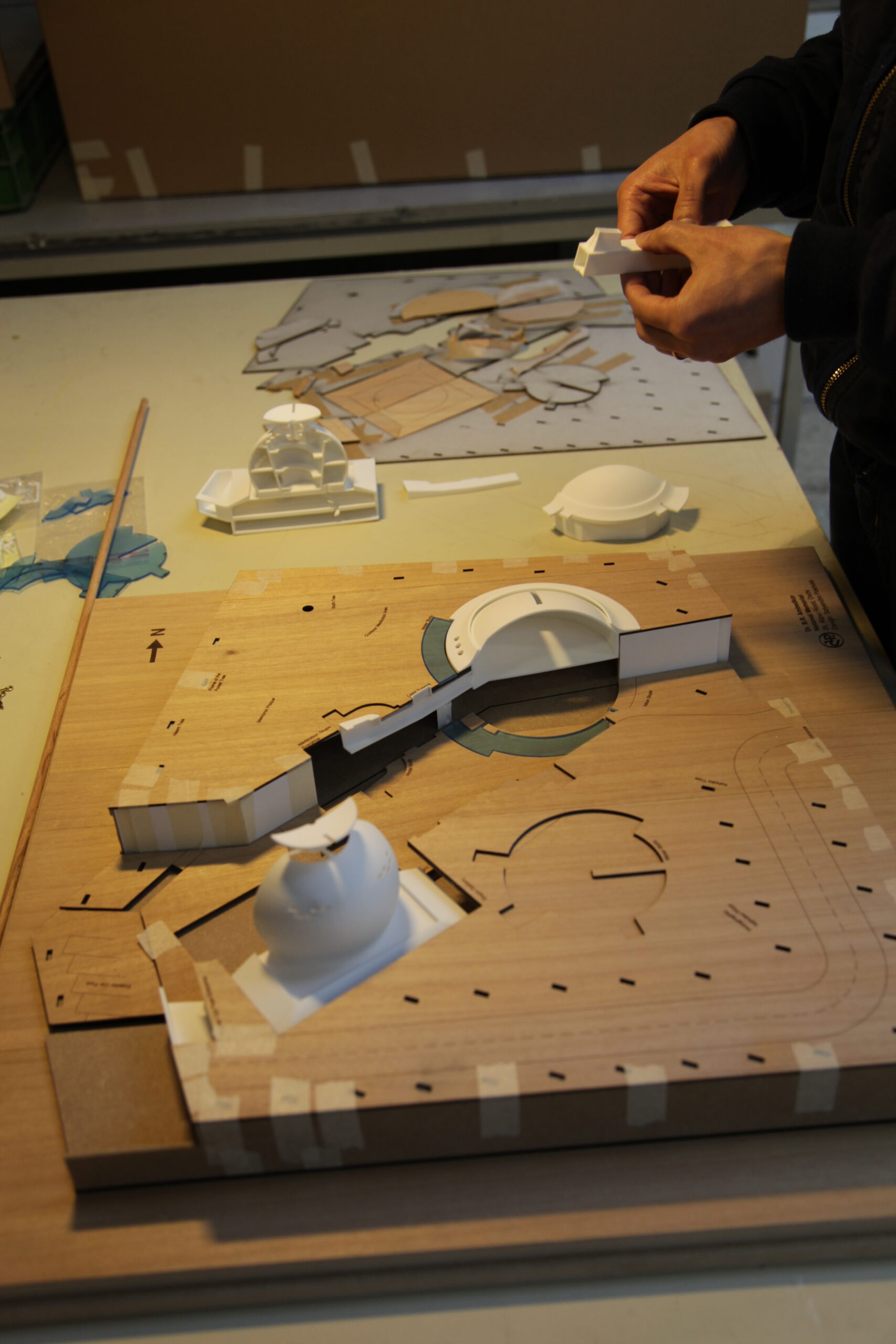
03-Satyendra-Pakhale-working-on-Dr-Ambedkar-National-Memorial-project-model
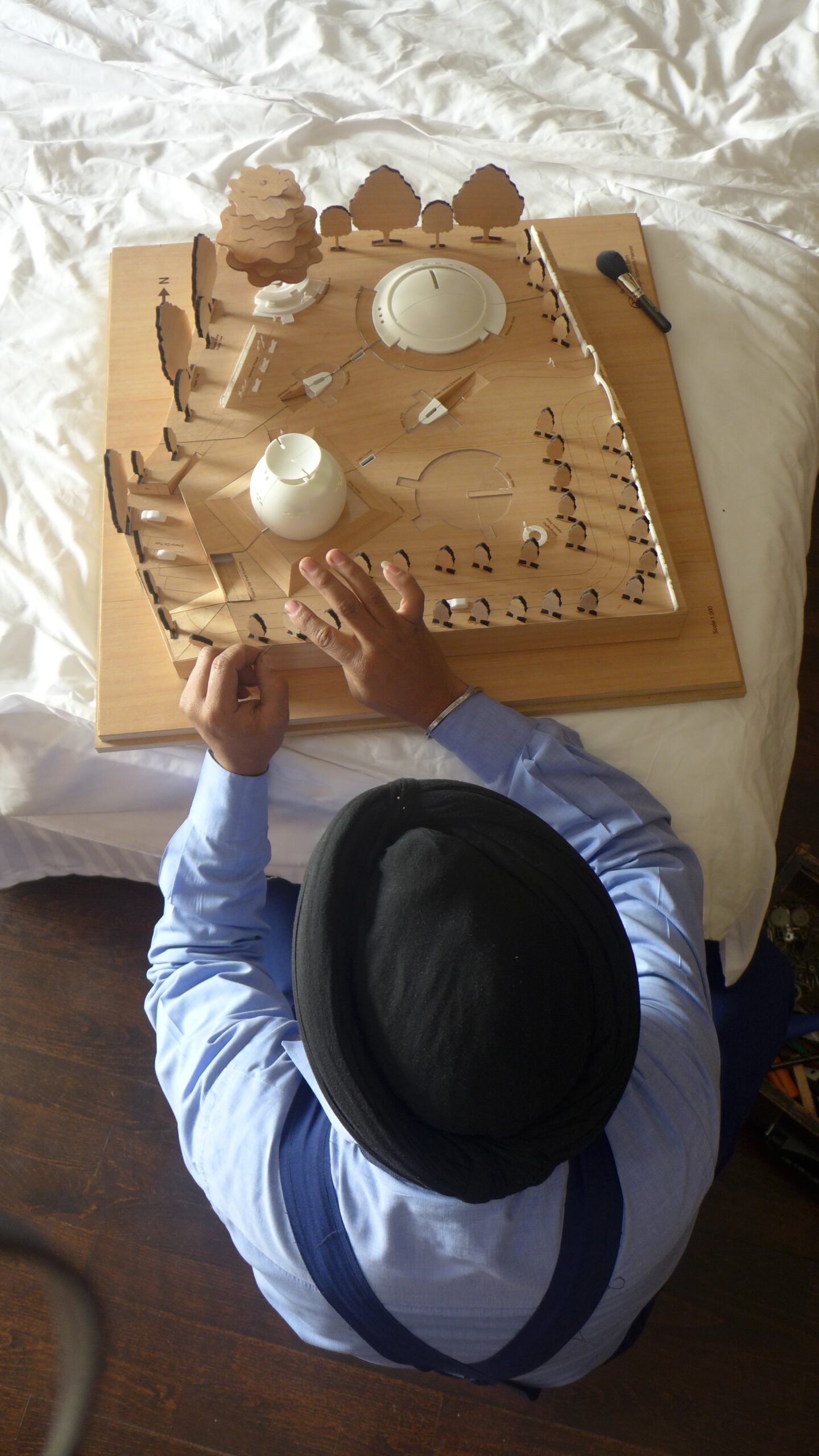
04-Satyendra-Pakhale-working-on-Dr-Ambedkar-National-Memorial-project-model
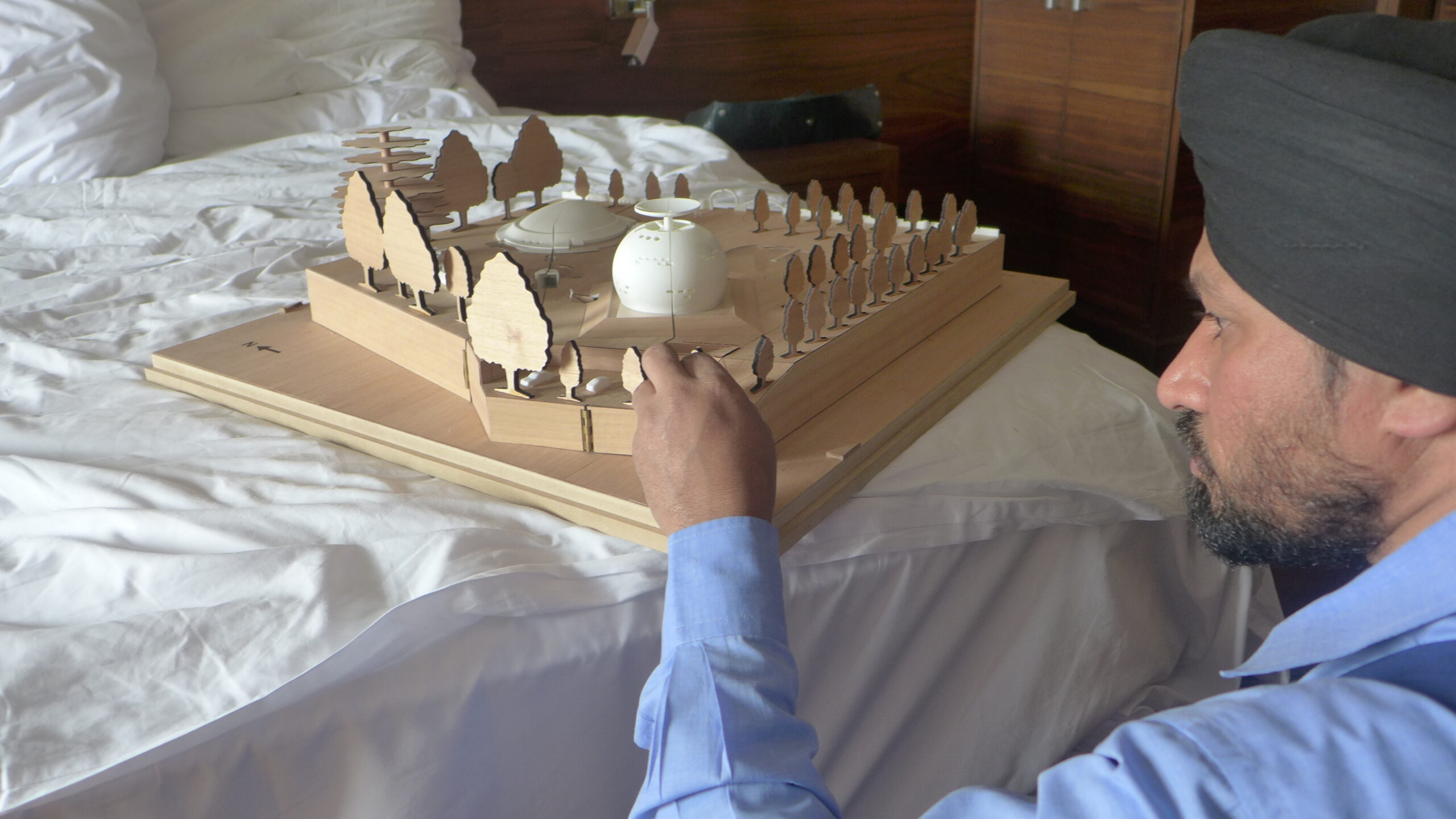
05-Satyendra-Pakhale-working-on-Dr-Ambedkar-National-Memorial-project-model
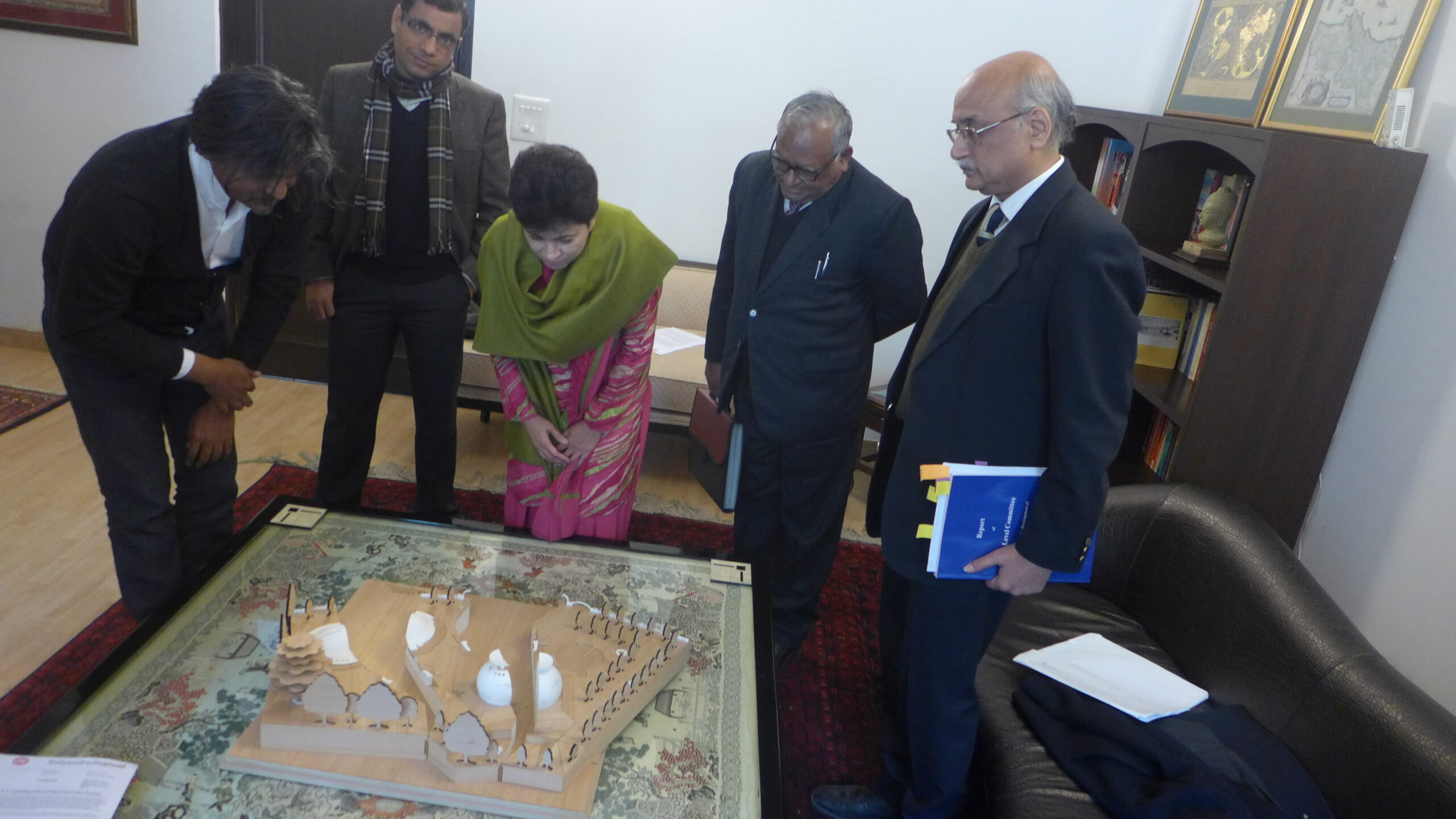
06-Satyendra-Pakhale-working-on-Dr-Ambedkar-National-Memorial-project-model
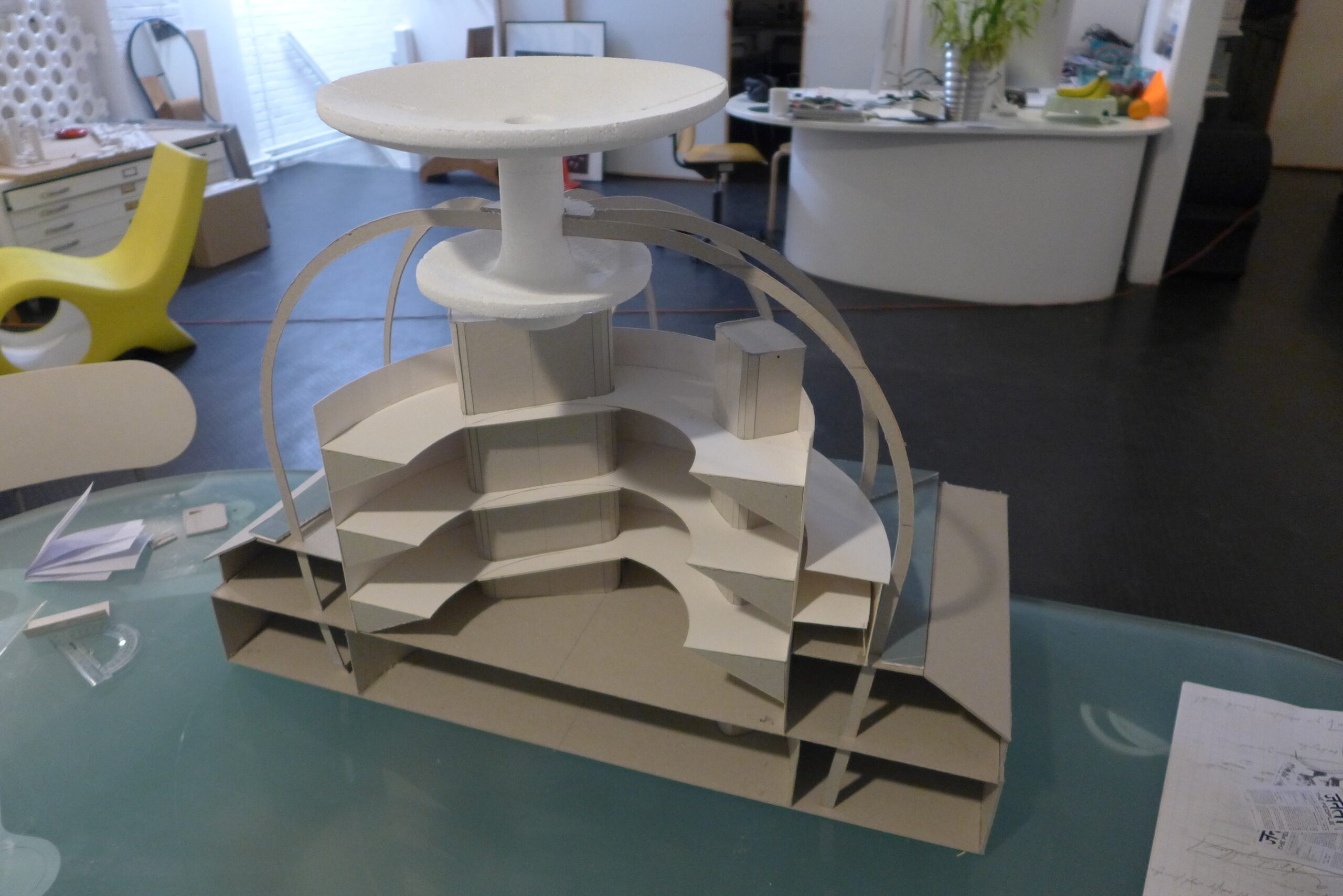
07-Satyendra-Pakhale-working-on-Dr-Ambedkar-National-Memorial-project-model
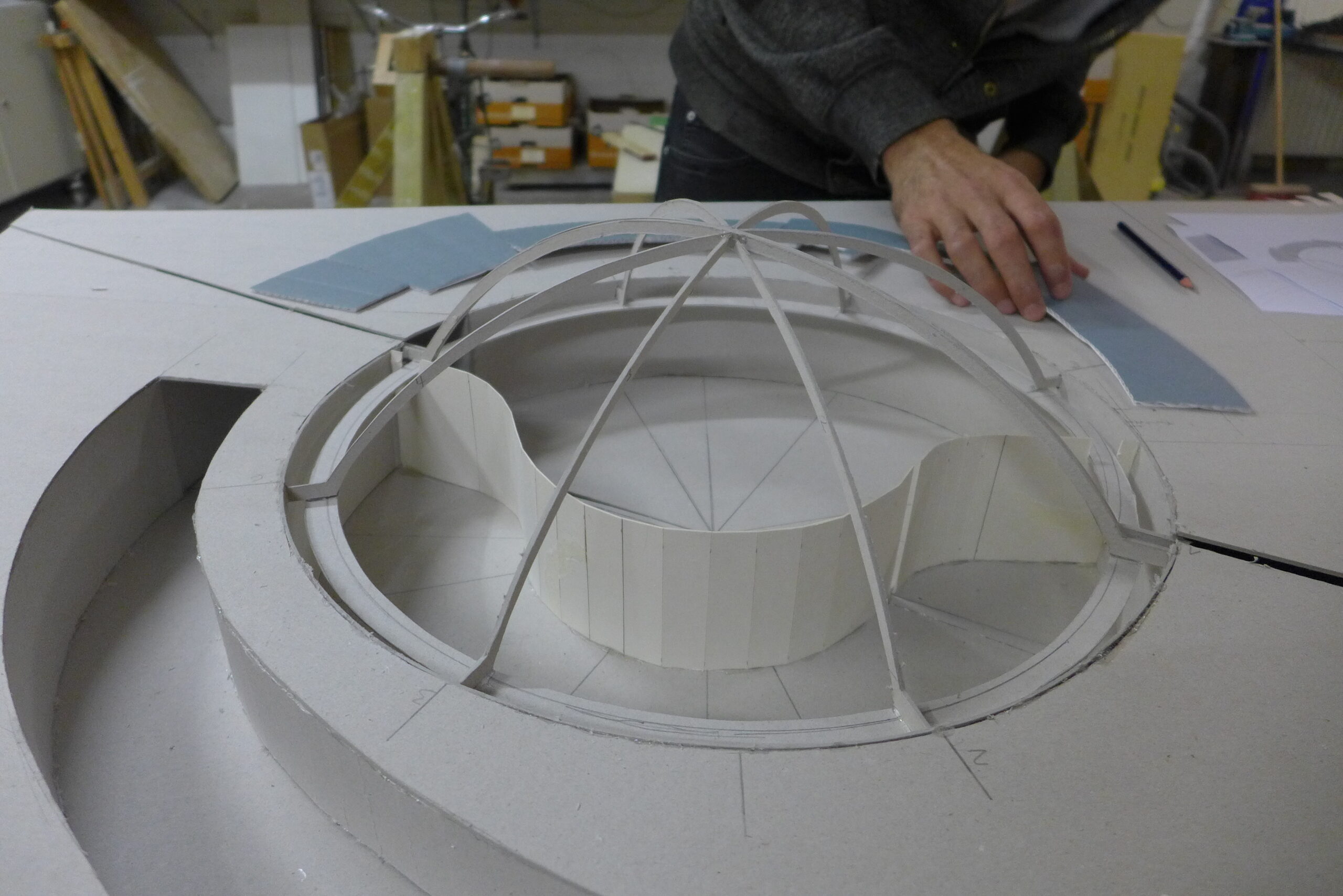
08-Satyendra-Pakhale-working-on-Dr-Ambedkar-National-Memorial-project-model
09-Satyendra-Pakhale-working-on-Dr-Ambedkar-National-Memorial-project-model
10-Satyendra-Pakhale-working-on-Dr-Ambedkar-National-Memorial-project-model
Satyendra Pakhalé meeting with Albie Sacks
Satyendra Pakhalé meeting with Albie Sacks, Chief justice of the Constitutional court, South Africa, in 2006 during visit to Design Indaba, Cape Town.
Albie Sachs lost his hand in freedom struggle.
https://www.designindaba.com/events/design-indaba-conference-2006
Albie Sachs talks about the design of the Constitutional Court of South Africa, a building that is “a place for everybody”. In his Design Indaba Conference 2006 speaker talk Judge Albie Sachs took the audience on a tour of the Constitutional Court of South Africa. He spoke about how dreams, methods and madness formed a relationship that led to a building that came to symbolise the new constitutional democracy in South Africa. Situated where an old fort prison once stood, the Constitutional Court removes the negativity of the area and replaces it with a positive symbol of South Africa’s future. Sachs also spoke about the design of the Constitutional Court logo, which expresses, captures, projects and adds to what South African’s democracy stands for.
Satyendra Pakhalé met first in Capetwon when Satyendra Pakhalé was invited for the lunch at Albie Sachs farm house outside Capetwon. Feb 2006 South Africa
Subsequently Satyendra Pakhalé invite him to lecture at DAE when Satyendra Pakhalé met him at the Prince Claus Awards, 12 Dec. 2007, Amsterdam
Albie Sachs, the renowned South African activist and former judge, at the Prince Claus Awards 2007 in Amsterdam, he was a featured speaker and participant during the year’s events.
Event: Prince Claus Awards 2007 https://princeclausfund.nl/ Culture is a basic need
Prince Claus Awards Ceremony, 12 December 2007, Royal Palace, Amsterdam / International cultural and development awards ceremony
The 2007 awards focused on the theme of “Culture and Conflict”.
The awards recognize individuals and organizations for their contemporary approaches to culture and development, particularly where cultural expression is under pressure.
03.02 Social Justice
Pakhalé’s commitment to social justice was shaped early by his encounter with Gulamgiri (Slavery, 1873) by Jyotirao Phule. Phule’s critique of caste hierarchy and his founding of the Satyashodhak Samaj laid the groundwork for egalitarian reform movements that later influenced B. R. Ambedkar. Pakhalé’s work carries this legacy forward, positioning design as an instrument of social modernity—not charity, but structural cohesion. His architectural engagement with Ambedkar’s memorial projects further reflects his belief that the built environment can embody justice and collective emancipation.
Social Innovation
Social Cohesion
Pakhalé cultivates a design approach that does not reject rationality, but that invariably takes it a stage further, pushing the boundaries to create truly human, multi-sensory designs. Taking the cultural context into account, he creates designs based on a sense of responsibility that is rooted in his experience and world view. His commitment to secular humanism results in designs that connect humanity and that aspire to be universal. At the heart of his work are two key concerns. The first of these is his conviction that cultural influences have to be factored in, which leads to design solutions that draw on past forms of expression without succumbing to either nostalgia or traditionalism, since only then can their positive value be protected and used. The second is his perception of the rational, the emotional and the multi-sensory as one.
“By revisiting and then synthesizing these two aspects, Pakhalé has developed a brand of social modernism rooted in social cohesion that is at once contemporary and forward-looking.”
– René Spitz, Satyendra-Pakhalé-Culture-of-Creation, nai010 Publishers, Rotterdam, 2019, NL, page 87
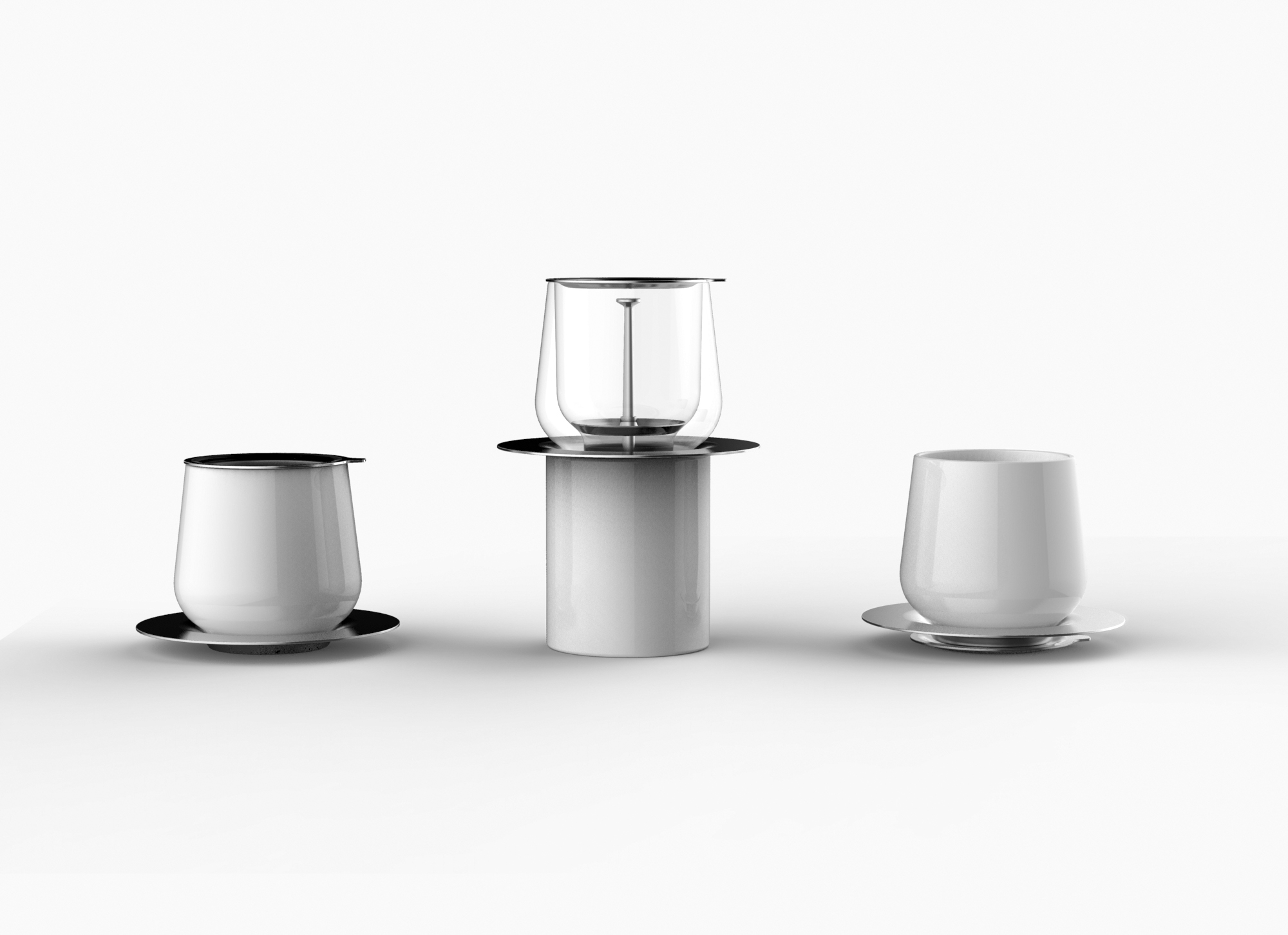
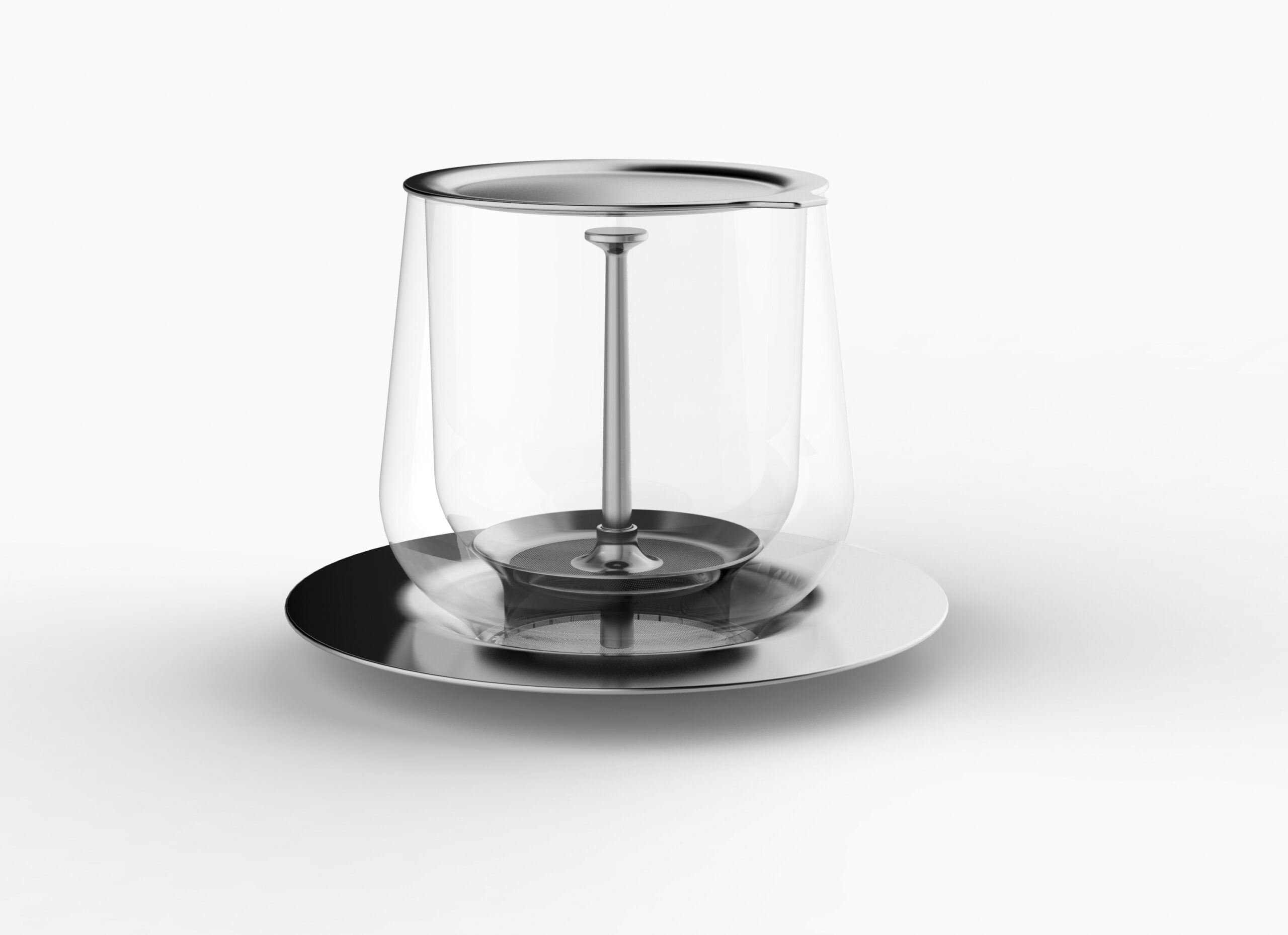
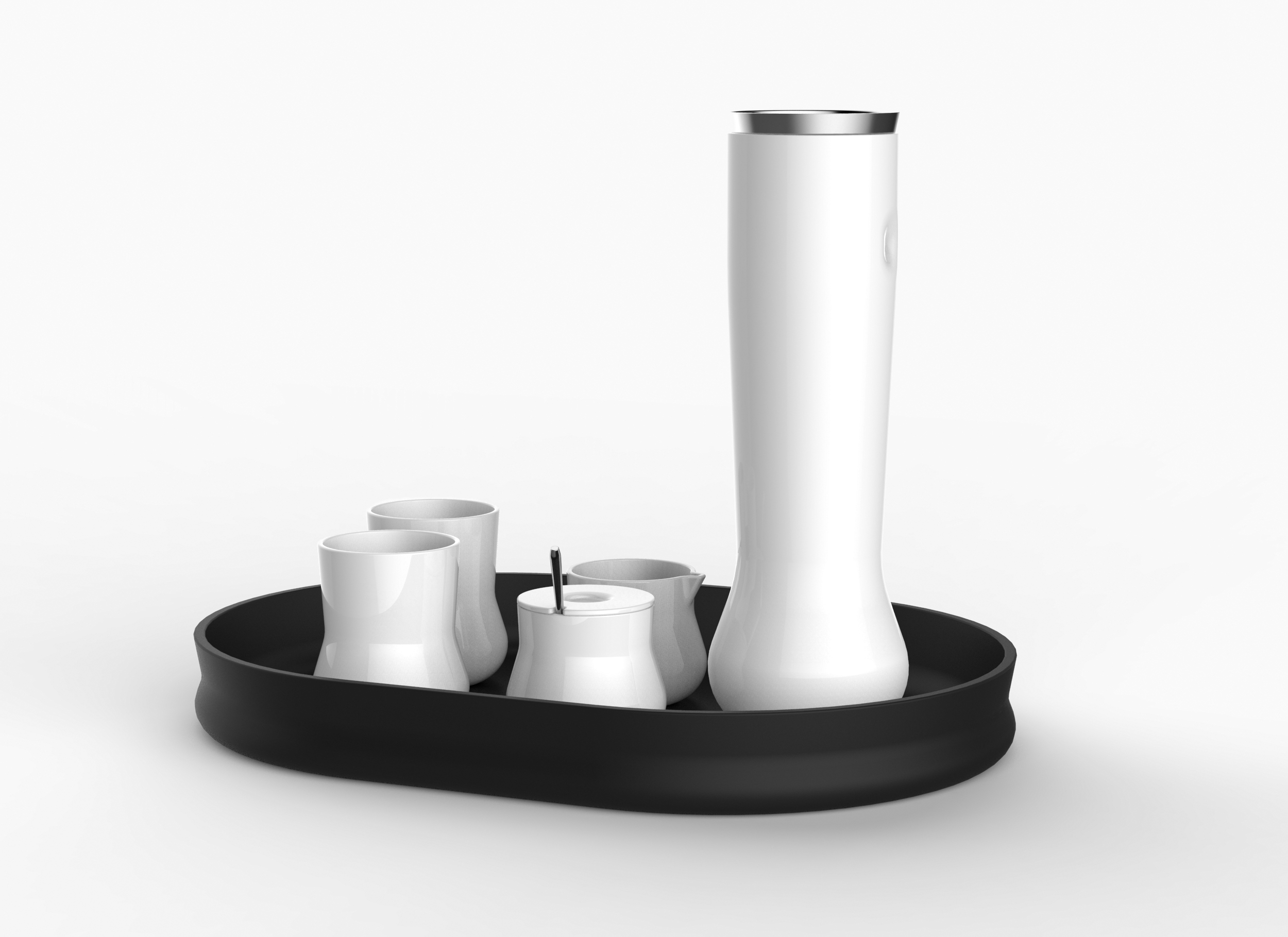
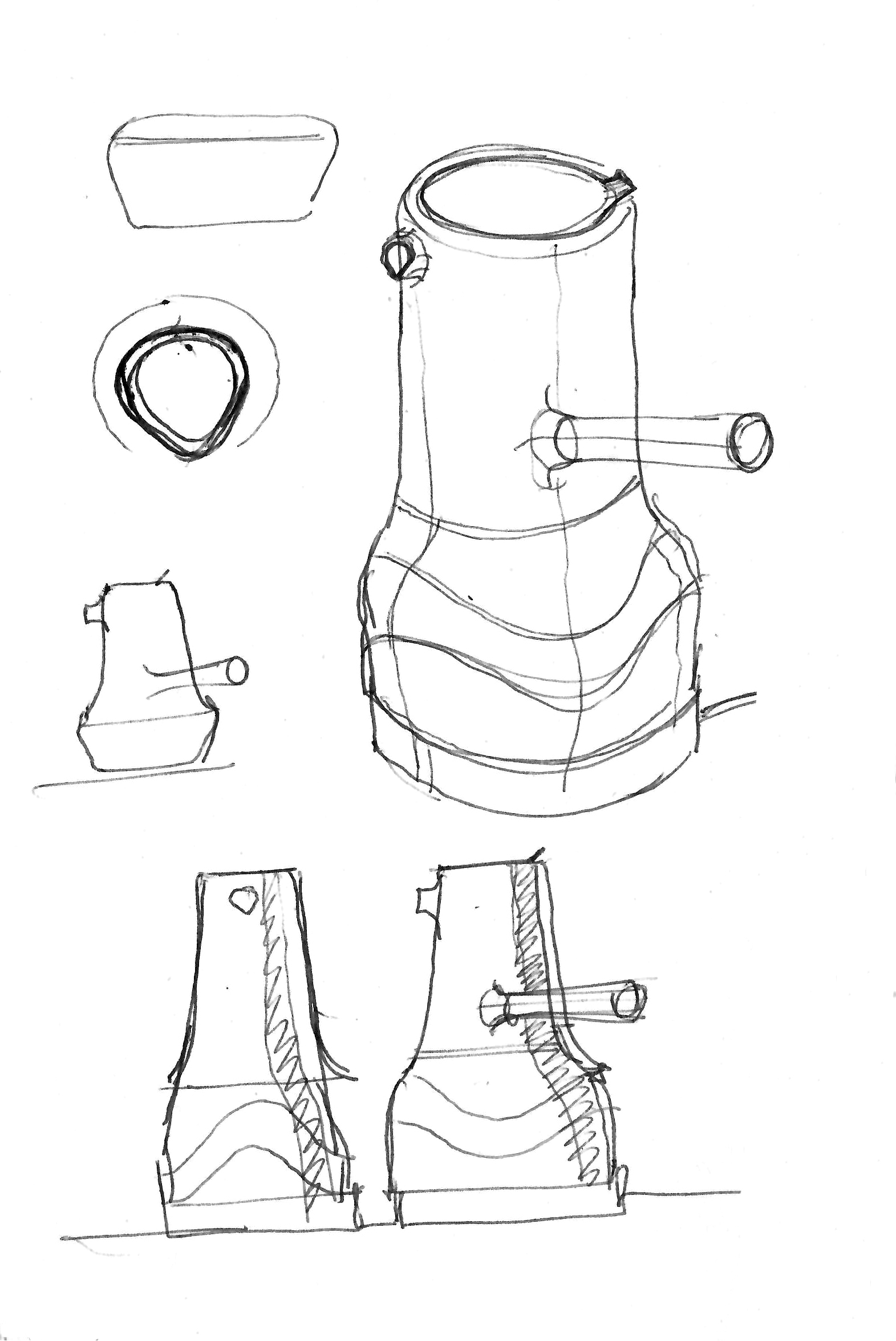
TEA AND COFFEE CULTURE
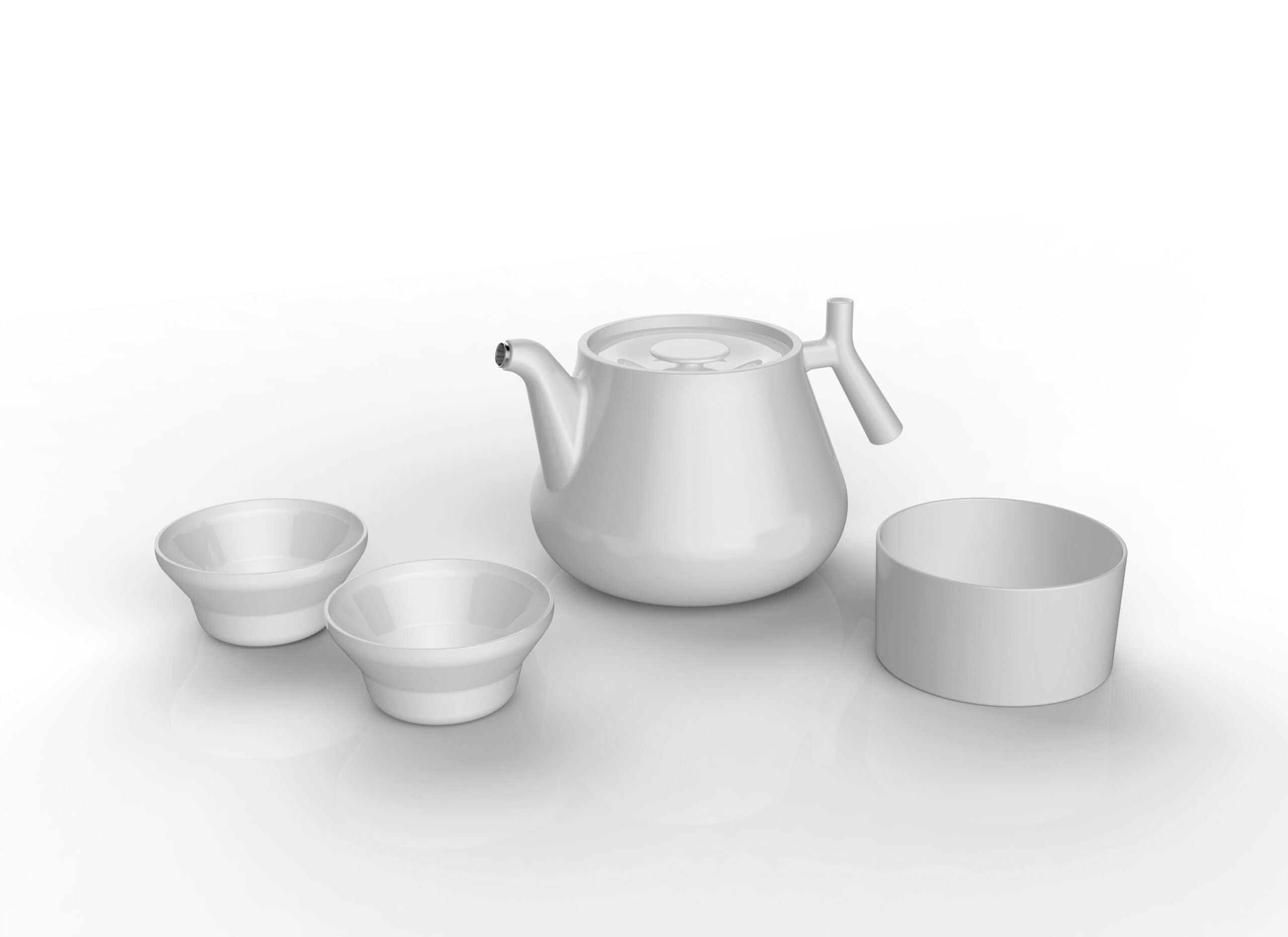
Having tea and coffee are rituals of daily life. These stimulants and their effect on our bodily perceptions, sensations and imaginations provide a framework for the everyday social act of drinking tea or coffee together as a catalyst of social cohesion. These societal habits, customs, specialities and routines, the particularities of various cultures and the objects and places associated with them, retain undeniable significance all over the world. In his tea and coffee ranges, Pakhalé explores these diverse cultural roots and creates contemporary objects for tea and coffee culture around the world.
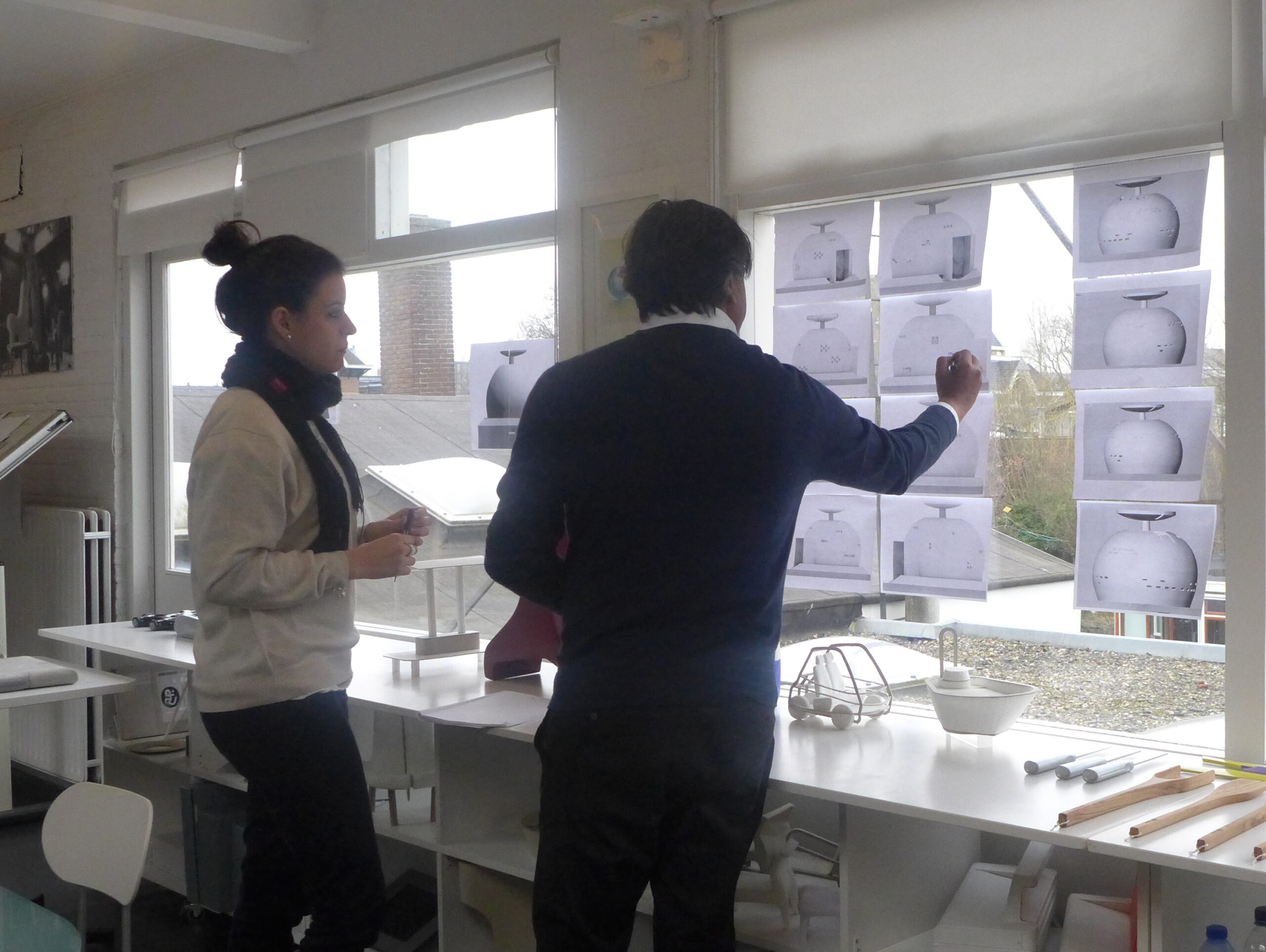
A
B
C
D
E
F
G
H
I
J
K
L
A-C – Pakhalé creates a new single coffee maker in stainless steel, ceramic and glass based on his memory of Vietnamese coffee makers.
D – Tea-coffee set consisting of thermos with integral grip, tea-coffee cups, sugar pot, creamer and wooden tray
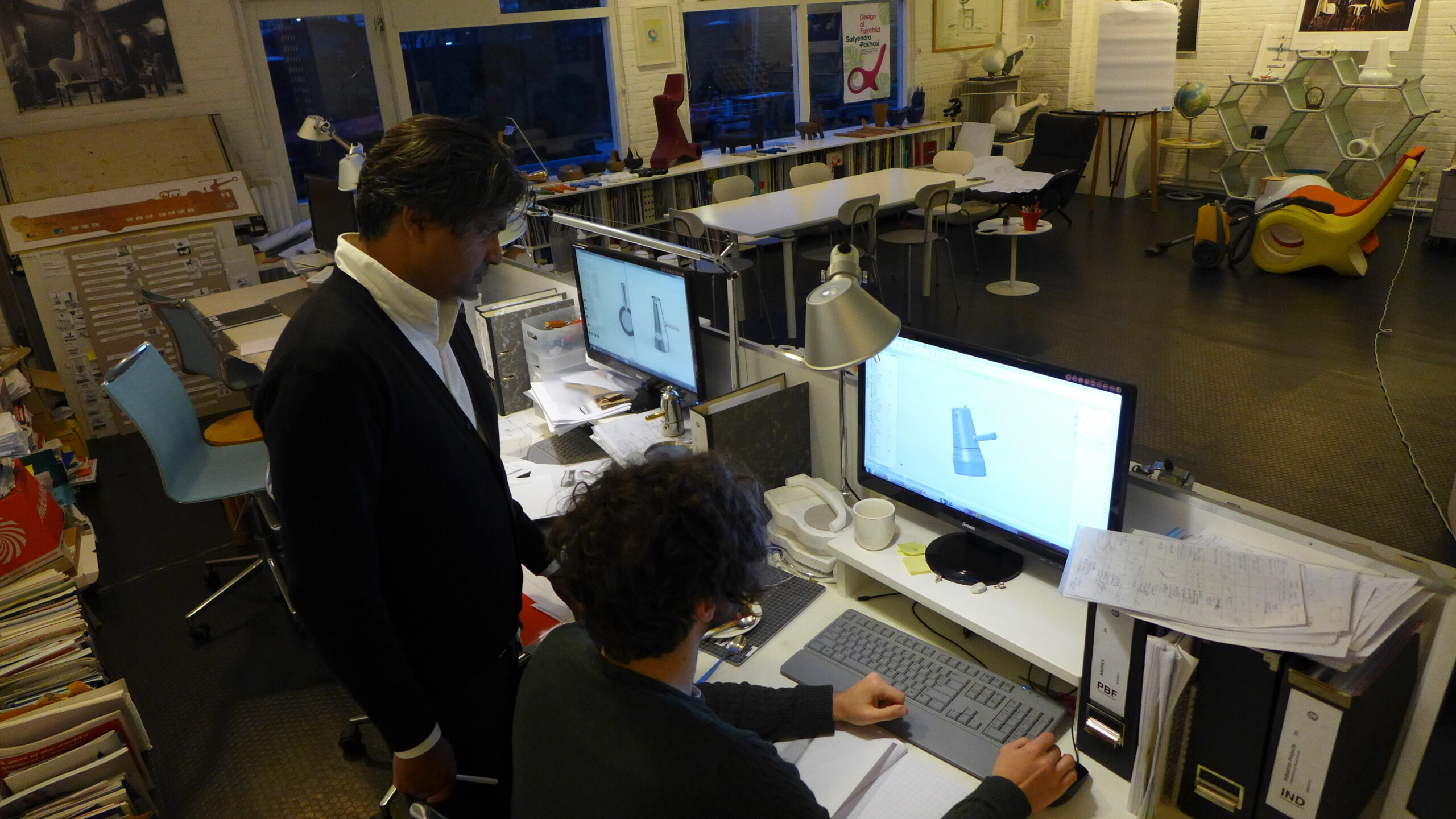
E-F – Design sketch by Pakhalé illustrating the protruding shoulder-like form derived from the synthesis of two curves. Working out the details on the Moka Syn at Pakhalé’s studio.
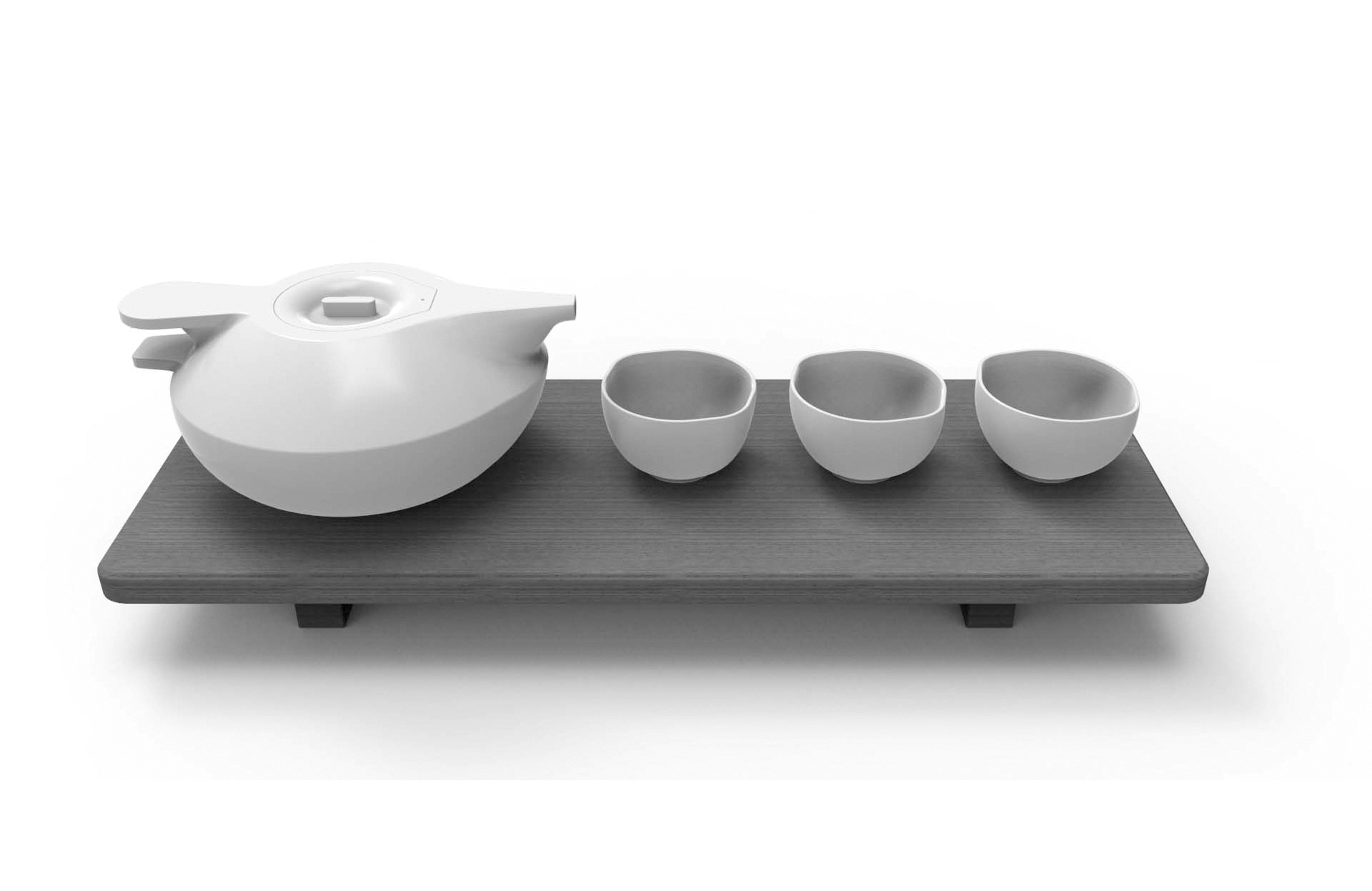
G – The Jingdezhen Tea Set is a contemporary interpretation of the traditional tea set of this region. It is designed keeping the long tea culture of Asia, especially China, in perspective.
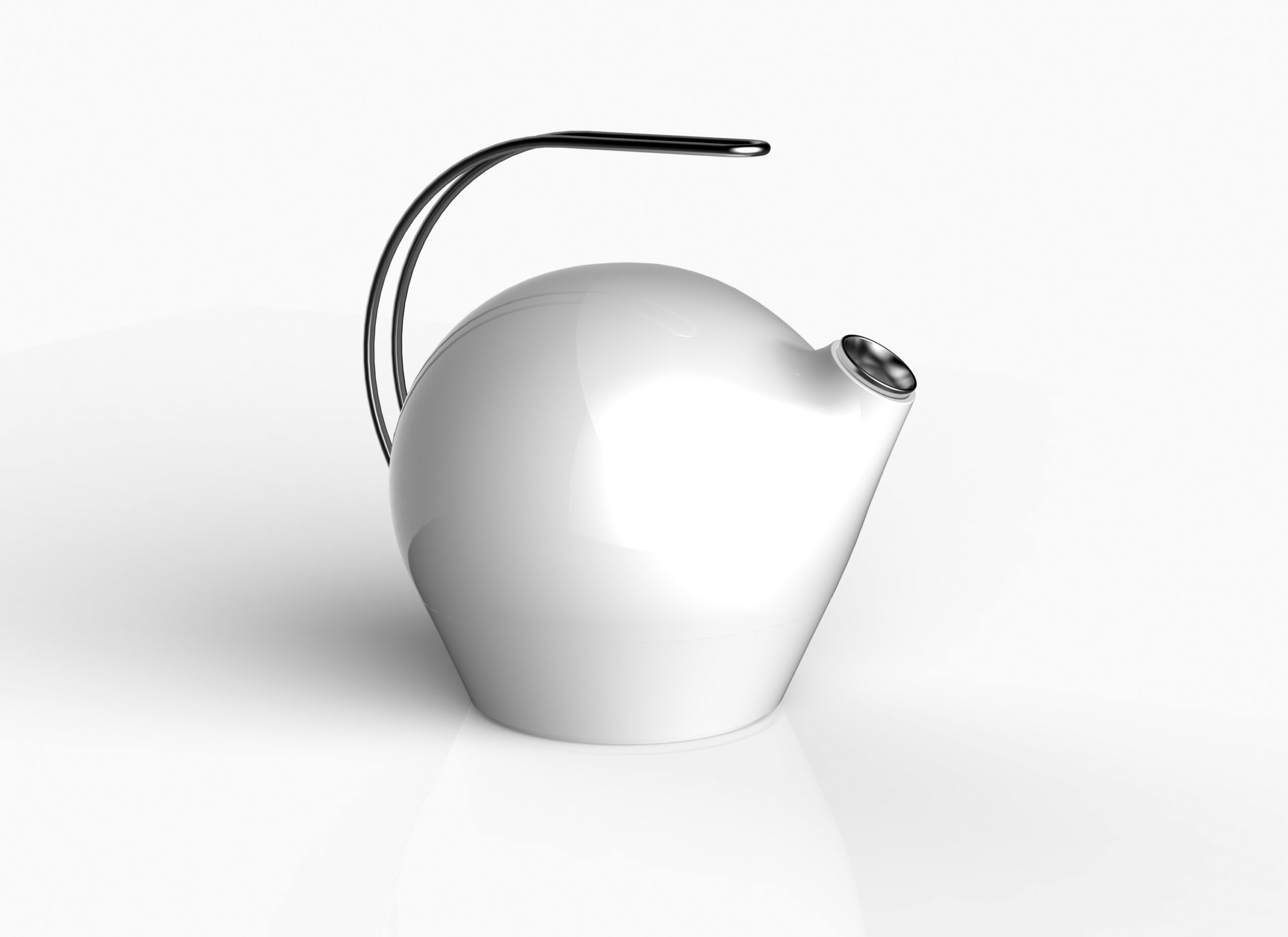
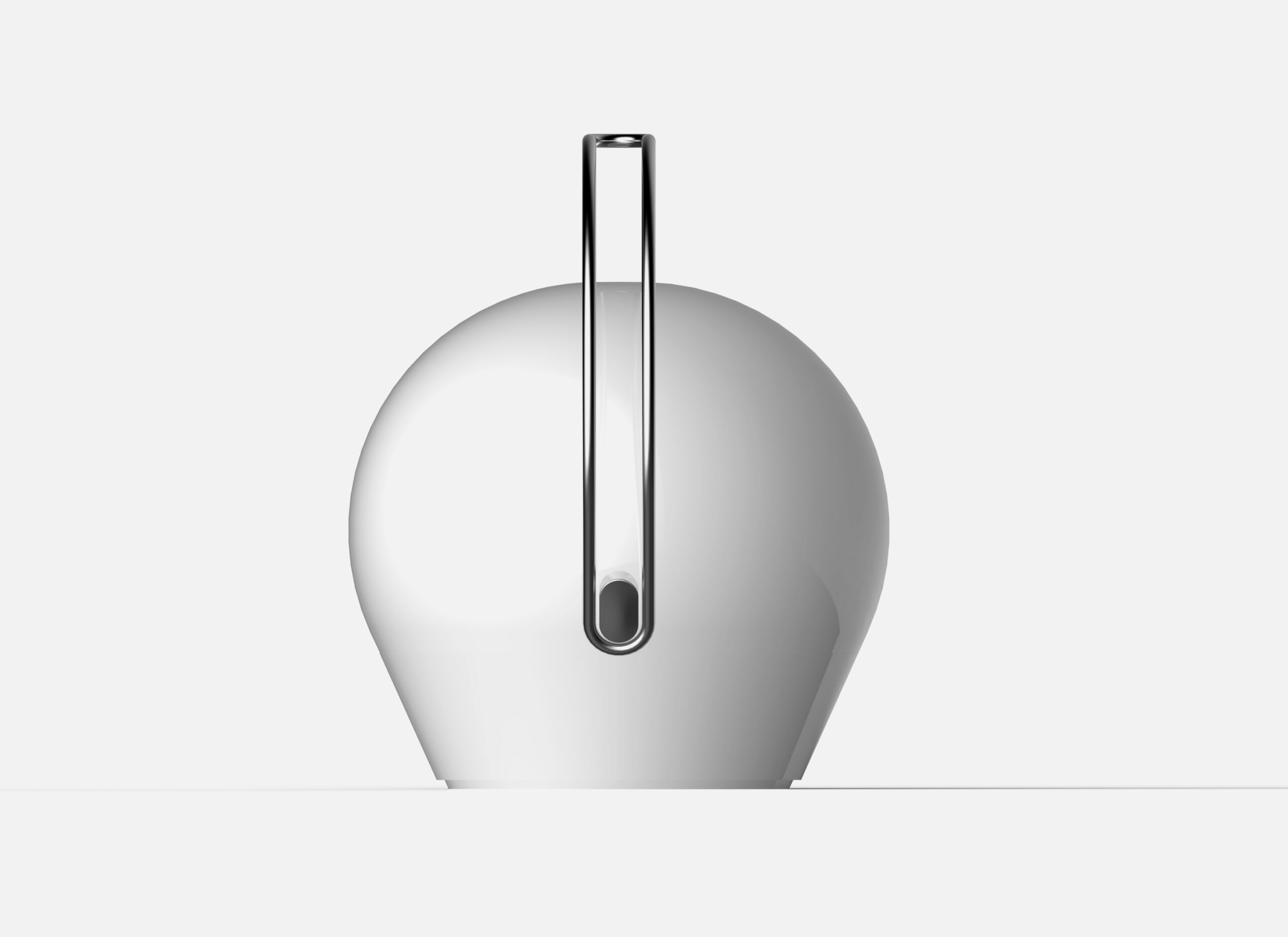
H-I – The 3D-printed technical ceramic shell of the kettle with stainless steel handle and spout detail has a distinct identity
J – Tea for Two is an all-in-one tea set designed for Scandinavia, where a cup of tea is enjoyed outside in good weather.
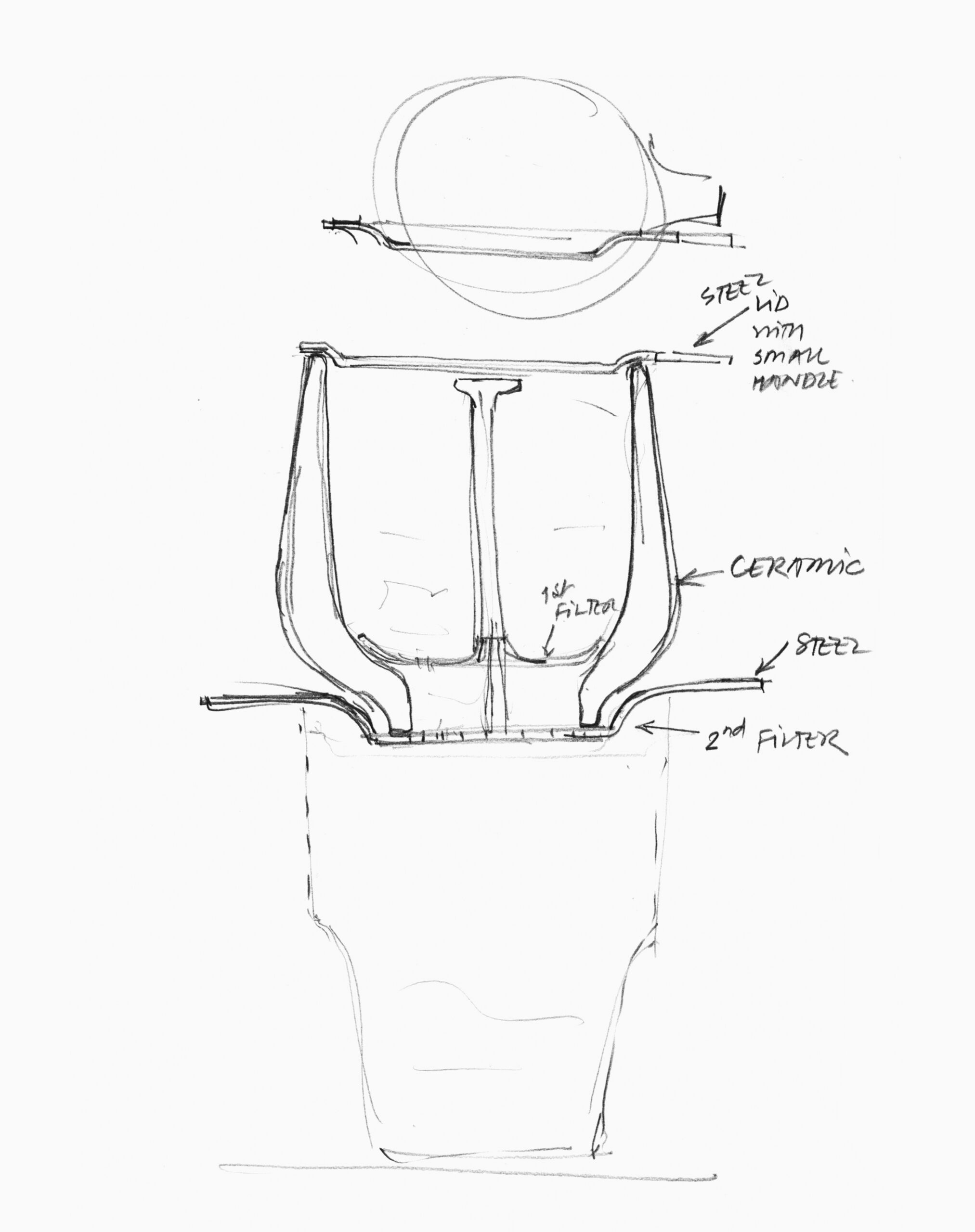
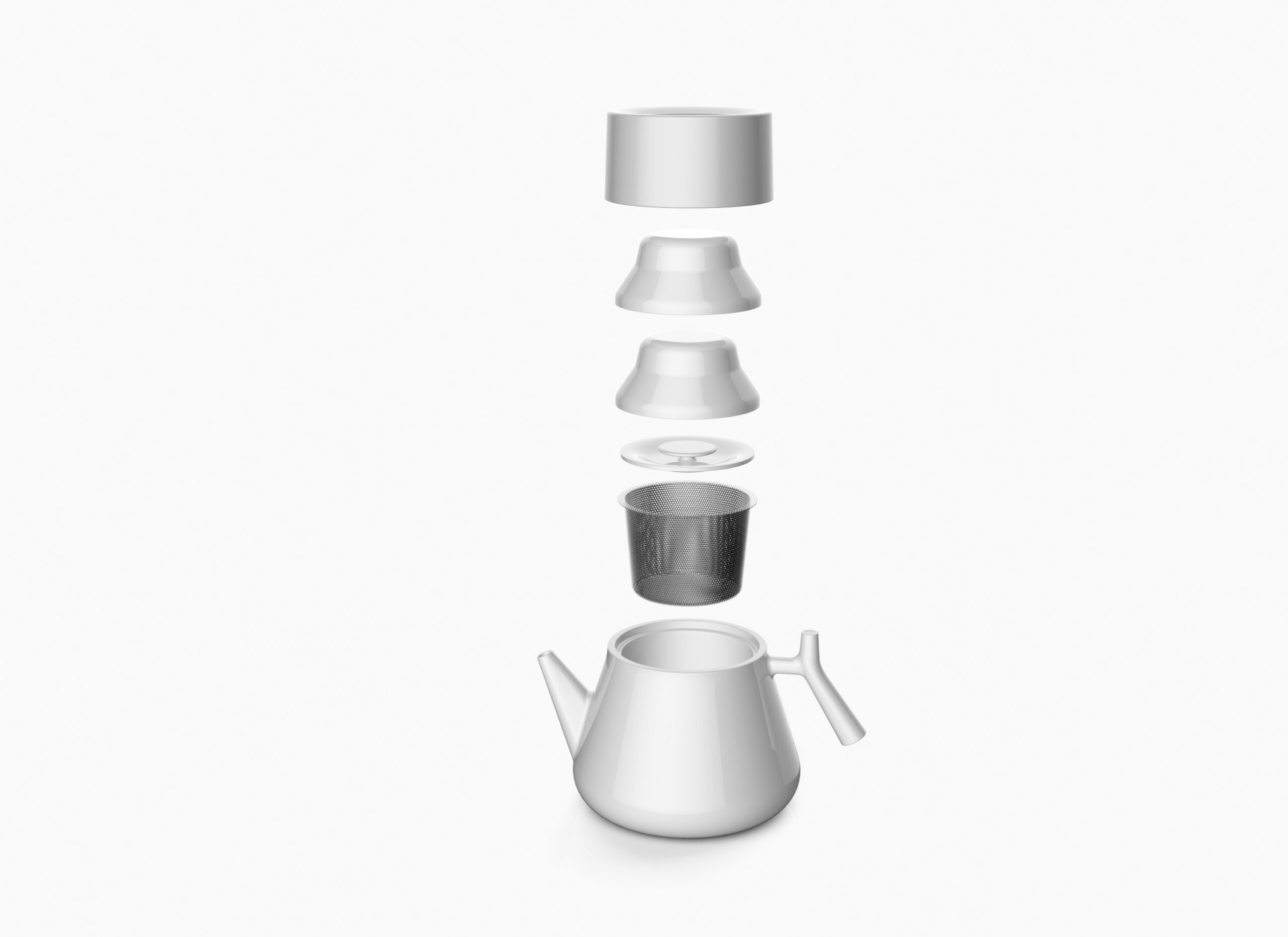
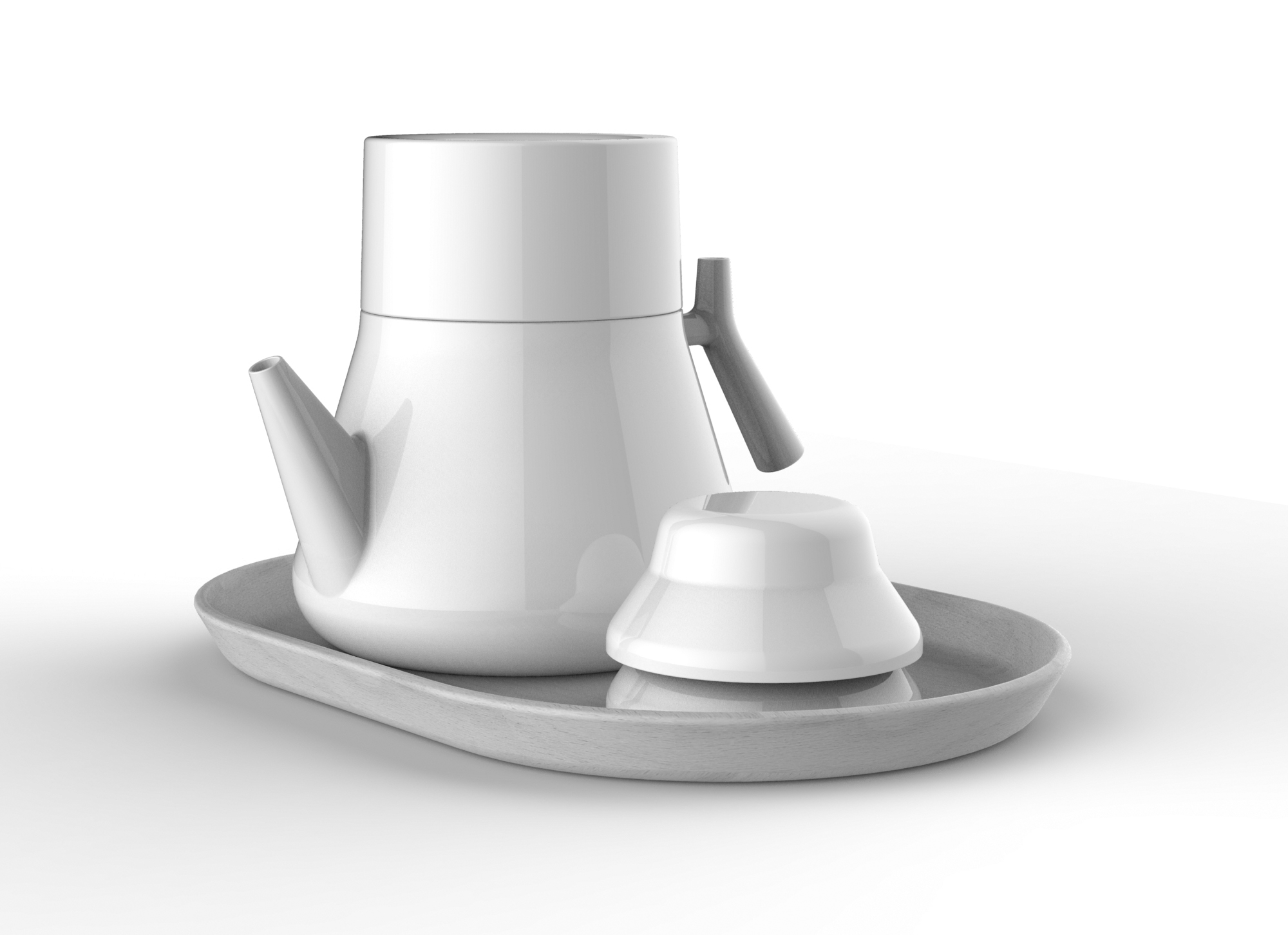
K – Tea for Two consists of a teapot and two cups stacked inside the lid. The portable set is made of porcelain with a steel infuser and sieve
L – Pakhalé creates new typologies with distinctive proportions from these sketch models.
L – Tea for Two consists of a teapot and two cups stacked inside the lid. The portable set is made of porcelain with a steel infuser and sieve
Dr. Ambedkar National Centre for Social Justice
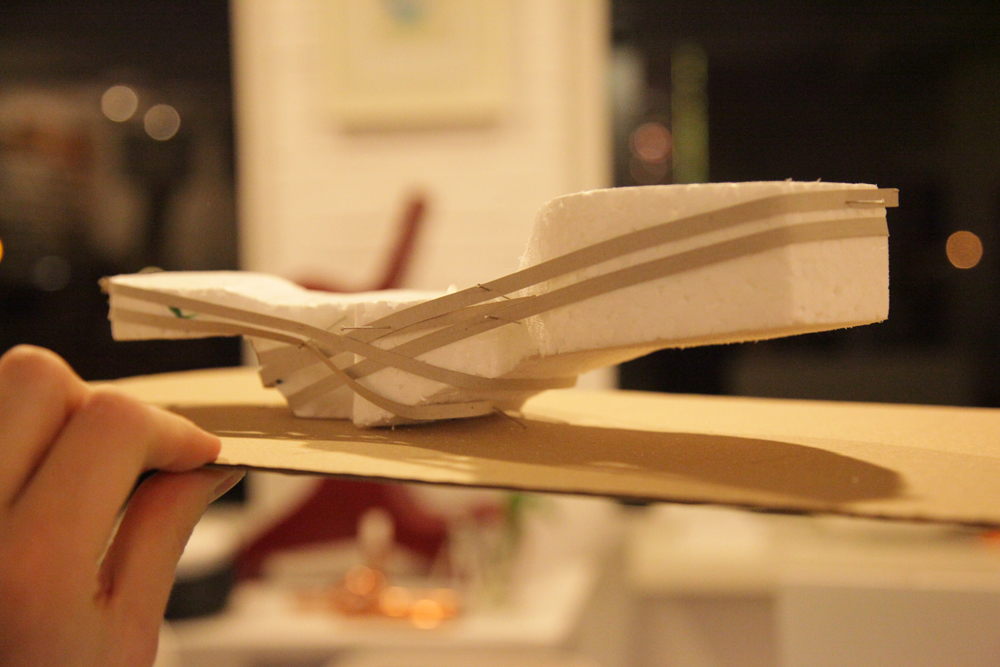
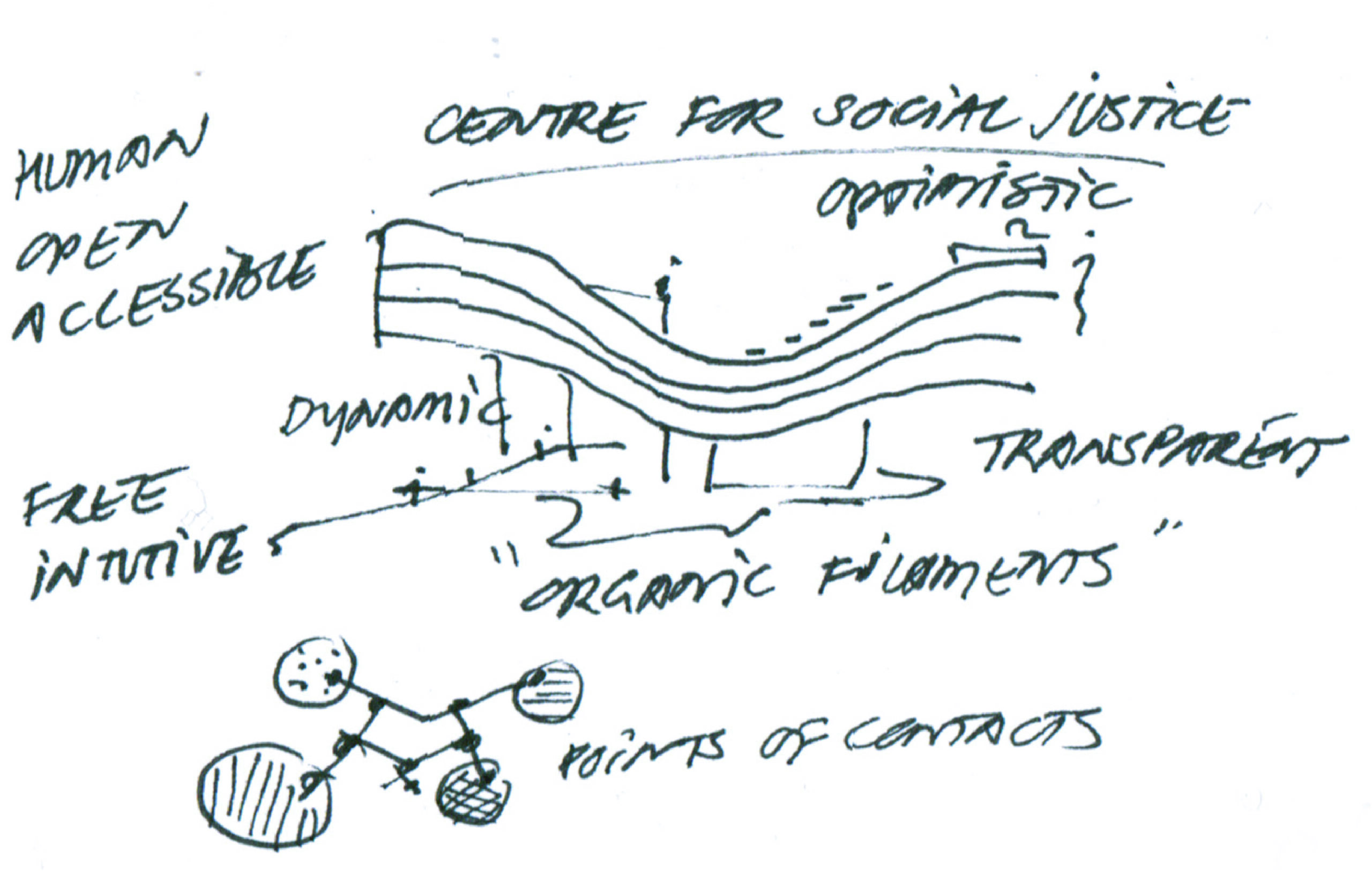
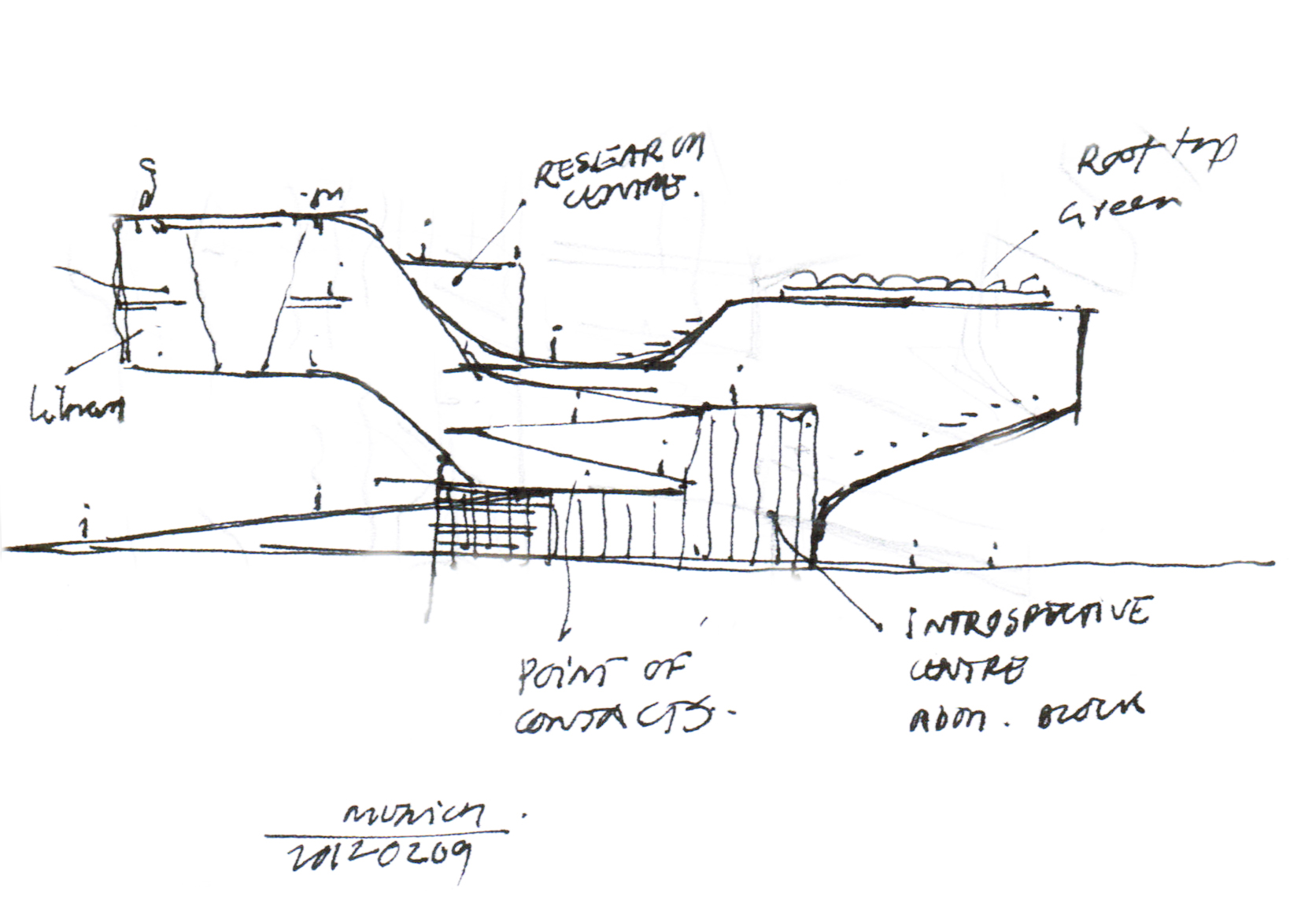
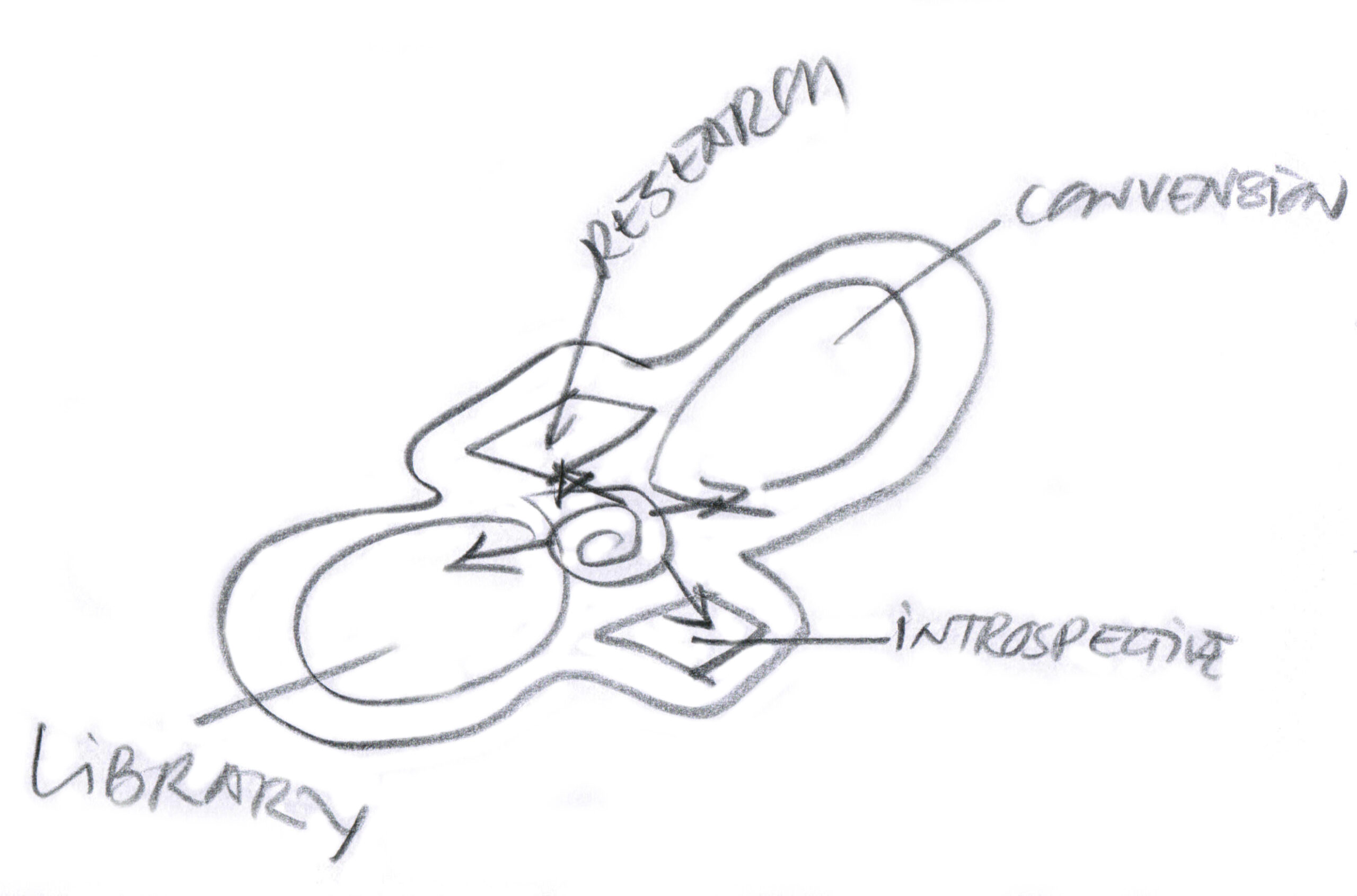
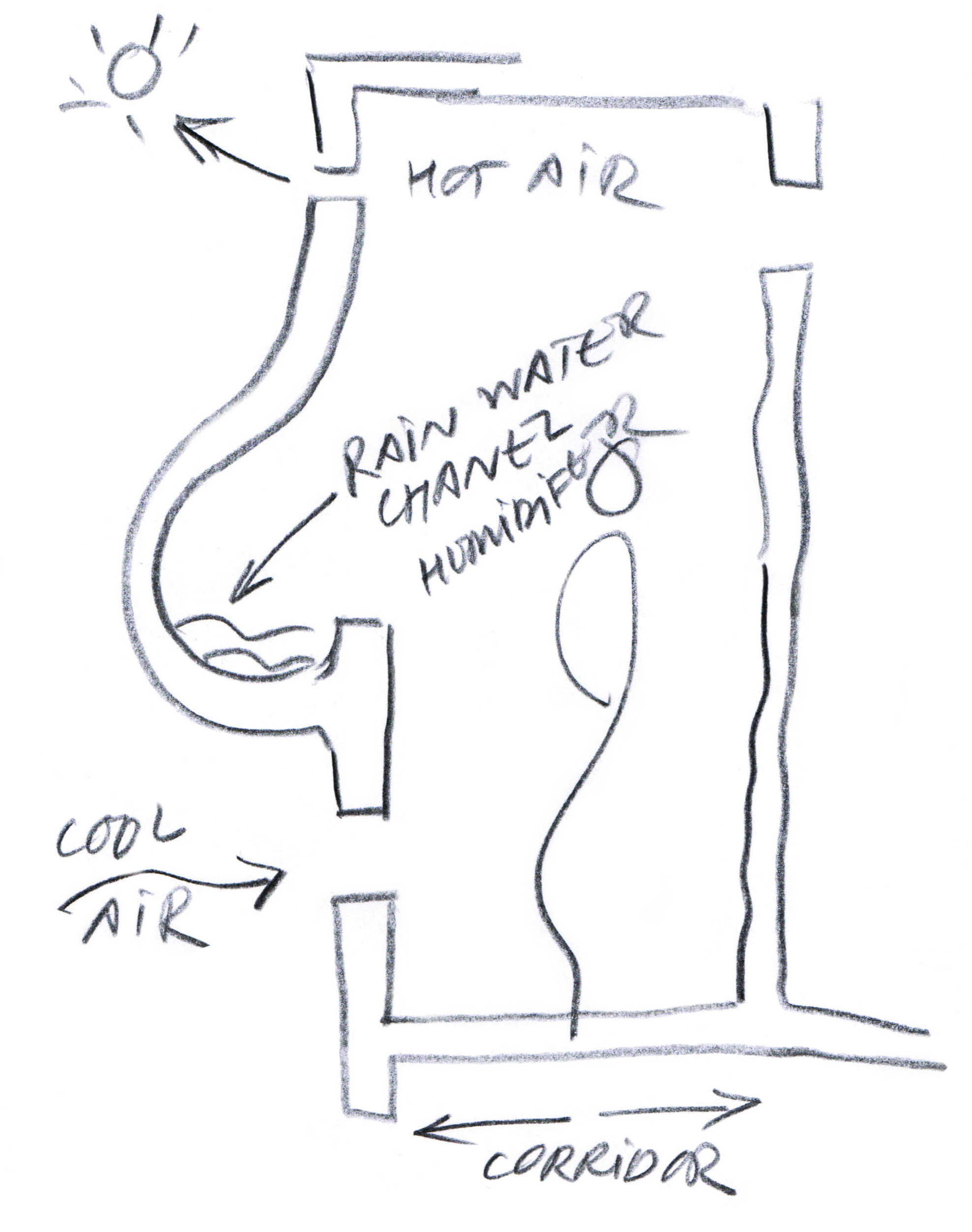
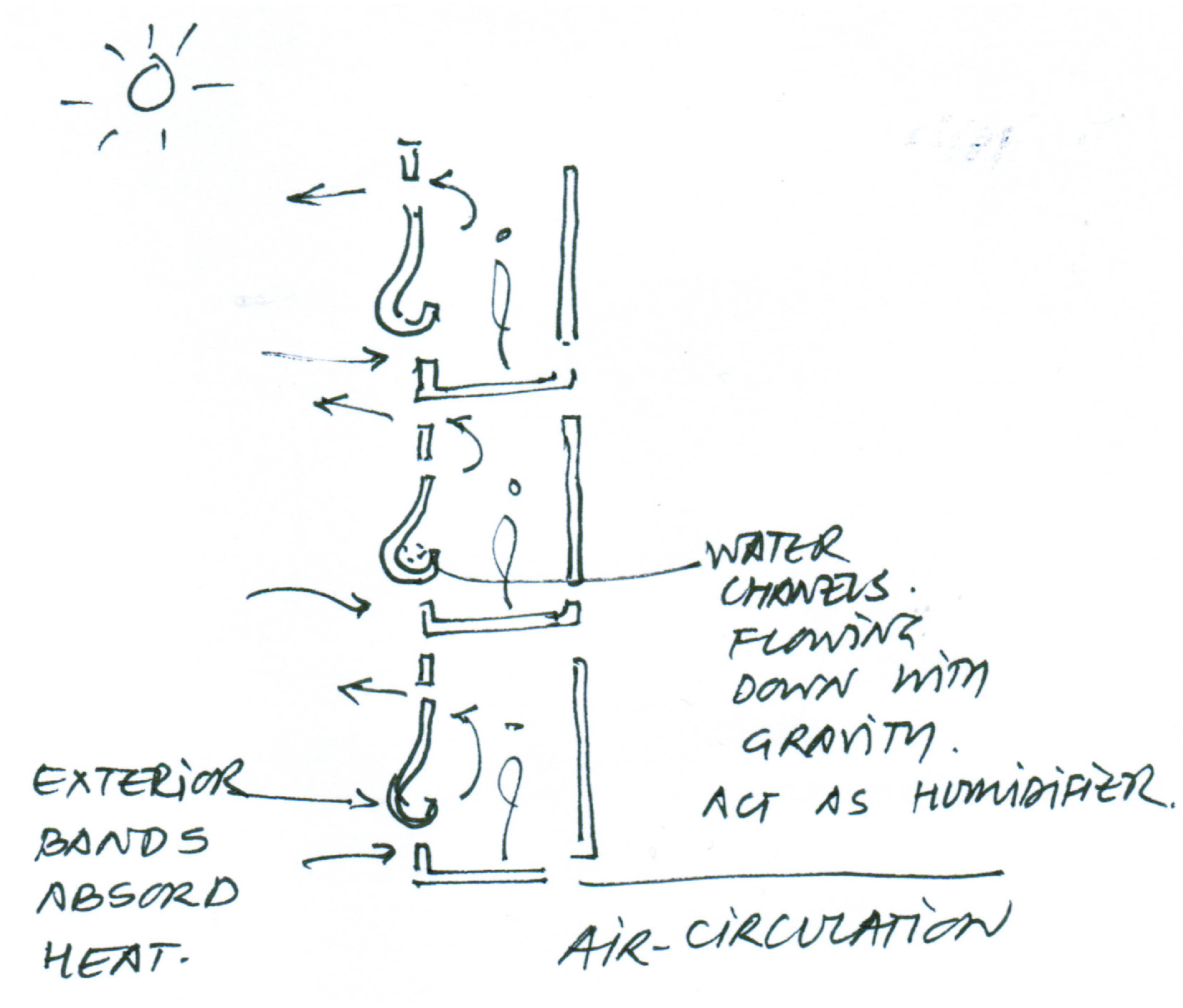
The architectural programme of the centre consists of four components: a public library with research centre; a media-cum-introspection centre; a convention hall; and an administrative wing. Taking the given programme as a starting point, Pakhalé treated the four components as separate elements that are held together, for as Ambedkar himself said: ‘The strength of a society depends upon the presence of points of contact, possibilities of interaction between different groups that exist in it. These are what Carlyle calls “organic filaments”, i.e. the elastic threads which help bring the disintegrating elements together and reunite them.’ This quote accompanied Pakhalé in the design process, providing him with a powerful metaphor for uniting the separate elements of his design. The emblematic ‘elastic threads’ thus became elastic bands and a core concept. The bands on this building are designed to shield against the sun’s glare, while encouraging air to pass through. The significance of the bands goes much further than their symbolic meaning. The idea facilitates the age-old practice of harvesting rainwater, for evaporative, passive cooling. The water is first collected and stored on the roof. Gradually, it circulates in channels integrated in the bands, cooling the air as it passes through the fins, and collecting in the water basin at the base of the building. The Social Justice Centre’s design is open and accessible, expressing optimism with equanimity and representing the potentially non-stratified society that Ambedkar envisioned.
The centre disseminates the ideas and philosophy of social justice, inclusivity, diversity and social development by organizing symposia, workshops and exhibitions on related issues. Often public buildings are intimidating and not at all accessible and inviting as their as their presence exerts authority. To reflect Dr. Ambedkar’s vision of a plural, non-stratified society, Pakhalé created an architectural space that is accessible and non-hierarchical. He did this by removing the conventional staircases and instead creating site-specific continuous ramps flowing through the entire architectural space. These form the central spiral rotunda that allows users of the building to seamlessly navigate the entire space in and around (and on top of) the centre in an intuitive manner.
– Satyendra-Pakhalé, Satyendra-Pakhalé-Culture-of-Creation, nai010 Publishers, Rotterdam, 2019, NL, page 364
01-Satyendra-Pakhale-working-on-Social-Justice-Center-project-model
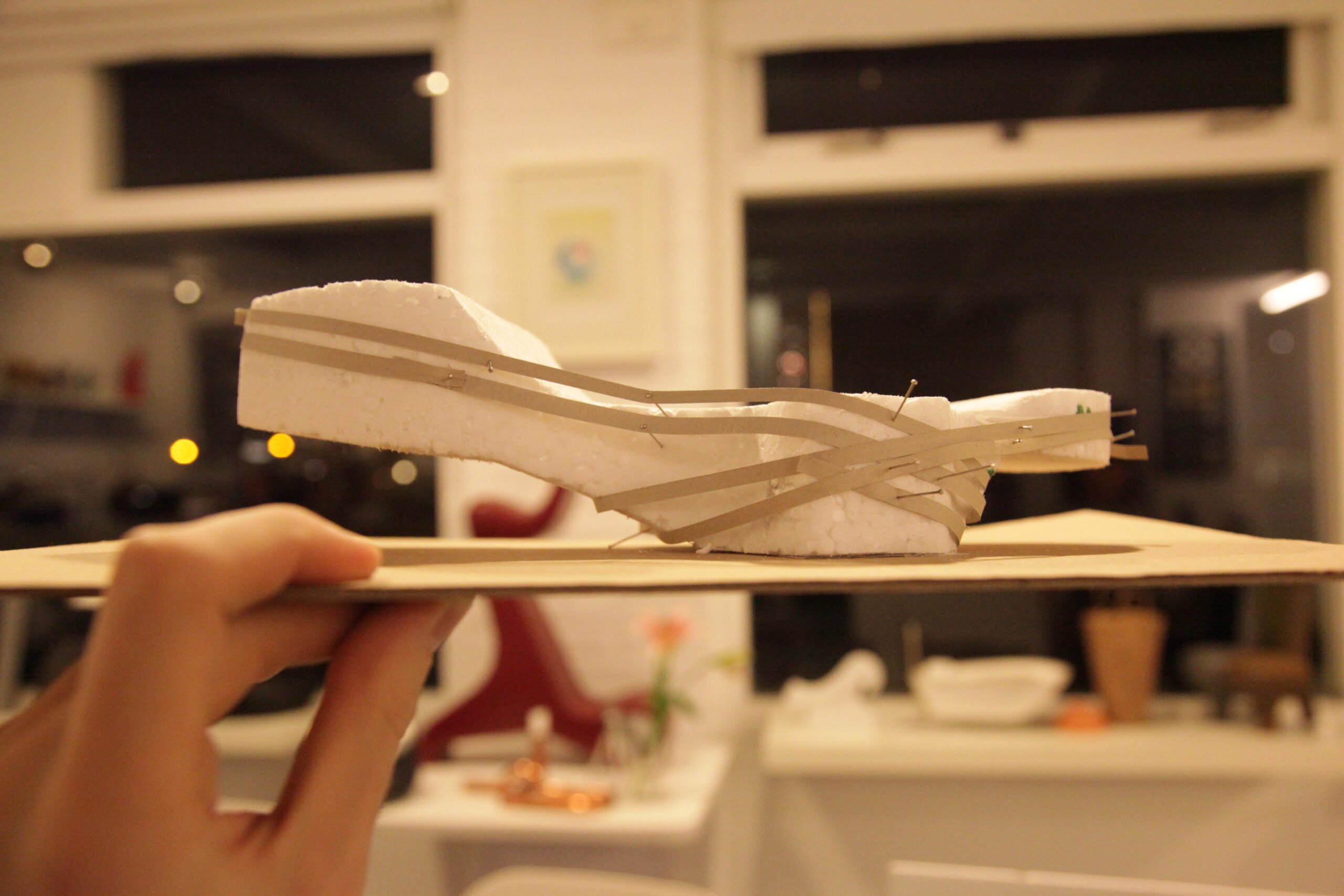
02-Satyendra-Pakhale-working-on-Social-Justice-Center-project-model
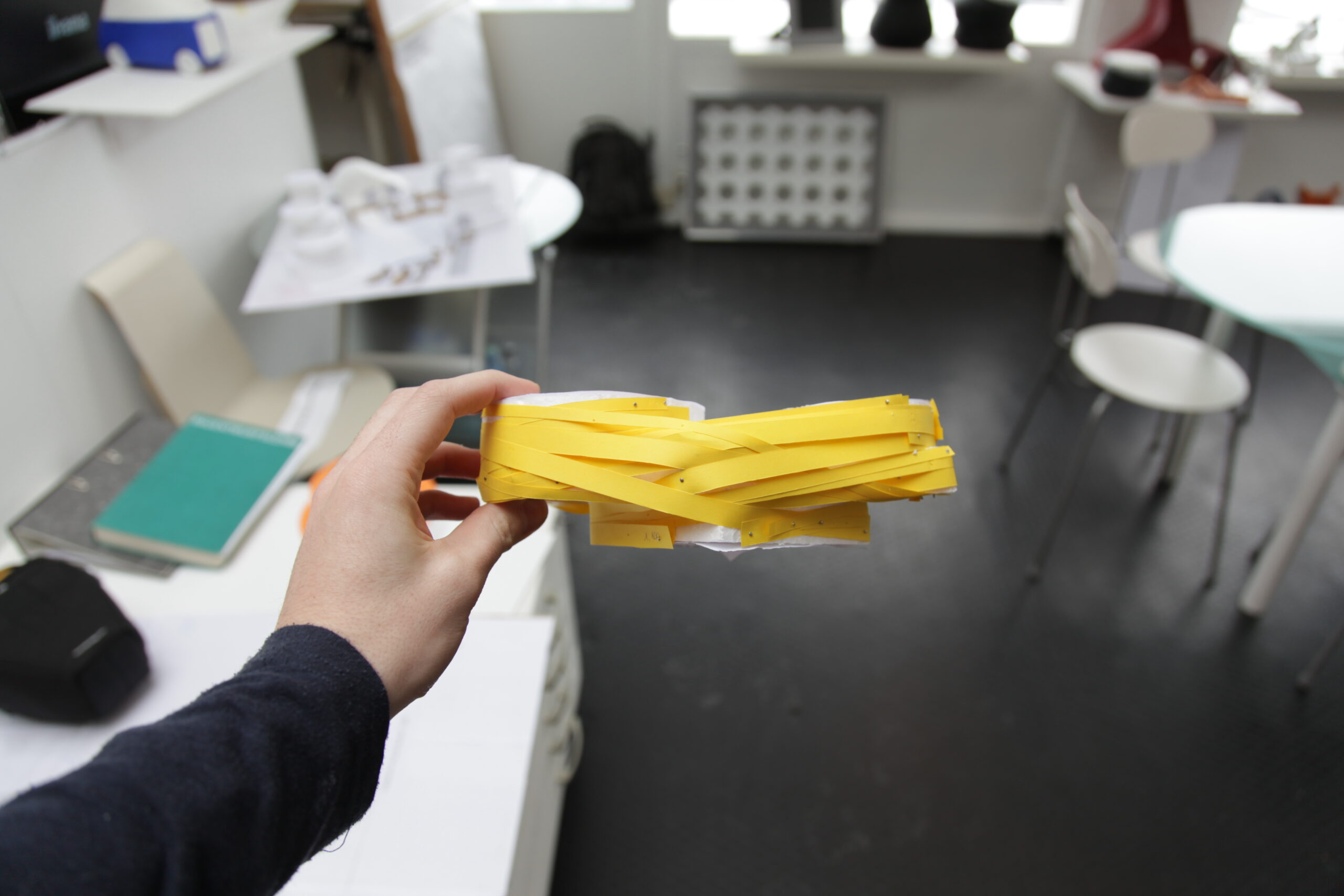
03-Satyendra-Pakhale-working-on-Social-Justice-Center-project-model
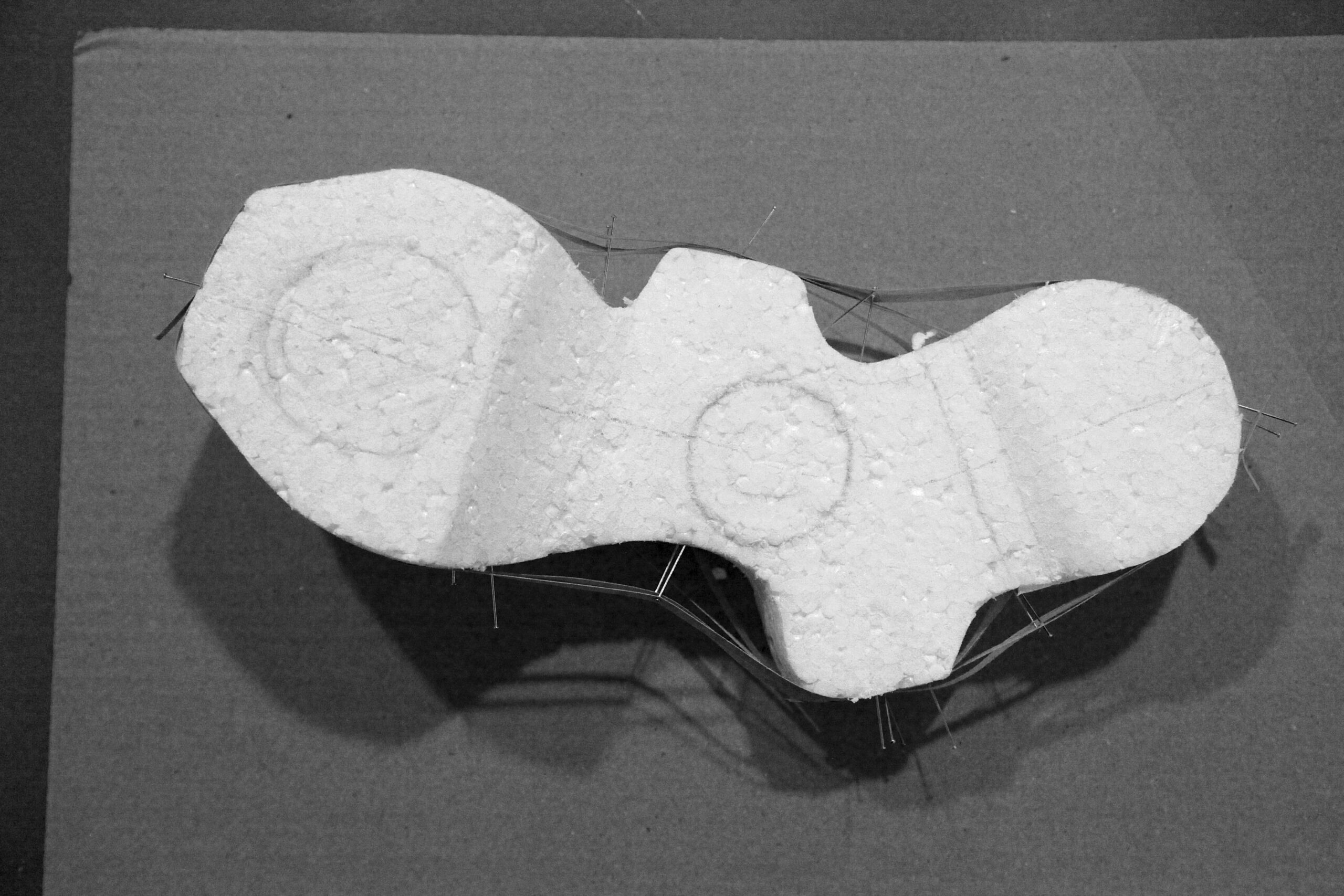
04-Satyendra-Pakhale-working-on-Social-Justice-Center-project-model
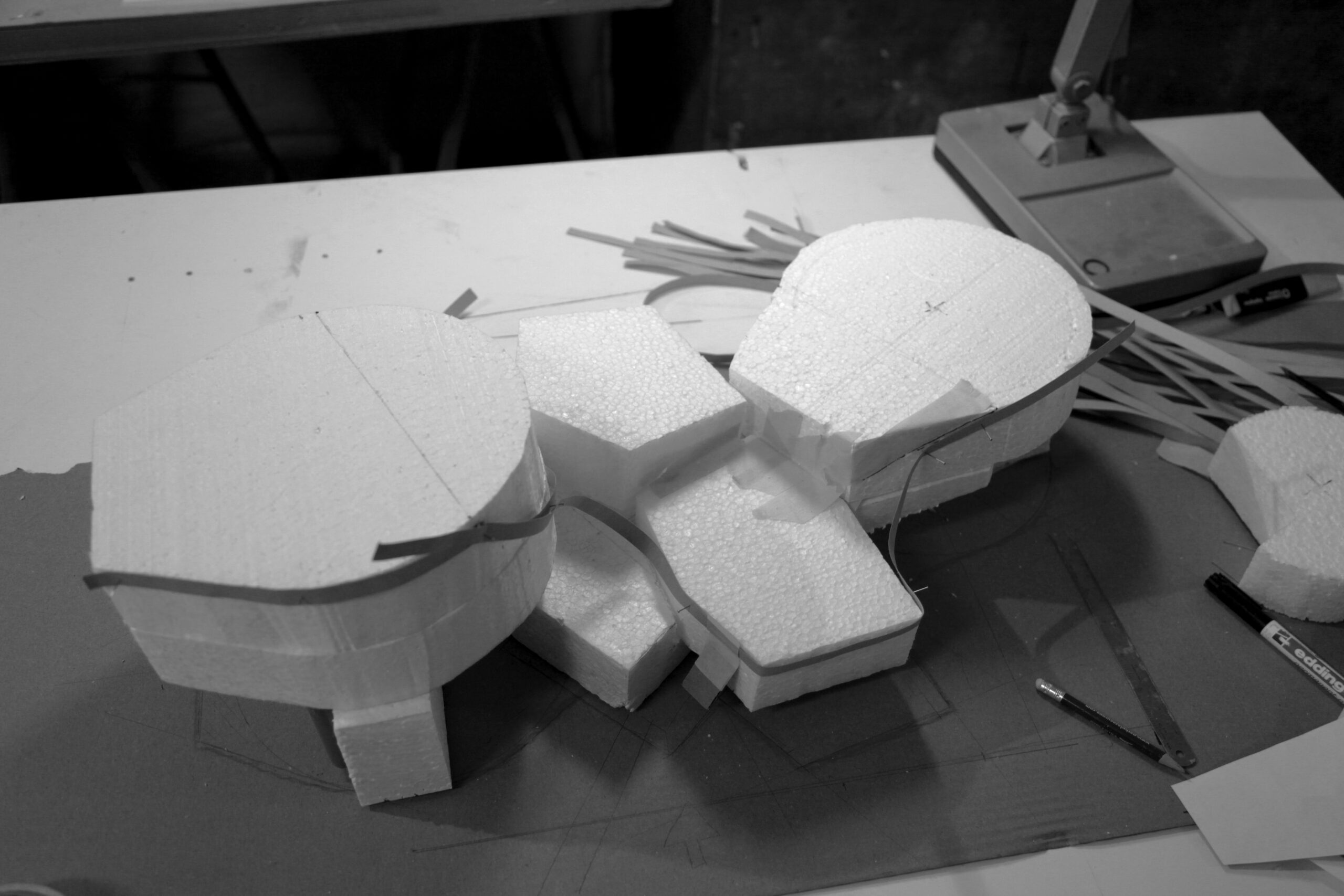
05-Satyendra-Pakhale-working-on-Social-Justice-Center-project-model
06-Satyendra-Pakhale-working-on-Social-Justice-Center-project-model
07-Satyendra-Pakhale-working-on-Social-Justice-Center-project-model
08-Satyendra-Pakhale-working-on-Social-Justice-Center-project-model
09-Satyendra-Pakhale-working-on-Social-Justice-Center-project-model
10-Satyendra-Pakhale-working-on-Social-Justice-Center-project-model
03.03 Racial Justice
Extending his inquiry beyond India, Pakhalé has engaged deeply with the global histories of racial injustice. The writings of Isabel Wilkerson on systemic hierarchy resonate with his understanding of embedded inequality. Through research at the Schomburg Center for Research in Black Culture and visits to institutions dedicated to African American history, he has immersed himself in the lived and historical realities of racial oppression. This engagement informs his broader view of design as a practice attentive to memory, dignity, and representation.
‘The problem in the world is a narrative. And that’s a primary problem.
And often we use words we really never think deeply about. You think we just use them so casually as if they are the second nature.
Often in the meetups or any organization or any events like this, we hardly find people from all kind of sectors. And funnily enough, the projects and the products we are talking about, the funding and all of that, in this context, design, if I could talk about very specifically in a plural sense, is a structurally exclusive profession. I use my words very carefully and responsibly.
What I mean by structurally exclusive is if you go to the design schools, which I had a possibility and honor to go and teach very early on in early 1999 to 2000, so that’s 25 plus years ago, I never saw Dutch, Caribbean folks, Indonesian, Moroccan, or Dutch, Turkish folks. I mean, never. And when I ask, hey, this is a country that has such a long legacy of slavery, where are these people? I got very crazy answers.
It took me almost 25 years to really understand this structural problem and why these people are never, allow me to say, not allowed to go to schools like this. That’s the right word. It’s not that they don’t have a talent, it’s not that they don’t have a desire, it’s not that, and those who manage to go one or two, I know a boy with a talent at this level, coming with the, a Dutch boy, I call him, with the Turkish parent, another Dutch boy with both native Dutch parents, white parents, not at the same high level, and today the Dutch boy with the Turkish parent works in a factory, and the other guy has hundreds of thousands of followers on Instagram and creates his work.
This is just the fact of reality I personally observe. You can make your conclusions. What I really realize is that the primary narratives, we have to really challenge them.
Question them. And one of the easiest thing if you look at, the moment you do design, design is predominantly considered Western. So thank you for picking up that word, and I will pick that word even more.
It’s not a neutral word. It is loaded with presumptions, biases, and the extreme manifestation of that so-called Western, Western democracy, Western this, Western that, is what you see in the White House now. The extreme representation of that.
And if you don’t really question those things, that’s why I started thinking about narratives early on. And the moment I started doing work the way I was doing, it was classified as the other, the ethnic, the whatever, the craft, the culture, whatever. And I consistently, persistently denied those narratives.
I consistently, persistently, even forcefully told about not to talk about me, a designer, and associate with my background. Because when you say because, so you don’t say, hey, Spanish artist. When you say historic, you don’t say his effect.
You just say stark. When my name comes, it comes, hey, Indian designer. So the Indian becomes heavy.
Not that I deny it, but I don’t want to be defined by the narrative of India. I am going to be defined by my ingenuity or whatever I bring to the table. So that’s the problematic of our language.
And that we need to correct all the time, also. So when you talk about modernity, because design is about modernity, innovation, and all that, I always talk about modernity not as a modernity, because the modernity has implied meaning, and a lot of people don’t talk about it clearly, is a Christian modernity. Nothing against any religion.
Everybody has a right to believe all the religions. But therefore, I always say secular modernity. I always call social cohesion.
I always talk about modernity as a social modernity. Modernity that includes, modernity that has a plural expression, and modernity that really talks about humanity. Not about industrial production, not about how do you increase the production, not about other technology we’re using, what we call artificial, yeah, artificial, what is that, stupidity note? Yeah, so these are the questions.
So I’m particularly talking about modernity. So when you create some work, it’s very important that you don’t get placed in a wrong hockey. That is really the issue.
And the tendency of the system is to make you invisible, a lot of us spoke about it, and to put you in a category you don’t belong. Because they don’t have a narrative for you what the categories they already have. So this is a problem.
It makes you invisible, it becomes tough and tough and tough to sustain even, forget about thriving. This is just the reality. Apparently, it looks like you’re succeeding, but you have a consistent fight all along, actually.
And the narratives around the world, they are not particularly in the countries having a long legacy of slavery or coloniality, but also across the world has the same, they ate the same soup. So they don’t look at the world from the same lens as well. So the issue here, primary issue in all of this, eventually to either to get funding, either to get support, either to have possibility to do what you want to do is primarily about one thing, that’s narrative.
And please be careful about using the words we use and ask that question. Don’t use the word blindly Western, don’t use the word blindly anything, really ask the question. And if we could ask that question, we could make change.
If we don’t, we’ll get into the new paradigm, but still have the disease from the previous paradigm. And that is really the issue of our time, actually. It is a time to ask the primary question.’
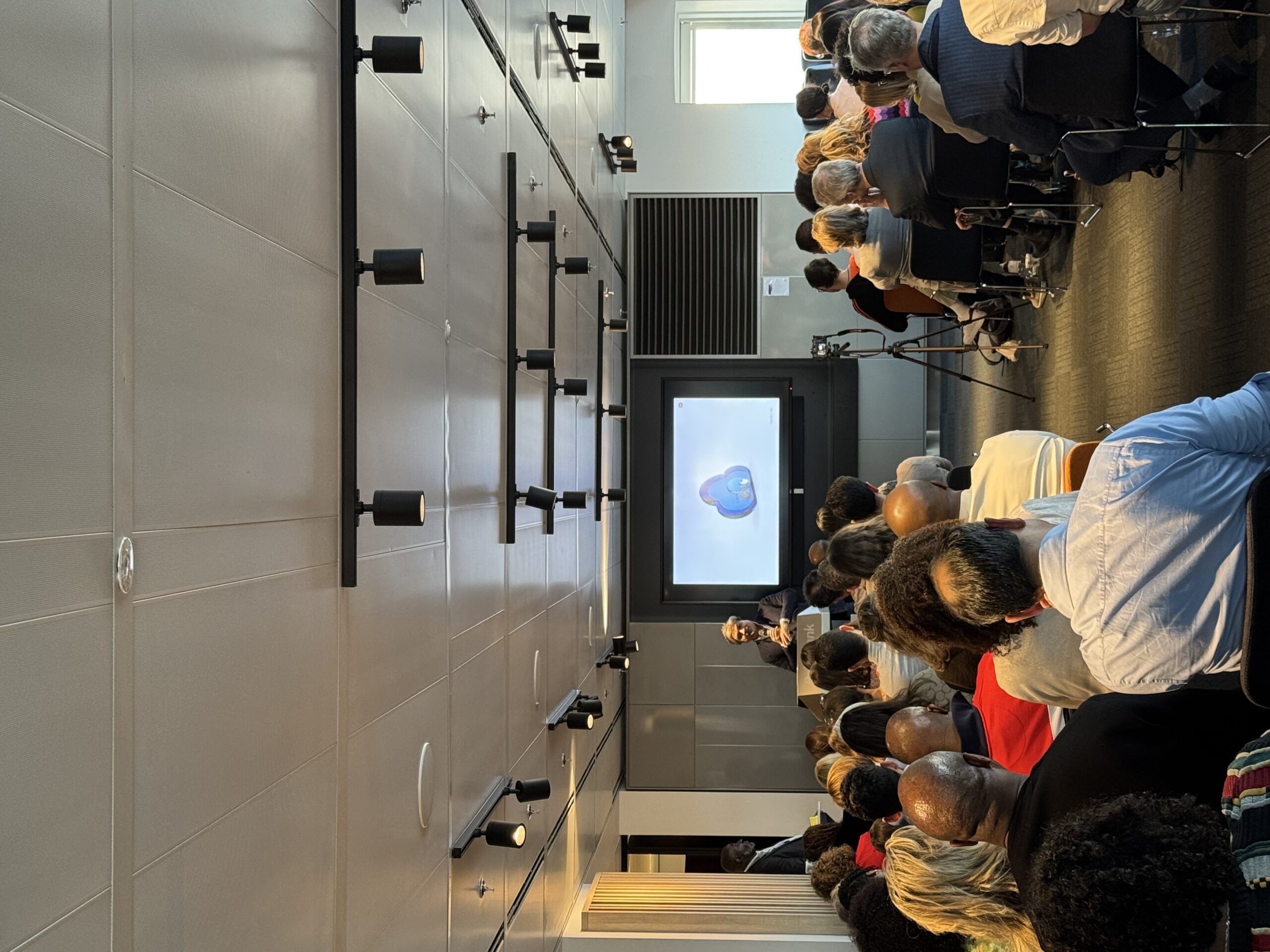
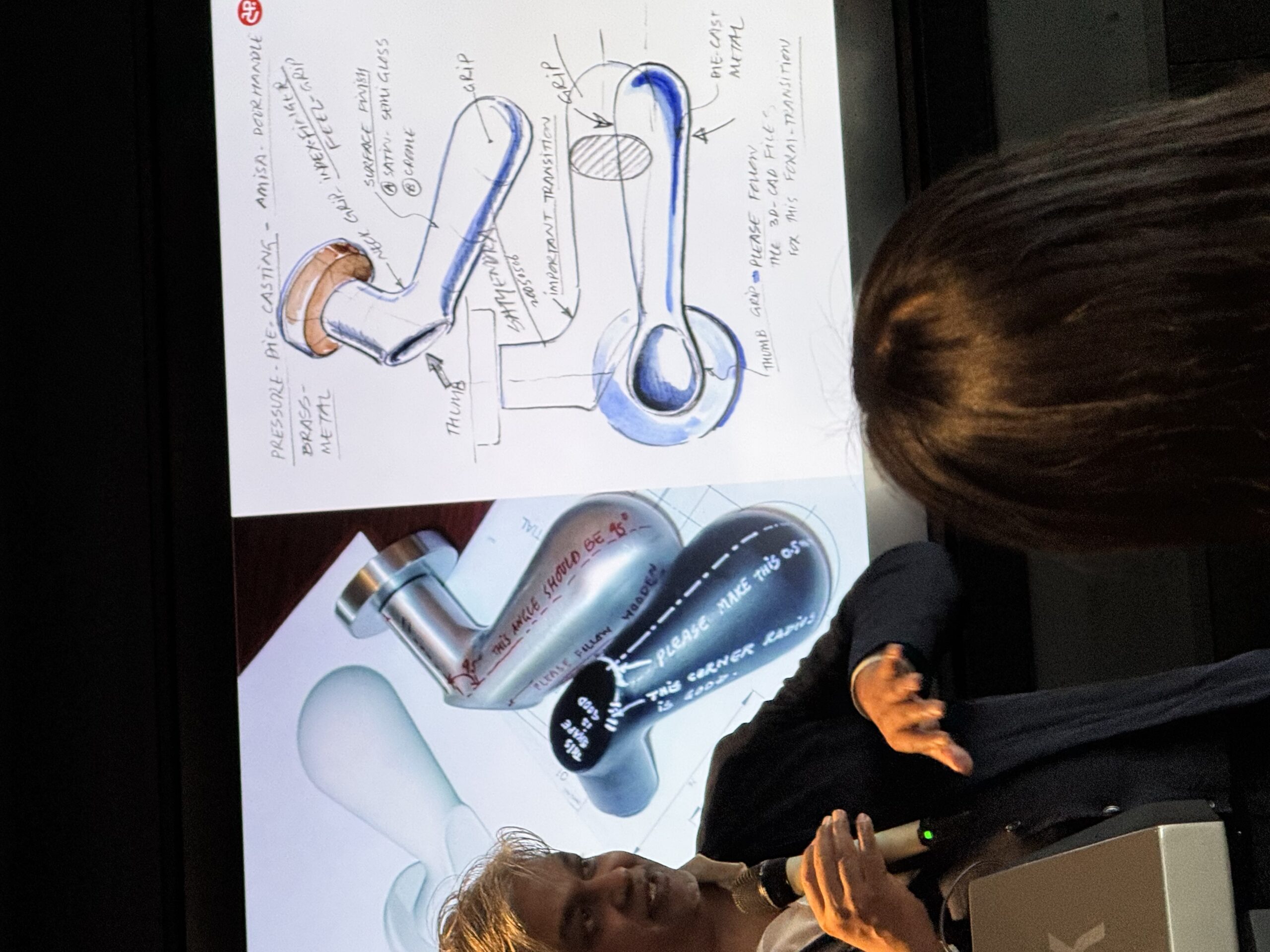
– Satyendra-Pakhalé, extract from the Talk at DNNL, UnConference 2026
01-Satyendra-Pakhale-Talk-DNNL-Un-Conference
02-Satyendra-Pakhale-Talk-DNNL-Un-Conference
03-Satyendra-Pakhale-Talk-DNNL-Un-Conference
04-Satyendra-Pakhale-Talk-DNNL-Un-Conference
05-Satyendra-Pakhale-Talk-DNNL-Un-Conference
03.04 Caste
Pakhalé approaches caste as a deeply entrenched social structure that assigns hierarchical value to human life. Influenced by Phule’s pioneering critique and Ambedkar’s constitutional reforms, he views caste not merely as a historical phenomenon but as a continuing moral challenge. Contemporary analyses, such as those by Isabel Wilkerson, which compare caste systems across India, the United States, and Nazi Germany, reinforce his understanding of caste as a structural grammar of inequality. His design philosophy responds by advocating pluralism, equality, and social cohesion.”
American Academy of Arts and Sciences
QUOTES | WILKERSON, CASTE, 2020
Quote01
“A caste system is an artificial construction, a fixed and embedded ranking of human value that sets the presumed supremacy of one group against the presumed inferiority of other groups on the basis of ancestry and often immutable traits, traits that would be neutral in the abstract but are ascribed life-and-death meaning in a hierarchy favoring the dominant caste whose forebears designed it. A caste system uses rigid, often arbitrary boundaries to keep the ranked groupings apart, distinct from one another and in their assigned places.” – Wilkerson, Isabel, Caste: The Origins of Our Discontents, New York: Random House, 2020, p 17-18
Quote02
“Throughout human history, three caste systems have stood out. The tragically accelerated, chilling, and officially vanquished caste system of Nazi Germany. The lingering, millennia-long caste system of India. And the shape-shifting, unspoken, race-based caste pyramid in the United States. Each version relied on stigmatizing those deemed inferior to justify the dehumanization necessary to keep the lowest-ranked people at the bottom and to rationalize the protocols of enforcement. A caste system endures because it is often justified as divine will, originating from sacred text or the presumed laws of nature, reinforced throughout the culture and passed down through the generations. Caste is the wordless usher in a darkened theater, flashlight cast down in the aisles, guiding us to our assigned seats for a performance. The hierarchy of caste is not about feelings or morality. It is about power, which groups have it and which do not. It is about resources, which caste is seen as worthy of them and which are not, who gets to acquire and control them and who does not. It is about respect, authority, and assumptions of competence, who is accorded these and who is not.” – Wilkerson, Isabel, Caste: The Origins of Our Discontents, New York: Random House, 2020, p 17-18
Quote03
“[…] In the American caste system, the signal of rank is what we call race, the division of humans on the basis of their appearance. In America, race is the primary tool and the visible decoy, the front man, for caste.
Race does the heavy lifting for a caste system that demands a means of human division. If we have been trained to see humans in the language of race, then caste is the underlying grammar that we encode as children, as when learning our mother tongue. Caste, like grammar, becomes an invisible guide not only to how we speak, but to how we process information, the autonomic calculations that figure into a sentence without our having to think about it. […]”- Wilkerson, Isabel, Caste: The Origins of Our Discontents, New York: Random House, 2020, p 17-18
Quote04
“In the same way black and white were applied to people who were literally neither, but rather gradations of brown and beige and ivory, the cast system sets people at poles from one another and attaches meaning to extremes, and to the gradations in between, and then reinforces those meanings, replicates them in the roles each caste was and is assigned and permitted or required to perform, […]”– Wilkerson, Isabel, Caste: The Origins of Our Discontents, New York: Random House, 2020, p 17-18
Quote05
“Caste and race are neither synonymous nor mutually exclusive. They can and do coexist in the same culture and serve to reinforce each other. Race, in the United States, is the visible agent of the unseen force of caste. Caste is the bones, race the skin. Race is what we can see, the physical traits that have been given arbitrary meaning and become shorthand for who a person is. Caste is the powerful infrastructure that holds each group in its place.”
“Caste is fixed and rigid. Race is fluid and superficial, subject to periodic redefinition to meet the needs of the dominant caste in what is now the United States.” […]
“The fact of a dominant caste has remained constant from its inception” […]The use of inherited physical characteristics to differentiate inner abilities and group value may be the cleverest way that a culture has ever devised to manage and maintain a caste system.“As a social and human division,” wrote the political scientist Andrew Hacker of the use of physical traits to form human categories, “it surpasses all others, even gender, in intensity and subordination.” – Wilkerson, Isabel, Caste: The Origins of Our Discontents, New York: Random House, 2020, p 17-18
Quote06
“To justify their plans, they took pre-existing notions of their own centrality, reinforced by their self-interested interpretation of the Bible, and created a hierarchy of who could do what, who could own what, who was on top and who was on the bottom and who was in between. There emerged a ladder of humanity, global in nature, as the upper-rung people would descend from Europe with rungs inside that designation, the English Protestants at the very top as their guns and resources would ultimately prevail in the bloody fight over North America. Everyone else would rank in descending order on the basis of their proximity to those deemed most superior. The ranking would continue downward until one arrived at the very bottom African captives transported to build the New World and to serve the victors for all their days, one generation after the next, for twelve generations.” – Wilkerson, Isabel, Caste: The Origins of Our Discontents, New York: Random House, 2020, p 23
Quote07
There was little confusion among some of the leading white supremacists of the previous century as to the connections between India’s caste system and that of the American South, where the purest legal caste system existed in the United States. “A record of the desperate efforts of the conquering upper classes in India to preserve the purity of their blood persists until this very day in their carefully regulated system of castes,” wrote Madison Grant, a popular eugenicist, in his 1916 bestseller, The Passing of the Great Race. “In our Southern States, Jim Crow cars and social discriminations have exactly the same purpose.”A caste system has a way of filtering down to every inhabitant, its codes absorbed like mineral springs, setting the expectations of where one fits on the ladder. “The mill worker with nobody else to ‘look down on,’ regards himself as eminently superior to the Negro,” observed the Yale scholar Liston Pope in 1942. “The colored man represents his last outpost against social oblivion.”It was in 1913 that a prominent southern educator, Thomas Pearce Bailey, took it upon himself to assemble what he called the racial creed of the South. It amounted to the central tenets of the caste system. One of the tenets was “Let the lowest white man count for more than the highest negro.”That same year, a man born to the bottom of India’s caste system, born an Untouchable in the central provinces, arrived in New York City from Bombay. That fall, Bhimrao Ambedkar came to the United States to study economics as a graduate student at Columbia, focused on the differences between race, caste, and class. Living just blocks from Harlem, he would see firsthand the condition of his counterparts in America. He completed his thesis just as the film Birth of a Nation, the incendiary homage to the Confederate South, premiered in New York City in 1915. He would study further in London and return to India to become the foremost leader of the Untouchables and a preeminent intellectual who would help draft a new Indian constitution. He would work to dispense with the demeaning term Untouchable. He rejected the term Harijans applied to them by Gandhi, patronizingly so to their minds.
[…]. – Wilkerson, Isabel, Caste: The Origins of Our Discontents, New York: Random House, 2020, p 25
Quote08
“Indians had long been aware of the plight of enslaved Africans and of their descendants in the pre-Civil War United States. Back in the 1870s, after the end of slavery and during the brief window of black advancement known as Reconstruction, an Indian social reformer named Jotiba Phule found inspiration in the abolitionists. He expressed hope “that my countrymen may take their noble example as their guide.”Many decades later, in the summer of 1946, acting on news that black Americans were petitioning the United Nations for protection as minorities, Ambedkar reached out to the best known African-American intellectual of the day, W.E.B. Du Bois. He told Du Bois that he had been a “student of the Negro problem” from across the oceans and recognized their common fates. “There is so much similarity between the position of the Untouchables in India and of the position of the Negroes in America,” Ambedkar wrote to Du Bois, “that the study of the latter is not only natural but necessary.”Du Bois wrote back to Ambedkar to say that he was, indeed, familiar with him, and that he had “every sympathy with the Untouchables of India.”
Indian concept in channeling the bitter cry of his people in America: “Why did God make me an outcast and a stranger in mine own house?” – Wilkerson, Isabel, Caste: The Origins of Our Discontents, New York: Random House, 2020, p 26
Link to correspondence between W.E.B. Du Bois and B.R. Ambedkar: https://www.saada.org/explore/publications/tides/articles/what-br-ambedkar-wrote-to-web-du-bois
https://velivada.com/2019/09/03/dr-ambedkars-letter-to-w-e-b-du-bois-july-1946/
https://en.wikipedia.org/wiki/W._E._B._Du_Bois
Quote09
“I began investigating the American caste system after nearly two decades of examining the history of the Jim Crow South, the legal caste system that grew out of enslavement and lasted into the early 1970s, within the life spans of many current- day Americans. I discovered, while working on The Warmth of Other Suns, that I was not writing about geography and relocation, but about the American caste system, an artificial hierarchy in which most everything that you could and could not do was based upon what you looked like and that manifested itself north and south. I had been writing about a stigmatized people, six million of them, who were seeking freedom from the caste system in the South, only to discover that the hierarchy followed them wherever they went, much in the way that the shadow of caste, I would soon discover, follows Indians in their own global Diaspora.” – Wilkerson, Isabel, Caste: The Origins of Our Discontents, New York: Random House, 2020, p 27
03.05 Slavery
The theme of slavery occupies a foundational place in Pakhalé’s intellectual journey. Gulamgiri by Jyotirao Phule exposed the psychological and structural dimensions of bondage, linking caste oppression to broader systems of domination. Pakhalé’s continued research into global histories of enslavement—including study at the Schomburg Center for Research in Black Culture—has deepened his awareness of slavery’s enduring legacies. For him, confronting slavery is not solely about historical reckoning, but about understanding how design, culture, and social structures can either perpetuate or dismantle hierarchies of human value.
During his formative years the original copy of the seminal book of Jotirao Phule called ‘Gilamgiri’ – Slavery, published in 1873 in Marathi language was gifted to Satyendra Pakhalé by his aunt around 1984. It is seminal work by Jotirao Phule, with his pioneering work, ‘Satya Shodak Samaj’- Truth seeking society.
Subsequently some years later in early 1990’s with his deep curiosity, Satyendra Pakhalé discovered the English translation of the same book called ‘Slavery’- the book was translated from Marathi to English to be gifted to Mr. Nelson Mandela on his official trip to India after his release from the prison in 1990.
Gulamgiri(which means “slavery”) is an influential book written by the pioneering social reformer Jyotirao Phule in 1873. It is considered one of the first and most important works to sharply criticize the Indian caste system.
Satyashodhak Samaj, 1873 : Jyotirao founded this “Society of Seekers of Truth” to demand equal rights for historically opressed castes and all women. The organization rejected the need for priests as intermediaries and promoted rational thinking, a social revolution of its kind without any bloodshed
Collaboration with Fatima Sheikh
When Phule’s family expelled them from their home for their “revolutionary” work, they found refuge with their friend Usman Sheikh . His sister, Fatima Sheikh, worked closely with Savitribai Phule and is considered the first teacher of modern India.
Phule’s influence on Dr. B. R. Ambedkar manifested itself in the following ways:
Institutional Reforms : While Phule laid the foundation with the Satyashodhak Samaj , Ambedkar translated these ideals into legal frameworks in the Indian Constitution . He waged legal battles for equal access to public amenities, such as water sources, inspired by Phule’s earlier actions.
Women’s rights : The Phules’ commitment to women’s education influenced Ambedkar’s work on the Hindu Code Bill , which aimed to give women equal rights in marriage, divorce, and inheritance.
Criticism of Religious Texts : Like Phule in Gulamgiri , Ambedkar criticized texts such as the Manusmriti for justifying inequality. In 1927, Ambedkar publicly burned the Manusmriti as a symbolic act of defiance, in line with Phule’s radical spirit.
Coincidence or succession?
It is often seen as a symbolic transfer that Jyotirao Phule died in 1890 , exactly one year before B.R. Ambedkar was born in 1891 .
In 2011- Satyendra Pakhalé was invited to contribute two seminal architecture design projects on Dr. B. R. Ambedkar – National Social Justice Centre and Memorial – which he won unanimously won in 2012. Deepening the research on social justice and social modernity, Pakhalé his approach to social cohesion in the built environment.
Sant Gadge Baba https://en.wikipedia.org/wiki/Gadge_Maharaj
B.R. Ambedkar / https://en.wikipedia.org/wiki/B._R._Ambedkar
Jotirao Phule / https://en.wikipedia.org/wiki/Jyotirao_Phule
Savitribai Phule / https://en.wikipedia.org/wiki/Savitribai_Phule
These egalitarian movement in Maharashtra – shaped Pakhalé’s thinking and awareness for social justice.
Pakhalé ‘s thinking and body of works are was rooted in is organic intellectual journey of his entire life, including early international exposure and critical education and his socially conscious upbringing, during the early 1970’s the period with post avant-garde literary movements and social democracy that is being practiced in the state of Maharashtra. As a result of pioneering social reforms by Jotirao Phule, Mrs. Sabitribai Phule and Dr. B. R. Ambedkar to name three poriminat figures from Maharashtra.
Social modernity, social equality, and human dignity, deeply influenced by and inspired by the following personalities and the literature he got exposed early on his life.
1991; Phule, Jotirao; Slavery Collected Works of Mahatma Jatirao Phule vol. I; Foreword, p.v-vi
Slavery (in the Civilised British Government under the cloak of Brahminism) – exposed by Jotirao Govindrao Phule (1873)
“Jotirao hated slavery in any form. Physical slavery is bad enough, but the Slavery of the mind and spirit – perpetuated in the name of Religion upon the Shudra and Ati-shudra inhabitants of India down the ages is a blot on the fair name of Hinduism. Jotirao pours ridicule and contempt upon the Aryan interlopers for their tyranny.”
“Mahatma Phule was just not a Social Reformer, but was a Social Revolutionary who proved to be the Founding Father of the Indian Renaissance movement of modern times. Dr Babasaheb Ambedkar therefore naturally accepted him as his ‘Master’ – one of the Gurus.”
SP Relationship with Slavery in general and Dutch Slavery in particular
SP research at Schomburg Centre for Research on Black Culture, Harlem New York, USA / https://www.nypl.org/locations/schomburg
SP context of social justice and relationship with slavery
SP founding dean of Design Academy Eindhoven’s Master Programme Design for humanity and sustainable living – SP invited Mrs. Erna Beumers Cultural anthropologist and Africa expert- a prominent Dutch cultural anthropologist and Africa specialist known for her extensive career as a curator at the Wereldmuseum Rotterdam. Her work bridges the fields of ethnology and art history, focusing on the social and spiritual contexts of African material culture to reach at the Masters programme.
Bryan Stevenson Montgomery Alabama
Civil Rights Museum Savona Georgia USA
National Museum of African American History Washington DC, USA
Cape Town South Africa
Satyendra Pakhalé at Martin Luther King annual lecture, Amsterdam
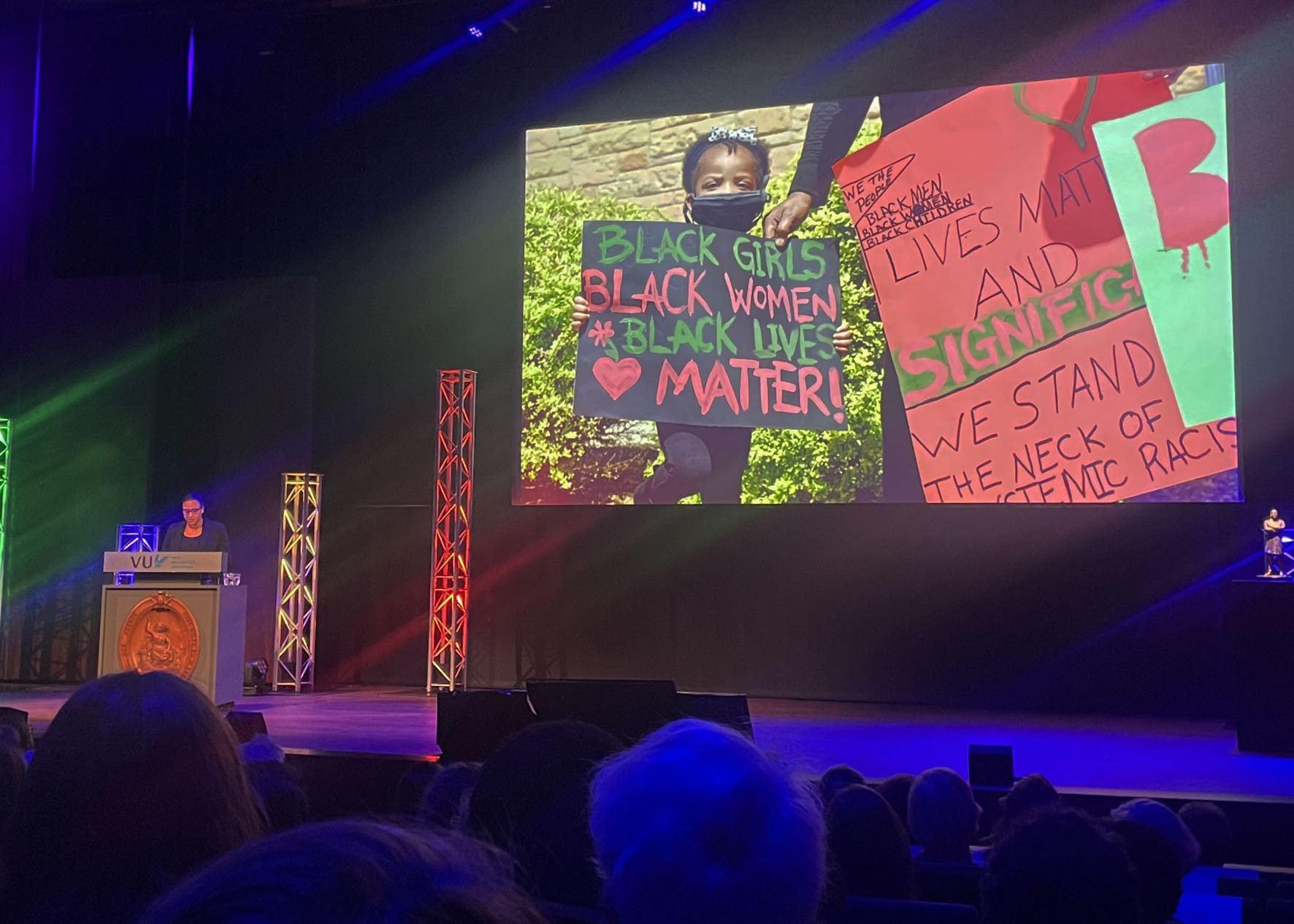
20251009-Satyendra-Pakhale-attended-Martin-Luther-King-Annual-Lecture-Netherlands-05
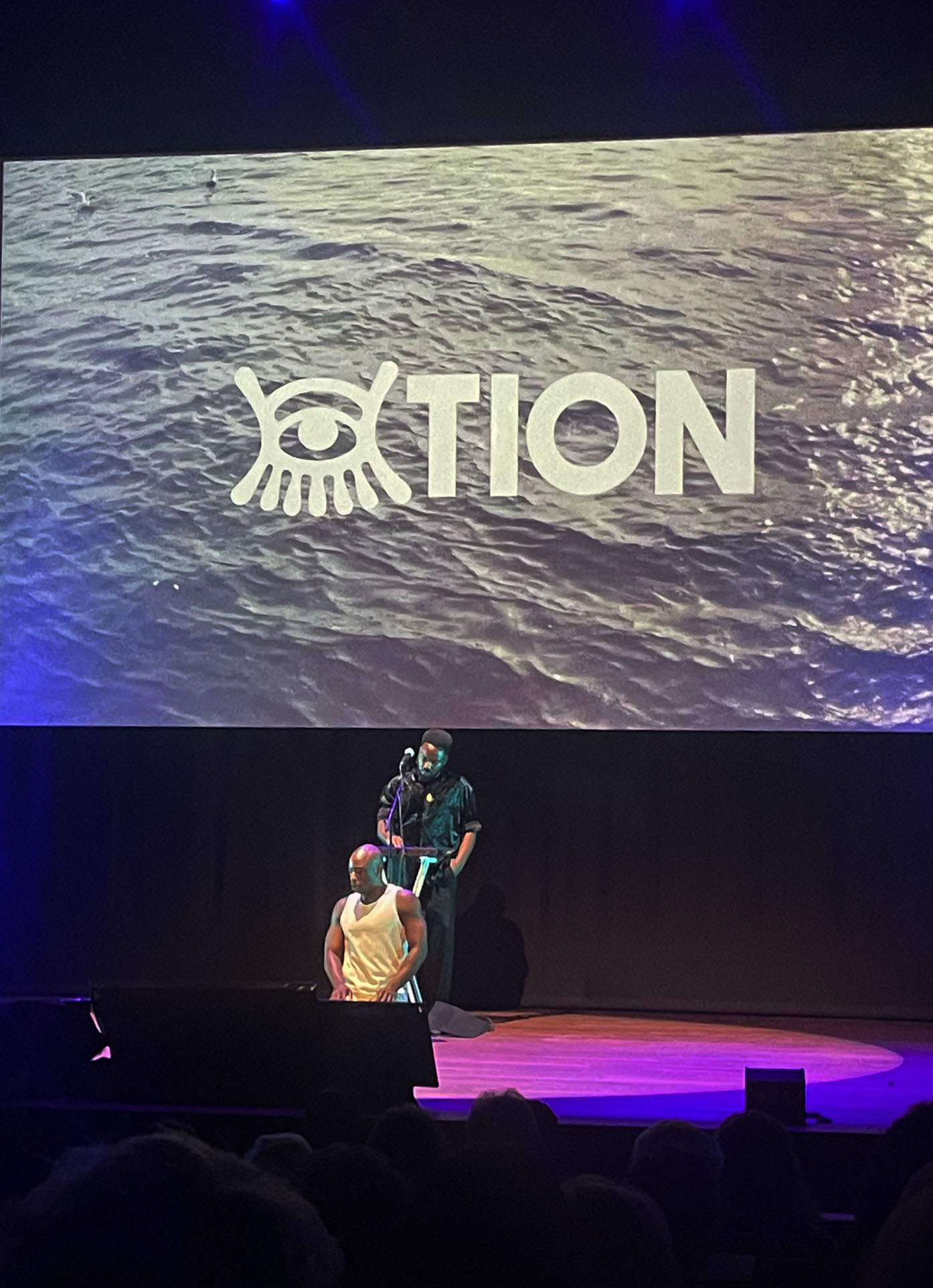
20251009-Satyendra-Pakhale-attended-Martin-Luther-King-Annual-Lecture-Netherlands-03
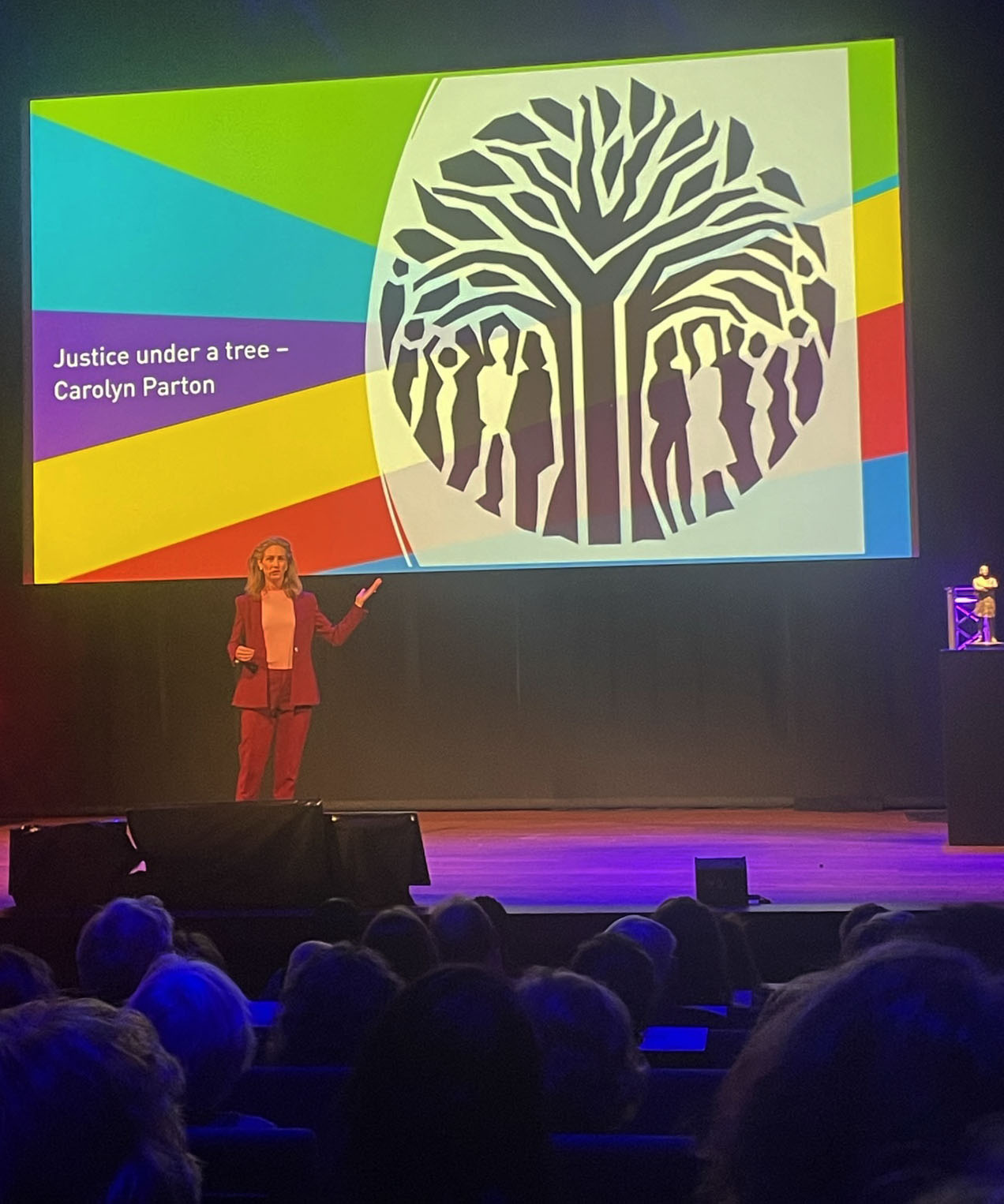
20251009-Satyendra-Pakhale-attended-Martin-Luther-King-Annual-Lecture-Netherlands-02
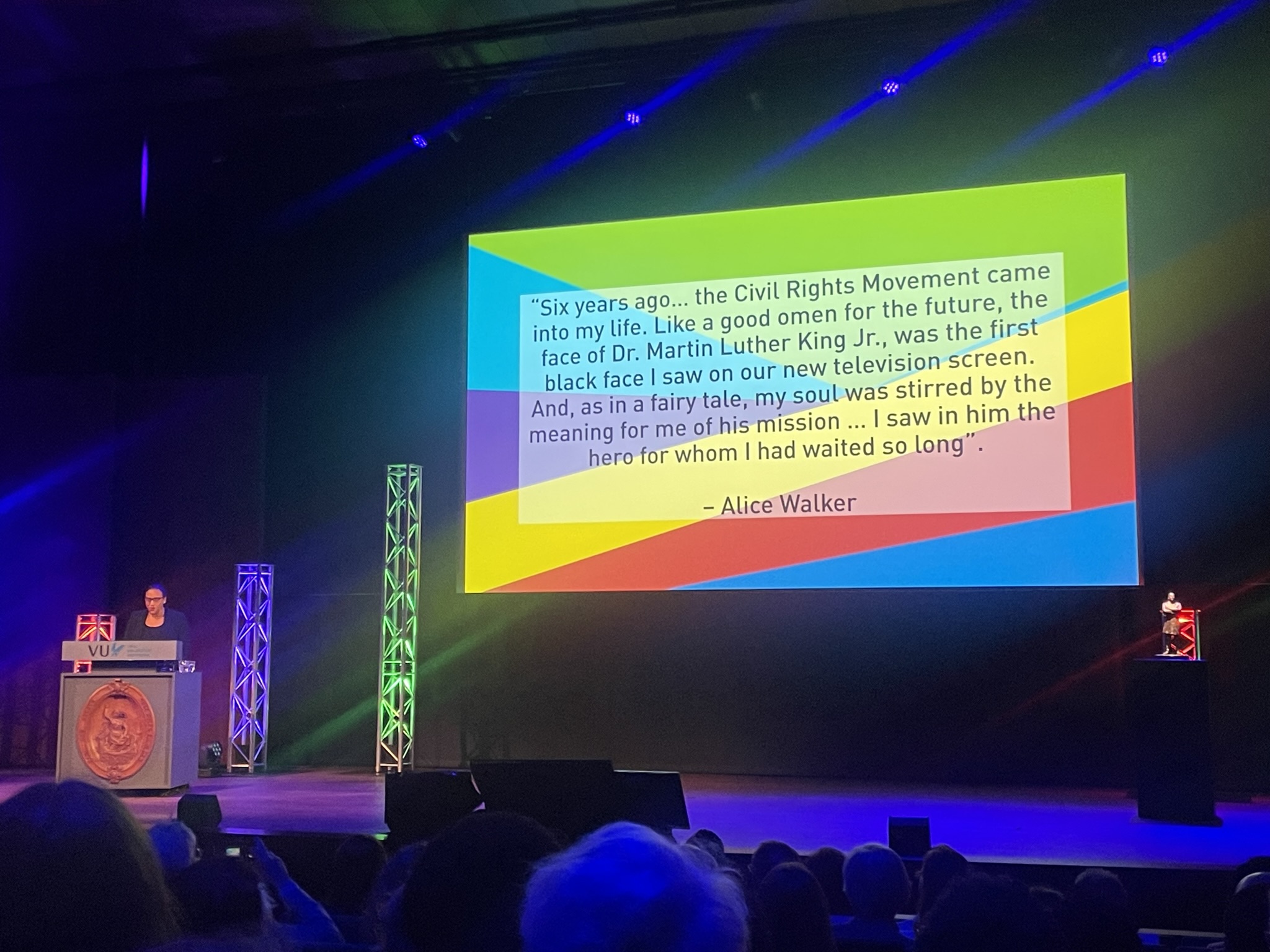
20251009-Satyendra-Pakhale-attended-Martin-Luther-King-Annual-Lecture-Netherlands-04
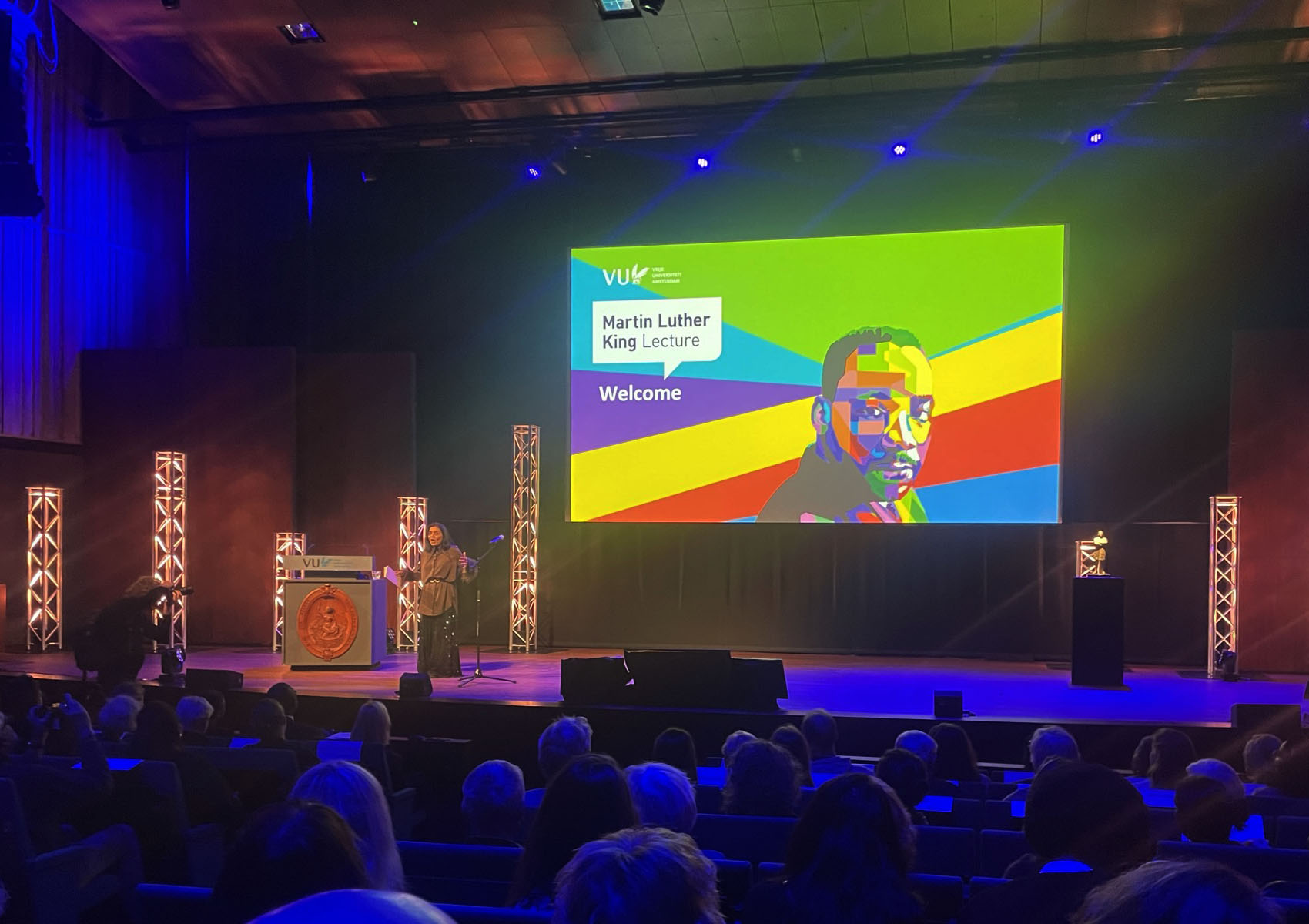
20251009-Satyendra-Pakhale-attended-Martin-Luther-King-Annual-Lecture-Netherlands-01
Satyendra Pakhalé at Keti Koti festival, Amsterdam
20250701-Satyendra-Pakhale-at-Keti-Koti-Festival-01
20250701-Satyendra-Pakhale-at-Keti-Koti-Festival-02
20250701-Satyendra-Pakhale-at-Keti-Koti-Festival-05
20250701-Satyendra-Pakhale-at-Keti-Koti-Festival-09
20250701-Satyendra-Pakhale-at-Keti-Koti-Festival-11
20250701-Satyendra-Pakhale-at-Keti-Koti-Festival-12
20250701-Satyendra-Pakhale-at-Keti-Koti-Festival-14
20250701-Satyendra-Pakhale-at-Keti-Koti-Festival-15
20250701-Satyendra-Pakhale-at-Keti-Koti-Festival-16
Satyendra Pakhalé and Tiziana Proietti Shifting Scale workshop, University of Oklahoma, USA
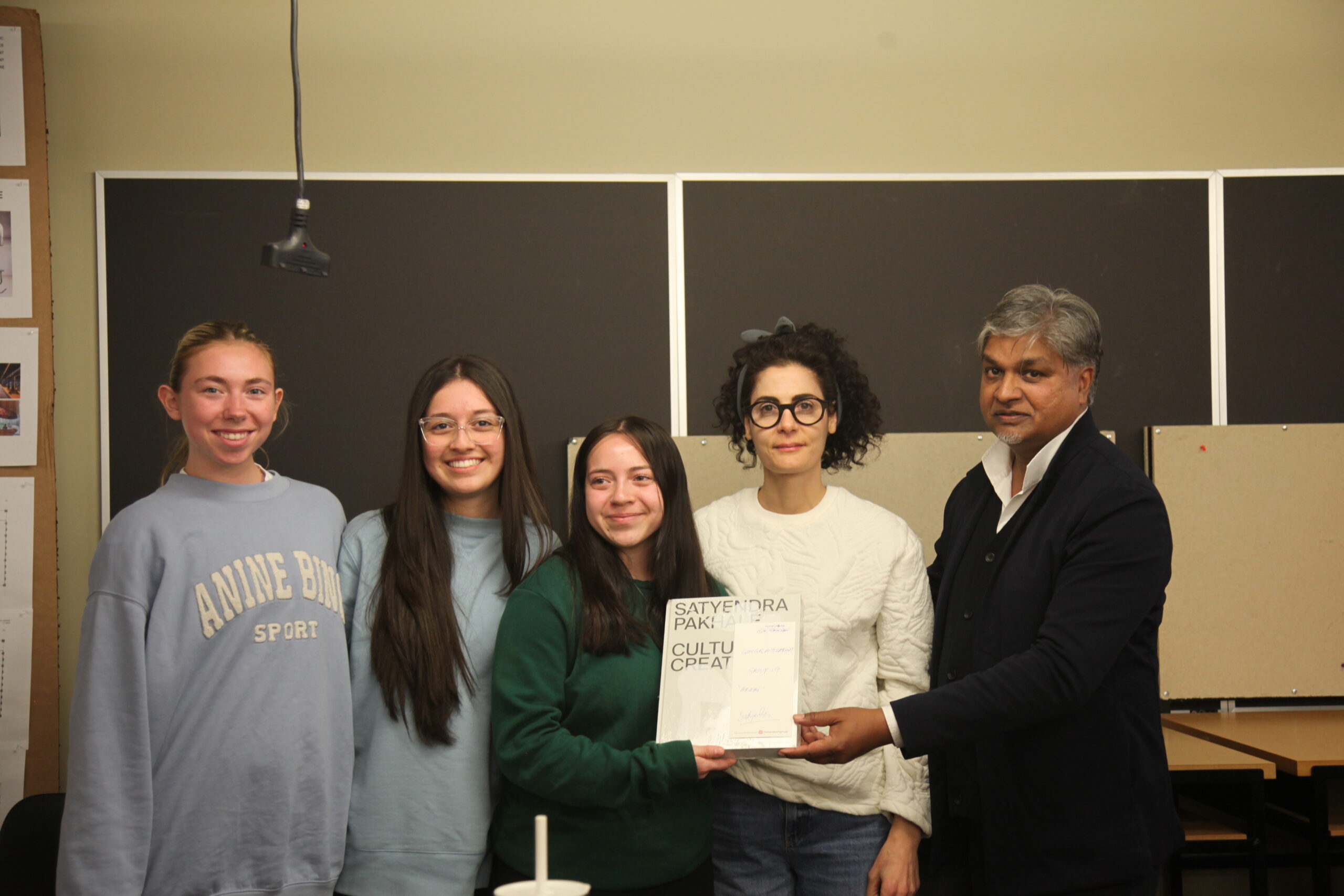
20250304-Satyendra-Pakhale-Tiziana-Proietti-Shifting-Scale-sensing-Spaces-Workshop-University-of-Oklahoma-USA-01
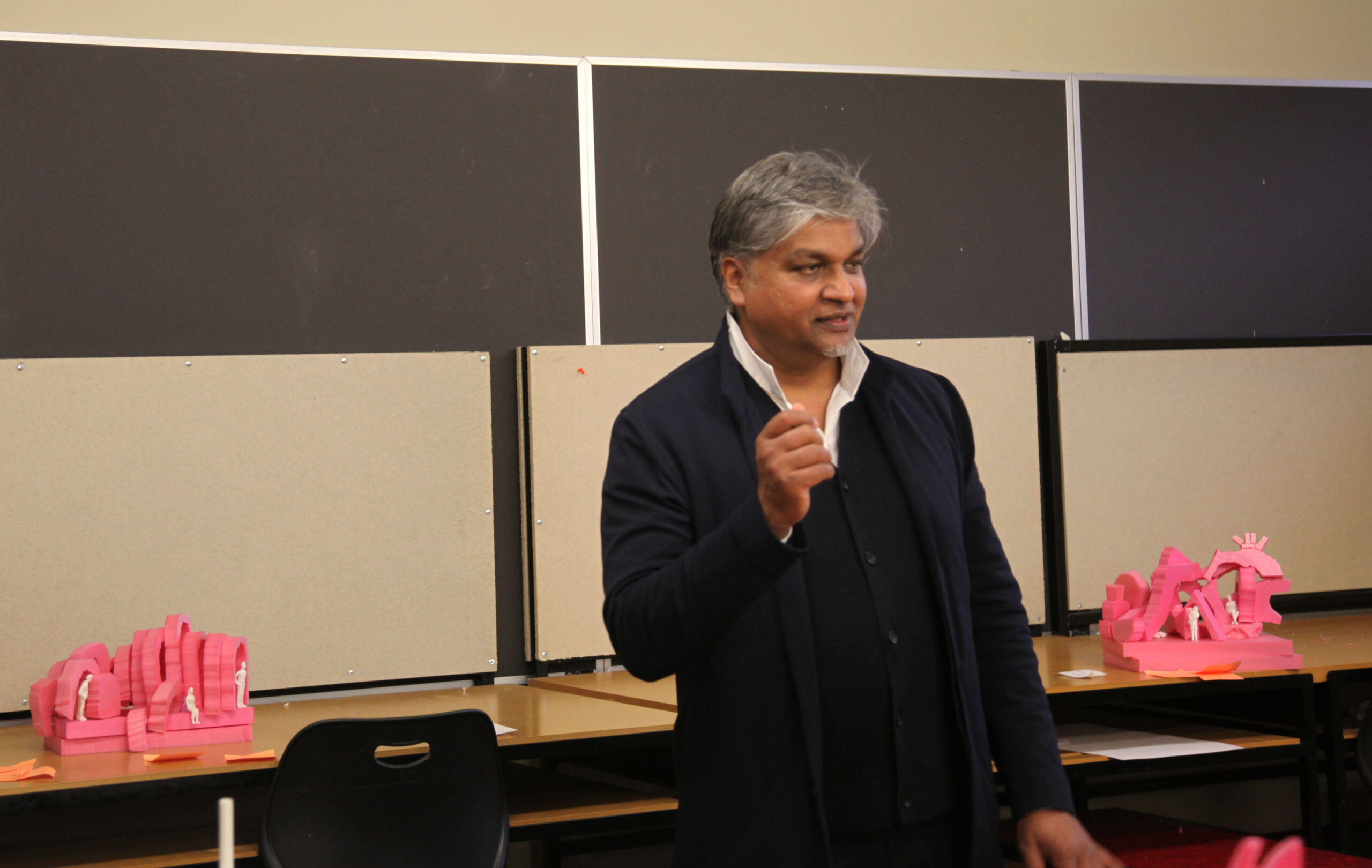
20250304-Satyendra-Pakhale-Tiziana-Proietti-Shifting-Scale-sensing-Spaces-Workshop-University-of-Oklahoma-USA-02JPG
20250304-Satyendra-Pakhale-Tiziana-Proietti-Shifting-Scale-sensing-Spaces-Workshop-University-of-Oklahoma-USA-03
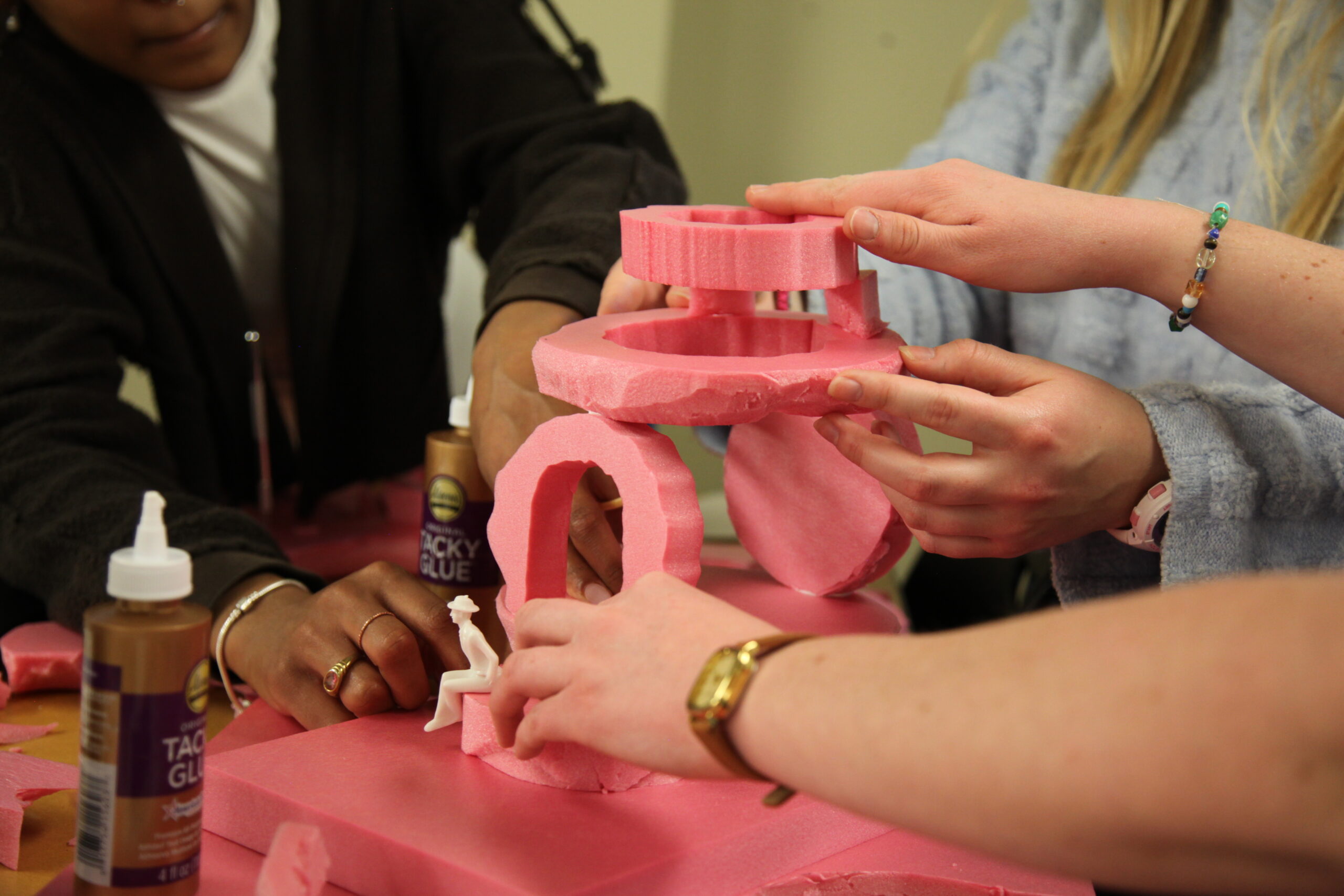
20250304-Satyendra-Pakhale-Tiziana-Proietti-Shifting-Scale-sensing-Spaces-Workshop-University-of-Oklahoma-USA-04
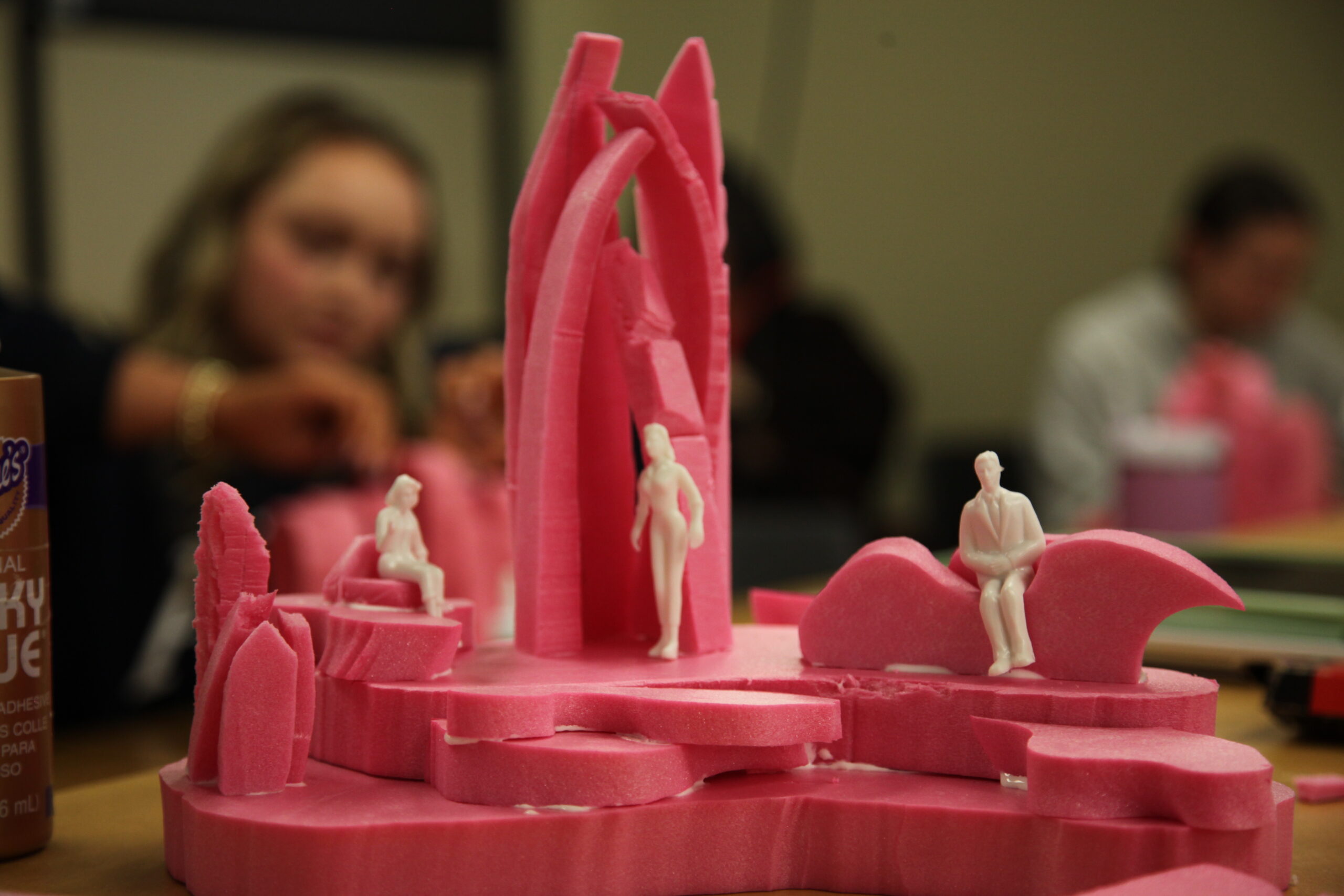
20250304-Satyendra-Pakhale-Tiziana-Proietti-Shifting-Scale-sensing-Spaces-Workshop-University-of-Oklahoma-USA-05
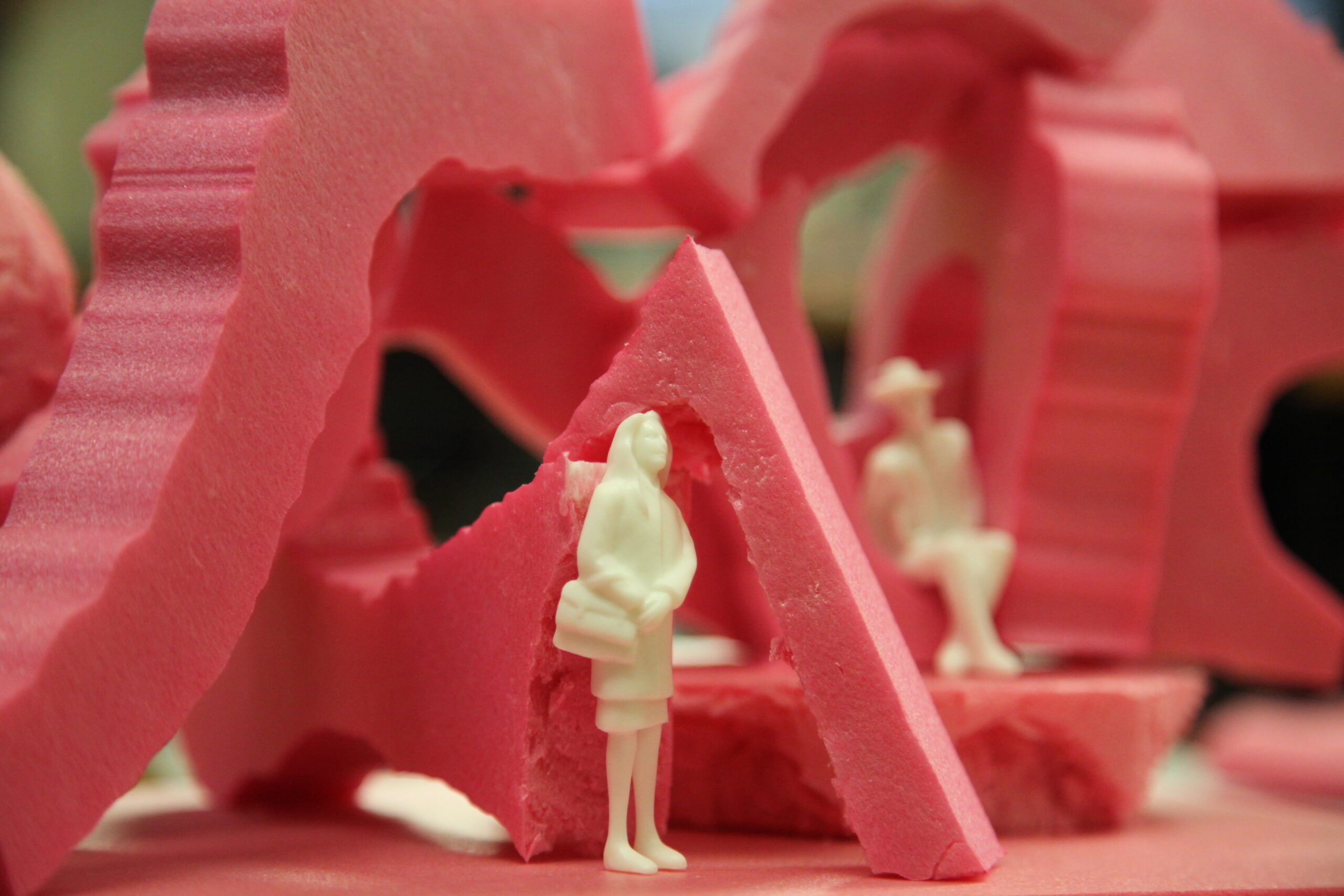
20250304-Satyendra-Pakhale-Tiziana-Proietti-Shifting-Scale-sensing-Spaces-Workshop-University-of-Oklahoma-USA-06
20250304-Satyendra-Pakhale-Tiziana-Proietti-Shifting-Scale-sensing-Spaces-Workshop-University-of-Oklahoma-USA-07
Satyendra Pakhalé public lecture at Oklahoma University, USA
20250304-Satyendra-Pakhale-Public-Lecture-Oklahoma-University-USA-02
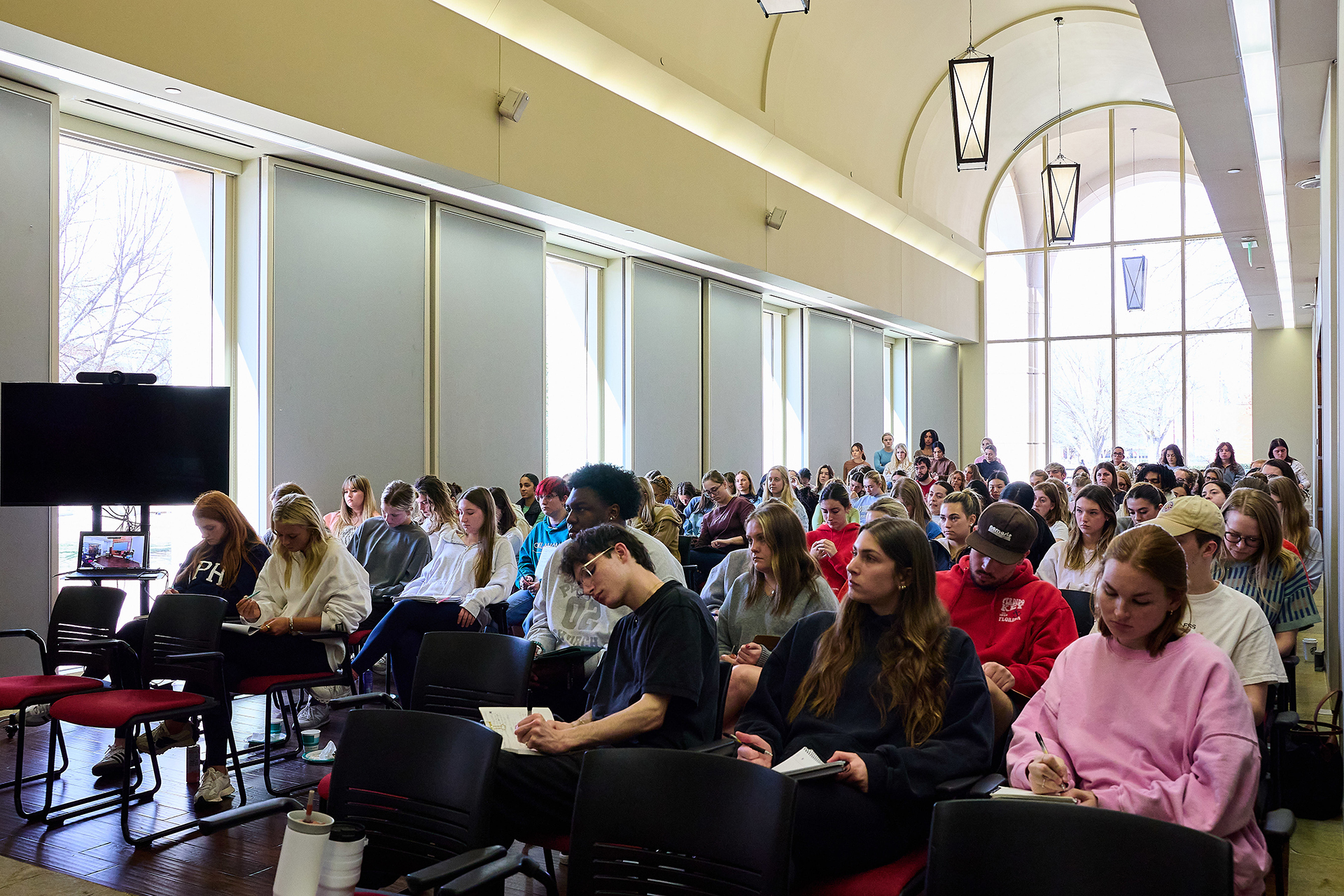
20250304-Satyendra-Pakhale-Public-Lecture-Oklahoma-University-USA-03
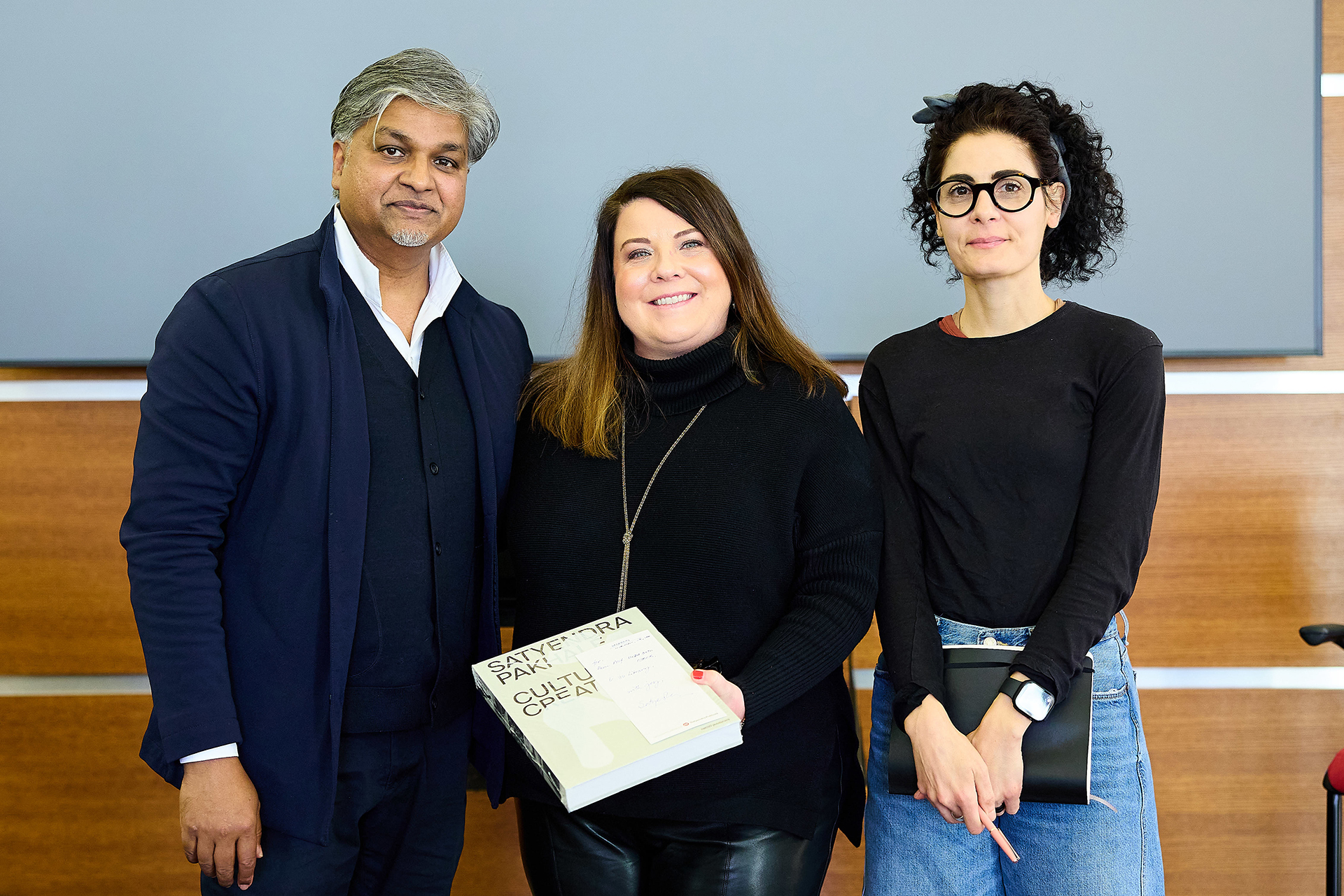
20250304-Satyendra-Pakhale-Public-Lecture-Oklahoma-University-USA-04
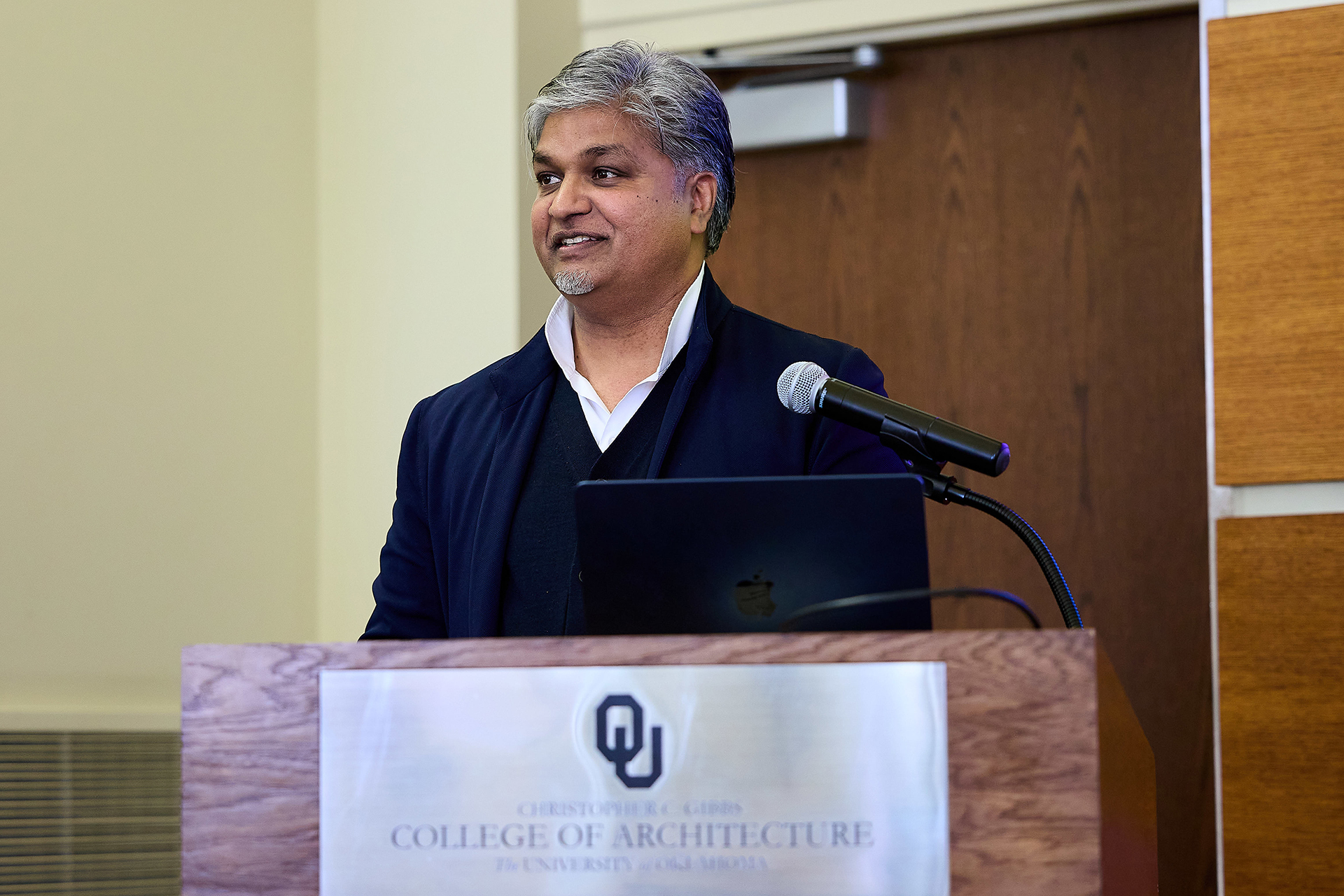
20250304-Satyendra-Pakhale-Public-Lecture-Oklahoma-University-USA-01
Satyendra Pakhalé meeting Vaughnette Good Walker, USA
20250301-Satyendra-Pakhale-Meeting-Vaughnette-Goode-Walker-USA-01
20250301-Satyendra-Pakhale-Meeting-Vaughnette-Goode-Walker-USA-02
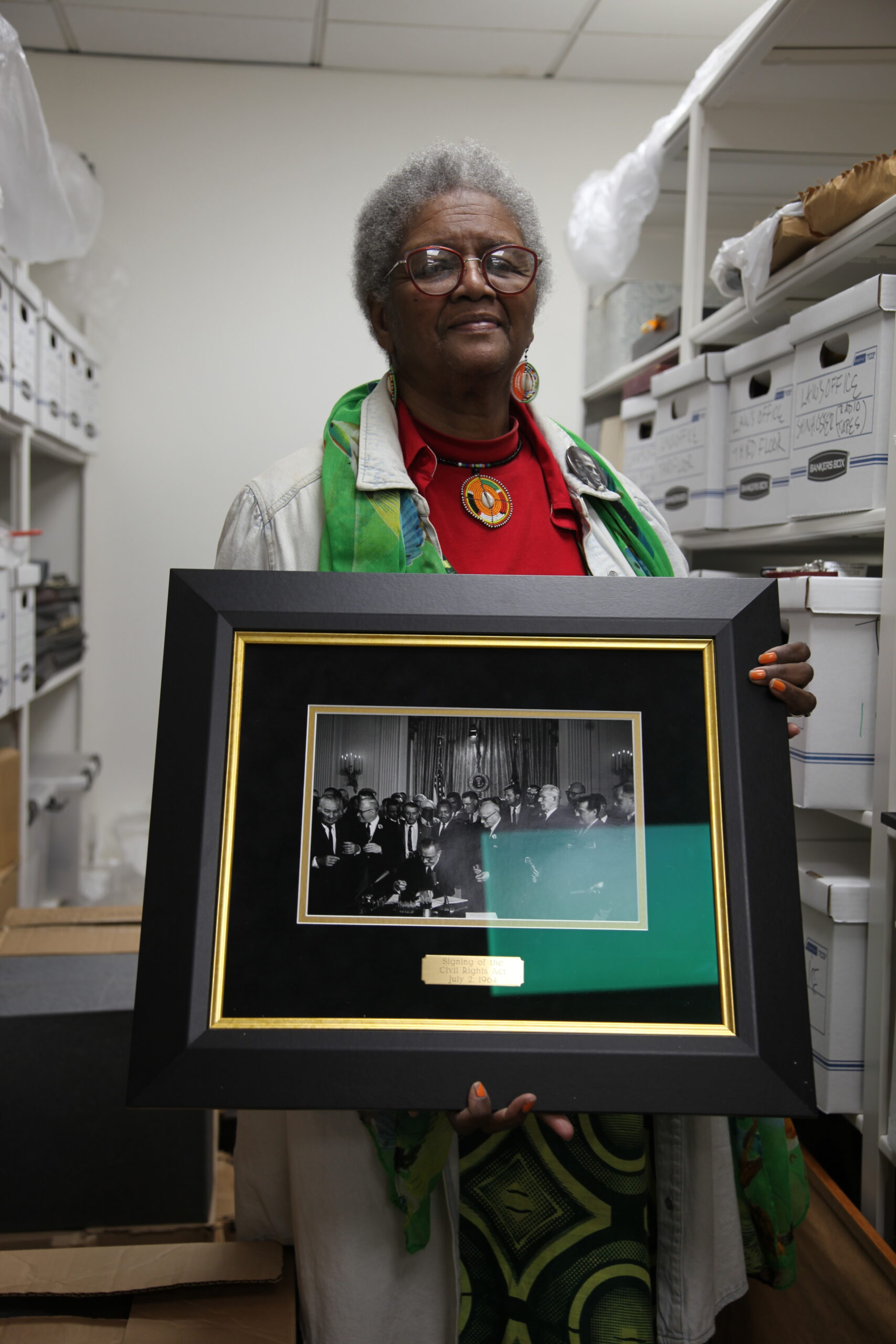
20250301-Satyendra-Pakhale-Meeting-Vaughnette-Goode-Walker-USA-03
20250301-Satyendra-Pakhale-Meeting-Vaughnette-Goode-Walker-USA-04
20250301-Satyendra-Pakhale-Meeting-Vaughnette-Goode-Walker-USA-05

20250301-Satyendra-Pakhale-Meeting-Vaughnette-Goode-Walker-USA-06
Satyendra Pakhalé visiting Martin Luther King memorial, Savannah, USA
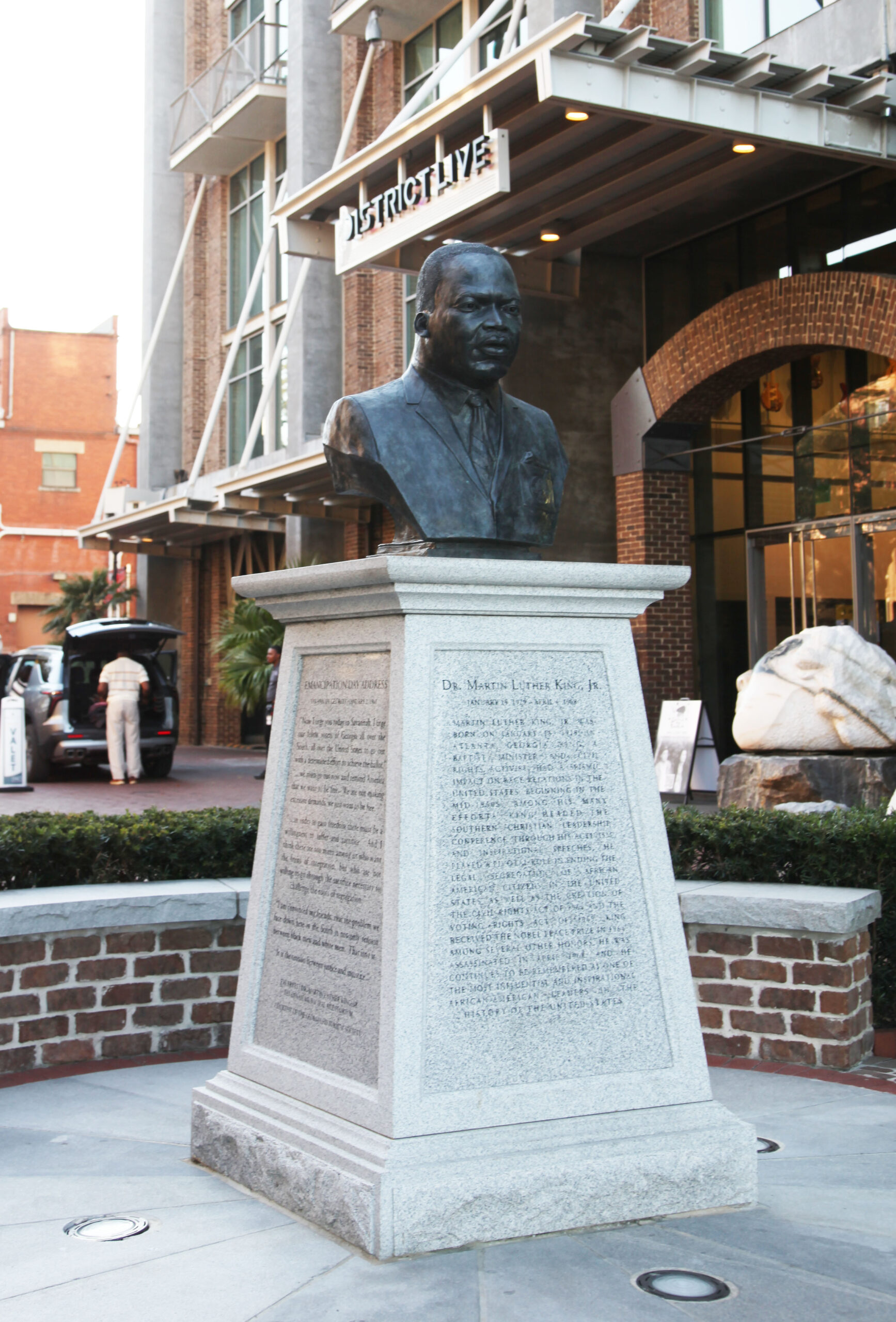
20250301-Satyendra-Pakhale-visited-Martin-Luther-King-Memorial-Savannah-USA-01
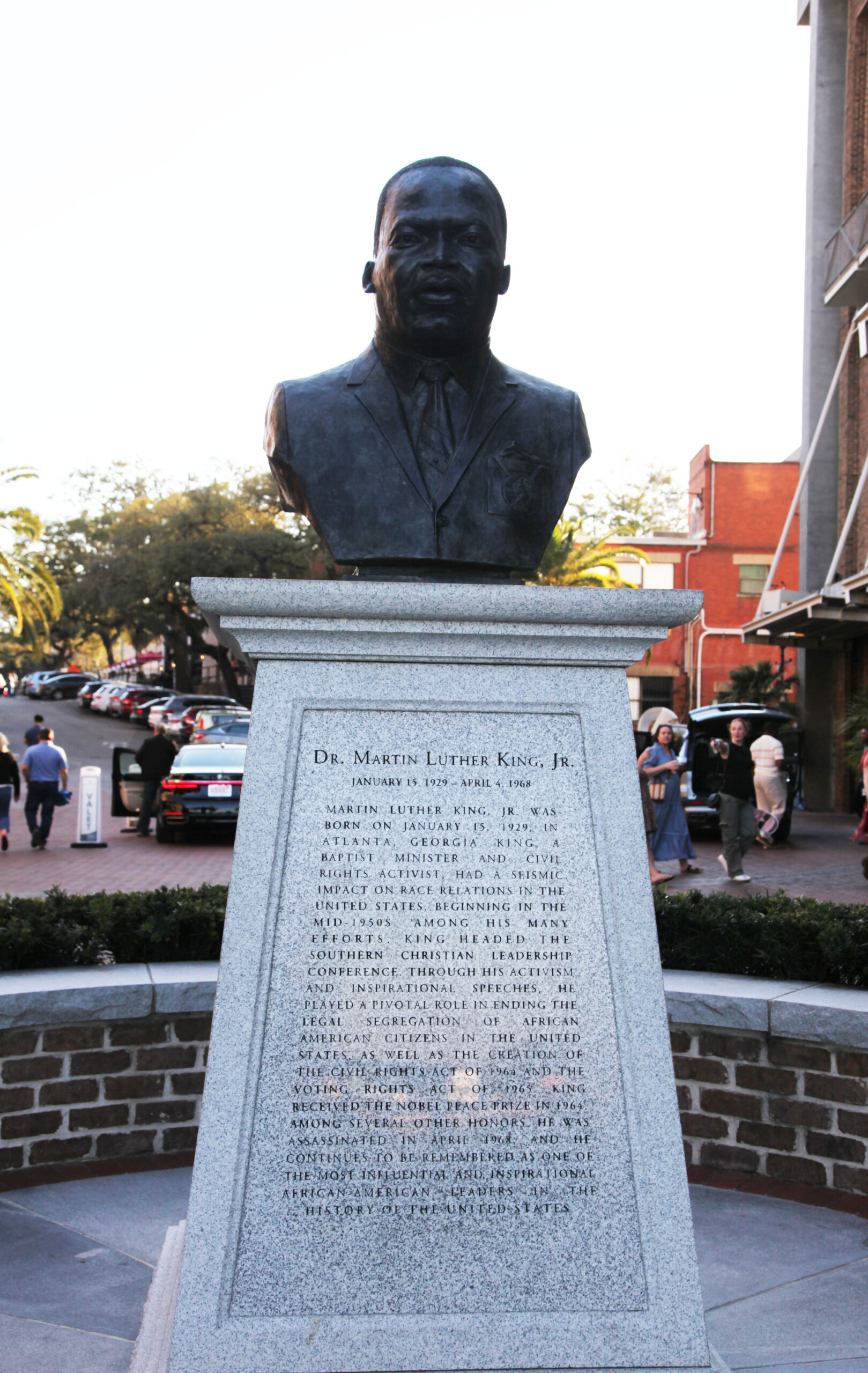
20250301-Satyendra-Pakhale-visited-Martin-Luther-King-Memorial-Savannah-USA-02
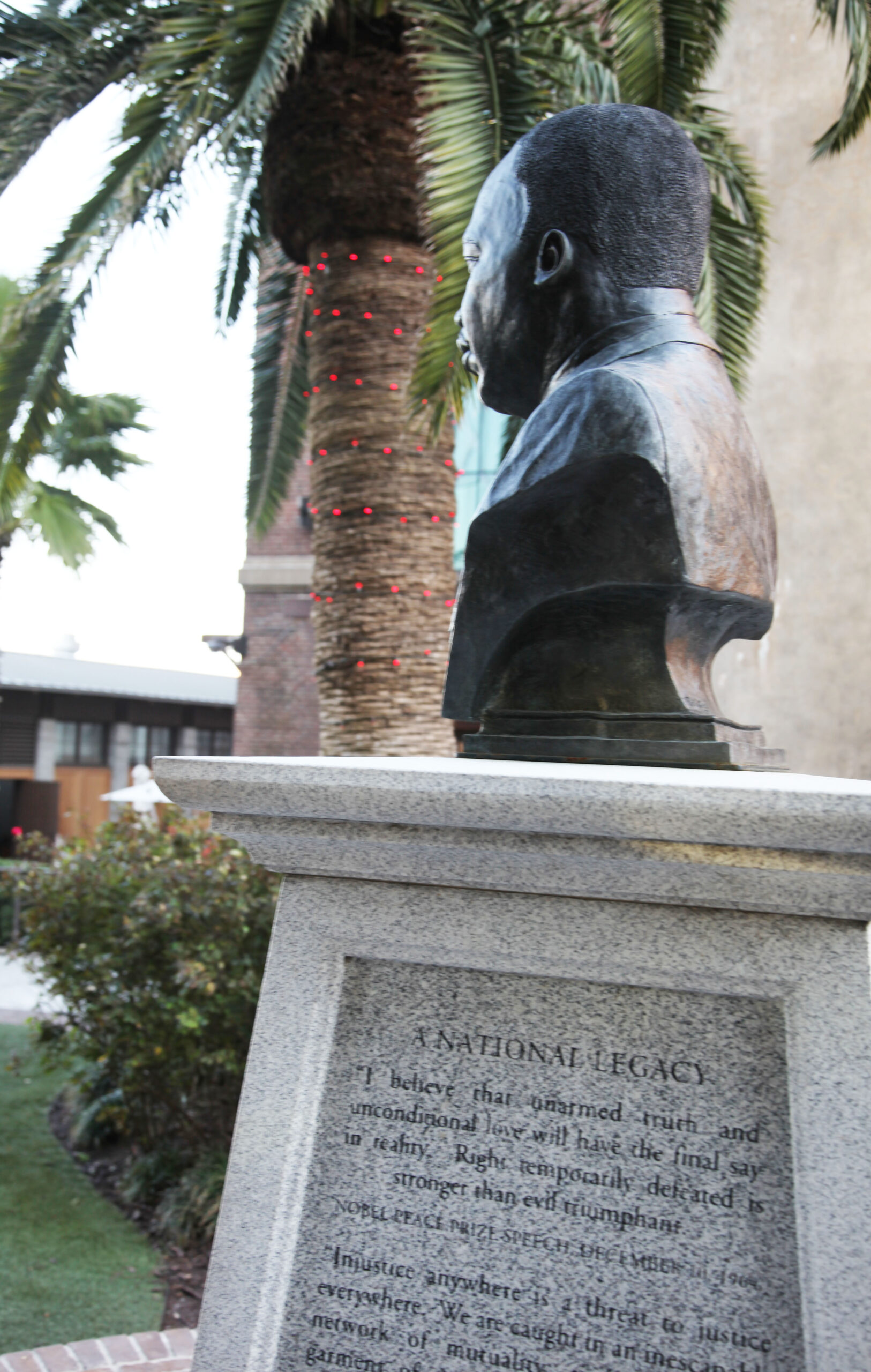
20250301-Satyendra-Pakhale-visited-Martin-Luther-King-Memorial-Savannah-USA-03
Satyendra Pakhalé visiting Civil Rights Memorial, Montgomery, Alabhama, USA
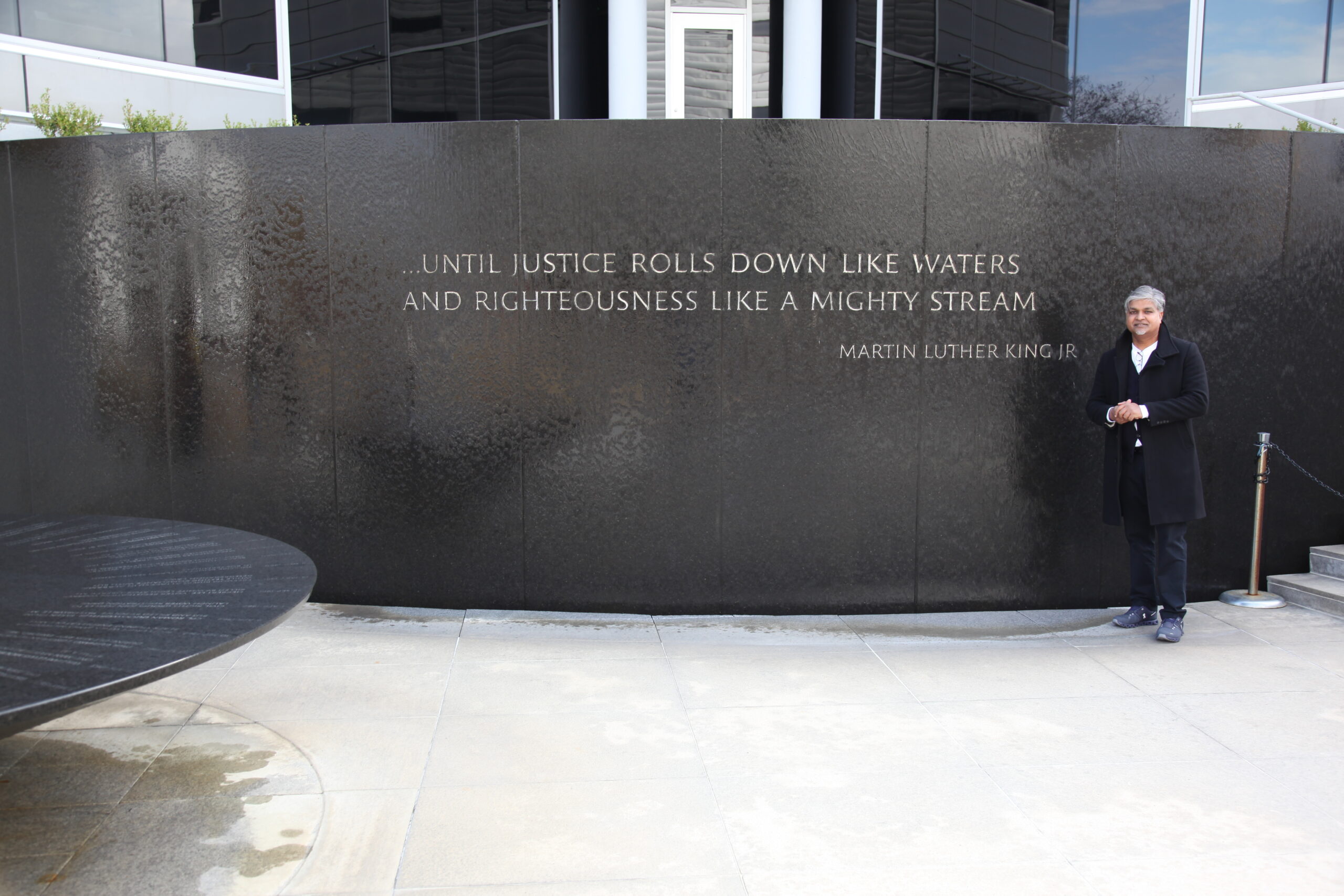
20250222-Satyendra-Pakhale-visited-Civil-Rights-memorial-Montgomery-AL-USA-01
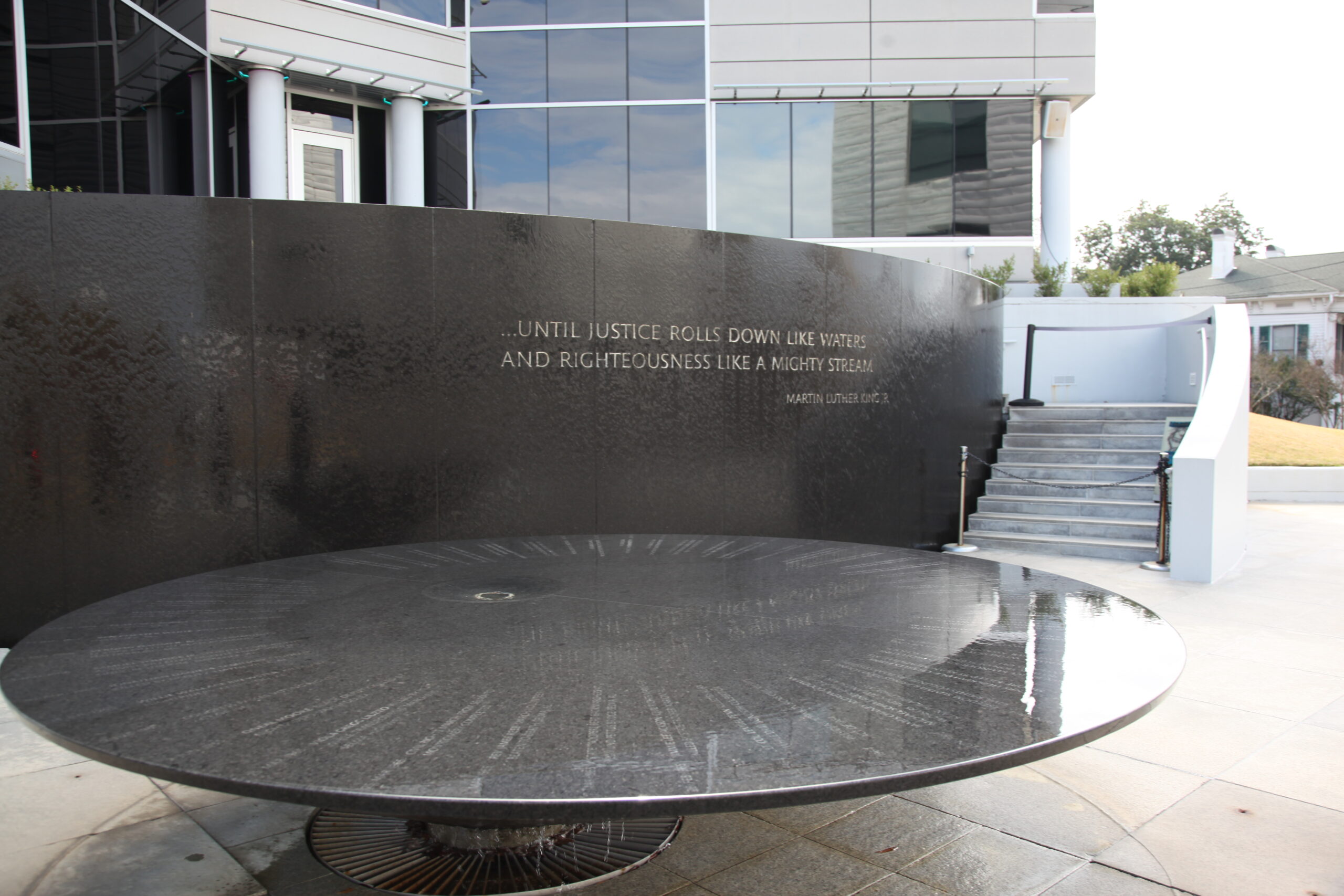
20250222-Satyendra-Pakhale-visited-Civil-Rights-memorial-Montgomery-AL-USA-02
20250222-Satyendra-Pakhale-visited-Civil-Rights-memorial-Montgomery-AL-USA-03
20250222-Satyendra-Pakhale-visited-Civil-Rights-memorial-Montgomery-AL-USA-04
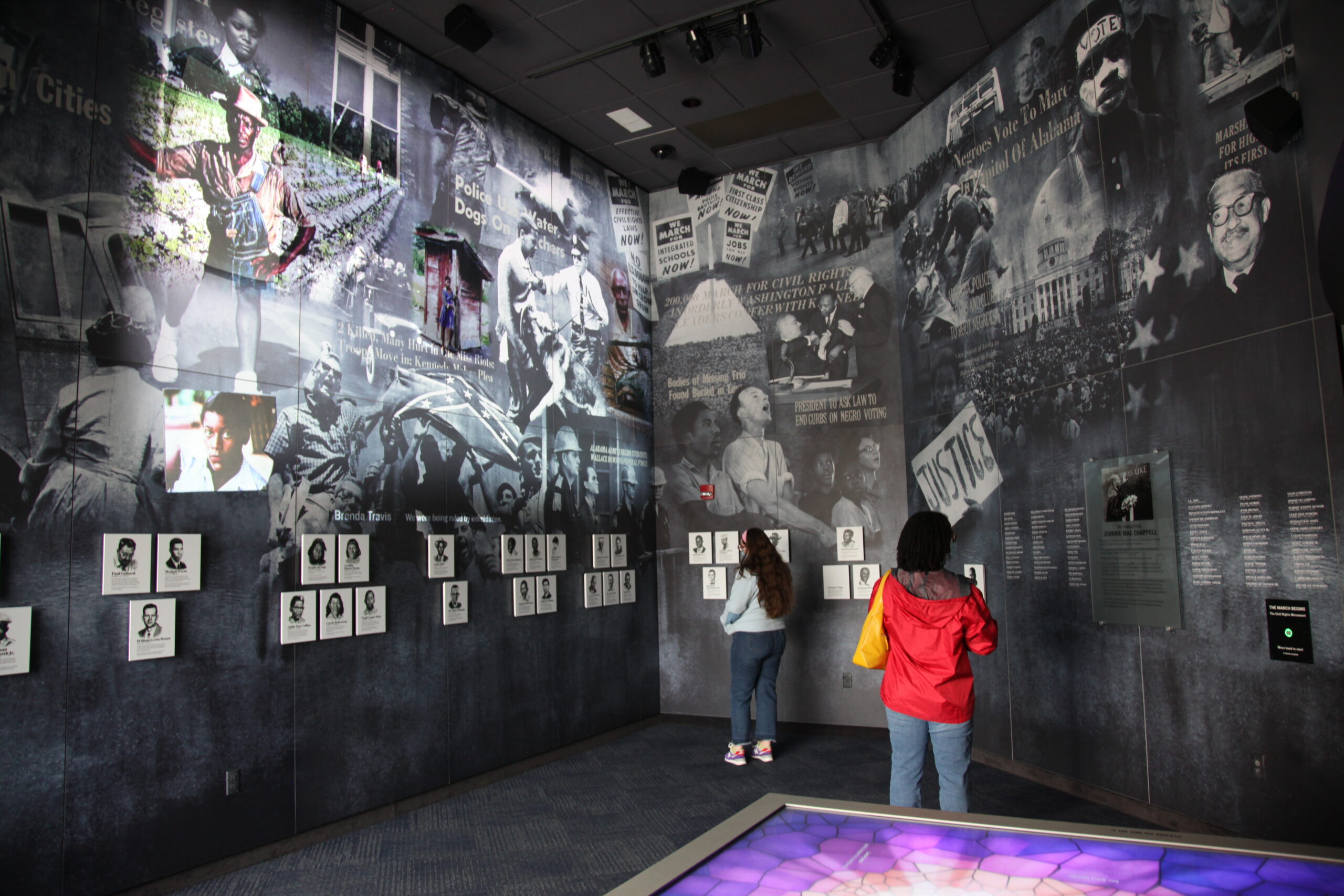
20250222-Satyendra-Pakhale-visited-Civil-Rights-memorial-Montgomery-AL-USA-05
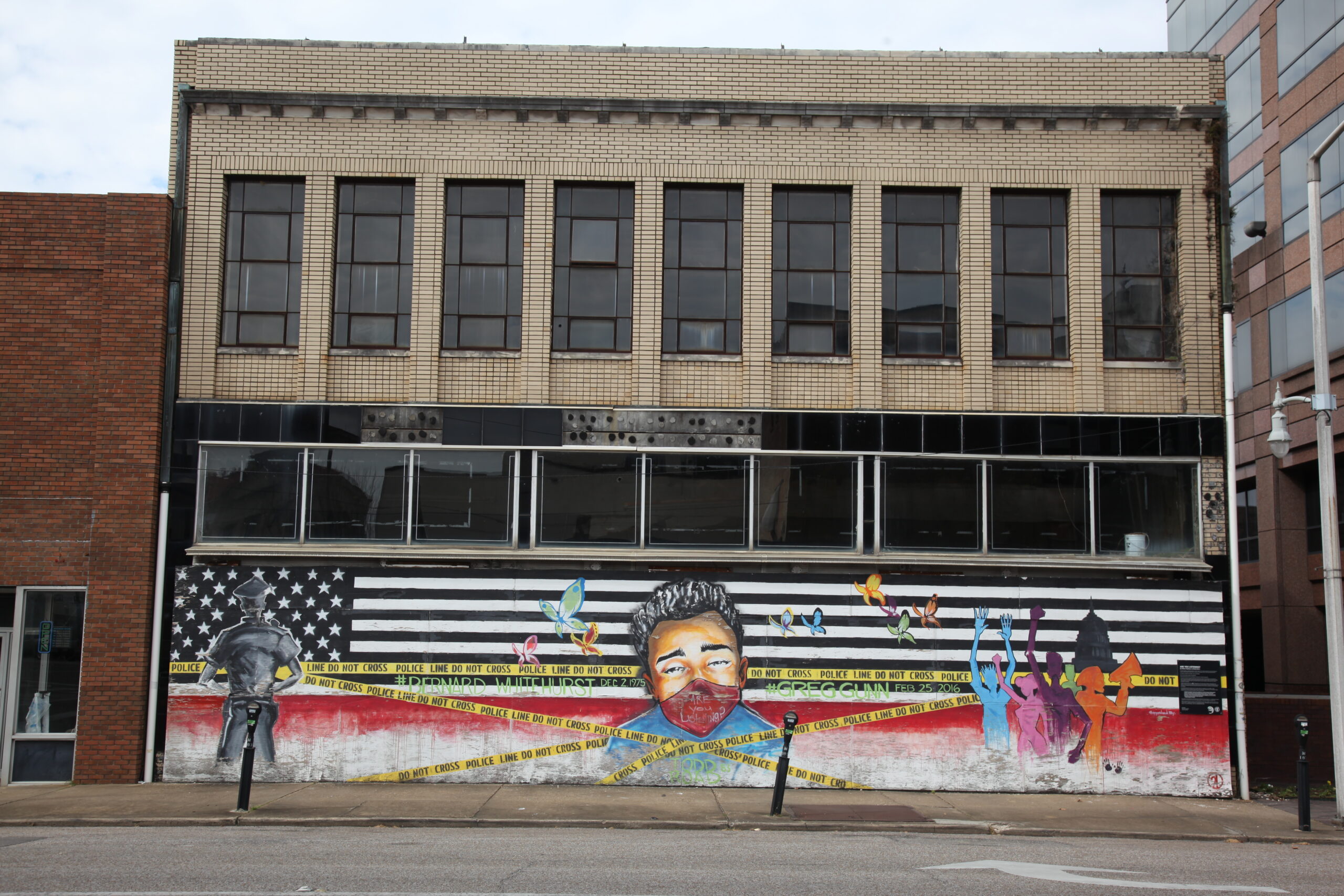
20250222-Satyendra-Pakhale-visited-Civil-Rights-memorial-Montgomery-AL-USA-06
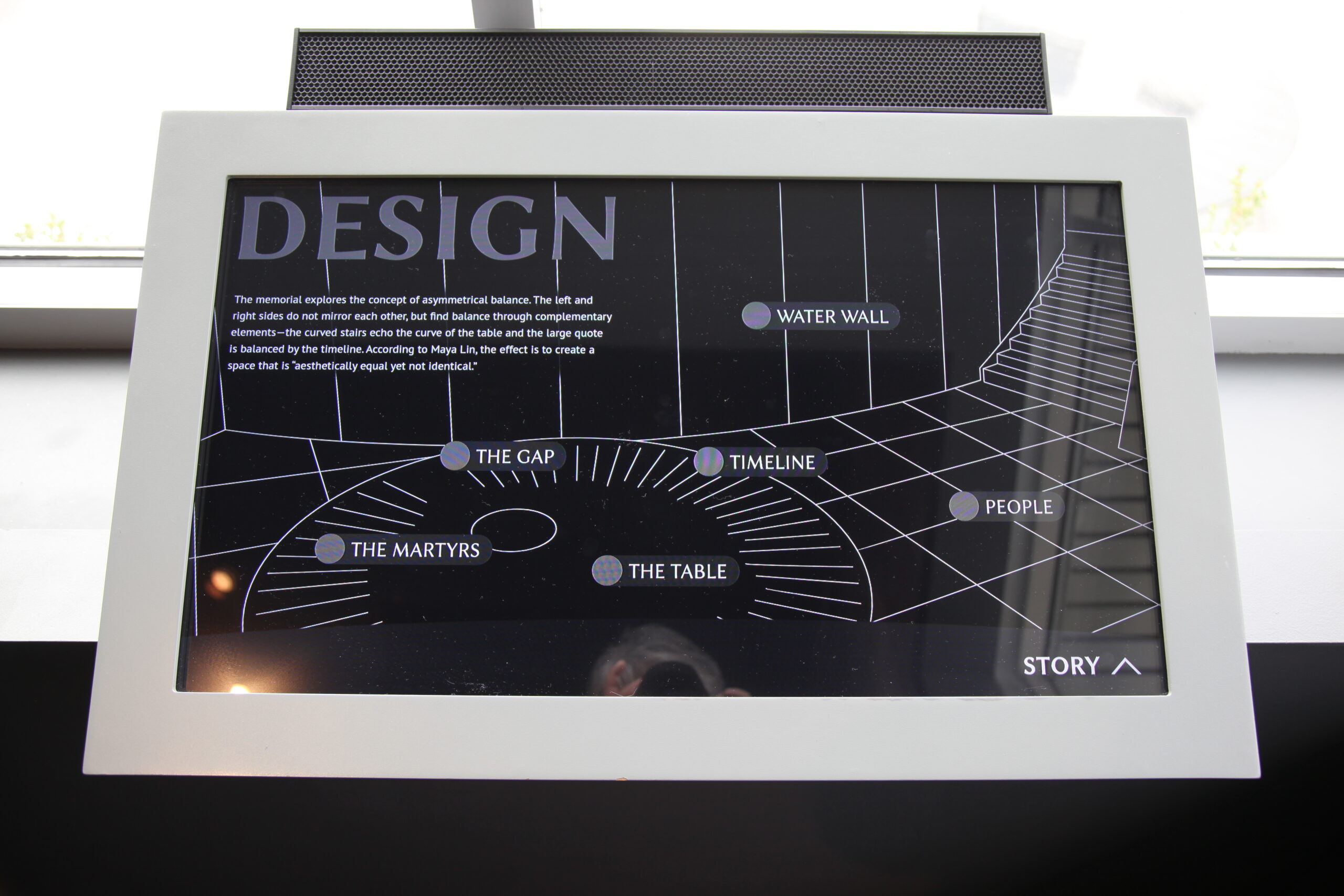
20250222-Satyendra-Pakhale-visited-Civil-Rights-memorial-Montgomery-AL-USA-07
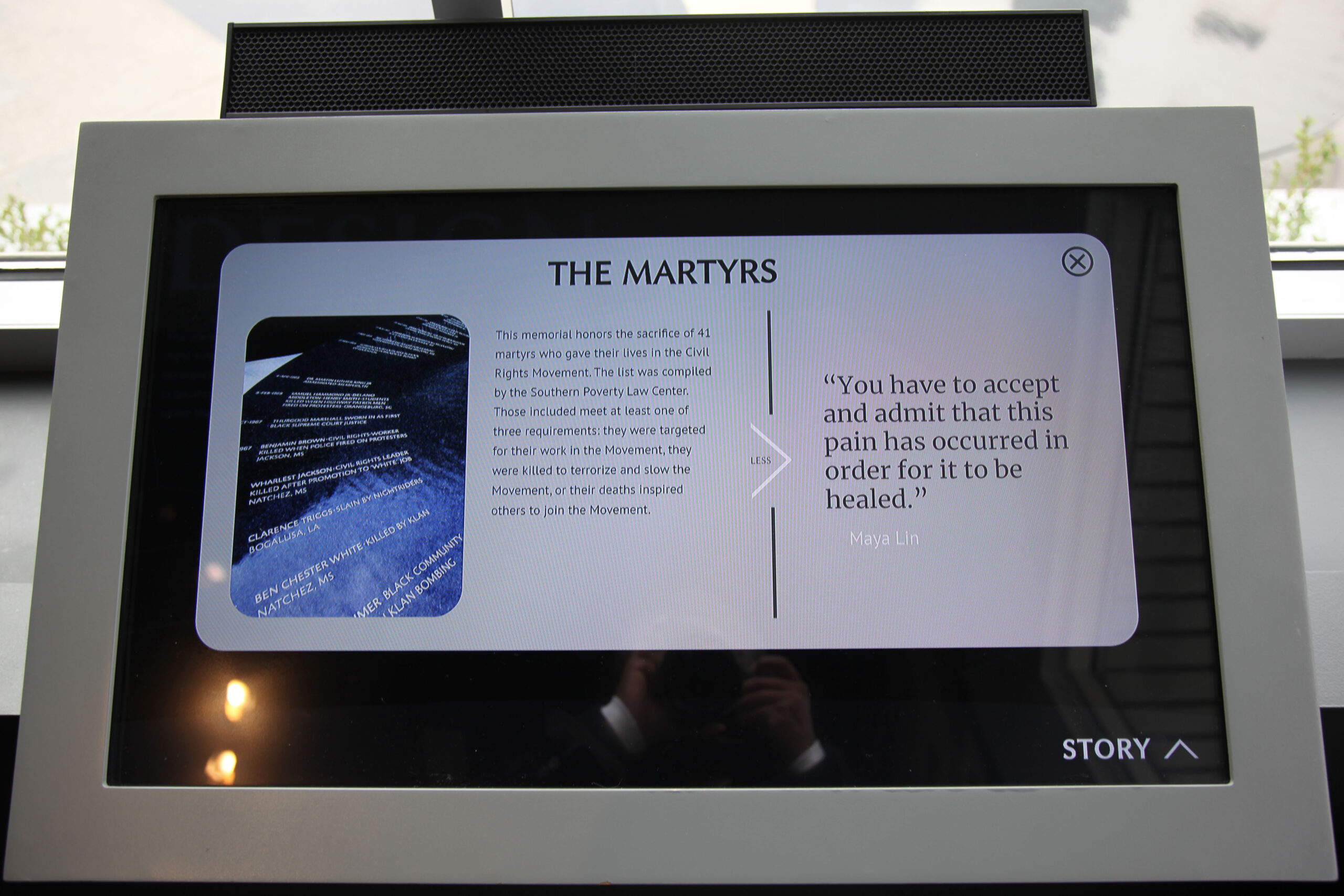
20250222-Satyendra-Pakhale-visited-Civil-Rights-memorial-Montgomery-AL-USA-08
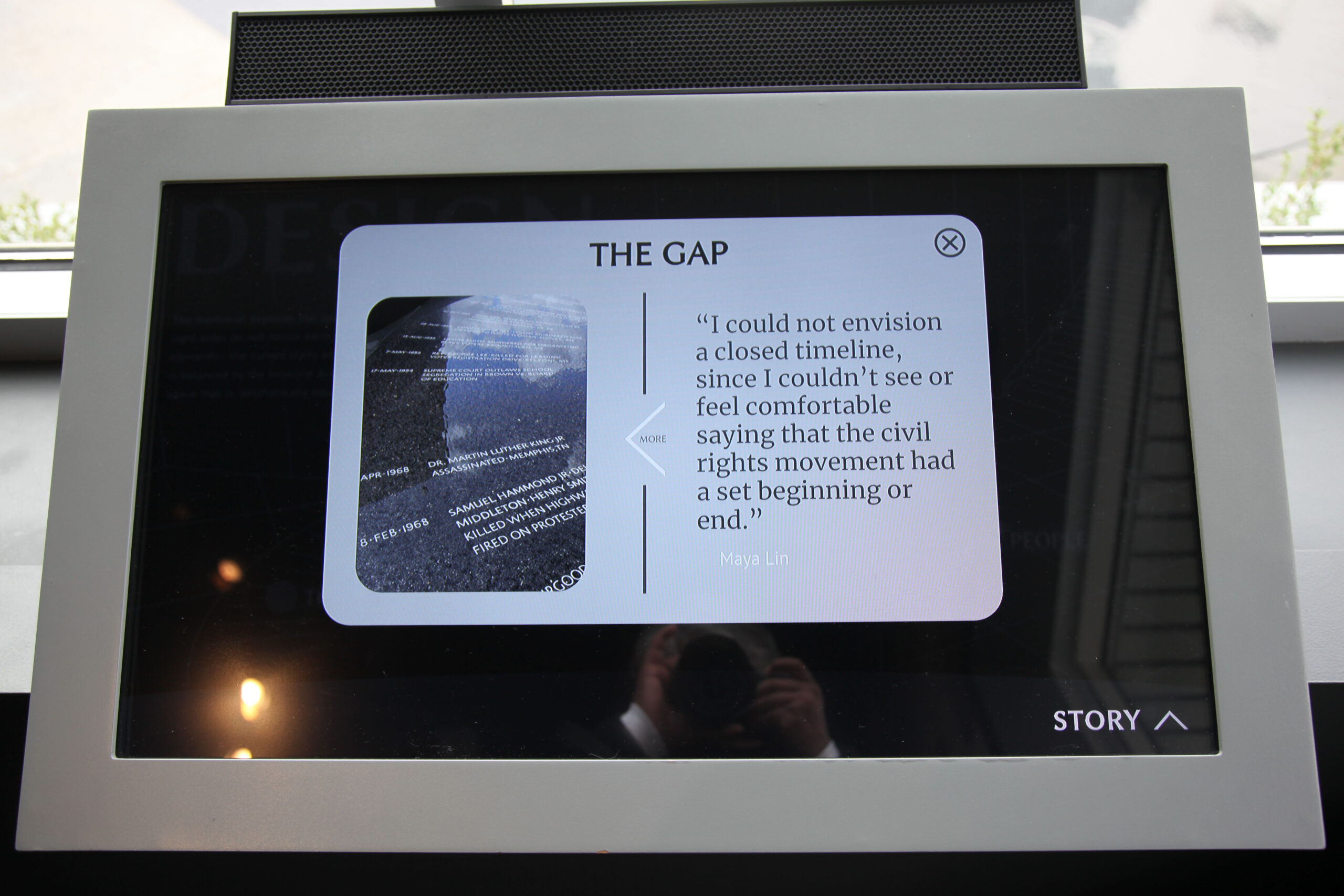
20250222-Satyendra-Pakhale-visited-Civil-Rights-memorial-Montgomery-AL-USA-09
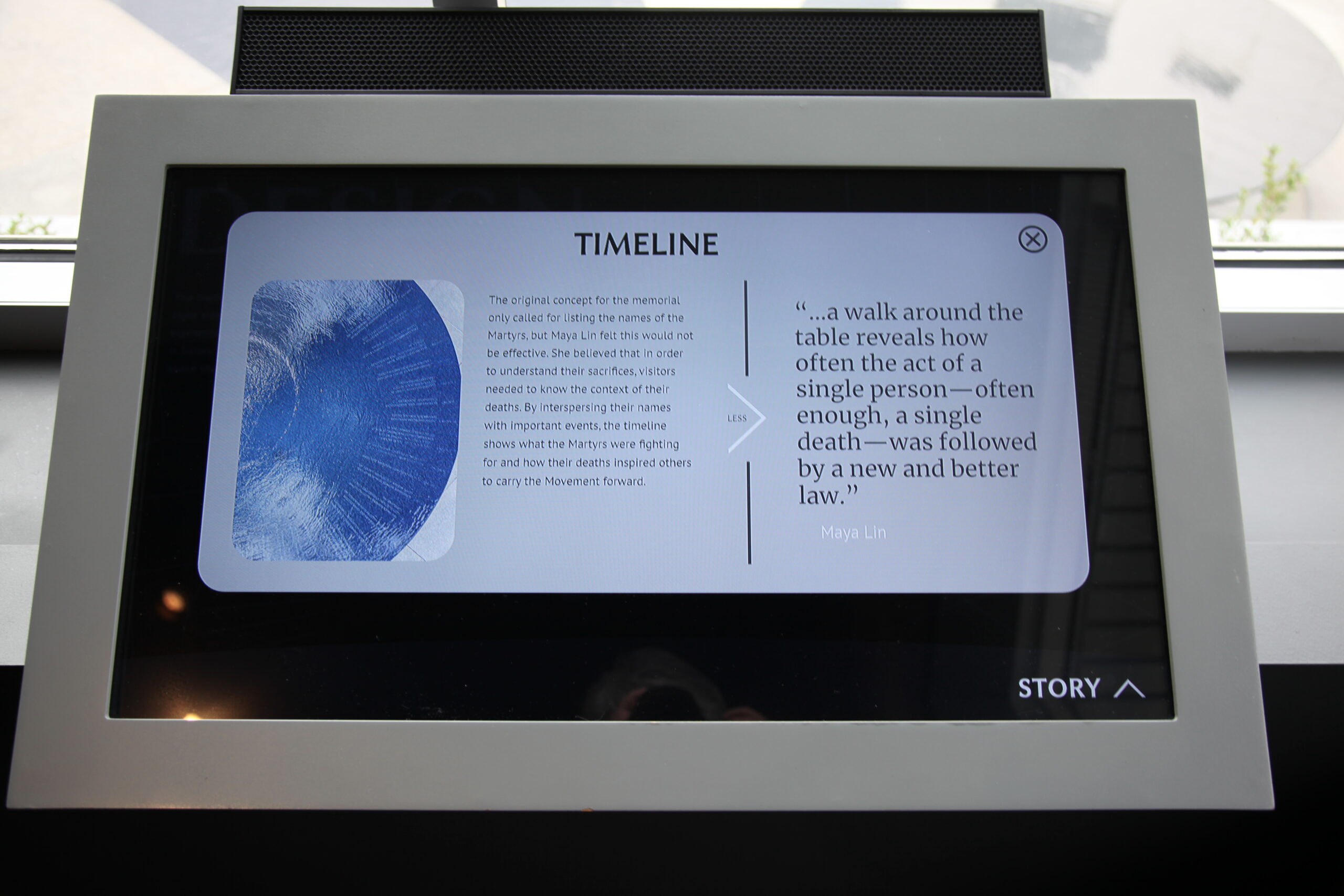
20250222-Satyendra-Pakhale-visited-Civil-Rights-memorial-Montgomery-AL-USA-10
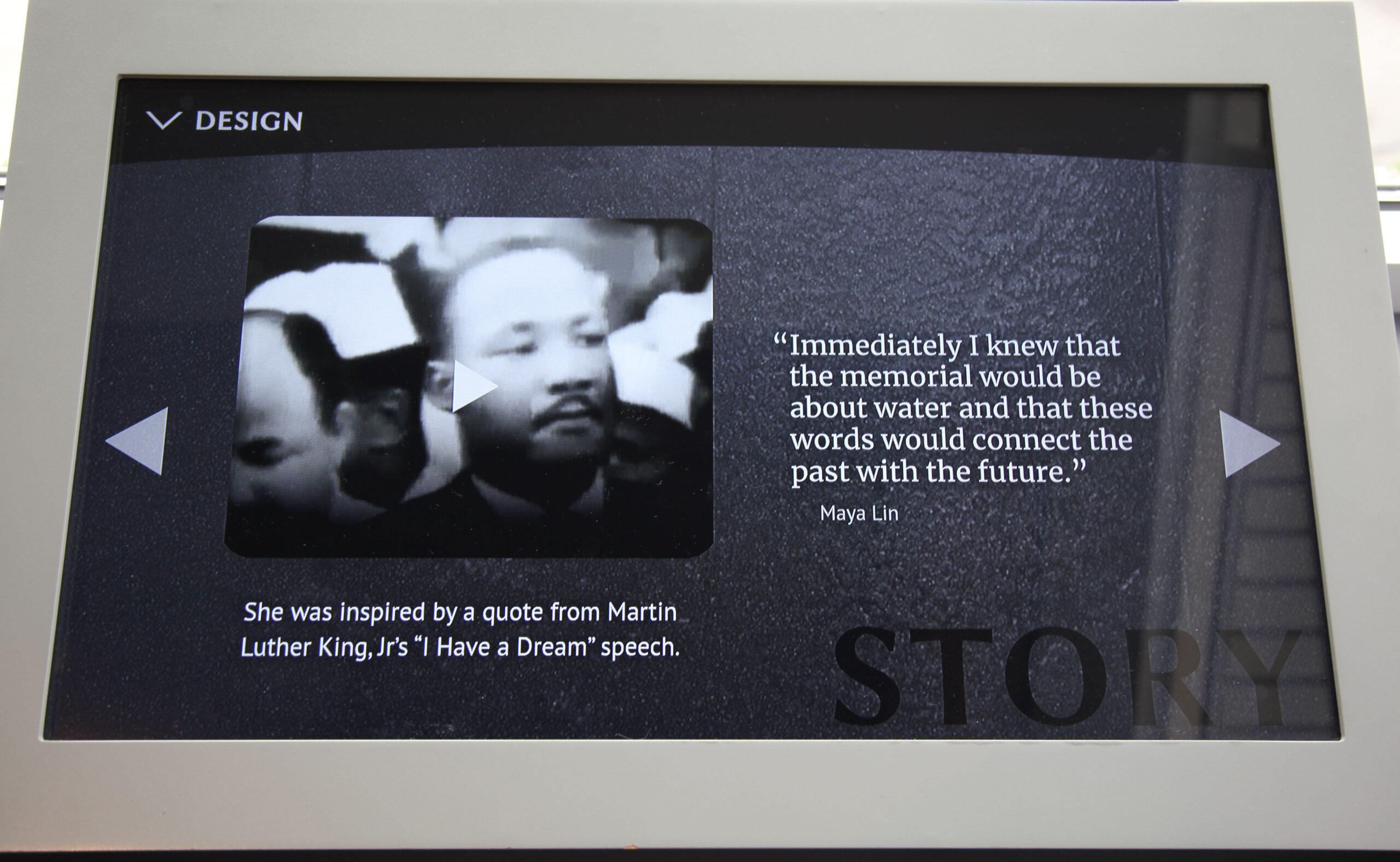
20250222-Satyendra-Pakhale-visited-Civil-Rights-memorial-Montgomery-AL-USA-11
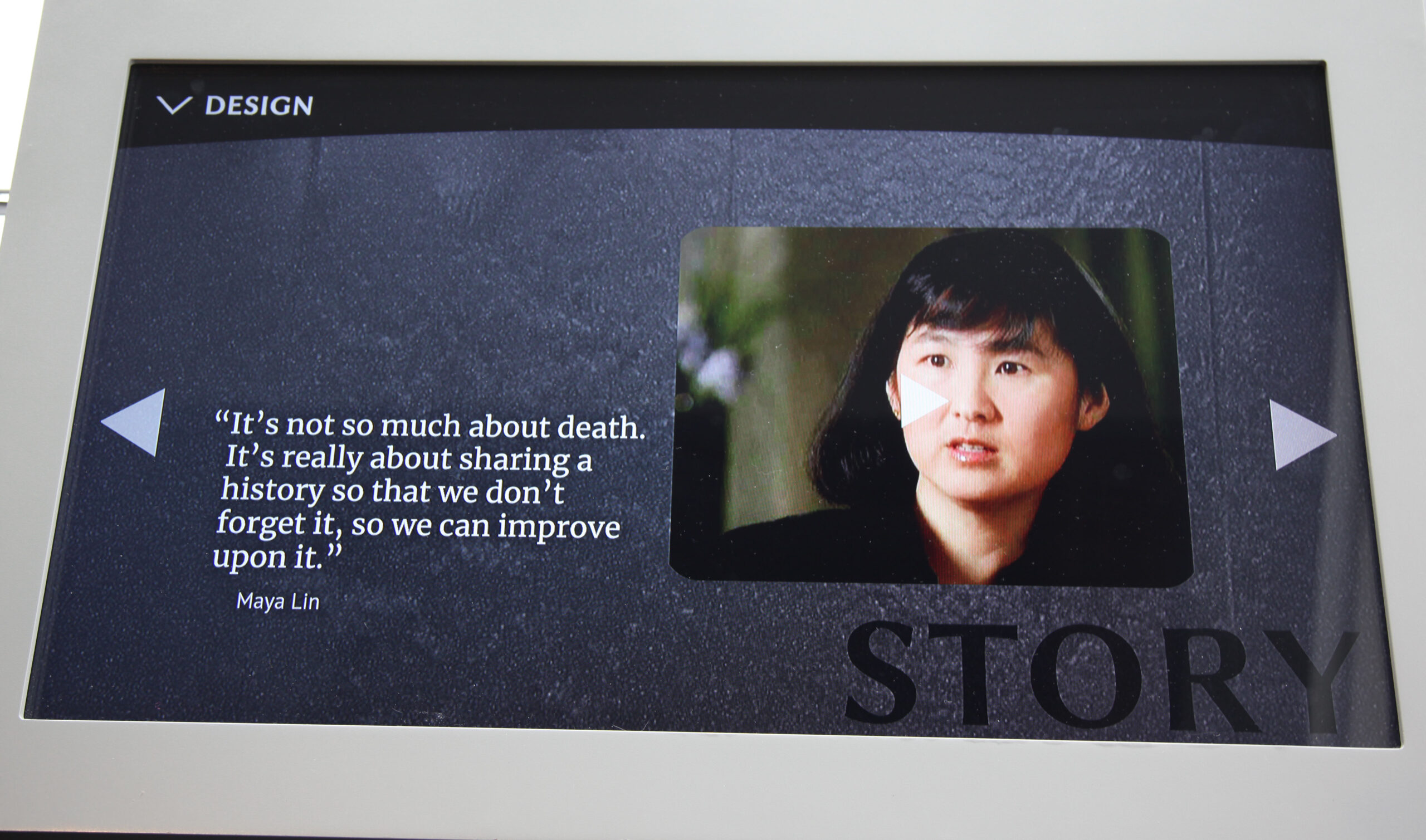
20250222-Satyendra-Pakhale-visited-Civil-Rights-memorial-Montgomery-AL-USA-12
Satyendra Pakhalé visiting Sculptural Park, Montgomery, Alhabama,USA
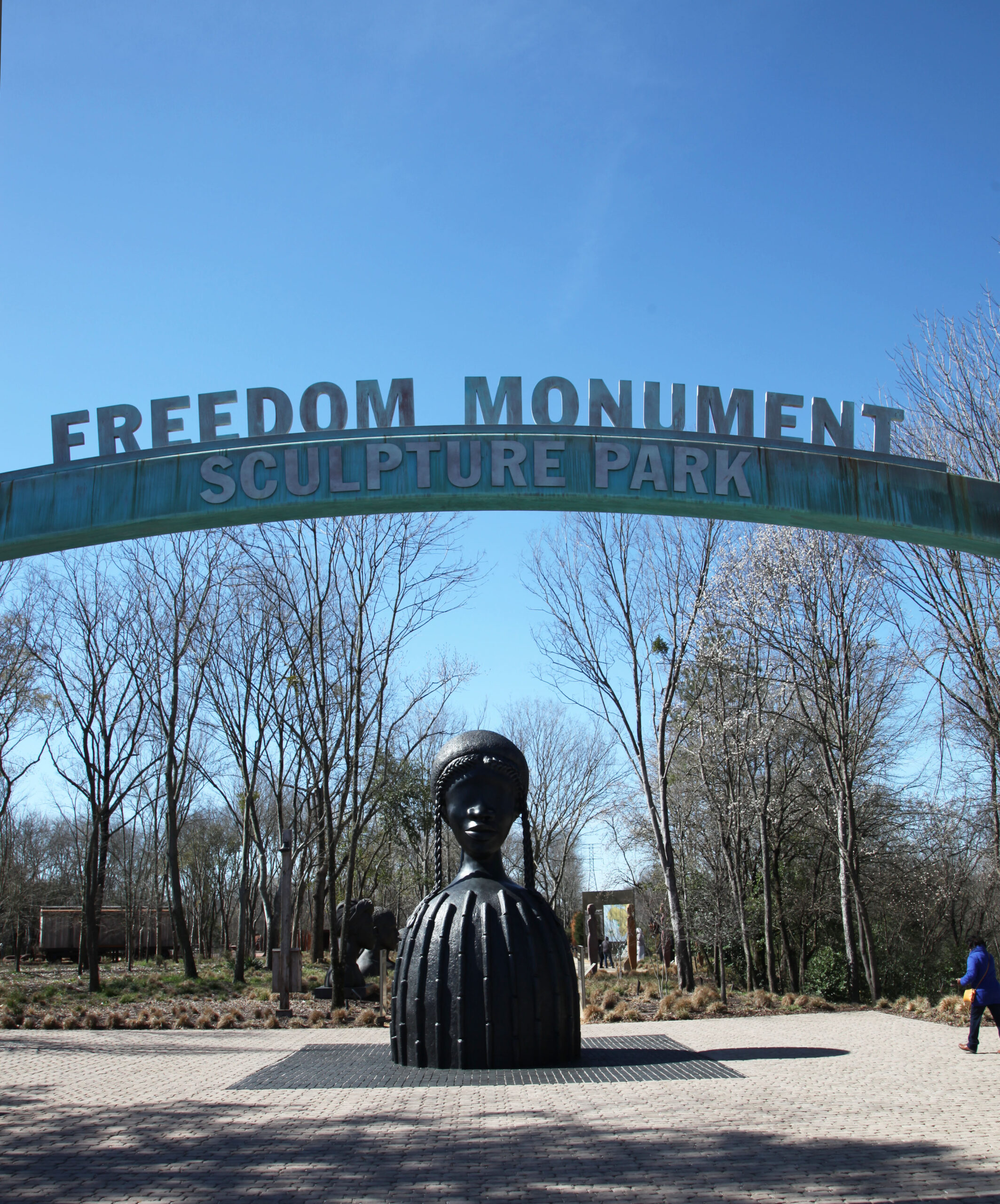
20250221-Satyendra-Pakhale-visited-Sculptural-Park-Montgomery-AL-USA-01
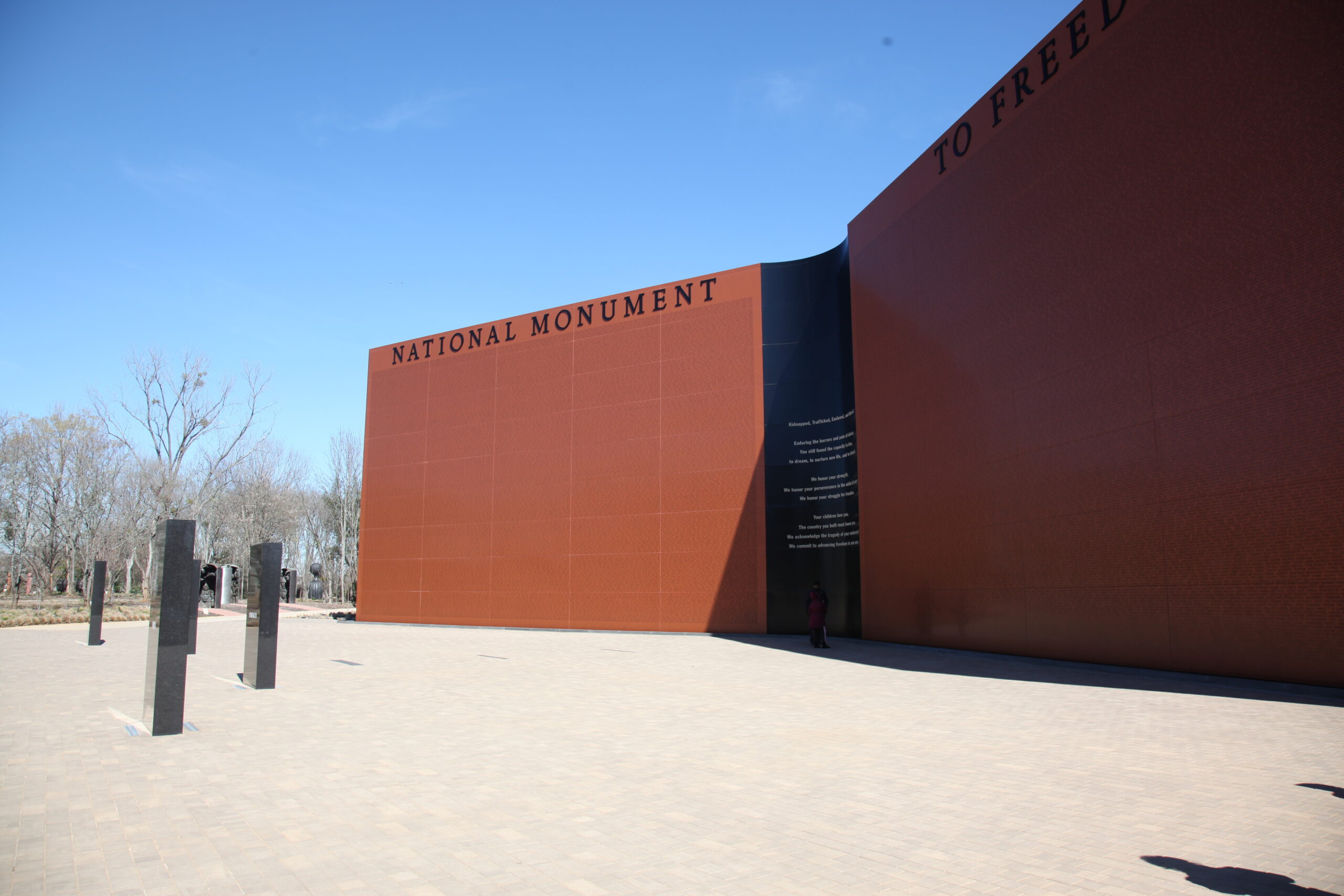
20250221-Satyendra-Pakhale-visited-Sculptural-Park-Montgomery-AL-USA-02
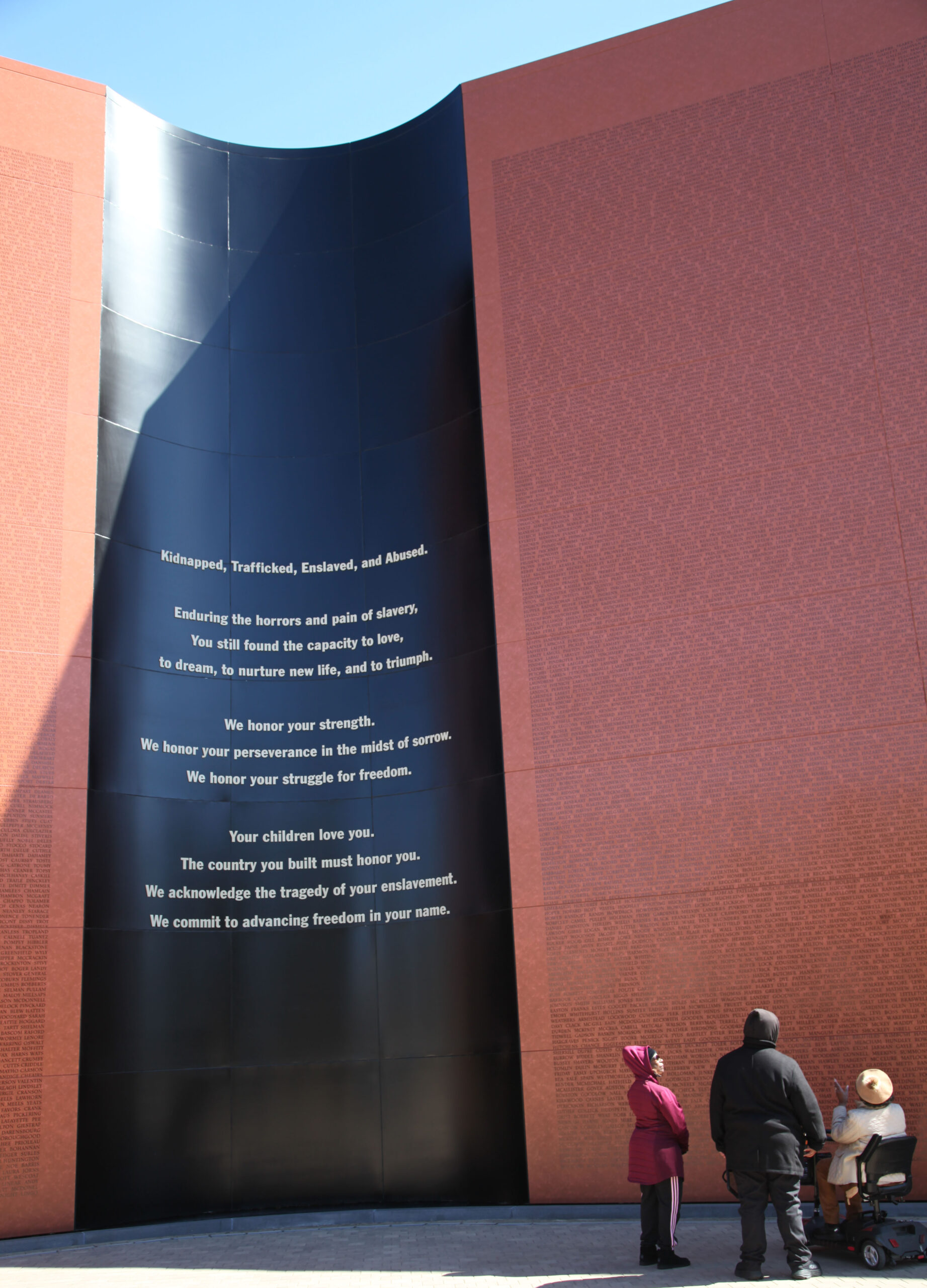
20250221-Satyendra-Pakhale-visited-Sculptural-Park-Montgomery-AL-USA-03
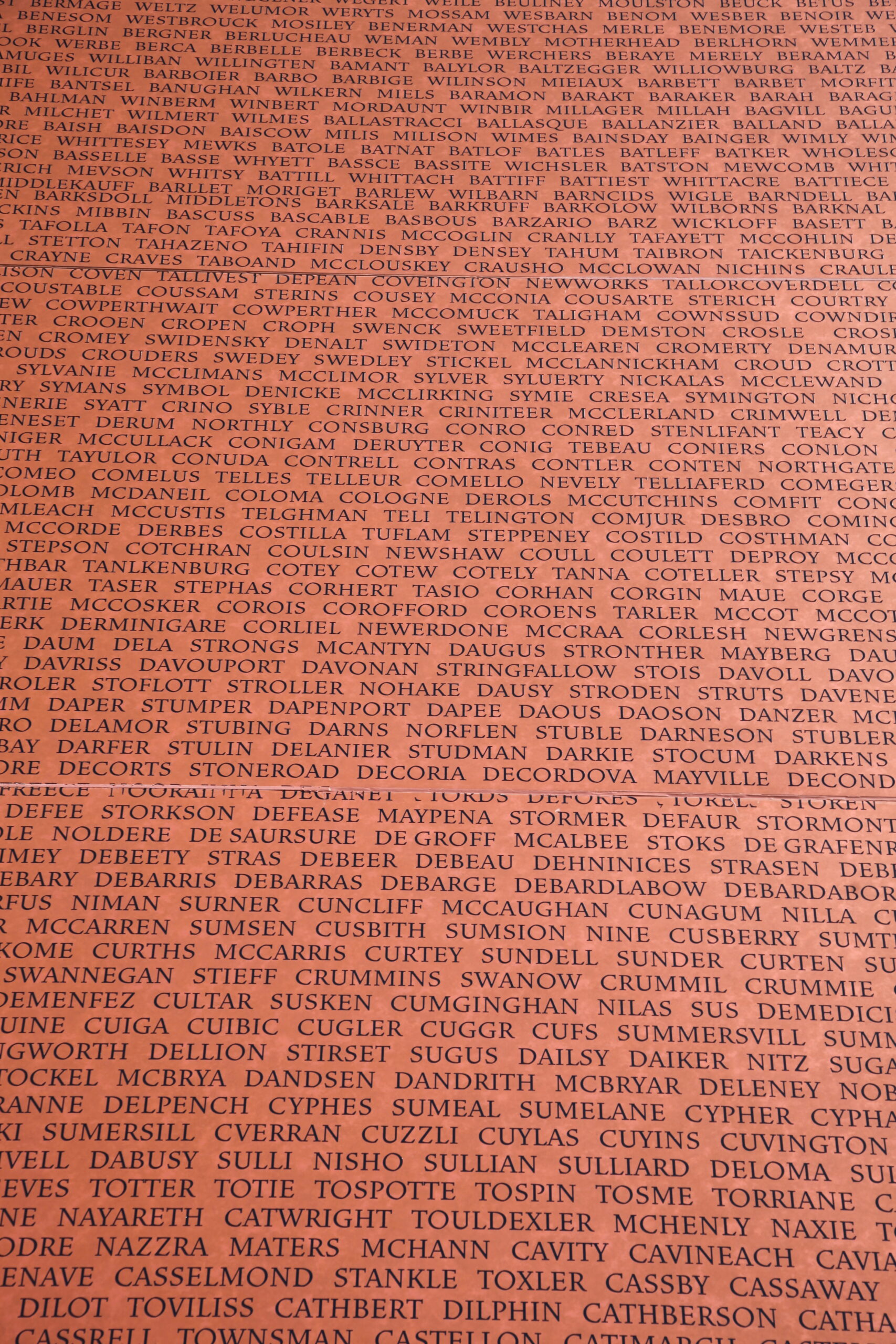
20250221-Satyendra-Pakhale-visited-Sculptural-Park-Montgomery-AL-USA-04
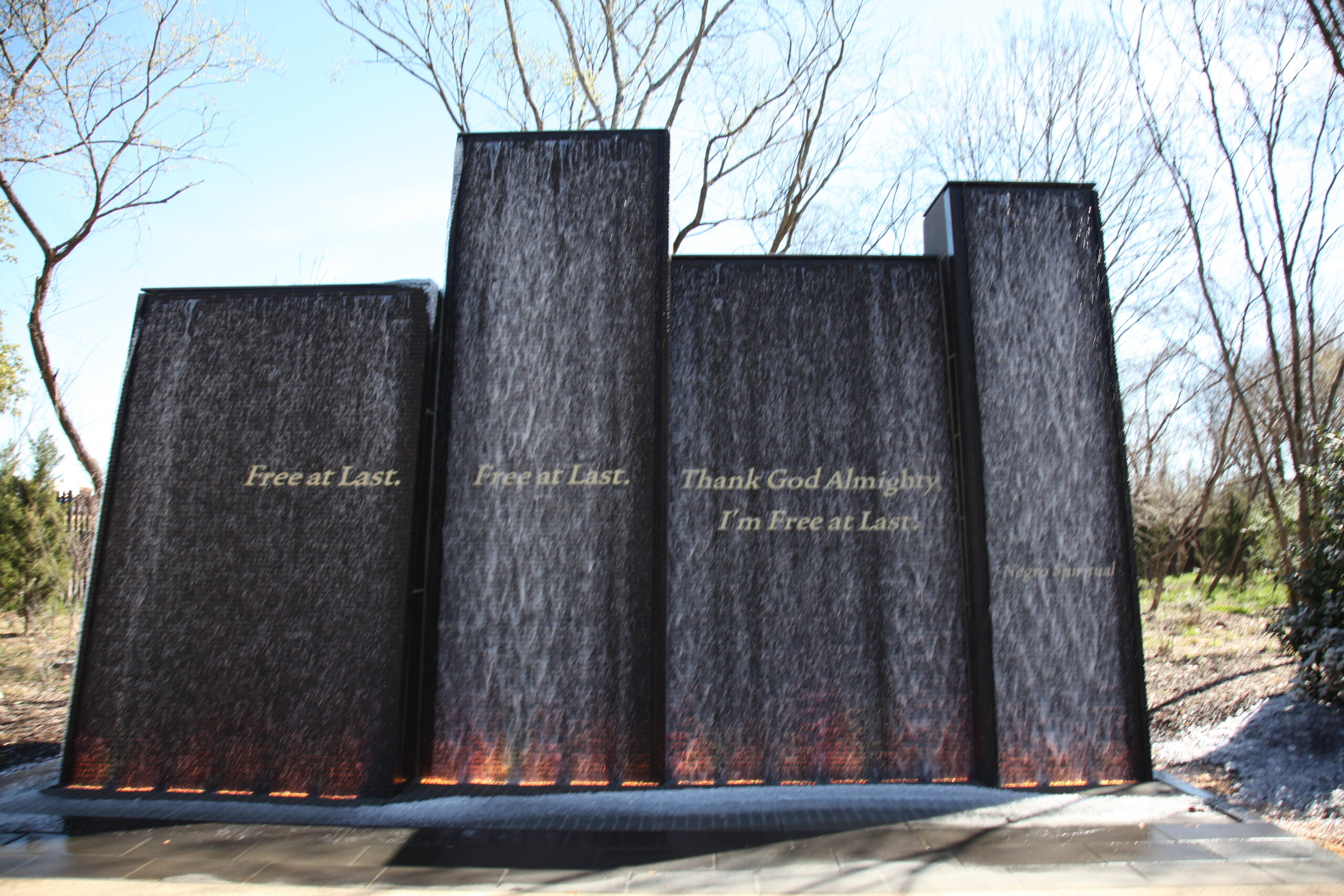
20250221-Satyendra-Pakhale-visited-Sculptural-Park-Montgomery-AL-USA-05
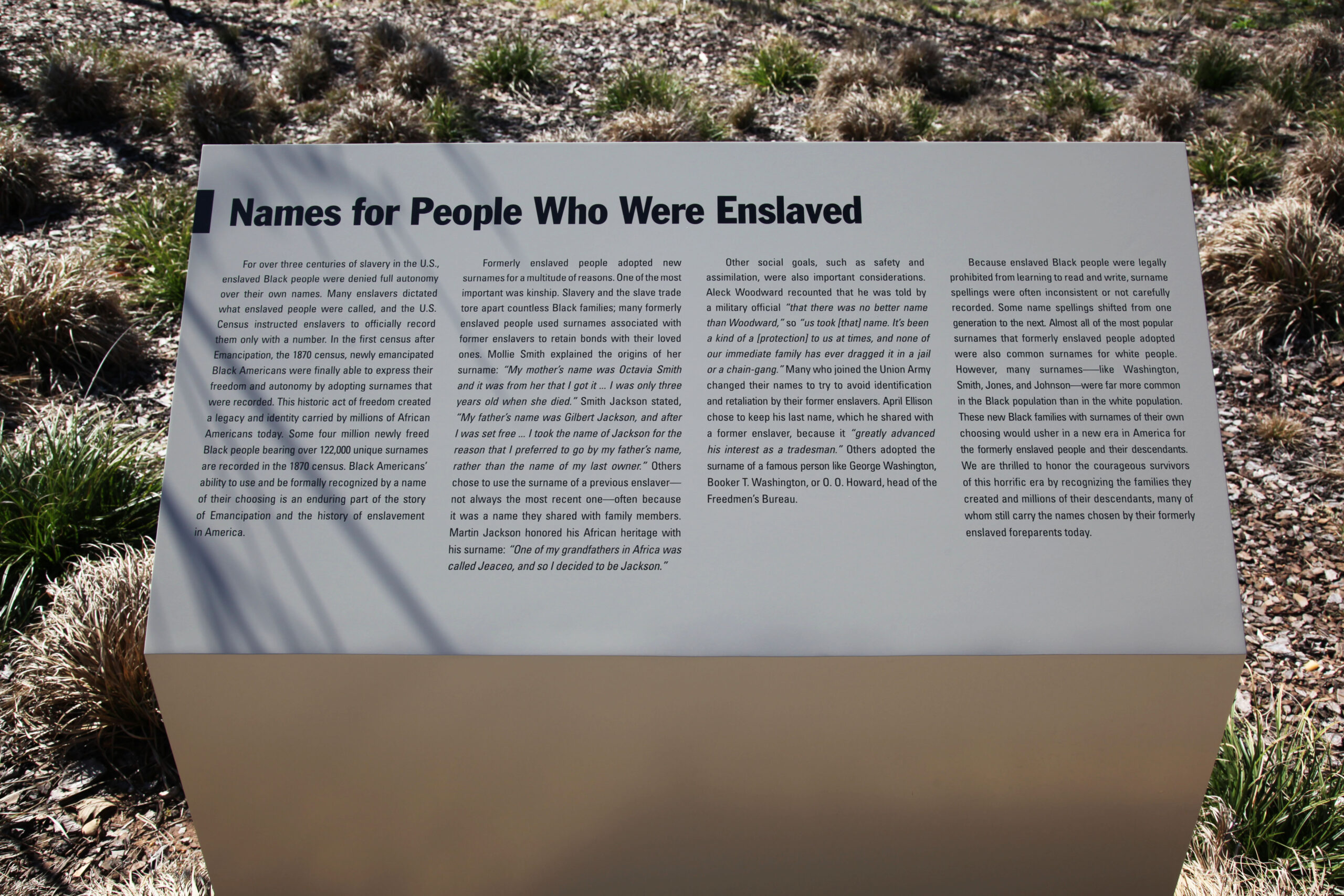
20250221-Satyendra-Pakhale-visited-Sculptural-Park-Montgomery-AL-USA-06
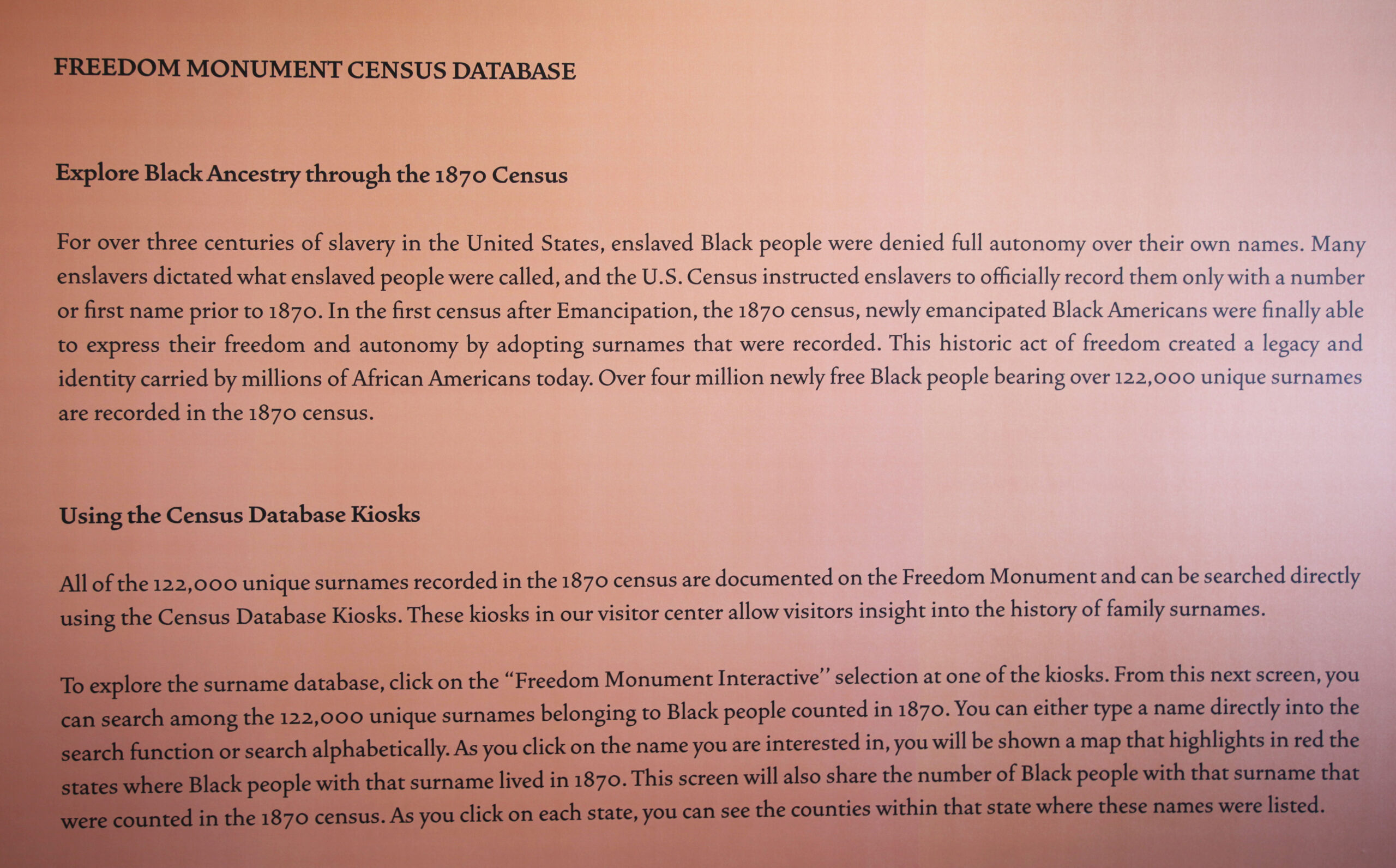
20250221-Satyendra-Pakhale-visited-Sculptural-Park-Montgomery-AL-USA-07
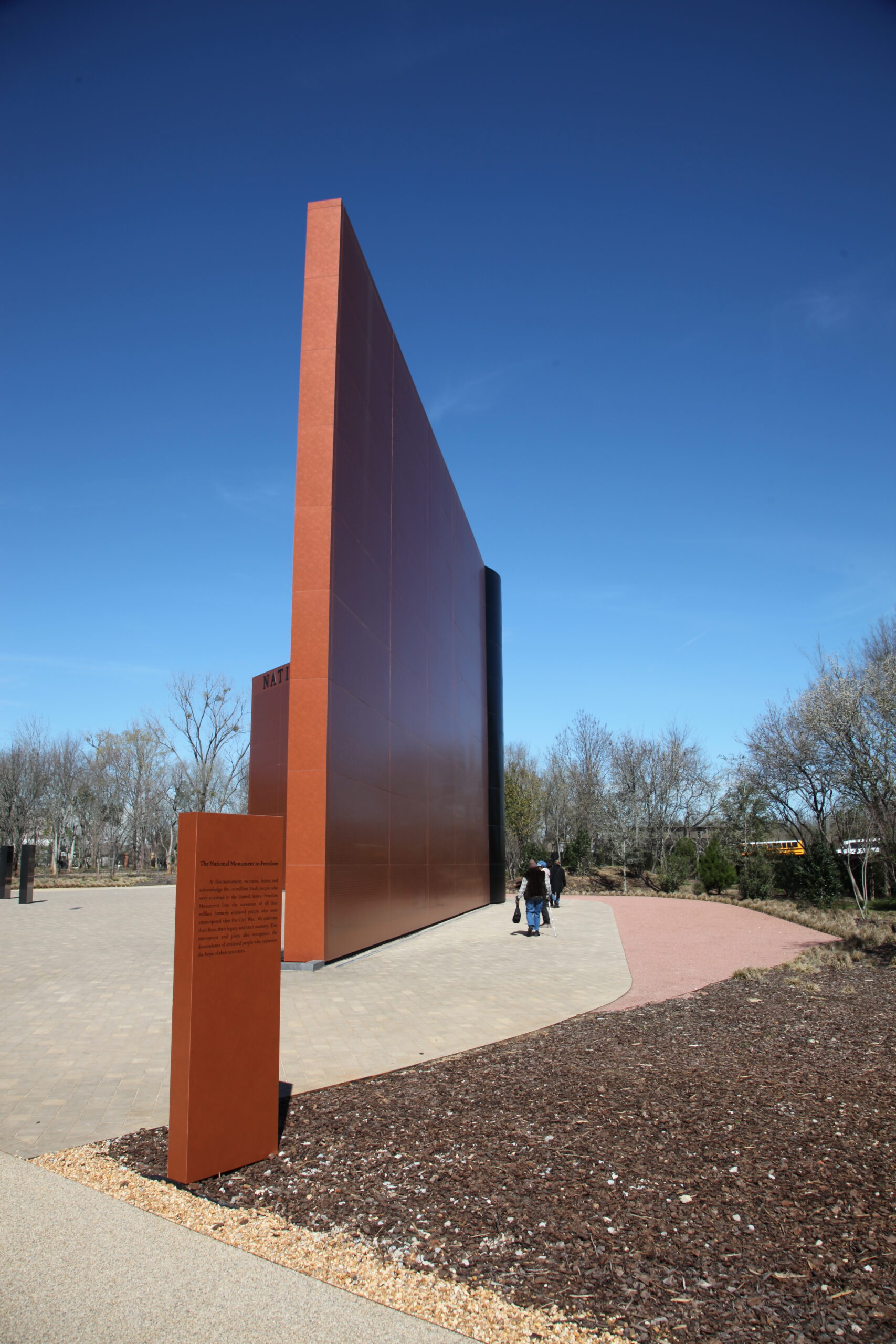
20250221-Satyendra-Pakhale-visited-Sculptural-Park-Montgomery-AL-USA-08
Satyendra Pakhalé visiting National Peace and Justice Memorial, Montgomery, Alhabama,USA
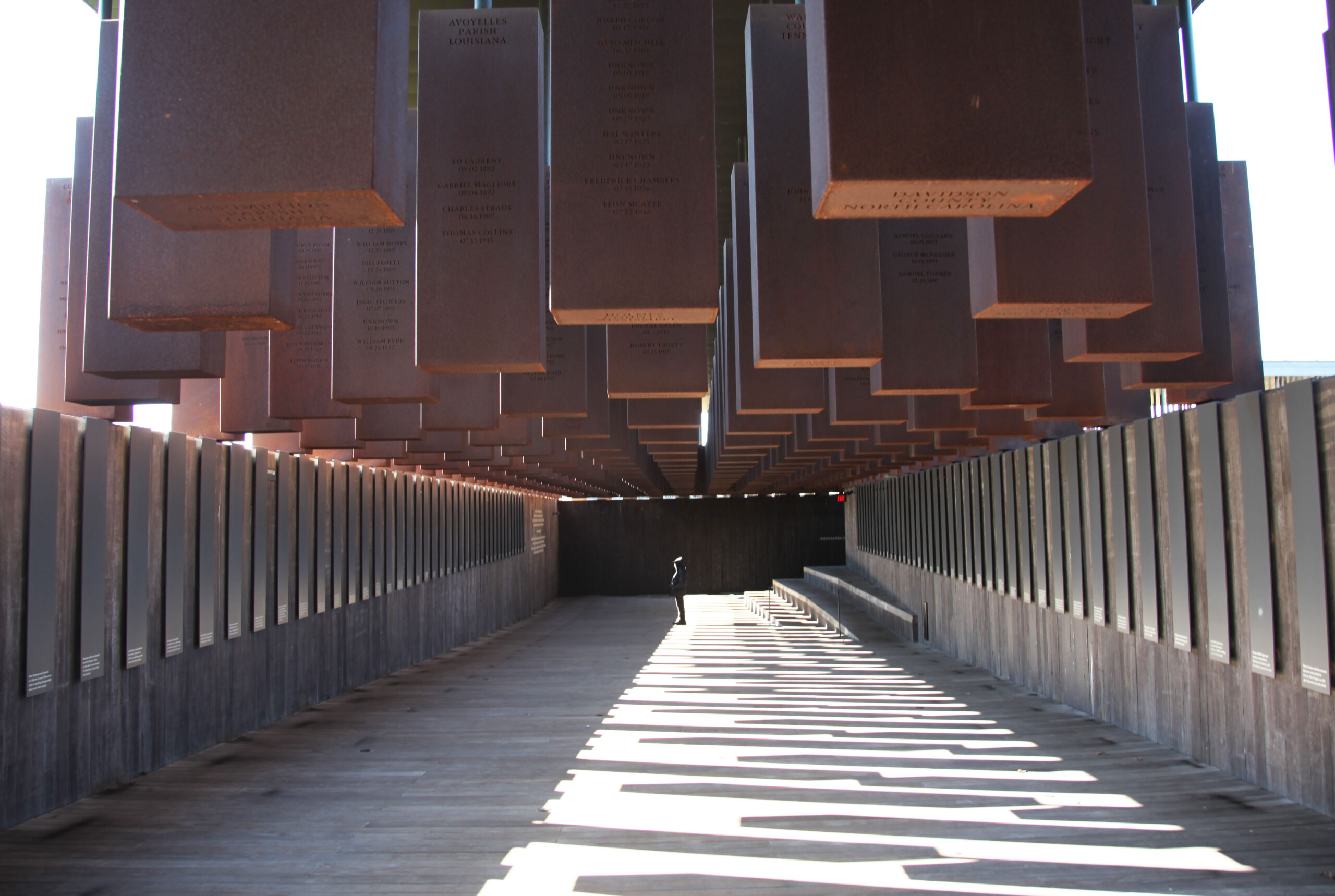
20250221-Satyendra-Pakhale-visited-National-Peace-Justice-memorial-Montgomery-USA-02
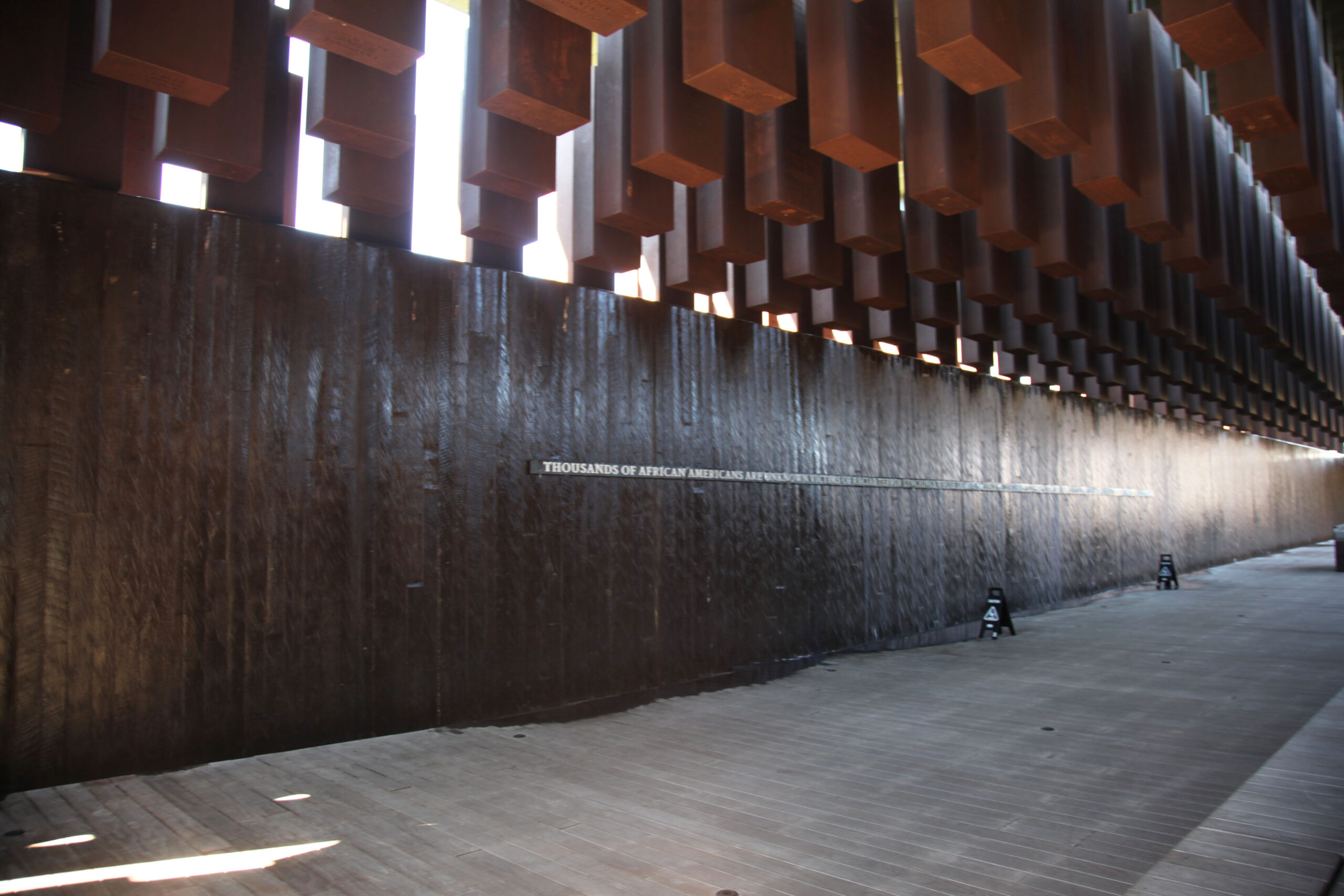
20250221-Satyendra-Pakhale-visited-National-Peace-Justice-memorial-Montgomery-USA-03
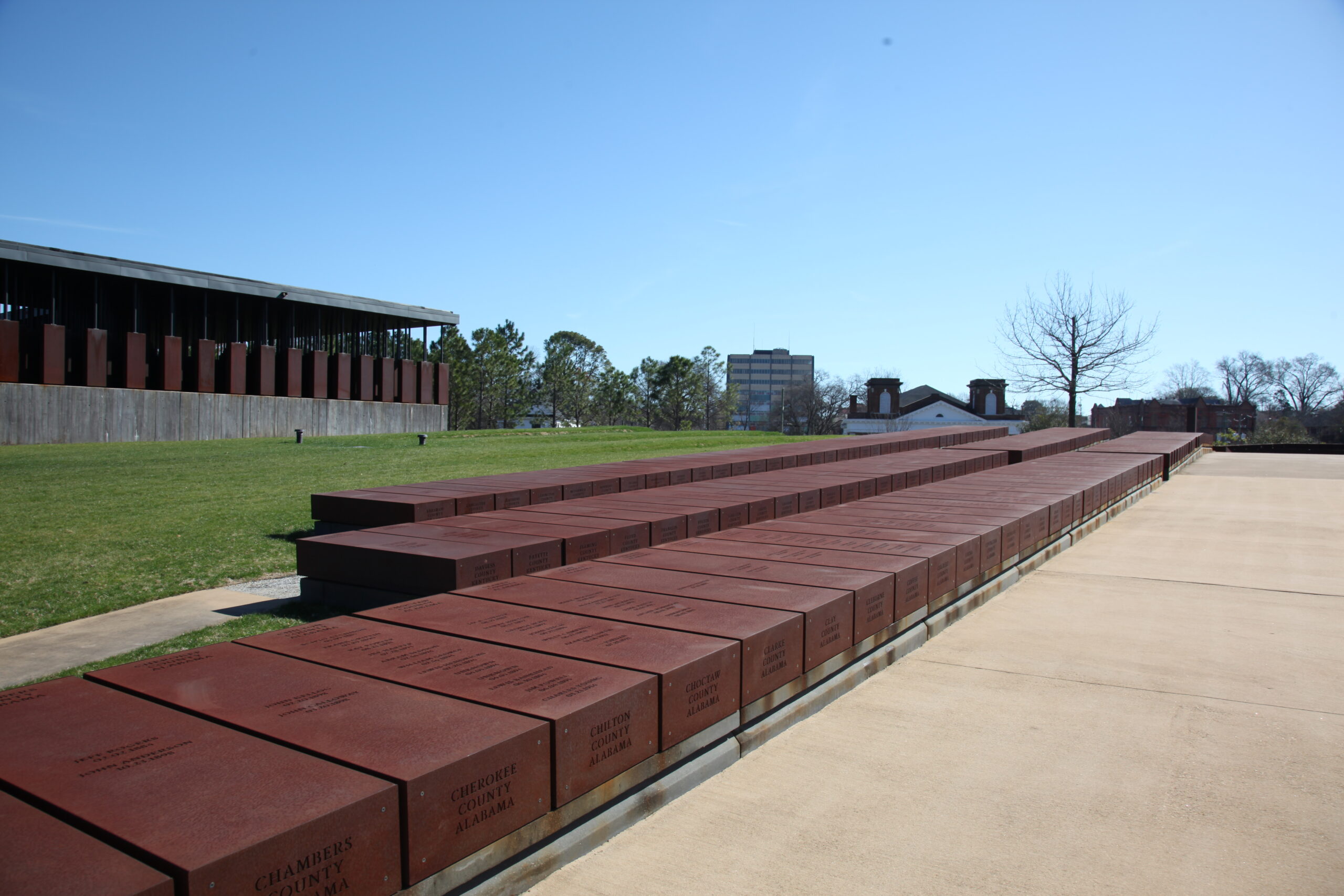
20250221-Satyendra-Pakhale-visited-National-Peace-Justice-memorial-Montgomery-USA-04
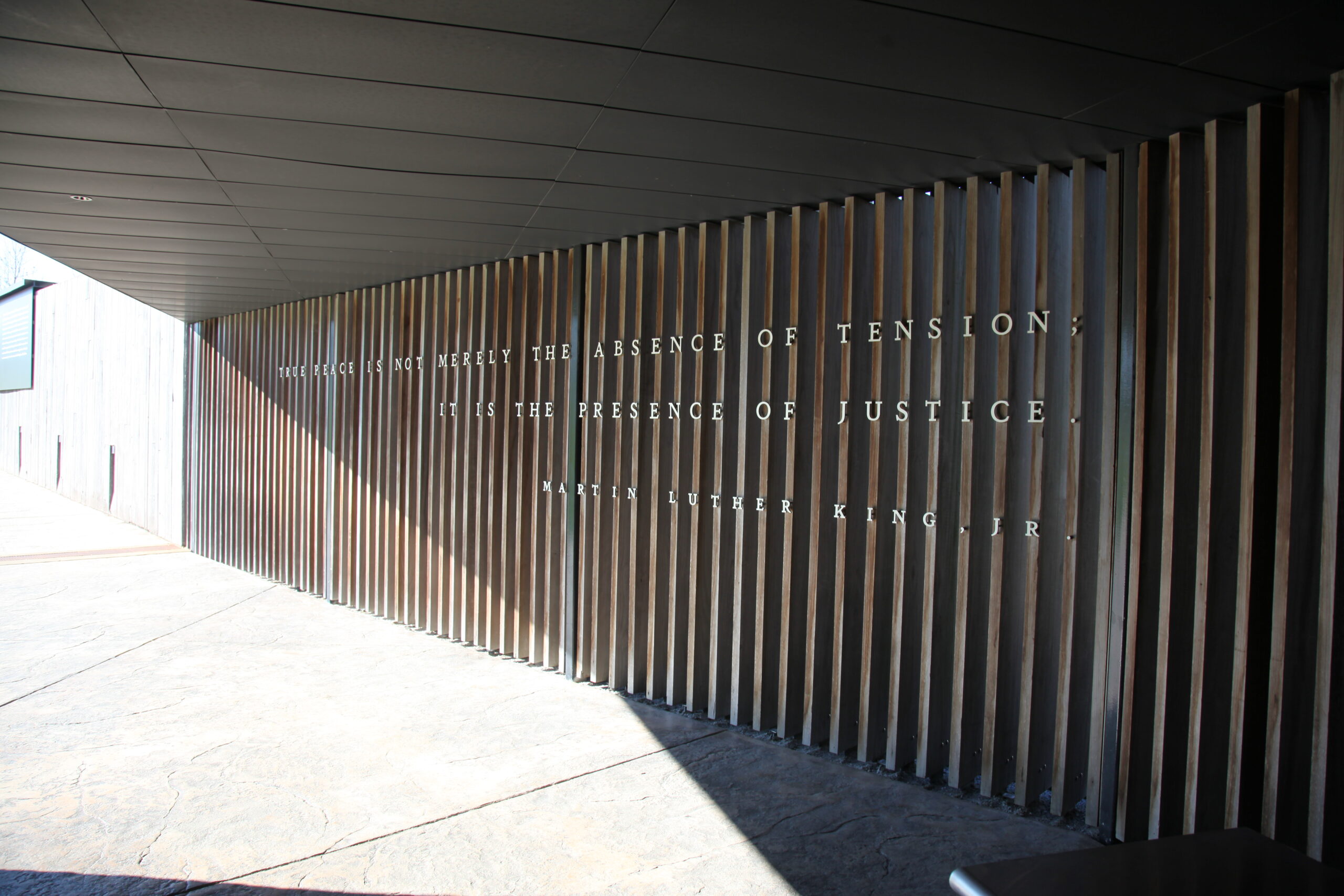
20250221-Satyendra-Pakhale-visited-National-Peace-Justice-memorial-Montgomery-USA-05
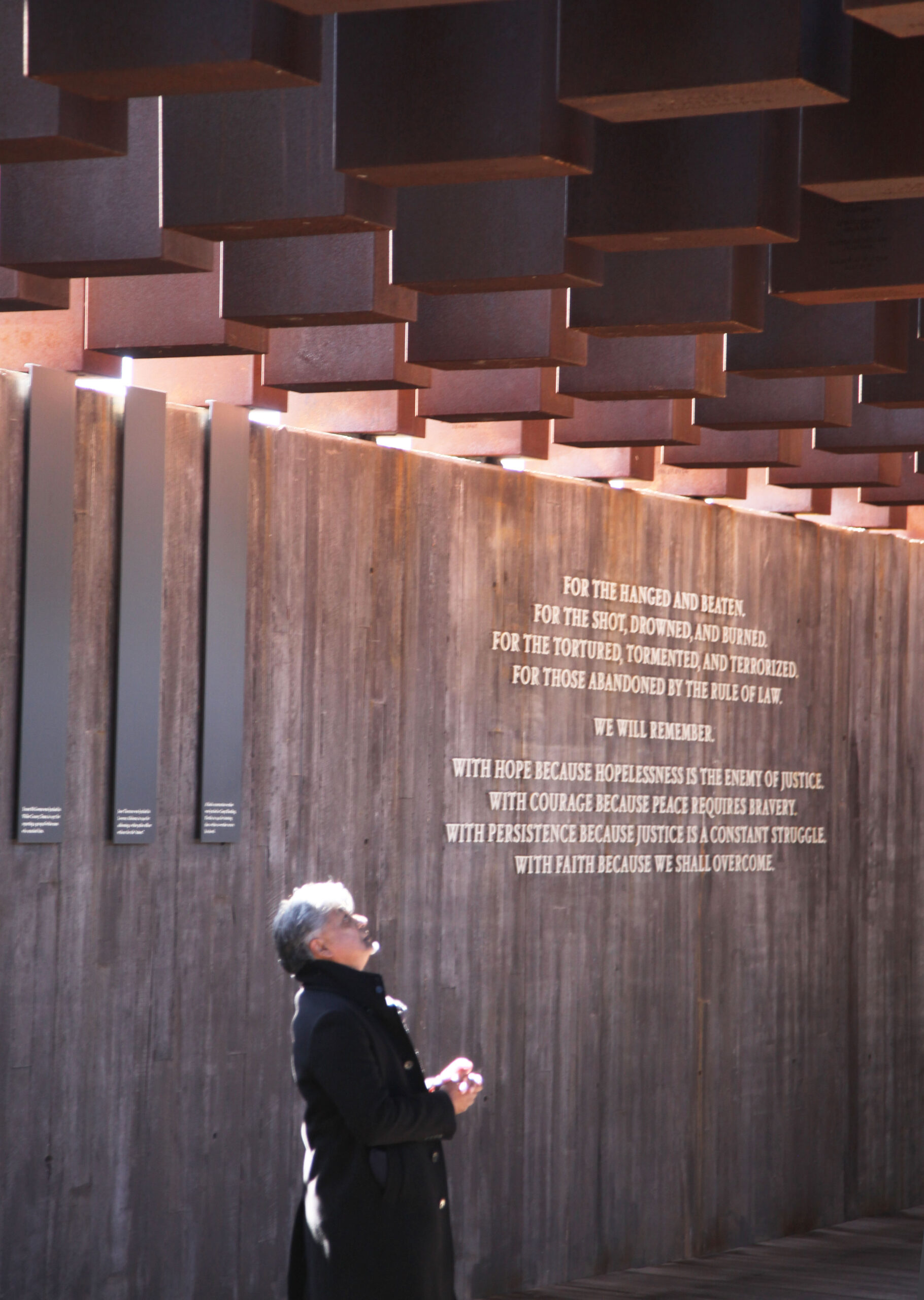
20250221-Satyendra-Pakhale-visited-National-Peace-Justice-memorial-Montgomery-USA-06
Satyendra Pakhalé meeting Bryan Stevenson and Tera Du Vernay, Montgomery, Alhabama,USA
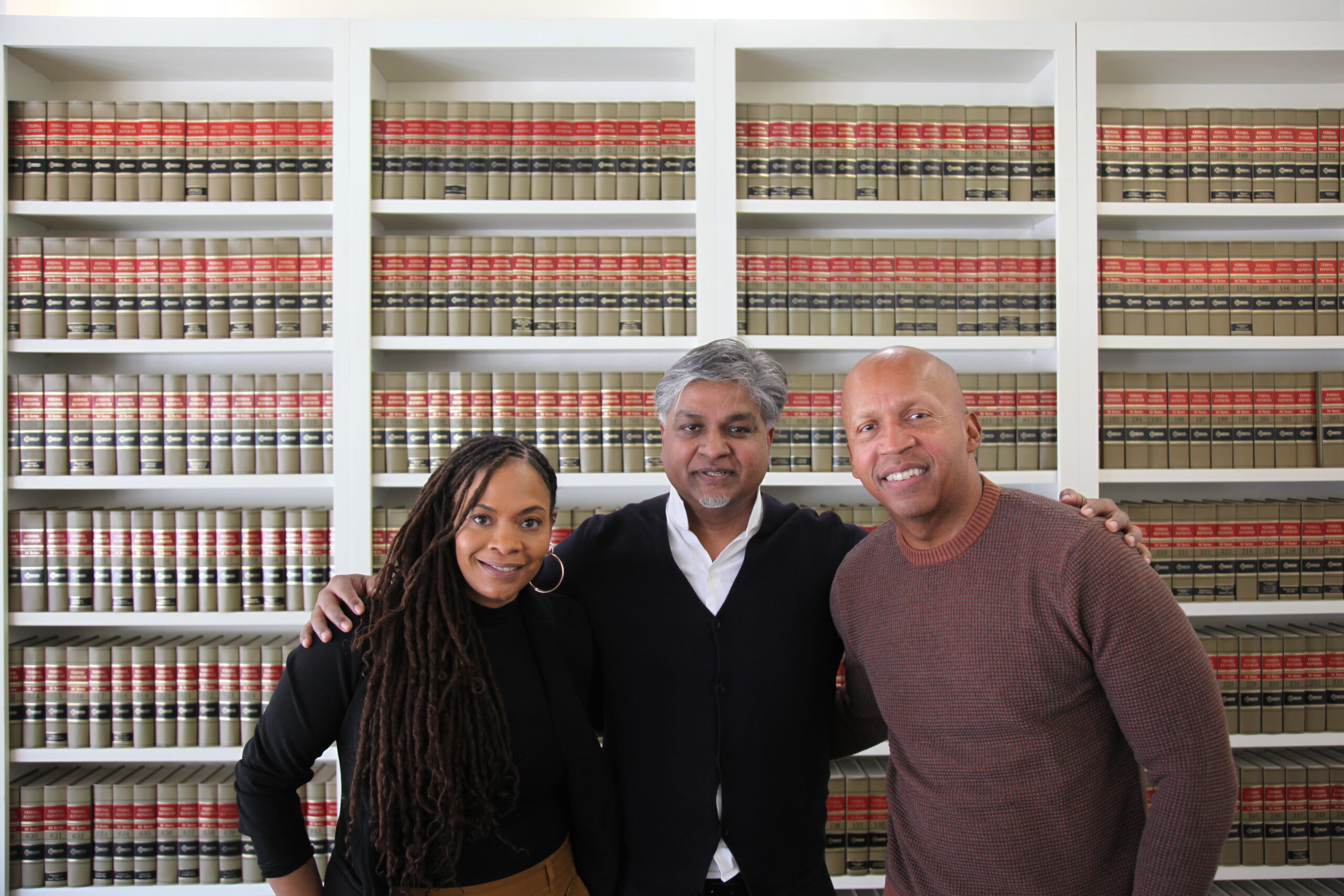
20250221-Satyendra-Pakhale-Meeting-Bryan-Stevenson-Tera-DuVernay-Montgomery-USA-01
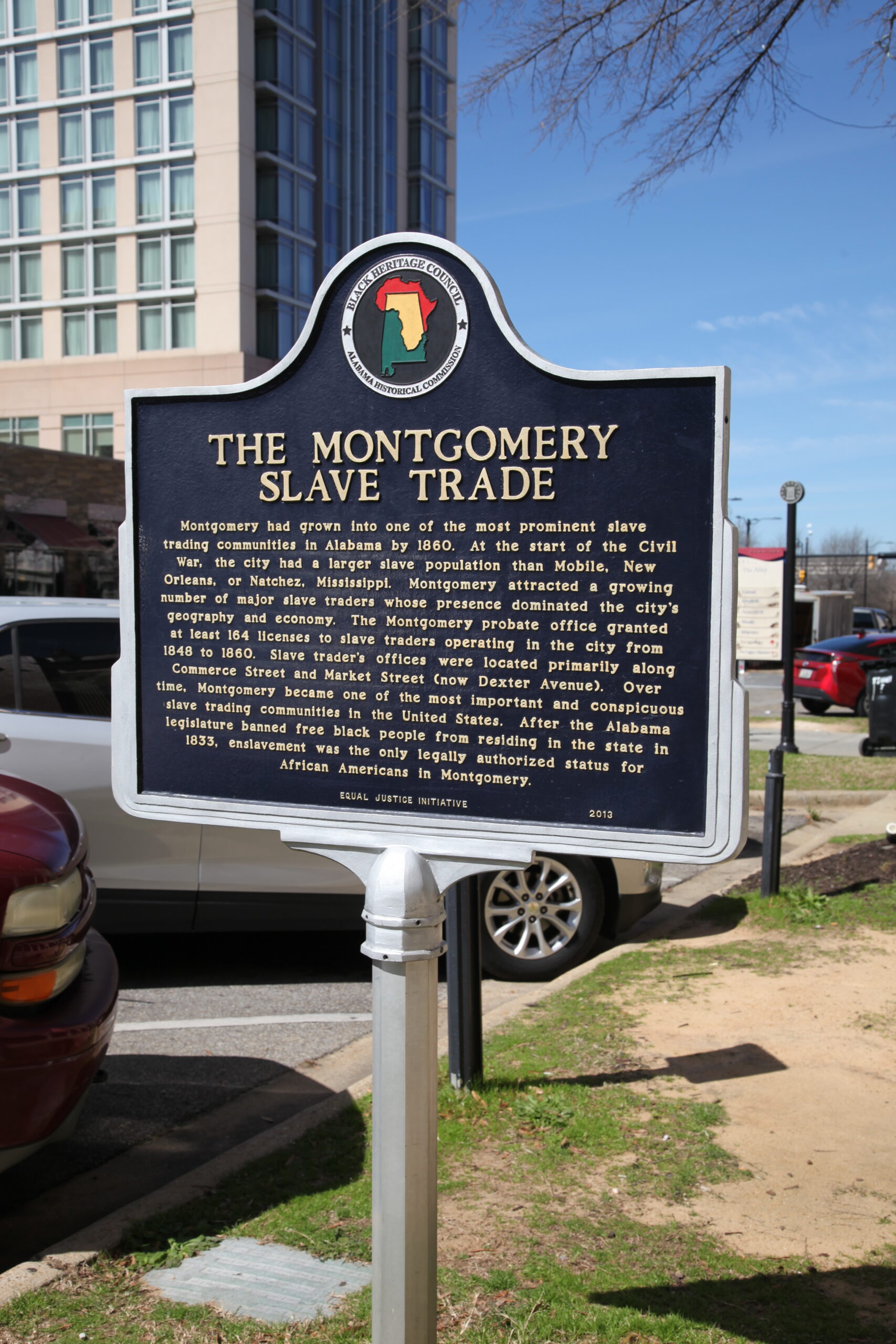
20250221-Satyendra-Pakhale-Meeting-Bryan-Stevenson-Tera-DuVernay-Montgomery-USA-02
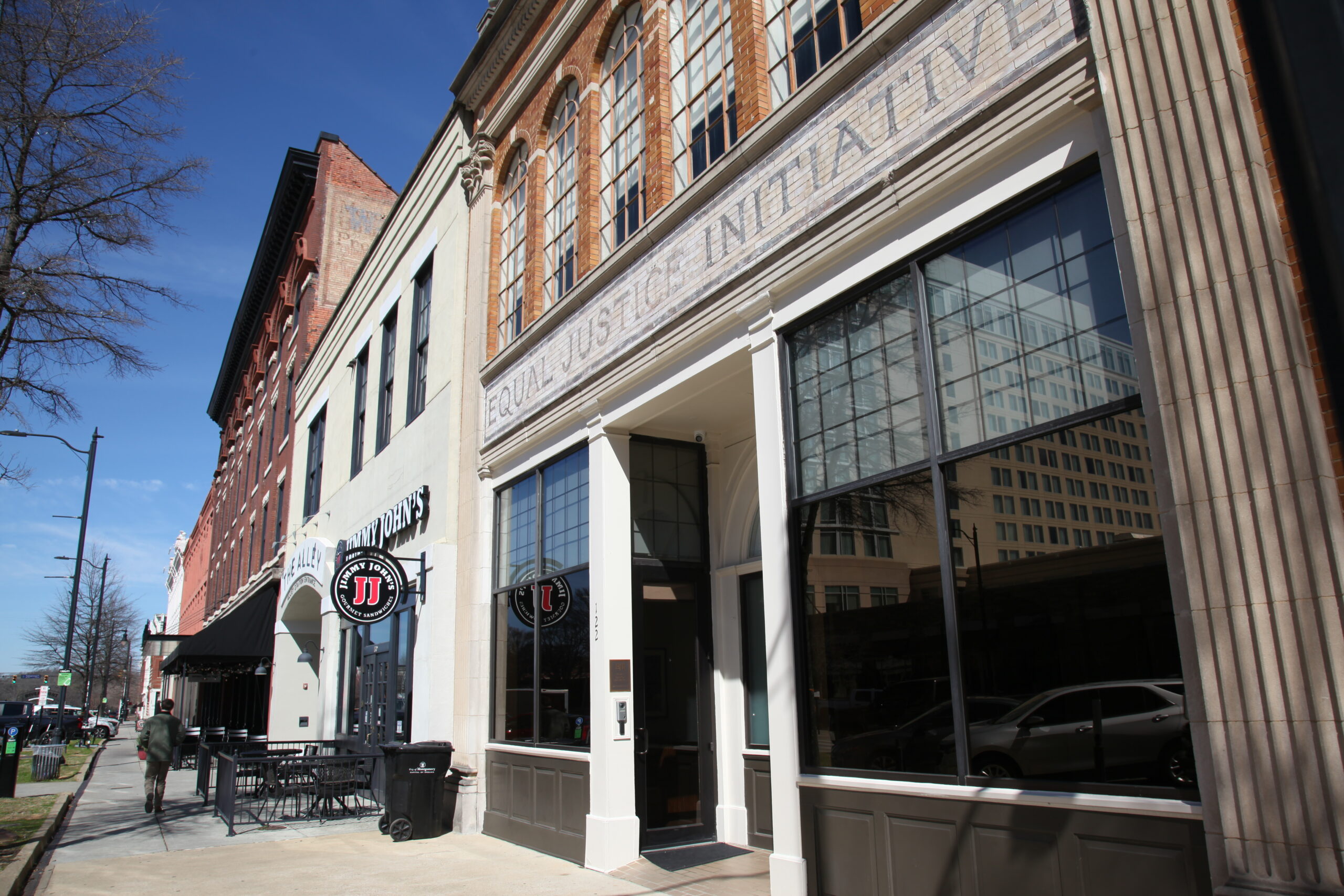
20250221-Satyendra-Pakhale-Meeting-Bryan-Stevenson-Tera-DuVernay-Montgomery-USA-03
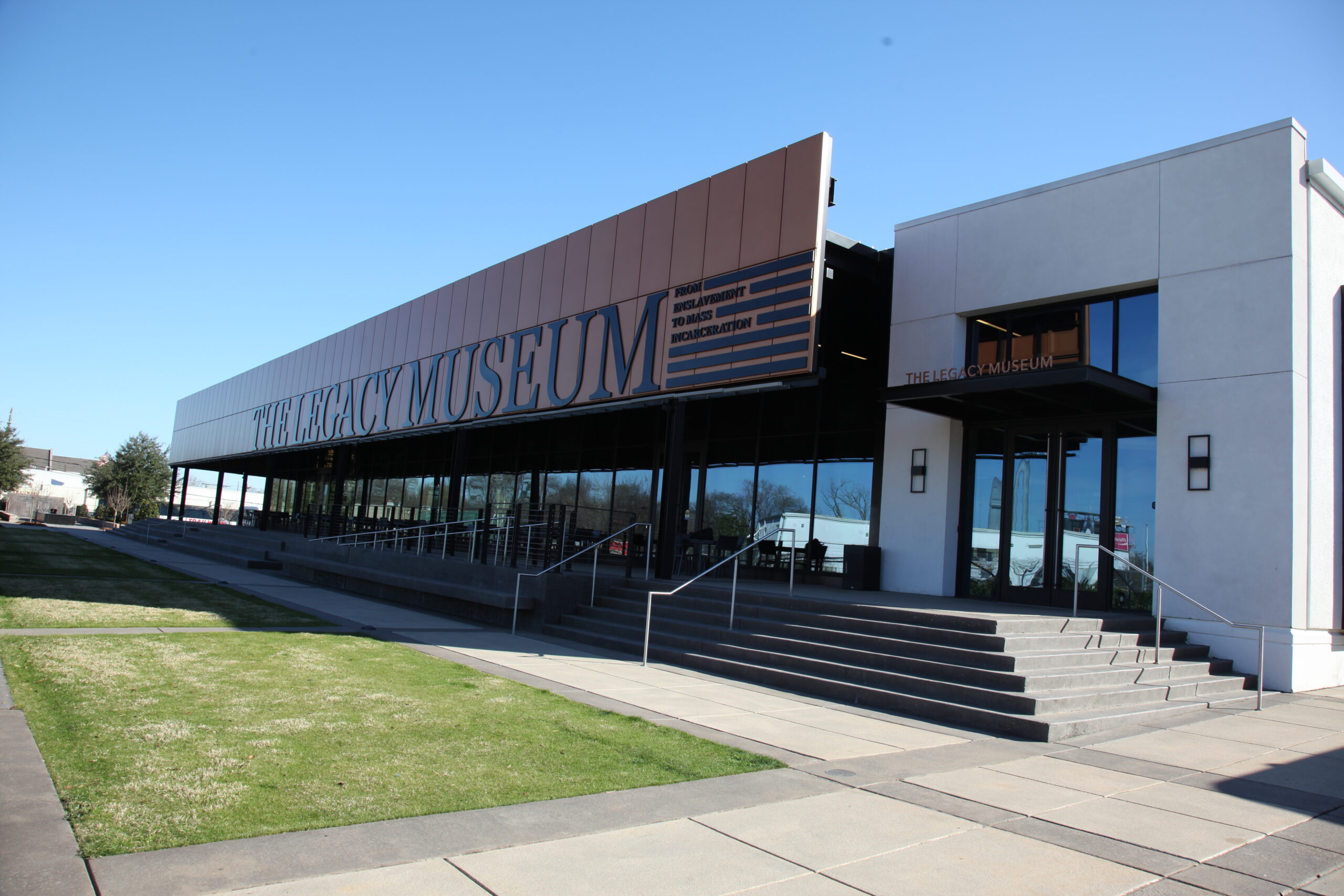
20250221-Satyendra-Pakhale-visited-Legacy-Site-Museum-Montgomery-USA-01
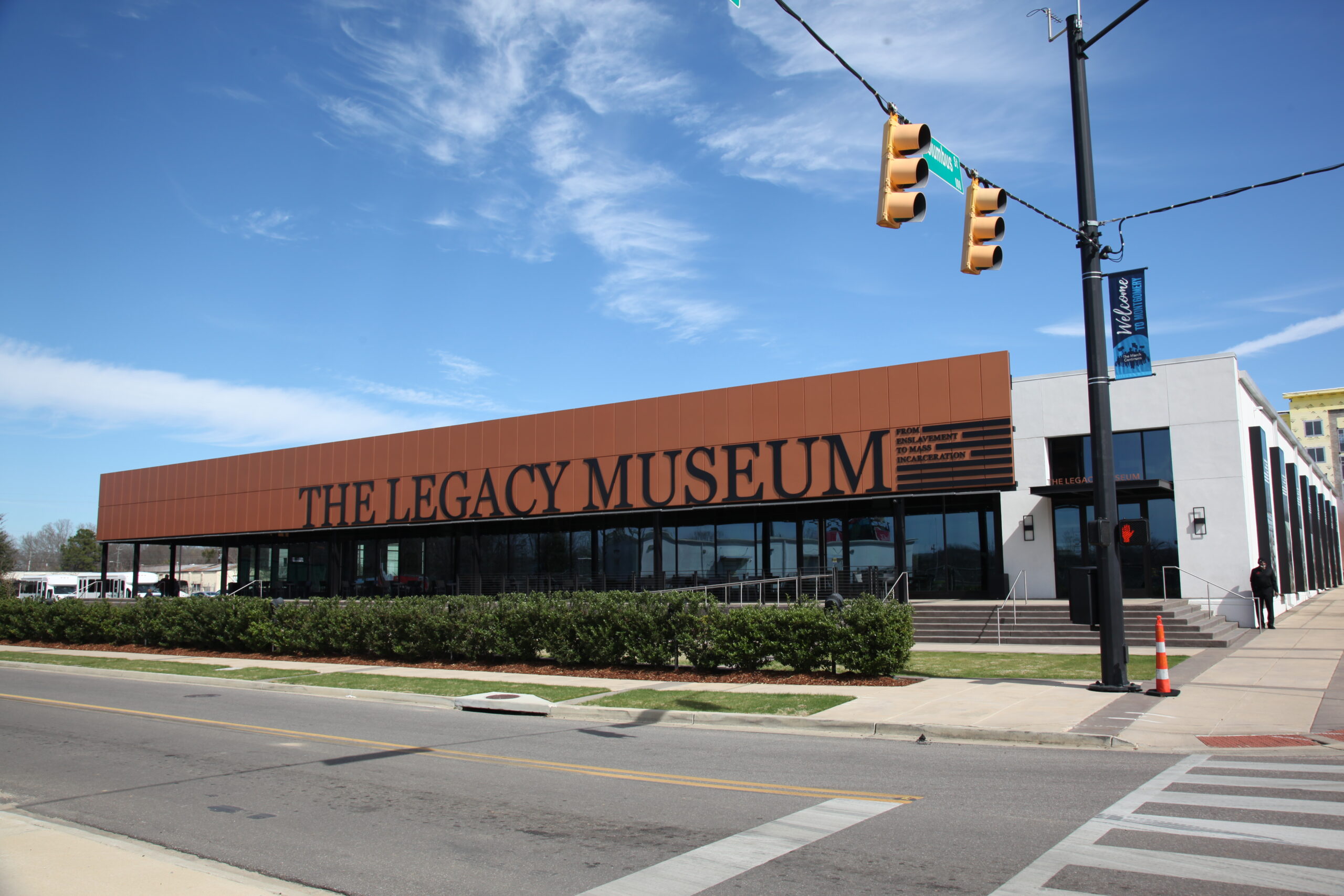
20250221-Satyendra-Pakhale-visited-Legacy-Site-Museum-Montgomery-USA-02
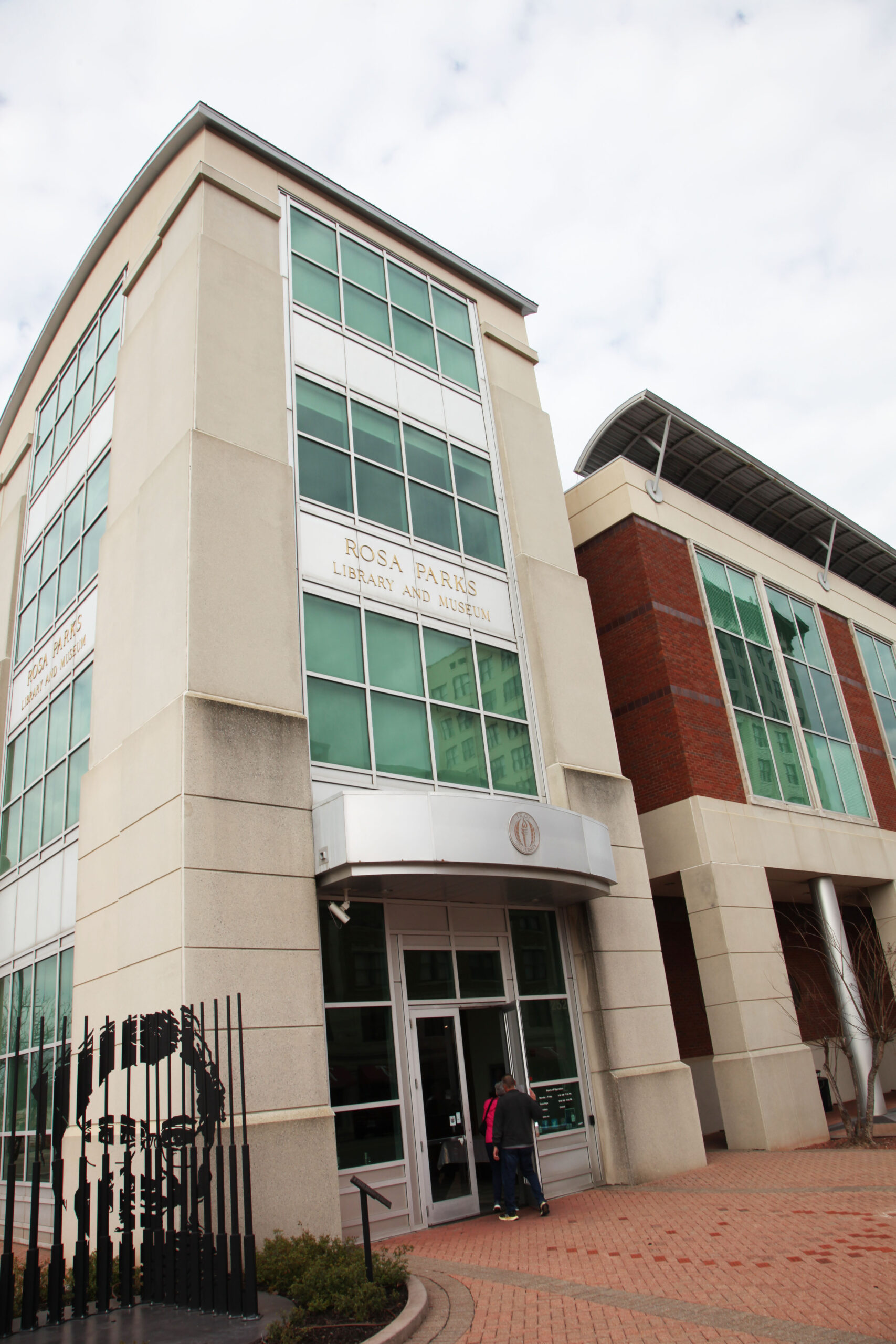
20250222-Satyendra-Pakhale-visits-Rosa-Parks-Museum-Montgomery-USA-01
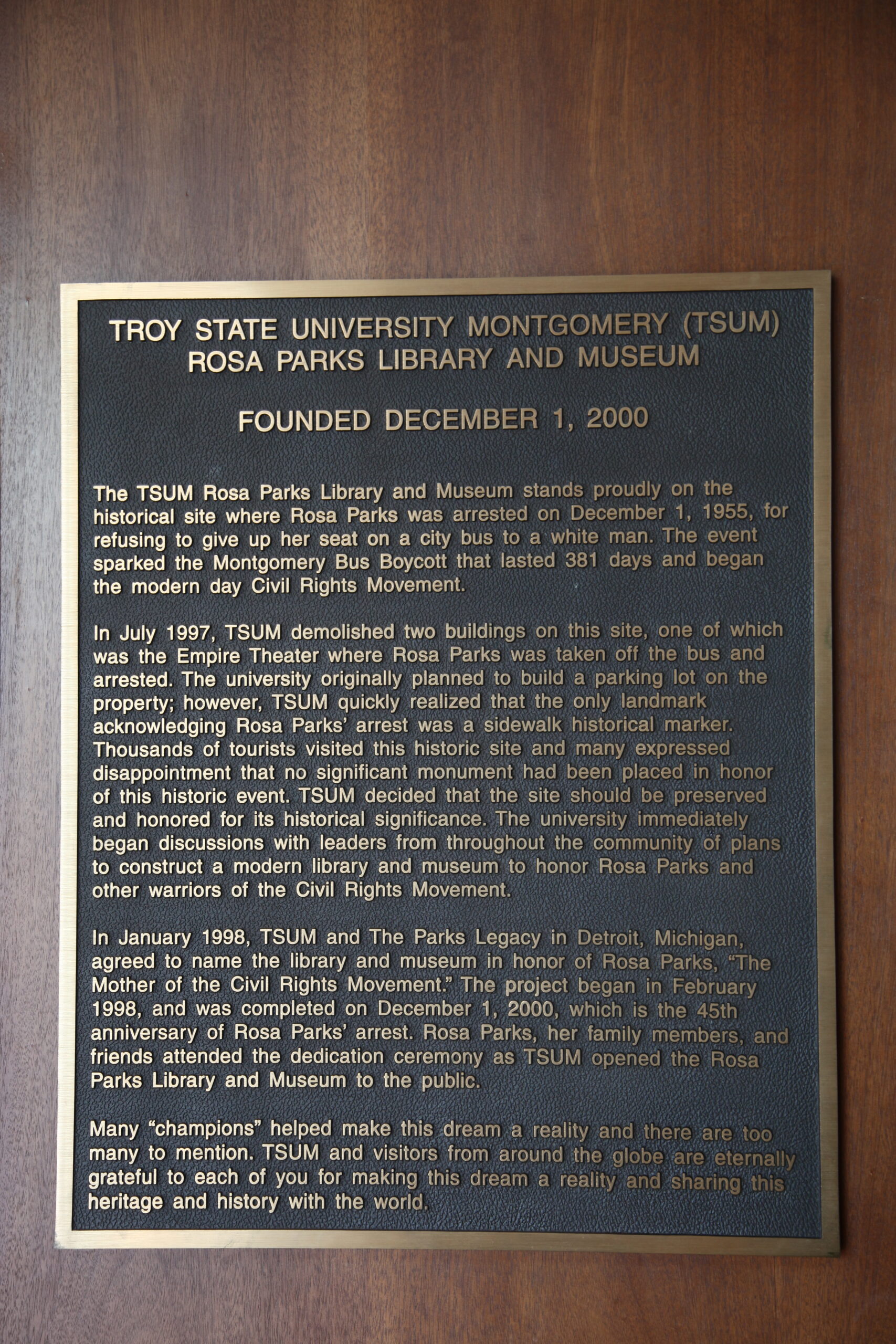
20250222-Satyendra-Pakhale-visits-Rosa-Parks-Museum-Montgomery-USA-02
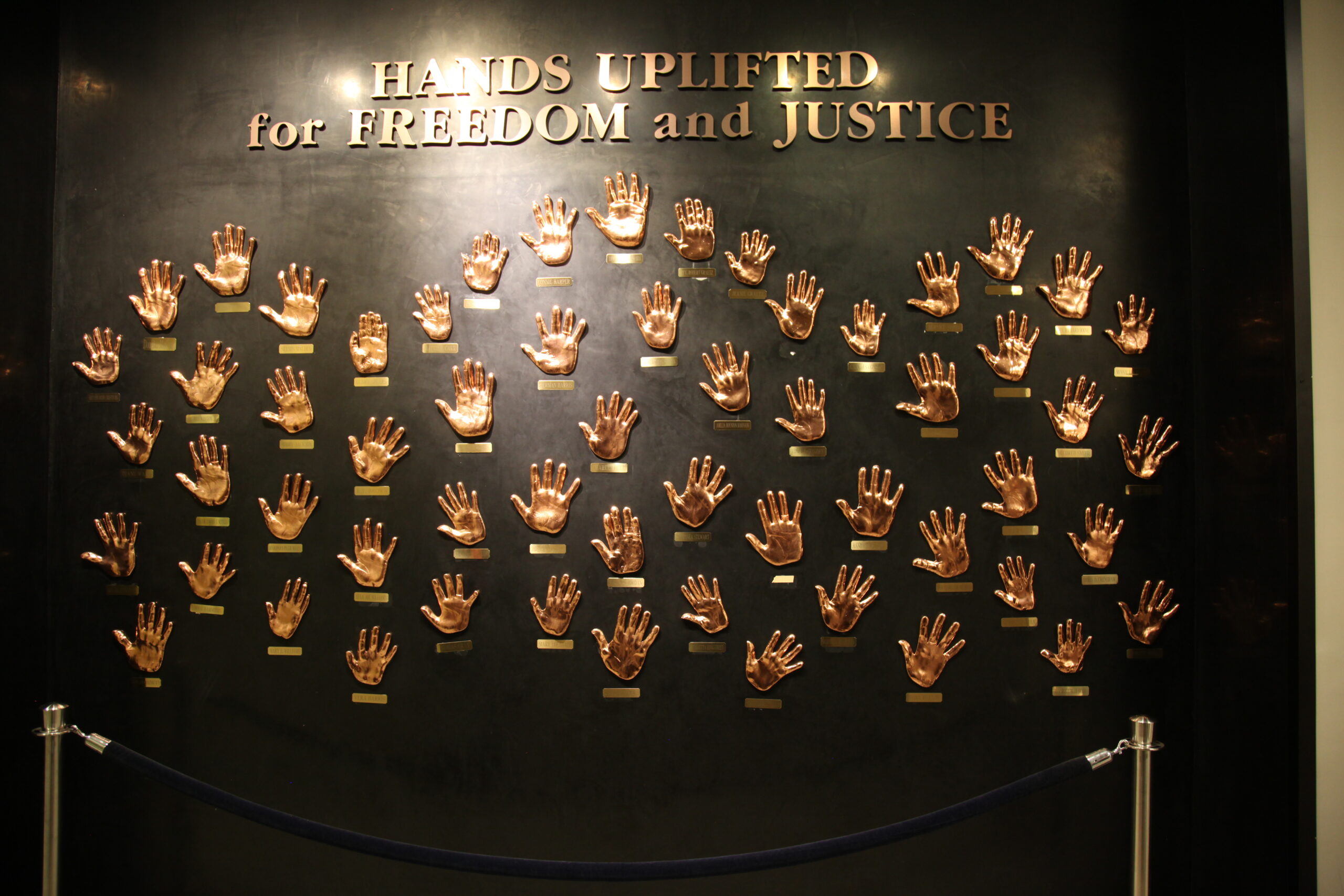
20250222-Satyendra-Pakhale-visits-Rosa-Parks-Museum-Montgomery-USA-03
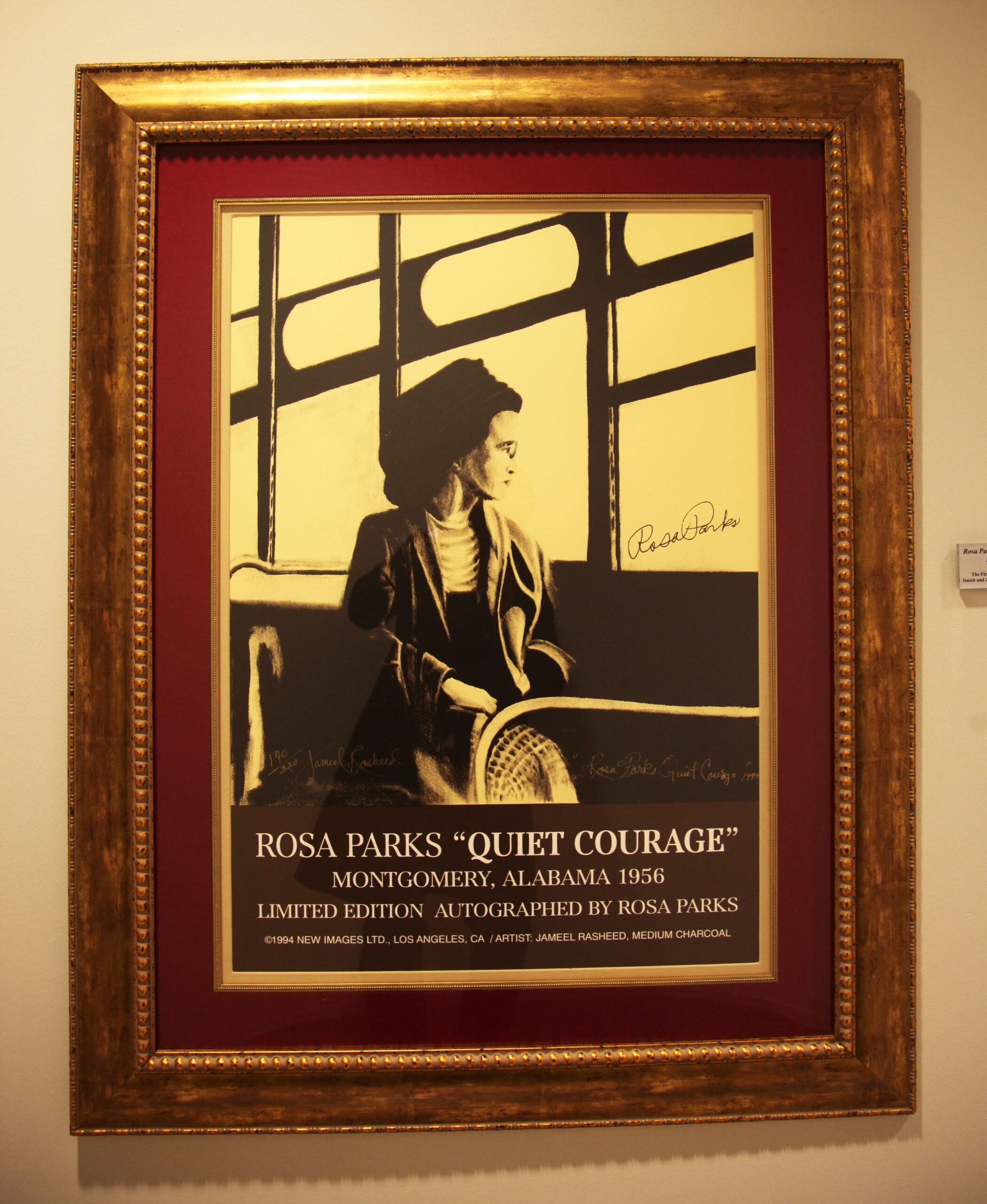
20250222-Satyendra-Pakhale-visits-Rosa-Parks-Museum-Montgomery-USA-04
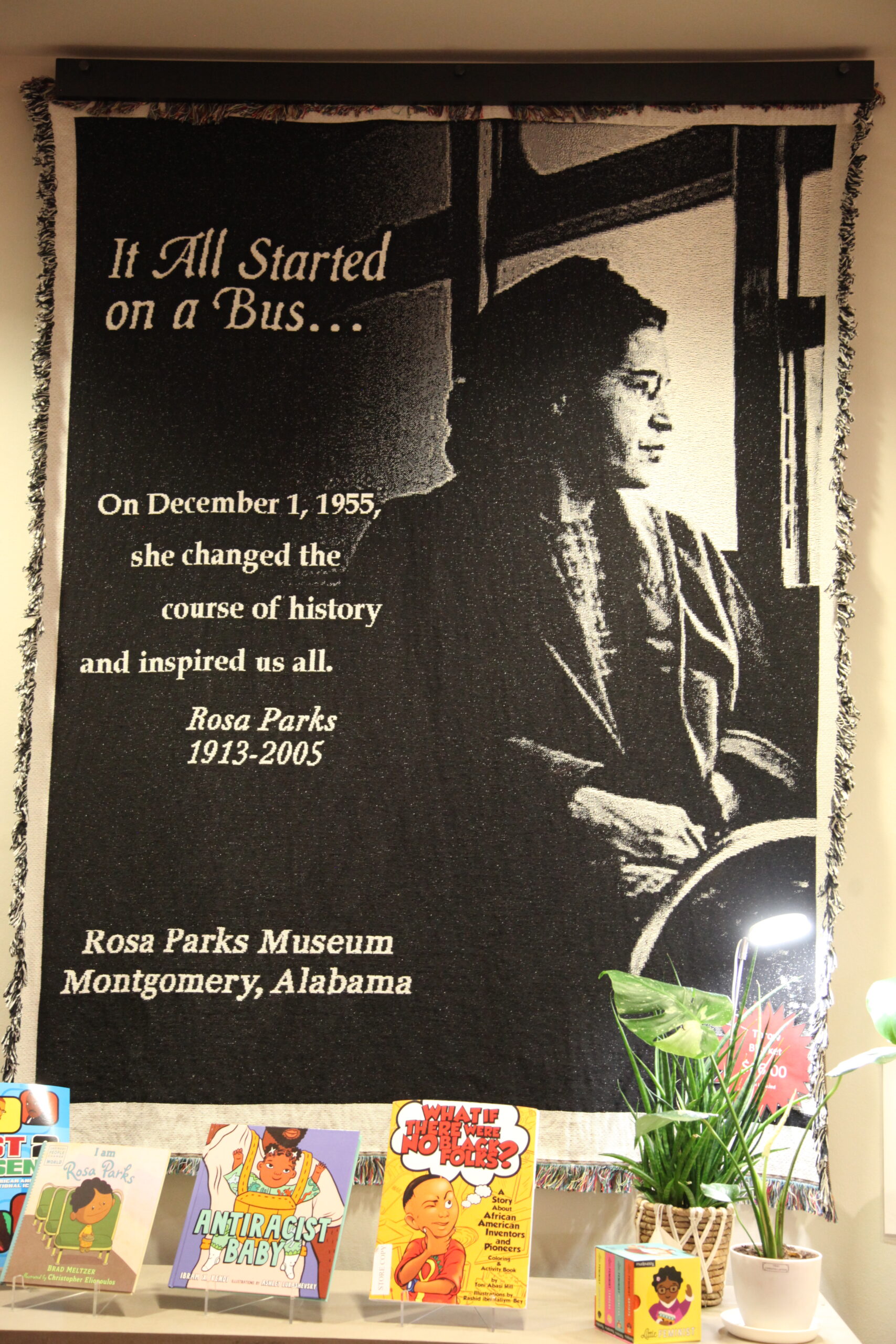
20250222-Satyendra-Pakhale-visits-Rosa-Parks-Museum-Montgomery-USA-05
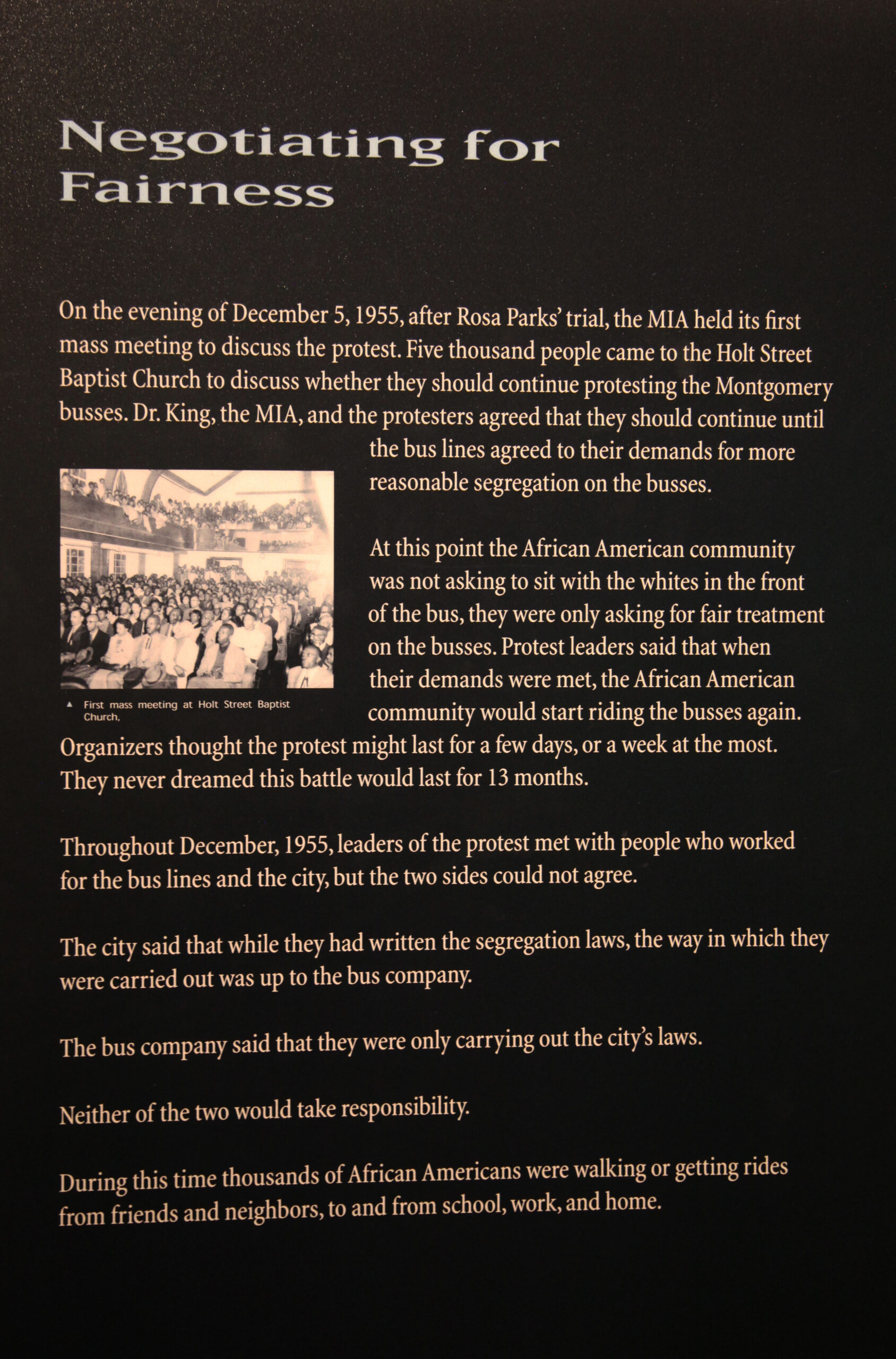
20250222-Satyendra-Pakhale-visits-Rosa-Parks-Museum-Montgomery-USA-06
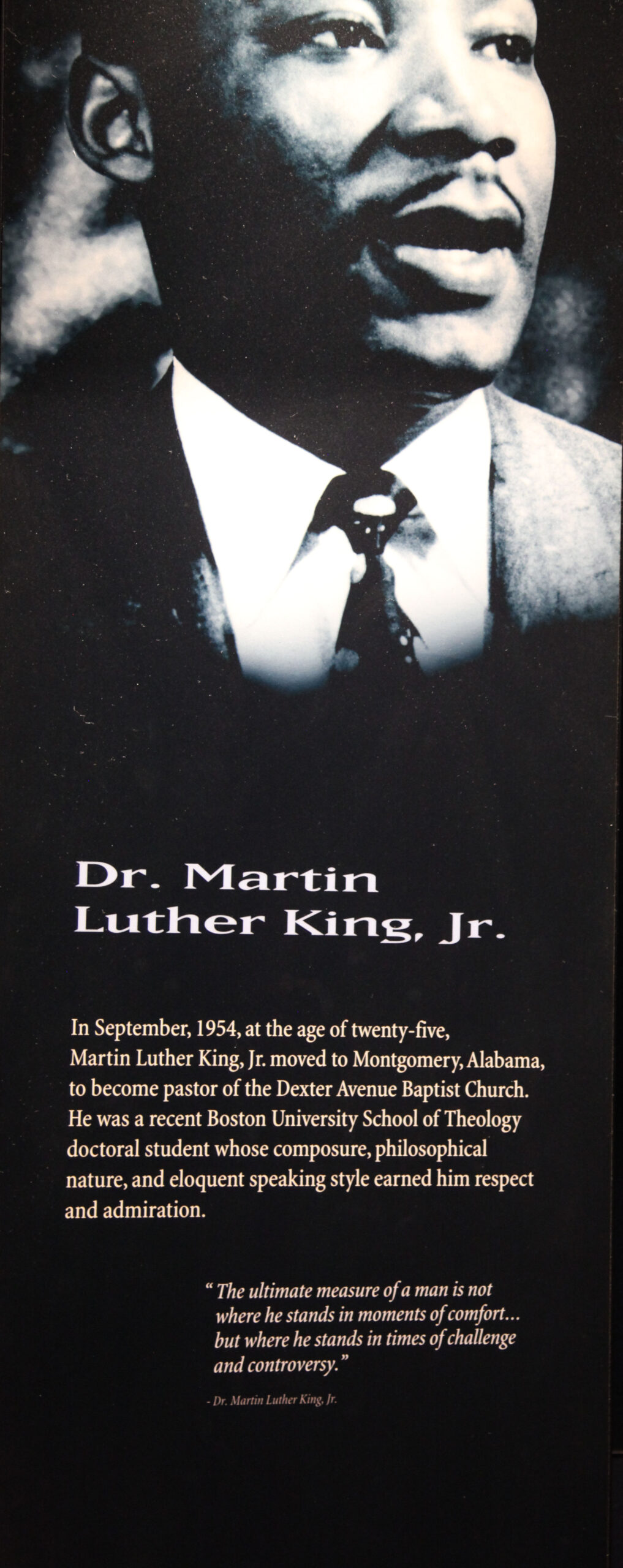
20250222-Satyendra-Pakhale-visits-Rosa-Parks-Museum-Montgomery-USA-07
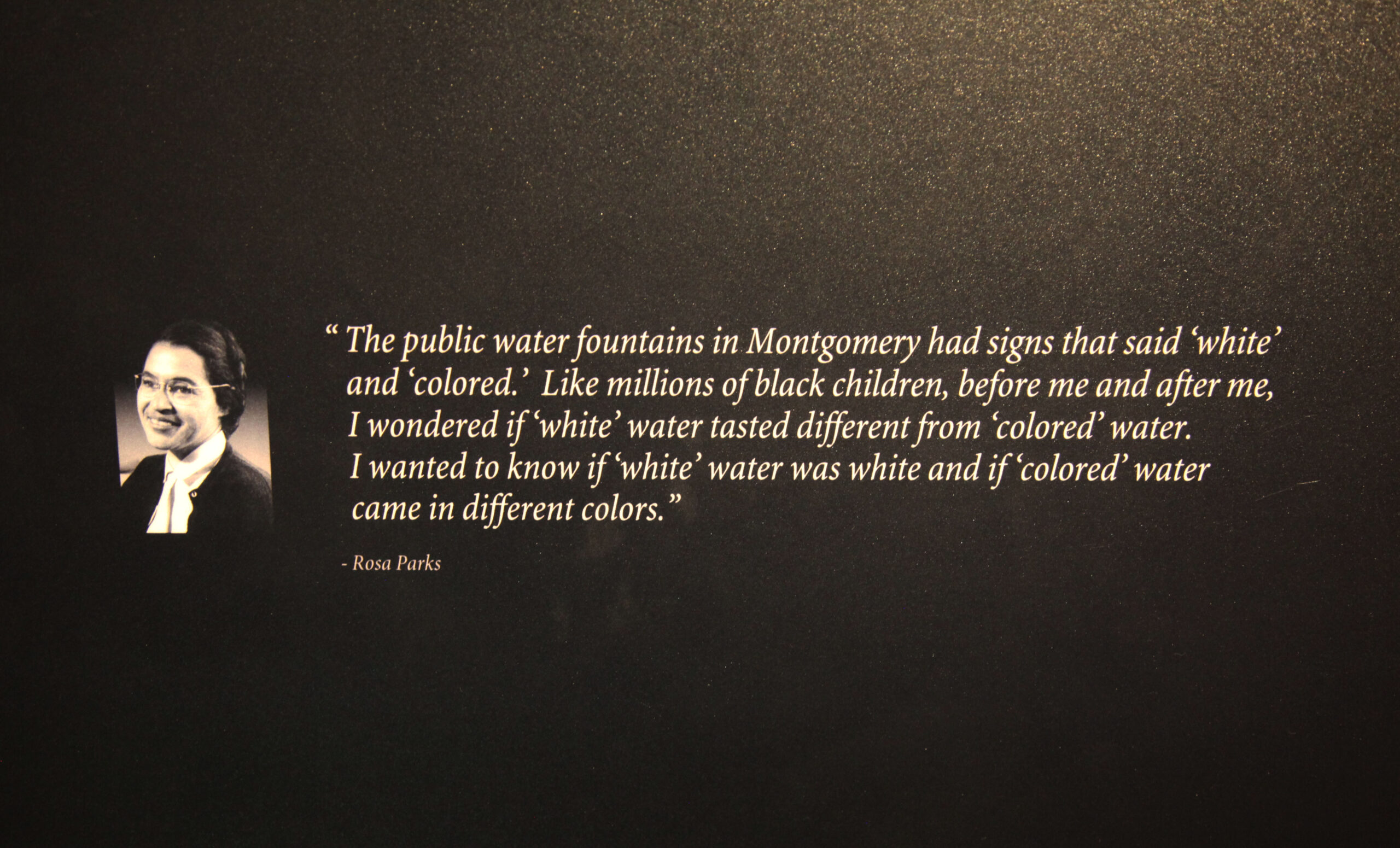
20250222-Satyendra-Pakhale-visits-Rosa-Parks-Museum-Montgomery-USA-08
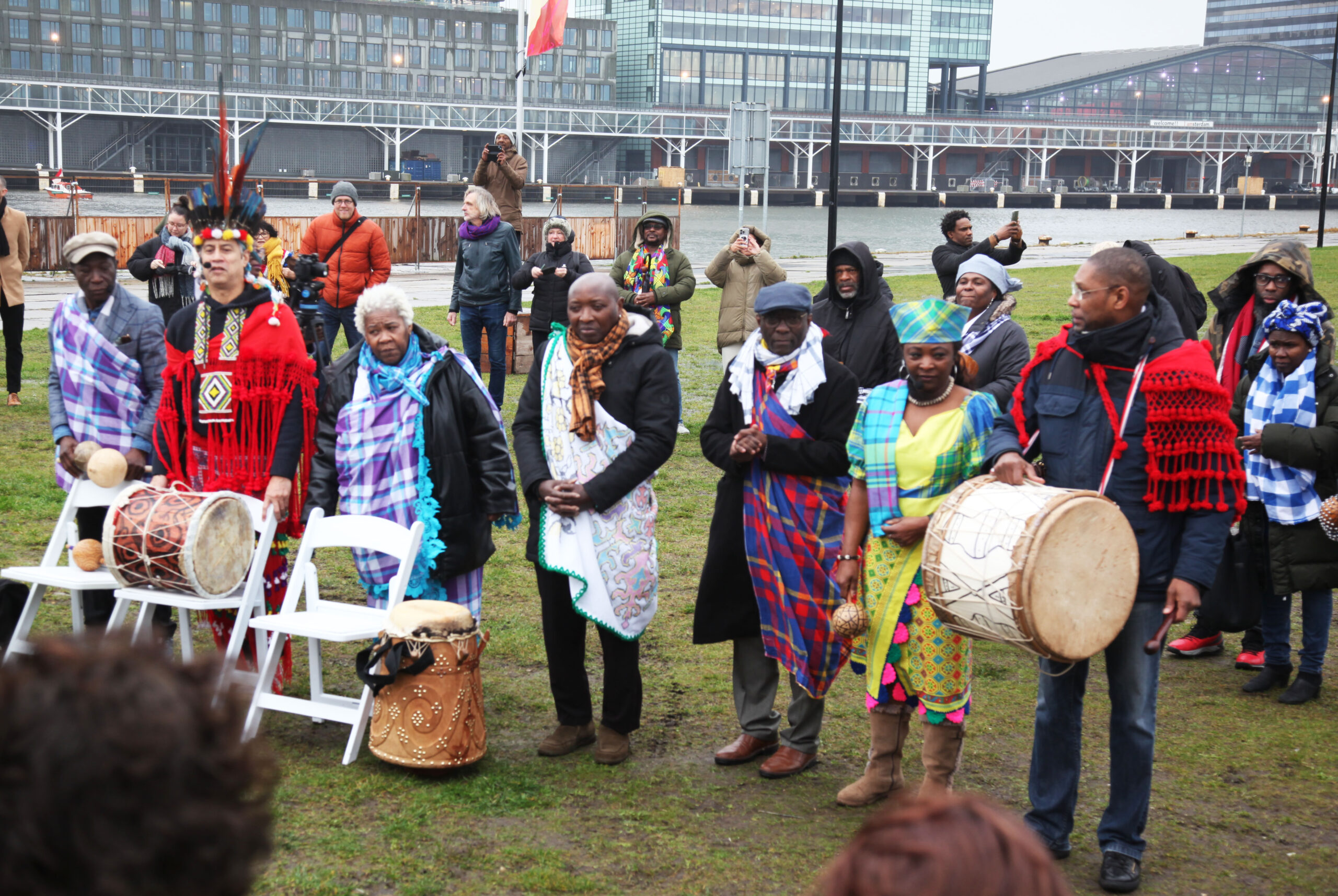
20250124-Satyendra-Pakhale-attended-Spiritual-Ceremony-Slavery-Museum-Amsterdam-01
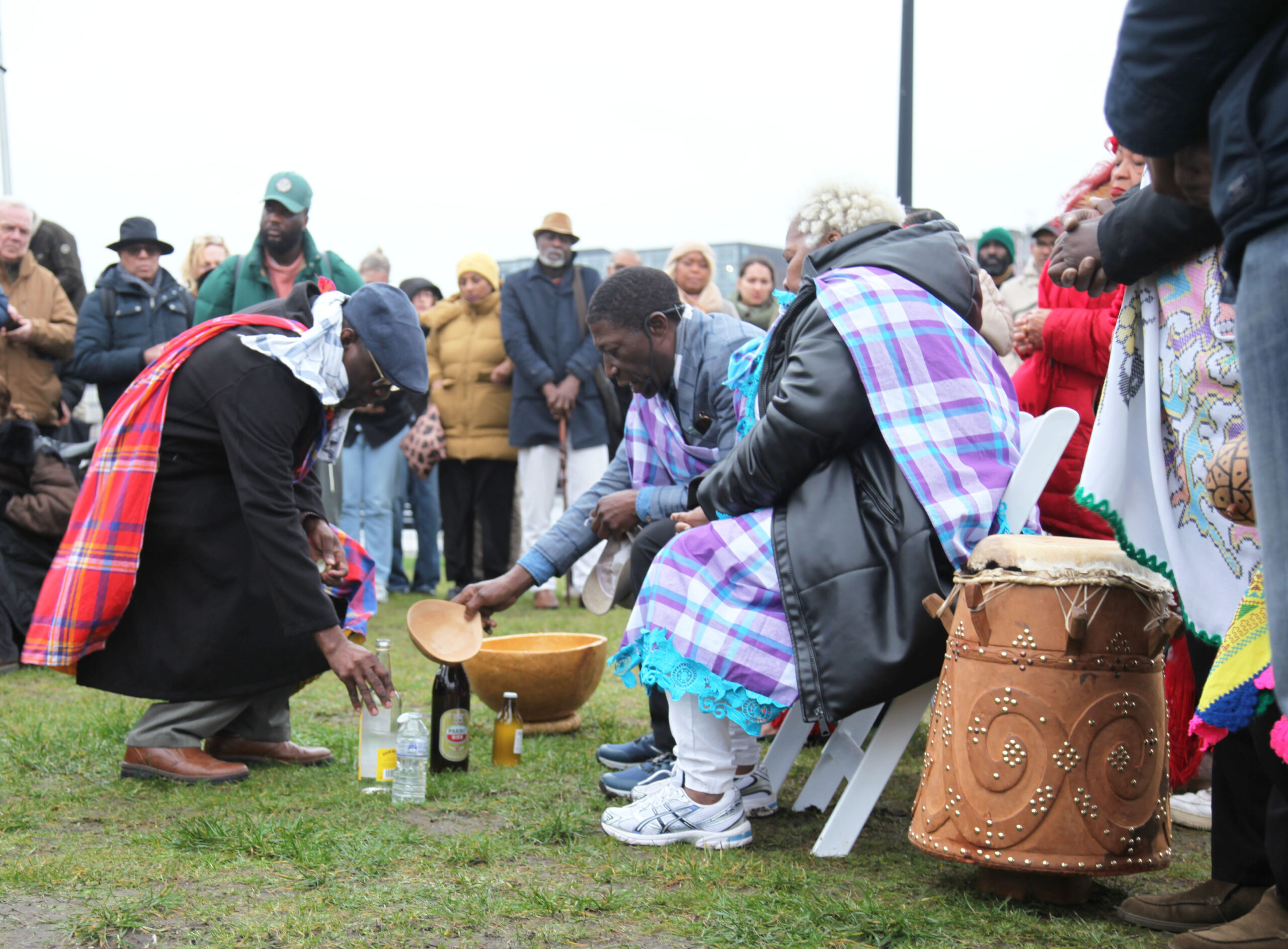
20250124-Satyendra-Pakhale-attended-Spiritual-Ceremony-Slavery-Museum-Amsterdam-03
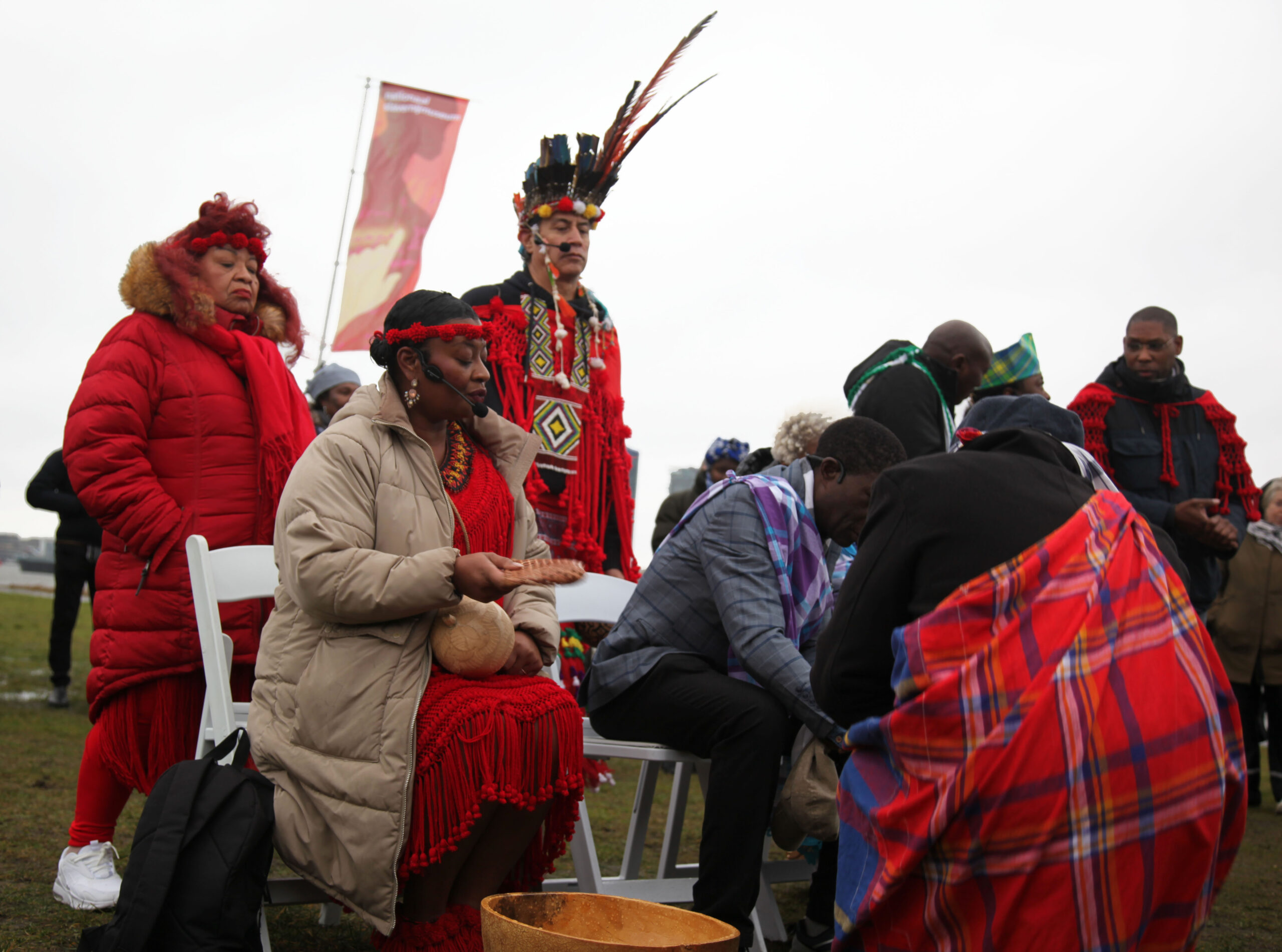
20250124-Satyendra-Pakhale-attended-Spiritual-Ceremony-Slavery-Museum-Amsterdam-04
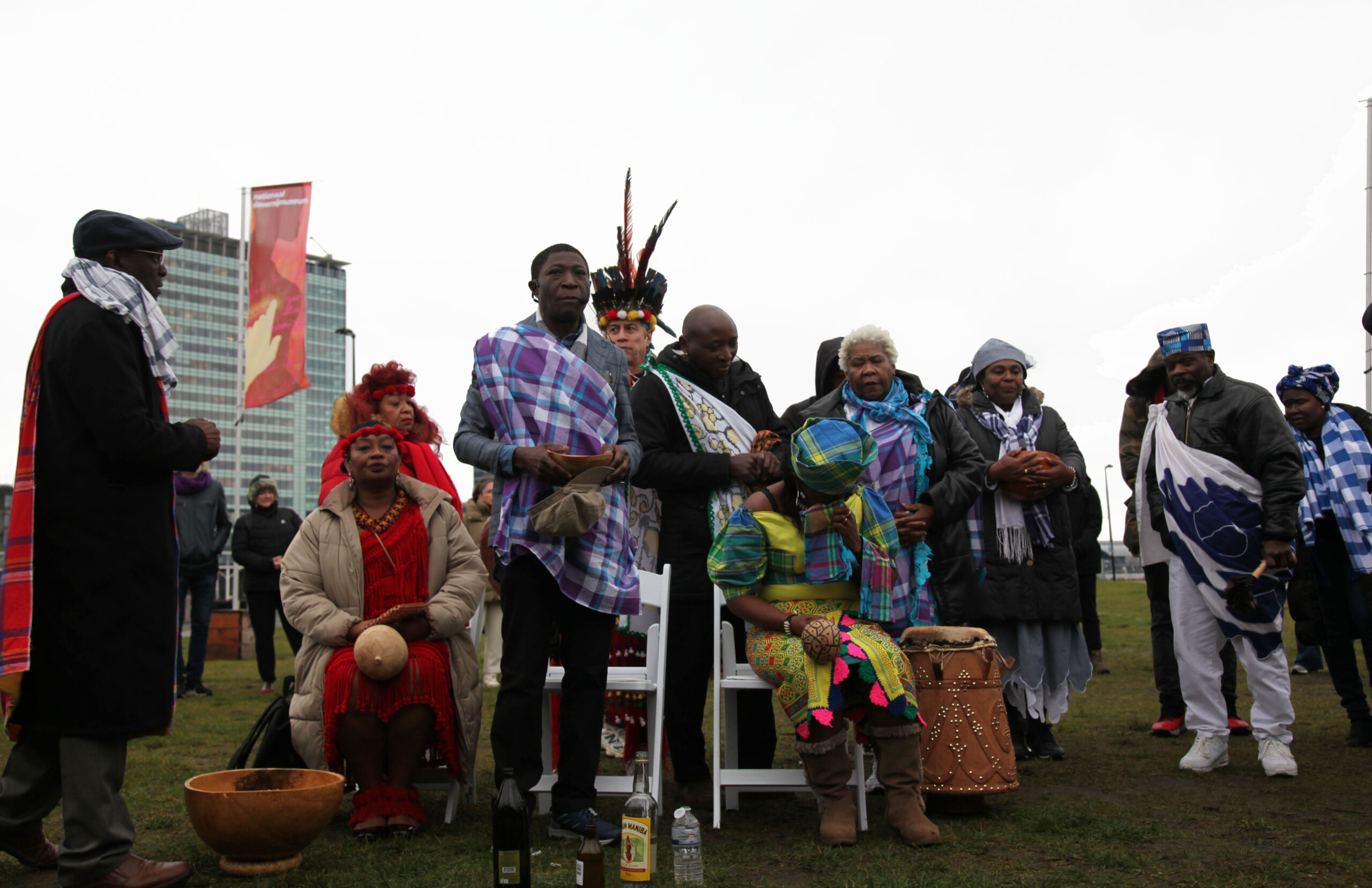
20250124-Satyendra-Pakhale-attended-Spiritual-Ceremony-Slavery-Museum-Amsterdam-05
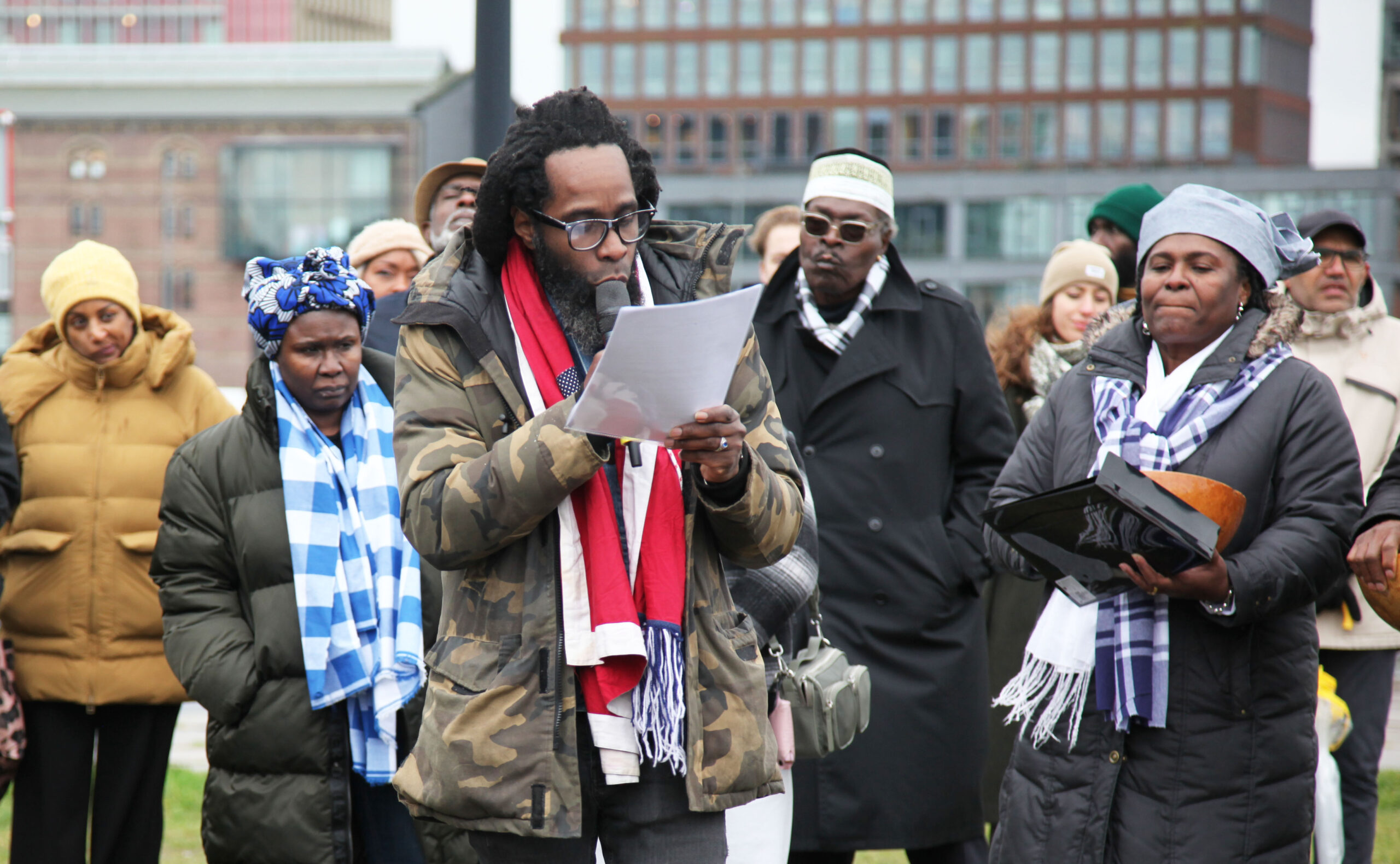
20250124-Satyendra-Pakhale-attended-Spiritual-Ceremony-Slavery-Museum-Amsterdam-07
20250124-Satyendra-Pakhale-attended-Spiritual-Ceremony-Slavery-Museum-Amsterdam-08
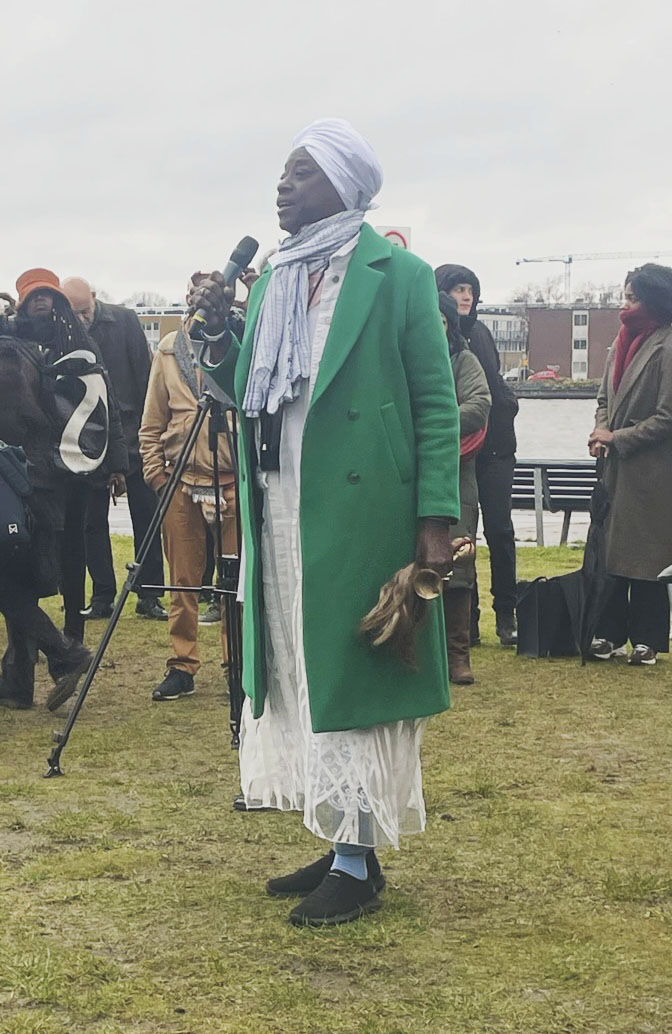
20250124-Satyendra-Pakhale-attended-Spiritual-Ceremony-Slavery-Museum-Amsterdam-13
20241202-Satyendra-Pakhale-attended-Slavery-Museum-Event-Pakhuis-Amsterdam-01
20241202-Satyendra-Pakhale-attended-Slavery-Museum-Event-Pakhuis-Amsterdam-02
20241202-Satyendra-Pakhale-attended-Slavery-Museum-Event-Pakhuis-Amsterdam-03
20241202-Satyendra-Pakhale-attended-Slavery-Museum-Event-Pakhuis-Amsterdam-04
20241126-Satyendra-Pakhale-attended-Anton-de-Kom-Annual-lecture-01
20241126-Satyendra-Pakhale-attended-Anton-de-Kom-Annual-lecture-02
20241126-Satyendra-Pakhale-attended-Anton-de-Kom-Annual-lecture-03
20241126-Satyendra-Pakhale-attended-Anton-de-Kom-Annual-lecture-04
20241126-Satyendra-Pakhale-attended-Anton-de-Kom-Annual-lecture-05
20241126-Satyendra-Pakhale-attended-Anton-de-Kom-Annual-lecture-06
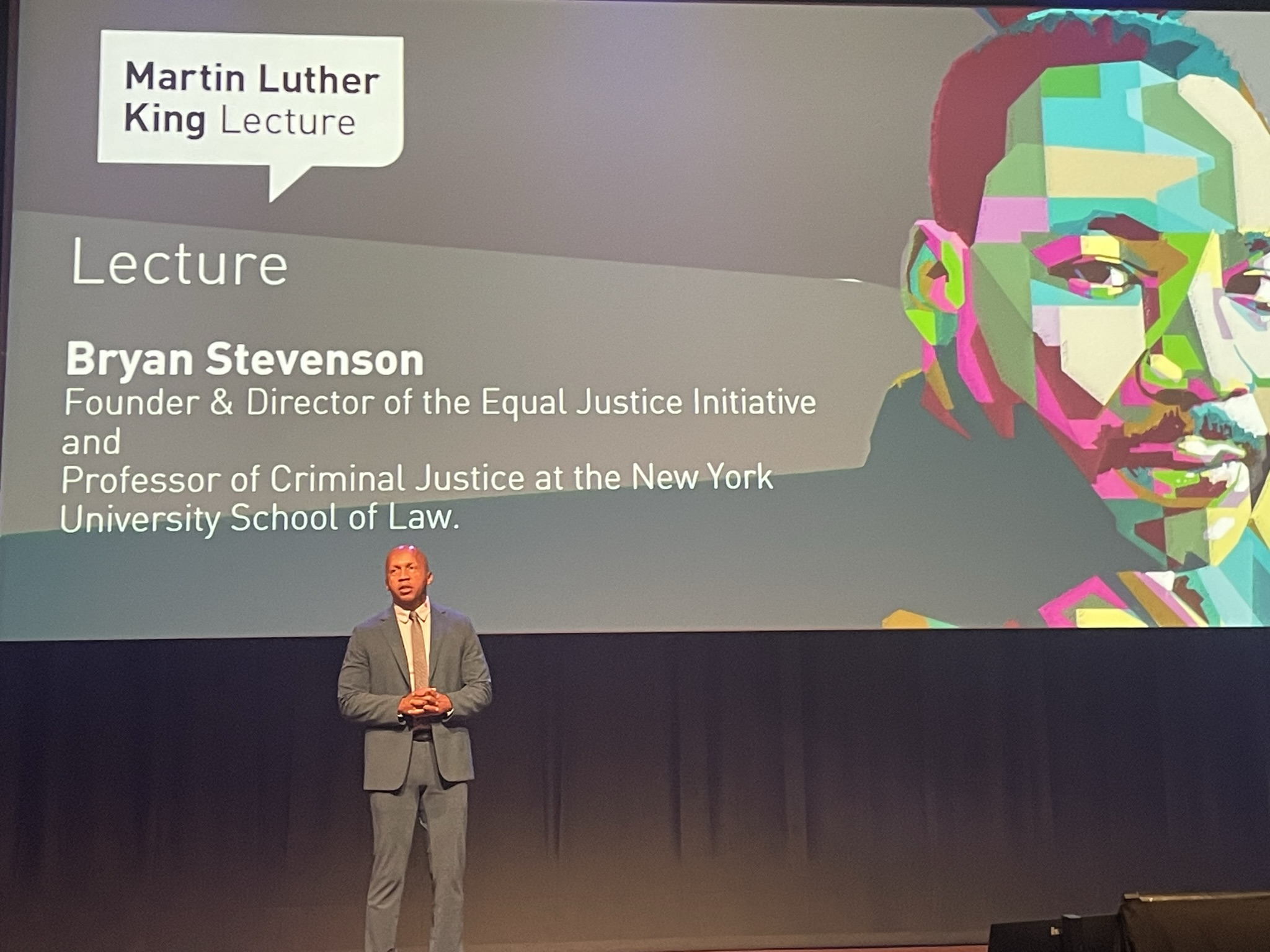
20241009-Satyendra-Pakhale-attended-Martin-Luther-King-Annual-Lecture-02
20241009-Satyendra-Pakhale-attended-Martin-Luther-King-Annual-Lecture-03
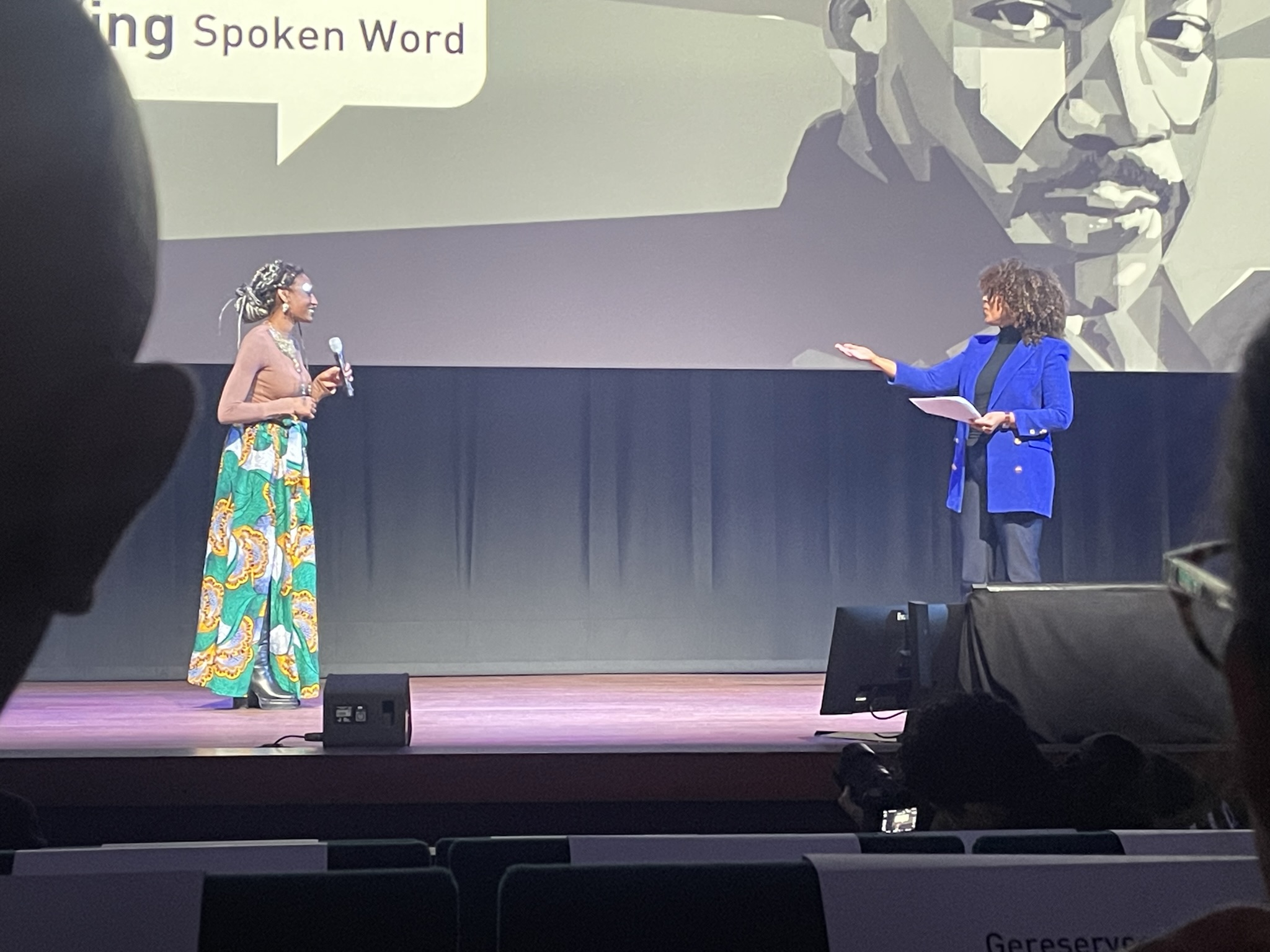
20241009-Satyendra-Pakhale-attended-Martin-Luther-King-Annual-Lecture-04
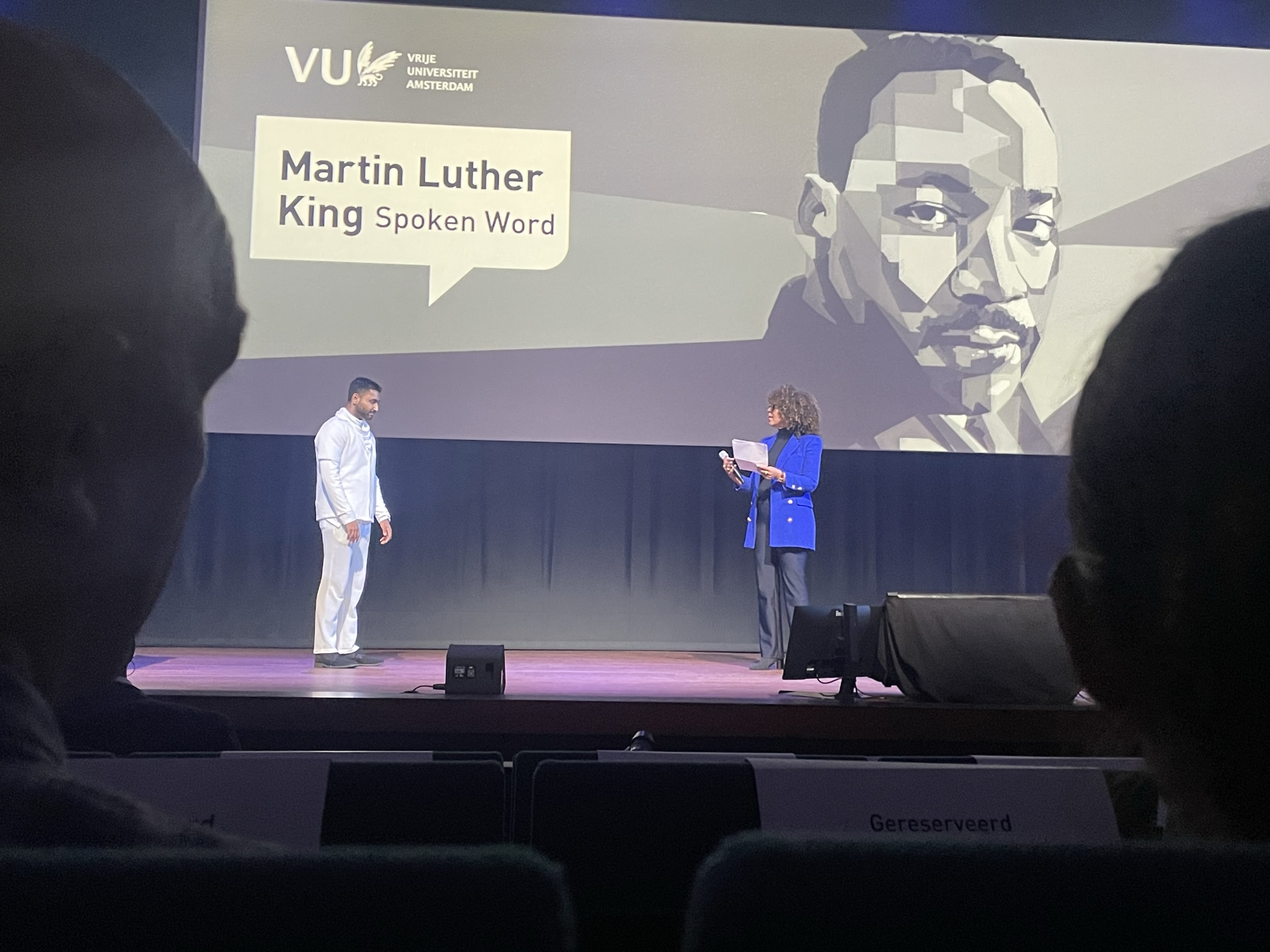
20241009-Satyendra-Pakhale-attended-Martin-Luther-King-Annual-Lecture-05
20241009-Satyendra-Pakhale-attended-Martin-Luther-King-Annual-Lecture-07
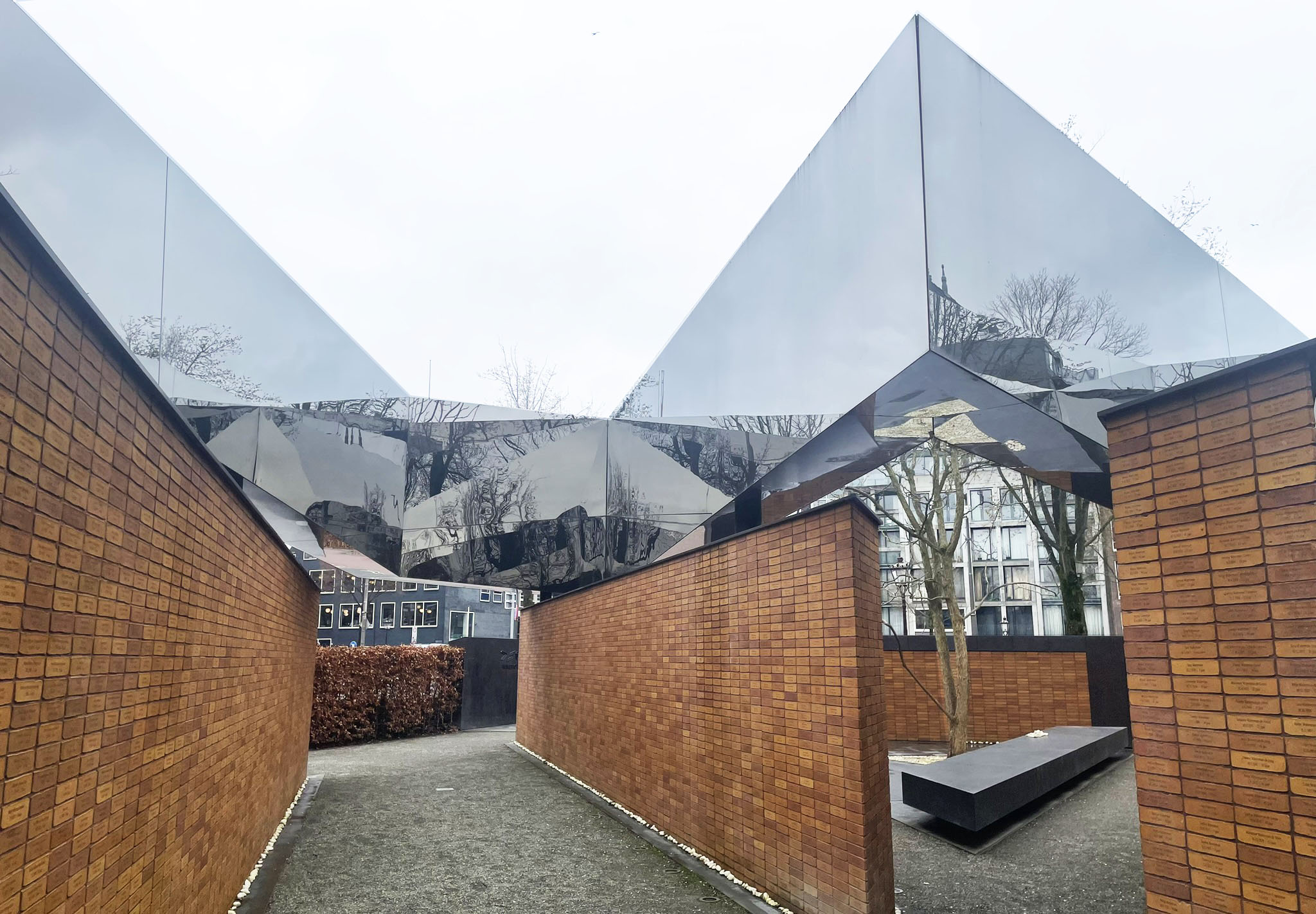
20240313-Satyendra-Pakhale-visited- National-Holocaust-Names-Memorial-Amsterdam-01
20240313-Satyendra-Pakhale-visited- National-Holocaust-Names-Memorial-Amsterdam-02
20240313-Satyendra-Pakhale-visited- National-Holocaust-Names-Memorial-Amsterdam-03
20240313-Satyendra-Pakhale-visited- National-Holocaust-Names-Memorial-Amsterdam-04
20240313-Satyendra-Pakhale-visited- National-Holocaust-Names-Memorial-Amsterdam-05
20240313-Satyendra-Pakhale-visited- National-Holocaust-Names-Memorial-Amsterdam-06
20231123-26-Satyendra-Pakhale-visited-Venice-Arch-Biennale-Africa-Focus-01
20231123-26-Satyendra-Pakhale-visited-Venice-Arch-Biennale-Africa-Focus-02
20231123-26-Satyendra-Pakhale-visited-Venice-Arch-Biennale-Africa-Focus-03
20231123-26-Satyendra-Pakhale-visited-Venice-Arch-Biennale-Africa-Focus-04
20231123-26-Satyendra-Pakhale-visited-Venice-Arch-Biennale-Africa-Focus-05
20231123-26-Satyendra-Pakhale-visited-Venice-Arch-Biennale-Africa-Focus-06
20231123-26-Satyendra-Pakhale-visited-Venice-Arch-Biennale-Africa-Focus-07
20231123-26-Satyendra-Pakhale-visited-Venice-Arch-Biennale-Africa-Focus-08
20231123-26-Satyendra-Pakhale-visited-Venice-Arch-Biennale-Africa-Focus-09
20231123-26-Satyendra-Pakhale-visited-Venice-Arch-Biennale-Africa-Focus-10
20231123-26-Satyendra-Pakhale-visited-Venice-Arch-Biennale-Africa-Focus-11
20231123-26-Satyendra-Pakhale-visited-Venice-Arch-Biennale-Africa-Focus-12
20231123-26-Satyendra-Pakhale-visited-Venice-Arch-Biennale-Africa-Focus-13
20231123-26-Satyendra-Pakhale-visited-Venice-Arch-Biennale-Africa-Focus-14
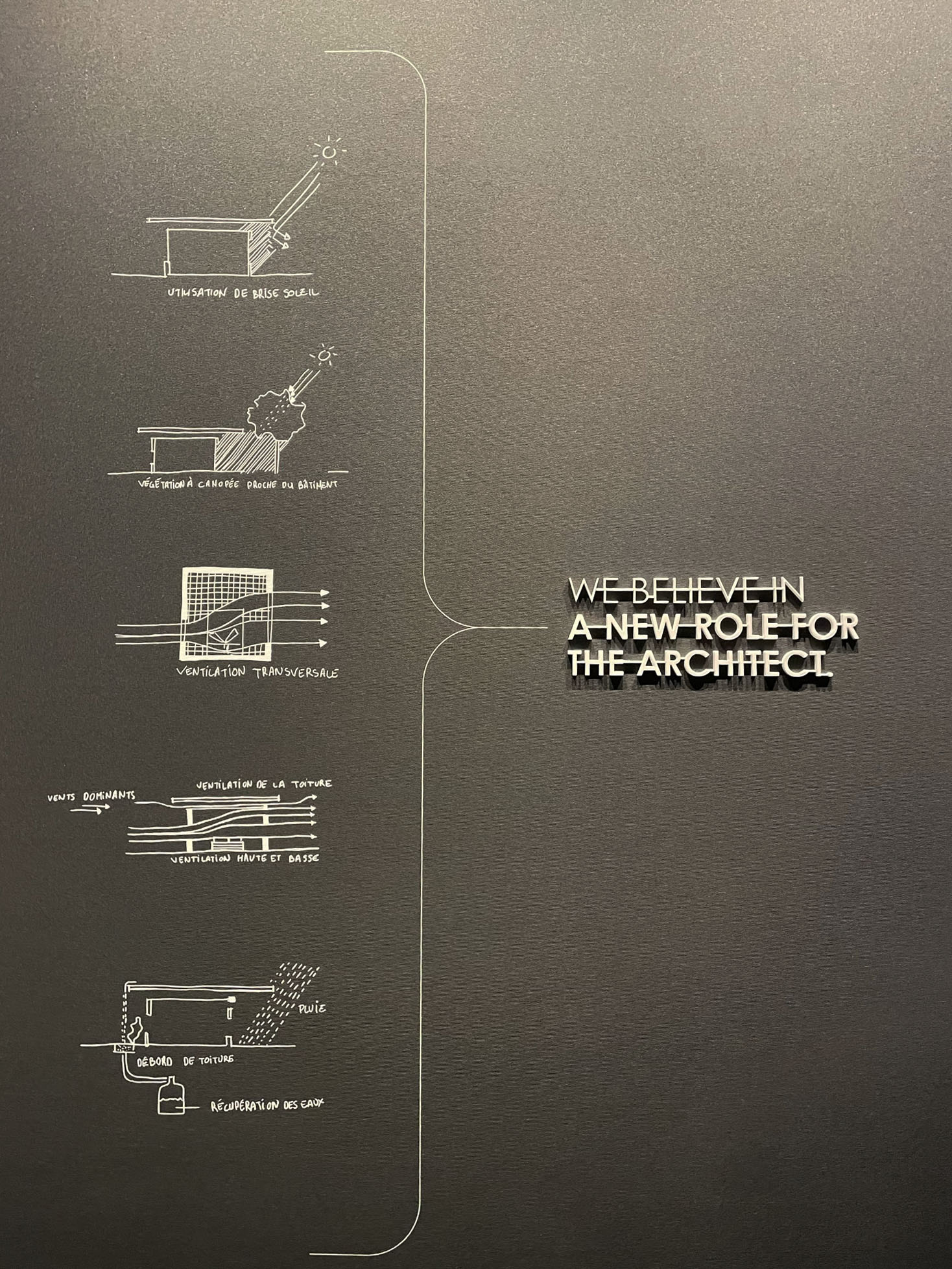
20231123-26-Satyendra-Pakhale-visited-Venice-Arch-Biennale-Africa-Focus-15
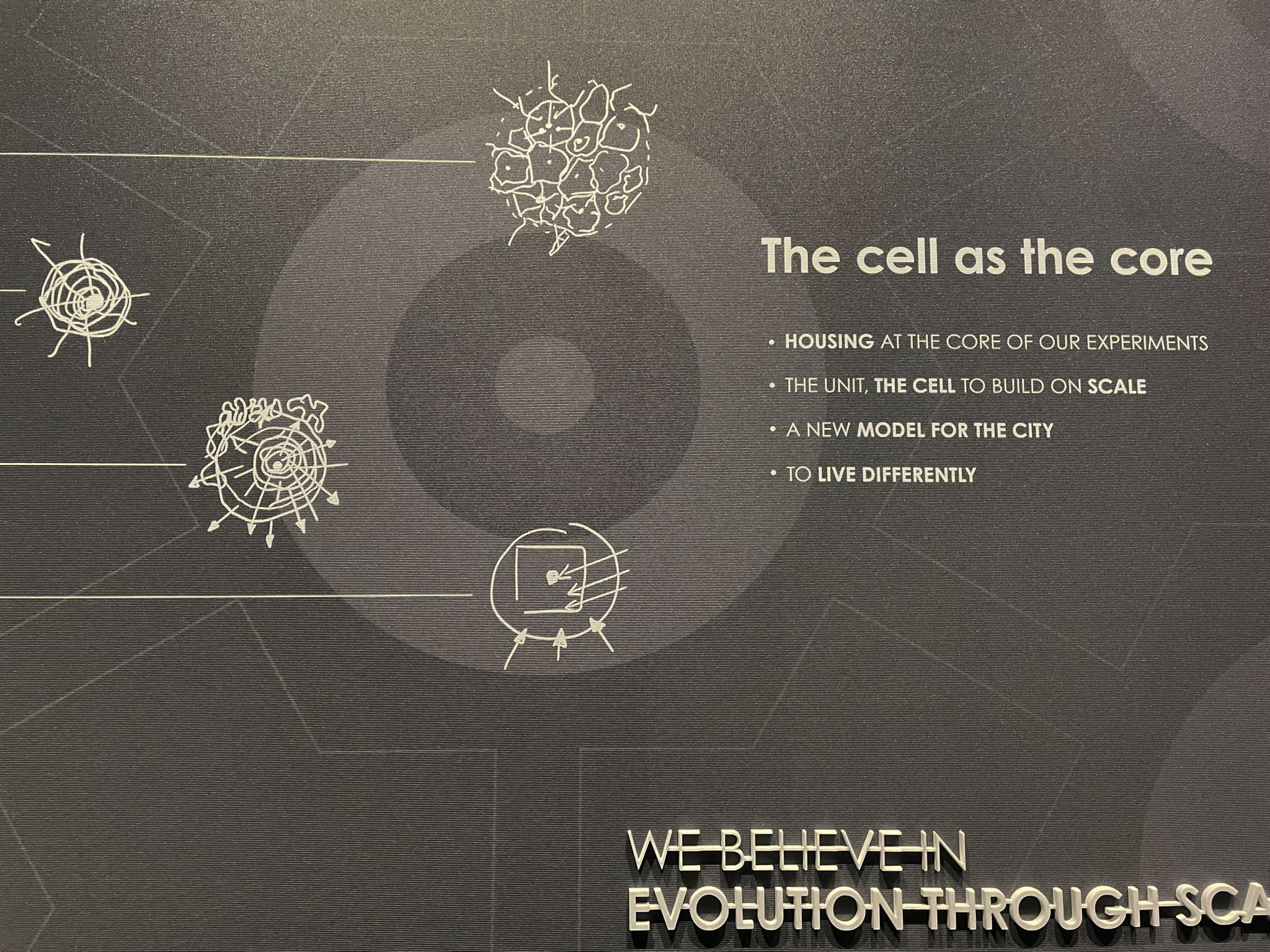
20231123-26-Satyendra-Pakhale-visited-Venice-Arch-Biennale-Africa-Focus-16
20231123-26-Satyendra-Pakhale-visited-Venice-Arch-Biennale-Africa-Focus-17
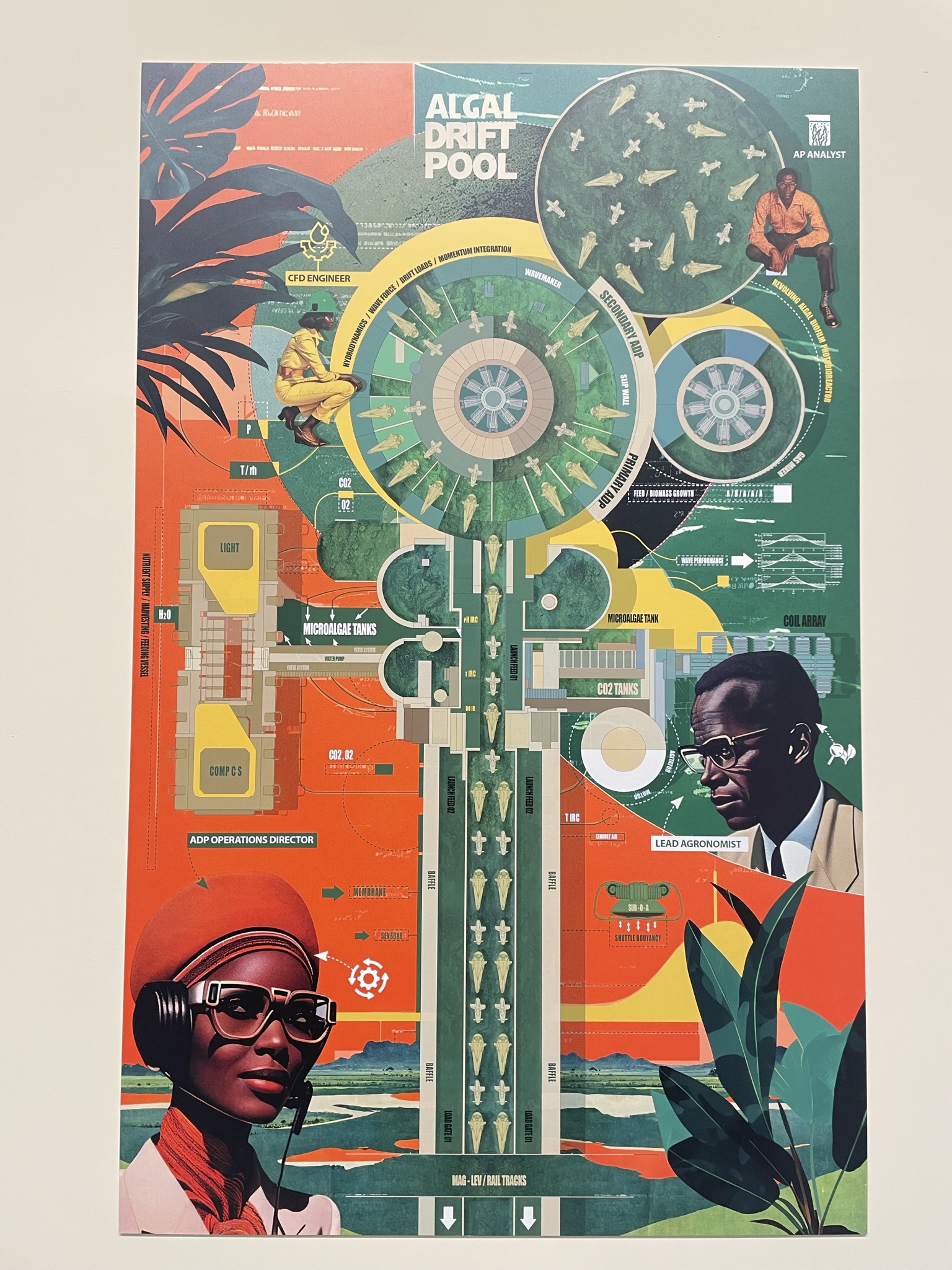
20231123-26-Satyendra-Pakhale-visited-Venice-Arch-Biennale-Africa-Focus-18
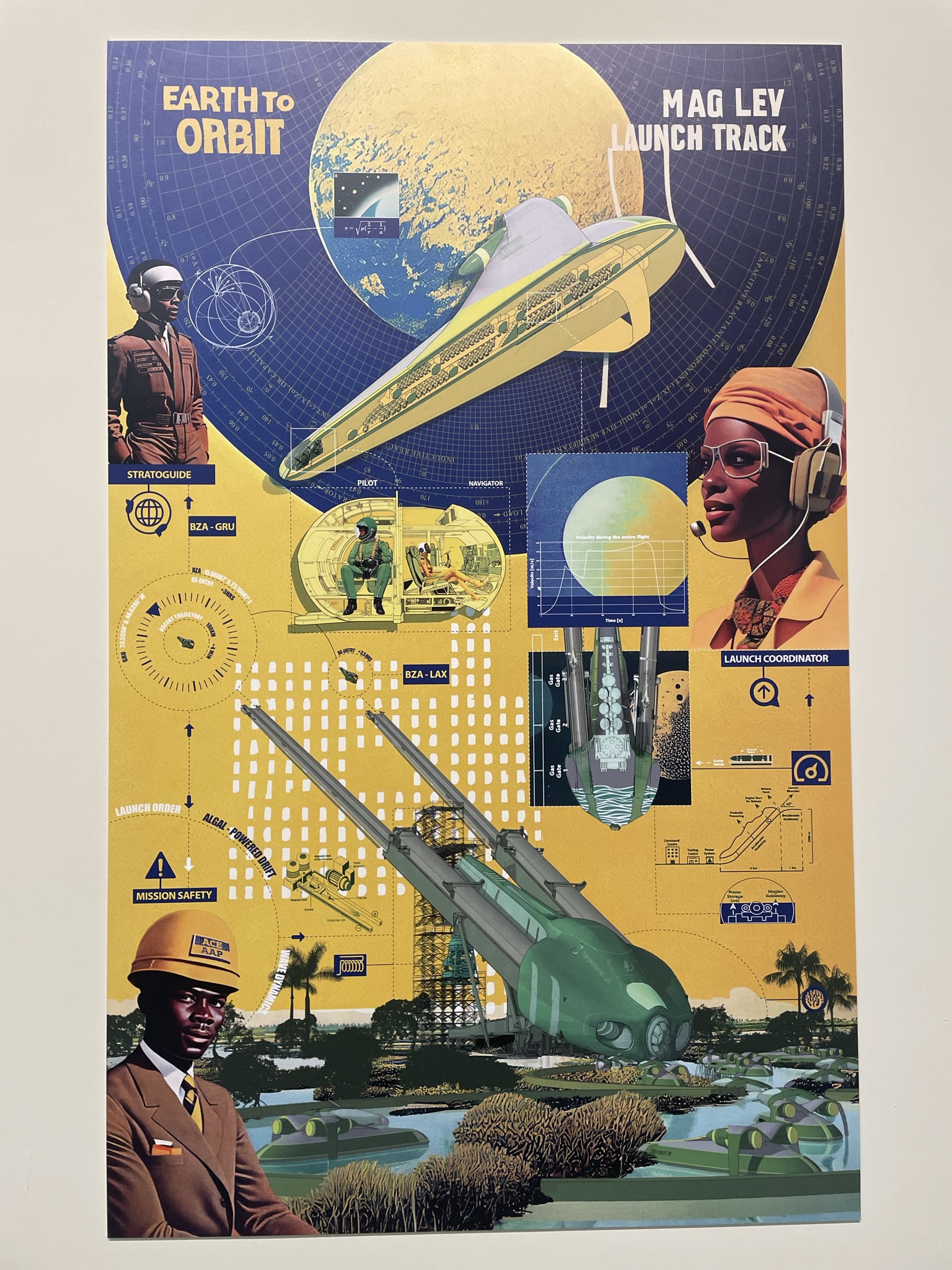
20231123-26-Satyendra-Pakhale-visited-Venice-Arch-Biennale-Africa-Focus-19
20231123-26-Satyendra-Pakhale-visited-Venice-Arch-Biennale-Africa-Focus-20
20231123-26-Satyendra-Pakhale-visited-Venice-Arch-Biennale-Africa-Focus-21
20231123-26-Satyendra-Pakhale-visited-Venice-Arch-Biennale-Africa-Focus-22
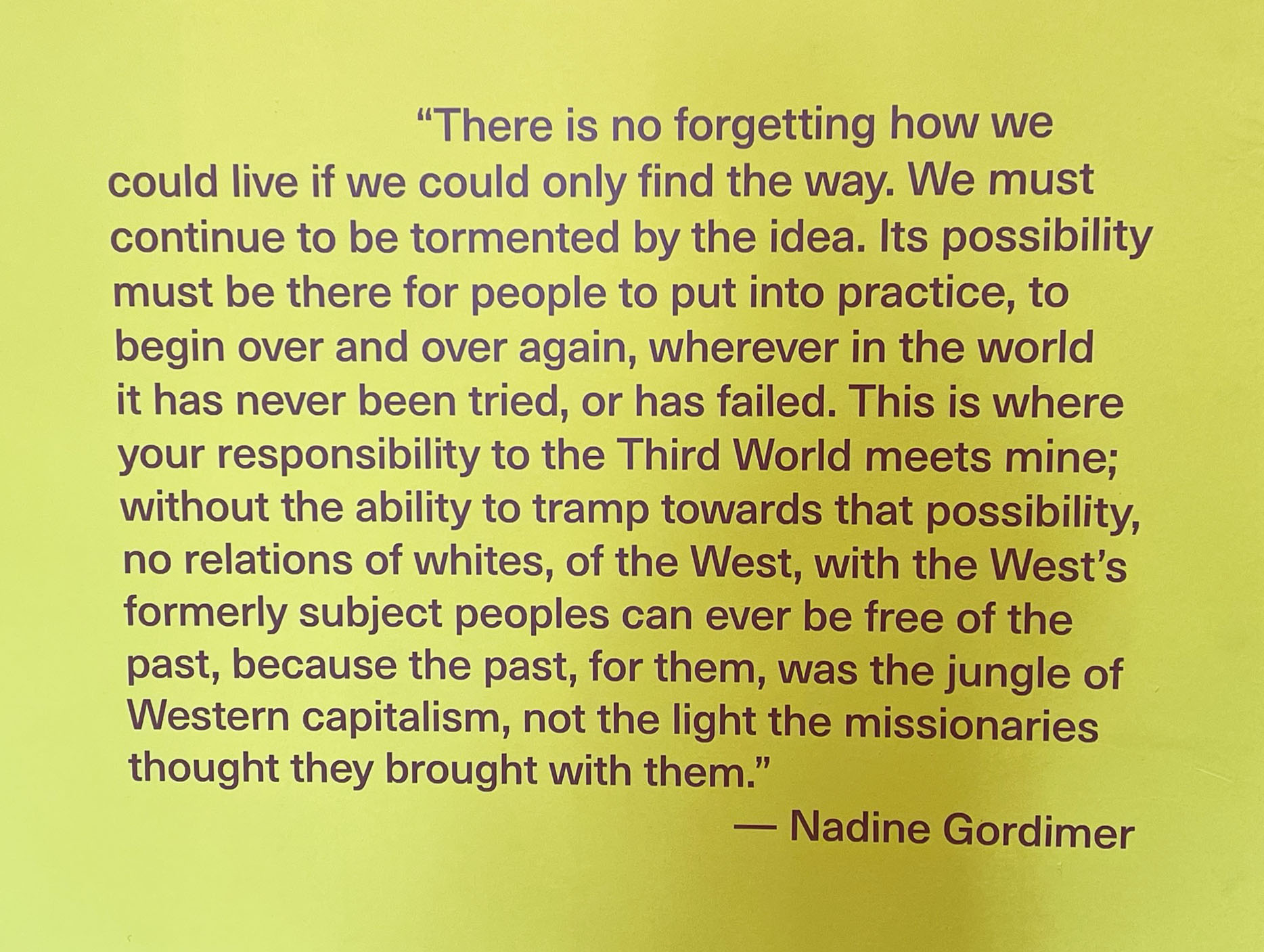
20231123-26-Satyendra-Pakhale-visited-Venice-Arch-Biennale-Africa-Focus-23
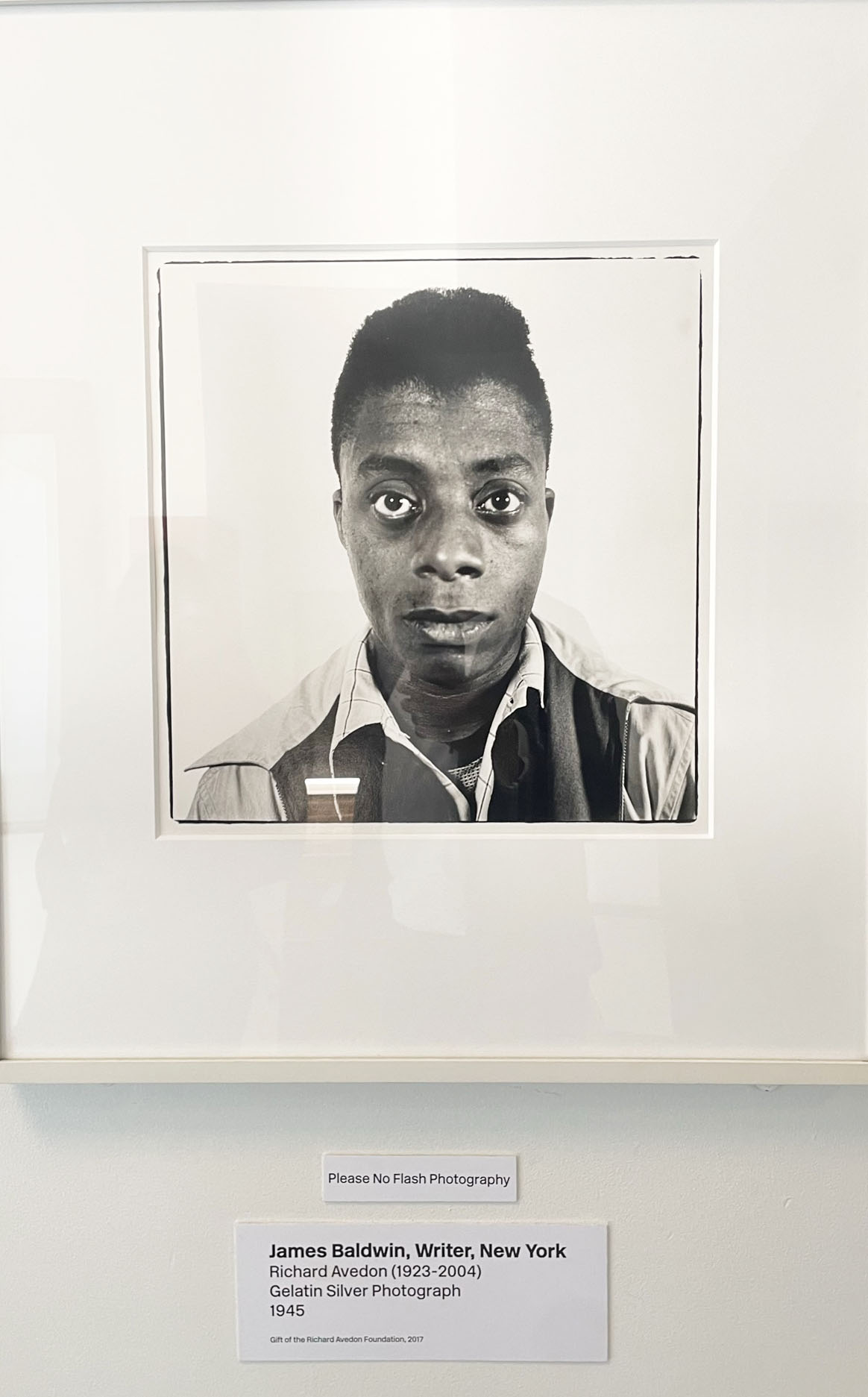
20230826-Satyendra-Pakhale-visited-Schomburg-Institute-Harlem -NY-USA-01
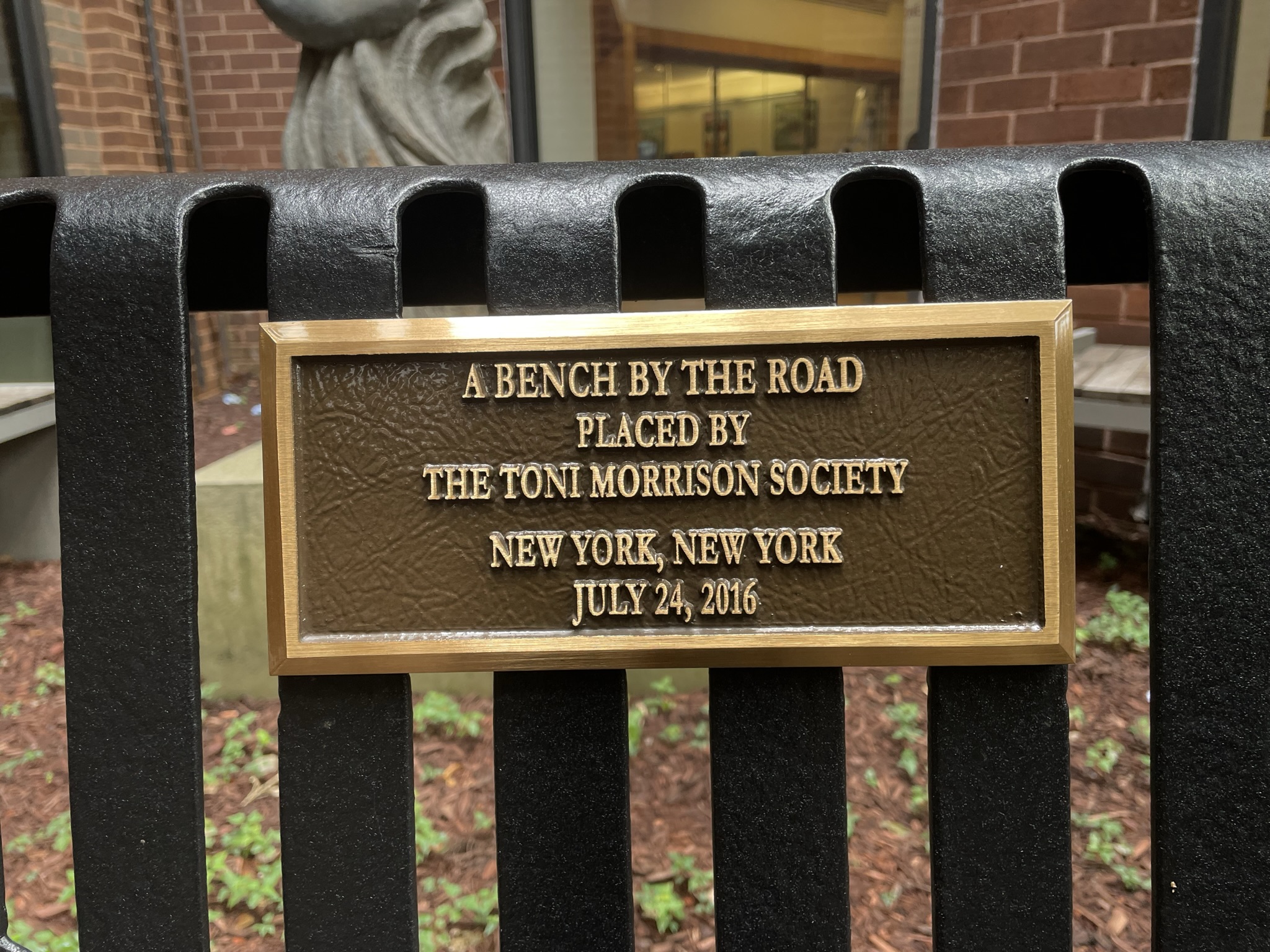
20230826-Satyendra-Pakhale-visited-Schomburg-Institute-Harlem -NY-USA-02
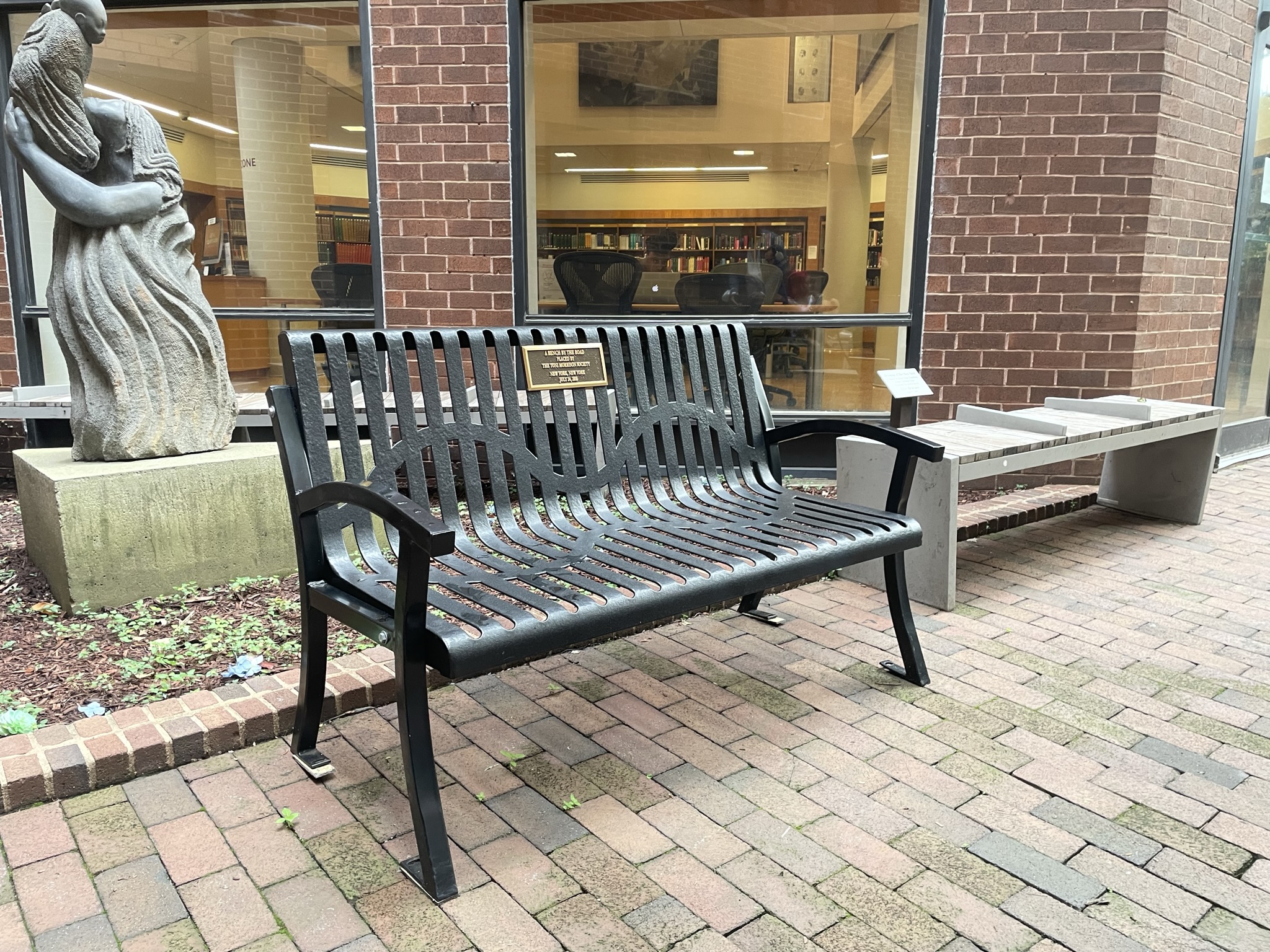
20230826-Satyendra-Pakhale-visited-Schomburg-Institute-Harlem -NY-USA-03
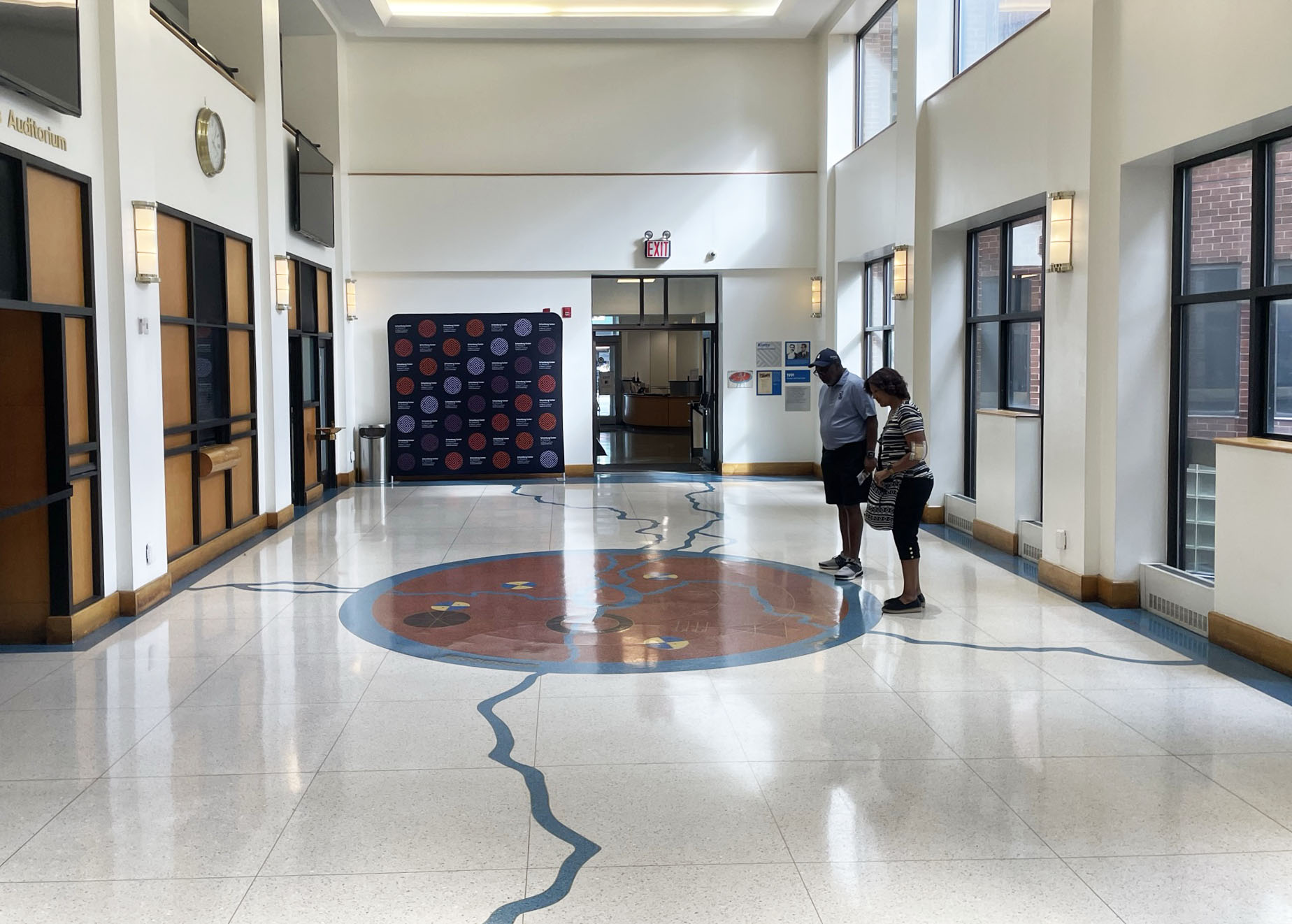
20230826-Satyendra-Pakhale-visited-Schomburg-Institute-Harlem -NY-USA-04
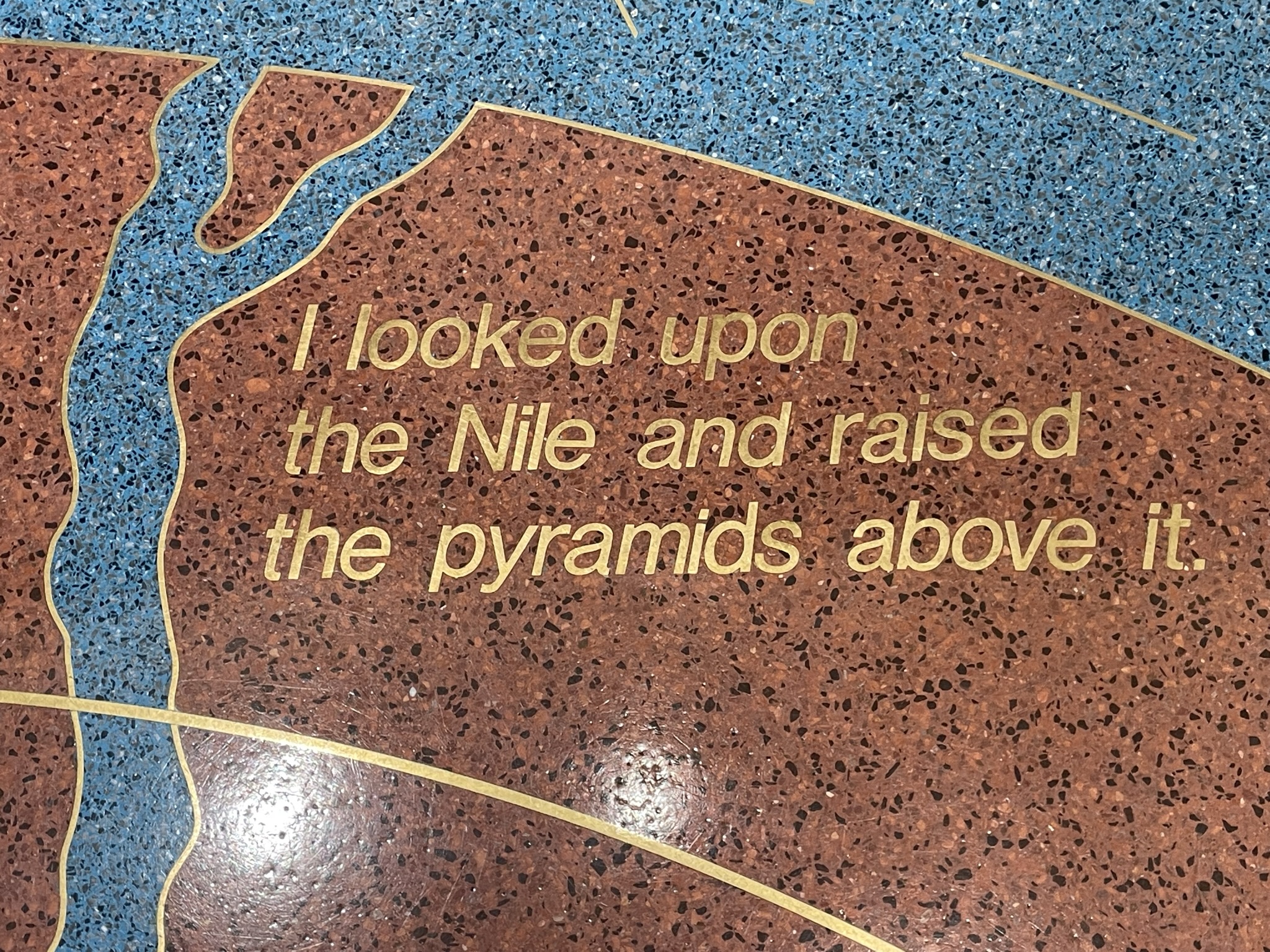
20230826-Satyendra-Pakhale-visited-Schomburg-Institute-Harlem -NY-USA-05
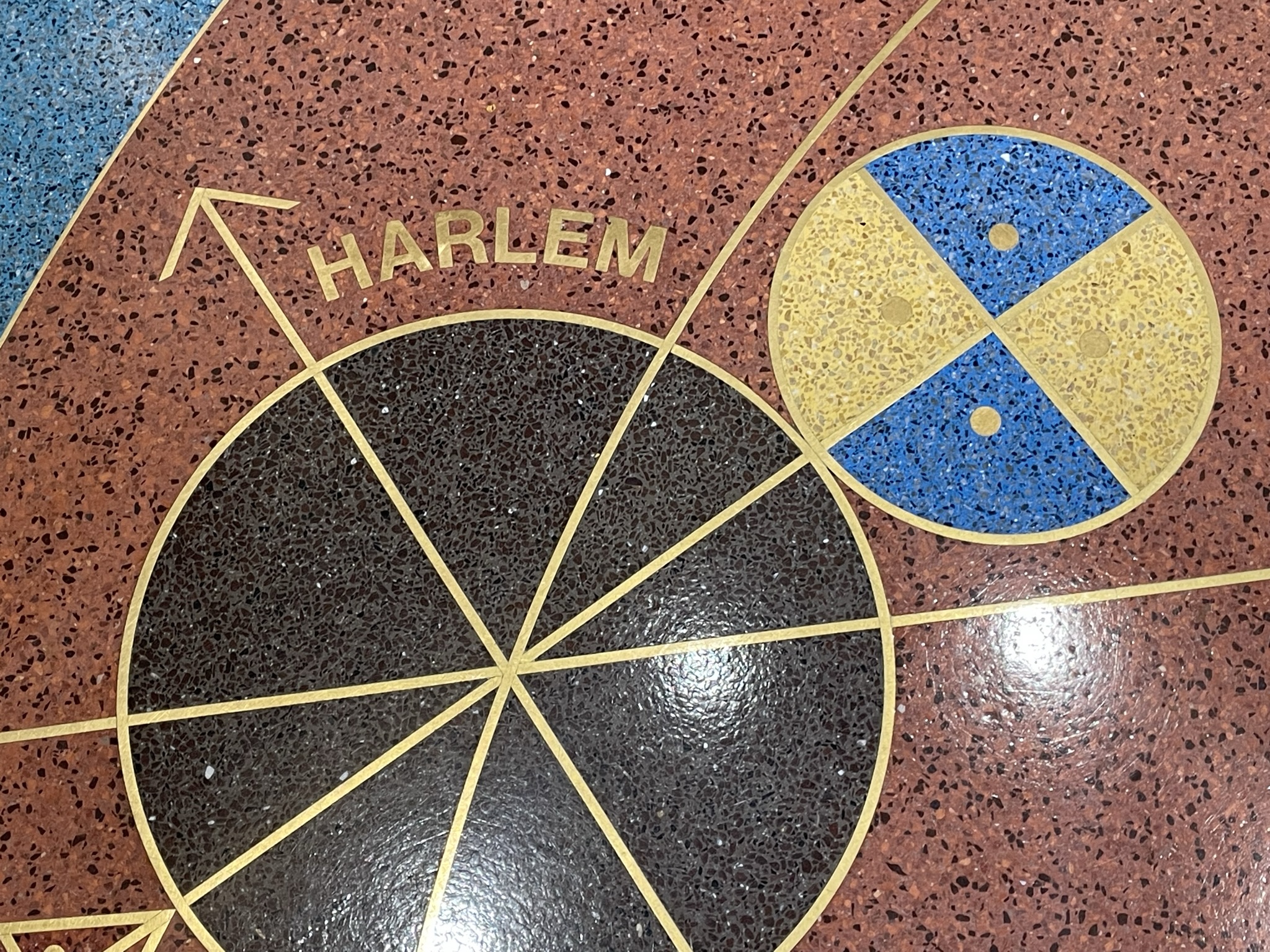
20230826-Satyendra-Pakhale-visited-Schomburg-Institute-Harlem -NY-USA-06
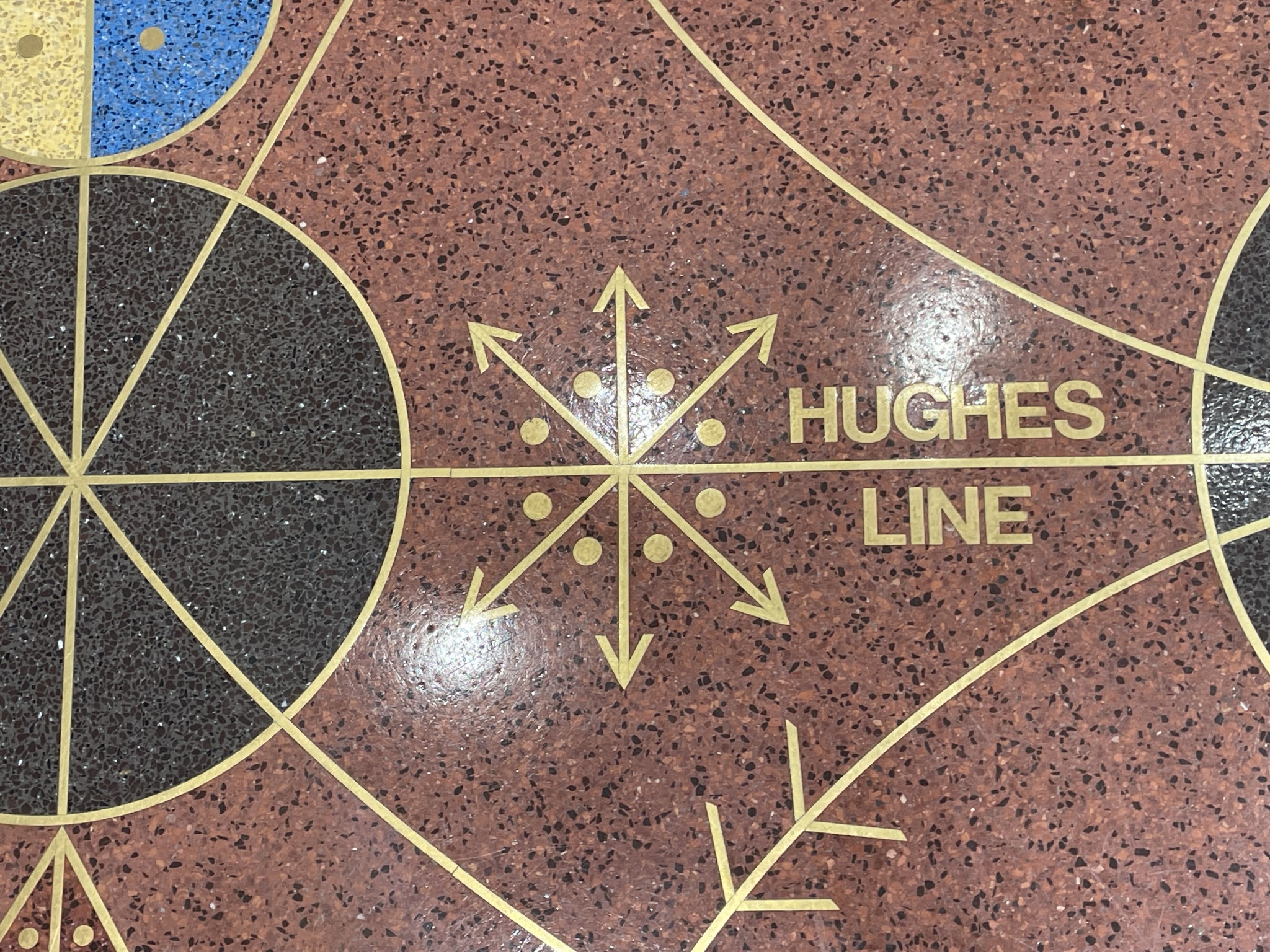
20230826-Satyendra-Pakhale-visited-Schomburg-Institute-Harlem -NY-USA-07
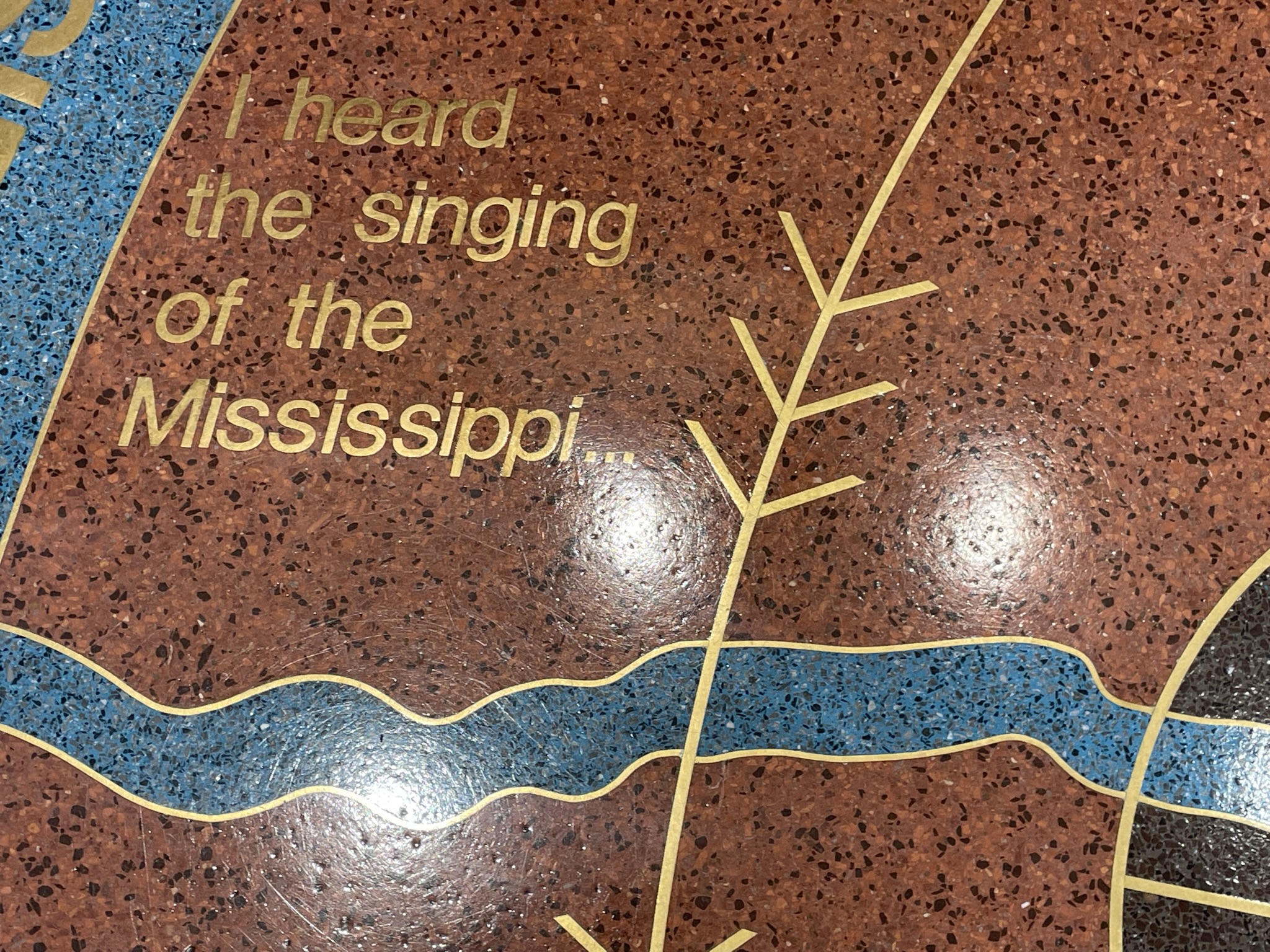
20230826-Satyendra-Pakhale-visited-Schomburg-Institute-Harlem -NY-USA-08
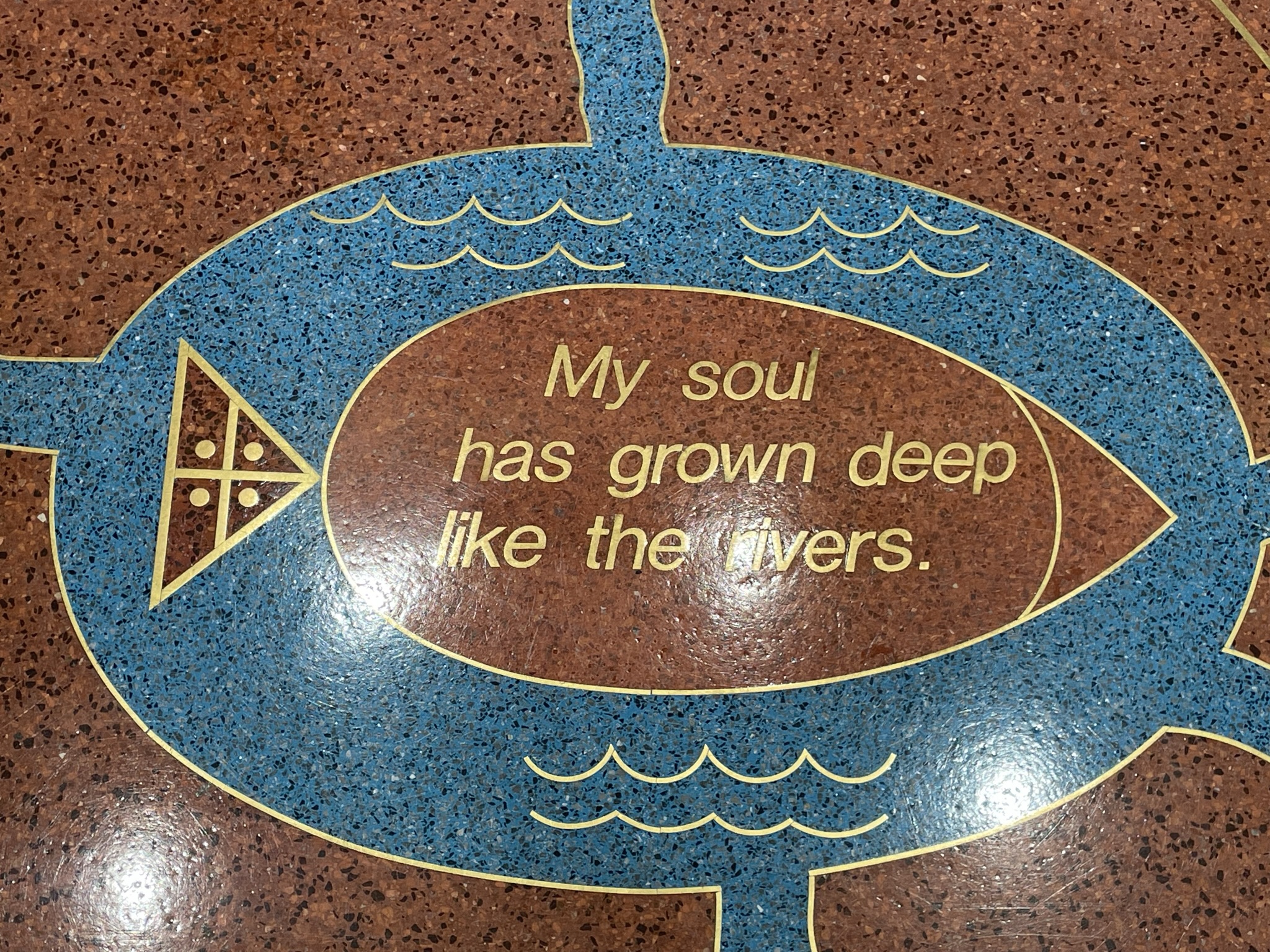
20230826-Satyendra-Pakhale-visited-Schomburg-Institute-Harlem -NY-USA-09
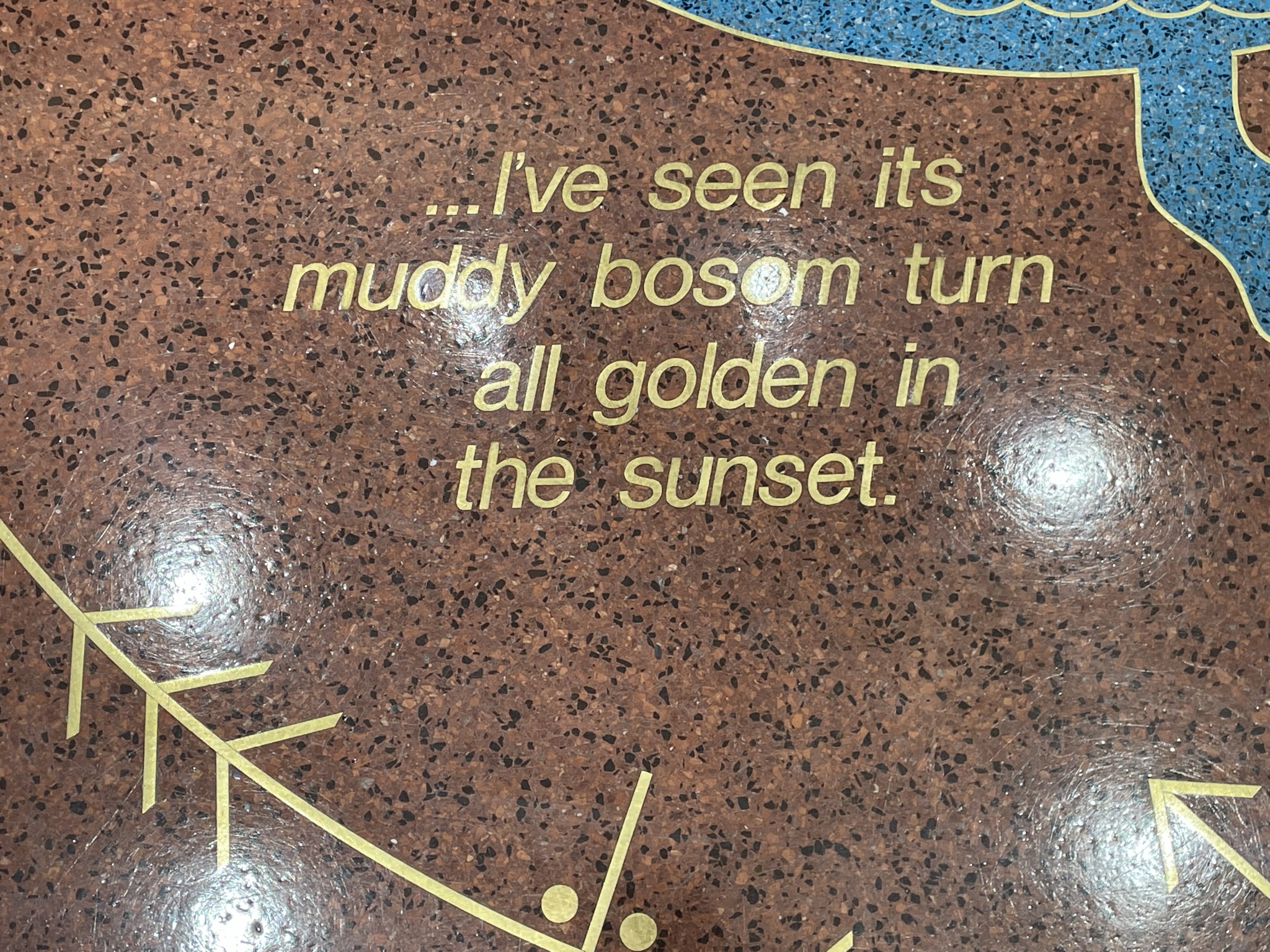
20230826-Satyendra-Pakhale-visited-Schomburg-Institute-Harlem -NY-USA-10
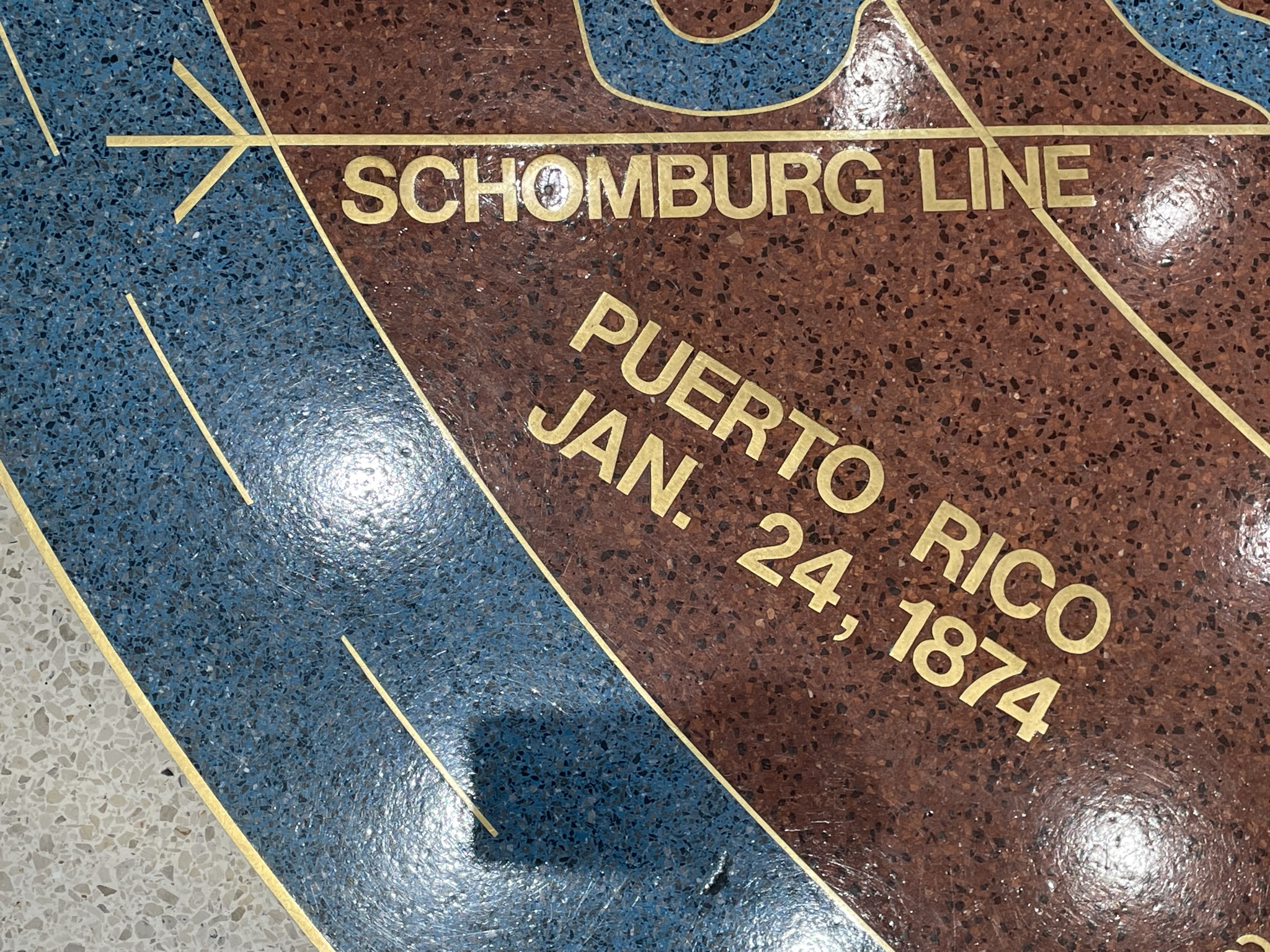
20230826-Satyendra-Pakhale-visited-Schomburg-Institute-Harlem -NY-USA-11
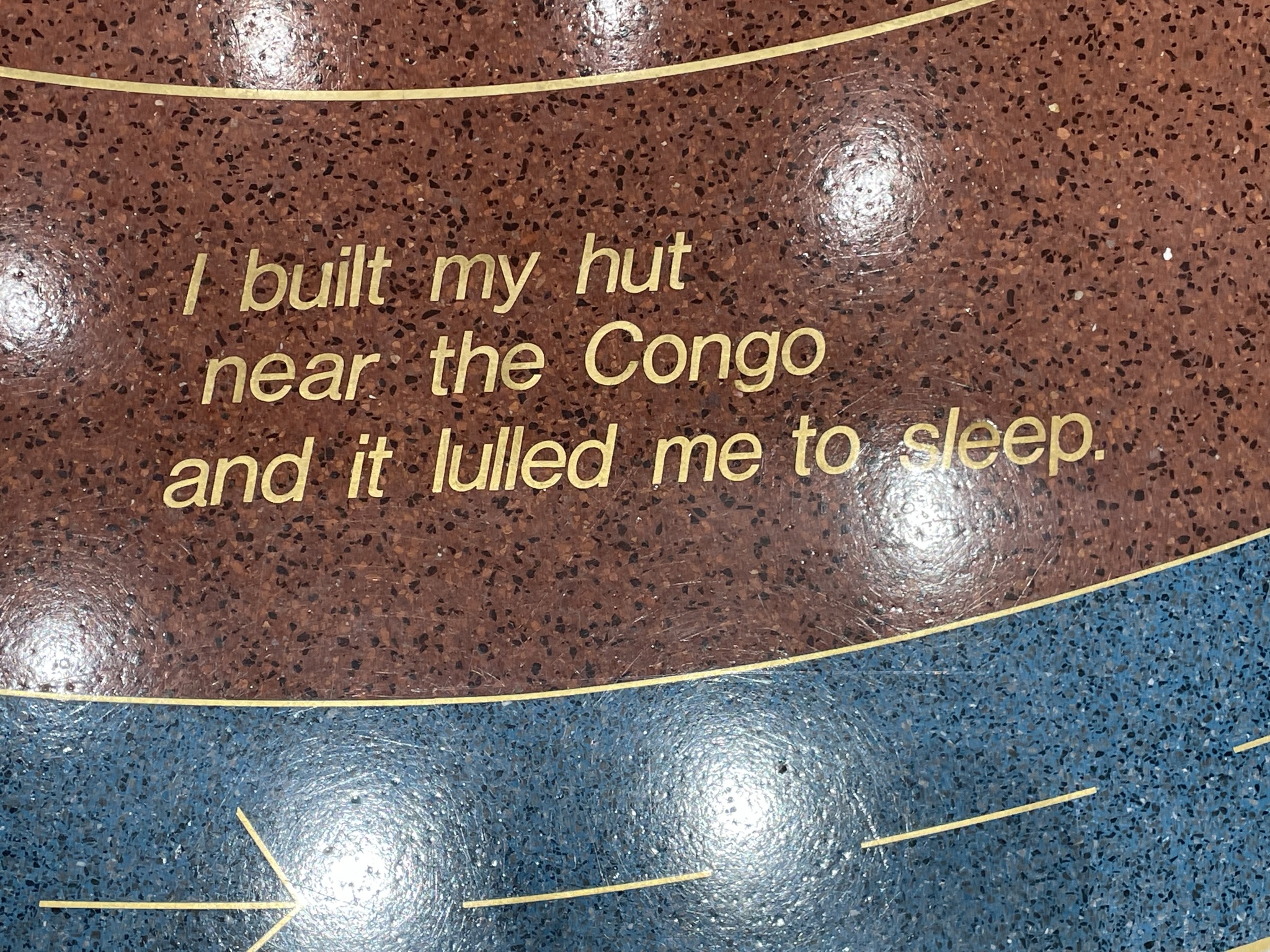
20230826-Satyendra-Pakhale-visited-Schomburg-Institute-Harlem -NY-USA-12
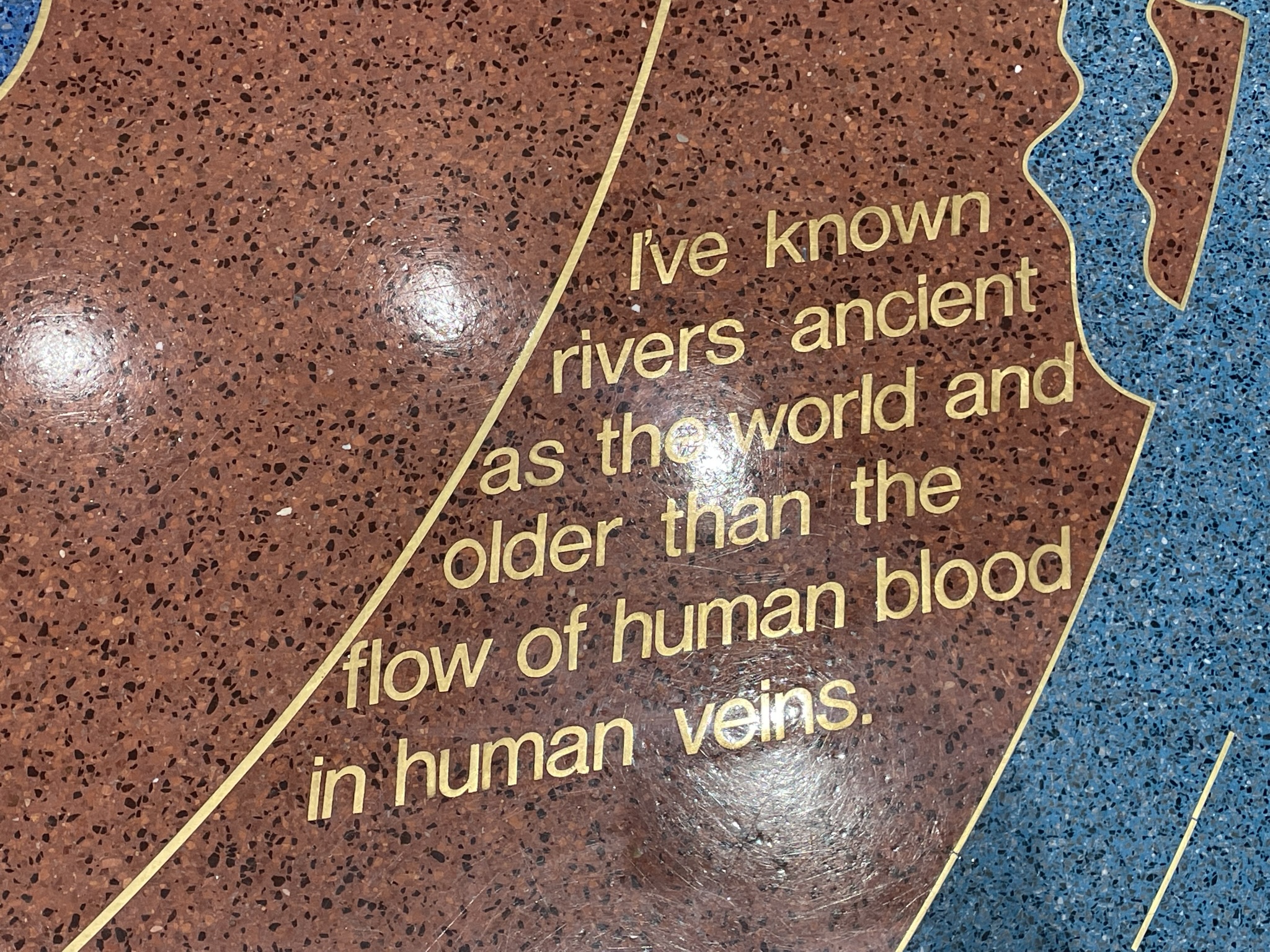
20230826-Satyendra-Pakhale-visited-Schomburg-Institute-Harlem -NY-USA-13
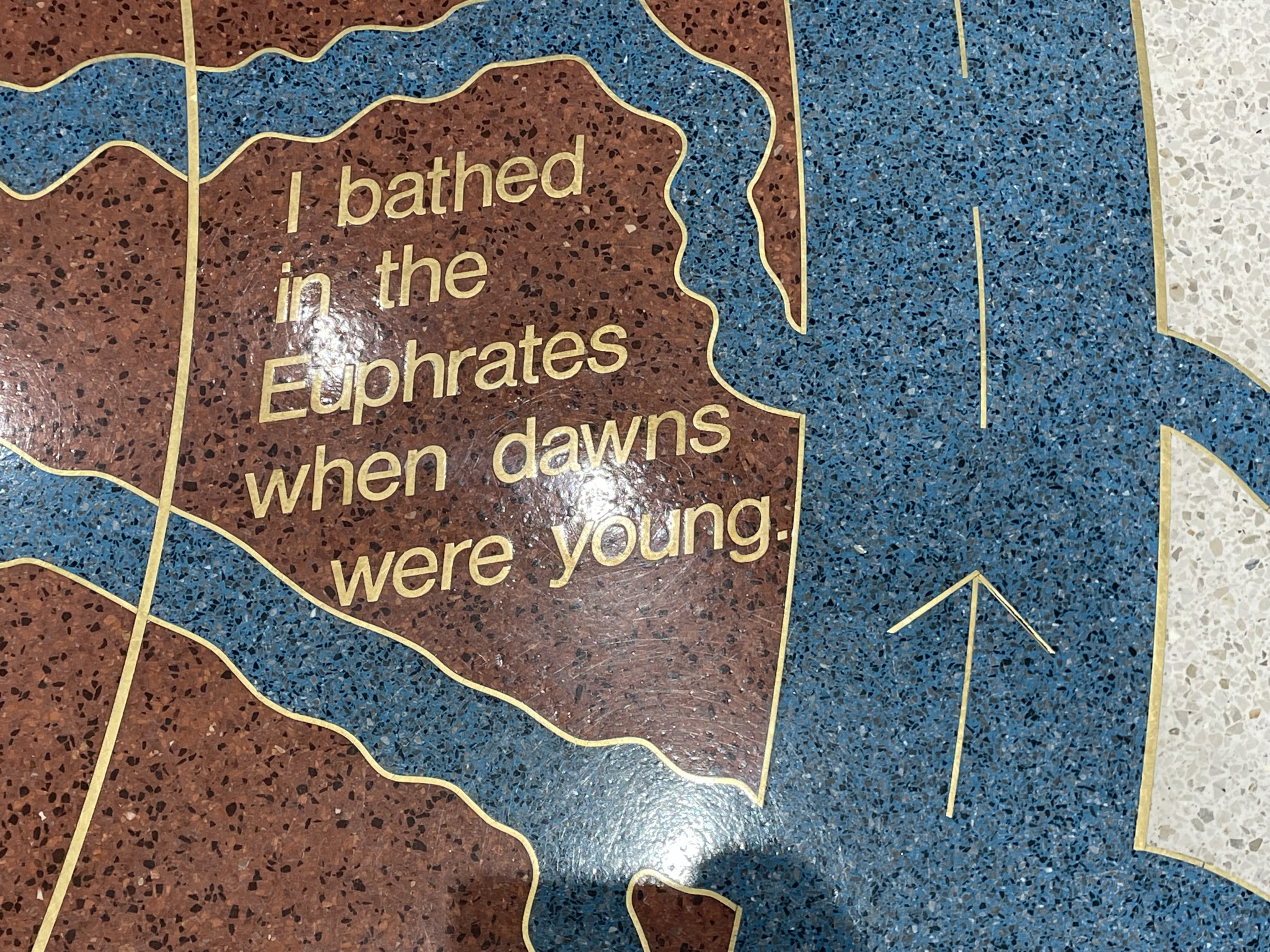
20230826-Satyendra-Pakhale-visited-Schomburg-Institute-Harlem -NY-USA-14
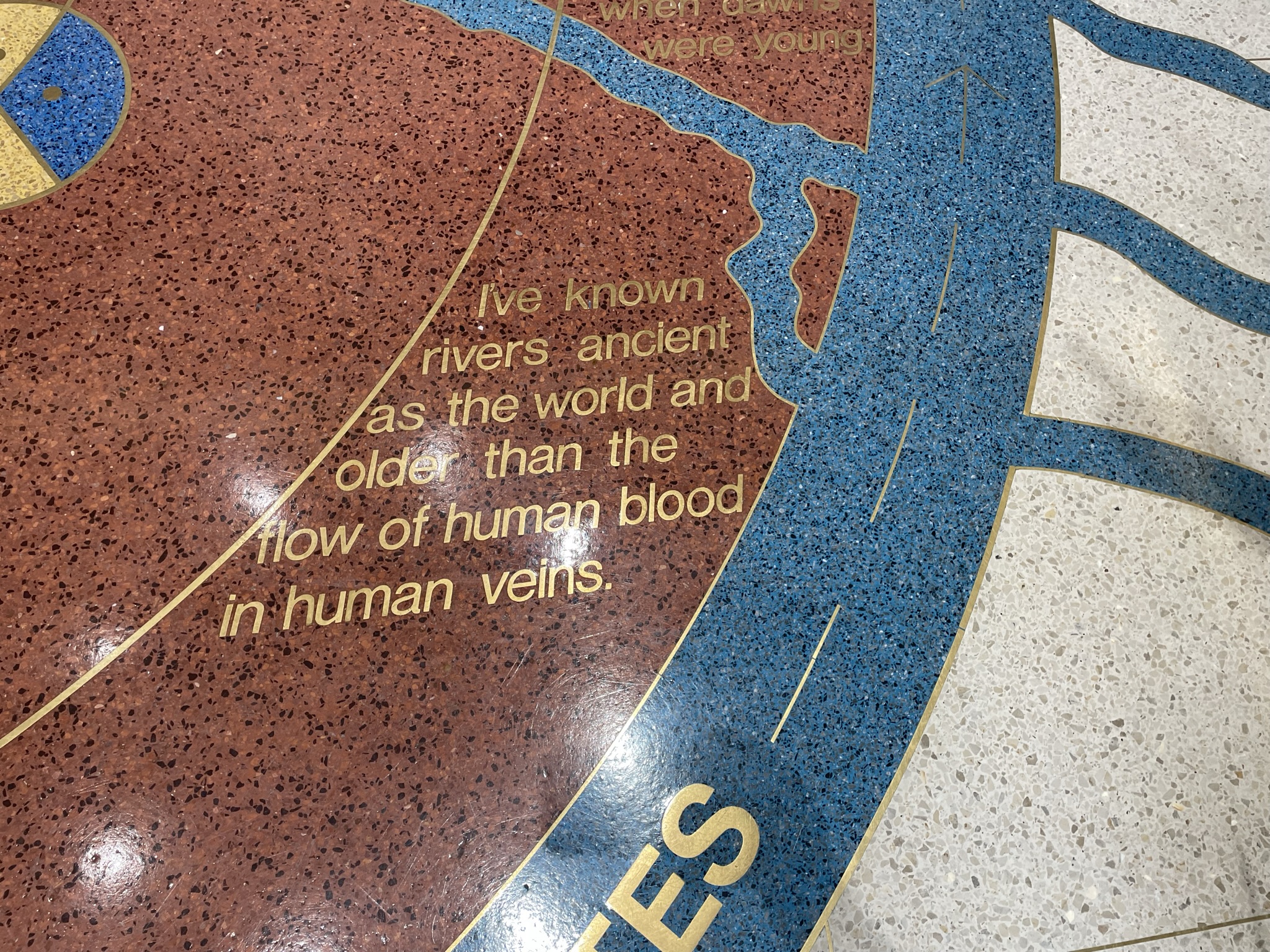
20230826-Satyendra-Pakhale-visited-Schomburg-Institute-Harlem -NY-USA-15
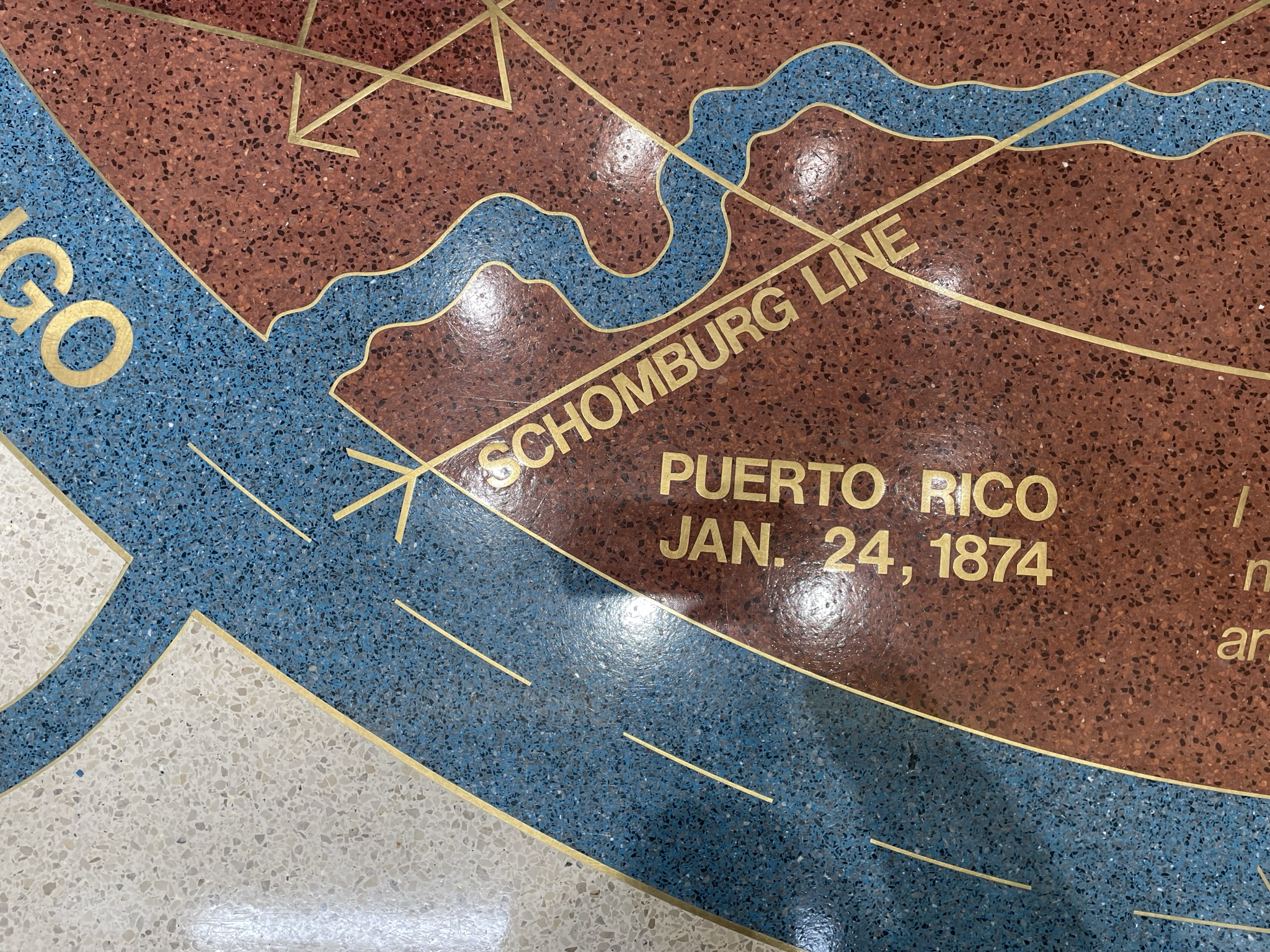
20230826-Satyendra-Pakhale-visited-Schomburg-Institute-Harlem -NY-USA-16
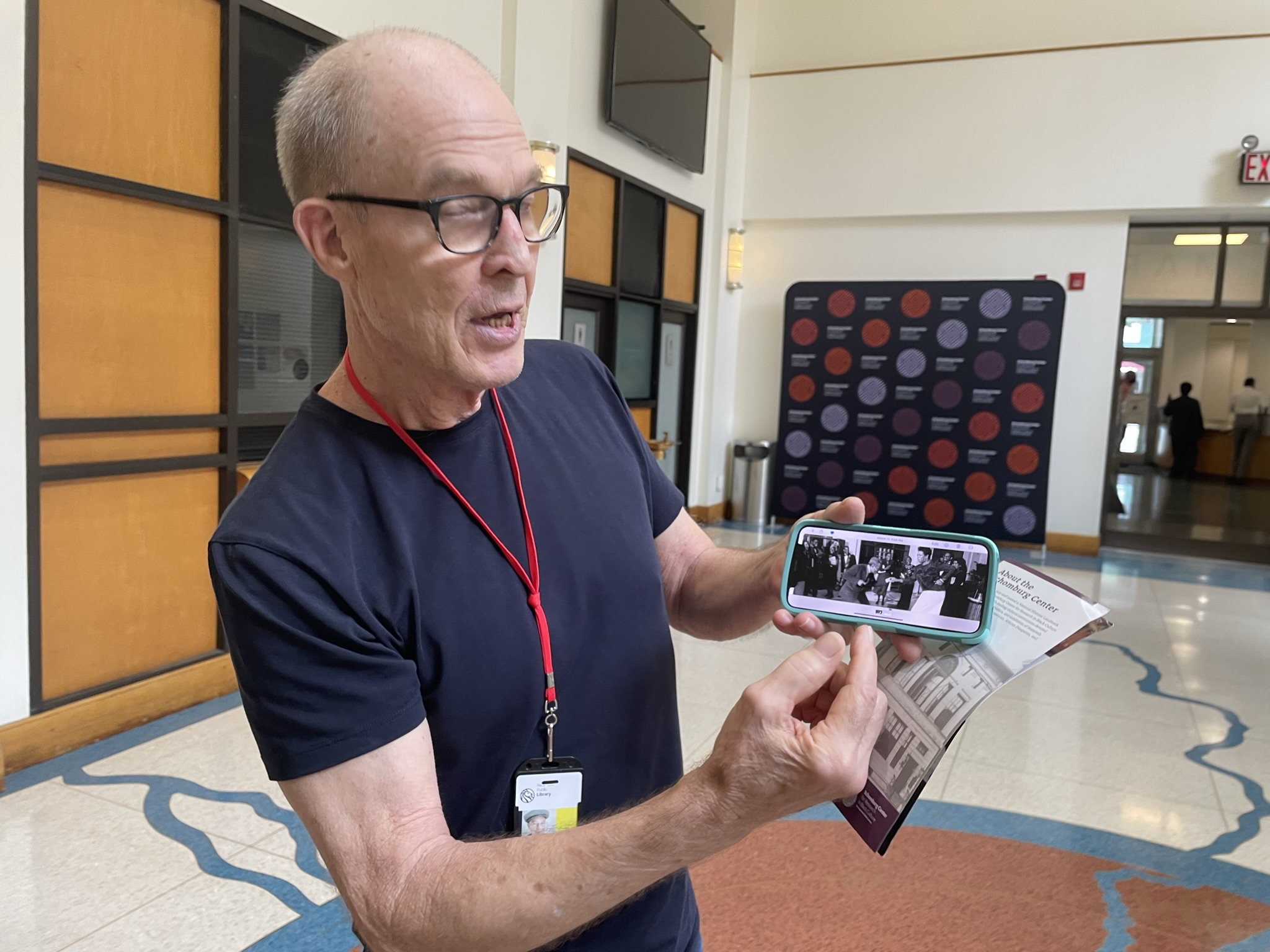
20230826-Satyendra-Pakhale-visited-Schomburg-Institute-Harlem -NY-USA-17
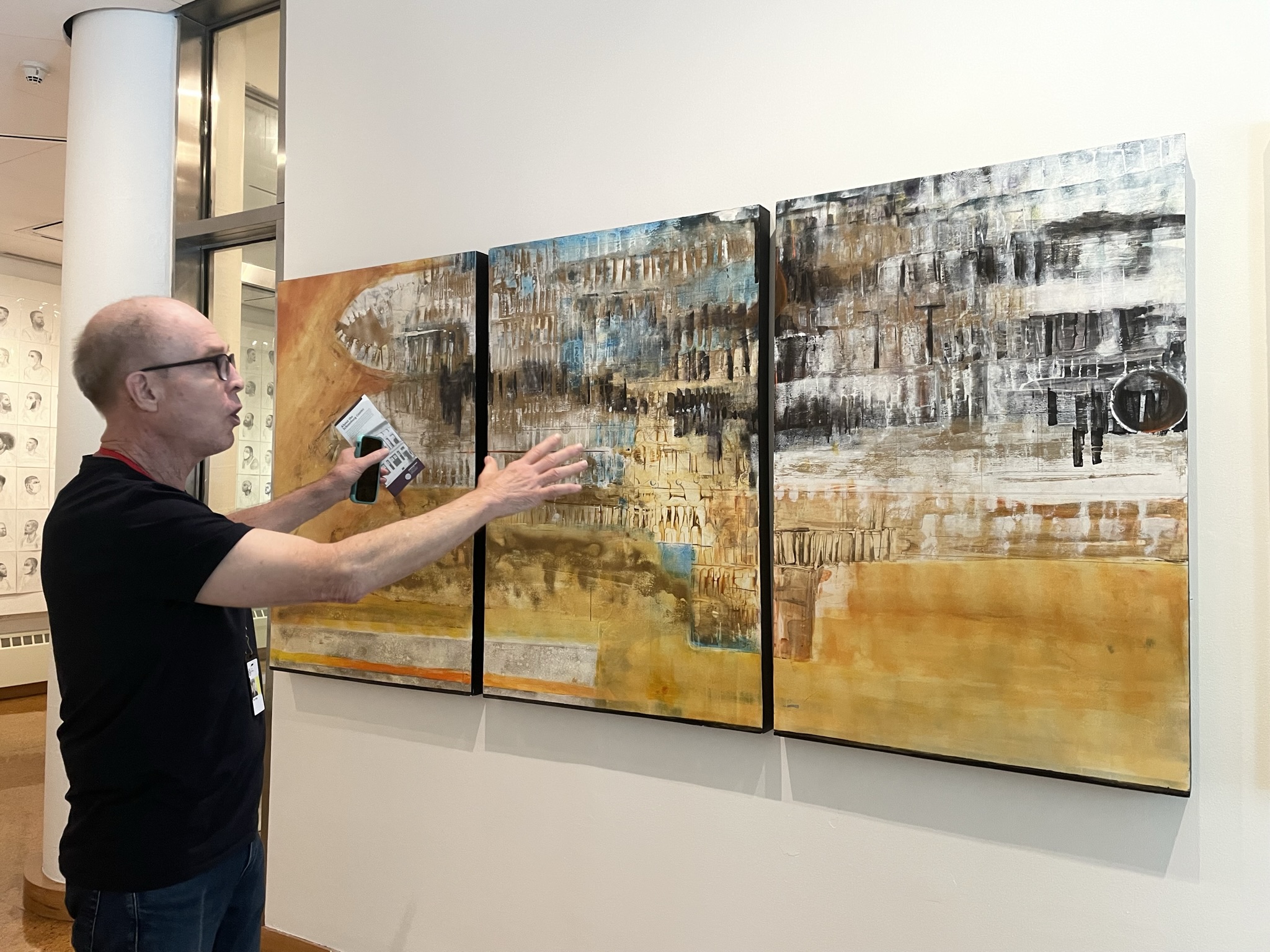
20230826-Satyendra-Pakhale-visited-Schomburg-Institute-Harlem -NY-USA-18
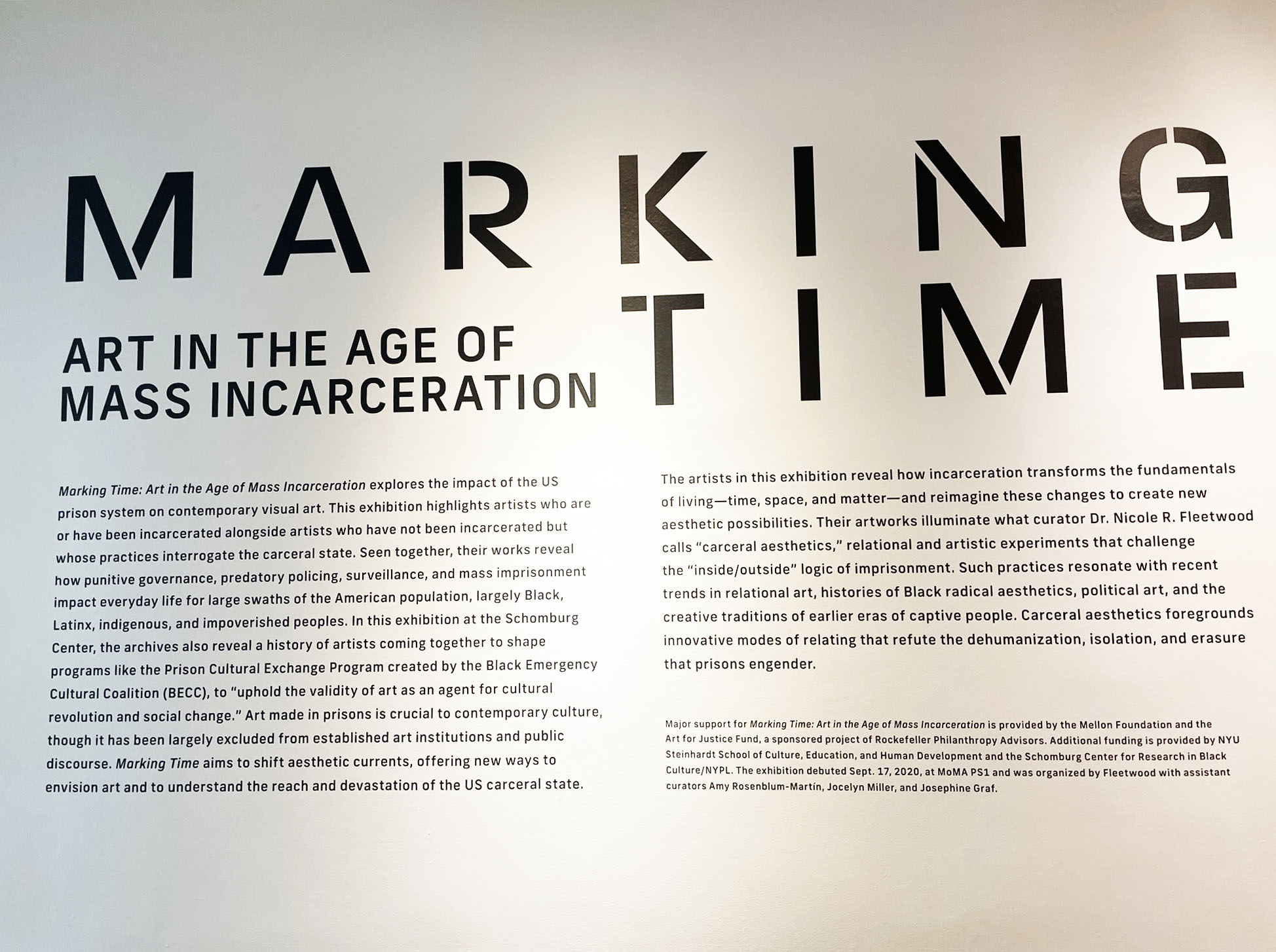
20230826-Satyendra-Pakhale-visited-Schomburg-Institute-Harlem -NY-USA-19
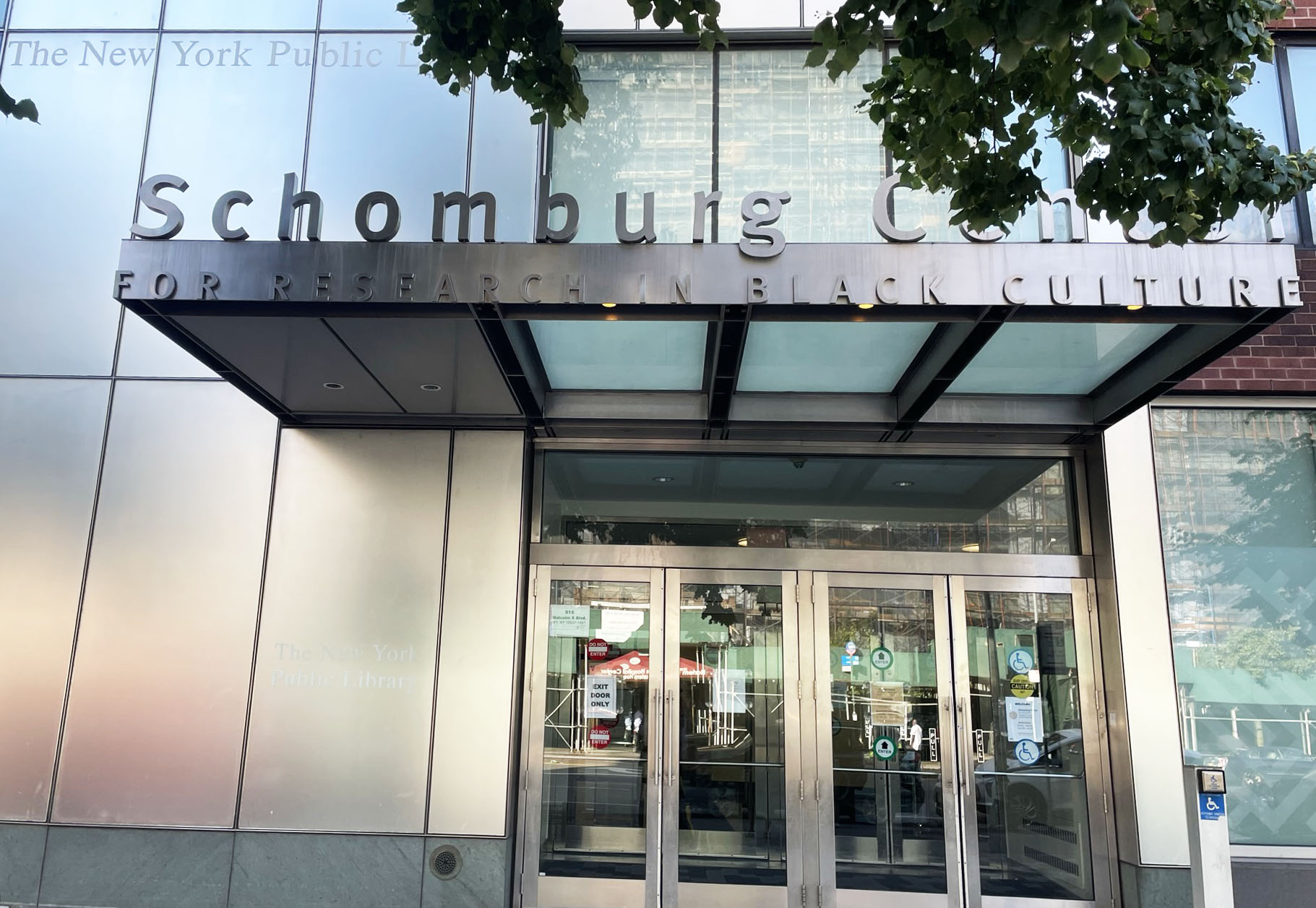
20230826-Satyendra-Pakhale-visited-Schomburg-Institute-Harlem -NY-USA0
20230825-Satyendra-Pakhale-visited-National-Portrait-gallery-Washington-DC-USA-01
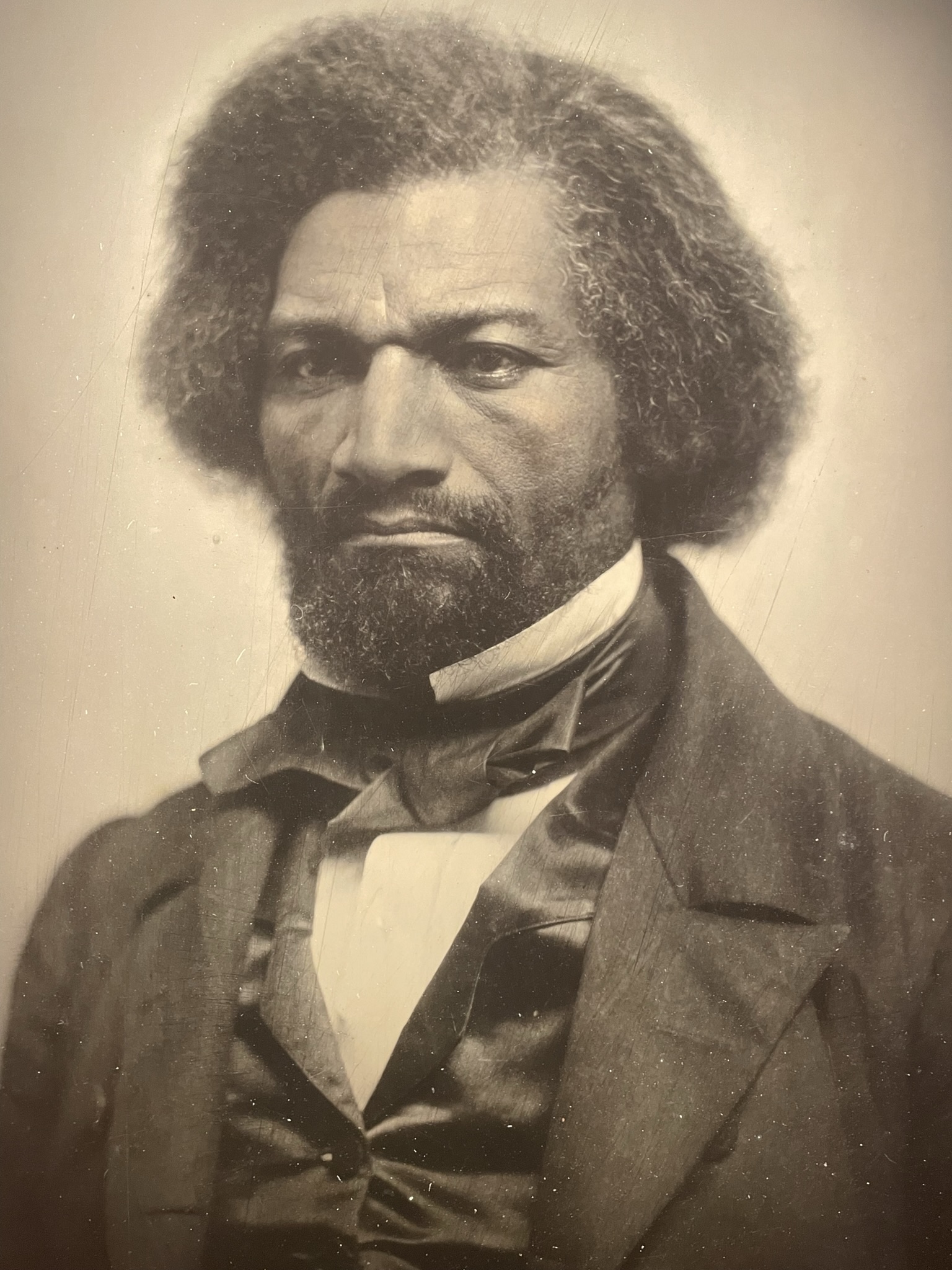
20230825-Satyendra-Pakhale-visited-National-Portrait-gallery-Washington-DC-USA-02
20230825-Satyendra-Pakhale-visited-National-Portrait-gallery-Washington-DC-USA-03
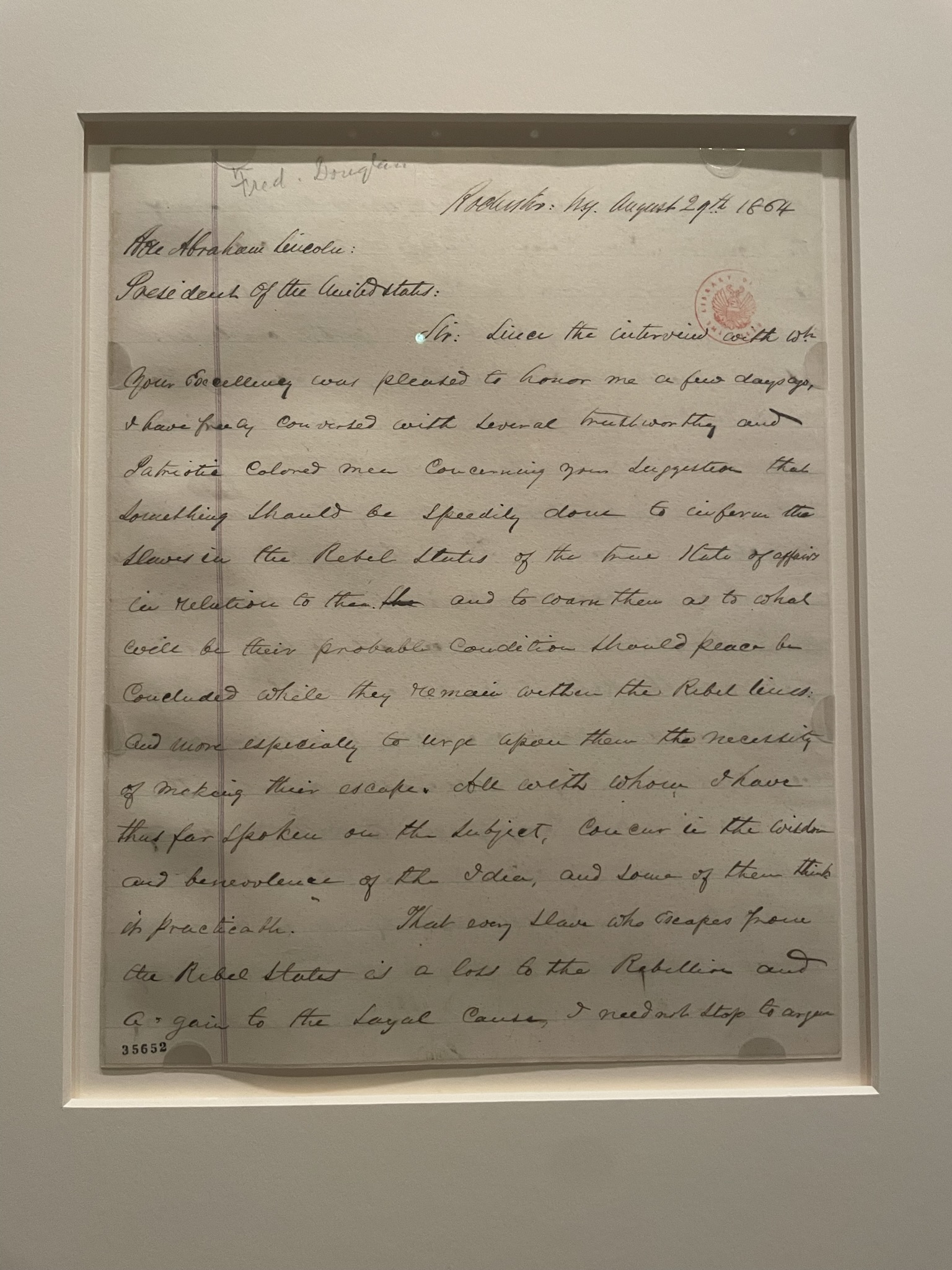
20230825-Satyendra-Pakhale-visited-National-Portrait-gallery-Washington-DC-USA-04
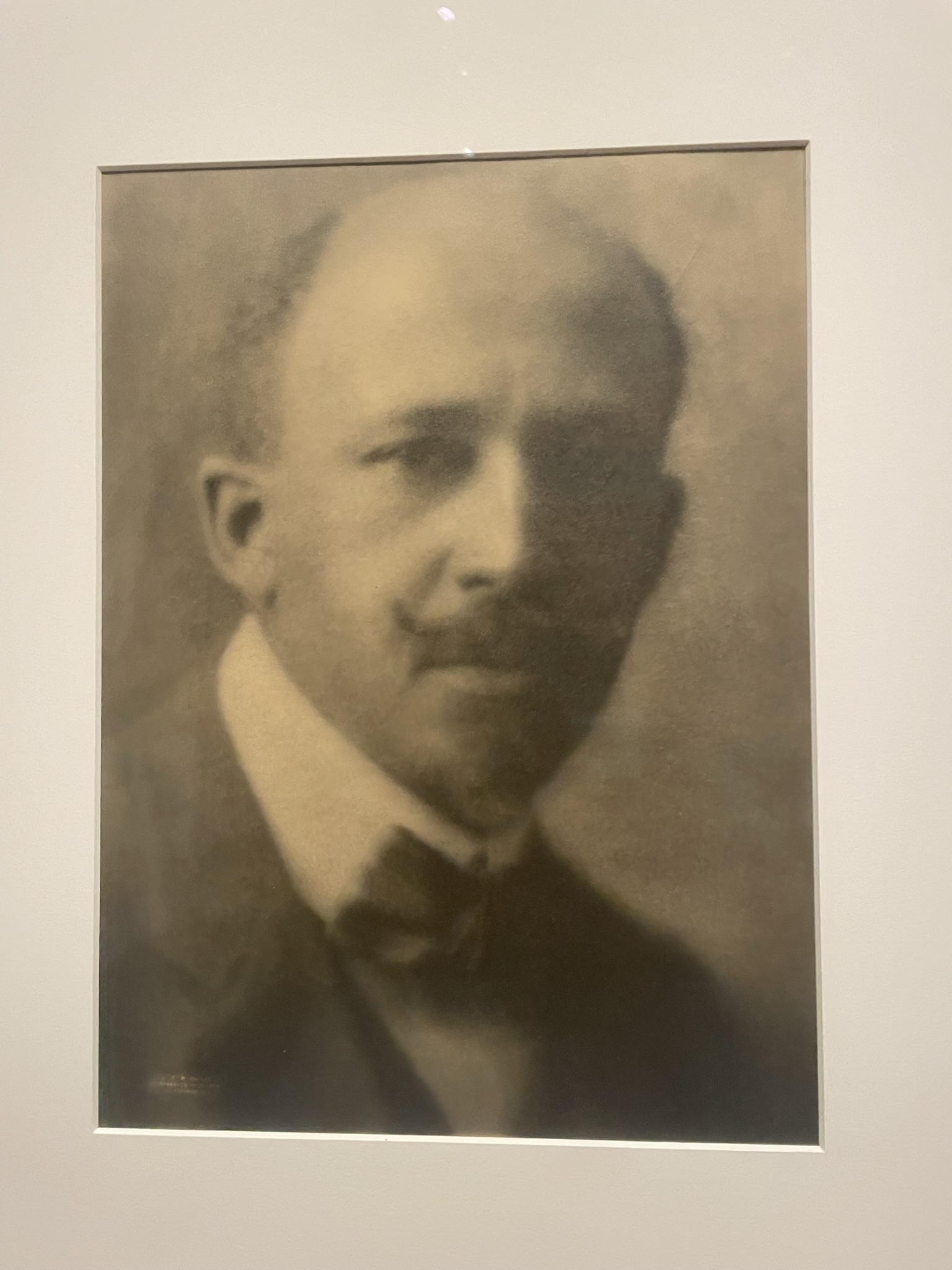
20230825-Satyendra-Pakhale-visited-National-Portrait-gallery-Washington-DC-USA-05
20230825-Satyendra-Pakhale-visited-National-Portrait-gallery-Washington-DC-USA-06
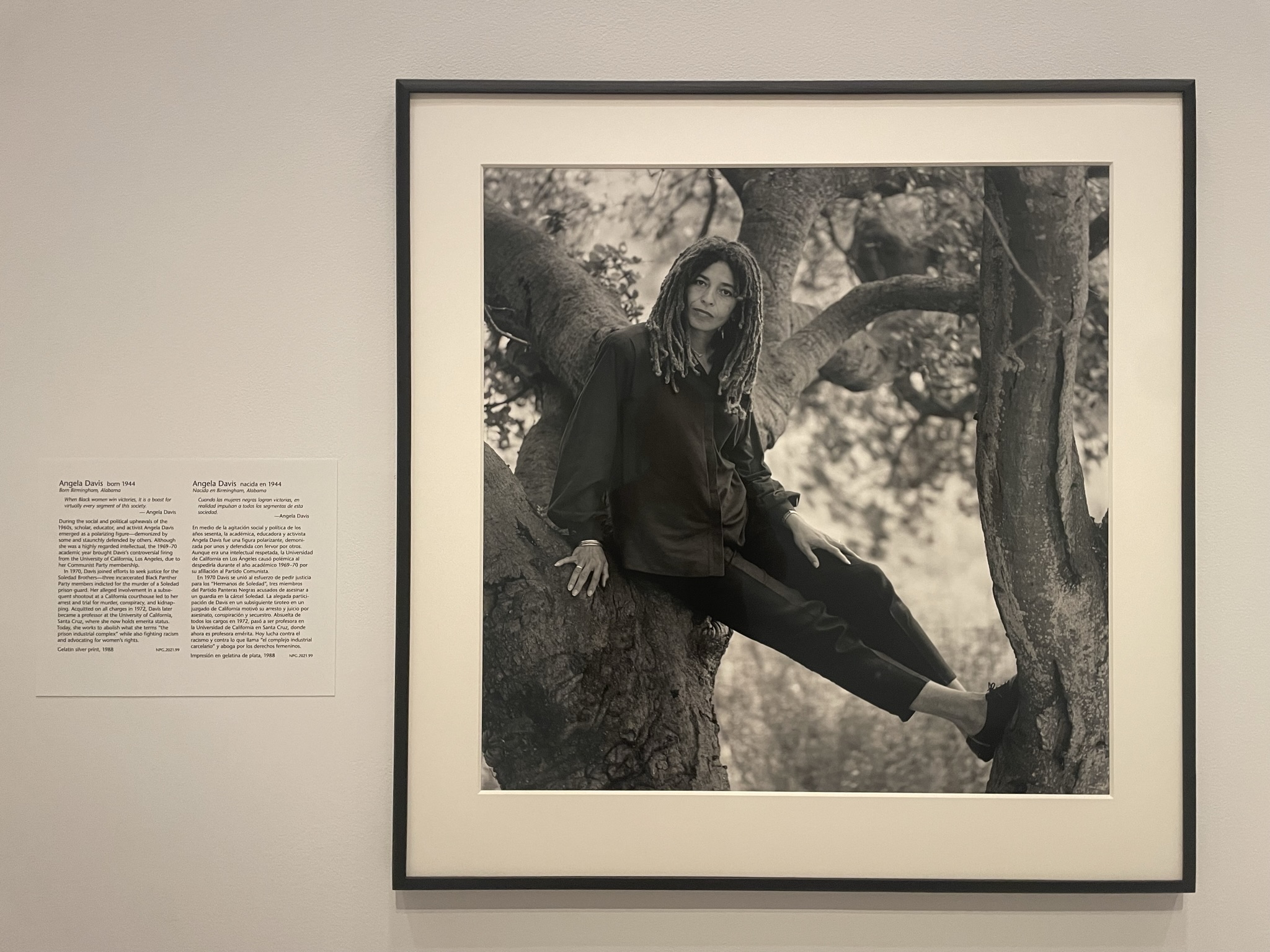
20230825-Satyendra-Pakhale-visited-National-Portrait-gallery-Washington-DC-USA-07
20230825-Satyendra-Pakhale-visited-National-Portrait-gallery-Washington-DC-USA-08
20230825-Satyendra-Pakhale-visited-National-Portrait-gallery-Washington-DC-USA-09
20230825-Satyendra-Pakhale-visited-National-Portrait-gallery-Washington-DC-USA-10
20230825-Satyendra-Pakhale-visited-National-Portrait-gallery-Washington-DC-USA-11
20230825-Satyendra-Pakhale-visited-National-Portrait-gallery-Washington-DC-USA-12
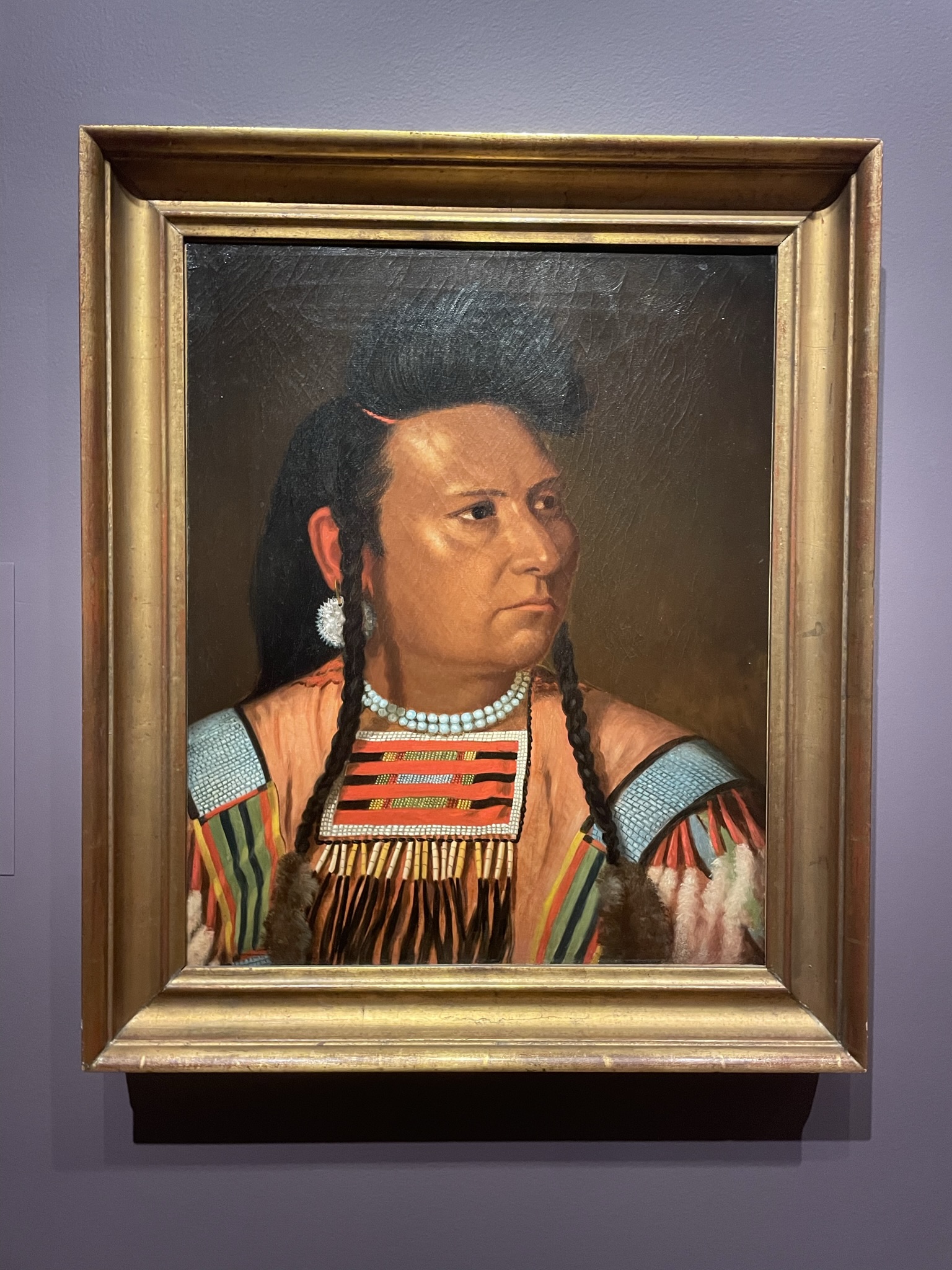
20230825-Satyendra-Pakhale-visited-National-Portrait-gallery-Washington-DC-USA-13
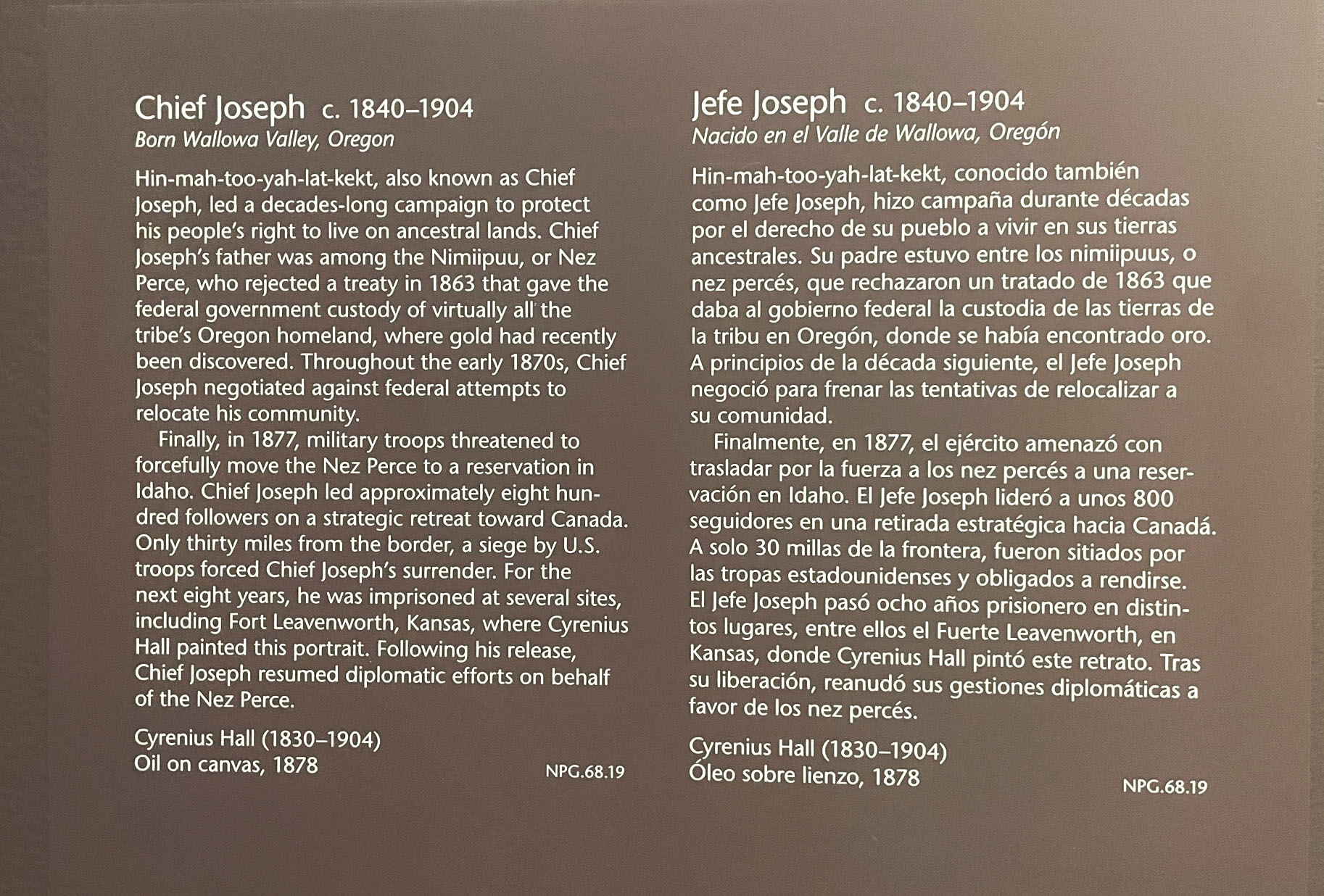
20230825-Satyendra-Pakhale-visited-National-Portrait-gallery-Washington-DC-USA-14
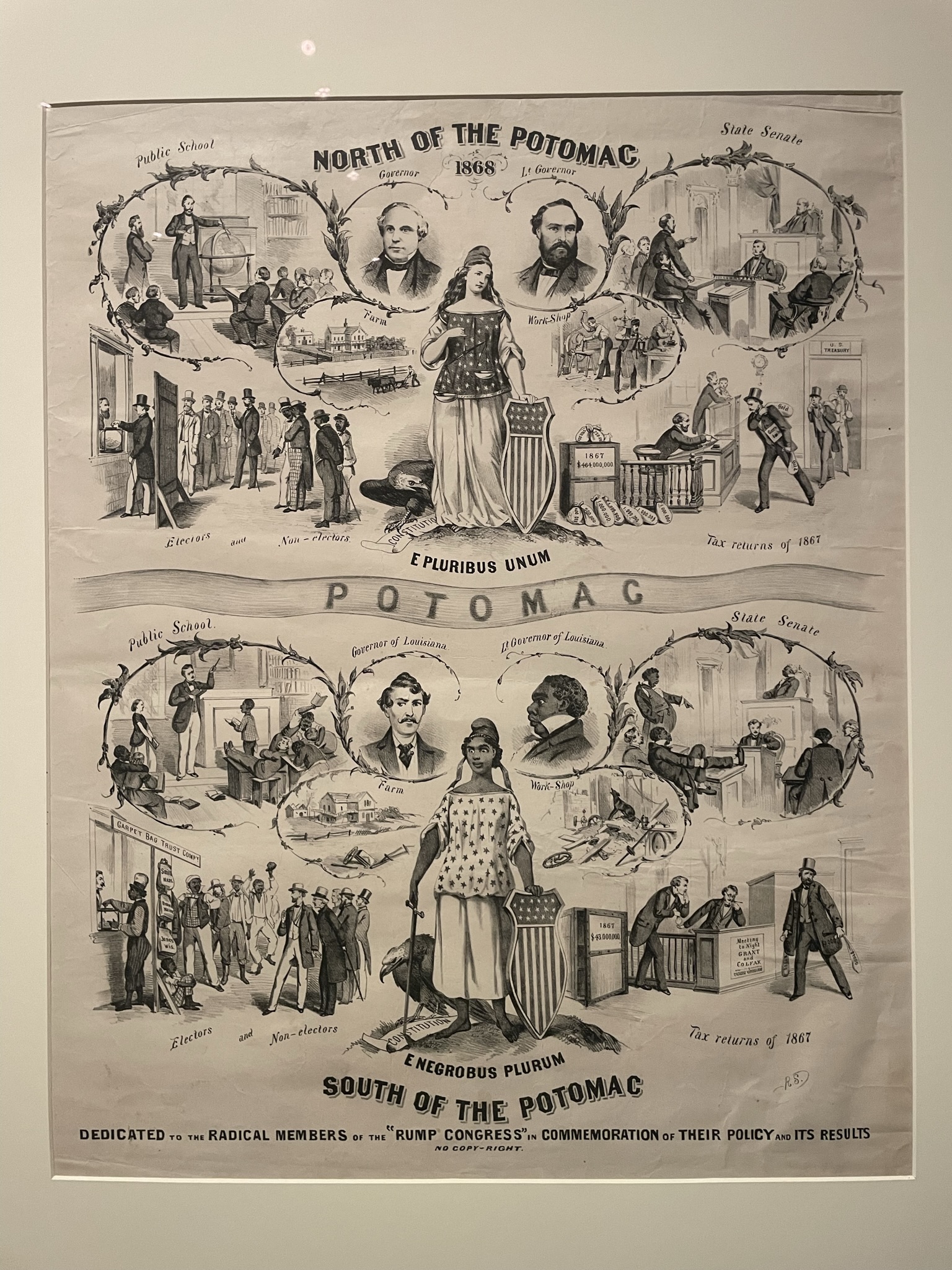
20230825-Satyendra-Pakhale-visited-National-Portrait-gallery-Washington-DC-USA-15
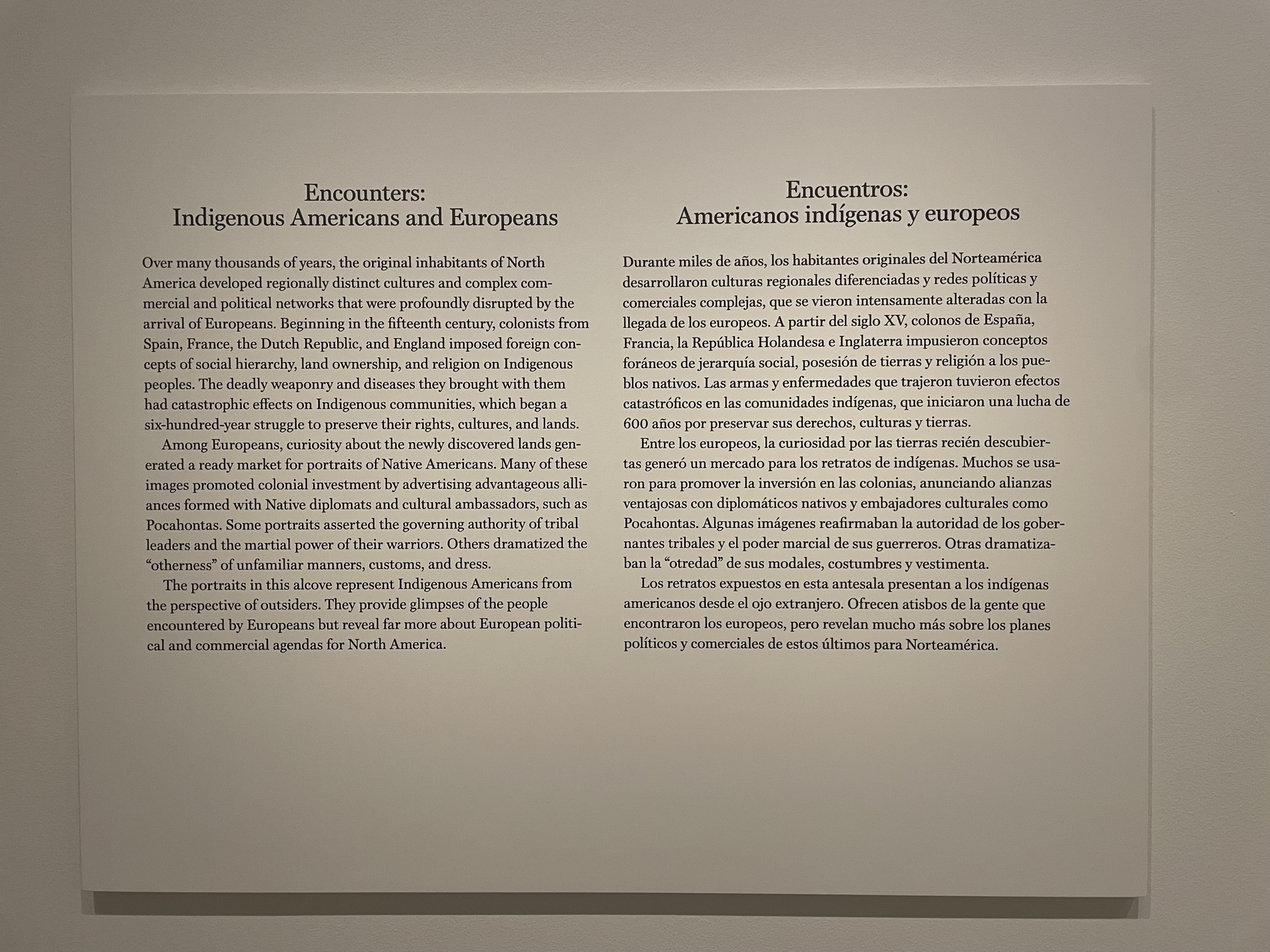
20230825-Satyendra-Pakhale-visited-National-Portrait-gallery-Washington-DC-USA-16
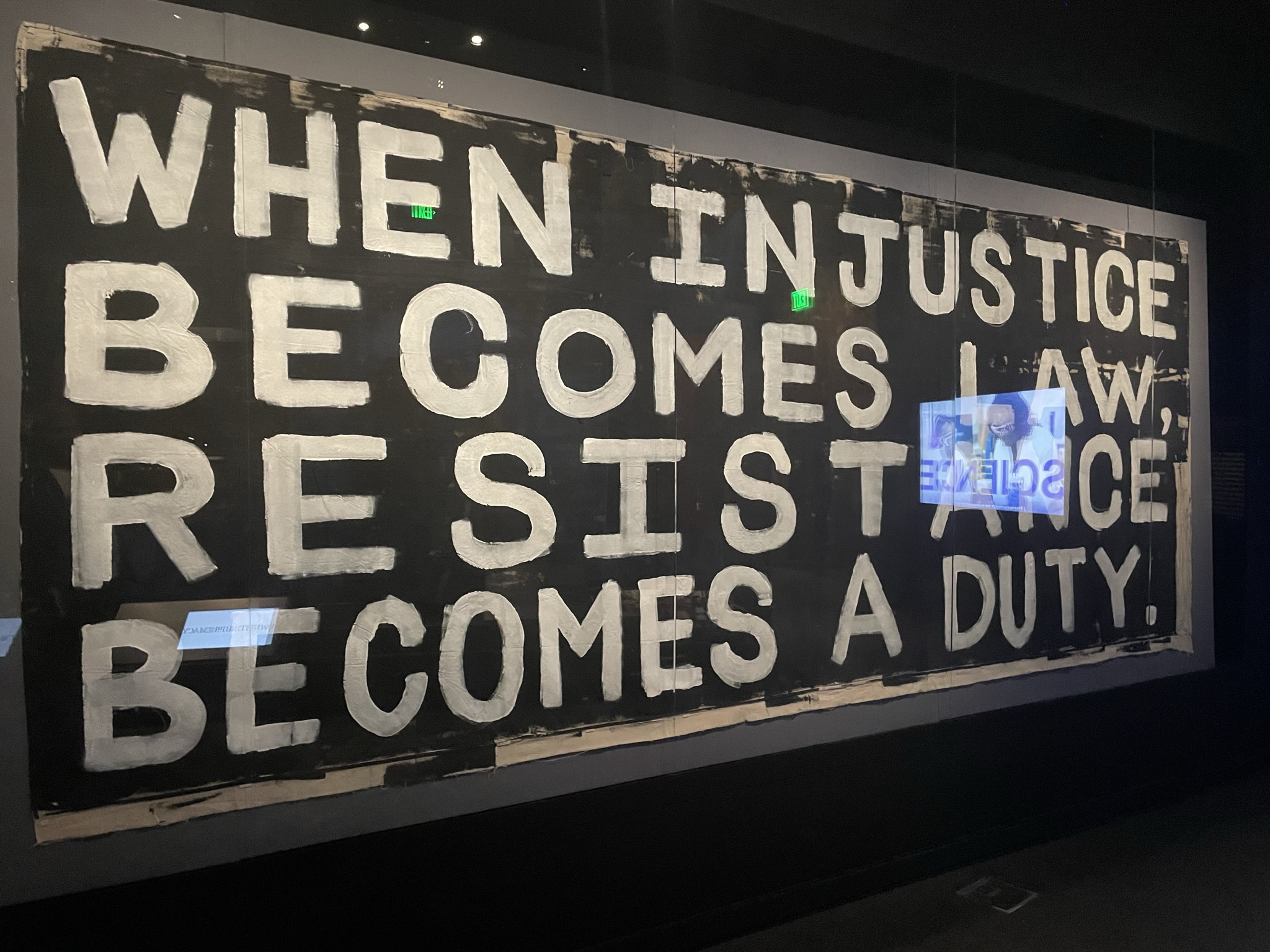
20230825-Satyendra-Pakhale-visits-National-African-American-History-Culture-Museum-DC-01
20230825-Satyendra-Pakhale-visits-National-African-American-History-Culture-Museum-DC-02
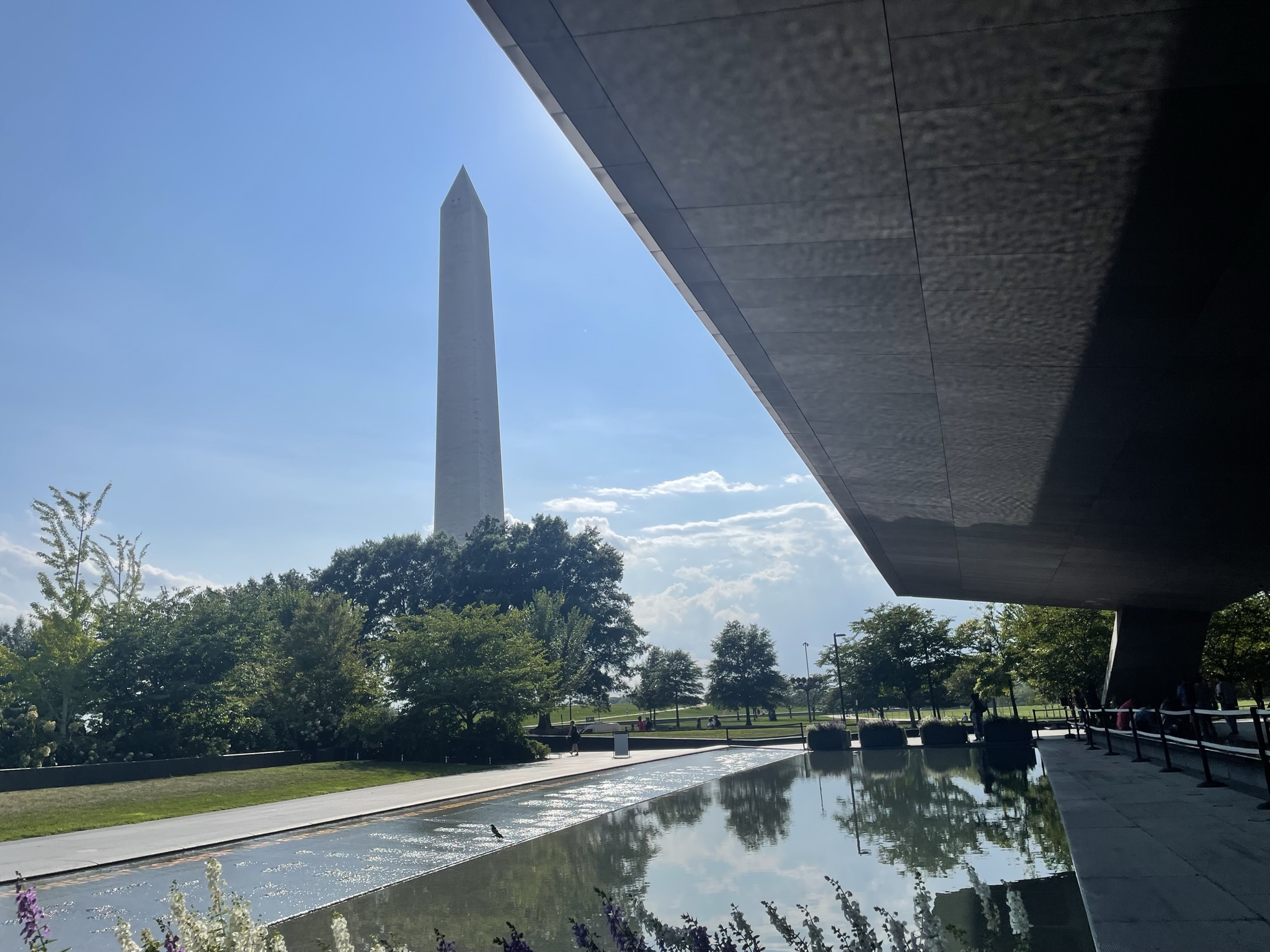
20230825-Satyendra-Pakhale-visits-National-African-American-History-Culture-Museum-DC-03
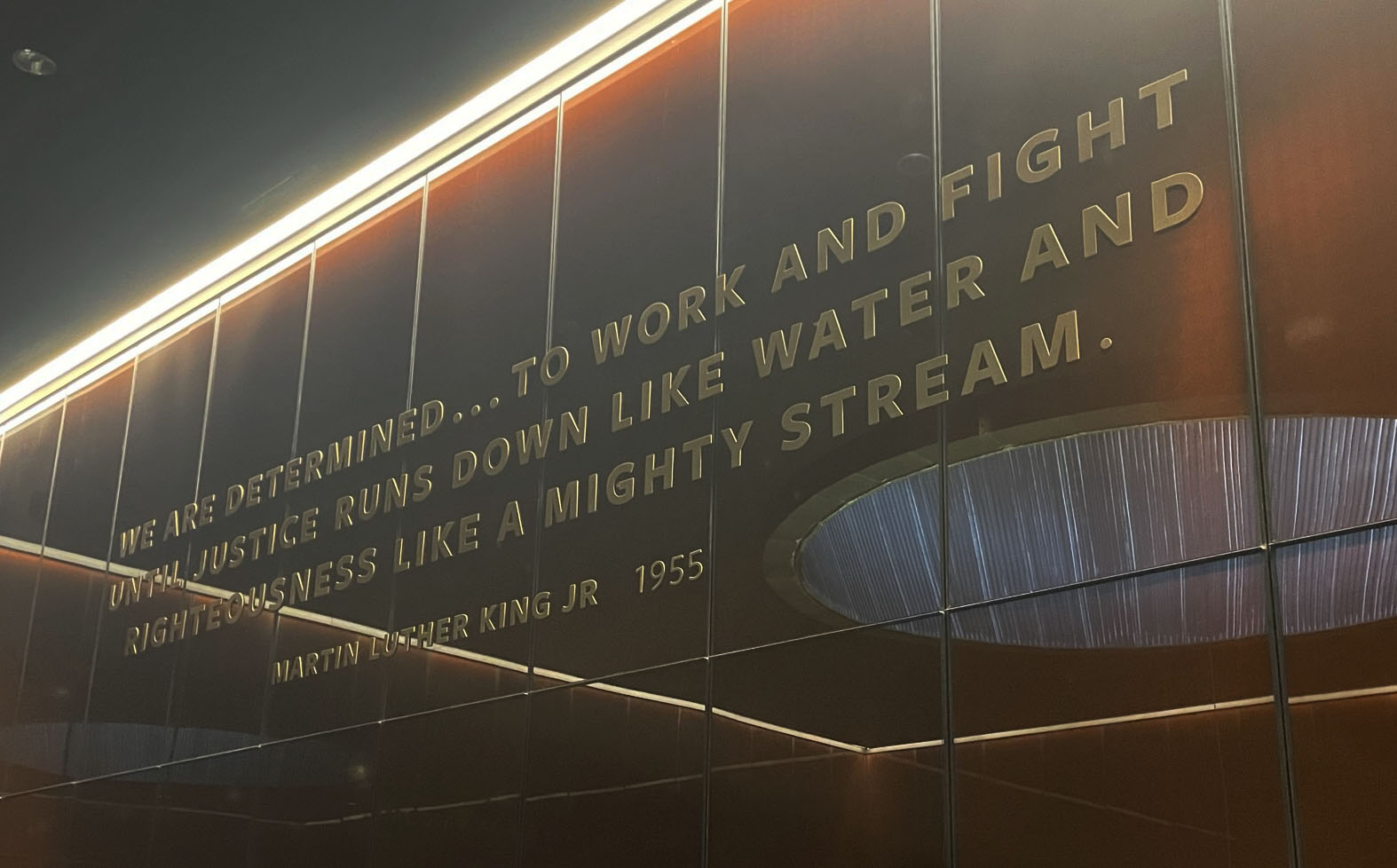
20230825-Satyendra-Pakhale-visits-National-African-American-History-Culture-Museum-DC-04 (3)
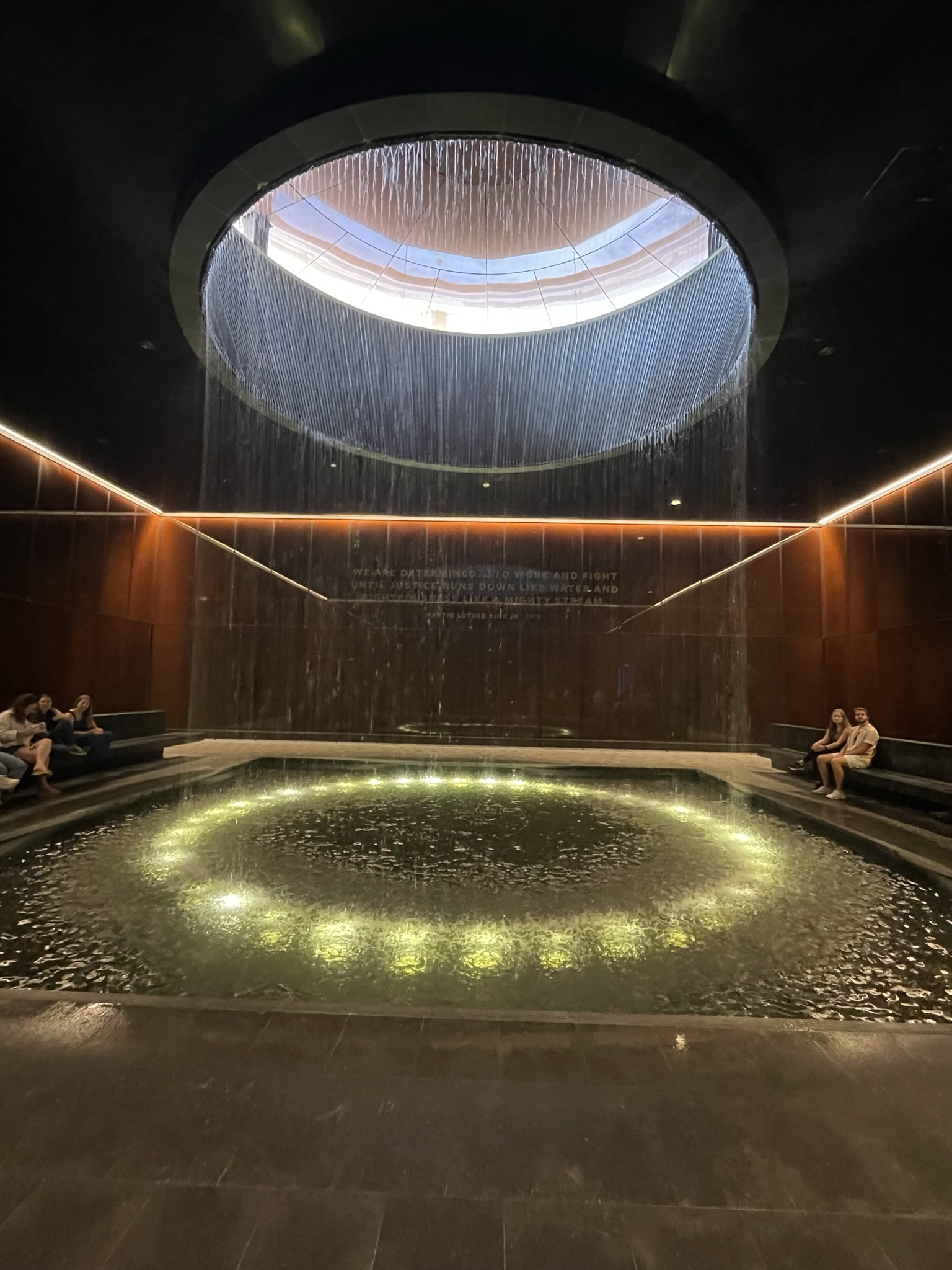
20230825-Satyendra-Pakhale-visits-National-African-American-History-Culture-Museum-DC-04
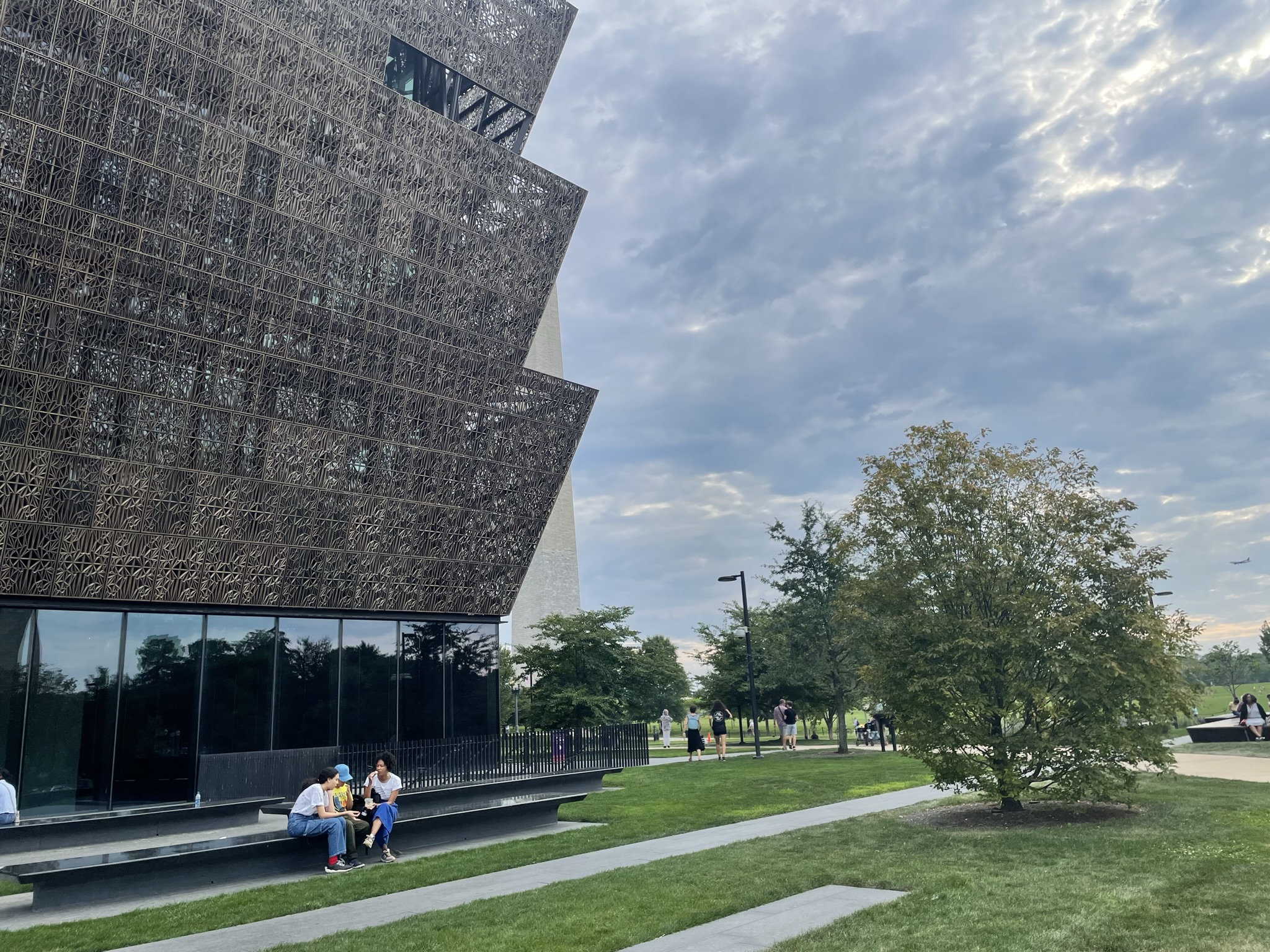
20230825-Satyendra-Pakhale-visits-National-African-American-History-Culture-Museum-DC-06
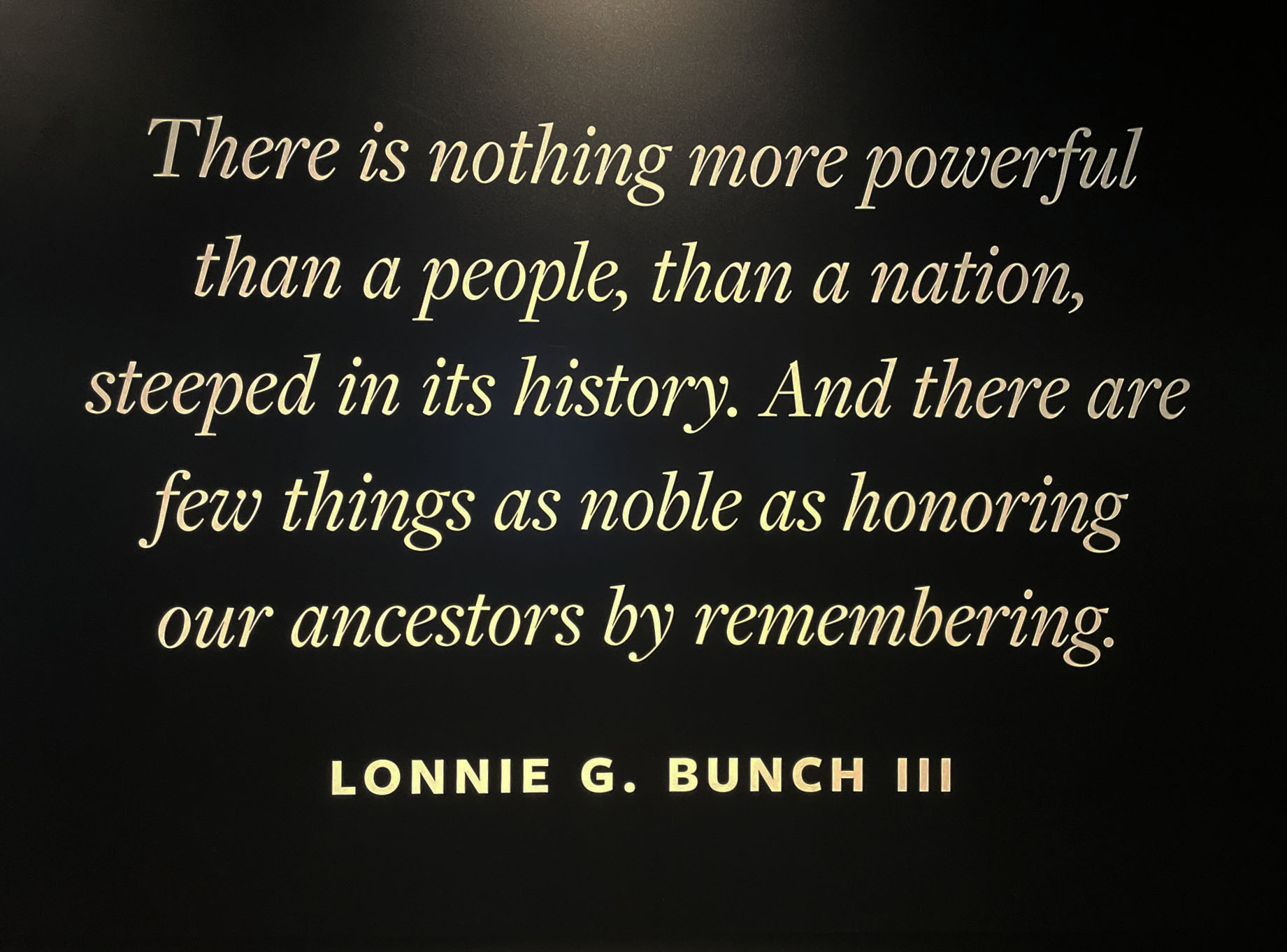
20230825-Satyendra-Pakhale-visits-National-African-American-History-Culture-Museum-DC-07
20230825-Satyendra-Pakhale-visits-National-African-American-History-Culture-Museum-DC-08
20230825-Satyendra-Pakhale-visits-National-African-American-History-Culture-Museum-DC-09
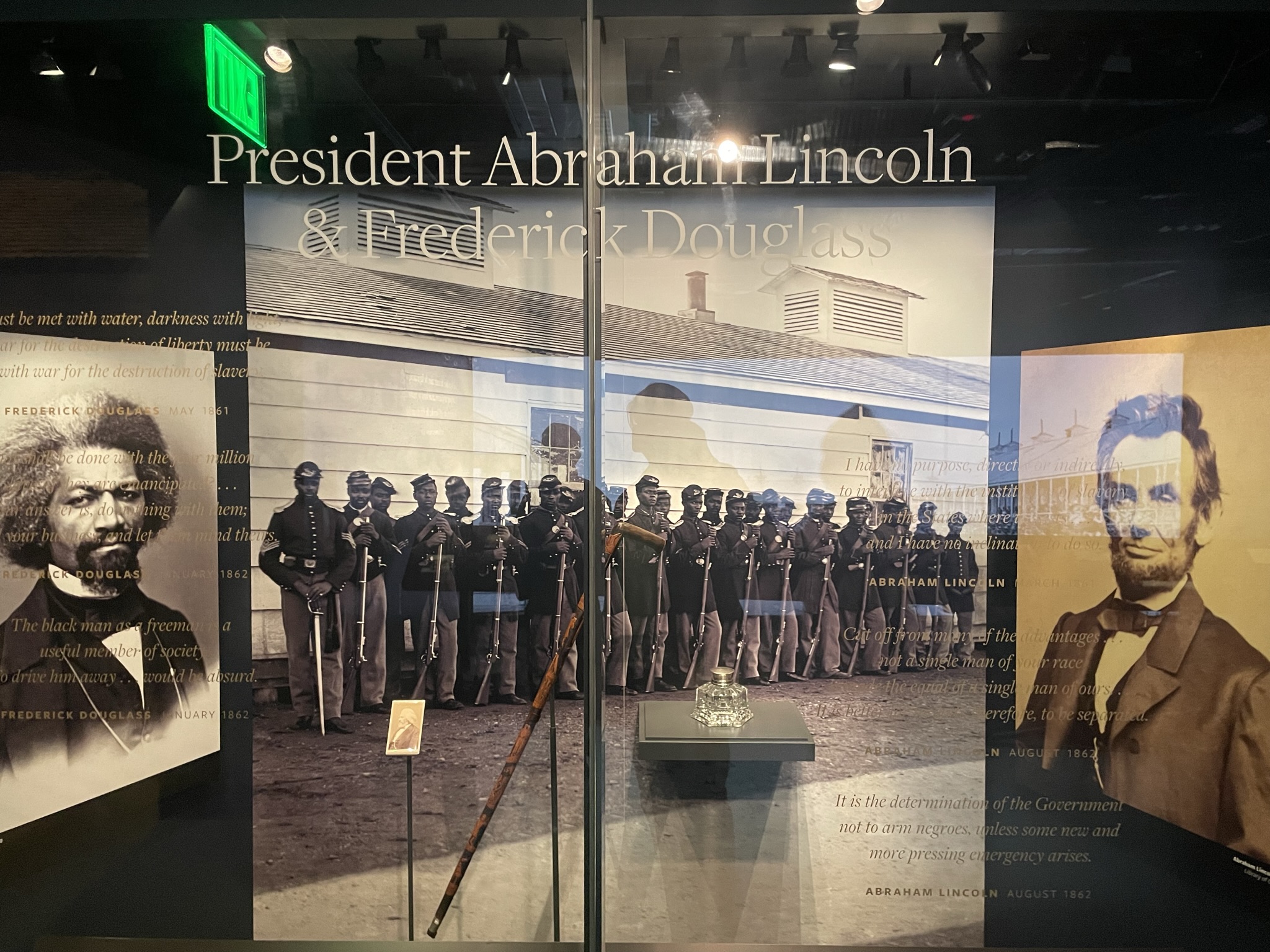
20230825-Satyendra-Pakhale-visits-National-African-American-History-Culture-Museum-DC-10
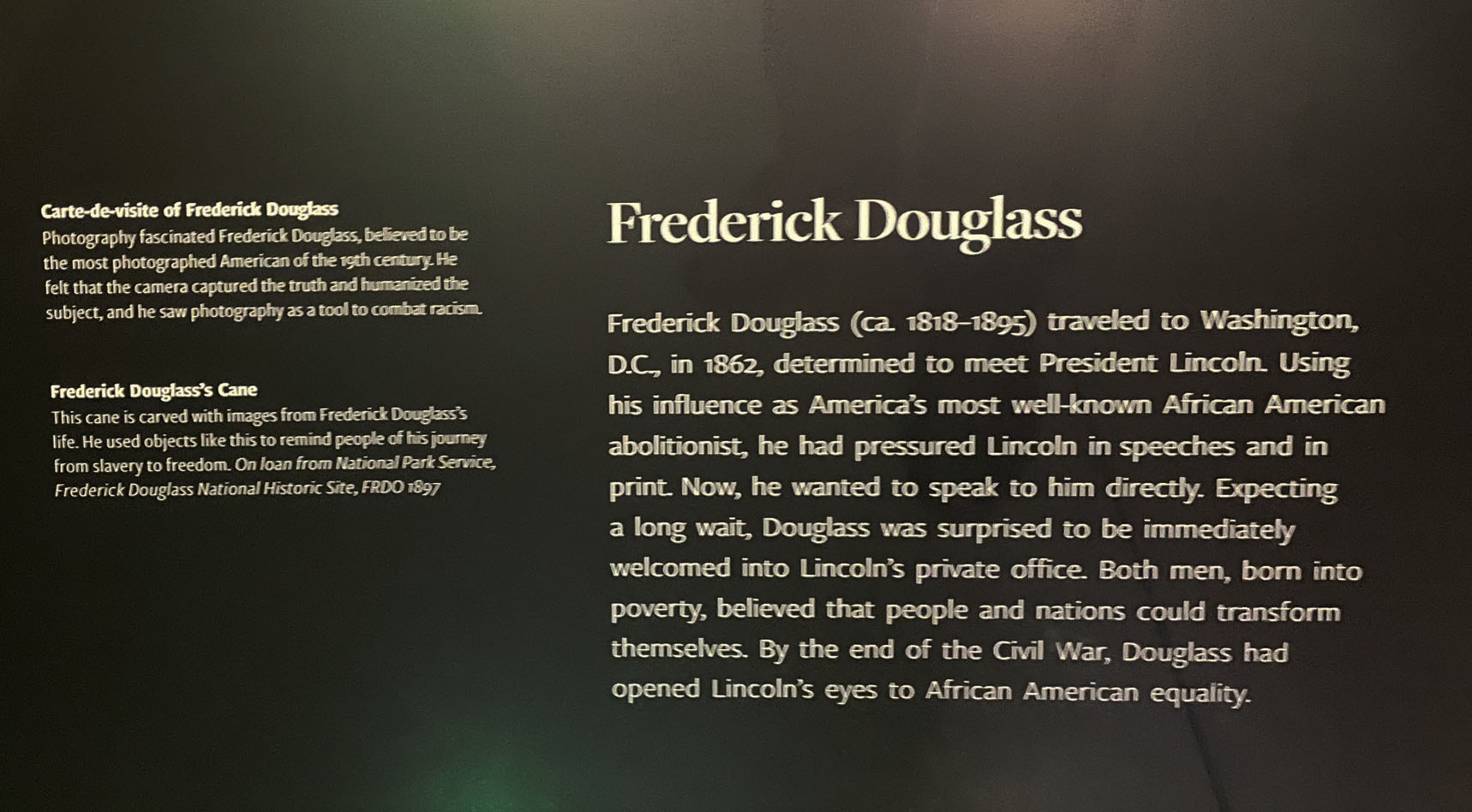
20230825-Satyendra-Pakhale-visits-National-African-American-History-Culture-Museum-DC-11
20230825-Satyendra-Pakhale-visits-National-African-American-History-Culture-Museum-DC-12
20230825-Satyendra-Pakhale-visits-National-African-American-History-Culture-Museum-DC-13
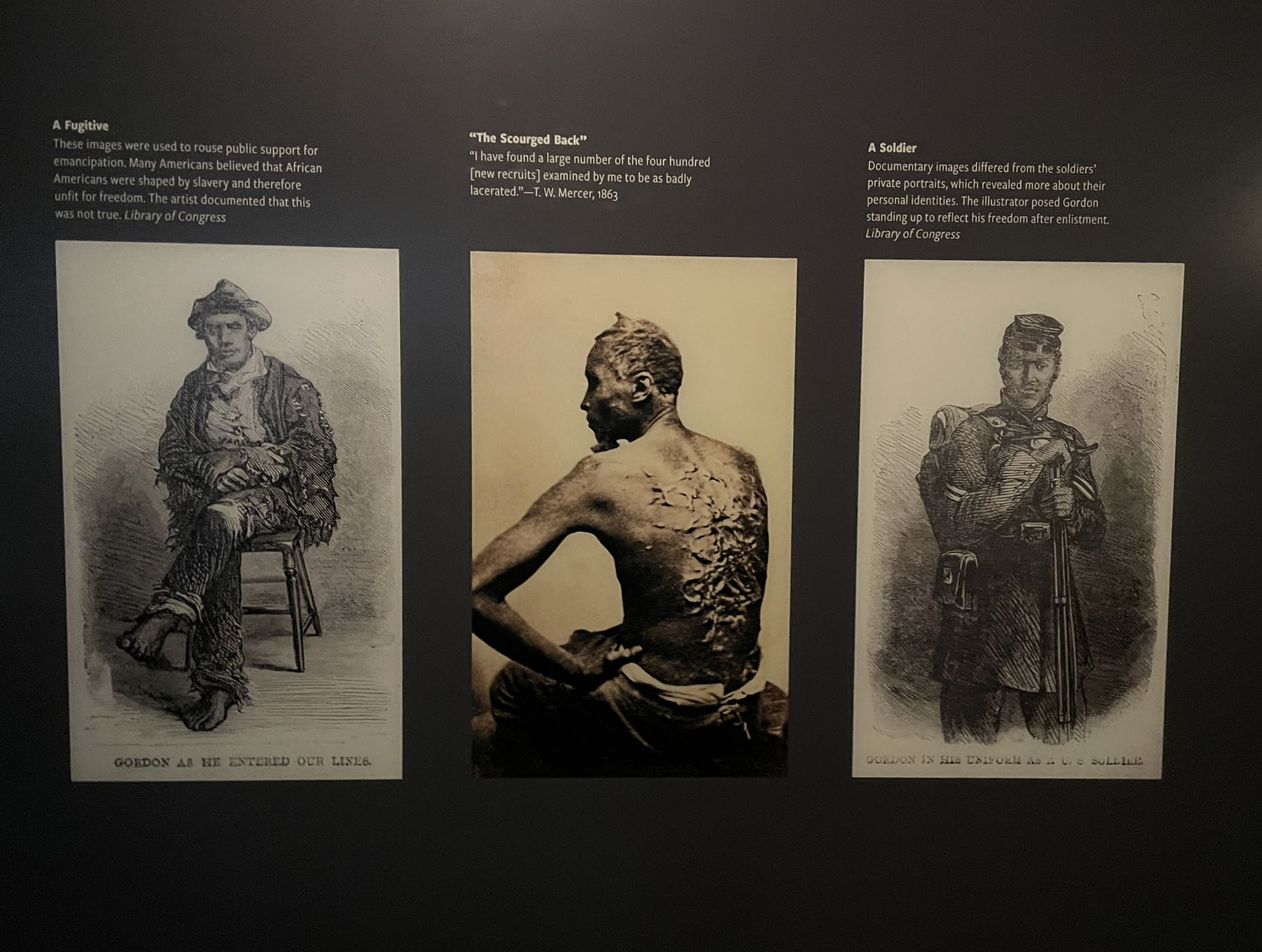
20230825-Satyendra-Pakhale-visits-National-African-American-History-Culture-Museum-DC-14
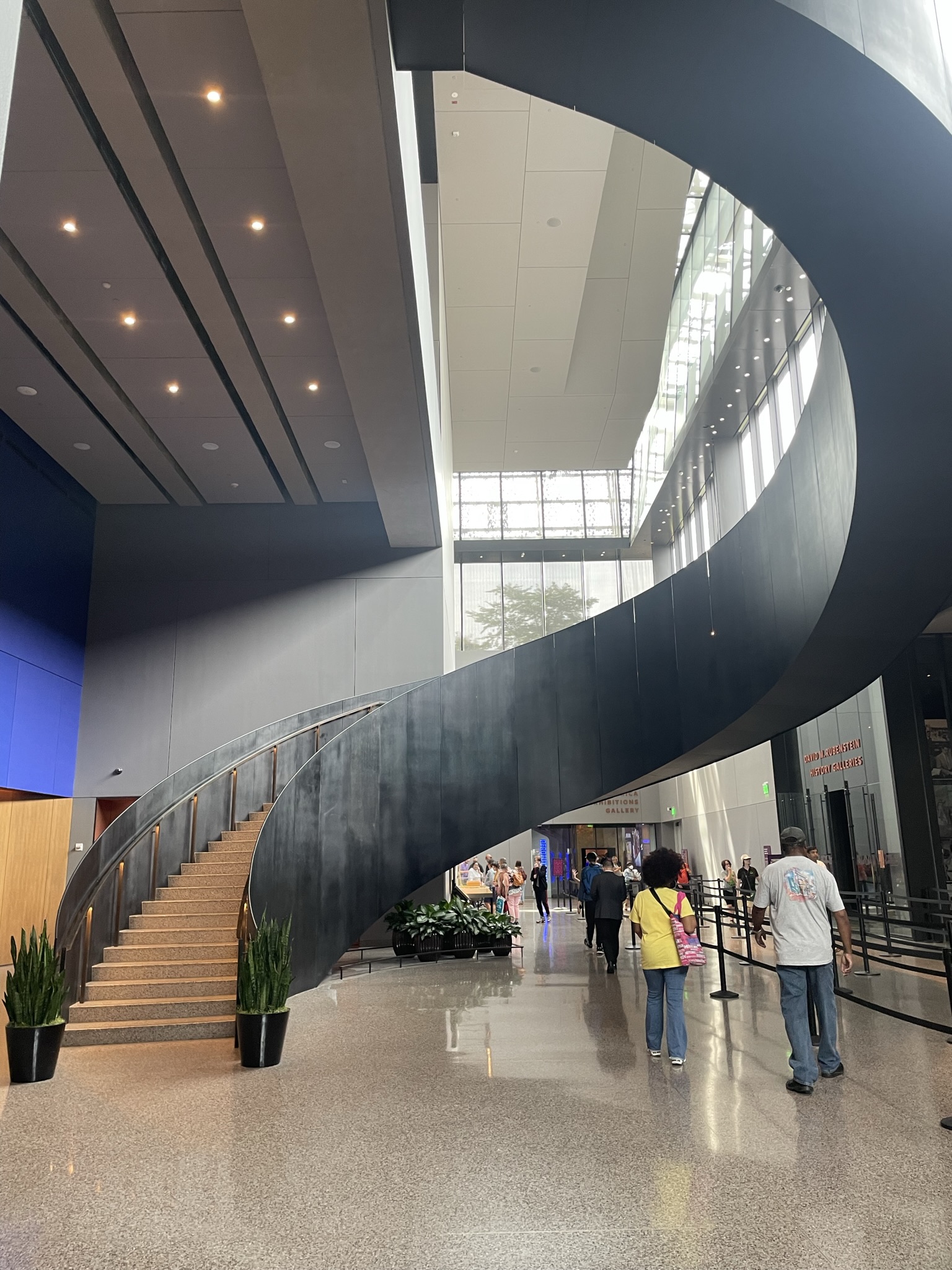
20230825-Satyendra-Pakhale-visits-National-African-American-History-Culture-Museum-DC-15
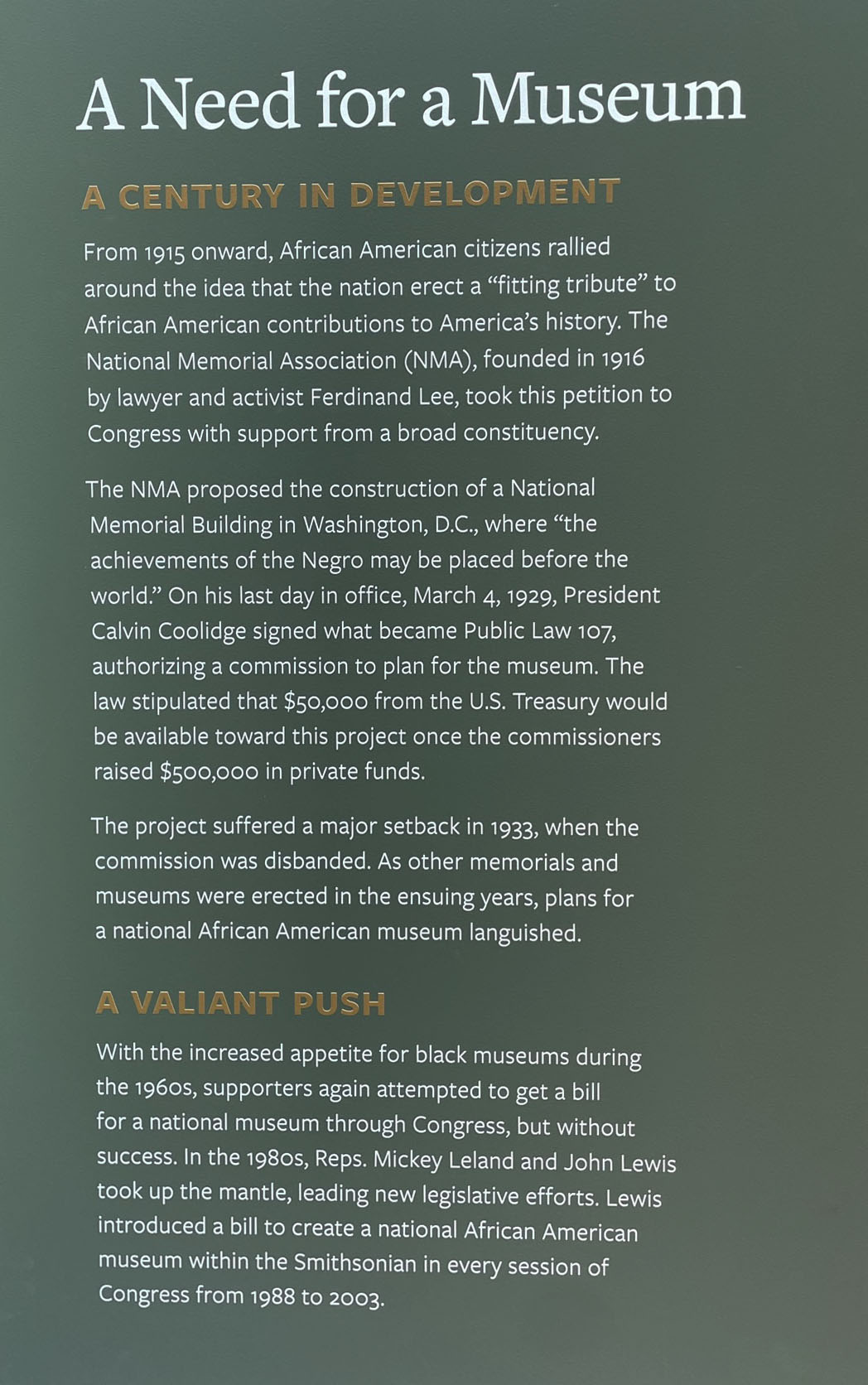
20230825-Satyendra-Pakhale-visits-National-African-American-History-Culture-Museum-DC-16
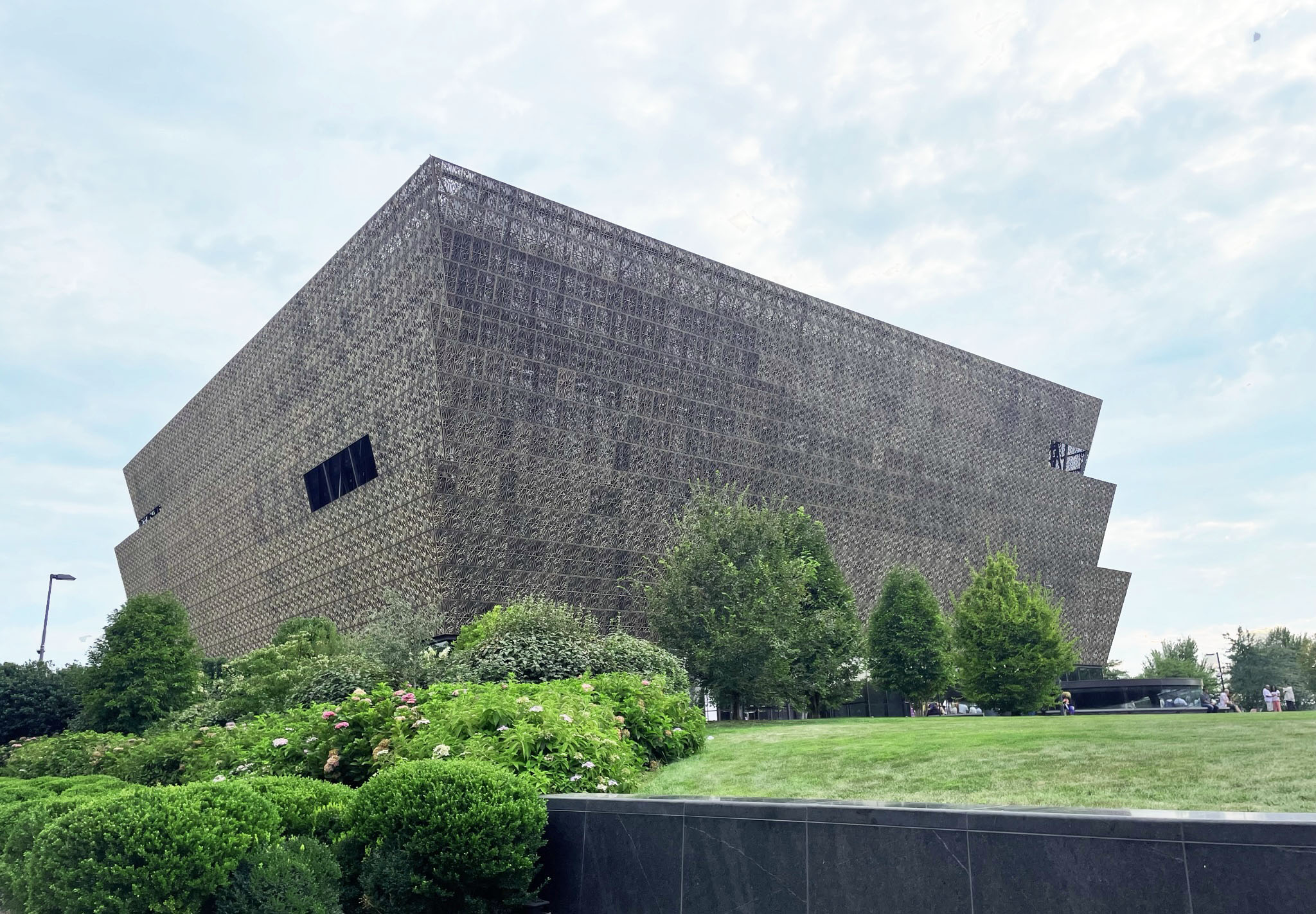
20230825-Satyendra-Pakhale-visits-National-
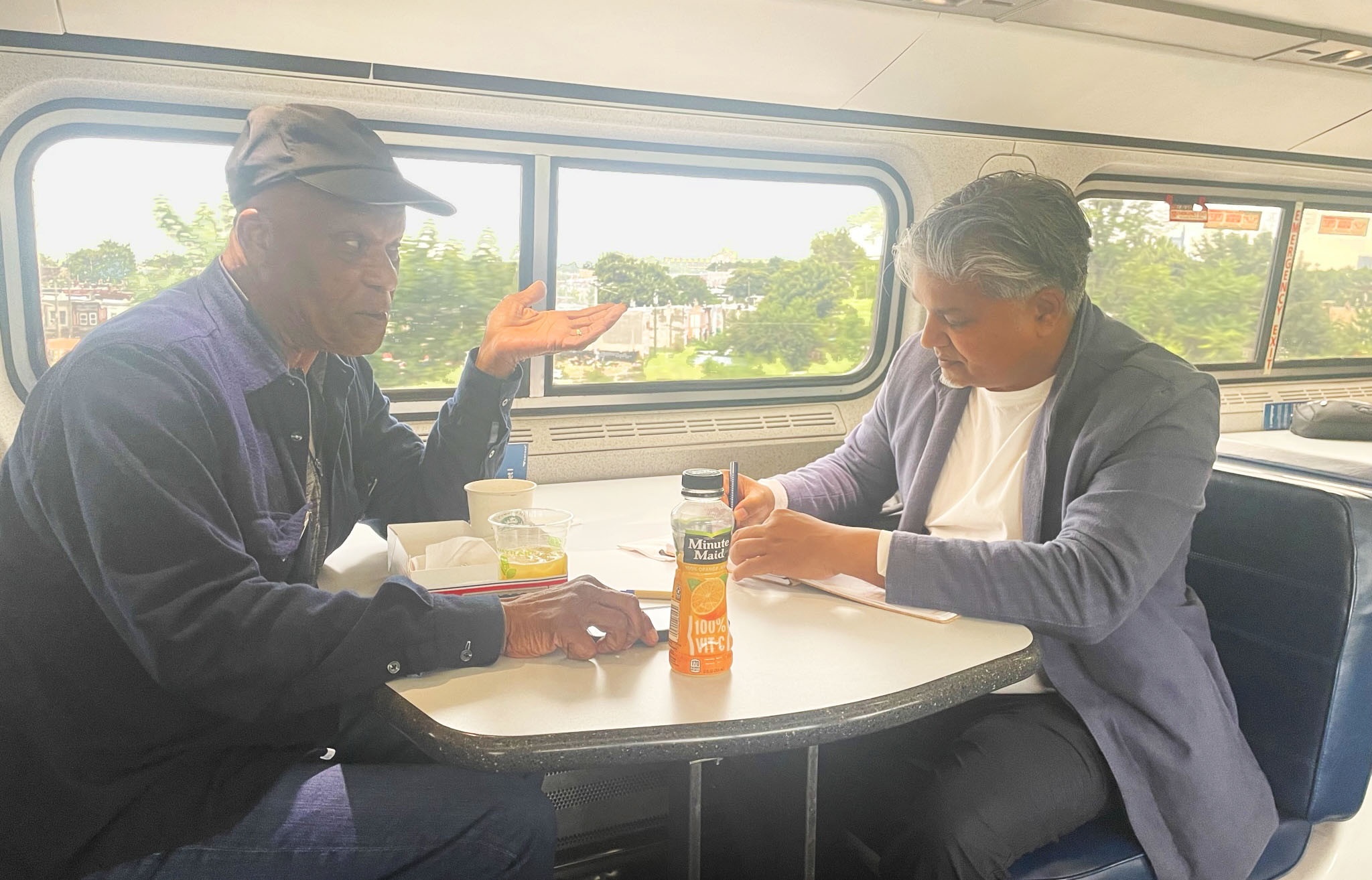
20230824-Satyendra-Pakhale-meeting-Civil-Rights-Activist-01
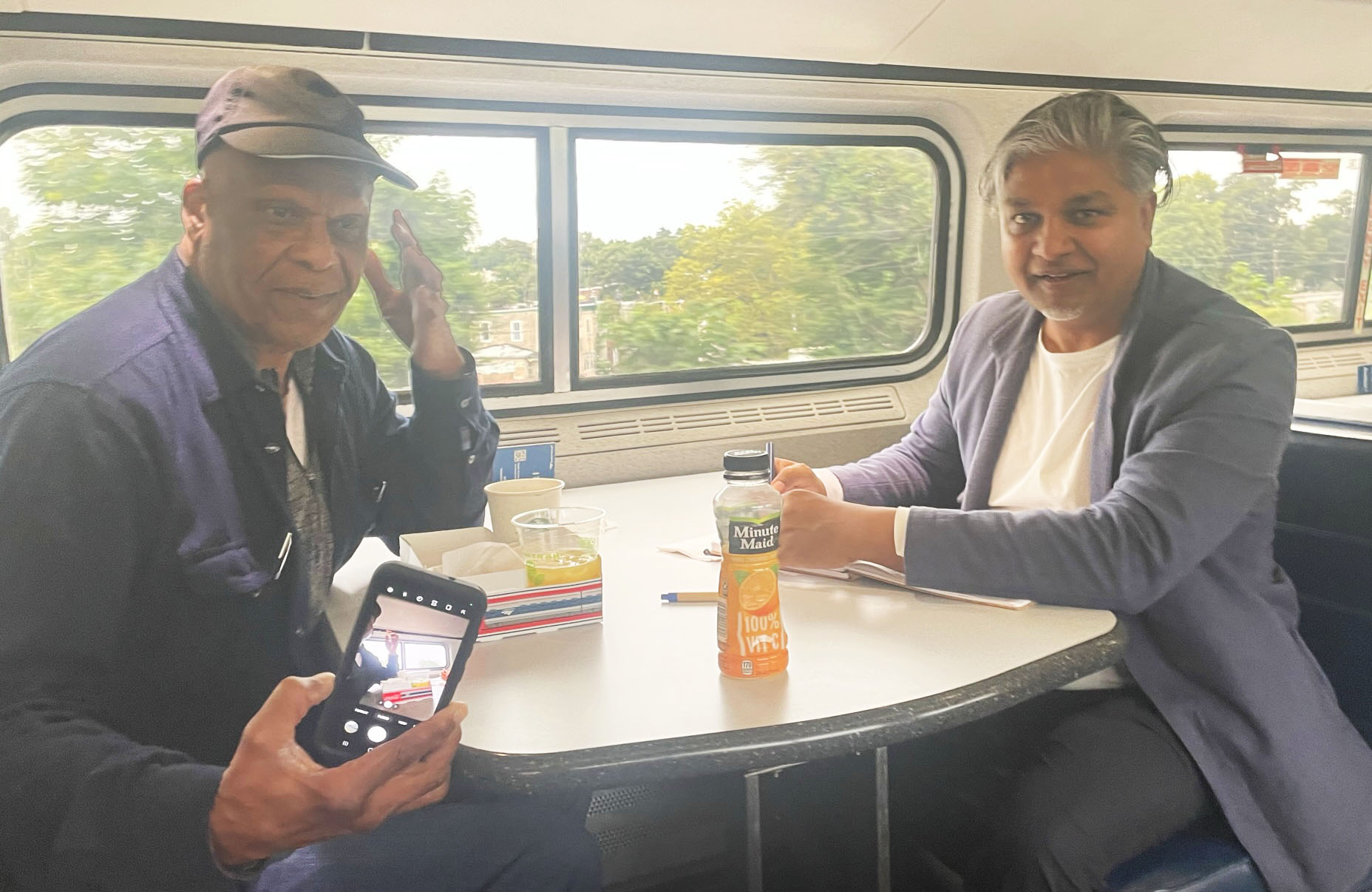
20230824-Satyendra-Pakhale-meeting-Civil-Rights-Activist-02
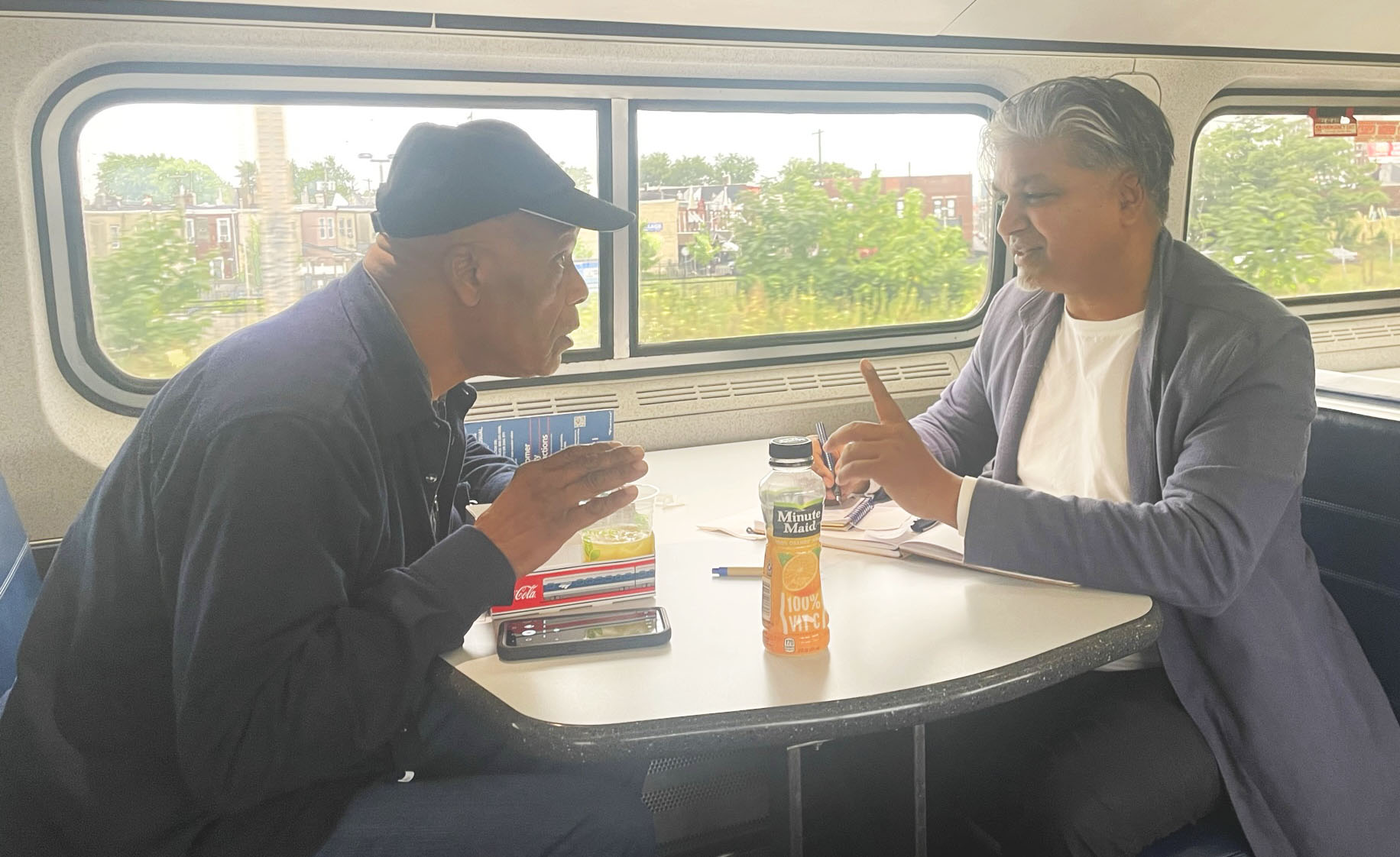
20230824-Satyendra-Pakhale-meeting-Civil-Rights-Activist-03
20230701-Satyendra-Pakhale-at-Keti-Koti-Festival-01
20230701-Satyendra-Pakhale-at-Keti-Koti-Festival-02
20230701-Satyendra-Pakhale-at-Keti-Koti-Festival-03
20230701-Satyendra-Pakhale-at-Keti-Koti-Festival-04
202370628-Satyendra-Pakhale-attended-Keti-Koti-Lecture-Prof-David-Olusoga01
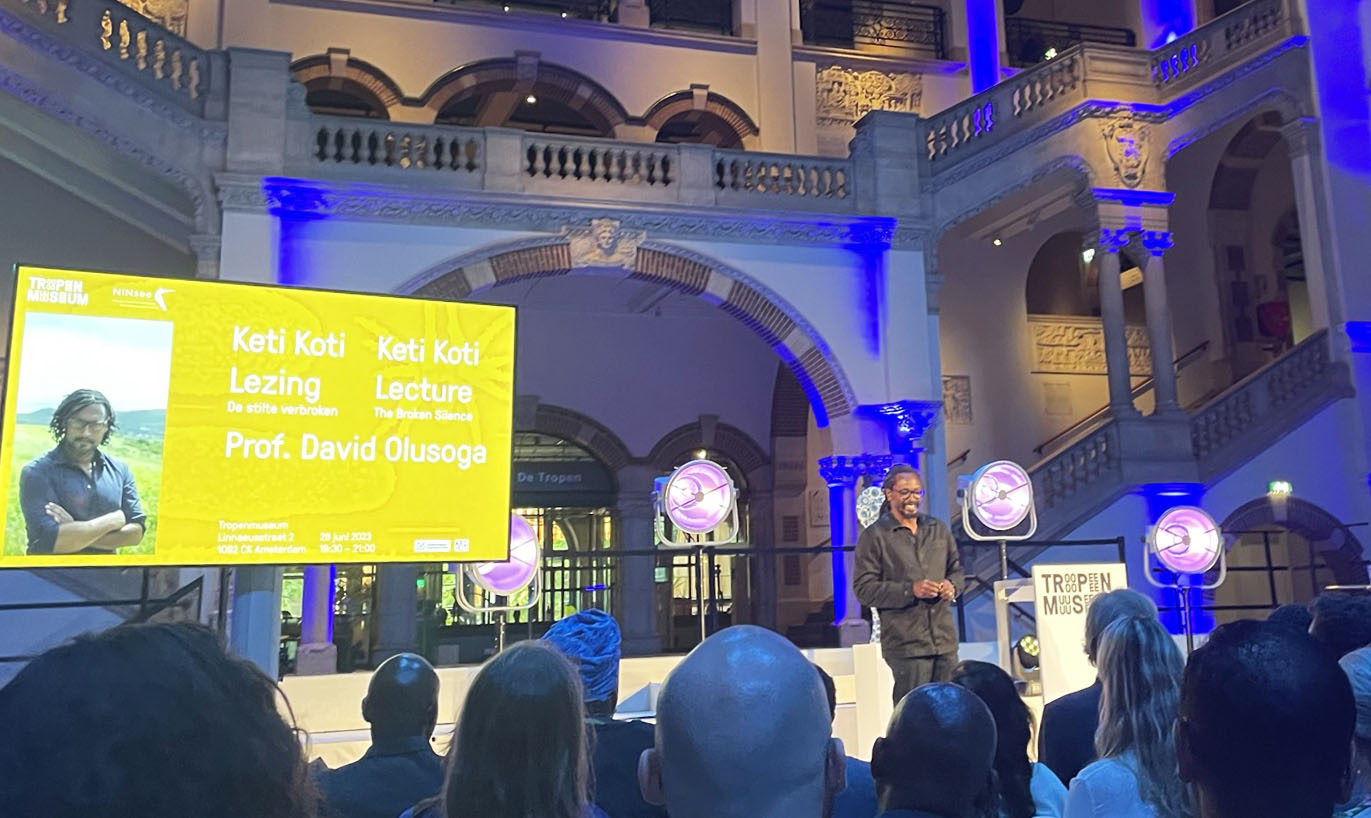
202370628-Satyendra-Pakhale-attended-Keti-Koti-Lecture-Prof-David-Olusoga02
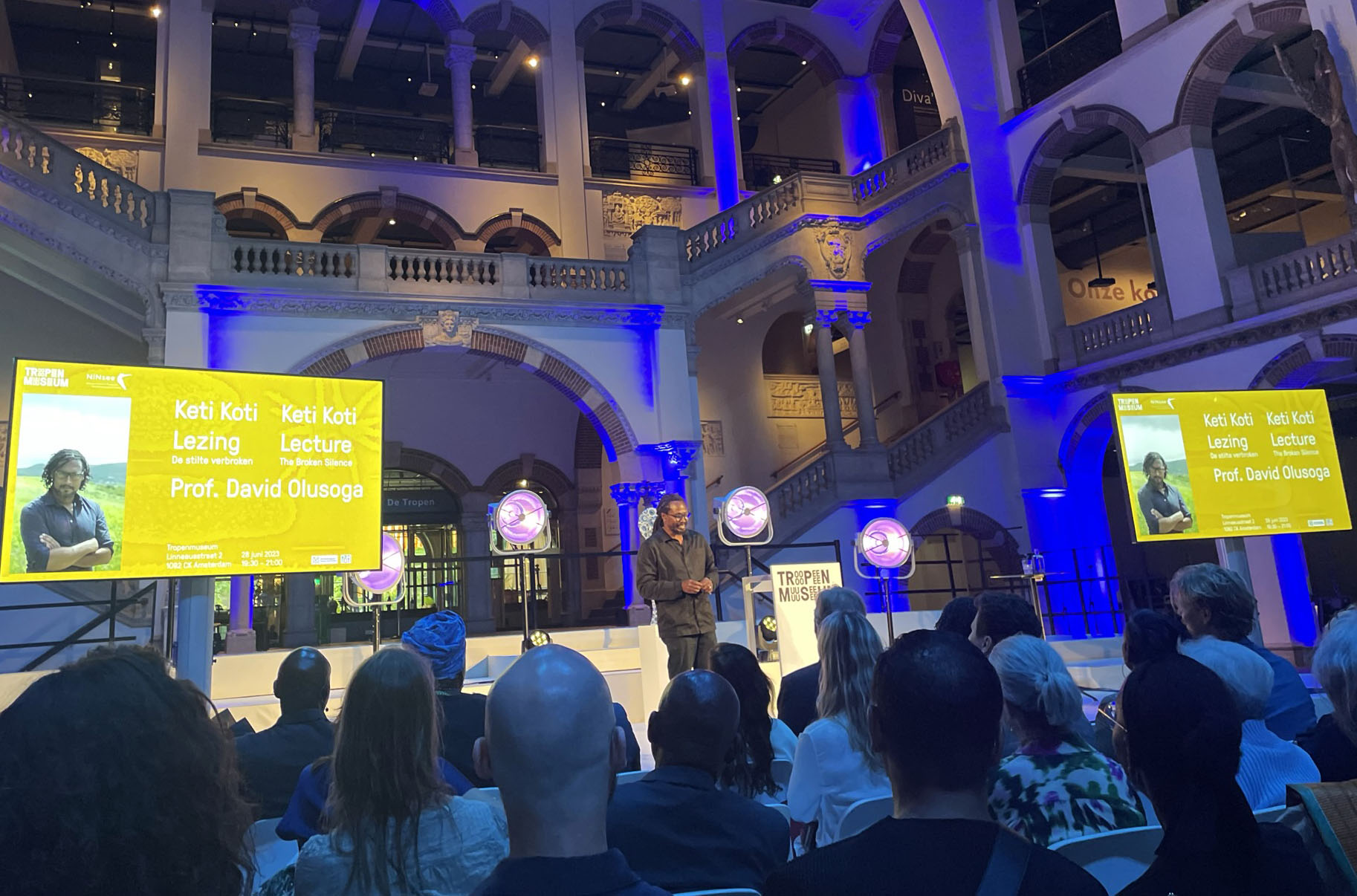
202370628-Satyendra-Pakhale-attended-Keti-Koti-Lecture-Prof-David-Olusoga03
03.06 Design for Humanity and Sustainable Living
“To create design for humanitarian needs, which displays an intelligence of the future — that is the exciting challenge we face. To create objects, products and services from the inside out, from a heart-and-mind approach, focusing on human concerns and sustainable living. Such designfaced towards a humanistic and hopeful stance will help to build a fresh approach to sustainable living is what the Master in HumanitarianDesign and Sustainable Living stands for”.
— Satyendra Pakhalé
Introduction
Master in Humanitarian Design and Sustainable Living is a design Programme, built upon humanitarian concerns and sustainable living. Socio-cultural needs, geo-politics, sustainable living, craftsmanship, new industrial and technological opportunities, ecology and human values are all an integral part of a humanitarian design perspective. A design perspective, which can take us to places we have never visited and which can spark a new sense of belonging to the world. Design faced towards a humanistic and hopeful stance, which will help building inner values for a sustainable lifestyle.
Content
The focus of the Masters Programme in Design for Humanity and Sustainable Living will be to employ the richness and depth of cultures in the plural to inform the concepts and the practice of design in geo-political context. In the realm of globalised ideas of progress, things have tended to express a degree of sameness and similarity everywhere around the world. Now more than before we need to understand and cherish the cultural contribution of various societies and cultures. Every culture and language has its own contribution to make, and this awareness is an important condition for developing a ‘sustainable human-centred’ design perspective.
The Master in Design for Humanity and Sustainable Living questions conventional notions of progress and modernity, and examines the human condition from a new cultural vantage point. It views modernism less as an international movement or style which can be located securely within a one specific culture, within a single history or space, but rather as a set of cultural translations. It is these cultural translations, which are at the heart of the philosophy behind the Masters in Design for Humanity and Sustainable Living.
Programme
The two-year programme in Design for Humanity and Sustainable Living is designed to cultivate universal socio-cultural sensitivities by questioning issues related to environment, geo-politics, new industrial & technological opportunities and above all sustainable living.
Hence to develop an independent point of view and cultivate a culture of creation.
It does so within specific design-projects, as well as within the so-called Source programme, based on lectures and presentations by prominent personalities active internationally in the various fields of creation. With the combination of applied research, studio projects, and field trips and projects done in collaborations with artisans, industries and institutions from various part of the world. Learning from non-industrial societies, to understand how utilitarian objects are endowed with symbolism and beauty; and how life and art are integrated. Under the guidance of mentors, lecturers, visiting faculty from various professional backgrounds.
This Master Programme aims at cultivating Master designers who have an outstanding design sensibility and design vision along with the necessary technical skills. Designers who are able to question and reflect upon socio-cultural, environmental, geo-political and above all sustainable issues related to products, services and systems at the same time. The humanitarian – humanist Design programme thus sets out to appreciate –conceptually as well as practically – the multi-cultural, multi-linguistic rich scenarios of universal sustainable human conditions, and to develop the sensibilities and skills for finding out how to play a part therein as a creator or a designer.
Mentors, Lecturers and visiting faculty
Aldo Bakker (Designer), Erna Beumers (Cultural Anthropologist), Jurgen Bey (Designer), Maria Blassie (Designer), Jota Castro (Artist), Hester Ezra (Butterfly Works), Ramak Fazel (artist, photographer), Katell Gélébart (Designer), Dick van Hoff (Designer), Moriko Kira, (Architect), Antoni Mazel (Cultural Philosopher), Ms. Aimilia Mouzaki (Co-ordinator of the Man and Humanity Department), Lucy Orta (Humanitarian Artist), Satyendra Pakhalé (Multifacted Designer), Ole Palsby (Product designer), Frans Parthesius (Designer), Bas Raijmakers (Creative Director), Ursula Tischner (Sustainability Expert)
Every summer SP put together a list of books, which will help, Master students cultivate their thoughts and ideas further and feel connected from these books.Please share it with all of us when you get back from summer vacation.
Have a wonderful summer holidays, Enjoy!
- Creating a world without Poverty- Social business and the future of capitalism by Prof. M. Yunus
- The location of culture by Homi k. Bhabha
- Nation and Narration by Homi k. Bhabha
- The unknown craftsman by Yanagi
- The Aesthetic of the Japanese Lunchbox by K. Ekuan
- In Praise of Hands by Octavio Paz
- Humble masterpieces by Paola Antonelli
- The Fortune at the bottom of the pyramid- eradicating poverty hrough profits by C.K. Prahalad
- Utopia or Oblivion- The Prospects for Humanity by R. Buckminster Fuller
- Your Private sky- R. Buckminster Fuller Vol I, II
- Inventions- the patented works of R. Buckminister Fuller
- Design Heroes: series editor: Martin Pawley
- Ettore Sottsass Jr. by Hans Hoger
- An Eames Primer by Emaes Demetrois
- TIBOR, Tibore Kalman M & Co, New York
- Enzo Mari- Why to write book on Enzo Mari
- Tapio Wirkkala, eye, hand and thought by Museum of Art Design, Helsinki, Finland
- Unpacking Europe by Salah Hassan and Iftikhar Dadi
Satyendra Pakhalé Founding Dean of ‘Man and Humanity’, Master in Humanitarian Design and Sustainable Living, Design Academy Eindhoven, The Netherlands
01-Satyendra-Pakhale-Man-and-Humanity-Design-Academy-Eindhoven
02-Satyendra-Pakhale-Man-and-Humanity-Design-Academy-Eindhoven
03-Satyendra-Pakhale-Man-and-Humanity-Design-Academy-Eindhoven
04-Satyendra-Pakhale-Man-and-Humanity-Design-Academy-Eindhoven
05-Satyendra-Pakhale-Man-and-Humanity-Design-Academy-Eindhoven
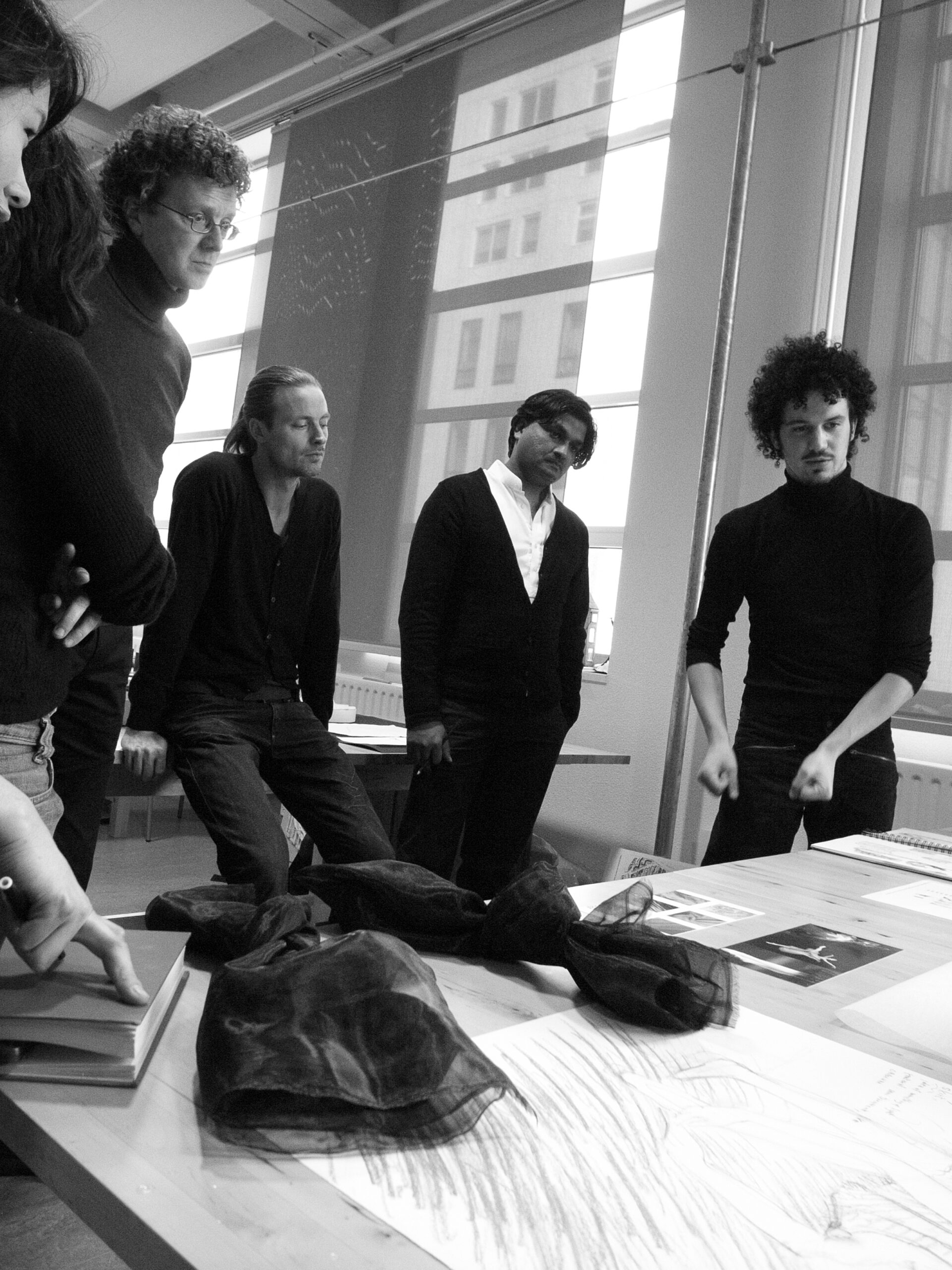
06-Satyendra-Pakhale-Man-and-Humanity-Design-Academy-Eindhoven
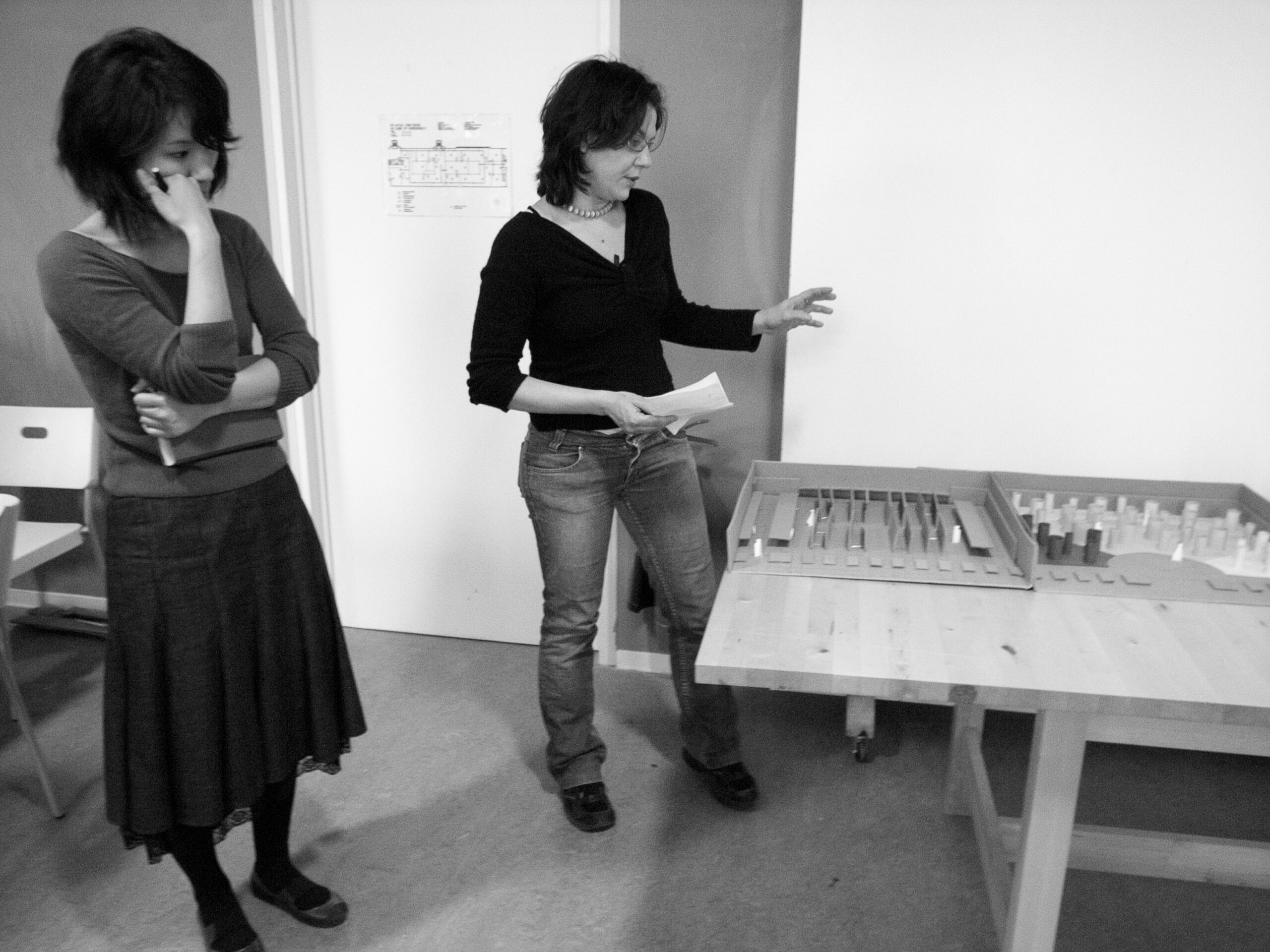
07-Satyendra-Pakhale-Man-and-Humanity-Design-Academy-Eindhoven
The following bibliography documents the works that have informed, shaped, and supported the ideas developed across this archive. The sources are organized by their principal theme.
04 Culture of Creation
The practice and methodology of Satyendra Pakhalé are articulated in his monograph Culture of Creation (nai010, 2019), which frames design as a holistic human act. More than a professional method, ‘culture of creation’ refers to the primal impulse behind making, the innate human necessity to create, build, question, and bring ideas into reality. It encompasses thinking, discussing, acting, contemplating, and refining, positioning design as both intellectual inquiry and embodied practice. At its core lies Pakhalé’s aspiration toward a ‘collective human culture’, where making becomes a shared, ethical, and civilizational act rather than an isolated artistic gesture.
04.01 Cultural Nomadism
A defining idea within Pakhalé’s worldview is fluid identity, movement across geographies, disciplines, and traditions as a source of adaptive culture, that prioritizes flexibility, innovation, and continuous learning to thrive amidst change.
Often described as a “cultural nomad,” he resists fixed stylistic or national categories, instead cultivating a design language shaped by migration, dialogue, and exchange. Essays such as Beyond Pangea by Stefano Marzano and Design by Dreaming by Tiziana Proietti frame this condition as expansive rather than fragmented. Cultural nomadism, for Pakhalé, is not displacement but synthesis, a conscious weaving of plural histories into contemporary form.
Satyendra Pakhalé trip to Brazil
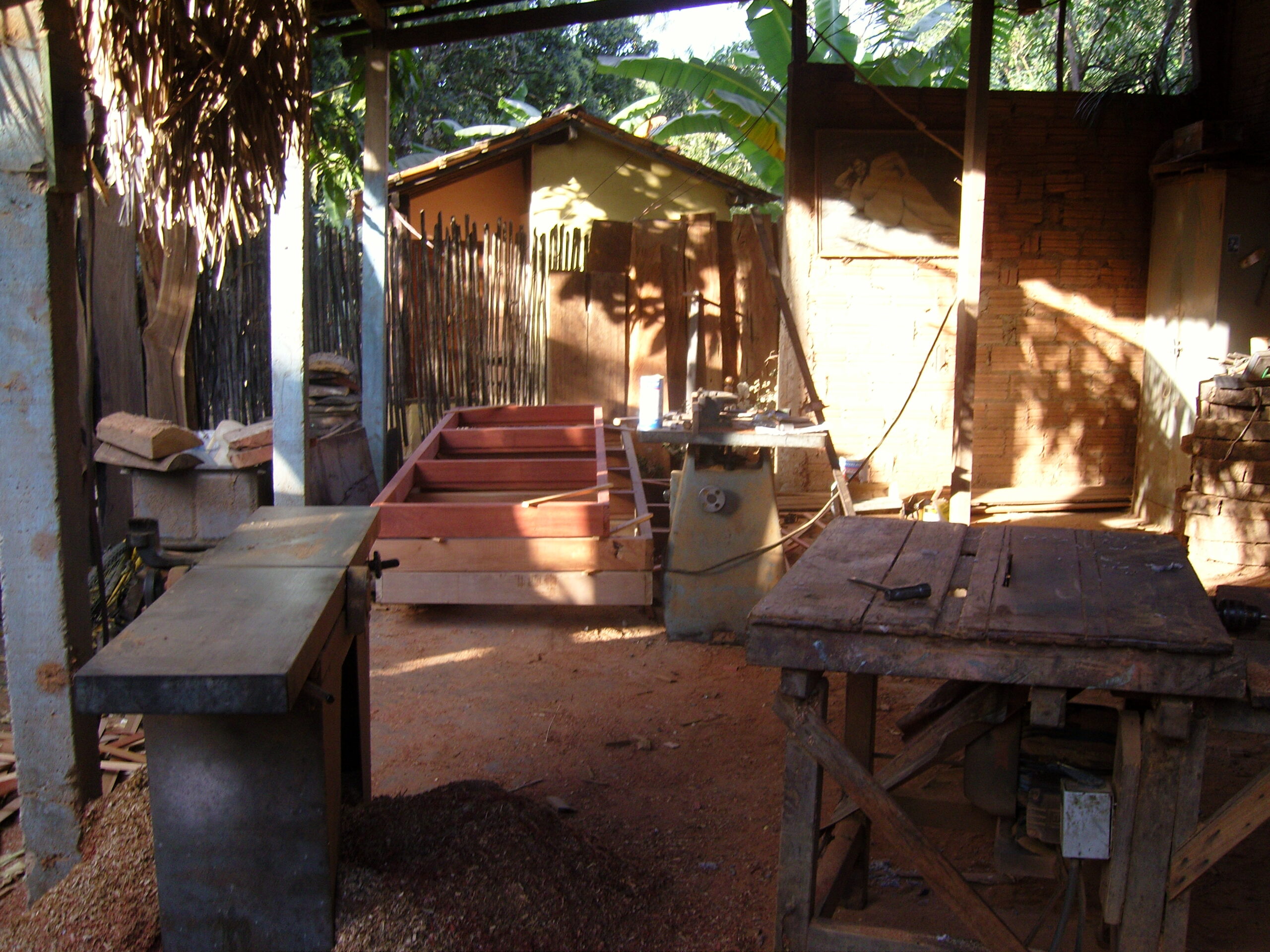
01-Satyendra-Pakhale-Brazil-Trip-Pedu-making-chair
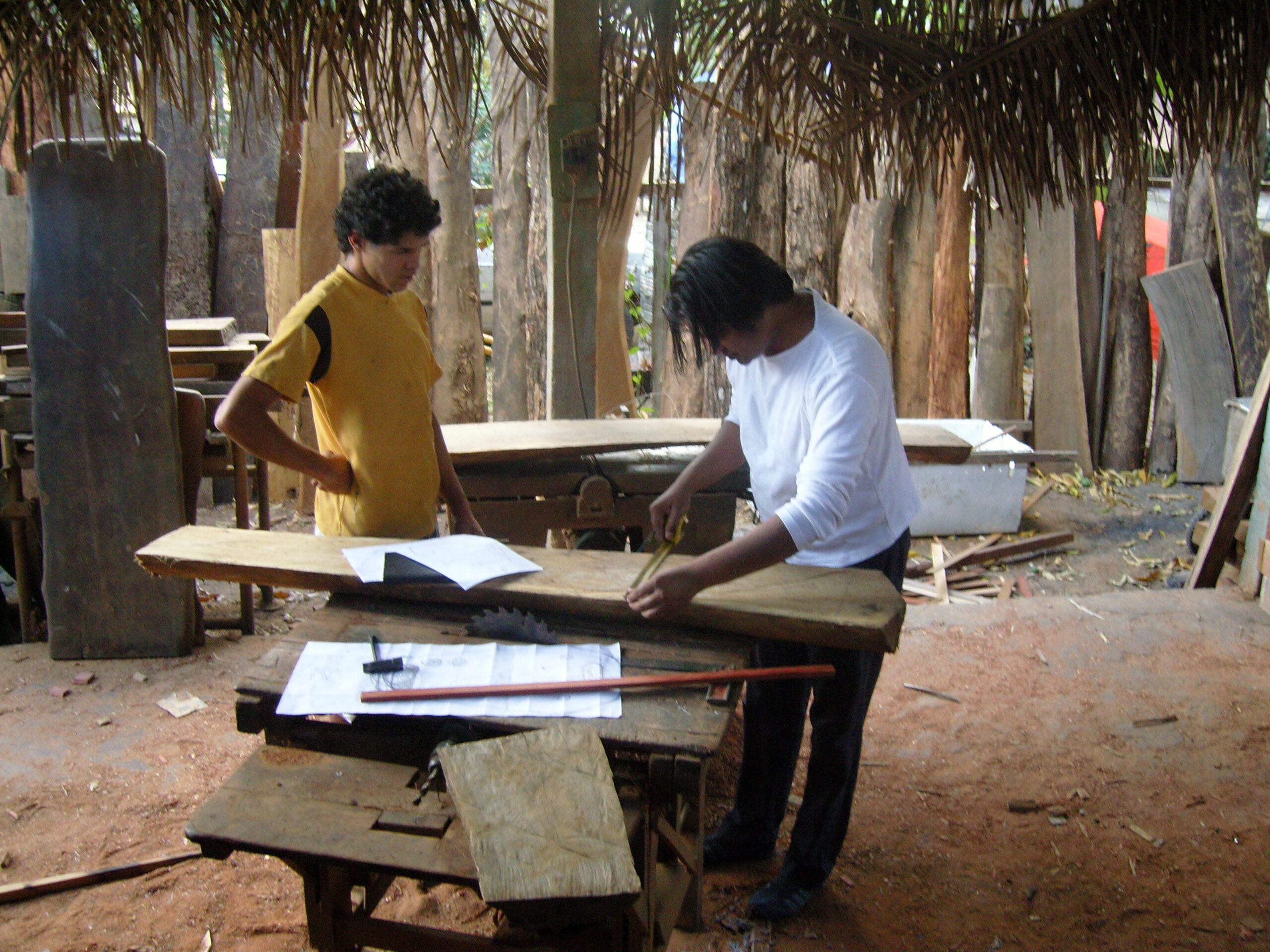
02-Satyendra-Pakhale-Brazil-Trip-Pedu-making-chair
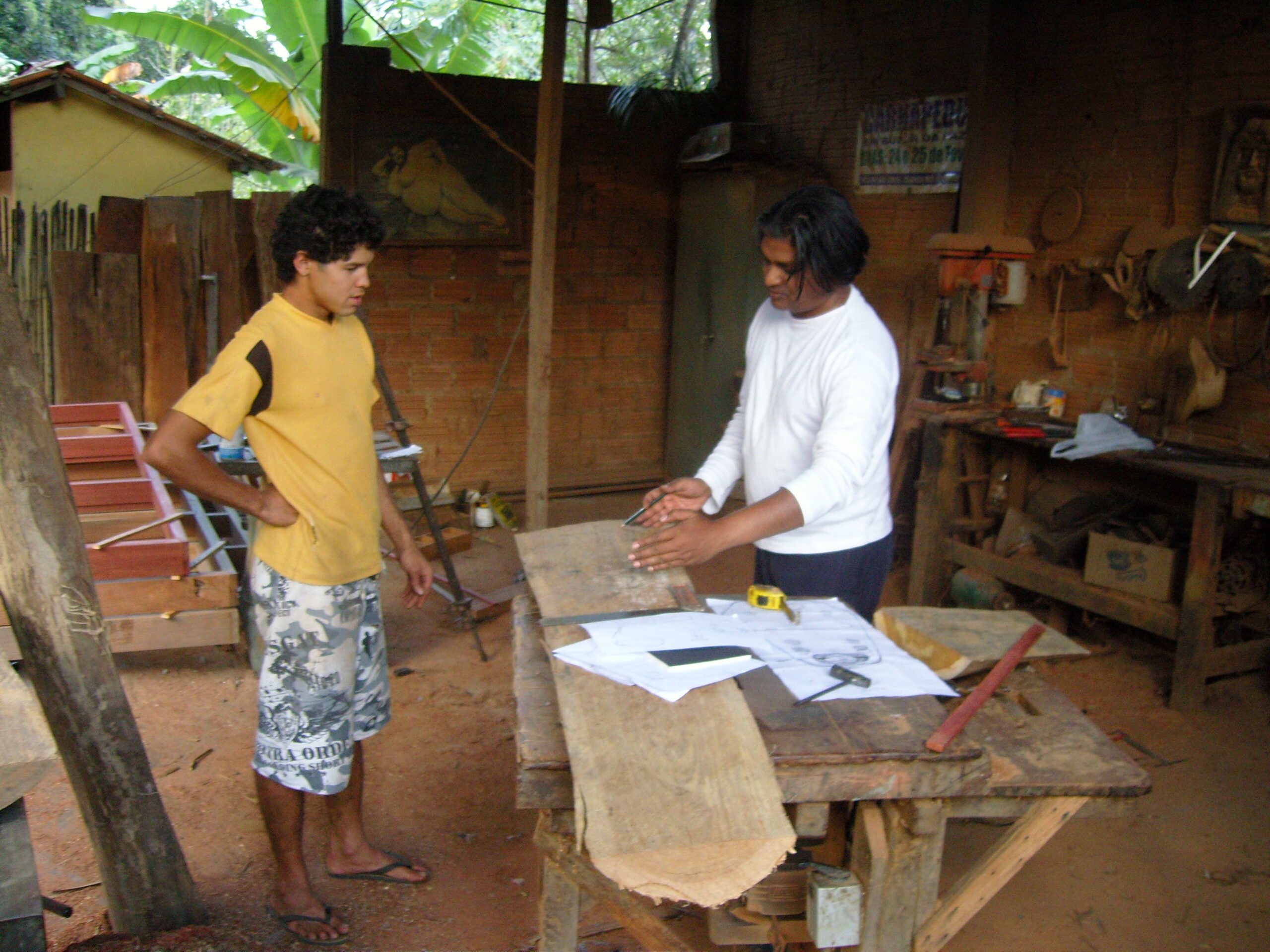
03-Satyendra-Pakhale-Brazil-Trip-Pedu-making-chair
04-Satyendra-Pakhale-Brazil-Trip-Pedu-making-chair
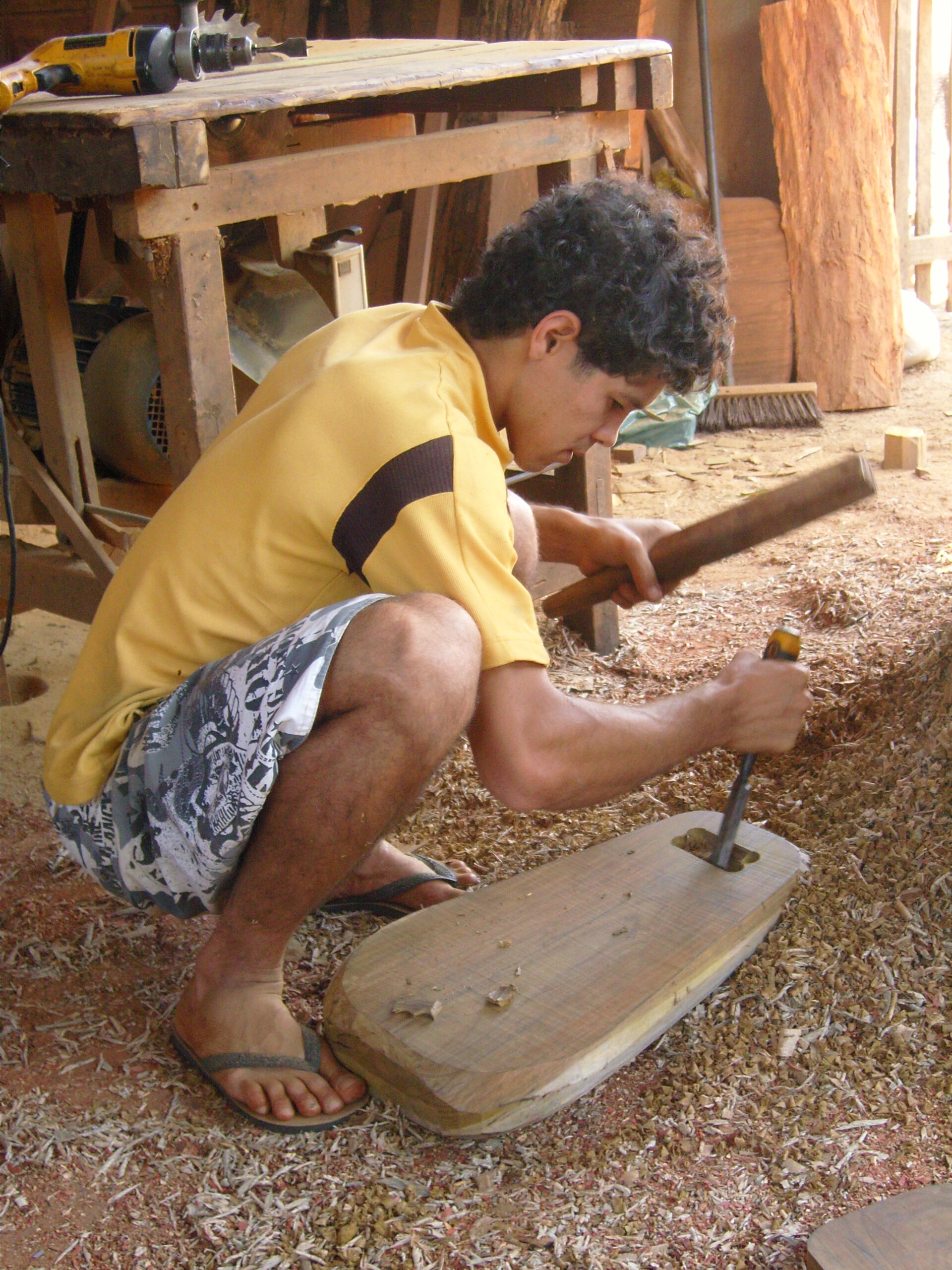
05-Satyendra-Pakhale-Brazil-Trip-Pedu-making-chair
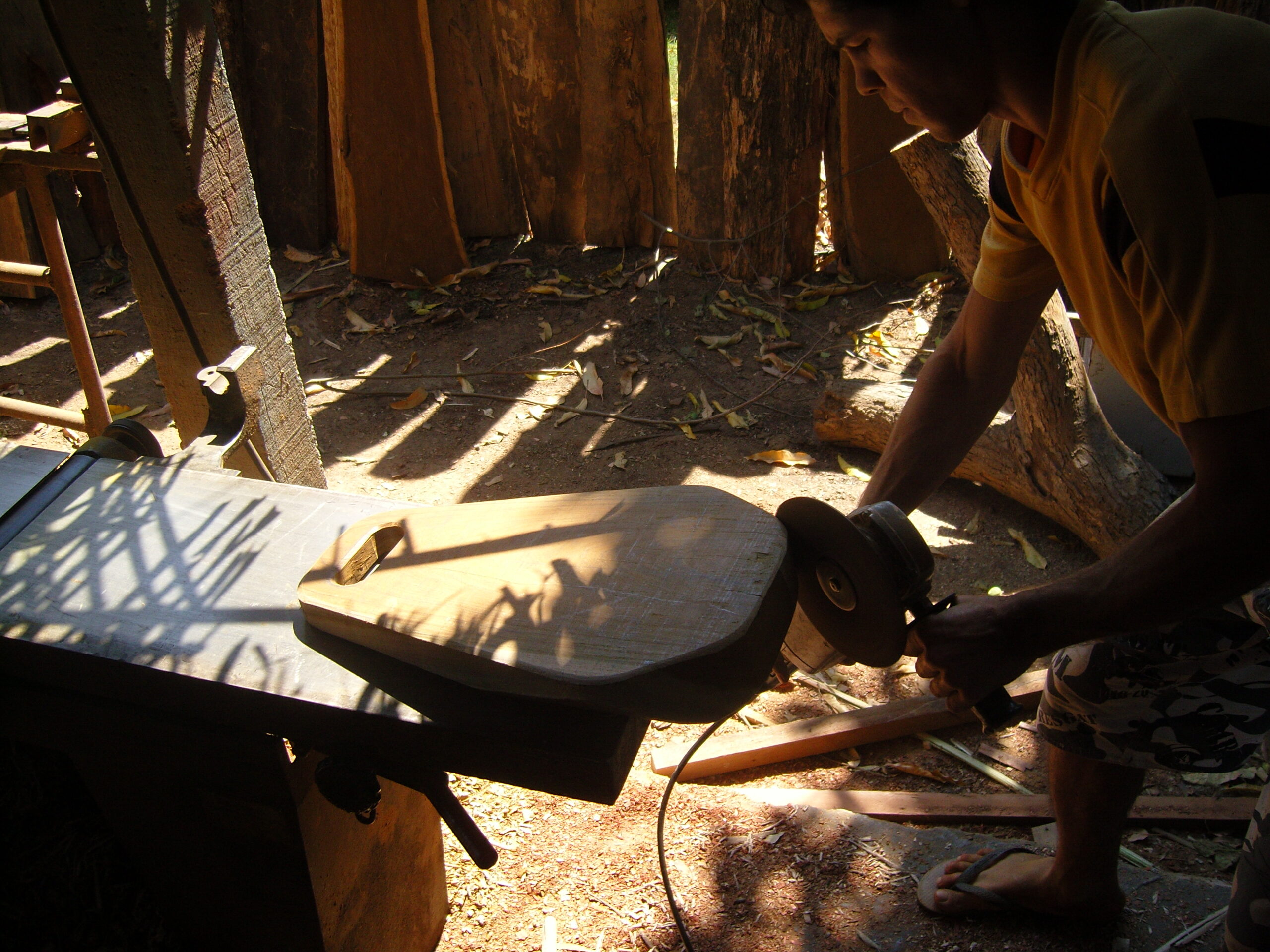
06-Satyendra-Pakhale-Brazil-Trip-Pedu-making-chair
01-Satyendra-Pakhale-Brazil-Trip-Sao-Paolo
02-Satyendra-Pakhale-Brazil-Trip-Sao-Paolo
03-Satyendra-Pakhale-Brazil-Trip-Sao-Paolo
04-Satyendra-Pakhale-Brazil-Trip-Sao-Paolo
01-Satyendra-Pakhale-Brazil-Trip-Brasilia
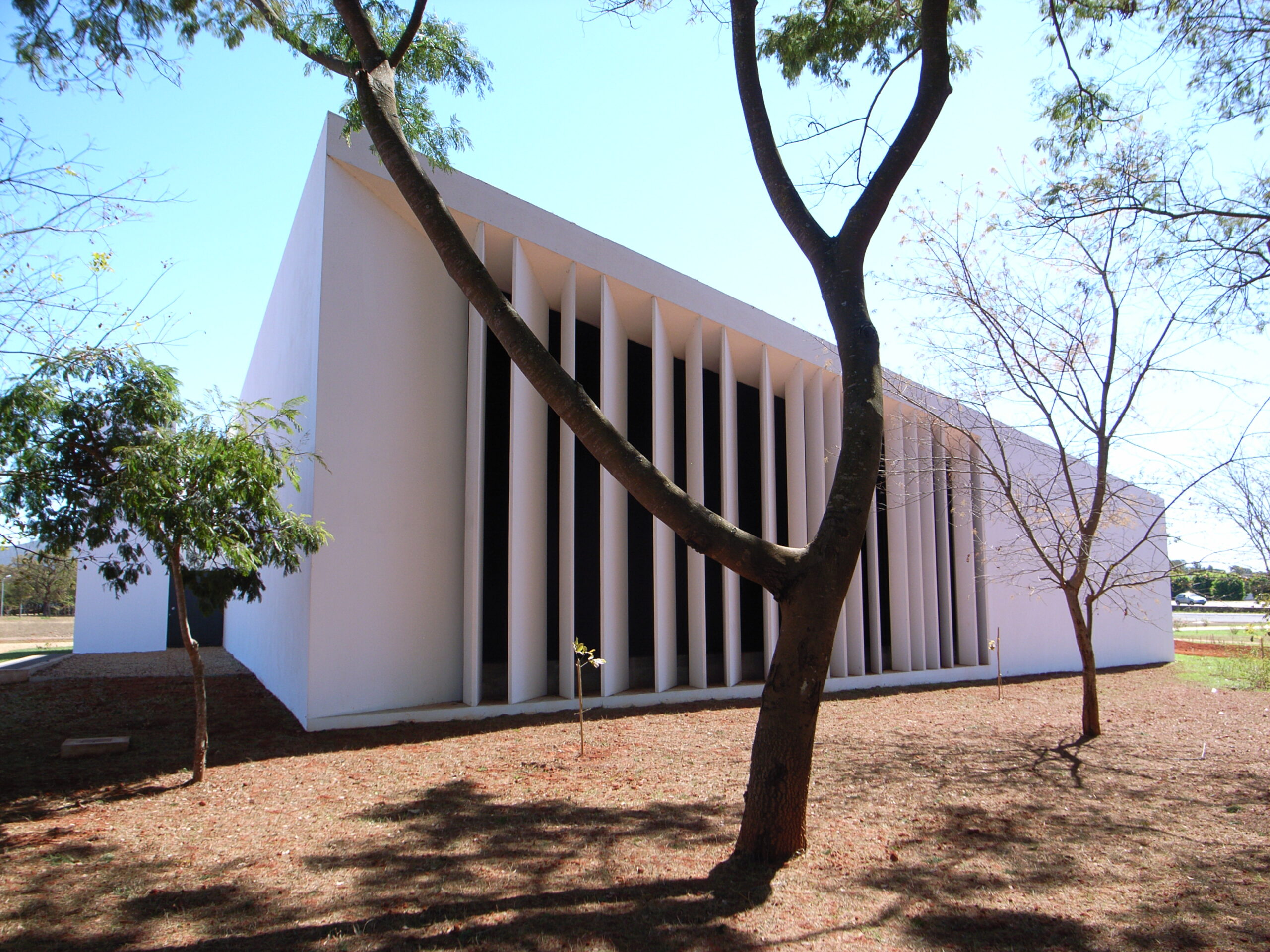
02-Satyendra-Pakhale-Brazil-Trip-Brasilia
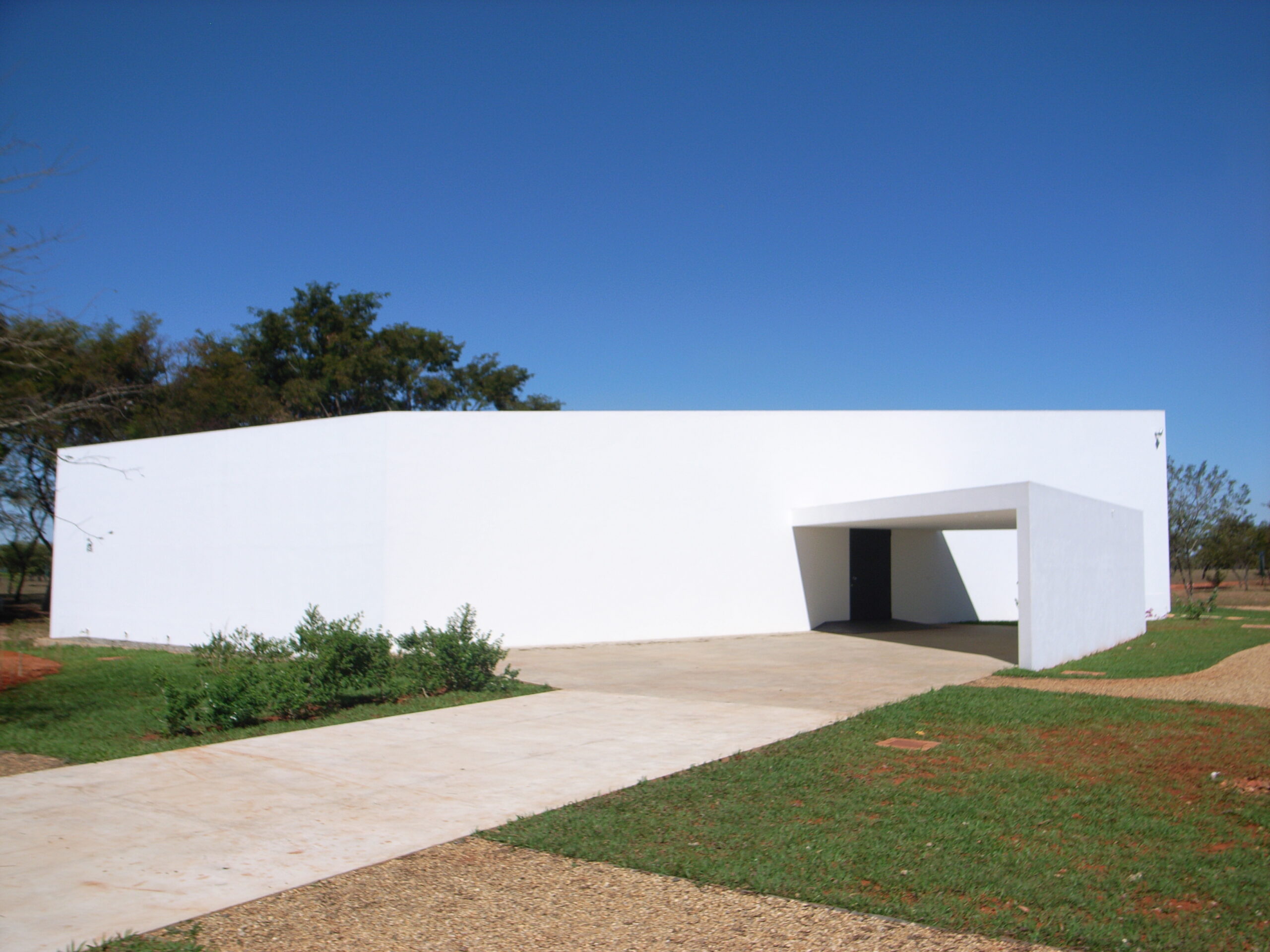
03-Satyendra-Pakhale-Brazil-Trip-Brasilia
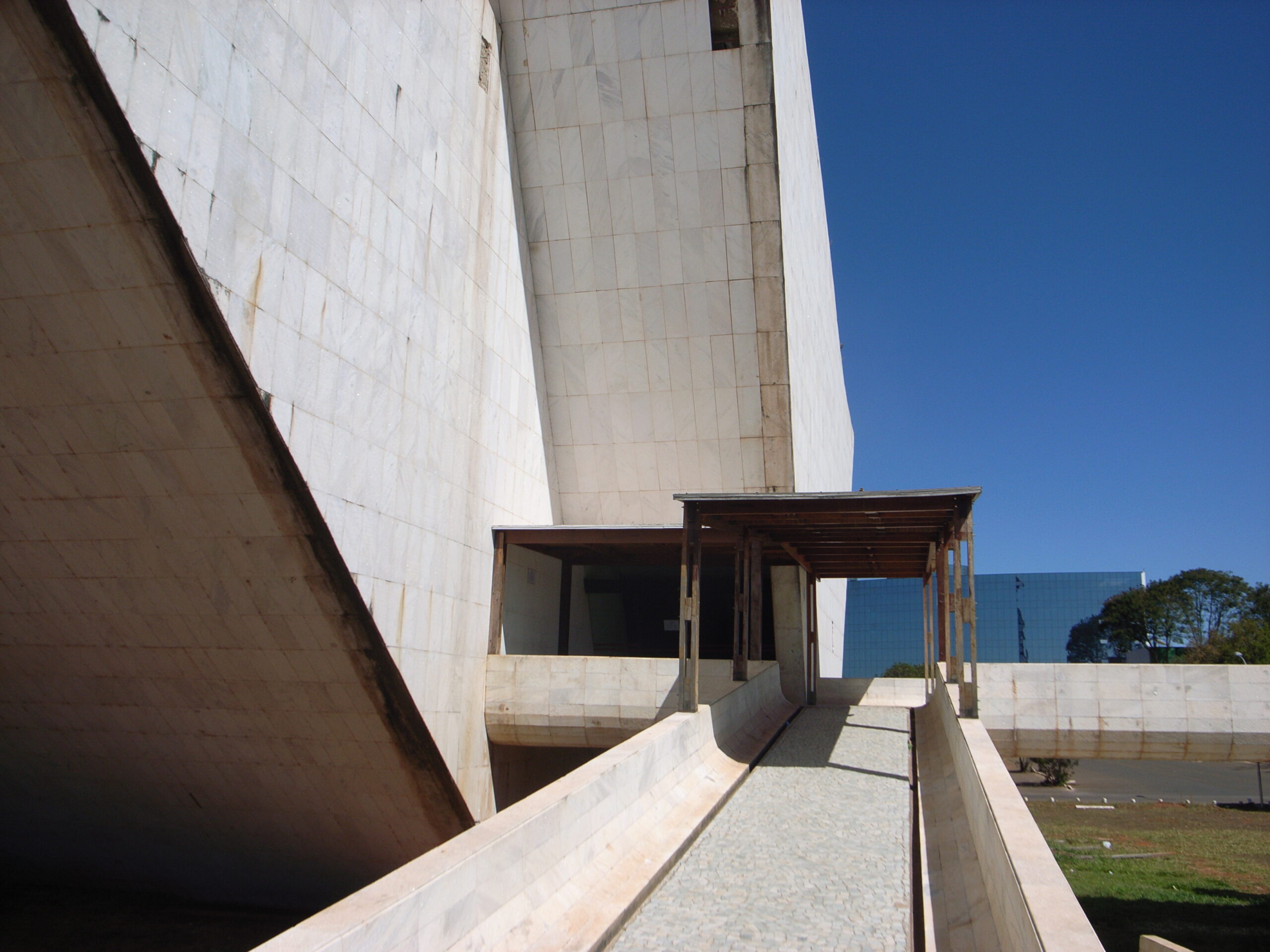
04-Satyendra-Pakhale-Brazil-Trip-Brasilia
05-Satyendra-Pakhale-Brazil-Trip-Brasilia
06-Satyendra-Pakhale-Brazil-Trip-Brasilia
07-Satyendra-Pakhale-Brazil-Trip-Brasilia
08-Satyendra-Pakhale-Brazil-Trip-Brasilia
09-Satyendra-Pakhale-Brazil-Trip-Brasilia

10-Satyendra-Pakhale-Brazil-Trip-Brasilia
11-Satyendra-Pakhale-Brazil-Trip-Brasilia
01-Satyendra-Pakhale-Brazil-Trip-Porto-Alegre
02-Satyendra-Pakhale-Brazil-Trip-Porto-Alegre
03-Satyendra-Pakhale-Brazil-Trip-Porto-Alegre

01-Satyendra-Pakhale-Brazil-Trip-Rio-de-Janeiro
02-Satyendra-Pakhale-Brazil-Trip-Rio-de-Janeiro
03-Satyendra-Pakhale-Brazil-Trip-Rio-de-Janeiro
04-Satyendra-Pakhale-Brazil-Trip-Rio-de-Janeiro
05-Satyendra-Pakhale-Brazil-Trip-Rio-de-Janeiro
06-Satyendra-Pakhale-Brazil-Trip-Rio-de-Janeiro
07-Satyendra-Pakhale-Brazil-Trip-Rio-de-Janeiro
08-Satyendra-Pakhale-Brazil-Trip-Rio-de-Janeiro
‘Cultural Nomad’ – Satyendra Pakhalé interviewed by Design Indaba, South Africa
‘The language of a Cultural Nomad’ – Frame #55, The Netherlands
04.02 Cultivation and Practice
Being at Studio
Behind every daily action, behind what we do and how we do it, lies not only what we are in that specific moment, but also what we will become. Nothing is ever static, but in flux; and everyday actions lead to the making of the future. The idea of creating the future is incorporated in the actions of the present. Being is a state of unceasingly becoming. Paraphrasing John Dewey, experience is cumulative and it acquires expression thanks to this cumulative continuity. It is about living in the present with awareness as a process of being and becoming, with no reason to glorify the past or chase the future.
Experiencing daily life at Pakhalé’s studio, it is clear that the focus is never on the past as something to long for, or the future as something to reach. In fact, there is no need to talk about past, present or future, since we can never really separate them. What matters is the process, the action in the specific moment, or better yet the journey of those actions inside which the notion of being and becoming refines itself.
A Way of Living
If you ask Pakhalé what design is, he will simply say it is ‘a way of living’ or ‘just like breathing’. In his everyday design practice, Pakhalé looks at the world with curiosity and humility, thinking critically, and trusting only in direct knowledge grounded in experiential reality. He is informed by the Kālāma Sutta, which
recommends avoiding ‘blind faith and belief spawned from specious reasoning and its encouragement of free inquiry; the spirit of the sutta signifies a teaching that is exempt from fanaticism, bigotry, dogmatism, and intolerance’.
With this in mind, Pakhalé approaches the age-old field of creation and the story of human making in a fresh way. He looks at object creation in depth and with a non-conformist mindset. These are his only maxims when bringing his design projects into being.
Culture of Creation
One cannot fail to notice that Pakhalé seems to be intuitively aware of how design influences the human condition. His studio’s everyday activities, gestures, critical thinking and cultivation of curiosity are all important components that nurture each other and animate life there. They are the constituents of a highly sensorial process, the foundation of a ‘studio culture’ or, as Pakhalé calls it, a ‘culture of creation’. His approach to creation is deliberately artisan-like, even though he has mastered technology and is adept at using everything from state-of-the-art 3D CAD, to CNC, to 3D printing. In each project, he thinks deeply about every aspect of learning, researching and observing and then starts sketching, making 3D CAD drawings, sketch modelling along the way and then model-making and prototyping to reality before going back to thinking, drawing and sketching again, until he arrives at a satisfactory result. The process of experimentation, design, testing and execution is a sort of circular, cyclical process of thinking, sketching, making and back again.
This ‘choreography of creating’ is supported by meetings, presentations, documentation and sharing ideas over a meal with the team and collaborators. Experiencing materials is one of the active driving forces in the process of building the studio’s culture of creation. Since the foundation of his studio in 1998,
Pakhalé has cultivated this culture, refined it and made it part of each day’s studio practice.
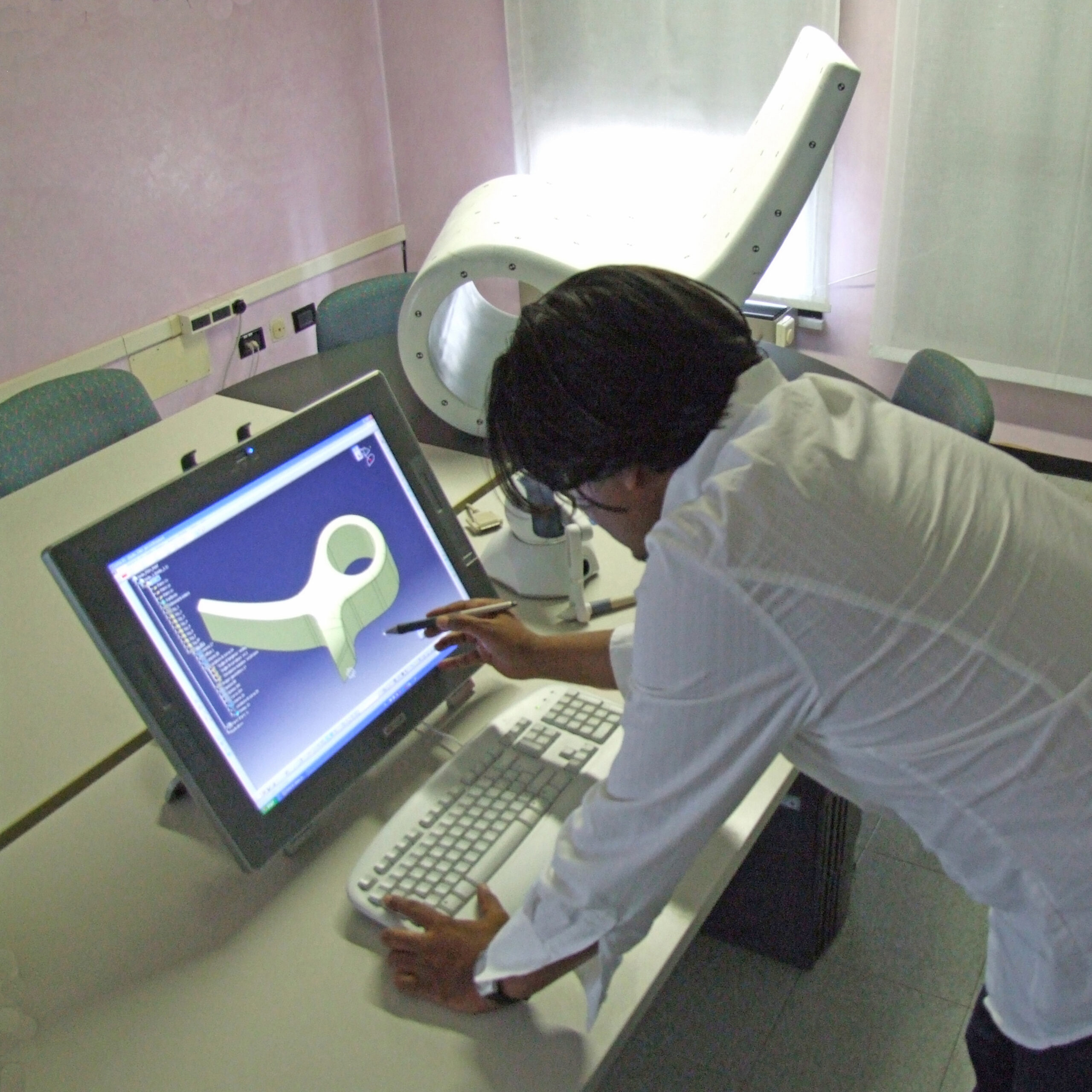
01-Satyendra-Pakhale-Studio-Practice
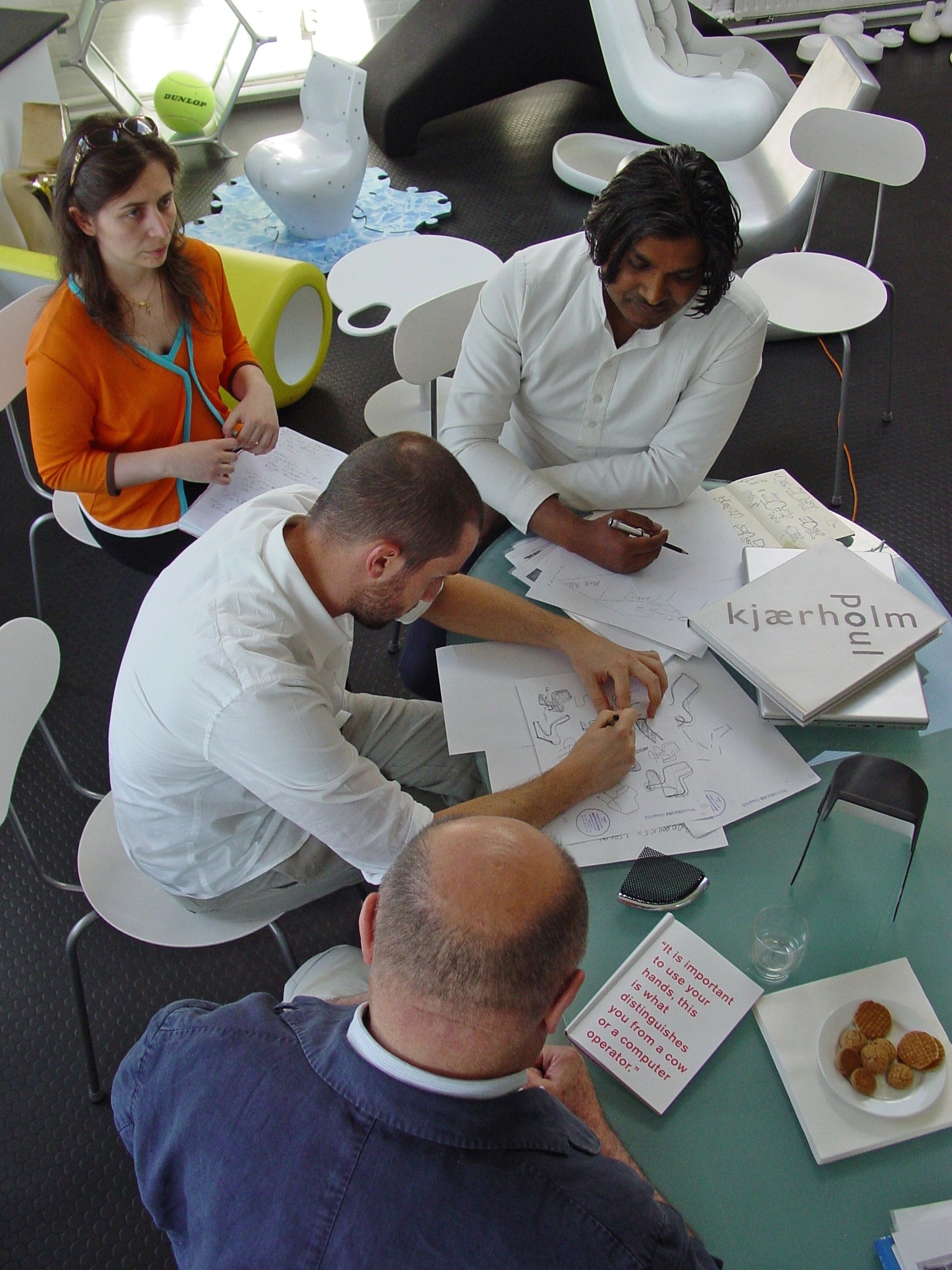
02-Satyendra-Pakhale-Studio-Practice
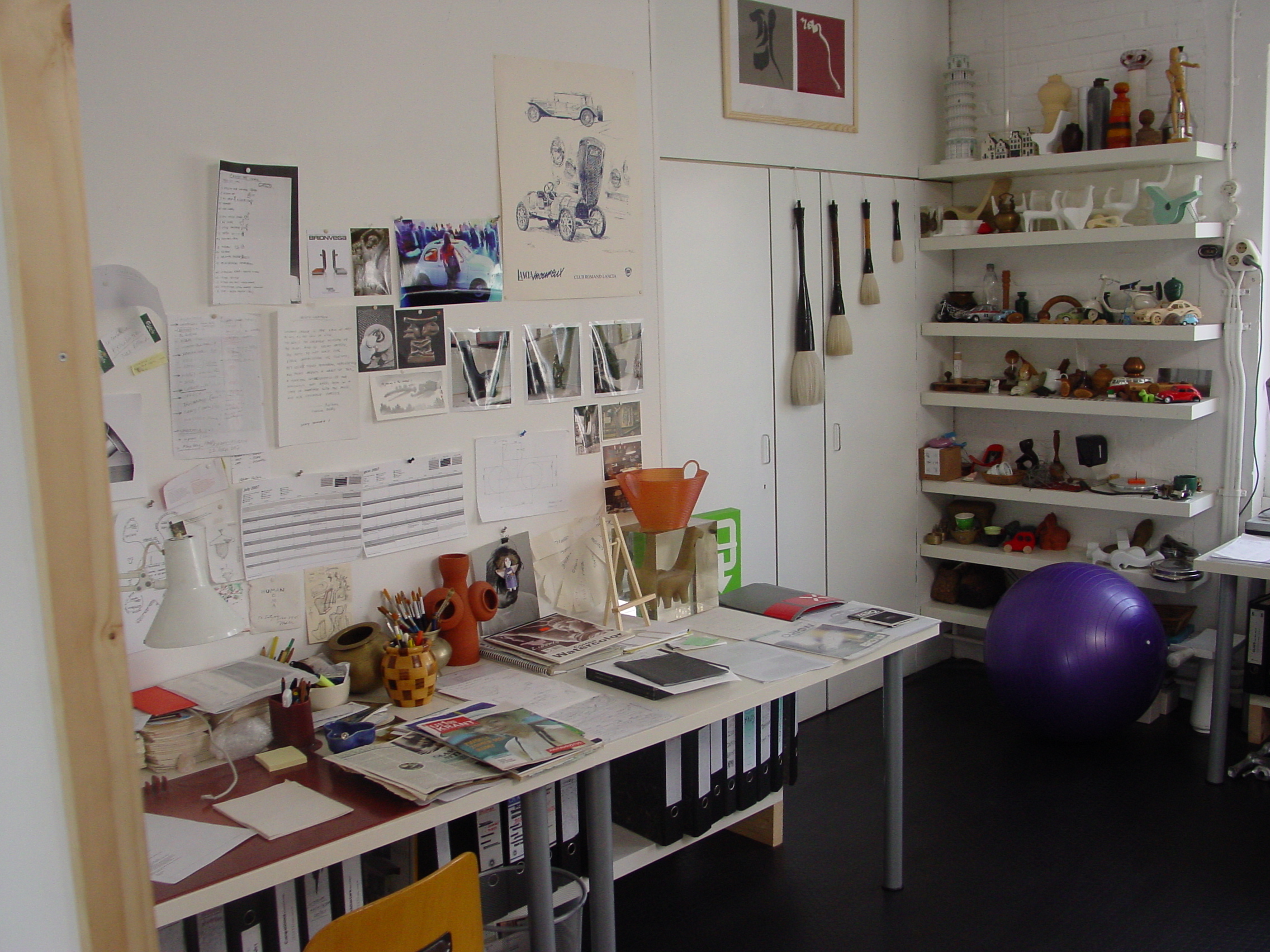
03-Satyendra-Pakhale-Studio-Practice
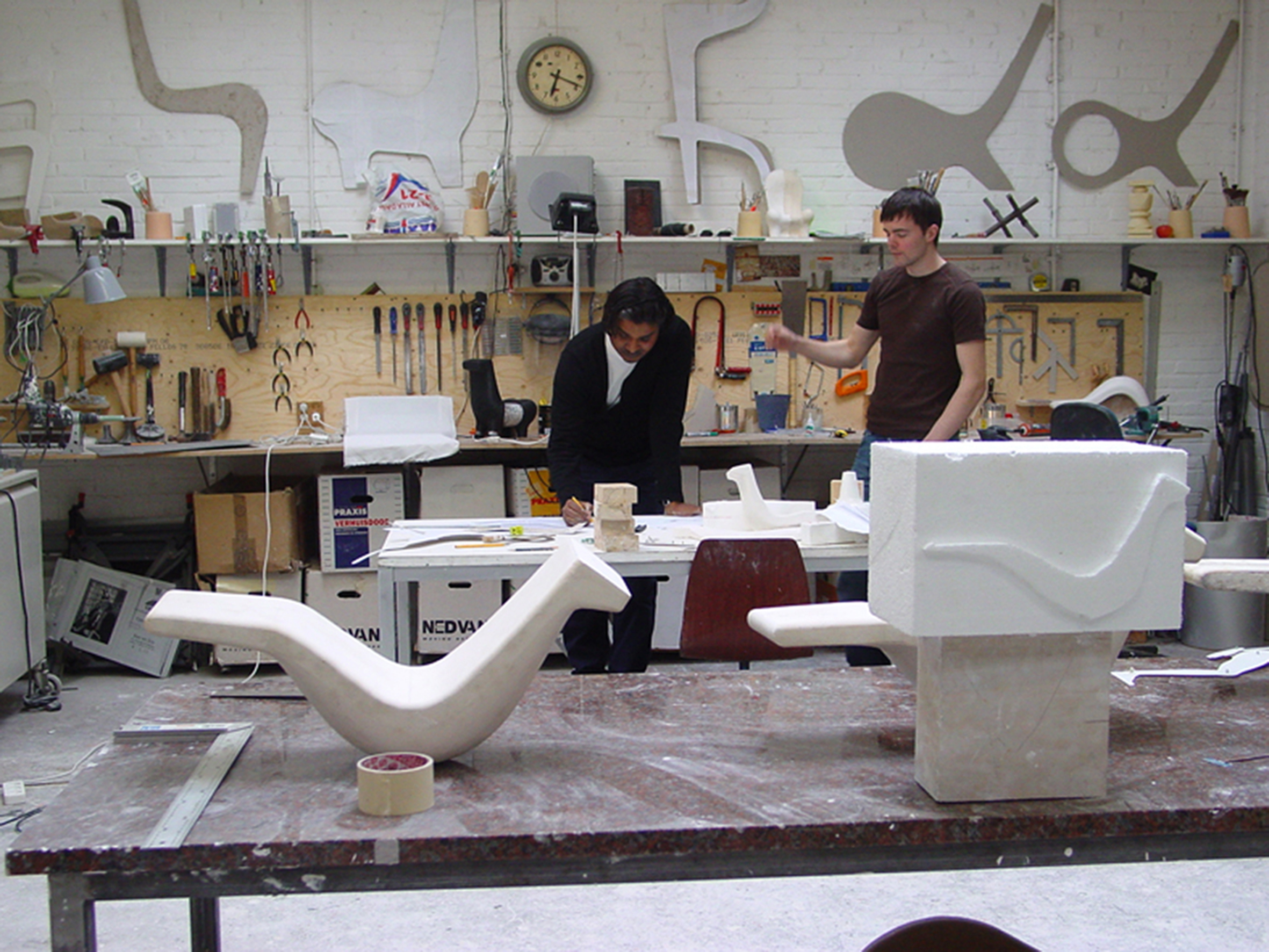
04-Satyendra-Pakhale-Studio-Practice
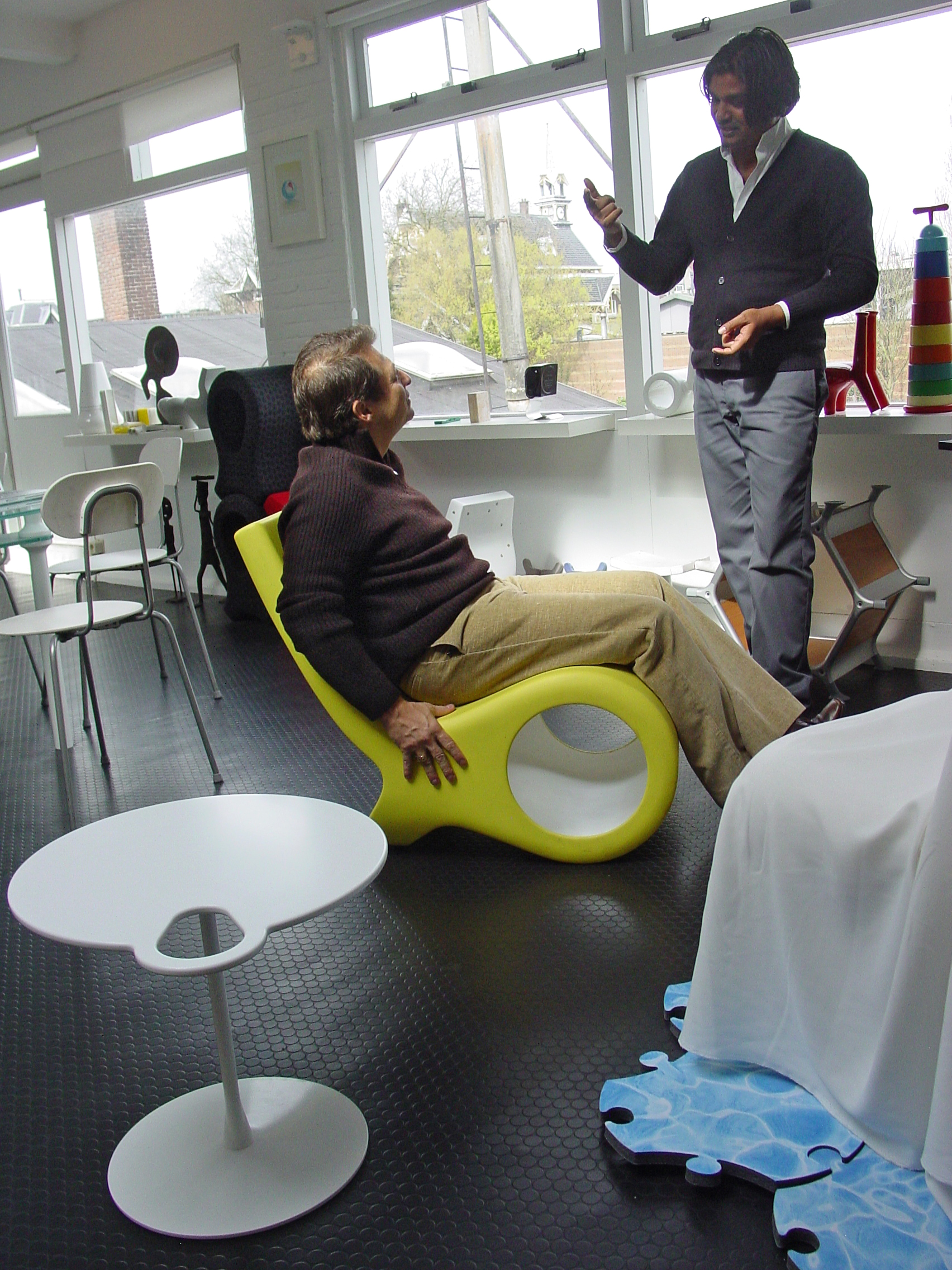
05-Satyendra-Pakhale-Studio-Practice
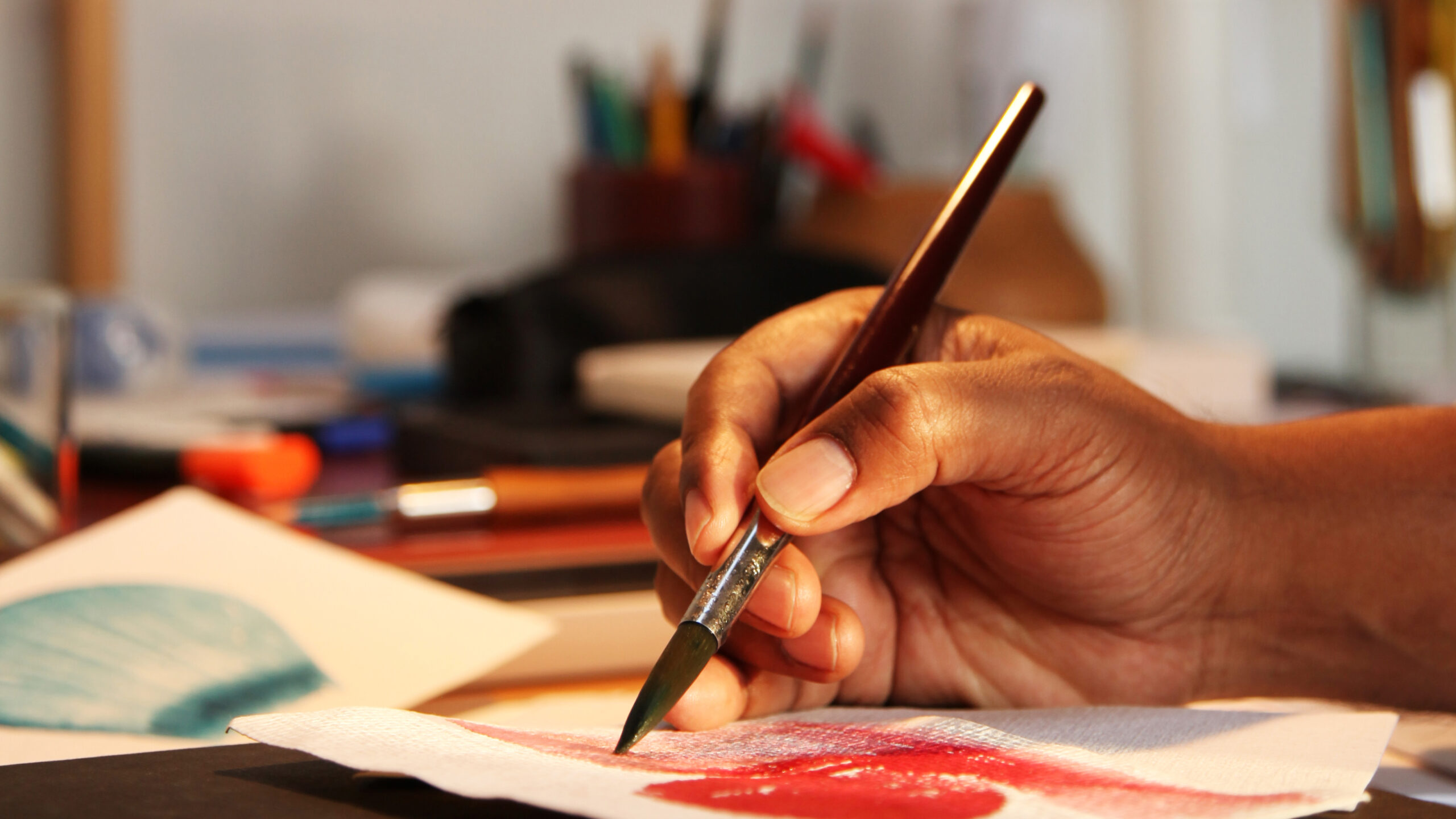
06-Satyendra-Pakhale-Studio-Practice
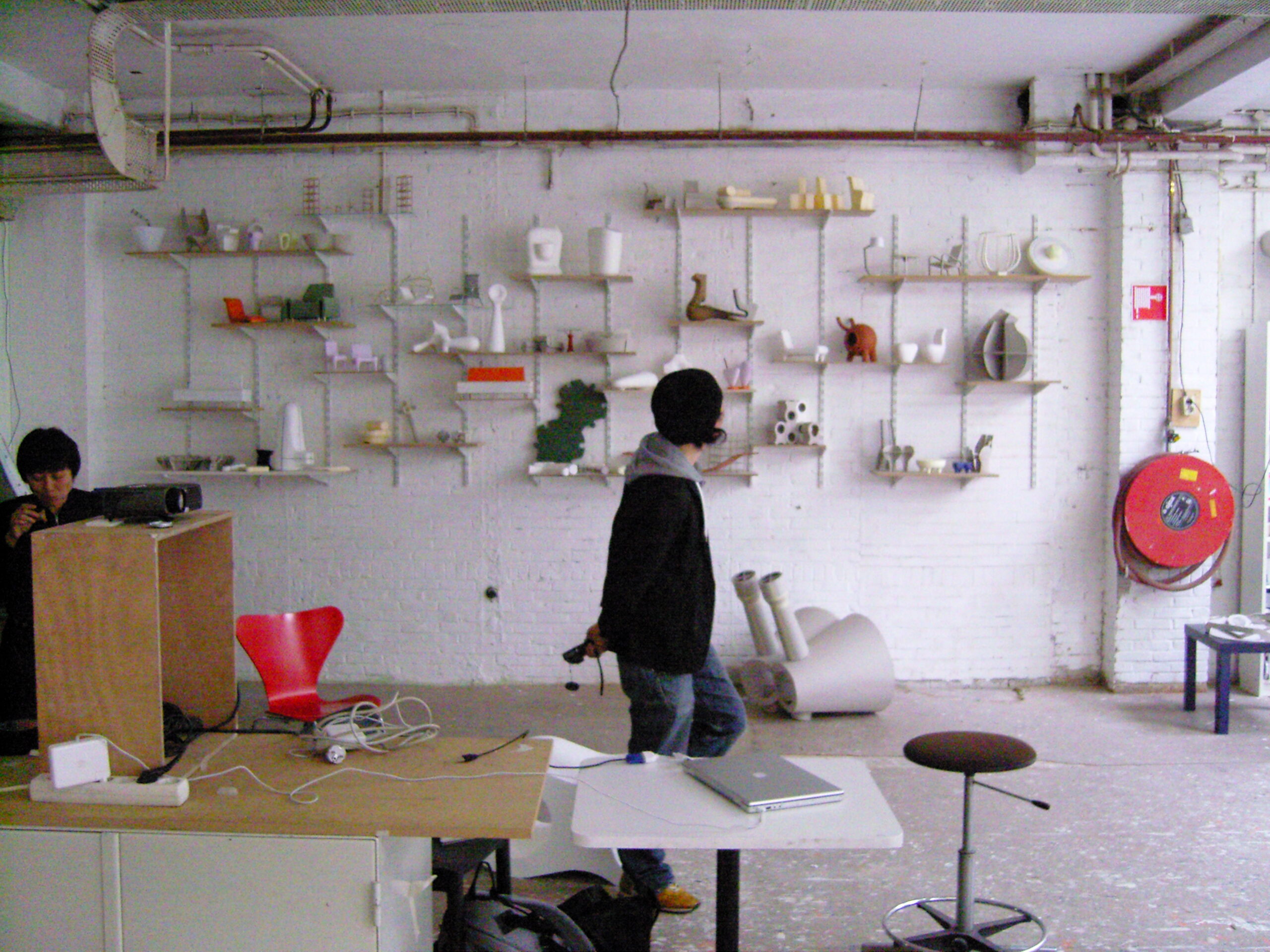
07-Satyendra-Pakhale-Studio-Practice
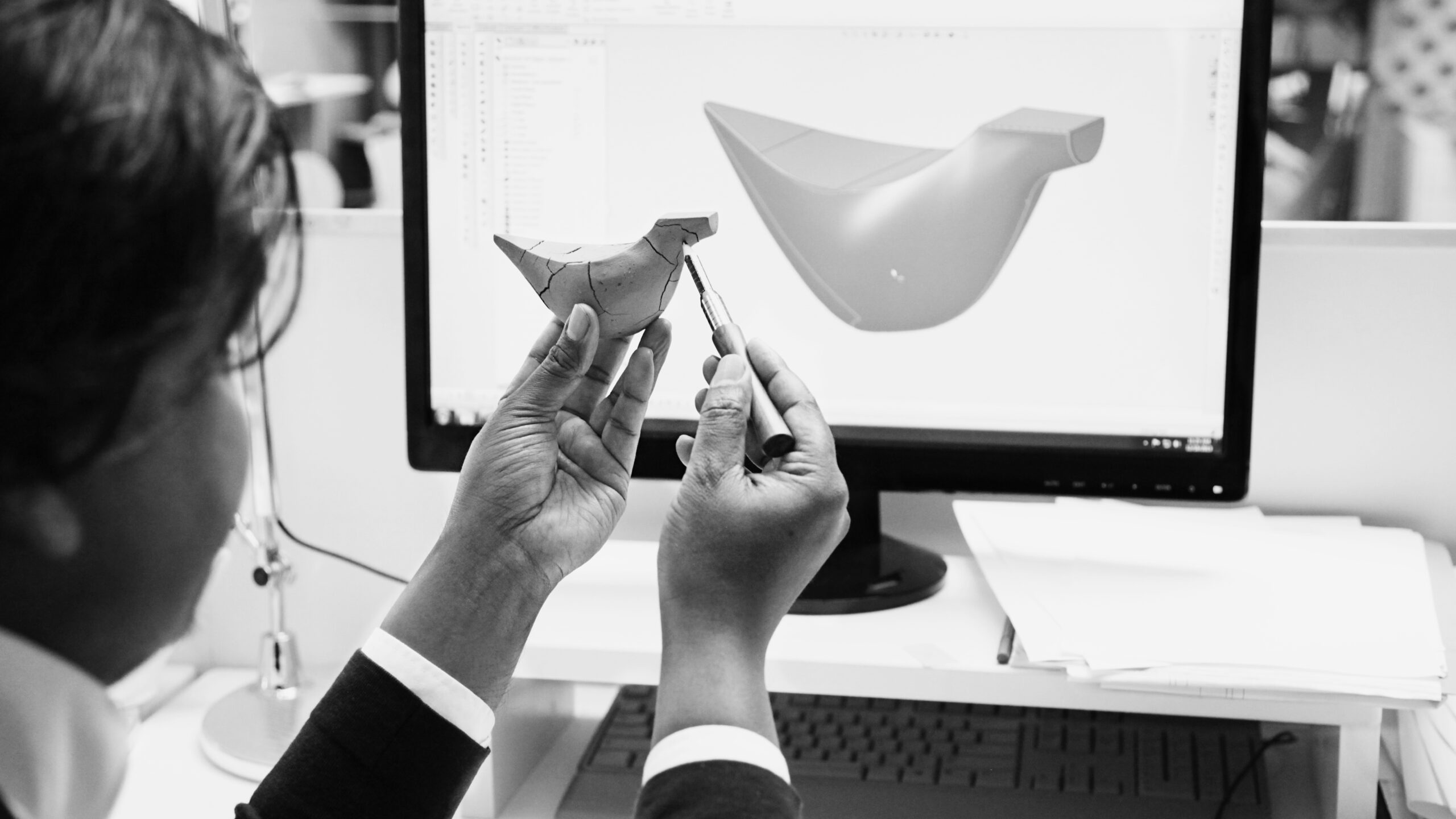
08-Satyendra-Pakhale-Studio-Practice
Satyendra Pakhalé and Caroline Baumann Studio visit
20140130-Caroline-Baumann-Satyendra-Pakhale-studio-visit-01
20140130-Caroline-Baumann-Satyendra-Pakhale-studio-visit-02
20140130-Caroline-Baumann-Satyendra-Pakhale-studio-visit-03
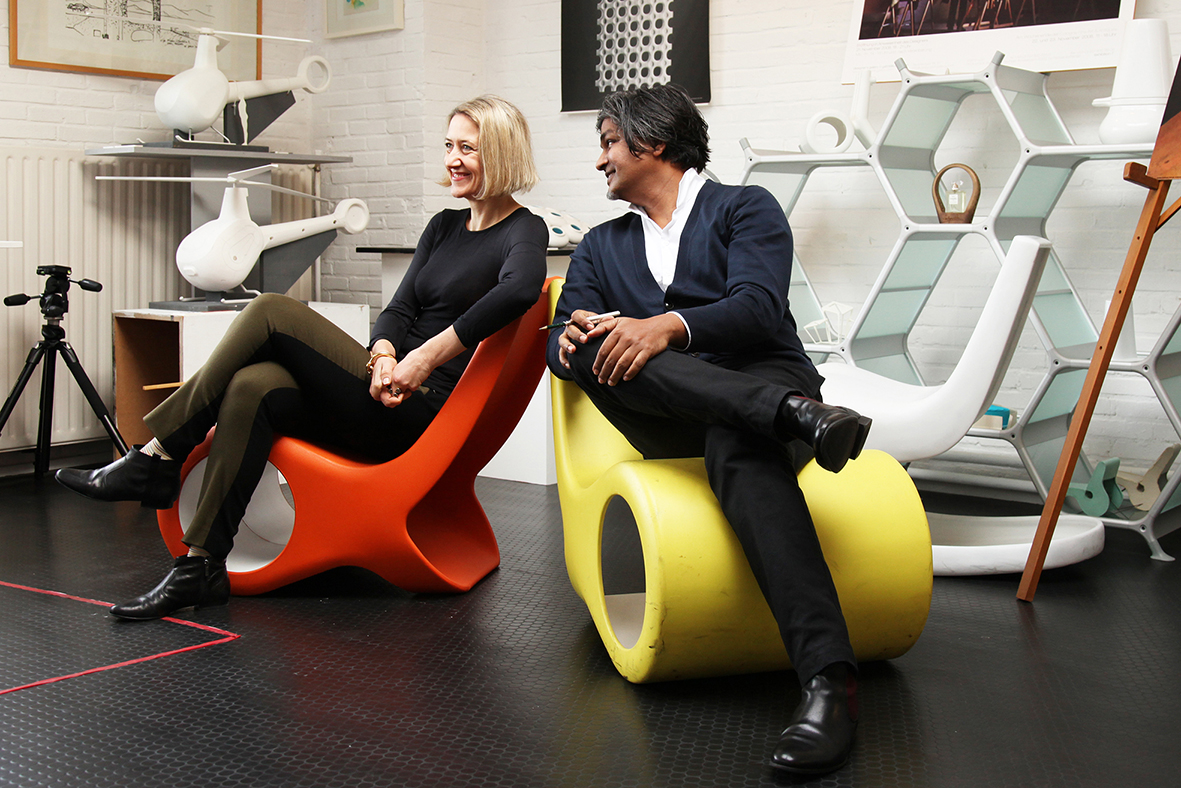
20140130-Caroline-Baumann-Satyendra-Pakhale-studio-visit-04
20140130-Caroline-Baumann-Satyendra-Pakhale-studio-visit-05
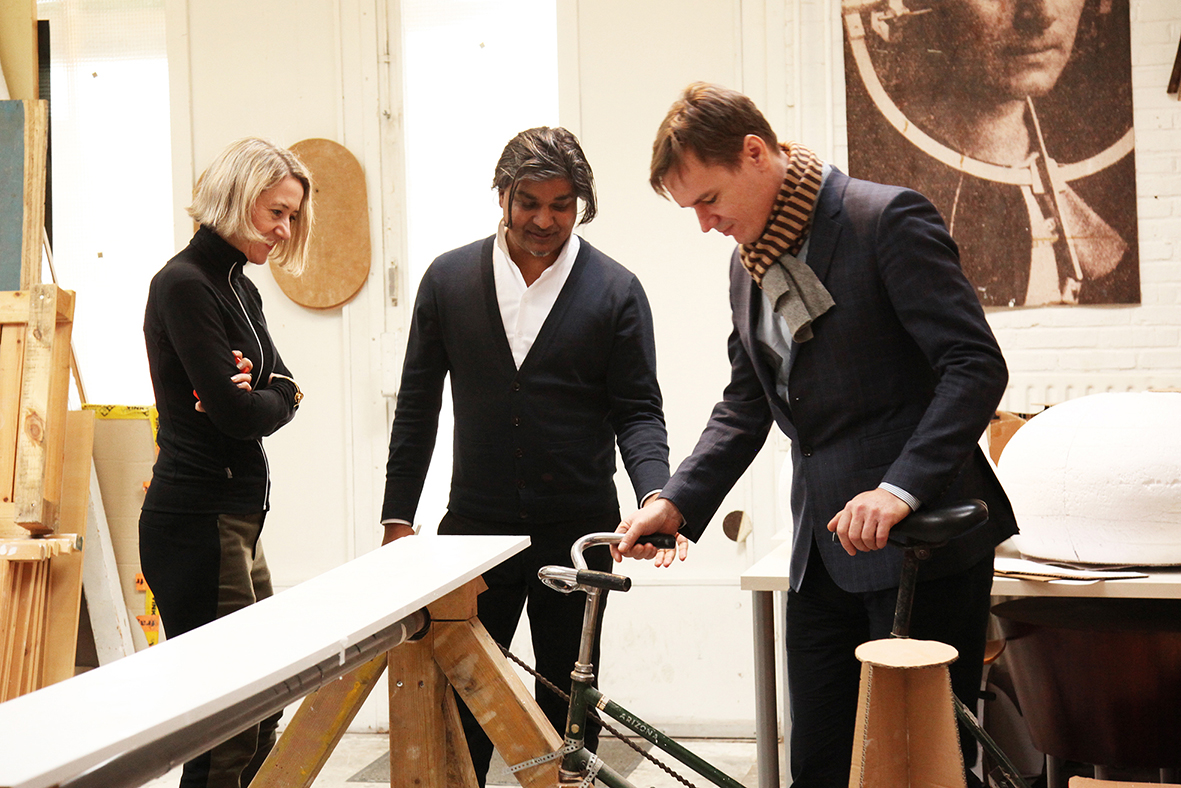
20140130-Caroline-Baumann-Satyendra-Pakhale-studio-visit-06
Satyendra Pakhalé and Professor Hufnagl Studio visit
20091226-Prof-Hufnagl-at-Studio-01
20091226-Prof-Hufnagl-at-Studio-02
20091226-Prof-Hufnagl-at-Studio-03
20091226-Prof-Hufnagl-at-Studio-04
20091226-Prof-Hufnagl-at-Studio-05
20091226-Prof-Hufnagl-at-Studio-06
20091226-Prof-Hufnagl-at-Studio-07
Satyendra Pakhalé, Divia Patel and Christopher Wilk Studio visit
20110527-Divia-Petel-Christopher-Wilk-V&A-Studio-visit-01
20110527-Divia-Petel-Christopher-Wilk-V&A-Studio-visit-02
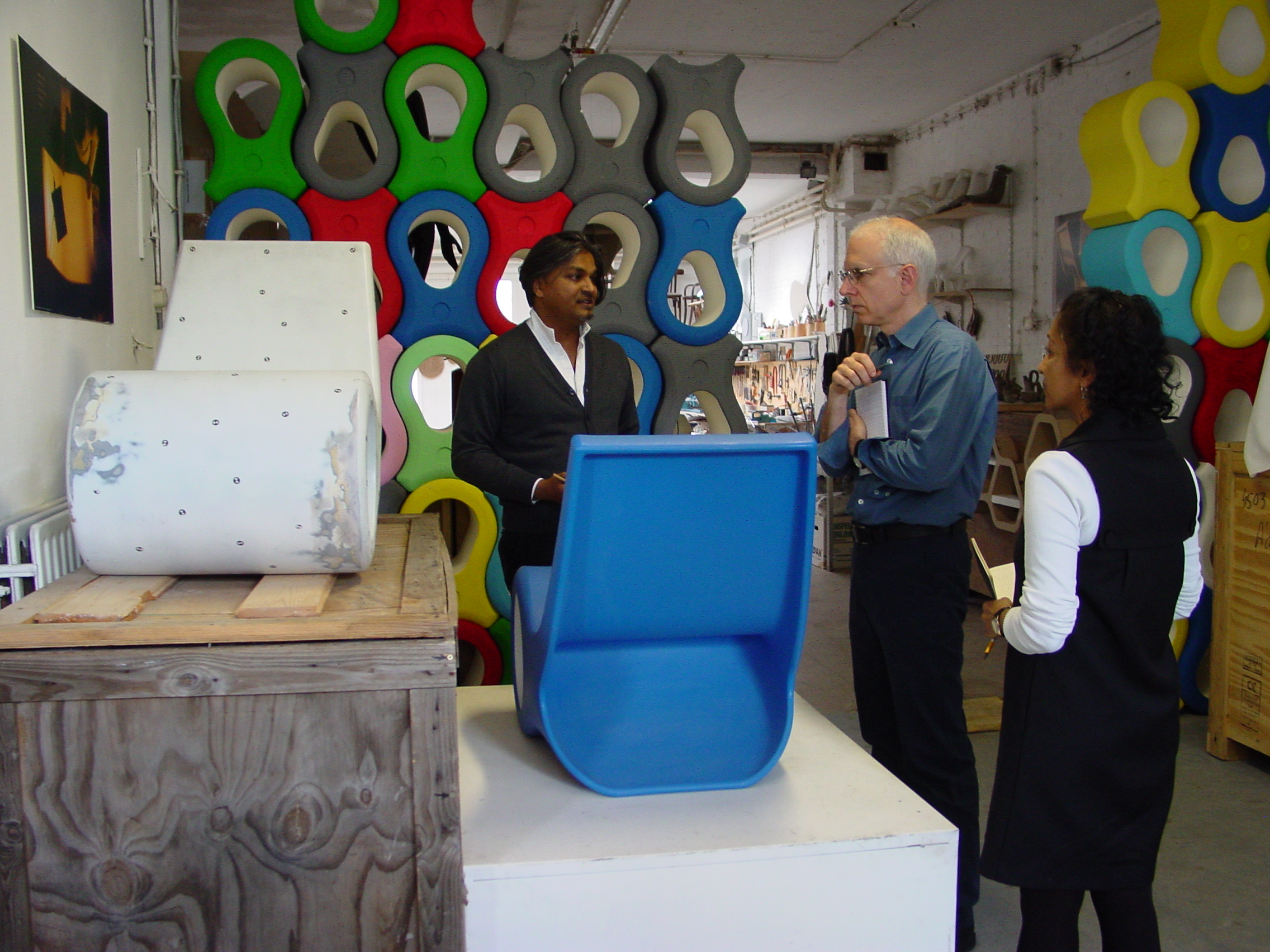
20110527-Divia-Petel-Christopher-Wilk-V&A-Studio-visit-03
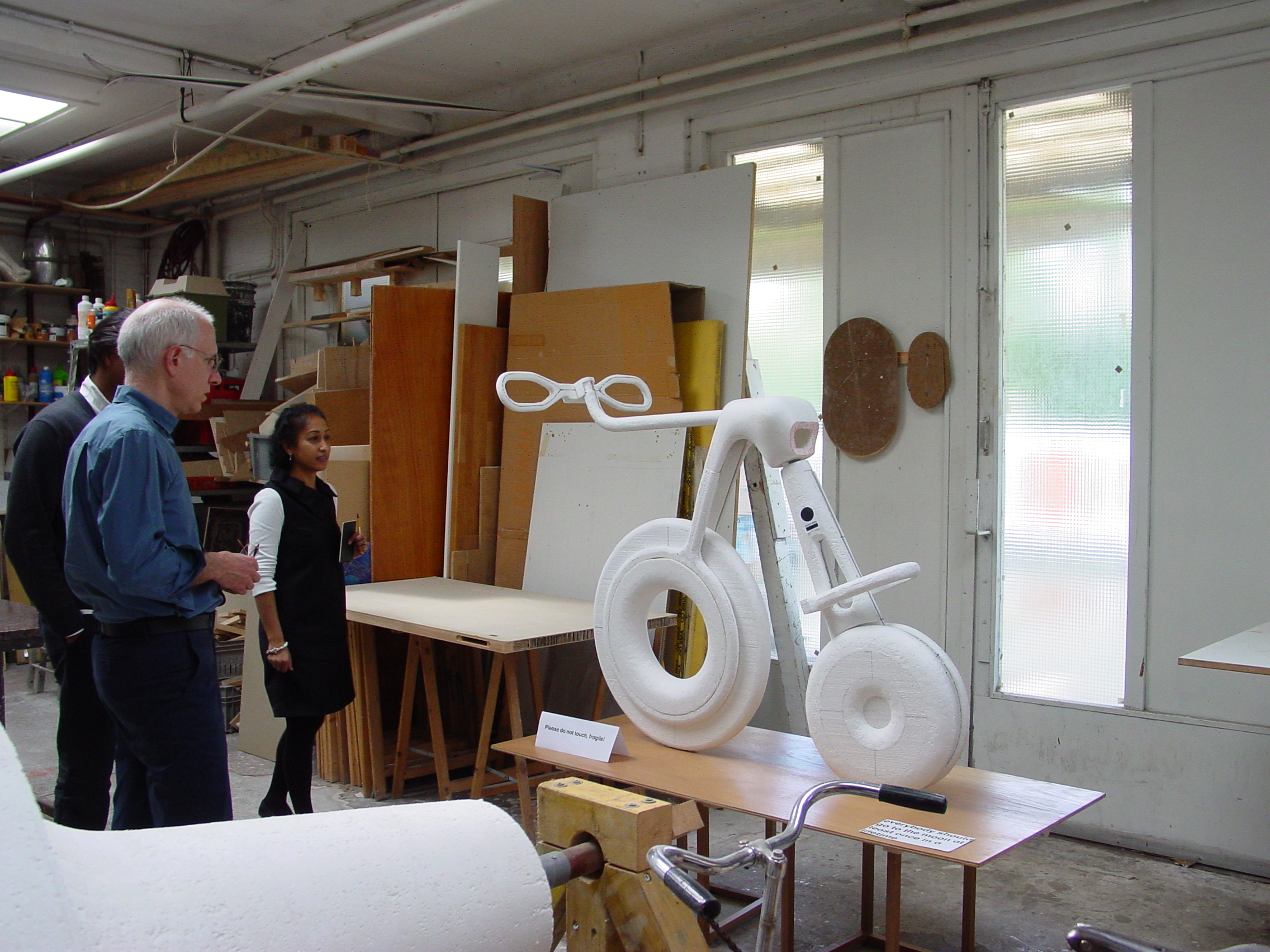
20110527-Divia-Petel-Christopher-Wilk-V&A-Studio-visit-04
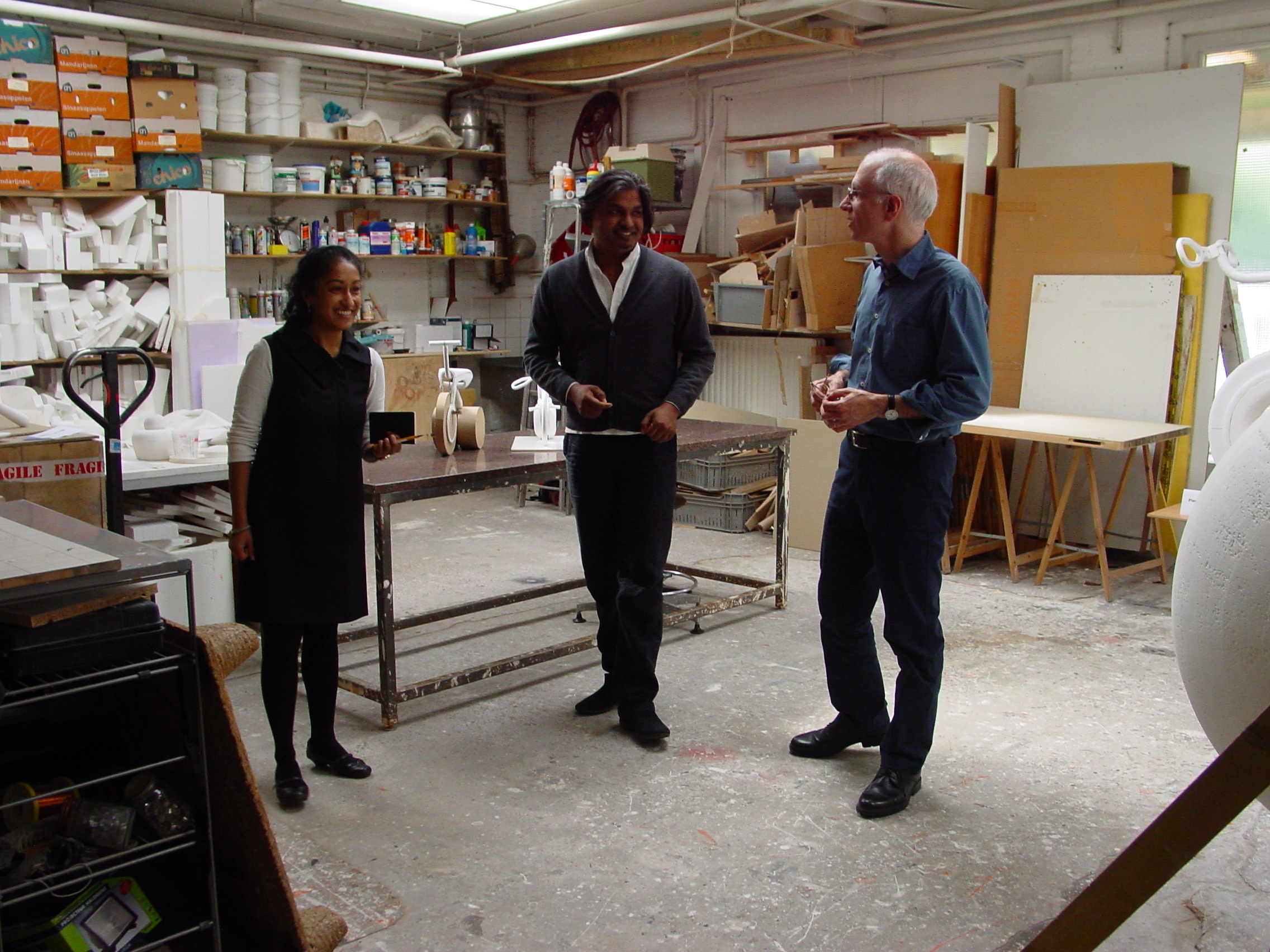
20110527-Divia-Petel-Christopher-Wilk-V&A-Studio-visit-05
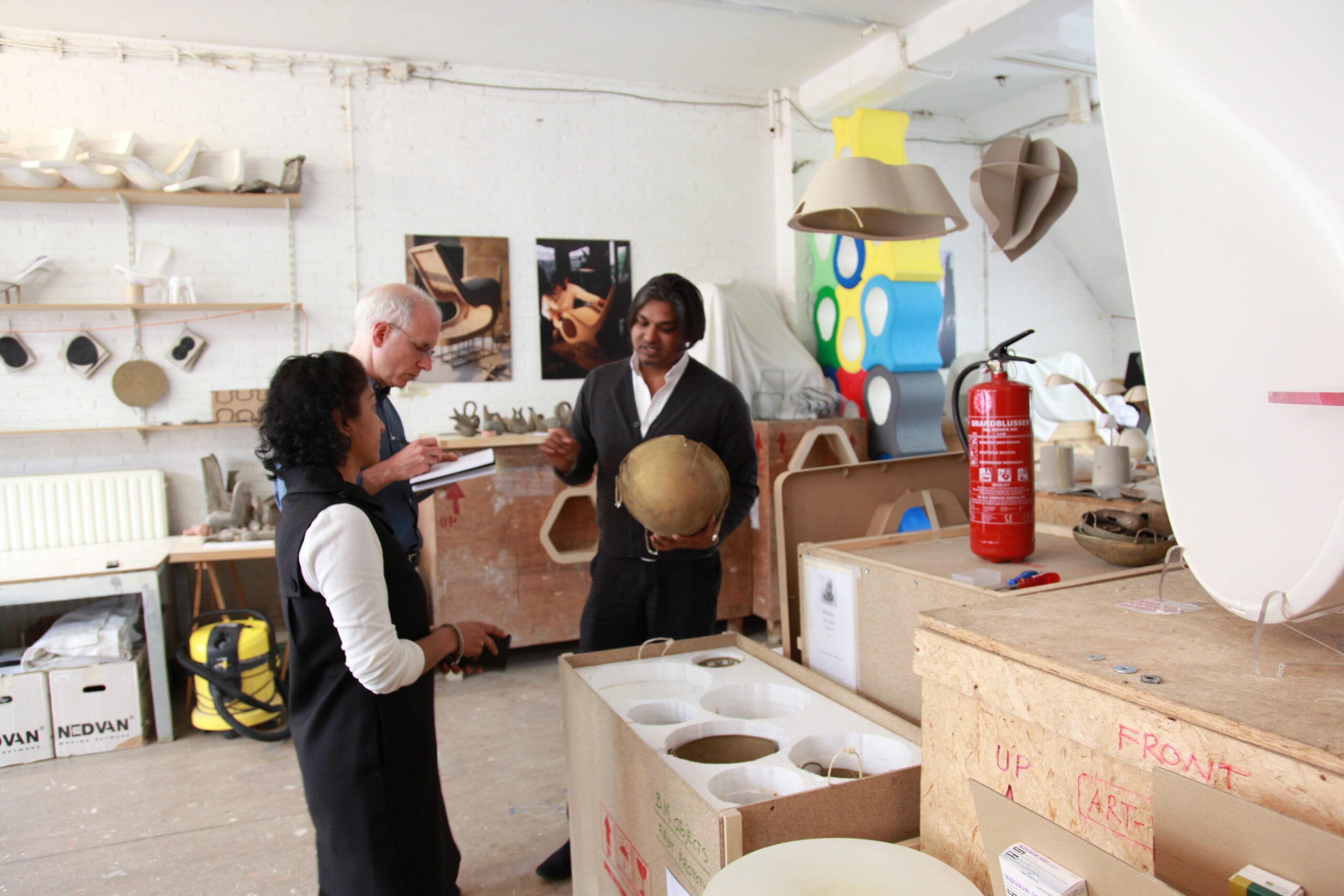
20110527-Divia-Petel-Christopher-Wilk-V&A-Studio-visit-06
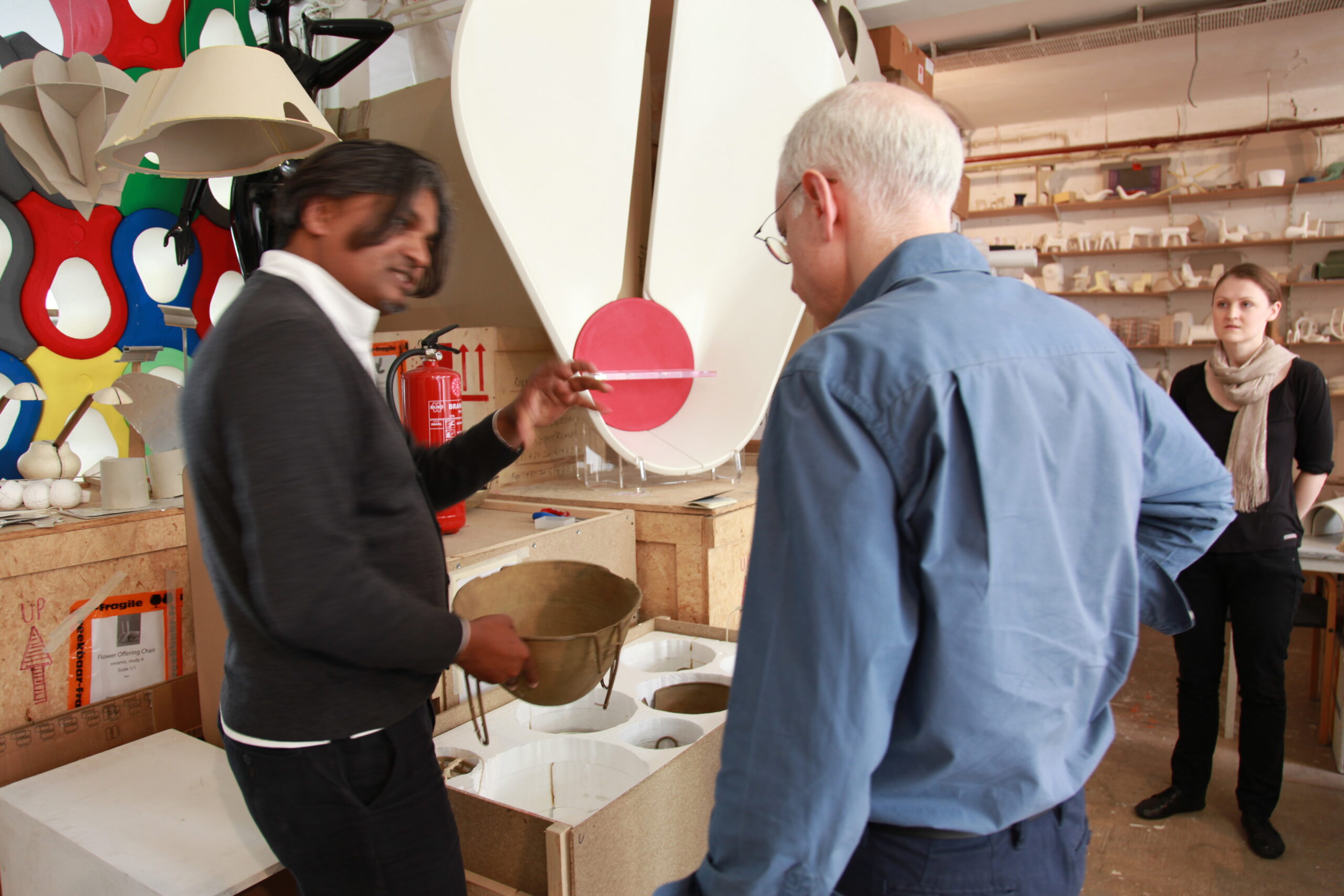
20110527-Divia-Petel-Christopher-Wilk-V&A-Studio-visit-07
04.03 Poetics of Defiance
‘Poetics of Defiance’ describes how creative expression emerges under conditions of restraint, such as slavery, colonialism, racial hierarchy, caste violence, censorship, or dispossession. Pakhalé observes that across geographies, historicallyoppressed communities have transformed limitation into aesthetic force, turning art into strategy: a means of preserving memory, asserting dignity, and imagining otherwise. In such contexts, form itself becomes political; metaphor, rhythm, ritual, and vernacular expression carry histories excluded from official narratives. Beauty becomes declarative rather than decorative, a claim to agency and presence. For Pakhalé, this productive imagination is a long-term cultural innovation: an enduring practice of hope, solidarity, and world-making forged in adversity. It is a process of actively creating a new reality, identity, or sense of purposeout of, or as a direct result of, intense, painful, or challenging life experiences. It is the transformation of suffering into a new, more meaningful way of living or perceiving the world.
While speaking about, ‘Poetics of Defiance’ Satyendra Pakhalé recalls, “I have always been curious, how artistic invention under pressure generates not only protest, but enduring forms of hope, solidarity, and imaginative freedom. I have observed this while growing up in Vidarbha and later around the world. These powerful acts of making art, making things, poetry and literature are forged into conditions of restrain and how creativity becomes a deliberate act of resistance and therefore hope. Across geographies and histories, historically oppressed communities have transformed censorship, dispossession, and exclusion into powerful aesthetic languages. Through poetry, music, visual art, built environment and performance, they reclaim silenced histories, elevate vernacular expression, and transform private grief into collective strength. In these works, beauty is declarative, a claim to dignity, agency and presence.”
By applying‘creative productive imagination’, artists, artisans, poets and all sorts of people produce original representations of a world that does not yet exist, providing the mental conditions for survival, change and hope.
The Subversive power of rhythms and melodies as seen in African American spirituals or South African freedom songs evoke deep emotions that transcend the literal horror of the moment, reminding the community of their humanity and dignity.The rhythms and melodies of enslaved people in Suriname and the Caribbean islands were not merely forms of entertainment; they were potent tools of subversion, resistance, and communication. Under brutal, ‘music-colonial’ systems that sought to suppress African cultural traditions through bans on drumming and singing, enslaved people utilized music to maintain cultural identity, signal rebellion, and foster psychological resistance.
Aesthetic Metamorphosis / Through ‘totemic’ or communal art, the subaltern transforms so called ordinary and often considered ‘ugly’ material realities into spiritual monuments that Promote collective consciousness and hope. That is the kind of ‘Poetics of Defiance’, Pakhalé has collected from his trips to Brazil, especially in the deep countryside ‘Chapada dos Veadeiros’ National Park and protest songs, ‘shahiri’, a rich tradition of Urdu/Hindi poetry, specifically focusing on short, profound, and often rhyming couplets (sher) that express deep emotions from India.
04.04 Chronology of Works
| NAME | YEAR | CATEGORY / TYPOLOGY | COMMISSIONED | PRODUCTION / SP archives | MATERIAL-of products / LOCATION-of architecture | SIZE | Description | OVERVIEW Total nr of projects | |
| 1995 | Number of Projects 3 | ||||||||
| BTS-Professional-Camera | 1995 | Industrial Design | Philips Design, NL | In production 1997 | Die-cast aluminium | 35 x 26 x 17 cm | INDUSTRIAL DESIGN = 163 | ||
| Fruita | 1995 | Industrial Design | SP Archives | Slipcasting ceramic | 12 x 12 x 24 cm | LIMITED EDTIONS = 20 | |||
| 3D PC for Students | 1995 | Industrial Design | Philips Design, NL | SP Archives | Injection moulded plastics with aluminium stand | 57 x 35 x 15 cm | ARCHITECTURE = 8 | ||
| 1996 | Number of Projects 5 | ||||||||
| Fish Chair | 1996 | Industrial Design | In production since 2005 Cappellini, IT | Rotomoulded plastic | 55 x 87 x 72 cm | TRANSPORTATION Design= 8 | |||
| Watch Me X – Vision on Move | 1996 | Industrial Design | Philips Design, NL | SP Archives | Injection moulded plastics with metal sensors | Various | EXHIBITION Design = 15 | ||
| Garment Project | 1996 | Industrial Design | SP Archives | Wool, linen and cotton tailored garments | |||||
| Digital Business Card | 1996 | Industrial Design | Philips Design, NL | SP Archives | Injection moulded plastics | 6 x 9 x 0.25 cm | |||
| Digamax | 1996 | Industrial Design | Commissioned by Verbatim, USA / Philips, NL | SP Archives | Injection moulded plastics | 12.5 x 9.5 x 2 cm | |||
| 1997 | Number of Projects 7 | ||||||||
| Pangéa Concept Car | 1997 | Transportation Design | Renault, France / Philips Design, NL | Public Collection, In production 1997 | 458 x 182 x 208 cm 196 x 182 x 208 cm |
This project brings together expertise in mobility and expertise in connectivity to explore the possibility of a connected vehicle, combining the benefits of real and virtual presence within a single physical setting. The result, called Pangéa is a nomadic laboratory for environmental field research. Which makes use of automotive and navigational technology and incorporates, the most advanced scientific instrumentation and multimedia communications technology. The vehicle is envisaged as being connected via such technology with a larger network, including base laboratories anywhere in the world. Since the passenger-scientists may need to be travelling for long periods at a time, ample storage space is provided in a trailer and entertainment , personal communication facilities are also incorporated. The concept car was exhibited at the Geneva Motor show 1997. | |||
| Philips BG Portable Digital | 1997 | Industrial Design | Philips Design, NL | SP Archives | Extruded and injection moulded plastics | 8 x 12 x 1.5 cm | |||
| Copper Chair | 1997 | One-off | SP Archives | Hand formed copper | 28 x 24 x 26 cm | ||||
| Pindola Table | 1997 | Industrial Design | Commissioned by Zeritalia, IT | SP Archives | Industrial bent glass and aluminium | 140 x 86 x 75 cm | |||
| Digital Wallet C-Sam | 1997 | Industrial Design | Commissioned by C-SAM, USA | SP Archives | Injection moulded plastics | 12 x 9 x 1 cm | |||
| Winter Asana | 1997 | Industrial Design | Commissioned by Habitat, UK | SP Archives | Upholstered with wooden structure inside | 82 x 89 x 97 cm | |||
| Steam Cleaner Philips | 1997 | Industrial Design | Philips Design, NL | SP Archives | Injection moulded plastics | 19.5 x 12 x 29 cm | |||
| 1998 | Number of Projects 3 | ||||||||
| Ananda Totems | 1998 | Industrial Design | SP Archives | Solid wood with flocked surface | Various | ||||
| PANNA Spectacles | 1998 | Industrial Design | Commissioned by Cottet, FR | SP Archives | Die-cast aluminium magnesium alloy | 15 x 15 x 5 cm | |||
| B.M. Objects 1st Generation | 1998 | One-off | Public Collection, SP Archives | Bell metal lost wax casting process | Various | ||||
| 1999 | Number of Projects 2 | ||||||||
| Urban Scooter | 1999 | Transportation Design | SP Archives | Injection moulded plastics and aluminium frame | 98 x 72 x 42 cm | ||||
| Desk Mat | 1999 | Industrial Design | Commissioned by Magis, IT | Public Collection, SP Archives | Injection moulded plastic | 67 x 48 x 10 cm | |||
| 2000 | Number of Projects 8 | ||||||||
| B.M. Horse | 2000 | Limited Edition | ammann // gallery, DE | Public Collection In production since 2007 |
Bell metal lost wax casting process | 52 x 80 x 95 cm | B.M. horse chair is a iconic chair, the result of careful research by the designer into popular and archaic symbolic forms. | ||
| H-Off-Mann Desk | 2000 | Industrial Design | Commissioned by For Example, IT | SP Archives | Industrial glass and wood | 130 x 65 x 75 cm | |||
| SURYA Calendar and Sundial | 2000 | Industrial Design | SP Archives | Anodised formed aluminium and corian | Ø 20 x 6 cm | At the turn of the century we gone so far with industrial and information technological developments that we almost lost the touch with the obvious understanding of natural phenomenon such as seasons and its relationship with days, dates, times and our daily existence. In short significance of Calendar in historic perspective. The purpose of this object to help people understand what they are looking at when they find it, and make it a daily playful ritual of maintaining a calendar in the light of understanding old universal ideas such as Sundial which is lost in antiquity. It is a desk top object, it has a base box of 20 cm diameter and 3 cm height and 9 dices. Out of 9 dices, 7 dices have dates printed on five sides; the 8th dice has days printed on all sides and the 9th central dice has sundial indicator. | |||
| S-Sofa | 2000 | Industrial Design | Commissioned by Totem Design, USA | SP Archives | Upholstered with wooden structure and metal details | 196 x 86 x 82 cm | |||
| B.M. Horse Chaise | 2000 | Limited Edition | ammann // gallery, DE | In production since 2008 | Bell metal lost wax casting process | 137 x 59 x 82 cm | |||
| Square Wooden Bowls | 2000 | One-off | SP Archives | Solid carved tropical wood | 35 x 35 x 12 cm | ||||
| Copper Vase | 2000 | One-off | SP Archives | Hand formed copper | Ø 38 x 42 cm | ||||
| Steel Tray | 2000 | Industrial Design | Commissioned by Alessi, IT | SP Archives | Deep drawn stainless steel | Ø 67 x 3.8 cm | |||
| 2001 | Number of Projects 11 | ||||||||
| Utaran | 2001 | One-off | Private collection | Autoclave embedded B.M. Objects in PMMA | 16 x 16 x 28 cm | ||||
| Tava Dine | 2001 | Industrial Design | Commissioned by For Example, IT | SP Archives | Bent glass and wood | Various | |||
| Bird Chaise | 2001 | One-off | Public Collection | Upholstered aluminium tubular structure | 167 x 46 x 92 cm | ||||
| Flower Offering Chair | 2001 | Limited Edition | ammann // gallery, DE | Public Collection In production since 2007 |
Slip casted ceramic | 69 x 65 x 85 cm | Placing flowers in the backrest gives a suggestion of offering flowers to welcome somebody at home or at office. It is not about sitting, but the chair is an object. The Chair is a ceremonial object to welcome people by offering them flowers | ||
| Mini Flower Offering Chair | 2001 | Industrial Design | In production since 2009 Bosa Ceramiche, IT |
Slip casted ceramic | 23 x 20 x 28 cm | ||||
| Pottery Chair | 2001 | One-off | SP Archives | High fired hand thrown ceramics with terra sigillata surface finishing | 47.5 x 80 x 79 cm | ||||
| EKWC – Playing with Clay | 2001 | One-off | SP Archives | High fired ceramic with special glazes | Various | Playing with clay- ceramic chair project was done at EKWC, The Netherlands. | |||
| Kid Ceramic Chair | 2001 | One-off | SP Archives | High fired ceramic with special glazes | 32 x 38 x 56 cm | With the help of skilled crafts-woman and technical staff the hand made prototypes were realised. The choice of the clay was critical in deciding which clay mixture would be elastic enough to throw while keeping the desired strength. Equal drying of the different wall-thickness of the thrown clay parts and firing it without cracks was a another challenge. The next challenge was to develop it into industrially producible object. Experimenting with the material presented the possibility to produce the ceramic chair on an industrial level with the help of pressure cast moulds. A new idea of a ceramic joint was developed to create the parts | |||
| Ceramic Horse | 2001 | One-off | SP Archives | High fired ceramic with special glazes | 52 x 80 x 95 cm | ||||
| Star Horse | 2001 | One-off | SP Archives | Flock surface with star constellation | 52 x 80 x 95 cm | ||||
| Globe Lamp | 2001 | Industrial Design | SP Archives | Wood, Mild steel, Molded globe | Ø 56 x 105 cm | independently and fire them separately to be connected afterwards with | |||
| two-component PU glue. hence possible to produce industrially. | |||||||||
| 2002 | Number of Projects 12 | ||||||||
| Candle Holder | 2002 | Industrial Design | SP Archives | Deep drawn stainless steel | Ø 16 x 4.5 cm | ||||
| Saturn | 2002 | Industrial Design | Commissioned by Alessi, IT | SP Archives | Deep drawn stainless steel | Ø 52 x 8 cm | |||
| Steelwave Vase | 2002 | Industrial Design | Commissioned by Alessi, IT | Private collection, SP Archives | Deep drawn stainless steel | Ø 22 x 30 cm | Based on the early research into Bell metal objects, developing a special steel Keeping in view with the Alessi’s long tradition of steel object making, steel Vase is being made in metal forming and stamping techniques and hand finished. This project also makes reference to early Bell metal objects.forming technique to create integral handle, Steel wave family project evolved. | ||
| Akasma Centrepiece | 2002 | Industrial Design | Commissioned by RSVP, IT | Public Collection In production from 2002 to 2008 |
Industrial bent glass | Various | This project demanded tremendous technical thinking, in terms realising the object with such a precision, almost like an industrial craft process. Lot of work has gone into precisely calculating the profile of the glass. First to cut the tempered glass in a precise profile. Then mechanised heating and bending it into the desired form to obtain the precise clean line between the two parts. Eventually assembly of two identical parts into a final object. | ||
| Kalpa Vase & Bowl | 2002 | Industrial Design | Commissioned by Cor Unum Ceramics, NL | Public Collection, In production since 2002 | Slip casted ceramic | 60 x 60 x 16 cm | Kalpa object can be used as a vase and after turning upside down it could be used as a bowl (fruit-bowl). It is made in slip-cased several identical white clay pots – glazed white outside & colour inside and glued together with special synthetic glue mainly used in aerospace industry. | ||
| Flip Chair | 2002 | Industrial Design | SP Archives | Injection moulded polycarbonate | 98 x 60 x 80 cm | ||||
| Lagori – Post Computer Game | 2002 | Industrial Design | Commissioned by Magis, IT | Public Collection | Blow moulded and gas injection moulded plastics | Ø 16 x 56 cm | |||
| B.M. Horse Side Table | 2002 | Limited Edition | SP Archives | Bell metal lost wax casting process | Ø 40 x 42 cm Ø 77 x 33 cm |
||||
| Panther | 2002 | Limited Edition | Commissioned by Moroso, IT 2002 / Moroso, IT 2007 / ammann // gallery, DE |
Public Collection In production since 2007 |
Upholstery with wooden structure / fiberglass | 147 x 58 x 196 cm | Panther is a monumental symbolic multi-chair, sofa, chaise, which offers three possibilities: to relax, to sit and watch nature and to take a nap. In contemporary society we often neglect these basic necessities of life in a course of a hectic working day. It is a statement to make us aware the basic need to take a break and take time for one-self to relax in this information society. Panther is designed to celebrate the 50th anniversary of Moroso. | ||
| From Projects to Products | 2002 | Solo Exhibition Design | Curated by Ingeborg de Roode, NL | Stedelijk Museum Amsterdam, NL | |||||
| SpiceBox | 2002 | Industrial Design | Commissioned by Alessi IT | SP Archives | Deep drawn steel | Ø 17.5 x 5 cm | |||
| Tan-Table | 2002 | Industrial Design | SP Archives | Industrial glass, rotomoulded plastic and aluminium | |||||
| 2003 | Number of Projects 25 | ||||||||
| Ananda Bookmarks | 2003 | Industrial Design | Commissioned by DeVecchi, IT | SP Archives | Silver | Various | |||
| Achala Baskets | 2003 | Industrial Design | Commissioned by C-lection, NL | SP Archives | Thermoformed corian | Various | |||
| Kid Step | 2003 | Industrial Design | Commissioned by Magis, IT | SP Archives | Plywood, injection moulded plastics | 46 x 36 x 35 cm | |||
| Kid Shelf System | 2003 | Industrial Design | Commissioned by Magis, IT | SP Archives | Expanded polypropylene | 120 x 25 x 51 cm | |||
| Kid Stool | 2003 | Industrial Design | Commissioned by Magis, IT | SP Archives | Injection moulded plastic | Ø 60 x 58 cm | |||
| Kid Computer Desk Chair | 2003 | Industrial Design | Commissioned by Magis, IT | SP Archives | Injection moulded plastic | 44 x 44 x 50 cm | |||
| Glass Wardrobe | 2003 | Industrial Design | Commissioned by Zeritalia, IT | SP Archives | Industrial bent glass | 90 x 47 x 135 cm | |||
| Salt Pepper Bottles | 2003 | Industrial Design | Commissioned by Alessi, IT | SP Archives | Formed stainless steel and glass | Ø 8 x 17 cm | |||
| Pouf | 2003 | Industrial Design | SP Archives | Rotomoulded plastic | 36 x 34 x 58 cm | ||||
| Nut Cracker | 2003 | Industrial Design | SP Archives | Zamac-aluminium-zinc alloy | 3 x 3 x 19 cm | ||||
| Plywood – Glass Vases and Tray | 2003 | Industrial Design | SP Archives | Plywood and bent glass | Various | ||||
| High Chair | 2003 | Industrial Design | SP Archives | Expanded polypropylene | 50 x 74 x 77 cm | ||||
| Citrus Press | 2003 | Industrial Design | Commissioned by Alessi, IT | SP Archives | Deep drawn stainless steel and slip casted ceramic | Ø 16 x 12.5 cm | |||
| Doorhandle Extrusion | 2003 | Industrial Design | Commissioned by Erreti, IT | SP Archives | Extruded aluminium | 14 X 7 X 5 cm | |||
| Chopsticks | 2003 | Industrial Design | SP Archives | Forged Stainless steel | 1.5 x 0.5 x 30 cm | ||||
| Roto Chair | 2003 | Industrial Design | SP Archives | Rotomoulded plastic | 44 x 45 x 75.5 cm | ||||
| Can Opener | 2003 | Industrial Design | SP Archives | Injection moulded plastic with metal insert | 4 x 2 x 7.5 cm | ||||
| Bird Table & Chaise longue | 2003 | Industrial Design | Commissioned by Serralunga, IT | SP Archives | Rotomoulded plastic | 167 x 44 x 81 cm | |||
| Bamboo Panels | 2003 | Industrial Design | Commissioned by Government of Philippines, PHL | SP Archives | Hand-woven bamboo mat pressed on plyboo | 50 x 50 x 2.5 cm | |||
| Amsterdammertje | 2003 | One Off | Commissioned by EKWC, NL | SP Archives | High fired hand thrown ceramics with glazed surface | Ø 40 x 49 cm | |||
| LC Hand Chair | 2003 | Industrial Design | SP Archives | Upholstered with wooden structure and metal details | 80 x 97 x 75 cm | ||||
| Design by Heart – Otto Gallery | 2003 | Solo Exhibition Design | Curated by Paola Antonelli, MoMA, New York, USA | Otto gallery Bologna, IT | |||||
| LOOP O2 Mobile Phone | 2003 | Industrial Design | Commissioned by O2, UK | SP Archives | Metal forming and injection moulded plastic | 5 x 2 x 8.5 cm | |||
| Katava | 2003 | Limited Edition | Commissioned by Erreti, IT | Private Collection, SP Archives | Aluminium sheet metal bent | 196 x 135 x 70 cm | |||
| Pendant Lamp | 2003 | Industrial Design | Commissioned by Established & Sons, UK | SP Archives | Deep drawn aluminium | 57 x 36 x 21 cm | |||
| Totem Carpets | 2003 | Industrial Design | Private Collection, SP Archives |
Hand tuffted carpets | Various | ||||
| Kid multi chair | 2003 | Industrial Design | Commissioned by Magis, IT | SP Archives | Expanded polypropylene | ||||
| 2004 | Number of Projects 14 | ||||||||
| add-On Radiator | 2004 | Industrial Design | Commissioned by TUBES Radiatori, IT | Public Collection In production since 2004 |
Die-casted aluminium | 12 x 3 x 24 cm | |||
| Amisa Doorhandle | 2004 | Industrial Design | Commissioned by Colombo Design, IT | In production since 2004 to 2014 | Die-casted brass | 13.5 x 10.5 x 5 cm | |||
| Puzzle Carpet | 2004 | Industrial Design | Commissioned by Magis, IT | In production since 2005 | Digitally printed PU | 36 x 36 x 1.5 cm | |||
| Steelwave Family | 2004 | Industrial Design | Commissioned by Alessi, IT | Private Collection, SP Archives |
Deep drawn stainless steel | Various | |||
| Nap Chair | 2004 | Industrial Design | SP Archives | Industrial bent glass | 45 x 140 x 30 cm | ||||
| Kid Walker | 2004 | Industrial Design | Commissioned by Magis, IT | SP Archives | Wood and injection co-moulded wheel | 446 x 517 x 446 cm | |||
| Kid Wardrobe | 2004 | Industrial Design | Commissioned by Magis, IT | SP Archives | Plywood with gas injection moulded hinges and latches | 95 x 45 x 125 cm | |||
| Kid Multi-Table | 2004 | Industrial Design | Commissioned by Magis, IT | SP Archives | Injection moulded plastic with aluminim legs | 75 x 50 x 50 cm | |||
| Agma Toy Trolley | 2004 | Industrial Design | Commissioned by Magis, IT | SP Archives | Rotomoulded plastic and injection co-moulding | 70 x 49 x 63 cm | |||
| Bowl Single Handle | 2004 | Industrial Design | Commissioned by Danese, IT | SP Archives | Ceramic slip casting, cork | 32 x 28.5 x 12.5 cm | |||
| Desktop Landscape | 2004 | Industrial Design | Commissioned by De Vecchi, IT | SP Archives | Pneumatic formed metal | Various | |||
| Archi Element | 2004 | Industrial Design | SP Archives | Reinforced pre cast concrete | 48 x 12 x 58 cm | ||||
| Steel and Plastics | 2004 | Industrial Design | Commissioned by Tupperware, USA / BE | SP Archives | Composite metal plastic | 36 x 26 x 4 cm | |||
| Cell Phone | 2004 | Industrial Design | SP Archives | Injection moulded plastic | Various | ||||
| Pecock family | 2004 | One Off | SP Archives | Paper Mache | Various | ||||
| 2005 | Number of Projects 17 | ||||||||
| Little Panther | 2005 | Industrial Design | SP Archives | Injection moulded policarbonate with wiremesh insert | 64.5 x 70 x 75 cm | ||||
| Royal Diwane | 2005 | Industrial Design | SP Archives | Rotomoulded plastic | 88.5 x 87 x 67 cm | ||||
| Tray Trolley | 2005 | Industrial Design | Commissioned by Cappellini, IT | SP Archives | Reaction Injection Moulded PU with metal structure | 546 x 547 x 733 cm | |||
| Garden Lamp | 2005 | Industrial Design | Commissioned by Serralunga, IT | SP Archives | Rotomoulded plastic | 60 x 35 x 187 cm | |||
| Office Tray | 2005 | Industrial Design | Commissioned by Danese, IT | SP Archives | Laser cut and bent steel | 38.5 x 27 x 8 cm | |||
| Multi-sensorial Speakers | 2005 | Industrial Design | SP Archives | 79 x 54.5 x 173 cm | |||||
| Kid Trono | 2005 | Industrial Design | Commissioned by Magis, IT | SP Archives | Rotomoulded plastic | 63 x 52 x 92 cm | |||
| Fountain Pen | 2005 | Industrial Design | SP Archives | Fabricated in metal and resin | Ø 2.5 x 14.5 cm | ||||
| Kitchen Taps | 2005 | Industrial Design | Commissioned by Nobili, IT | SP Archives | Die-cast brass | 27 x 4.5 x 20 cm | |||
| Fish Table | 2005 | Industrial Design | Commissioned by Cappellini, IT | SP Archives | Rotomoulded plastic | 40 x 32 x 54.5 cm | |||
| Universal Freedom Tower 2031 | 2005 | Architecture | Commissioned by Domus Magazine, IT | SP Archives | Pyongyang, DPRK | ||||
| Kid Rocking Chair / Swing | 2005 | Industrial Design | Commissioned by Magis, IT | SP Archives | Rotomoulded plastic | 100 x 42 x 42.5 cm | |||
| Oven to Table Version 2 | 2005 | Industrial Design | SP Archives | Bent steel rod with silicon handle detail | 35 x 18 x 13 cm | ||||
| Sanitation – WC – Bidet – Sink | 2005 | Industrial Design | Commissioned by Flaminia, IT | SP Archives | Ceramic slip casting | Various | |||
| Q-Watch | 2005 | Industrial Design | Commissioned by CRAFT, FR | SP Archives | Injection co-moulded technical ceramic | Ø 4 x 0.8 cm | |||
| YMCA Chair | 2005 | Industrial Design | SP Archives | Wood, aluminium details | 65 x 73 x 84.5 cm | ||||
| 2006 | Number of Projects 13 | ||||||||
| Vespa Redesign | 2006 | Industrial Design | Commissioned by Made Magazine, IT | SP Archives | 148 x 120 x 68 cm | ||||
| Square Meal | 2006 | Industrial Design | Commissioned by Design Biennal Saint-Étienne, FR | In production since 2006 | Ceramic slip casting | 28.5 x 24 x 36 cm | |||
| Meander Textile | 2006 | Industrial Design | Commissioned by Vaeveriet, SE | In production since 2006 | Wool textile | ||||
| Alaya Ceramic Basket | 2006 | Industrial Design | Commissioned by Bosa, IT | In production since 2006 | Ceramic slip casting | Various | |||
| Cityscape – Limoges Porcelaine | 2006 | One-off | Commissioned by CRAFT, FR | SP Archives | Slip casted porcelain | Various | |||
| Shelter | 2006 | Architecture | SP Archives | Milan, IT | 481 x 297 x 519 cm | ||||
| Pak Chair | 2006 | Industrial Design | Commissioned by Magis, IT | SP Archives | Spot-welded steel rod | 48 x 54 x 84 cm | |||
| NEWS | 2006 | Industrial Design | Commissioned by Tork, SCA, SE | SP Archives | Injection moulded plastic | Various | |||
| Dust Bin | 2006 | Industrial Design | SP Archives | Injection moulded plastic | 27.5 x 30.5 x 43 cm | ||||
| Horse Lamp | 2006 | One-off | SP Archives | Bell metal lost wax casting process | 24 x 10 x 12 cm | ||||
| Hi-See Chair | 2006 | Industrial Design | Commissioned by OFFECCT, SE | SP Archives | Upholstered reaction injection moulded PUR foam | 81 x 83 x 122 cm 69 x 51 cm |
|||
| City Bike | 2006 | Industrial Design | SP Archives | 180 x 76 x 102 cm | |||||
| Daily basket bag / PP | 2006 | Industrial Design | SP Archives | Injection moulded plastic | 50 x 30 x 50 cm | ||||
| 2007 | Number of Projects 15 | ||||||||
| Alinata Shelving System | 2007 | Industrial Design | Commissioned by Erreti, IT | In production since 2007 to 2009 | Extruded aluminium with glass or plyboo panels | 180 x 37 x 130 cm | |||
| Mini Roll Ceramic Chair | 2007 | Industrial Design | Commissioned by Bosa, IT | In production since 2008 Bosa, IT | Ceramic slip casting | 20 x 25 x 27 cm | |||
| Thera Carpet | 2007 | One-off | Commissioned by I+I Carpet, IT | SP Archives | Hand tuffted carpets | Ø 200 x 240 cm | |||
| Insella Family | 2007 | Industrial Design | Commissioned by I+I Carpet, IT | SP Archives | Magnesium alloy die-cast | Various | |||
| Meander Stackable Stool | 2007 | Industrial Design | Commissioned by Ann Maes, Dutch Embassy Berlin, DE | SP Archives | Upholstered moulded foam | 35 x 35 x 54 cm | |||
| R-44-D Helicopter | 2007 | Transportation Design | SP Archives | 740 x 992 x 367 cm | |||||
| O-LED Desk Lamp | 2007 | Industrial Design | Commissioned by Yamagiwa, JP | SP Archives | Magnesium alloy die-casting | 20 x 27.5 x 45 cm | |||
| Roll Carbon Ceramic Chair | 2007 | One-off | ammann // gallery, DE | Public Collection In production since 2008 |
Slip casted ceramic with carbon fiber applied | 60 x 73 x 79 cm | |||
| Skeleton Copper Chair | 2007 | Limited Edition | SP Archives | Copper sheet formed and engineered | 78 x 53 x 46 cm | ||||
| Mirror Family | 2007 | Industrial Design | Commissioned by Magis, IT | SP Archives | Injection moulded plastics and glass sheet | Various | |||
| Living Sofa | 2007 | Industrial Design | Commissioned by Living Divani, IT | SP Archives | Upholstered reaction injection moulded PUR foam | 158 x 58 x 90 cm | |||
| Bird Nest Lamp | 2007 | Industrial Design | SP Archives | Handblown Murano glass | 27 x 28 x 42 cm | ||||
| Home Theater System | 2007 | Industrial Design | Commissioned by Sharp, JP | SP Archives | Various | ||||
| Leather Bag | 2007 | One-off | SP Archives | Hand crafted saddle leather | 60 x 35 x 41 cm | ||||
| Personal Shopper | 2007 | Solo Exhibition | Curated by Satyendra Pakhalé, NL | Messe Frankfurt, DE | |||||
| 2008 | Number of Projects 18 | ||||||||
| Grip Satellite Table | 2008 | Industrial Design | Commissioned by OFFECCT, SE | SP Archives | Hydroformed metal and corian top | Ø 48 x 43.5 cm | |||
| Totem Chair | 2008 | Industrial Design | Commissioned by Magis, IT | SP Archives | Bent tubular aluminium and moulded seat in liquid wood | Various | |||
| Kid Day Bed | 2008 | Industrial Design | Commissioned by Magis, IT | SP Archives | Rotomoulded plastic with upholstered cushions | 80.5 x 140.5 x 51 cm | |||
| Isa Micro Car | 2008 | Transportation Design | SP Archives | 290 x 154 x 189 cm | |||||
| Hästens Dream Bedroom | 2008 | Solo Exhibition | Commissioned by Hästens, SE | SP Archives | |||||
| Urban Compatibility | 2008 | Exhibition Design | Commissioned by Iittala, FI | SP Archives | Various | ||||
| Looking at TOD’s | 2008 | One-off | Commissioned by TOD’s, IT | SP Archives | 39.5 x 136 x 180 cm | ||||
| Alu Rocking Chair | 2008 | Limited Edition | ammann // gallery, DE | In production since 2008 | Casted aluminium | 48 x 80.5 x 83 cm | |||
| B.M. Horse Stool | 2008 | Limited Edition | ammann // gallery, DE | Public Collection In production since 2008 |
Bell metal lost wax casting process | Ø 75 x 40 cm | |||
| Satyendra Pakhalé OriginS | 2008 | Solo Exhibition | Curated by Gabrielle Ammann, DE | ammann // gallery, DE | |||||
| 2015 Single Wagon Tram | 2008 | Transportation Design | SP Archives | 1285 x 267 x 296 cm | |||||
| City Boat | 2008 | Transportation Design | SP Archives | 319 x 193 x 100 cm | |||||
| Toothbrush | 2008 | Industrial Design | SP Archives | Co-injection moulded organic compound | 2 x 1.5 x 20 cm | ||||
| Saddle Chair Stool | 2008 | Industrial Design | SP Archives | Die-cast magnesium alloy | 48 x 39.5 x 52.5 cm | ||||
| Kitchen Knives | 2008 | Industrial Design | SP Archives | Forged iron | 3 x 2 x 25 cm | ||||
| Cutlery and Spoons | 2008 | Industrial Design | SP Archives | Hand forged aluminium cans | Various | ||||
| Alu Tube Chair | 2008 | Industrial Design | SP Archives | Bent aluminium tube | 73 x 82.5 x 92 cm | ||||
| B.M. Objects 2nd Generation | 2008 | One-off | Public Collection | Bell metal lost wax casting process | Various | ||||
| 2009 | Number of Projects 9 | ||||||||
| Satellite Chair | 2009 | Industrial Design | SP Archives | Solid wood | 47 x 32 x 75.5 cm | ||||
| Chitta – Neck Pillow | 2009 | Industrial Design | Commissioned by Experimenta, PT | SP Archives | Slip casted ceramic and cork base | 26 x 8 x 10 cm | |||
| Watch and Clock | 2009 | Industrial Design | Commissioned by A. Manzoni & Fils, CH | SP Archives | CNC machined steel | 0.8 x 4 x 4.5 cm | |||
| KOP – Connect | 2009 | Architecture | Commissioned by L’Etoile Properties, Paris, FR | SP Archives | Kop van Zuid, Rijnhaven, Rotterdam, NL | ||||
| Urban Design | 2009 | Architecture | Commissioned by Real Estate MIPIM, FR | SP Archives | La Défense, Paris, FR | ||||
| Designers vs. Chanel No.5 | 2009 | Limited Edition | Commissioned by Al-Sabah Art & Design, KW | Private collection | Bronze direct metal laser sintering | 4 x 15 x 18 cm | |||
| Metal Tray and Bowl | 2009 | Industrial Design | Commissioned by Skitch, IT | SP Archives | Cold forming metal with tubular structure | 52 x 59 x 66 cm | |||
| Wiremesh Family | 2009 | Industrial Design | Commissioned by Magis, IT | SP Archives | Extruded aluminium frame, die-casted aluminium legs, moulded wiremesh | 46.5 x 40.5 x 83.5 cm | |||
| KUBU | 2009 | Limited Edition | ammann // gallery, DE | Private collection, In production since 2009 | CNC & hand sculpted wood | 186 x 60 x 87 cm | |||
| 2010 | Number of Projects 7 | ||||||||
| InProgress – Social Fiction | 2010 | Exhibition Design | Commissioned by Grand-Hornu, BE | Curated by Nestor Perkal, FR | |||||
| Conversation Sofa | 2010 | Industrial Design | Commissioned by Hästens, SE | SP Archives | Upholstered hand crafted sofa with horse hair, wool and twin spring system | 63.5 x 120 x 90 cm | |||
| In-Between | 2010 | Industrial Design | Commissioned by OFFECCT, SE | SP Archives | Moulded pulp container | 35 x 58.5 x 52 cm | |||
| Pencil Holder / Sharpener | 2010 | Industrial Design | SP Archives | CNC machined metal | Ø 20 x 1.5 cm | ||||
| Eco Fish Chair | 2010 | Limited Edition | Commissioned by Walt Disney Signature, USA | Public Collection, In production 2010 | Rotomoulded in recycled plastics | 55 x 87 x 72 cm | |||
| Glass Chair | 2010 | Industrial Design | Commissioned by FIAM, IT | SP Archives | Bent glass | 58 x 58.5 x 75.5 cm | |||
| Humidifier | 2010 | Industrial Design | Commissioned by TUBES Radiatori, IT | SP Archives | Slip casted ceramic | Ø 19 x 5.5 cm | |||
| Moonbike | 2010 | Transportation Design | Commissioned by Moon Life Project, NL | SP Archives | 129.5 x 60 x 106 cm | ||||
| 2011 | Number of Projects 12 | ||||||||
| Storage Unit Fibo-Na | 2011 | Industrial Design | SP Archives | Bent wood | Various | ||||
| Still Life | 2011 | Industrial Design | Commissioned by TUBES Radiatori, IT | SP Archives | Sheet metal forming | Various | |||
| My Private Sky | 2011 | One-off | SP Archives | Moulded fiberglass | |||||
| NEKA – Non Electric Kitchen Appliance | 2011 | Industrial Design | SP Archives | Deep drawing steel and injection moulded plastic | Various | ||||
| Virchow 16 | 2011 | Architecture | Commissioned by Novartis, CH | SP Archives | Fabrikstrasse 6, Novartis Campus, Basel, CH | ||||
| Chaise Sinan | 2011 | Industrial Design | SP Archives | Leather upholstered with solid wood structure | 196 x 48 x 50 cm | ||||
| Sound Panels | 2011 | Industrial Design | Commissioned by OFFECCT, SE | SP Archives | Pressed technical textile | 6 x 234 x 234 cm | |||
| Endless Alcantara | 2011 | One-off | Curated by Domitilla Dardi, MAXXI Museum, Rome, IT | Laser-cut Alcantara stripes, wooden structure with high polished aluminium | 187 x 295 x 290 cm | ||||
| moonwaka | 2011 | Transportation Design | Commissioned by Moonlife Foundation, NL | SP Archives | 16.5 x 131.5 cm | ||||
| Spout Object Family | 2011 | Industrial Design | SP Archives | Metal electrolysis | Various | ||||
| Peacock | 2011 | One-off | SP Archives | Casted bronze | 17.5 x 16 x 28 cm | ||||
| 2012 | Number of Projects 14 | ||||||||
| Black White Swan | 2012 | Limited Edition | ammann // gallery, DE | In production since 2012 | Sculpted marble | 58 x 65.8 x 85.5 cm | |||
| B.M. Horse Lo Table | 2012 | Limited Edition | ammann // gallery, DE | Private collection, In production since 2012 | Bell metal lost wax casting process | 75 x 75 x 40 cm | |||
| Reinvent the Toilet | 2012 | Industrial Design | Commissioned by Gates Foundation, USA | SP Archives | |||||
| Future is Now | 2012 | Centenary concept kitchen | Commissioned by Franke, CH | 250 x 250 x 250 cm | |||||
| Design Technology | 2012 | Exhibition Design | Commissioned by Marva Griffin, founder of Salone Satellite, IT | ||||||
| Dr. Ambedkar National Memorial | 2012-2014 | Architecture | Commissioned by Government of India, IN | 26, Alipur Road, New Delhi, IN | |||||
| Dr. Ambedkar National Centre for social justice | 2012 | Architecture | Commissioned by Government of India, IN | 10, Janpath Road, New Delhi, IN | |||||
| Safari Toy Car | 2012 | Industrial Design | Commissioned by TobeUs, IT | In production since 2012, TobeUs, IT | Solid wood | 16 x 7.5 cm | |||
| Frida Pitcher-Vase | 2012 | Industrial Design | Commissioned by Cor Unum, NL | In production since 2019 | Slip casted ceramic, glazed inside with tropical colours | Various | |||
| B.M. Horse Hi Table | 2012 | Limited Edition | ammann // gallery, DE | Private collection, In production since 2012 | Bell metal lost wax casting process | 60 x 90 x 83 cm | |||
| Swan Dining Chair | 2012 | Industrial Design | SP Archives | Injection moulded shell with tubular legs | 72.5 x 40.5 cm | ||||
| Tiger Carpet | 2012 | Industrial Design | Commissioned by I+I, IT | SP Archives | Hand tafted wool | 240 x 220 cm | |||
| Assaya Family | 2012 | Industrial Design | SP Archives | Hand crafted saddle leather with wooden structure | 86 x 75 x 96.5 cm | ||||
| Interni Solar Shelter | 2012 | Exhibition Design | Commissioned by Interni, IT | SP Archives | |||||
| 2013 | Number of Projects 8 | ||||||||
| Kangeri Nomadic Radiator | 2013 | Industrial Design | Commissioned by TUBES Radiatori, IT | SP Archives | Deep drawn aluminium and oak handle | 58.5 x 51.5 x 35 cm | |||
| Brand Harmonization | 2013 | Industrial Design | Commissioned by Franke, CH | SP Archives | 0.07 x 4.5 x 1 cm | ||||
| 15 Years Object | 2013 | Industrial Design | SP Archives | CNC machined solid wood | 18 x 13.5 cm | ||||
| Rotomoulded Chair | 2013 | Industrial Design | SP Archives | Rotomoulded plastic | 64.5 x 53 x 75 cm | ||||
| 3D Weaving Furniture | 2013 | Industrial Design | Commissioned by De Padova, IT | SP Archives | Robotic 3d weaving | 120 x 85 x 38 cm | |||
| Alu Die Cast Chair | 2013 | Industrial Design | SP Archives | Die-cast aluminium | 56 x 20 x 46.5 cm | ||||
| Steelwave Watch | 2013 | Industrial Design | Commissioned by Alessi, IT | SP Archives | Deep drawing steel | Ø 42 x 23.5 cm | |||
| Olive Wooden Spoon | 2013 | One-off | SP Archives | Hand carved olive wood | 20 x 6 cm | ||||
| 2014 | Number of Projects 10 | ||||||||
| Assaya Centenary Armchair | 2014 | Industrial Design | Commissioned by Poltrona Frau, IT | In production since 2014 | Hand crafted saddle leather | 80 x 90 x 50 cm | |||
| Public Multi Seating System | 2014 | Industrial Design | SP Archives | Reaction injection moulded PU overmolding with die-cast aluminium structure | Various | ||||
| SP40 – redsign classic P40 | 2014 | Industrial Design | Commissioned by Tecno, IT | SP Archives | Die-cast aluminium, upholstered | 145 x 57 x 51 cm | |||
| Murano Glass Light | 2014 | Industrial Design | Commissioned by Berengo Studio, IT | SP Archives | Handblown Murano glass | Ø 20 x 7 cm | |||
| LDC Redesign of classic Les Arcs Chair | 2014 | Industrial Design | Commissioned by Cassina, IT | SP Archives | Die-cast frame and formed saddle leather | 80 x 53.5 x 84 cm | |||
| Design at Fairchild | 2014 | Solo Exhibition | Curated by Cristina Grajales, New York, USA | Fairchild Tropical Botanic Garden, Miami, USA | |||||
| Bathroom Taps | 2014 | Industrial Design | Commissioned by Boffi, IT | SP Archives | Die-cast brass | Various | |||
| B.M. Her Seat | 2014 | Limited Edition | SP Archives | Bell metal lost wax casting process | Ø 45 x 85 cm | ||||
| B.M. Vase Large | 2014 | Limited Edition | SP Archives | Bell metal lost wax casting process | Ø 140 x 95 cm | ||||
| Fish Chair Viola | 2014 | Limited Edition | Public Collection, In production 2014 | Rotomoulded plastics in voilet colour | 55 x 87 x 72 cm | ||||
| Salaka | 2014 | Limited Edition | Private collection, in production since 2014 | Handblown Murano glass | Ø 53 x 40 cm | ||||
| 2015 | Number of Projects 11 | ||||||||
| Kayo Extensible Table | 2015 | Industrial Design | Commissioned by FIAM, IT | In production since 2015, FIAM, IT | Bent glass | 200 x 90 x 80 cm | |||
| Aquagrande Pani | 2015 | Exhibition Design | Commissioned by Flaminia, IT | SP Archives | 100 x 55 x 22 cm | ||||
| Stacking Teapot | 2015 | Industrial Design | SP Archives | Slip casting ceramics | 18.5 x 23 x 27 cm | ||||
| Moka SynSet | 2015 | Industrial Design | SP Archives | Deep drawn stainless steel with oak handle | Ø 9 x 17 cm | ||||
| Tea for Two Teapot | 2015 | Industrial Design | SP Archives | Slip casting ceramics with metal infuser | 23.5 x 18 cm | ||||
| Jingdezhen Tea Set | 2015 | Industrial Design | SP Archives | Slipcasted Porcelain | 17 x 13.5 x 72 cm | ||||
| Eat-n-Drink Bird Feeder | 2015 | Industrial Design | SP Archives | Handblown Murano glass | Ø 16 x 26 cm | ||||
| Flower S-Vase | 2015 | Industrial Design | SP Archives | Formed copper and marble base | Ø 15 x 24 cm | ||||
| Pardus-barstool and lounge | 2015 | Industrial Design | SP Archives | Moulded fiberglass | 84 x 73 x 39 cm | ||||
| Singularity Toys | 2015 | Industrial Design | Commissioned by Naef Spiele, CH | SP Archives | CNC machined wood | Various | |||
| Universal Container Family | 2015 | Industrial Design | SP Archives | Deep drawn stainless steel | Various | ||||
| 2016 | Number of Projects 2 | ||||||||
| Carving the Senses | 2016 | Exhibition Design | Global Art Affairs, Venice Biennale, IT | SP Archives | 163.5 x 138.5 x 280 cm | ||||
| SaRa | 2016 | Industrial Design | SP Archives | Various | |||||
| 2017 | Number of Projects 2 | ||||||||
| CoC- Mixed-use Innovation Space Houthavens Amsterdam | 2017 | Architecture | Commissioned by Heren2, NL | SP Archives | Danzigerkade 69, Amsterdam, NL | ||||
| Ori-Mirror | 2017 | Industrial Design | Commissioned by FIAM, IT | SP Archives | Industrial bent glass | 186 x 155 x 17 cm | |||
| 2018 | Number of Projects 5 | ||||||||
| MeWa Modular System | 2018 | Industrial Design | Commissioned by Vaghi, IT | SP Archives | Die-cast aluminium and upholstered seat | Various | |||
| B.M. Objects 3rd Generation | 2018 | Limited Edition | Private Collection, In production since 2018 |
Bell metal lost wax casting process | Various | ||||
| Kitchen Concept | 2018 | Industrial Design | Commissioned by Franke, CH | SP Archives | Ceramics, quartz and fireproof wood | Various | |||
| SP Calyah Collection | 2018 | Industrial Design | Commissioned by Calyah, CH | SP Archives | Andhra Granite and Tropical wood | Various | |||
| Be – YO – Light | 2018 | Limited Edition | Commissioned by TraditioNow, CN | SP Archives | Gold foil application | 31.5 x 49.6 x 63 cm | |||
| TOTAL Number of Projects for CR = 237 |
The following bibliography documents the works that have informed, shaped, and supported the ideas developed across this archive. The sources are organized by their principal theme.
Cultivation & Practice – Culture of Creation, Satyendra Pakhalé, nai010, 2019, ISBN nr. 978-94-6208-514-5
Acknowledgements
Over more than last three decades very many collaborators have contributed to the ‘Satyendra Pakhalé Archives’, Amsterdam, NL. We would like to express our sincere thanks to:
A.G. Rao
Aalto University, School of Art, Design and Architecture, Helsinki
Adrian van Hooydonk
Adriano Berengo
AIGA, the professional association for design, New York, USA
Al Sabah Gallery, Villa Moda, Kuwait
Alberto Lovato
Alberto Meda
Alberto Pasquale
Alberto Perazza
Alberto Rogato
Alceo Serafini
Aldo Bakker
Alessandro Colla
Alessandro Mendini
Alessio Pinto
Alicia Framis
Allard Son
Ambiente Fair, Messe Frankfurt, Germany
Ammann Gallery, Cologne, Germany
Andrea Boragno
Andrea Sanson
Angela Thomas
Angéline Daze
Ann Maes
Anna Castelli Fererri
Anna Pierleoni
Anne Marie Button
Anne Marie Sargueil
Anouk Greon
Antoinette von der Muehll
Antonia Crosetta
Apolinario Ramos
Architectural Record, New York, USA
Art Center College of Design, Europe, Switzerland
Art Center College of Design, Pasadena, USA
Art Directors Club Hall of Fame, New York, USA
Ashvin Gatha
Atelier Brâncuși, Paris, France
Barbara Minetto
Beijing Design Week, Beijing, China
Benny Leong
Benoit Steenackers
Bibi Seck
Birgit Lohmann
Boris Berlin
Brigitte Fitoussi
Bryan van Schooten
Carl Moroder
Carlotta de Bevilacqua
Cees de Bont
Centre Pompidou, Le Centre national d’art et de culture Georges Pompidou, Paris, France
Charles O. Job
Chiara Gregotti
Ching Wan Wan
Christel Vaenerberg
Christian Blaser
Christina Schiott Liaos
Claudia Rolim
C-lection, the Netherlands
Colin Giroth
Colombo Design / Italy
Constanze Hosp
Corian / USA
Corinna Rösner
COSMIT Comitato Organizzatore del Salone del Mobile Italiano, Milan, Italy
Cristiano Crosetta
Cristina Nardi
C-lection
N. Sandanshiv
Daniel Nikol
Daniela Bosa
Danilo Alliata
David Adjaye
Delft University of Technology, Delft, the Netherlands
Denisa Kollarova
Design Academy Eindhoven, the Netherlands
Design Plus Awards, German Design Council, Frankfurt, Germany
Designer’s Saturday, Oslo, Norway
Diane Charbonneau
Didier Unglik
Die Neue Sammlung, The Design Museum, Munich, Germany
Diego Martinelli
Dimitri Liaos
Dimitri van der Brugh
Divia Patel
Dorota Koziara
Dorothy Dunn
Dutch Textile Museum, Tilburg, the Netherlands 4
Eero Kovisto
Electrolux Group, Stockholm, Sweden
Elisabetta Vaghi
Els van der Plas
Emanuel Babled
Enrico Perin
Erich Schmid
Erna Beumers
Ernesto Gismondi
Ester Pirotta Vack
Ettore Sottsass Jr.
Eugenio Perazza
Eun Ji Woo
N. A. C. Fonds National d’ Art Contemporain, Paris, France
Fabio Novembre
Fabio Prestini
Fabio Zanchetta
Fabrizio De Lucia
Farrokh Derakshani
Felix Claus
Ferdinand van den Berg
Fiorenza Mapelli
Florian Hufnagl
Folke Schlueter
Forum AID Award, Nordic Architecture and Design, Stockholm, Sweden
Foundation of the Sparda-Bank, Münster, Germany
Francesca Appiani
Francesca Bosa
Francesco Cianfarani
Francesco Pilotto
Frank Heijlighen
Fulvio Ferrari
Gabor Halmos
Galina Fürer-Kaplunov
George Beylerian
Georgina Ferrer
Ges and Karmen Sheldrake
Gianmaria Caravaglia
Gijs Bakker
Giovanna Castiglioni
Giulia Guzzini
Giulia Riccucci
Gloria Barcellini
Gokcinar Adem
Gregianin Annika
Gregorio Spini
Halina Sikora
Hannes Stephensen
Hans Robertus
Hans-Peter Engeler
Hartmut Esslinger
Haystack Mountain School of Crafts, Deer Isle, Maine, USA
Heike Rabe
Herbert Schmid
Het Financieele Dagblad, Amsterdam, the Netherlands
HfG Hochschule für Gestaltung Ulm, Germany
Hiroe Okubo
Hochschule der Bildenden Künste, Saarbrücken, Germany
Huub Kuijpers
Hyeon-Jeong Suk
Ian Ellison
IDC Industrial Design Centre, Mumbai, India
iF International Forum Design, Hannover, Germany
IIT-B Indian Institute of Technology Bombay, India
Ilaria Pilatte
Ilkka Suppanen
Imm Cologne, The international furniture and interiors fair, Cologne, Germany
Indian Institute of Management Ahmedabad, India
Ingeborg de Roode
Irma Wernly
Isabelle Bagdasarinz-Kuehne
Italo Bosa
Ivano Ambrosini
Jacob de Baan
Jan Ryde
Jana Scholze
Jannes Vos
Jasper Morrison
Jelena Milutinovic
John Maeda
Jonathan Kamp
Jonathan Leendertse
Joris Link
Jos Poodt
Jos Rutten
Jutta Hinterleitner
Kaita Shinagawa
Karmelina Martina
Kim Myung Suk
Kitty van Boven
Ki-Young Nam
Kos de Jong
Kristine Bowne
Kurt Tingdal
Kyung Won Chung
Laetitia Wolff
Lars Pihl
Laura Polinaro
Leïla Othman
Lidewij Edelkoort
Linda Andrea
Lisa Dinges
Liz Davis
Lorenzo Marzoli
Luca De Padova
Luigi Vaghi
Lulu Stephensen
M+ Museum of Visual Culture, Hong Kong
Machina Design Awards, Warsaw, Poland
Madhukar Ingole
Magda Seifert
MAKK Museum für Angewandte Kunst, Cologne, Germany
Malin Andersson
Maranke de Vos
Marco Berengo
Maria Angelica Bitetti
Maria Blaisse
Mariana Idiarte
Marie Chevalier
Marie Coudron
Marie Pok
Marie-Laure Jousset
Marie-Louise Hellgren
Marion Fouré
Mariska van der Burgt
Mark Chau
Massimo Bortott
Massimo Mapelli
Massimo Vismara
Matteo Vaghi
Matthew Higgins
Maurizio Costa
Mauro Martinuzzi
MCBW Munich Creative Business Week, Munich, Germany
Menno Dieperink
Metropolitan Museum of Art, New York, USA
Mia Pizzi
Michael Penck
Michael Polachowski
Michele Colombo
Michele Durazzi
Min Chen
MIPIM Le marché international des professionnels de l’ immobilier, Cannes, France
Miranda van Oostrom
Mireia Gordi i Vila
Mirko Splendiani
Modern Design, Montreal, Canada
MoMA Museum of Modern Art, New York, USA
Monique Vos
Montreal Museum of Fine Arts, The Liliane and David M. Stewart Program for Modern Design
Moriko Kira
Musée départemental d’art contemporain, Rochechouart, France
Museum het Kruithuis, ’s-Hertogenbosch, the Netherlands
Museum of Finnish Architecture, Helsinki, Finland
Nadine Gatha
Natalie Chattarjee
National Institute of Design, Ahmedabad, India
Nenne Palmé
Nestor Perkal
New Business Creation team, Philips Design, the Netherlands
New York Times, United States of America
Nhi Wong
Nicola Coropulis
Nicolas Surel Mads
Nicolette Naumann
Nigel Majakari
Norman Trapman
Nuno Bernardo
Olga Ortiz Sanchez
Oscar Peña
Pakhale Family
Paola Restelli
Paolo Avvanzini
Patrick Le Quément
Patrizia Beltrami
Patrizia Moroso
Pernette Perriand-Barsac
Peter Strang
Petra Hesse
Petra Hölscher
Pierangelo Maffiodo
Pim van Lingen
PolyU The Hong Kong Polytechnic University, Hong Kong
Pradeep Chotkan
Pradnya Murti
Rachel Barraclough
Raffaella Mangiarotti
Raghu Koli
Rahul Mehrotra
Rasmus Frankel
Ratan Tata
Rattan Chadha
Reinier den Boer
Renato Luzi
Rene Rietmeyer
Renny Ramakers
Renzo Crosetta
Robbie van Bakel
Robert Dirig
Robert Kloos
Roberta Avvanzini
Roberto Archetti
Robin Kuipers
Robin Uleman
Rolf Fehlbaum
Rosa Maria Falvo
Ross Lovegrove
Royal College of Art, London, UK
RSVP / Italy
Sabrina Koning-Woud
Salone Internazionale del Mobile, Milan, Italy
Salone Satellite, Milan, Italy
Sam Pitroda
Sandra Nielen
Sandra Rabenou
Sangmin Bae
Sapienza University, Rome, Italy
Sascha Naji
Scala Archives, Florence, Italy 21, 341
School of Visual Arts, New York, USA
Sebastian Doermann
Sebastian Steinmetz
Shin Azumi
Silvia Ferrari
Simona Cusini
Simona Giacomelli
Simone Zanchetta
Sindri Sighvatsson
Smithsonian Institution, Washington, USA
Sonja Schacht
Sottsass Associati, Milan, Italy
SPaCE Lab, University of Southern California, USA
Stedelijk Museum, The Museum of Modern Art Amsterdam, the Netherlands
Stefan Lechner
Stefano Barbazza
Studio Drift, Amsterdam, the Netherlands
Sudhakar Nadkarni
Surya Andrea
Tek-Jin Nam
Teresa Estrela
Thea Roolfs
THNK School of creative leadership, Amsterdam, the Netherlands
Thomas Quilliou
Thomas Rathgeber
Thu Phan
Tim van Slooten
Tokyo Design & Art Environment Awards, Tokyo Design Week, Tokyo, Japan
Tom Vack
Tomoko Mukiyama
Ton Musch
Toni Paci
TU/e, Eindhoven University of Technology, the Netherlands
Uli Prutscher
UNESCO, The United Nations Educational, Scientific and Cultural Organization, Paris, France
University of California, Los Angeles, United States of America
University of Michigan, Ann Arbor, USA
University of Salzburg Business School, Salzburg, Austria
University of Wuppertal, Wuppertal, Germany
Uwe Bansen
V&A Victoria and Albert Museum, London, USA
Valentina Salvi
Valerie Guillaume
Vanni Pasca
Varghese Devassy
Väveriet / Ludvig Svensson / Sweden
Venice Art Biennale, Venice, Italy
Via Milano Foundation, Amsterdam, the Netherlands
Villa Miralfiore, Pesaro, Italy
Vivian Cheng
Wai Chang
Wera Selenowa
Willem Haitsma
Wolfgang Johnson
Yashadatta Alone
Yoann Legaignoux
Yuko Nezu
| Subject | Photo | Research Topics | Book Title | Author | ISBN nr. | Publisher | Date | Institutions When / Contxt |
Website References | Time-When Via whom |
General Notes | Quote 1 | Quote 2 | Quote 3 | Quote 4 | Quote 5 | Quote 6 | Quote 7 | Quote 8 | Quote 9 | Quote 10 | Quote 11 | Quote 12 | |
| World: Europe, North America, South America, Africa, Asia | ||||||||||||||||||||||||
| 1 | SLAVERY | African American History; Museum Design, Social Justice, African History, ; Art Theory; Exhibition, Architectural and Design Theory, Colonialism, Craft and Making; Dutch History of Slavery; Surinamese Culture and History, Historic Figures, | African American History; Museum Design, Social Justice, African History, ; Art Theory; Exhibition, Architectural and Design Theory, Colonialism, Craft and Making; | Dutch History of Slavery; Surinamese Culture and History, Historic Figures, Social Modernity, Social Cohesion, Cultural innovation, | ||||||||||||||||||||
| SP conversation with Mrs. Erna Bumers, reknowed Dutch Cultural Anthropologiest, | African History | African Mythology | . | [600000427] | . | . | . | . | . | . | ||||||||||||||
| Art Theory | African Art | . | [600037932] | . | . | . | . | . | . | |||||||||||||||
| Social Modernity, Social Cohesion, Cultural Innovation | . | . | . | . | . | . | . | . | . | |||||||||||||||
| . | . | Inter-Antiquariaat: Mefferdt and De Jonge | . | . | . | 2024 | . | . | . | . | ||||||||||||||
| . | Architecture and Design Theory | Alvar Aalto: Between Humanism and Materialism | Aalto, Alvar | [9780870701085] | Museum of Modern Art,, New York,, | 2002 | . | . | . | . | ||||||||||||||
| . | . | African History; Art Theory; Exhibition | Art and artefacts of the Pacific, Africa and the Americas: The James Hooper Collection | Ai, Weiwei | [91250005] | Springer (2009), Edition: 2009, 132 pages | 2009 | . | . | . | . | |||||||||||||
| Art Theory | Art and Cultural Policy in China: A Conversation between Ai Weiwei, Uli Sigg and Yung Ho Chang, moderated by Peter Pakesch (Kunst und Architektur im … (German and English Edition) | Ai, Weiwei | [3211892400] | Springer | 2009 | . | . | . | . | |||||||||||||||
| Exhibition | F.R. David: The Book of Intentions : Summer 2008 | Aksenova, Yulia | . | De Appel, Amsterdam | 2008 | . | . | . | . | |||||||||||||||
| Indian Social History | Navayana Annihilation Of Caste: The Annotated Critical Edition | Ambedkar, B. R. | [9788189059637] | Navayana (2014) | 2014 | . | . | . | . | |||||||||||||||
| Architecture and Design Theory | The Poetics of Space | Bachelard, Gaston | [0807064734] | Beacon Press (1994), Edition: Reprint, 288 pages | 1994 | . | . | . | . | |||||||||||||||
| Historic Figures, African American History | I Am Not Your Negro | Baldwin, James | [0525434690] | Vintage (2017), Edition: Media tie-in, 144 pages | 2017 | . | . | . | . | |||||||||||||||
| Historic Figures, African American History | Notes of a Native Son (Beacon Classics) | Baldwin, James | [9780807006238] | Beacon Press (2012), Edition: 1, 208 pages | 2012 | . | . | . | . | |||||||||||||||
| Historic Figures, African American History | The Fire Next Time (Vintage International) | Baldwin, James | [9780679744726] | Vintage (1992), Edition: Reissue, 128 pages | 1992 | . | . | . | . | |||||||||||||||
| Social Justice; Racial Issues | Social Justice Parenting How to Raise Compassionate Anti Racist Justice Minded Kids in an Unjust World | Baxley, Dr. Traci | [0063082365] | Harper Wave (2021), 256 pages | 2021 | . | . | . | . | |||||||||||||||
| . | . | African History | Men of the African Ark | Beckwith, Carol | [764903713] | Pomegranate Europe Ltd | 1997 | . | . | . | . | |||||||||||||
| Racial Issues | My Song: A Memoir of Art, Race, and Defiance | Belafonte, Harry | [0307473422] | Vintage (2012), Edition: Reprint, 512 pages | 2012 | . | . | . | . | |||||||||||||||
| . | . | African American History; Historic Figures; Slavery | Remembering Slavery: African Americans Talk About Their Personal Experiences of Slavery and Emancipation | Berlin, Ira | [1620970287] | The New Press (2021), Edition: Revised, 416 pages | 2021 | . | . | . | . | |||||||||||||
| Post-Colonial Theory | The Location of Culture (Routledge Classics) (Volume 55) | Bhabha, Homi K. | [9780415054065] | Routledge (1994), 304 pages | 1994 | . | . | . | . | |||||||||||||||
| Slavery | A Brief History of Slavery: A New Global History (Brief Histories) | Black, Jeremy | [1849016895] | Robinson (2011), 336 pages | 2011 | . | . | . | . | |||||||||||||||
| Dutch History of Slavery | De Geschiedenis van het clipperschip | Blusse Oud Alblas, A | [9789060911280] | P.N van Kampen & Zoon N.V | 1972 | . | . | . | . | |||||||||||||||
| . | . | African American History; Museum Design | How to Build a Museum: Smithsonian’s National Museum of African American History and Culture | Bolden, Tonya | [0451476379] | Viking Books for Young Readers (2016), Edition: Illustrated, 64 pages | 2016 | . | . | . | . | |||||||||||||
| . | . | African History | Looting Africa: The Economics of Exploitation | Bond, Patrick | [1842778110] | Zed Books (2006), 192 pages | 2006 | . | . | . | . | |||||||||||||
| Human Dignity; Architecture and Design Theory | Beyond Shelter: Architecture and Human Dignity | Brillembourg, Alfredo | [1935202472] | Metropolis Books | 2011 | . | . | . | . | |||||||||||||||
| . | . | African American History | A Fool’s Errand: Creating the National Museum of African American History and Culture in the Age of Bush, Obama, and Trump | Bunch Iii, Lonnie G. | [1588346684] | Smithsonian Books (2019), Edition: Illustrated, 288 pages | 2019 | . | . | . | . | |||||||||||||
| Historic Figures | The Polymath: A Cultural History from Leonardo da Vinci to Susan Sontag | Burke, Peter | [0300260466] | Yale University Press (2021), 352 pages | 2021 | . | . | . | . | |||||||||||||||
| Art Theory | Roberto Burle Marx lectures : landscape as art and urbanism | Burle Marx, Roberto | [9783037786253] | Zürich : Lars Müller Publishers, [2020] | 2020 | . | . | . | . | |||||||||||||||
| Architecture and Design Theory | Invisible Cities | Calvino, Italo | [0099429837] | Vintage Classics (1997), Edition: 01, 160 pages | 1997 | . | . | . | . | |||||||||||||||
| 1. 2.. 3… image | Chaine, Catherine | [2070643441] | GALLIMARD JEUNE (2011), Edition: GALLIMARD-JEUNESSE, 88 pages | 2011 | . | . | . | . | ||||||||||||||||
| Historic Figures; Indian Social History | Ambedkar and Other Immortals: An Untouchable Research Program | Choudhury, Soumyabrata | [8189059858] | Navayana Publishing Pvt Ltd (2018), Edition: 2018 | 2018 | . | . | . | . | |||||||||||||||
| Architectural and Design Theory | Serpentine Pavilion 2023: Lina Ghotmeh/Architecture /anglais | Chow, Alexa | [3753305286] | WALTHER KONIG (2023) | 2023 | . | . | . | . | |||||||||||||||
| Architectural and Design Theory | The story of New York’s Staircase : a Heatherwick Studio design | Chu, Jeff | [9783791384733] | Munich [Germany] : Prestel, [2019] | 2019 | . | . | . | . | |||||||||||||||
| Architecture and Design Theory | Human Cities Celebrating Public Space | Coirier, Lise | [9789058563453] | Stichting Kunstboek BVBA | 2010 | . | . | . | . | |||||||||||||||
| Racial Issues; Art Theory | What is Black Art?: writings on African, Asian and Caribbean art in Britain, 1981-1989 | Correia, Alice | [0141998210] | Penguin (2022), Edition: 1, 352 pages | 2022 | . | . | . | . | |||||||||||||||
| Human Dignity | Global Humanitarianism: NGOs And the Crafting of Community | D. DeChaine, Robert | [739109391] | Lexington Books | 2005 | . | . | . | . | |||||||||||||||
| Indian Social History; African American History; Historical Figures; Racial Issues | Caste and Race: Comparative Study of BR Ambedkar and Martin Luther king | Dass Namishray, Mohan | [8170337879] | RAWAT PUBN | 2003 | . | . | . | . | |||||||||||||||
| . | . | African American History, Historic Figures | Angela Davis: An Autobiography | Davis, Angela Y. | [1642598984] | Haymarket Books (2023), Edition: Revised, 392 pages | 2023 | . | . | . | . | |||||||||||||
| Historic Figures, African American History | Meaning of Freedom (City Lights Open Media) | Davis, Angela Y. | [0872865037] | City Lights Books (2010), Edition: First Edition, 300 pages | 2010 | . | . | . | . | |||||||||||||||
| Dutch History of Slavery; Surinamese Culture and History | We Slaves of Suriname | de Kom, Anton | [1509549021] | Polity (2022), Edition: 1, 200 pages | 2022 | . | . | . | . | |||||||||||||||
| Indian Social History; Human Dignity; Historical Figures | Human rights & Indian constitution: Dr. B.R. Ambedkar’s enduring legacies | Dhaktode, S.S | 978-9383206186 | Bhashya Prakashan | 2015 | . | . | . | . | |||||||||||||||
| Racial Issues | White Fragility: Why It’s So Hard for White People to Talk About Racism | DiAngelo, Dr. Robin | [0807047414] | Beacon Press (2018), Edition: Reprint, 192 pages | 2018 | . | . | . | . | |||||||||||||||
| . | . | African American History; Historic Figures; Social Justice | Visions of a Better World: Howard Thurman’s Pilgrimage to India and the Origins of African American Nonviolence | Dixie, Quinton | [0807001724] | Beacon Press (2014), 272 pages | 2014 | . | . | . | . | |||||||||||||
| . | . | African History | The Other Side Of The Story: The Golden Age of Africa | Djehuti-Ankh-Kheru | [1903289165] | BIS Publications | 2009 | . | . | . | . | |||||||||||||
| . | . | African American History | Three African-American Classics: Up from Slavery, The Souls of Black Folk and Narrative of the Life of Frederick Douglass | Du Bois, W. E. B. | [0486457575] | Dover Publications (2007), 448 pages | 2007 | . | . | . | . | |||||||||||||
| Racial Issues | The Souls of Black Folk | Du Bois, W.E.B. | [1505223377] | CreateSpace Independent Publishing Platform (2014), 124 pages | 2014 | . | . | . | . | |||||||||||||||
| Racial Issues | Out of the Sun: On Race and Storytelling | Edugyan, Esi | [1487009860] | House of Anansi Press (2022), 248 pages | 2022 | . | . | . | . | |||||||||||||||
| Colonialism | Tangram: Koloniales Erbe der Schweiz | Eidg. Kommission gegen Rassismus | 30130047/23 | BBL. Verkauf Bundespublikationen | 2023 | . | . | . | . | |||||||||||||||
| Historic Figures, African American History | Ali: A Life | Eig, Jonathan | [1328505693] | Mariner Books (2018), Edition: Reprint, 672 pages | 2018 | . | . | . | . | |||||||||||||||
| . | . | African American History | Savannah (GA) (Black America) | Elmore, Dr. Charles J. | [073851408X] | Arcadia Publishing (2002), 128 pages | 2002 | . | . | . | . | |||||||||||||
| Photos | ################################## | African History; Art Theory; Exhibition | Kings of Africa: Art and authority in Central Africa, Collection Museum fur Volkerkunde Berlin | Erna, Beumers, Hans-Joachim |
[9090051708] | Foundation Kings of Africa | 1992 | . | . | . | . | |||||||||||||
| Racial Issues | Manifesto: A radically honest and inspirational memoir from the Booker Prize winning author of Girl, Woman, Other | Evaristo, Bernadine | [0241534992] | Hamish Hamilton Ltd (2021), Edition: First Edition, 224 pages | 2021 | . | . | . | . | |||||||||||||||
| Craft and Making; Architectural and Design Theory | Build: An Unorthodox Guide to Making Things Worth Making | Fadell, Tony | [0063046067] | Harper Business (2022), 416 pages | 2022 | . | . | . | . | |||||||||||||||
| Racial Issues; African History | Born in Blackness: Africa, Africans, and the Making of the Modern World, 1471 to the Second World War | French, Howard W. | [1324092408] | Liveright (2022), 544 pages | 2022 | . | . | . | . | |||||||||||||||
| Indian Social History; Racial issues | Caste and Race in India | G.S. Ghurye | [9788171542055] | Popular Prakashan Ltd | 2023 | . | . | . | . | |||||||||||||||
| Art Theory | Cultural Affairs: Art Without Borders | Gaetti, Silvia | [3422986537] | Deutscher Kunstverlag (DKV) (2021), Edition: 1, 176 pages | 2021 | . | . | . | . | |||||||||||||||
| Architectural and Design Theory | Windows of Light | Ghotmeh, Lina | [3037787767] | Lars Müller Publishers (2025), 288 pages | 2025 | . | . | . | . | |||||||||||||||
| West Indies History | Life World Library : The West Indies | Harman, Carter | 978-0705401357 | Time, (1966), 159 pages | 1966 | . | . | . | . | |||||||||||||||
| Slavery; African American History | Slavery and Freedom in Savannah | Harris, Leslie M. | [9780820344102] | University of Georgia Press (2014), Edition: Illustrated, 288 pages | 2014 | . | . | . | . | |||||||||||||||
| Architectural and Design Theory | Thomas Heatherwick Humanise /anglais | Heatherwick, Thomas | [0241389798] | Viking (2023), Edition: International Edition, 496 pages | 2023 | . | . | . | . | |||||||||||||||
| Architecture and Design Theory | Reinventing the Wheel | Helfand, Jessica | [9781568983387] | Princeton Architectural Press (2002), Edition: 2002, 158 pages | 2002 | . | . | . | . | |||||||||||||||
| Dutch History of Slavery | Dutch New York Histories: Connecting African, Native American and Slavery Heritage | Hondius, Dienke | [9460224504] | LM Publishers (2017), Edition: Bilingual, 176 pages | 2017 | . | . | . | . | |||||||||||||||
| Dutch History of Slavery | Gids slavernijverleden Amsterdam = Slavery heritage guide Amsterdam | Hondius, Dienke | [9789460223686] | Arnhem : LM Publishers, [2014] | 2014 | . | . | . | . | |||||||||||||||
| Dutch History of Slavery | Gids slavernijverleden Nederland: Slavery Heritage Guide The Netherlands | Hondius, Dienke | [9460225047] | LM Publishers (2019), Edition: 1, 160 pages | 2019 | . | . | . | . | |||||||||||||||
| Historic Figures, African American History | Toni Morrison: The Last Interview: and Other Conversations (The Last Interview Series) | House, Melville | [1612198732] | Melville House (2020), 192 pages | 2020 | . | . | . | . | |||||||||||||||
| Racial Issues | Movement and Space: Creating Dialogue on Systemic Racism from the Modern Civil Rights Movement to the Present | JACKSON, CAMILLE | . | THE SOUTHERN POVERTY LAW CENTER | 2023 | . | . | . | . | |||||||||||||||
| Architectural and Design Theory | Making Places for People: 12 Questions Every Designer Should Ask | Johnson Coffin, Christie | [1138860646] | Routledge (2017), Edition: 1, 236 pages | 2017 | . | . | . | . | |||||||||||||||
| Slavery | Collected Works of Mahatma Jotirao Phule Selections · Volume 2 | Jotīrāva Govindarāva Phule | [9788187496885] | Education Department, Government of Maharashtra Mantralaya for Mahatma Jotirao Phule Death Centenary Central Committee | 1991 | . | . | . | . | |||||||||||||||
| Slavery | Collected Works of Mahatma Jotirao Phule: Slavery, Volume 1 | Jotīrāva Govindarāva Phule | [9391600263] | Education Deptartment, Govemment of Maharashtra for Mahatma Jotirao Phule Death Centenary Committee | 1991 | . | . | Slavery (in the Civilised British Government under the cloak of Brahminism) – exposed by Jotirao Govindrao Phule (1873) | “Jotirao hated slavery in any form. Physical slavery is bad enough, but the Slavery of the mind and spirit – perpetuated in the name of Religion upon the Shudra and Ati-shudra inhabitants of India down the ages is a blot on the fair name of Hinduism. Jotirao pours ridicule and contempt upon the Aryan interlopers for their tyranny.” | “Mahatma Phule was just not a Social Reformer, but was a Social Revolutionary who proved to be the Founding Father of the Indian Renaissance movement of modern times. Dr Babasaheb Ambedkar therefore naturally accepted him as his ‘Master’ – one of the Gurus.” | ||||||||||||||
| . | . | Architectural and Design Theory | Louis I. Kahn: The Last Notebook: Four Freedoms Memorial, Roosevelt Island, New York | Kahn, Sue Ann | [303778752X] | Lars Müller Publishers (2024), Edition: Erstauflage, 192 pages | 2024 | . | . | . | . | |||||||||||||
| Social Justice; Racial Issues | How to Be an Antiracist (One World Essentials) | Kendi, Ibram X. | [9780525509301] | One World (2019), 544 pages | 2019 | . | . | . | . | |||||||||||||||
| Dutch History of Slavery; Indonesian History | Keris-Griffe aus dem malayischen Archipel (German Edition) | Kerner, Martin | [3907070658] | Museum Rietberg (1996), 73 pages | 1996 | . | . | . | . | |||||||||||||||
| Historic Figures, African American History | Why we can’t wait | King, Jr. Martin Luther | [9780451527530] | New York : Signet Classics, 2000. | 2000 | . | . | . | . | |||||||||||||||
| Dutch History of Slavery | De laatste Nederlandse zeilschepen. Een korte beschrijving van de Nederlandse grote zeilvaart na de Franse tijd | Leclercq, W. L. | . | Utrecht, A. Oosthoek, 1966. | 1966 | . | . | . | . | |||||||||||||||
| Craft and Making; Exhibition | My Bojagi Seika Lee Klein’s artworks including bojagi making guidelines | Lee Klein, Seika | [9798347484898] | . | 2022 | . | . | . | . | |||||||||||||||
| Historic Figures, African American History | Rosa Parks Beyond The Bus: Life, Lessons, And Leadership | Leonards, H H | 978-1681679334 | R.H. Boyd (2022), 196 pages | 2022 | . | . | . | . | |||||||||||||||
| Social Justice | Black Dignity: The Struggle against Domination | Lloyd, Vincent W. | [0300253672] | Yale University Press (2022), 208 pages | 2022 | . | . | . | . | |||||||||||||||
| Historic Figures; Architectural and Design Theory | Dream Builder: The Story of Architect Philip Freelon | Lyons, Kelly | [1620149559] | Lee & Low Books (2020), Edition: Standard Edition, 40 pages | 2020 | . | . | . | . | |||||||||||||||
| Exhibition | Global(e) Resistance | Exhibition catalogue | Macel, Christine | [9782844268785] | Centre Pompidou | 2020 | . | . | . | . | |||||||||||||||
| Historic Figures, African American History | Malcolm X: A Life of Reinvention (Pulitzer Prize Winner) | Marable, Manning | [0143120328] | Penguin Books (2011), Edition: Reprint, 624 pages | 2011 | . | . | . | . | |||||||||||||||
| Dutch History of Slavery; Indonesian History | Revolusi!: Indonesia independent | Marion Anker | [9045045753] | Atlas Contact and Rijksmuseum (2022), 270 pages | 2022 | . | . | . | . | |||||||||||||||
| Historic Figures, African American History | Our Auntie Rosa: The Family of Rosa Parks Remembers Her Life and Lessons | McCauley Keys, Sheila | [9781101983201] | Tarcher (2016), Edition: Reprint, 224 pages | 2016 | . | . | . | . | |||||||||||||||
| . | Bombay, l’album : maximum city | Mehta, Suketu | [2879393256] | Paris : Lille : Terrail ; Lille 3000, 2006. | 2006 | . | . | . | . | |||||||||||||||
| Colonialism | Our Colonial Inheritance | Modest, Wayne | [9401477515] | Lannoo Publishers (2024), 383 pages | 2024 | . | . | . | . | |||||||||||||||
| Museum Design | Spaces of Care – Confronting Colonial Afterlives in European Ethnographic Museums: Confronting Colonial Afterlives in European Ethnographic Museums | Modest, Wayne | [3837668487] | transcript publishing (2023), 222 pages | 2023 | . | . | . | . | |||||||||||||||
| Historic Figures, African American History | Origin of Others | Morrison, Toni | [9780674976450] | Harvard University Press 2017 | 2017 | . | . | . | . | |||||||||||||||
| Social Justice; Racial Issues | Black Reparations Project: A Handbook for Racial Justice | Mullen, A. Kirsten | [0520383818] | University of California Press (2023), Edition: First Edition, 257 pages | 2023 | . | . | . | . | |||||||||||||||
| Human Dignity | Redefining Humanism: Selected Essays of D.P Mukerji | Munshi, Sraboni | 978-9382381075 | Tulika Books | 2012 | . | . | . | . | |||||||||||||||
| . | . | African American History; Museum Design | Official Guide to the Smithsonian National Museum of African American History and Culture | Nat’l Mus Afr Am Hist Culture | [1588345939] | Smithsonian Books (2017), Edition: First Edition, 176 pages | 2017 | . | . | . | . | |||||||||||||
| Racial Issues | Any Day Now: Toward a Black Aesthetic (ekphrasis) | Neal, Larry | [1644231204] | David Zwirner Books (2024), 112 pages | 2024 | . | . | . | . | |||||||||||||||
| Indian Social History | Jugaad Yatra: Exploring the Indian Art of Problem Solving | Nelson, Dean | [9387561259] | Aleph Book Company (2018), 200 pages | 2018 | . | . | . | . | |||||||||||||||
| Racial Issues | Black and British: A Forgotten History | Olusoga, David | [1529065607] | Picador (2023), Edition: New Edit/Cover ed., 640 pages | 2023 | . | . | . | . | |||||||||||||||
| Indian Social History; Colonialism | Dalits and the Democratic Revolution: Dr Ambedkar and the Dalit Movement in Colonial India | Omvedt, Gail | 978-0803991408 | SAGE India | 1994 | . | . | . | . | |||||||||||||||
| Architecture and Design Theory | Field Notes on Scarcity | Oshinowo, Tosin | [3038603570] | Park Books (2024), 160 pages | 2024 | . | . | . | . | |||||||||||||||
| Indian Social History | The Vulgarity of Caste: Dalits, Sexuality, and Humanity in Modern India | Paik, Shailaja | [8195539211] | Navayana Publishing Pvt. Ltd. (2022), 424 pages | 2022 | . | . | . | . | |||||||||||||||
| Racial Issues | The History of White People | Painter, Nell Irvin | [0393339742] | W. W. Norton & Company (2011), Edition: Reprint, 512 pages | 2011 | . | . | . | . | |||||||||||||||
| Architecture and Design Theory | Design for the Real World: Human Ecology and Social Change | Papanek, Victor | [500273588] | Chicago Review Pr | 2019 | . | . | . | . | |||||||||||||||
| Historic Figure; Social Justice | Chhatrapati Shahu, the pillar of social democracy | Pī. Bī Sāḷuṅkhe, Mārutirāva Govindarāva Māḷī, Maharashtra (India). Directorate of Education | . | Education Department, Government of Maharashtra for President, Mahatma Phule Vishwabharati, Gargoti, Dist. Kolhapur | 1994 | . | . | . | . | |||||||||||||||
| Historic Figures, African American History | The Measure of a Man: A Spiritual Autobiography | Poitier, Sidney | [0061357901] | HarperSanFrancisco (2007), 272 pages | 2007 | . | . | . | . | |||||||||||||||
| Architecture and Design Theory | The Great Builders | Powell, Kenneth | [050029478X] | Thames and Hudson Ltd (2021), Edition: 1, 256 pages | 2021 | . | . | . | . | |||||||||||||||
| Art Theory; Exhibition | Cárdenas, Mon ombre après minuit: Oeuvres sur papier, oeuvres sculptées | Power, Susan | 979-1037003072 | HERMANN (2020), 136 pages | 2020 | . | . | . | . | |||||||||||||||
| G | Architectural and Design Theory | Hans van der Laan’s Instruments of Thought: Proportion, Architecture, Analogy | Proietti, Tiziana | [1032295384] | Routledge (2024), Edition: 1, 194 pages | 2024 | . | . | . | . | ||||||||||||||
| Historic Figures, African American History | Viola Desmond: Her Life and Times | Reynolds, Graham | [1773631233] | Roseway Publishing (2018), Edition: Illustrated, 128 pages | 2018 | . | . | . | . | |||||||||||||||
| . | . | African History | How Europe Underdeveloped Africa | Rodney, Walter | [1788731182] | Verso (2018), 416 pages | 2018 | . | . | . | . | |||||||||||||
| Dutch History of Slavery; Surinamese Culture and History | De geheimtaal van Suriname’s hoofddoeken = Angisa Tori: The secret code of Surinamese headkerchiefs | Russel-Henar, Christine van.; Binnendijk, Chandra van, | [999149667X] | Stichting Fu Memre Wi Afo (2008), Edition: 2nd rev ed. | 2008 | . | . | . | . | |||||||||||||||
| Racial Issues | Me and White Supremacy: Combat Racism, Change the World, and Become a Good Ancestor | Saad, Layla F. | [1728232430] | Sourcebooks (2023), 256 pages | 2023 | . | . | . | . | |||||||||||||||
| Culture of Creation | Satyendra Pakhalé | [978-94-6208-514-5] | nai010 | 2019 | . | . | . | . | “Satyendra Pakhalé is known for pushing boundaries and exploring the unknown. He is always open to new discoveries and innovations. I remember our first visit to his studio with our management team some years ago, […]. We were so impressed by his studio’s research – we saw so many raw materials, lots of experiments and curiosities, and a library full of books on everything from anthropology to astrophysics, not just design and architecture. It was obvious that he is a very meticulous kind of person, a perfectionist by nature – so we naturally trusted him. F[…] Satyendra puts his heart into a project; he is ideas-driven and something new emerges from that passionate involvement. Now, after closely collaborating with him, I can say that he is a research designer, and he wants to understand the material and go beyond the material in such a way as to bring to bring it to its maximum value. This makes him the perfect designer […]. Satyendra is the kind of designer who is not limited to the sign. He is one of the few designers who knows how to use their hands in the sense that in each of his experiences with other companies, where he has entered into the technology and technique and has gone beyond the form, there has always been an industrial thought behind every action. He loves to create expressions of modernity yet also rediscovers the aesthetic canons of the past, giving them a new shape and meaning, making them modern again.”— Vittorio Livi and Daniele Livi, Satyendra-Pakhalé-Culture-of-Creation, nai010 Publishers, Rotterdam, 2019, NL, page 254 | “The elegant shoji-inspired sliding doors, designed by Pakhalé, conceal his personal space and lend a touch of mystery. With their wooden frames, translucent off-white textile and articulate handle details in saddle leather, the doors are typical of Pakhale’s way of making bespoke objects for his personal use. Situated behind the large oval table of the studio director, they gently introduce visitors and collaborators to a wonderland – a space within a space – filled with objects and curiosities collected from Pakhalé’s travels around the world. An entire wall from floor to ceiling gives space to the extended library with rare books acquired over the years. A bespoke desk, equipped with a watercolour kit and handmade paper, neatly occupies a corner space for the daily morning practice of watercolour sketching, providing the silence needed to focus on the thinking and contemplation.” – Wera Selenowa, Satyendra-Pakhalé-Culture-of-Creation, nai010 Publishers, Rotterdam, 2019, NL, page 376 | “Themes such as the culture of making, poetic analogy, perception, sensorial design, atmosphere, social modernity, secular humanism, craftsmanship, technology and more, in which his thinking and his work are rooted are addressed in twelve critical essays by authors like architect and architectural-design thinker Juhani Pallasmaa, Helsinki; Paola Antonelli, Sr., curator MoMA, New York; René Spitz, scholar on HfG Ulm, Cologne; Aric Chen, curator at large of M+ Museum, Hong Kong; Jacques Barsac, director of the Fondation Charlotte Perriand, Paris; Tiziana Proietti, architect and professor, University of Oklahoma, Norman and Stefano Marzano, former CEO Philips Design, Eindhoven. Through these essays, the monograph illustrates the designer’s world view and intellectual position, and the theoretical heritage underpinning the cultivation of a ‘culture of creation’. The essays put his design projects into a wider, deeper context”- CULTURE OF CREATION JANE SZITA, Satyendra-Pakhalé-Culture-of-Creation, nai010 Publishers, Rotterdam, 2019, NL. | Pakhalé cultivates ideas and critical thinking about what he calls ‘social modernity’. These are rooted not only in his knowledge of history, but also in his own life experiences. His ideas about the human being as a social animal come directly from his birth country, his continued curiosity about the human condition, and the socio-cultural awareness of his family upbringing and education. Pakhalé highlights a new perspective on social modernity in contemporary societies around the world. Keeping in mind the idealistic views of the early modernist movement, and at the same time with a keen awareness of the problematic side effects of those early modernists on society at large, Pakhalé takes the view that: ‘The project of modernity is still a work in progress in most societies seen from the point of view of social cohesion. Design has to help to bring the disintegrating elements together and unite them in a given society. It ought to rebuild society on the foundations of “social modernity”.’ – Jacques Barsac, CULTURE OF CREATION Satyendra-Pakhalé-Culture-of-Creation, nai010 Publishers, Rotterdam, 2019, NL page 338 | New Craftsmanship – “Glancing at history, the gap between industrialization and manual work has never been as unbridgeable at that described by historians who refer to the ideological conception of modernity as the enemy of crafts. From Pakhalé’s perspective, this is a bizarre point of view. He is interested in ‘new craftsmanship’, which allies modernity with tradition and daily folklore with advanced technology in the eclecticism of its methods, by establishing itself as the catalyst of universal communication. Creation is indeed part of tradition. This is the refreshing view that stands out against the conventional notion of modernity, and with this approach he articulates a view of modernity that his ideas, notions about social modernity that at its core is social cohesion rather than social charity for the third millennium. Looking at European societies with their migrant populations, a new vision of social modernity is very much needed in our times, as Europe learns to put its Eurocentric perspective aside to accommodate the newcomers with a renewed energy. At the same time, fast-developing economies like China, India and Brazil cultivate their own approach to social modernity in their own manner.” – Jacques Barsac, CULTURE OF CREATION Satyendra-Pakhalé-Culture-of-Creation, nai010 Publishers, Rotterdam, 2019, NL page 341 | Cultural Innovation – Pakhalé’s keen interest in material and technological innovations is evident in several projects. ‘When we speak about innovation,’ he says, ‘most of the time we just refer to technological innovation which is important and often challenging to achieve. However, the ideas, especially design ideas, that make an impact on social change could be termed ‘social innovation’. Furthermore, if society accepts those innovations and they then become part of the culture, they could eventually be called ‘cultural innovation’. I like the idea that design could lead to cultural innovation.’ – Jacques Barsac, CULTURE OF CREATION Satyendra-Pakhalé-Culture-of-Creation, nai010 Publishers, Rotterdam, 2019, NL page 343 | “The human being is a social animal and at the root of human life is hope. Designers have a commitment to empower social messages. Social modernity, and with it social justice, is more important in a vertical society than economic or political justice. Almost all societies to a lesser or a greater extent are vertical societies – especially India, even today. As Pakhalé points out, ‘What we see as modernity in India is a visual modernity, there is still no comprehensive modernity in all walks of life. Unless there is social modernity no society or country can be called modern.’ –Jacques Barsac, Satyendra-Pakhalé-Culture-of-Creation, nai010 Publishers, Rotterdam, 2019, NL, page 344 | “Design Shapes Society – Design is not the result of society but in fact the very opposite. Design is the shaper of society, the foundation that allows people to know more about how to live in the world. It is a source of knowledge in itself, yet it is hidden. People can discover it by experiencing and allowing the design piece to disclose all the potentialities of the atmosphere it creates, showing the many sensorial, intellectual, social, modernist aptitudes a human being has. Design is a way of knowing more about ourselves as humans and social beings. It is the foundation of a way of life – if created with a deep understanding of its meaning. With its secular-humanist insight and inquiry into the human condition, design is a primary aspect of cultivating social modernity to rebuild society; and social modernity has to be further cultivated in order to reconstruct society as the basis of secular humanity. With this sensibility, it will be fascinating to see what sort of axiomatic design for social modernity Pakhalé will evolve in the years to come.” –Jacques Barsac, Satyendra-Pakhalé-Culture-of-Creation, nai010 Publishers, Rotterdam, 2019, NL, page 344 | Why Design? The synthesis between being and becoming is embodied in objects that belong not to this or that time, but to general human existence, while celebrating every day the dignity that design is meant to give human life. The culture of creation is the place of making, thinking, discussing, acting, contemplating, pondering, questioning and more. These are nurtured by continuous, tireless research at the roots of the meaning of creation. Why design? Why create? Pakhalé would say. That cumulative continuity, which brings expressiveness, manifests itself in the culture of creation: in the scheme of topics and subjects of investigation brought into the discussion as the direct consequence of everyday actions and gestures. Concepts involving atmosphere, poetic analogy, sensoriality, social modernity, technology and the culture of making are at the core of this thinking. All these themes are closely connected and are vital for the continuous development of the studio’s culture of creation. Woven together through thinking and making, these topics are part of being, while becoming is still patiently shaping itself from within. – Wera Selenowa, Satyendra-Pakhalé-Culture-of-Creation, nai010 Publishers, Rotterdam, 2019, NL, page 373 | Secular Humanism – The HfG ethos rested on the belief that since the world can be grasped objectively, it can also be changed for the better, for and by each and every individual in it – a conviction perhaps best described as secular humanism. The role of design, therefore, was to further the development of ‘social modernism’ – ‘social’ not in the sense of ‘charitable’, but rather ‘conducive to social cohesion’. The ideal thus referenced is also expressed in the concept of the ‘common good’, meaning whatever is best for most people and for their harmonious co-existence in the long run. . – René Spitz, Satyendra-Pakhalé-Culture-of-Creation, nai010 Publishers, Rotterdam, 2019, NL, page 84 | Design has to help to bring the disintegrating elements together and unite them in a given society. It ought to rebuild society on the foundations of ‘social modernity’. – Satyendra Pakhalé Satyendra-Pakhalé-Culture-of-Creation, nai010 Publishers, Rotterdam, 2019, NL, page 342 | Pakhalé cultivates a design approach that does not reject rationality, but that invariably takes it a stage further, pushing the boundaries to create truly human, multi-sensory designs. Taking the cultural context into account, he creates designs based on a sense of responsibility that is rooted in his experience and world view. His commitment to secular humanism results in designs that connect humanity and that aspire to be universal. At the heart of his work are two key concerns. The first of these is his conviction that cultural influences have to be factored in, which leads to design solutions that draw on past forms of expression without succumbing to either nostalgia or traditionalism, since only then can their positive value be protected and used. The second is his perception of the rational, the emotional and the multi-sensory as one. By revisiting and then synthesizing these two aspects, Pakhalé has developed a brand of social modernism rooted in social cohesion that is at once contemporary and forward-looking. – René Spitz, Satyendra-Pakhalé-Culture-of-Creation, nai010 Publishers, Rotterdam, 2019, NL, page 87 | ||||
| Dutch History of Slavery; Surinamese Culture and History | Shackles and bonds : Suriname and the Netherlands since 1600 | Sint Nicolaas, E. | [9789460043567] | [Amsterdam, Netherlands] : Rijksmuseum-Uitgeverij Vantilt, [2018] | 2018 | . | . | . | . | |||||||||||||||
| Slavery | Slavery, the story of João, Wally, Oopjen, Paulus, Van Bengalen, Surapati, Sapali, Tula, Dirk and Lohka | Sint Nicolaas, Eveline | [978-90-450-4427-9] | RIJKSMUSEUM, Atlas Contact | 2021 | . | . | . | . | |||||||||||||||
| 20 questions and answers about Dutch slavery and its legacy (Decolonizing the mind, 1) | Small, Stephen | . | Amrit Consultancy (2014), Edition: 1, 80 pages | 2014 | . | . | . | . | ||||||||||||||||
| Art Theory; Exhibition; Historic Figures | Farid Belkahia – For a Different Modernity: Pour une autre modernité | Sous la direction de michel gauthier | [2844268862] | Centre Georges Pompidou Service Commercial (2021), 160 pages | 2021 | . | . | . | . | |||||||||||||||
| Historic Figures; Art Theory | Nainsukh, the film : still lives, moving images | Srinivasan, Srikanth | [9783907077689] | Zürich : Artibus Asiae Publishers | 2023 | . | . | . | . | |||||||||||||||
| SP photo with Bryan Stevenson and Tera DuVarney | African American History; Social Justice | Just Mercy: A Story of Justice and Redemption | Stevenson, Bryan | [0812994523] | One World (2014), Edition: First Edition, 352 pages | 2014 | . | . | . | . | ||||||||||||||
| . | . | African American History | Reminiscences of My Life in Camp: An African American Woman’s Civil War Memoir | Taylor, Susie King | [0820326666] | University of Georgia Press (2006), Edition: Reprint, 136 pages | 2006 | . | . | . | . | |||||||||||||
| Spatial Politics | Space is Politics: A Manifesto on Architecture | Teerds, Hans | [3944074599] | Ruby Press (2025), 120 pages | 2025 | . | . | . | . | |||||||||||||||
| Indian Social History | Republic Of Caste: Thinking Equality In The Time Of Neoliberal Hindutva | Teltumbde, Anand | [8189059866] | Navayana (2018), 432 pages | 2018 | . | . | . | . | |||||||||||||||
| Indian Social History | The persistence of caste : the Khairlanji murders and India’s hidden apartheid | Teltumbde, Anand | [9781848134492] | London ; New York : Zed Books, 2010. | 2010 | . | . | . | . | |||||||||||||||
| Colonialism | colonial―Switzerland’s Global Entanglements | The Swiss National Museum | [3039422111] | Scheidegger and Spiess (2025), 284 pages | 2025 | . | . | . | . | |||||||||||||||
| . | . | African American History | W. E. B. Du Bois’s Data Portraits: Visualizing Black America | The W.E.B. Du Bois Center at the University of Massachusetts Amherst, n/a | [1616897066] | Princeton Architectural Press (2018), 144 pages | 2018 | . | . | . | . | |||||||||||||
| Craft and Making; Architectural and Design Theory | Tomorrow’s Timber – Towards the next building revolution | van der Lugt, Pablo | [978-9082755237] | Material District | 2020 | . | . | . | . | |||||||||||||||
| Technology | A Tactile Correct (Biofidelic) Teaching Model for Training Medical Staff to Diagnose Breast Cancer | Veitch, Daisy Ellen | [9789402818482] | Ipskamp Printing | 2019 | . | . | . | . | |||||||||||||||
| Historic Figures, African American History | Look Who’s Back | Vermes Timur | [0857054139] | Quercus Publishing (2015), 376 pages | 2015 | . | . | . | . | |||||||||||||||
| Racial Issues | The Black Prairie Archives: An Anthology | Vernon, Karina | [1771123745] | Wilfrid Laurier University Press (2020), 594 pages | 2020 | . | . | . | . | |||||||||||||||
| . | . | African American History | The Black Panther Party: A Graphic Novel History | Walker, David F. | [1984857703] | Ten Speed Graphic (2021), 192 pages | 2021 | . | . | . | . | |||||||||||||
| Slavery | Up From Slavery by Booker T. Washington | Washington, Booker T | [1940177685] | Infinity (2015), 202 pages | 2015 | . | . | . | . | |||||||||||||||
| Racial Issues | White innocence : paradoxes of colonialism and race | Wekker, Gloria | [9780822360759] | Durham : Duke University Press, 2016. | 2016 | . | . | . | . | |||||||||||||||
| Racial Issues | Afropessimism | Wilderson Iii, Frank B. | [1324090510] | Liveright (2021), 368 pages | 2021 | . | . | . | . | |||||||||||||||
| SP conversation with Ruben Brave and Prof. Guno Jones | African American History; Social Justice; Racial Issues; Slaovery | Caste: The Origins of Our Discontents | Wilkerson, Isabel | [0593230256] | Random House (2020), Edition: Reprint, 544 pages | 2020 | . | . | . | . | ||||||||||||||
| Slavery | Capitalism and Slavery (Penguin Modern Classics) | Williams, Eric | [0241548160] | Penguin Classics (2022), 304 pages | 2022 | . | . | . | . | |||||||||||||||
| Racial Issues | Paved a Way: Infrastructure, Race, and Policy in an American City | Yarbrough, Collin | [1636764355] | New Degree Press (2021), 260 pages | 2021 | . | . | . | . | |||||||||||||||
| Paris noir – catalogue de l’exposition | Knock alicia | [9782386540134] | CENTRE POMPIDOU | 2025 | ||||||||||||||||||||
| 2 | PHENOMENOLOGY | |||||||||||||||||||||||
| The Eyes of the Skin: Architecture and the Senses | Pallasmaa, Juhani | [9781119941286] | John Wiley & Sons Inc (2012), Edition: 3, 128 pages | 2012 | ||||||||||||||||||||
| The Thinking Hand: Existential and Embodied Wisdom in Architecture (Architectural Design Primer) | Pallasmaa, Juhani | [9780470779293] | Wiley (2009), Edition: 1, 160 pages | 2009 | ||||||||||||||||||||
| Encounters 1 Architectural Essays | Pallasmaa, Juhani | [9522670227] | Rakennustieto Publishing (2013), Edition: 2, 384 pages | 2013 | ||||||||||||||||||||
| Encounters 2 – Architectural Essays | Pallasmaa, Juhani | [9522670200] | Rakennustieto Publishing (2013), Edition: 2nd ed., 366 pages | 2013 | ||||||||||||||||||||
| Your Private Sky: R Buckminster Fuller: Discourse | Krausse, Joachim | [3907044940] | Lars Müller Publishers (2001), Edition: 1, 320 pages | 2001 | ||||||||||||||||||||
| The Embodied Image: Imagination and Imagery in Architecture (Architectural Design Primer) | Pallasmaa, Juhani | [0470711906] | Wiley (2011), Edition: 1, 160 pages | 2011 | ||||||||||||||||||||
| Sensory Design | Malnar, Joy Monice | [0816639604] | Univ Of Minnesota Press (2004), Edition: First Edition, 376 pages | 2004 | ||||||||||||||||||||
| Column 1 | Column 2 |
|---|---|
| Column 1 Value | Column 2 Value |